 Save
Cinnamon can be a pleasant part of a bedtime drink or a lightly spiced snack, but it should be treated as flavor first. The strongest evidence for better sleep points to steady routines, a dark and cool bedroom, and avoiding caffeine and large late meals, not cinnamon itself. For bloating, authoritative digestive-health sources point mainly to swallowed air, meal size, carbonated drinks, and how gut bacteria handle certain carbohydrates. Cinnamon may make food feel cozy, yet the evidence for specific sleep or digestive effects is limited, and large concentrated amounts can raise safety questions for some people.
Why cinnamon gets linked with bedtime and digestion
Cinnamon has a long cultural life in warm drinks, baked fruit, rice pudding, oatmeal, and holiday desserts, so it is easy to understand why people connect it with comfort. The spice comes from the dried bark of several Cinnamomum species, including Ceylon cinnamon and cassia cinnamon, according to the National Center for Complementary and Integrative Health at NCCIH. Its aroma can signal that the day is slowing down. That sensory cue may matter for a personal routine, but a comforting association is not the same as evidence that a spice changes sleep or abdominal fullness on its own.
The practical question is not whether cinnamon is good or bad. It is whether adding cinnamon to tea, milk, oatmeal, fruit, or dessert is likely to solve a sleep problem or a bloating pattern. On that point, the answer should be modest. Cinnamon used in ordinary food amounts is generally a culinary ingredient. If someone enjoys it, it can help make a lower-caffeine, not-too-heavy evening option feel more satisfying. But when sleep or bloating is persistent, the bigger picture usually matters more than the spice jar.
What the research says about cinnamon itself
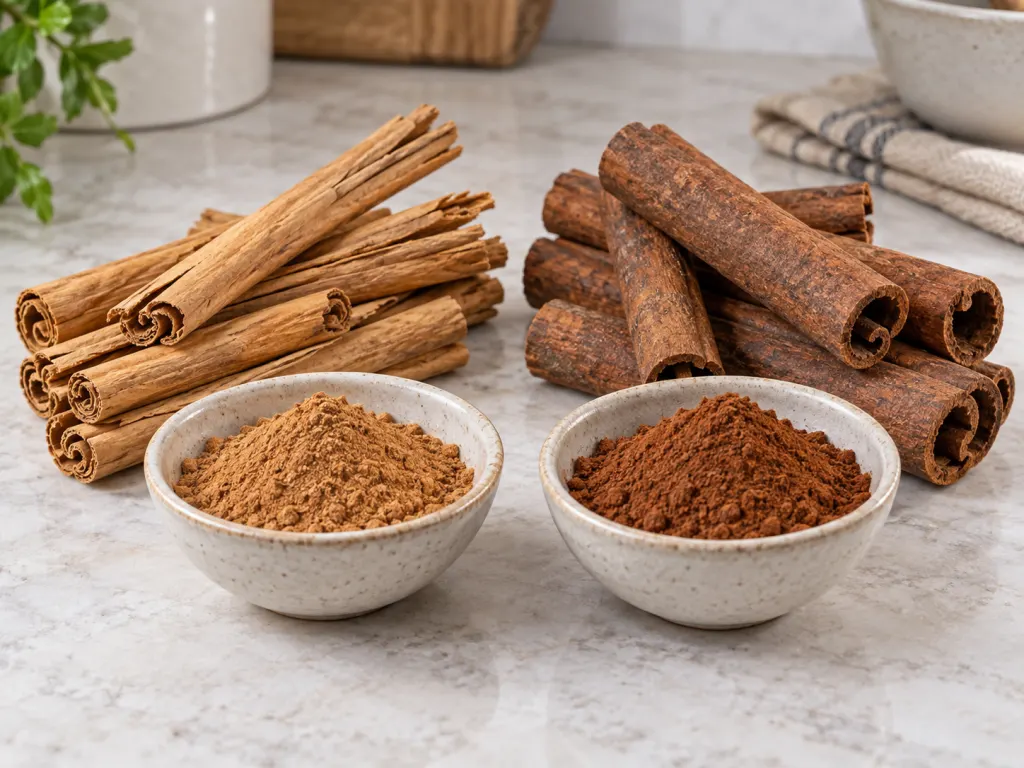
NCCIH summarizes the current evidence plainly: research does not clearly support using cinnamon for any health condition, and studies can be hard to interpret because the cinnamon species, plant part, and product type are not always clear. That matters because cassia and Ceylon cinnamon are not identical in composition. Cassia is common in North America, while Ceylon is often sold as a milder, more expensive variety. The difference is relevant for frequent use because cassia can contain more coumarin, a naturally occurring compound discussed in safety reviews.
For everyday cooking, this means a pinch stirred into oats or a sprinkle on baked apples is different from taking concentrated cinnamon products or using cinnamon as a stand-alone wellness plan. Food amounts are the sensible lane. If you are using cinnamon because you like the taste, that is straightforward. If you are using it because you expect a clear sleep or bloating result, the evidence is not strong enough to support that expectation.
Sleep is shaped more by timing and environment than by one ingredient
Public-health sleep guidance is consistent across major sources. The CDC says adults generally need at least seven hours of sleep and that good sleep quality means sleep is refreshing and not repeatedly interrupted, as described on its About Sleep page. The National Heart, Lung, and Blood Institute also emphasizes regular bed and wake times, a quiet hour before bed, avoiding heavy meals close to bedtime, and keeping the bedroom cool, quiet, and dark in its healthy sleep habits guidance.
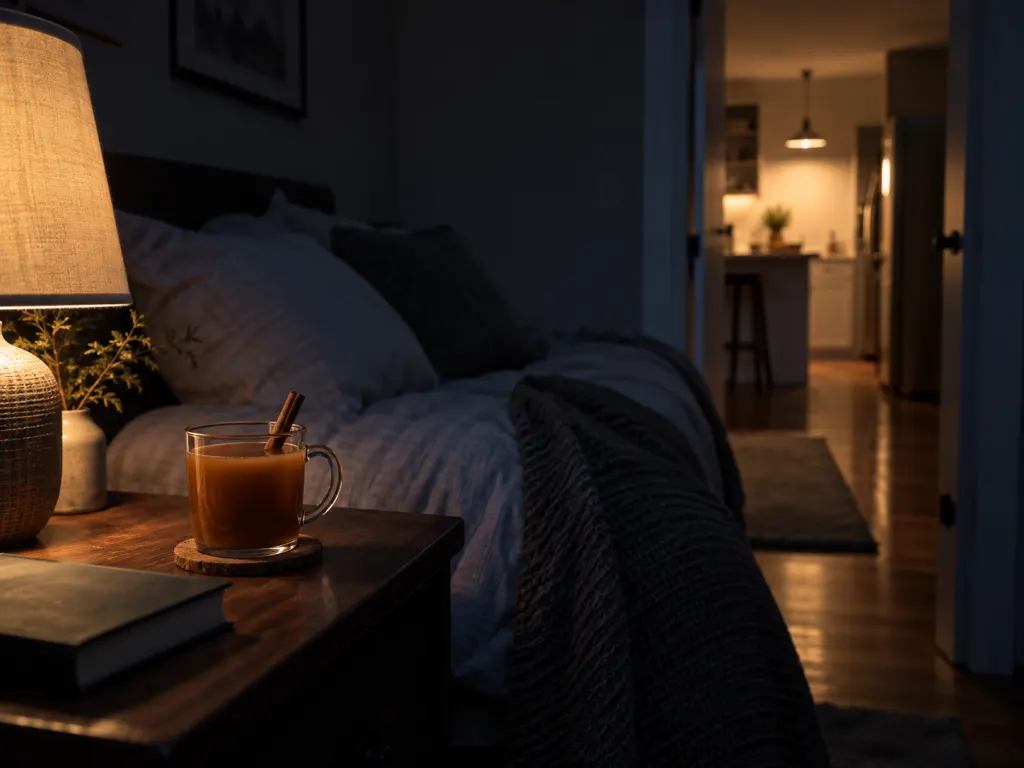
A cinnamon drink can fit within that framework if it is caffeine-free, not overly sugary, and not so large that it leaves you uncomfortable when you lie down. In other words, the routine around the drink is the meaningful part: dimmer light, a predictable cue, a small portion, and a calm transition away from screens or work. Cinnamon may help the drink feel special, but the sleep-supporting structure comes from the schedule and environment.
How bloating usually happens
Bloating is a feeling of fullness, tightness, swelling, or pressure in the abdomen. The National Institute of Diabetes and Digestive and Kidney Diseases explains that gas symptoms often come from swallowed air and from gut bacteria breaking down carbohydrates that were not fully digested earlier in the digestive tract; see its overview of gas symptoms and causes. Cleveland Clinic similarly describes bloating as common and often connected with excess gas, eating too much or too quickly, constipation, food intolerance, or other digestive factors in its medically reviewed page on bloated stomach.
That explanation helps put cinnamon in perspective. Bloating is usually not a spice deficiency. It is often a pattern problem: how fast you eat, how much you eat, whether you drink carbonated beverages, how much fiber changed recently, whether dairy or certain carbohydrates bother you, and whether the symptom pattern has changed. Cinnamon may be gentle for many people in ordinary amounts, but it does not remove swallowed air or change every person’s response to fermentable foods.
A food-first way to use cinnamon in the evening
If you like cinnamon at night, keep the use culinary and simple. A small, warm drink or snack can be part of a wind-down habit, especially when it replaces caffeine or a very heavy dessert. Choose the base carefully. A large mug of a rich drink may feel cozy at first but uncomfortable later. A very sweet option may also make the routine feel less restful. If dairy tends to bother your stomach, use a base you already know suits you.
Practical options include a sprinkle of cinnamon over warm oats, baked apple, unsweetened applesauce, plain yogurt if tolerated, or a caffeine-free herbal infusion. On a recipe site, cinnamon also has a delicious ordinary role in treats such as Apple Cinnamon Oatmeal Cookies, Creamy Homemade Rice Pudding, and Protein Cinnamon Rolls. Those foods can be enjoyed as food, while health decisions stay grounded in evidence and personal context.
Habits that matter more for bloating patterns
NIDDK’s eating guidance for gas points to several habits that are more actionable than adding one spice. It notes that doctors may suggest limiting fizzy drinks, straws, gum, and hard candy; eating slowly; sitting down to eat; and choosing smaller, more frequent meals when gas symptoms are a problem. It also notes that some people notice symptoms with certain fruits, cruciferous vegetables, legumes, dairy products, whole grains, high-fructose drinks, sugar alcohols, high fiber shifts, or high-fat foods; see NIDDK’s eating, diet, and nutrition page.
A useful self-check can be simple:
- Notice whether bloating appears soon after eating or several hours later.
- Compare large dinners with smaller evening meals.
- Watch carbonated drinks, drinking through a straw, and eating while rushing.
- Track whether symptoms follow dairy, beans, wheat-based foods, onions, apples, pears, or sugar alcohols.
- Change one variable at a time so patterns are easier to see.
This approach does not require a complicated food identity or a long list of banned ingredients. It is closer to kitchen observation: what changed, what portion was involved, how quickly you ate, and whether the same thing happens more than once. Cinnamon can stay in the kitchen, but it should not distract from the pattern that is actually driving discomfort.
When cinnamon might not be the right focus
Cinnamon is likely safe for many people in the amounts normally used as a spice or flavoring, according to NCCIH. The caution rises with larger or long-running concentrated use, unclear products, cinnamon oils, or direct contact that irritates skin. Dry cinnamon powder should never be swallowed as a challenge or dare. For frequent cinnamon users, the type may matter because cassia cinnamon can contain more coumarin than Ceylon cinnamon, and labels do not always make species or plant-part details easy to understand.
If a person is trying cinnamon because sleep is difficult night after night, the better next step is a sleep diary and a look at schedule, caffeine timing, light exposure, stress, alcohol, evening meals, and the bedroom environment. MedlinePlus describes insomnia as trouble falling asleep, staying asleep, or waking too early, and notes that sleep habits, lifestyle, stress, anxiety, discomfort, and other health issues can all play a role on its insomnia page. Cinnamon is too narrow a tool for that kind of broad problem.
A balanced evening routine
A reasonable cinnamon-centered routine is small and calm: finish dinner early enough that you are not lying down uncomfortably full, choose a caffeine-free drink if you want one, add cinnamon for flavor, dim the lights, and keep the last part of the evening predictable. If you are hungry, a light snack may be more comfortable than a large dessert. If you are bloated, skip carbonation and slow down. If you are not hungry, the routine can be non-food: a warm bath, gentle stretching, reading, or quiet music.
It also helps to separate pleasure from pressure. A cinnamon drink does not need to perform a health job to be worthwhile. Food can be enjoyable, nostalgic, seasonal, and relaxing without carrying promises it cannot support. That mindset is especially useful online, where ordinary ingredients are often presented as if they have precise effects. The steadier view is simpler: cinnamon is flavorful, sleep has well-established behavioral supports, and bloating deserves pattern awareness.
The bottom line
Cinnamon can be part of a comforting evening ritual, but the evidence does not justify treating it as the main answer for sleep or bloating. Use it as a spice in foods and drinks you already tolerate. For sleep, put most of your energy into timing, light, caffeine, meal size, and bedroom conditions. For bloating, look at eating pace, carbonated drinks, meal size, fiber changes, and repeat food patterns. That gives cinnamon its proper role: pleasant, aromatic, and culinary, with health expectations kept appropriately modest.
Wrap-Up
Cinnamon belongs comfortably in the kitchen, especially in warm drinks, oats, fruit, and desserts. It can make an evening routine feel more soothing, but current authoritative guidance points to routine, environment, caffeine timing, and meal size as the stronger levers for sleep. Bloating is usually shaped by swallowed air, food patterns, digestion of certain carbohydrates, and symptom timing. Use cinnamon in ordinary food amounts, be cautious with concentrated products, and bring persistent or changing symptoms to a qualified health professional.
Frequently Asked Questions
- → Can I drink cinnamon tea before bed?
You can drink a caffeine-free cinnamon-flavored tea before bed if it suits your stomach and routine. Keep the portion comfortable, avoid making it overly sweet, and remember that the sleep value is more about the calm routine than the cinnamon itself.
- → Is cinnamon proven to improve sleep quality?
Current authoritative sources do not support cinnamon as a reliable way to change sleep quality. Better-supported habits include a steady sleep schedule, a cool and dark room, less evening caffeine, less bright light near bedtime, and avoiding heavy late meals.
- → Can cinnamon reduce bloating after meals?
Cinnamon may taste soothing, but bloating is more often linked with swallowed air, eating speed, meal size, carbonated drinks, constipation, food intolerance, or how gut bacteria handle certain carbohydrates. Tracking patterns is more useful than relying on one spice.
- → Is Ceylon cinnamon different from cassia cinnamon?
Yes. NCCIH identifies Ceylon cinnamon and cassia cinnamon as different types from different Cinnamomum species. Cassia is common in North America, while Ceylon is often milder. The distinction can matter for people who use cinnamon frequently.
- → When should bloating be discussed with a doctor?
Discuss bloating with a doctor or qualified health professional if it is persistent, suddenly changes, disrupts daily life, is very painful, or appears with fever, vomiting, bleeding, weakness, unexplained weight loss, diarrhea, constipation, or other concerning symptoms.
References
This content was developed and refined using reliable sources.
- https://www.nccih.nih.gov/health/cinnamon?matchtype=e
- https://www.niddk.nih.gov/health-information/digestive-diseases/gas-digestive-tract/symptoms-causes
- https://www.niddk.nih.gov/health-information/digestive-diseases/gas-digestive-tract/eating-diet-nutrition
- https://www.nhlbi.nih.gov/health/sleep-deprivation/healthy-sleep-habits
- https://www.cdc.gov/sleep/about/index.html
- https://www.medlineplus.gov/ency/article/000805.htm
- https://my.clevelandclinic.org/health/symptoms/21740-bloated-stomach