 Save
Metoprolol is a beta blocker that may be prescribed for blood pressure, angina, heart failure, or care after a heart attack. Seniors may notice side effects such as dizziness, tiredness, or lightheadedness, especially when routines change. This guide explains practical ways to keep the routine safer while leaving personal medical decisions to a doctor or pharmacist.
Step 1: Confirm the exact metoprolol form you take

Look at the bottle and pharmacy handout so you know whether you have a regular tablet, an extended-release tablet, or an extended-release capsule. MedlinePlus explains that metoprolol comes in different oral forms, and each form has specific use instructions. If the label is hard to read, ask the pharmacist for larger print or a plain explanation.
Step 2: Tie each scheduled time to a steady daily cue

Take metoprolol exactly as prescribed and use a repeatable cue, such as breakfast, dinner, or brushing your teeth, so the routine stays consistent. The National Institute on Aging recommends taking blood pressure medicine at the same time each day as part of a daily routine. Do not change the amount, timing, or stopping plan without asking your doctor.
Step 3: Take it with food if your label says to

Many metoprolol instructions say to take the medicine with a meal or right after eating, but your own label should guide you. Mayo Clinic notes that metoprolol tablets, extended-release tablets, or oral liquid are commonly taken with a meal or just after a meal. Ask a pharmacist before changing how you take it with meals.
Step 4: Write down side effects as they happen

Use a notebook, calendar, or phone note to record the time, symptom, activity, and whether you had recently stood up, eaten, or taken medicine. NIA advises writing down uncomfortable side effects so you can report them accurately to a doctor or pharmacist. This is especially helpful for dizziness, tiredness, weakness, cold hands or feet, dry mouth, diarrhea, rash, or itching.
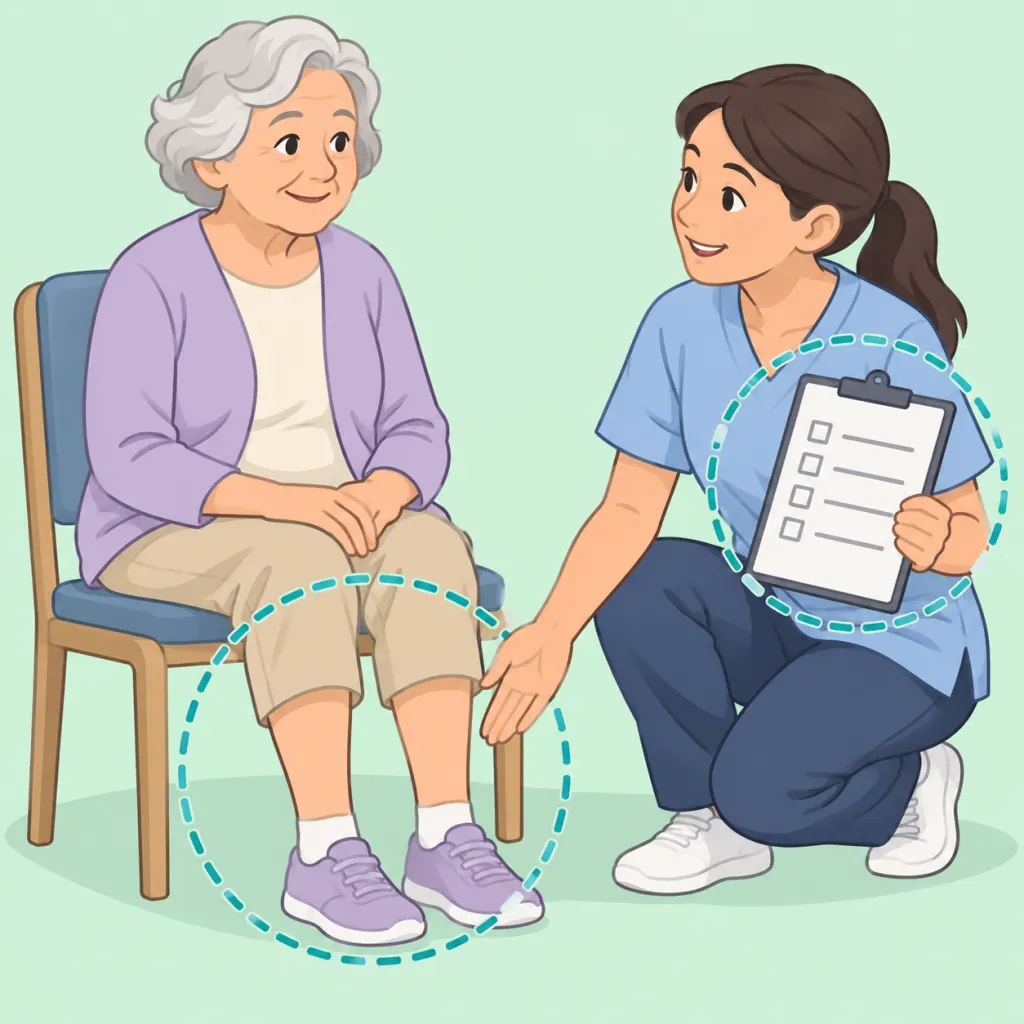
Move from lying down to sitting, pause, then stand and wait before walking. Mayo Clinic cautions that dizziness, lightheadedness, or fainting may happen when getting up suddenly while taking metoprolol. If you feel dizzy or weak, the NHS recommends stopping what you are doing and sitting or lying down until you feel better.
Step 6: Pause driving and risky tasks when symptoms affect alertness
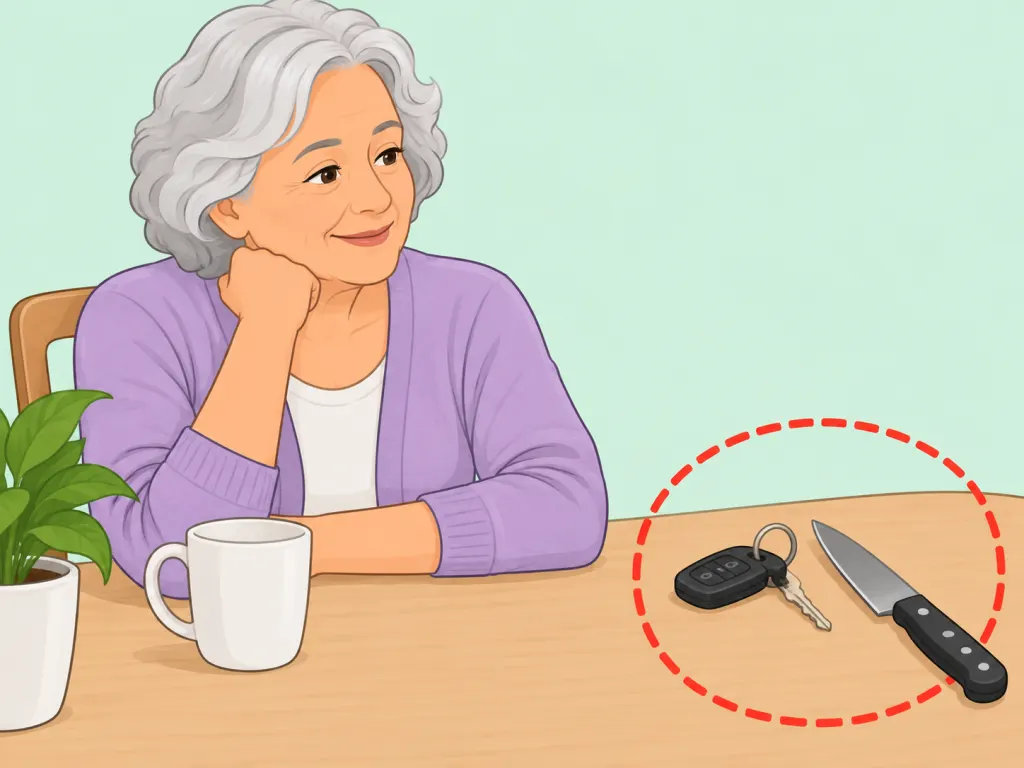
Do not drive, climb ladders, cook over high heat, or use tools if metoprolol makes you feel tired, dizzy, weak, or less alert. The CDC notes that prescription medicines, over-the-counter medicines, supplements, and herbal products can cause side effects that increase fall or crash risk. Resume those activities only when you feel steady and have clear advice for your situation.
Step 7: Keep one complete medicine list

List metoprolol along with all prescription medicines, over-the-counter products, vitamins, supplements, and herbal products you use. NIA recommends showing this list to all health care providers and keeping a copy with you. Using one pharmacy when possible can also make it easier for the pharmacist to spot concerns in your routine.
Step 8: Call a doctor promptly for serious or unusual symptoms
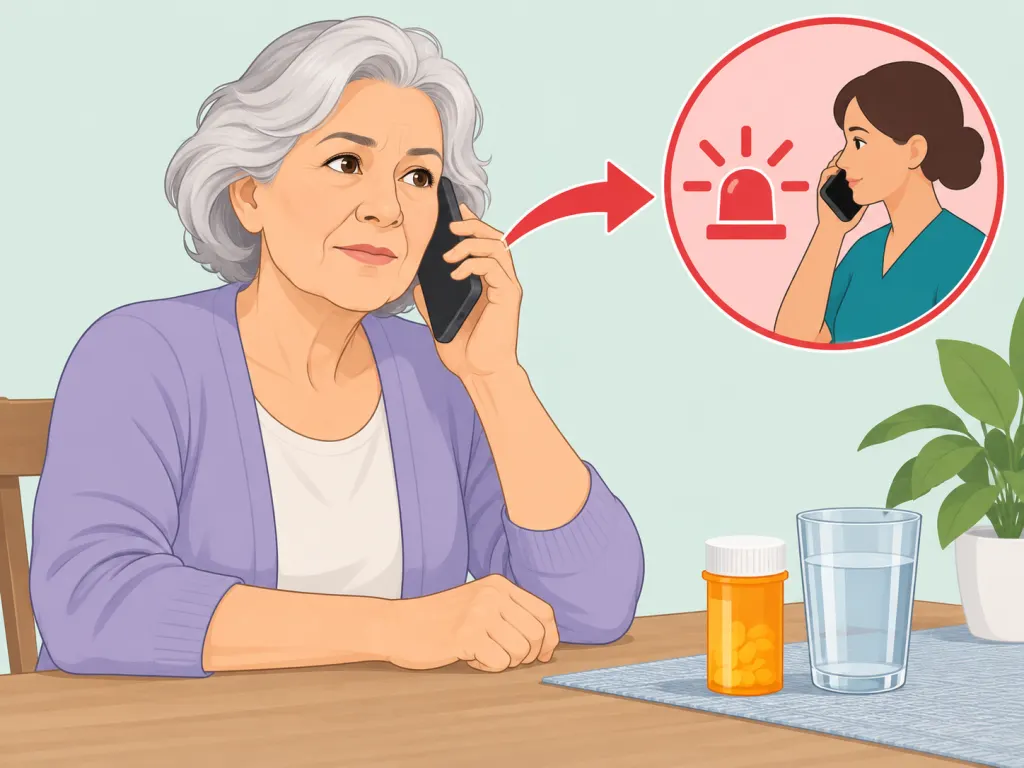
Contact a doctor right away or seek emergency help for fainting, trouble breathing, swelling of the hands, feet, ankles, or lower legs, sudden weight gain, or a rapid, pounding, or irregular heartbeat. MedlinePlus lists these as symptoms that need immediate medical attention. Get urgent help for chest pain that is new, does not stop, or feels worse than usual.
Wrap-Up
The bottom line: take metoprolol exactly as prescribed, keep a clear medicine list, track symptoms in plain detail, and ask for help quickly if side effects feel severe, new, or unsafe.
Frequently Asked Questions
- → What metoprolol side effects should seniors watch for?
Commonly reported effects include dizziness or lightheadedness, tiredness, dry mouth, diarrhea, and rash or itching. Call a doctor promptly for symptoms such as trouble breathing, swelling, fainting, or a rapid, pounding, or irregular heartbeat.
- → Should I stop metoprolol if I feel dizzy?
Do not stop metoprolol on your own. Sit or lie down until you feel steady, write down what happened, and contact your doctor or pharmacist for instructions.
- → Can metoprolol make falls more likely?
Dizziness, drowsiness, slower reaction time, and balance changes from some medicines can raise fall risk in older adults. If you feel unsteady, avoid rushing, use support when standing, and tell a clinician.
- → Is it safe to drive while taking metoprolol?
Do not drive or use tools if you feel tired, dizzy, weak, or less alert. Ask your doctor or pharmacist when it is safe for you to drive based on your own symptoms and routine.
- → What should I do if I miss a metoprolol tablet or capsule?
Follow the instructions on your label or the written handout from the pharmacy. If you are unsure, call your pharmacist; do not take extra medicine to make up for a missed one unless a clinician tells you to.
- → Can I split or crush metoprolol?
Do not split, crush, chew, or open metoprolol unless your pharmacist or doctor confirms it is safe for your exact product. Different forms are made to release medicine in different ways.
References
This content was developed and refined using reliable sources.
- https://medlineplus.gov/druginfo/meds/a682864.html
- https://www.mayoclinic.org/drugs-supplements/metoprolol-oral-route/description/drg-20071141
- https://www.nhs.uk/medicines/metoprolol/side-effects-of-metoprolol
- https://www.nia.nih.gov/health/medicines-and-medication-management/taking-medicines-safely-you-age
- https://www.nia.nih.gov/health/high-blood-pressure/high-blood-pressure-and-older-adults
- https://www.cdc.gov/older-adult-drivers/medicine/index.html