 Save
Weak legs in an older adult can have many causes, from age-related muscle changes to circulation, nerve, nutrition, medicine, or medical issues. This guide helps you notice useful patterns without trying to diagnose the problem at home. Use it to decide what to track, what to ask a health professional, and when to seek help quickly.
Step 1: Get urgent help for sudden or one-sided weakness
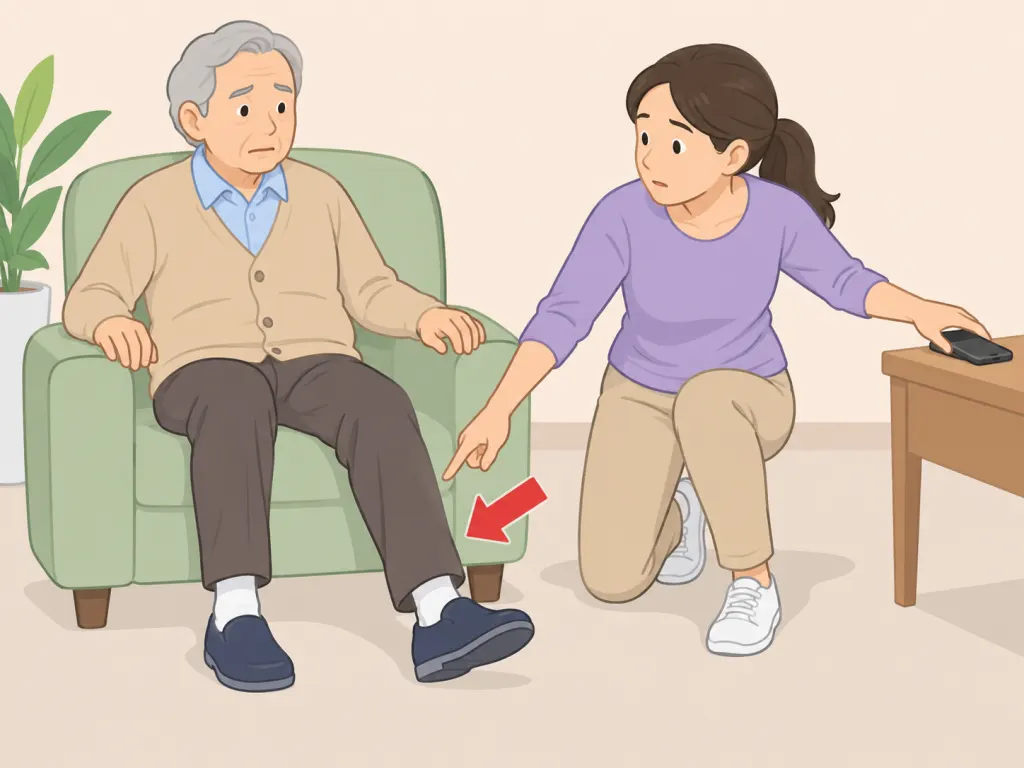
Call emergency services or seek urgent medical care if leg weakness starts suddenly, affects one side, follows a fall or illness, or comes with trouble speaking, confusion, chest discomfort, severe dizziness, or inability to stand. MedlinePlus lists sudden, localized, or unexplained weakness as a reason to contact a health professional. Do not wait to see whether a sudden change passes on its own.
Step 2: Describe exactly what the weakness feels like
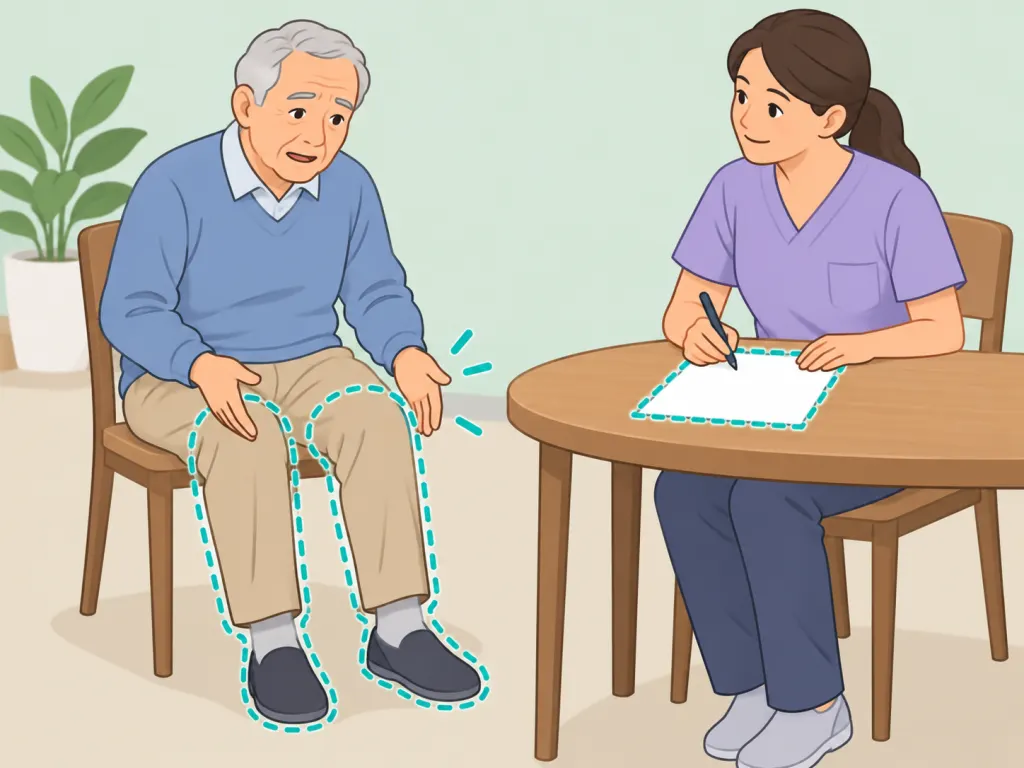
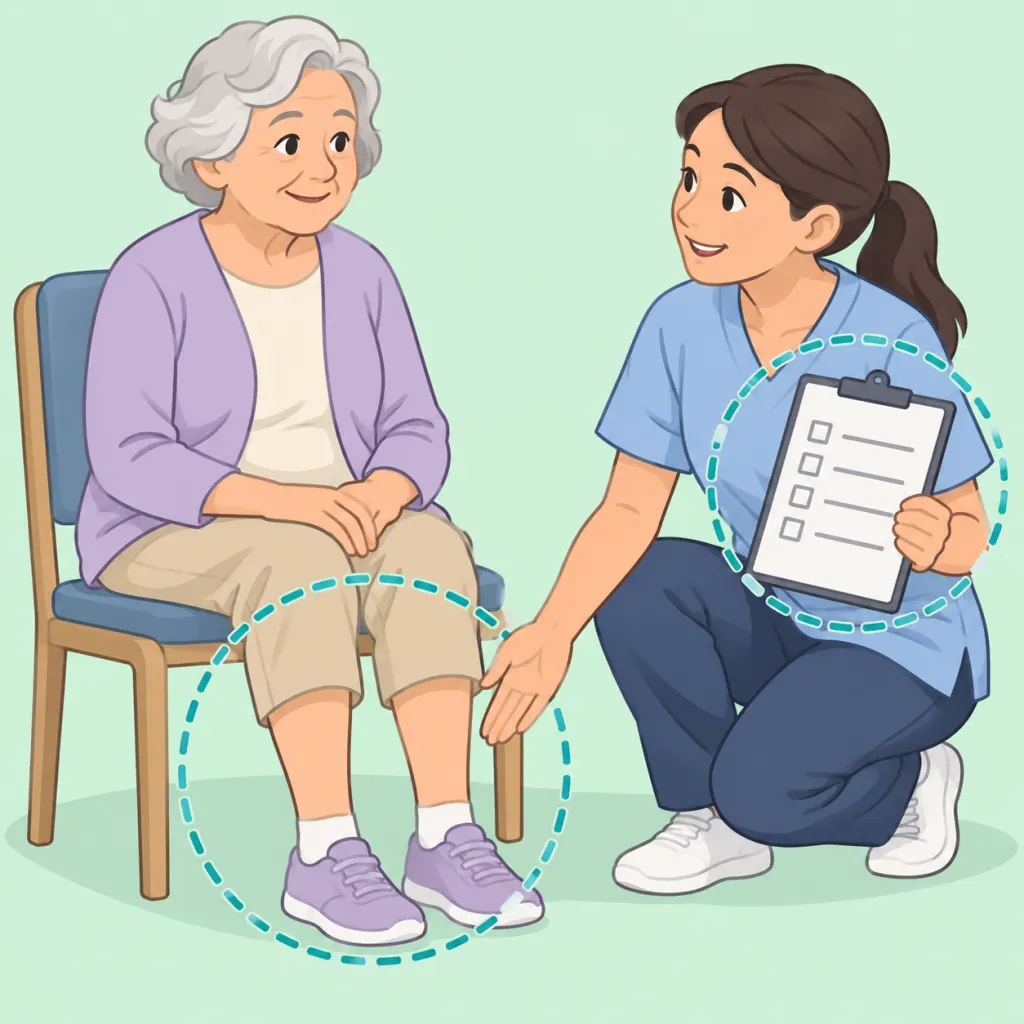
Write down when the weakness started, whether it is in one leg or both, whether it is constant or comes and goes, and whether it feels like true loss of strength, fatigue, heaviness, pain, numbness, or poor balance. A clinician may ask about timing, recent illness, medicines, and whether weakness is generalized or limited to one area. Clear details make the visit more useful.
Step 3: Compare it with age-related muscle and gait changes
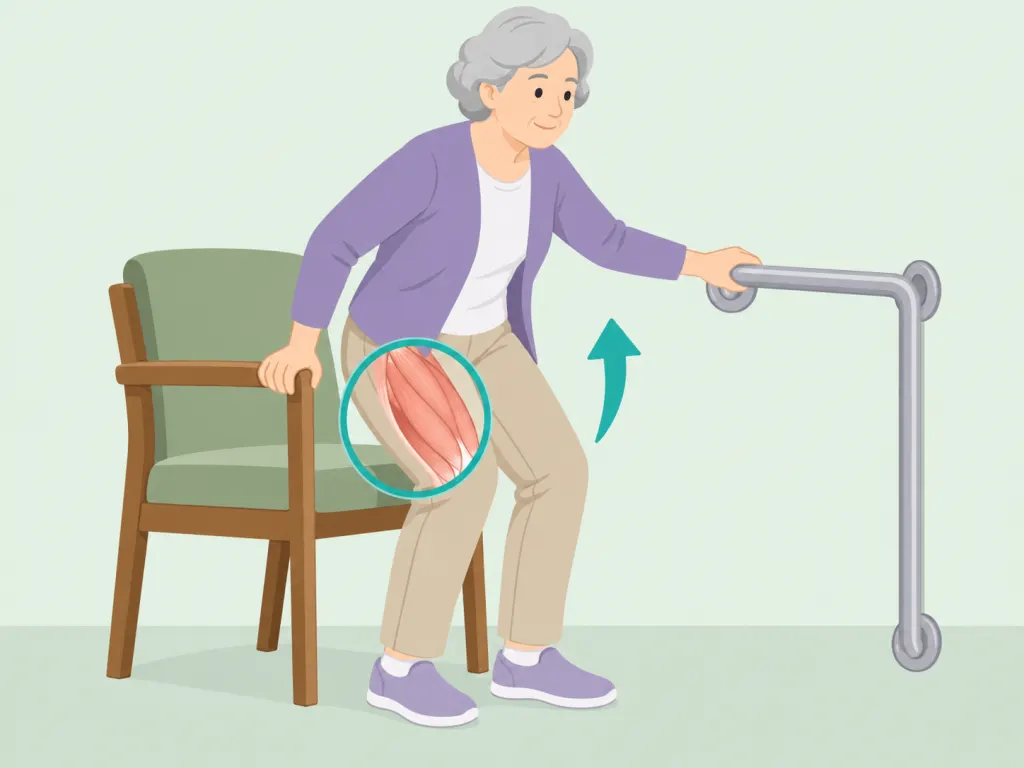
Some older adults walk more slowly, tire more easily, or lose strength as muscle mass and joint flexibility change with age. MedlinePlus explains that aging can affect posture, gait, balance, and muscle strength. Still, weakness that is new, rapidly changing, or interfering with daily tasks deserves a medical check rather than being written off as aging.
Step 4: Watch for circulation clues during walking
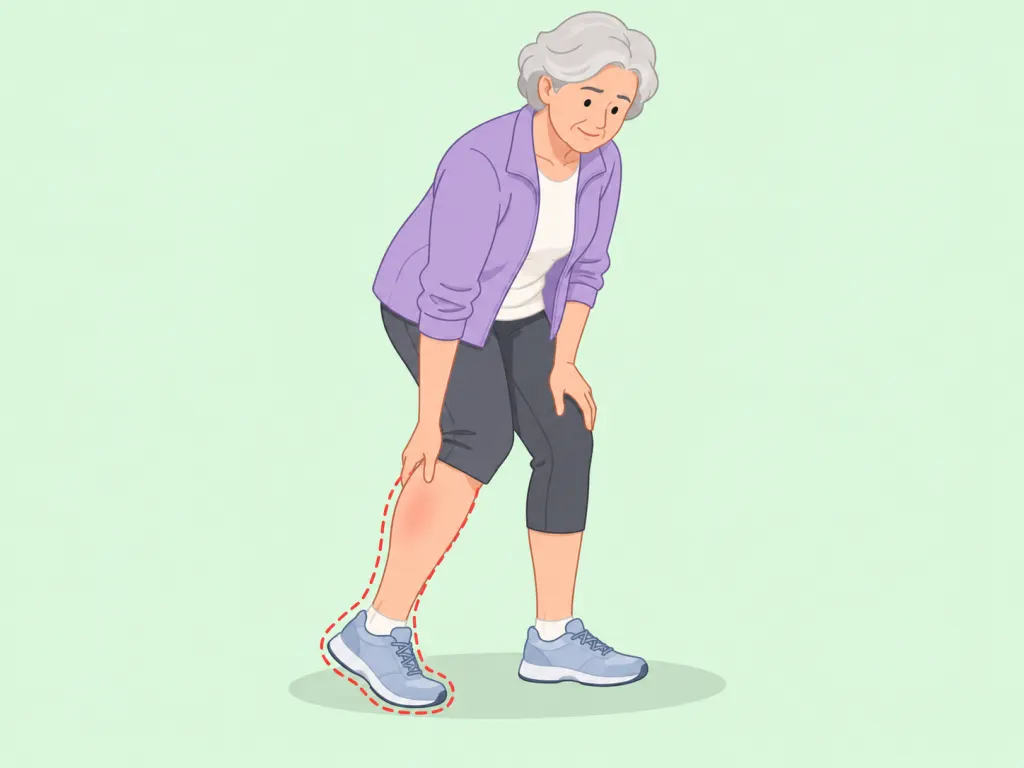
Notice whether weakness, cramping, numbness, fatigue, or discomfort appears when walking or climbing stairs and eases after resting. Peripheral artery disease can cause leg symptoms during activity because narrowed arteries limit blood flow. Rest pain, slow-healing foot sores, color changes, or a cool foot should be reported promptly.
Pay attention to leg weakness with numbness, cramping, or pain that worsens while standing or walking and improves when sitting or leaning forward. Spinal stenosis can cause leg weakness or numbness and often feels worse with standing or walking. New bowel or bladder control problems with leg symptoms need urgent medical attention.
Step 6: Review medicines and fall risks with a professional
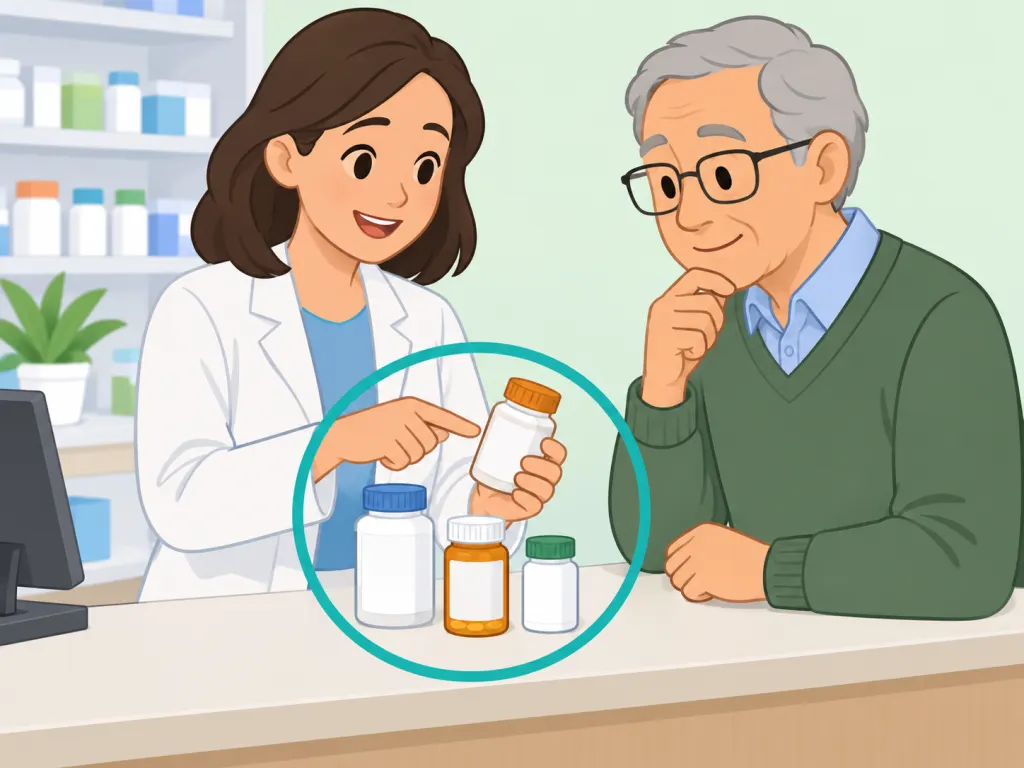
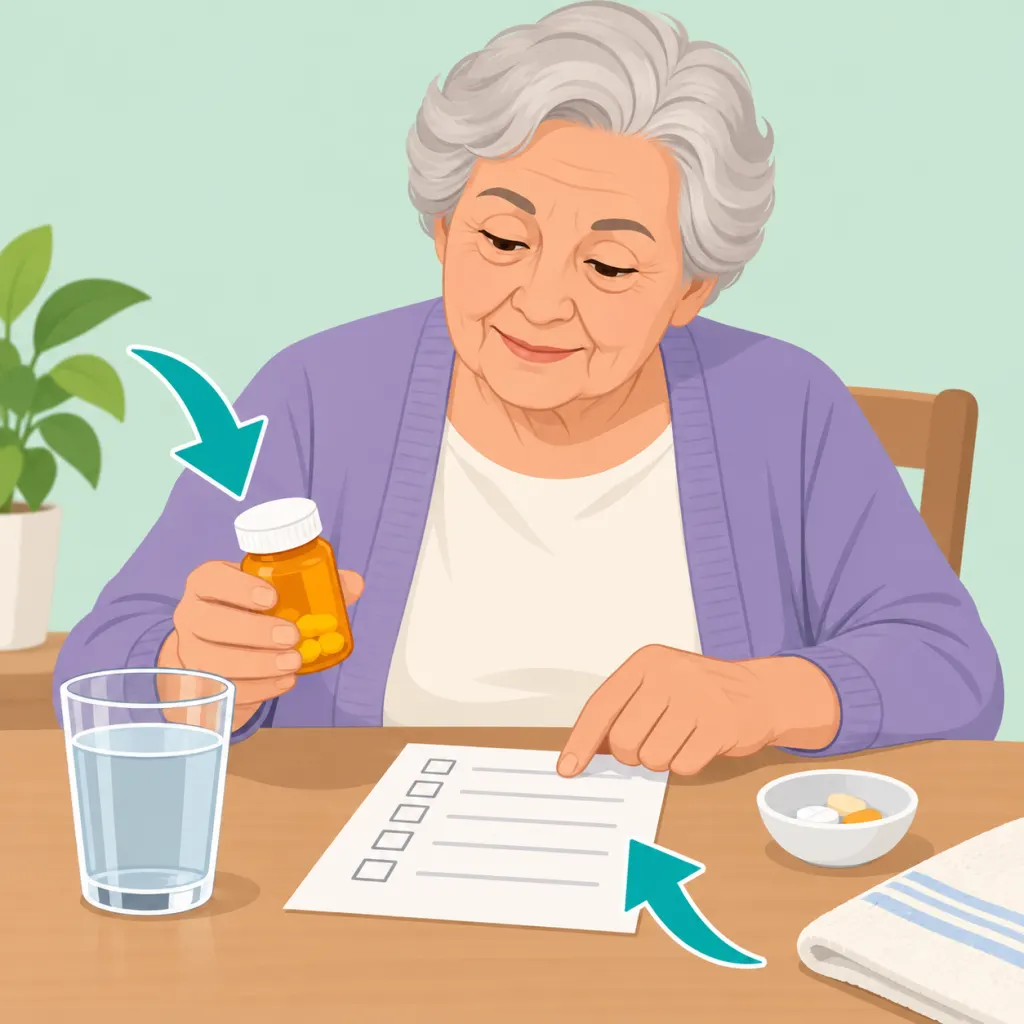
Bring a complete list of prescriptions, over-the-counter medicines, sleep aids, pain relievers, and supplements to a doctor or pharmacist. CDC advises older adults to ask whether any medicines may cause dizziness or sleepiness and to discuss fall risk with a health professional. Do not stop or change prescribed medicine without professional guidance.
Step 7: Ask about vitamin and blood-related causes
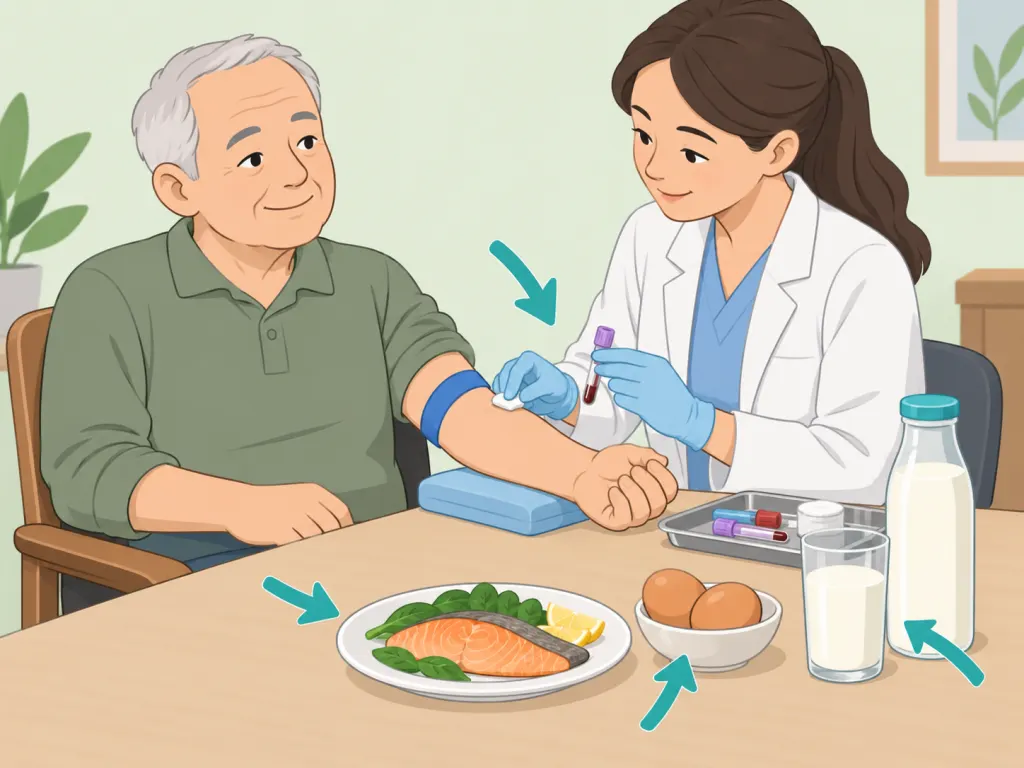
Ask whether blood tests make sense for vitamin D, vitamin B12, blood count, electrolytes, thyroid, or other causes based on the symptoms. NIH notes that vitamin D is needed for muscles to move and that deficiency can cause muscle weakness, and MedlinePlus lists low vitamin B12 as a possible cause of balance problems, tingling, and weakness. Testing helps avoid guessing.
Step 8: Build a safer strength and balance plan
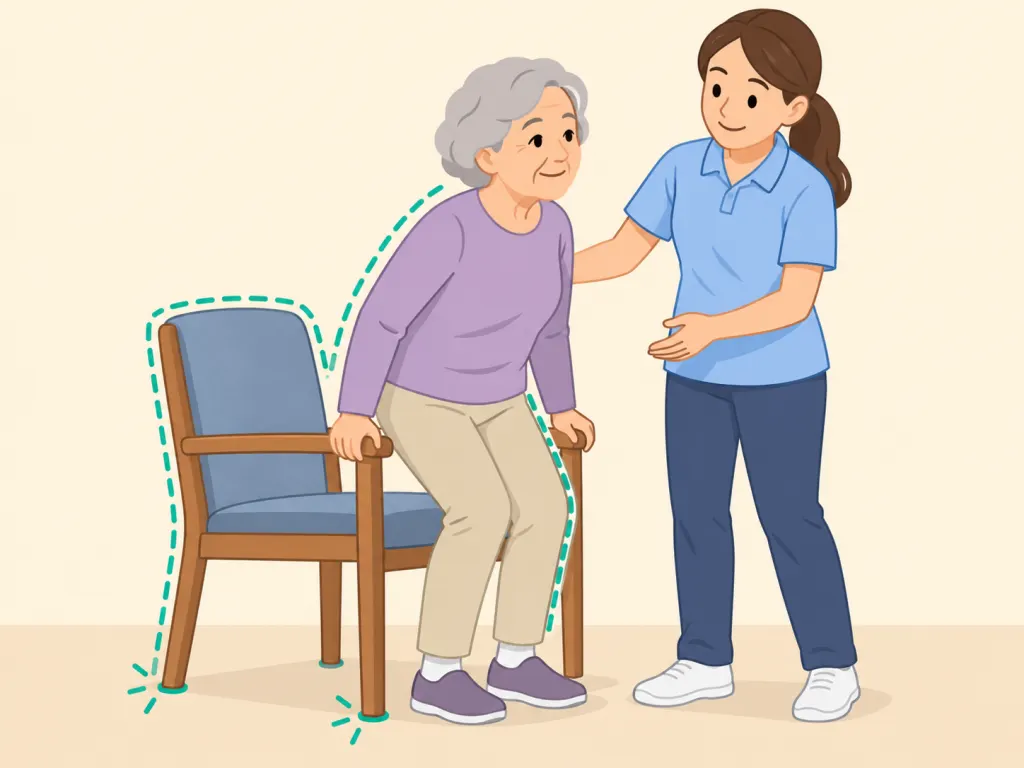
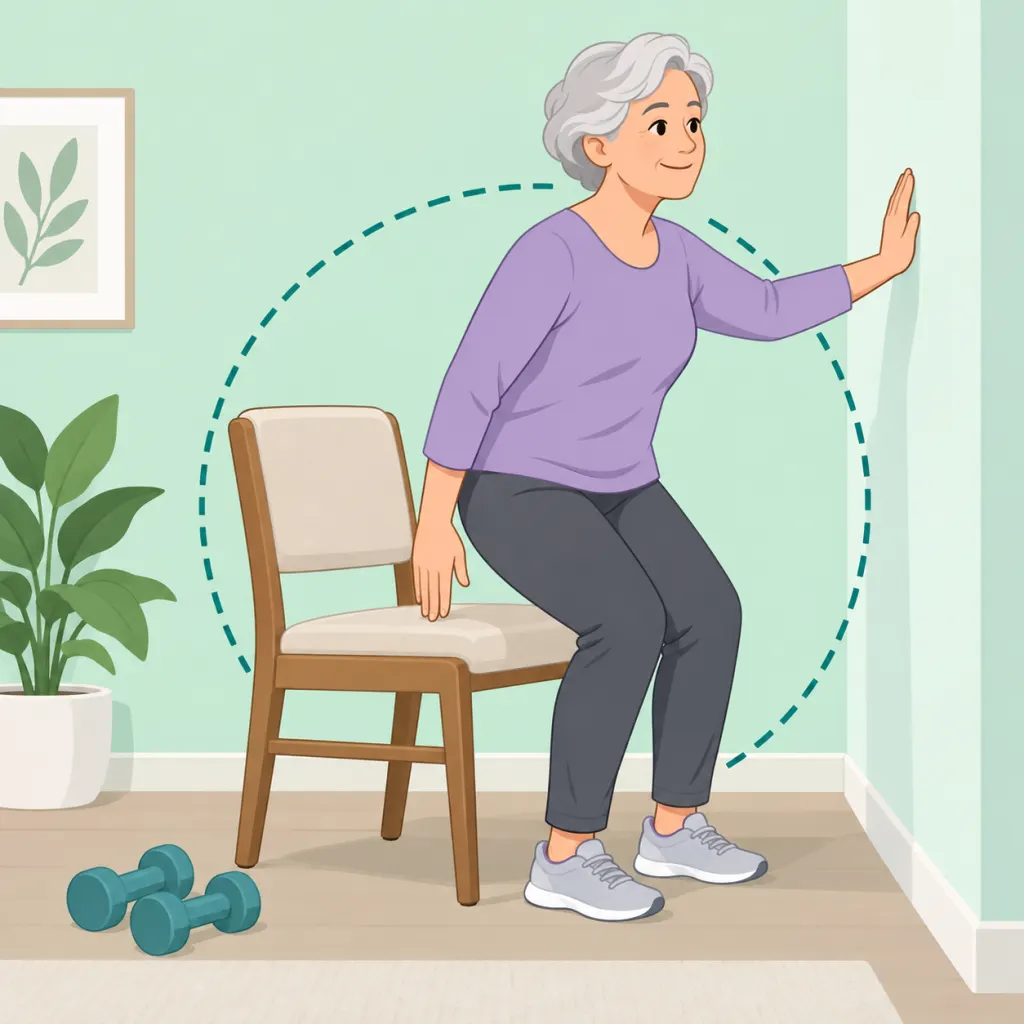
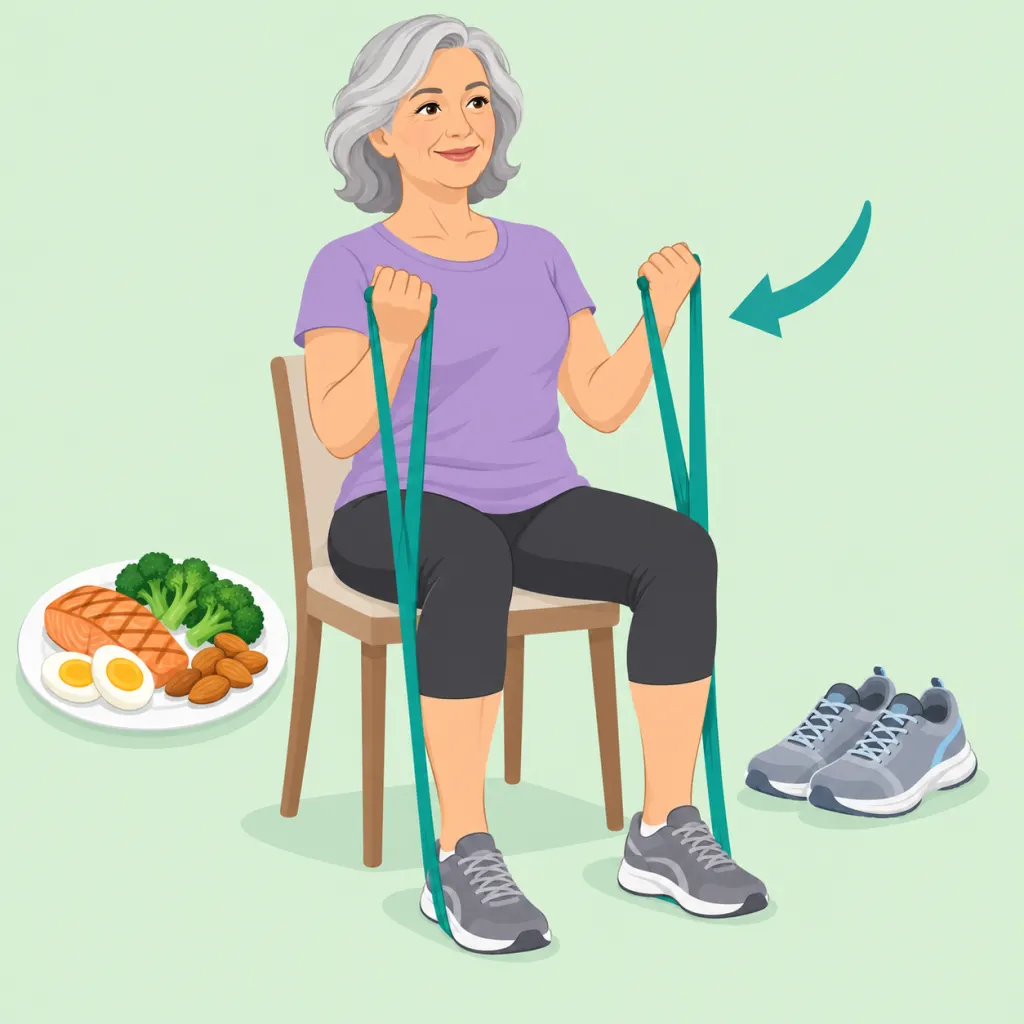
After a clinician says activity is safe, start with gentle, consistent movement matched to current ability, such as short walks, sit-to-stand practice, or supervised physical therapy. CDC recommends aerobic activity, muscle-strengthening activity, and balance activity for adults 65 and older. Use support, good lighting, and steady footwear so exercise does not add avoidable fall risk.
Wrap-Up
The bottom line: do not dismiss weak legs as only aging. Track the pattern, look for circulation and nerve clues, review medicines and nutrition with a professional, and get medical help promptly for sudden, worsening, or unexplained weakness.
Frequently Asked Questions
- → Is weak legs a normal part of aging?
Some slowing, balance change, and loss of muscle mass can happen with age, but new, sudden, one-sided, worsening, or unexplained weakness should be discussed with a health professional. MedlinePlus notes that aging can affect gait and strength, while persistent or sudden weakness needs medical attention.
- → Can low vitamin D make legs feel weak?
Vitamin D is involved in muscle function, and low levels can be linked with weak or painful muscles. Ask a clinician whether testing is appropriate instead of starting high-dose supplements on your own. NIH explains vitamin D's role in muscles and bones.
- → Why do legs feel weak after walking but better after resting?
That pattern can happen with reduced blood flow in the legs, and back-related nerve problems can also worsen with standing or walking. A clinician can compare the pattern, pulses, sensation, and needed tests. Cleveland Clinic describes PAD walking symptoms, and MedlinePlus describes spinal stenosis clues.
- → Can medicines contribute to weak or unsteady legs?
Medicines that cause dizziness, sleepiness, or balance problems can raise fall risk, especially when several are taken together. Bring all prescription, over-the-counter, and supplement products to a doctor or pharmacist for review. CDC recommends medicine review as part of fall-risk care.
- → What tests might a doctor consider?
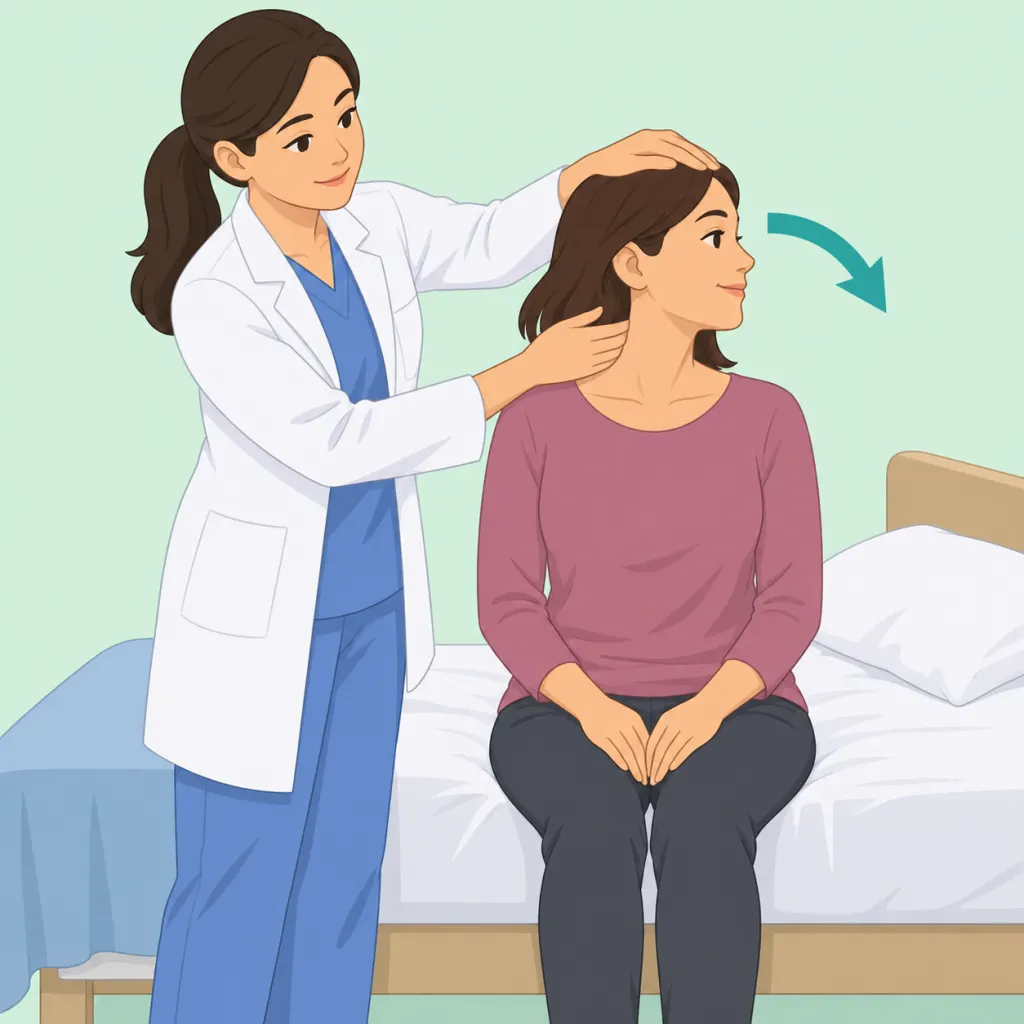
Depending on the symptoms, a clinician may check strength, reflexes, sensation, walking pattern, pulses, blood work, urine tests, imaging, or circulation tests such as an ankle-brachial index. The right tests depend on the pattern rather than age alone.
- → What kind of activity helps once a clinician says it is safe?
Older adults generally benefit from a mix of aerobic, muscle-strengthening, and balance activities matched to ability. CDC recommends weekly activity that includes strength and balance work for adults 65 and older.
References
This content was developed and refined using reliable sources.
- https://www.medlineplus.gov/ency/article/003174.htm
- https://www.medlineplus.gov/ency/article/004015.htm
- https://www.cdc.gov/physical-activity-basics/guidelines/older-adults.html
- https://www.cdc.gov/falls/prevention/index.html
- https://ods.od.nih.gov/factsheets/VitaminD-Consumer
- https://www.medlineplus.gov/ency/article/000441.htm
- https://my.clevelandclinic.org/health/diseases/17357-peripheral-artery-disease-pad
- https://www.medlineplus.gov/ency/article/002403.htm