 Save
Driving rules for older adults are not the same everywhere, and age alone does not tell the whole story. This guide explains how to check licence obligations, understand medical or aptitude reviews, and respond calmly if driving starts to feel harder. It is written for older drivers and families who want a practical, safety-first checklist.
Step 1: Check the rule for your licensing authority

Start with the official licensing agency for the place where the driver is licensed, because senior renewal rules vary by country, state, and licence category. In France, the official older-adult information site says there is no fixed age limit for driving, but health and driving ability must be considered as people age in official guidance for older drivers.
Step 2: Confirm whether a medical fitness check is required
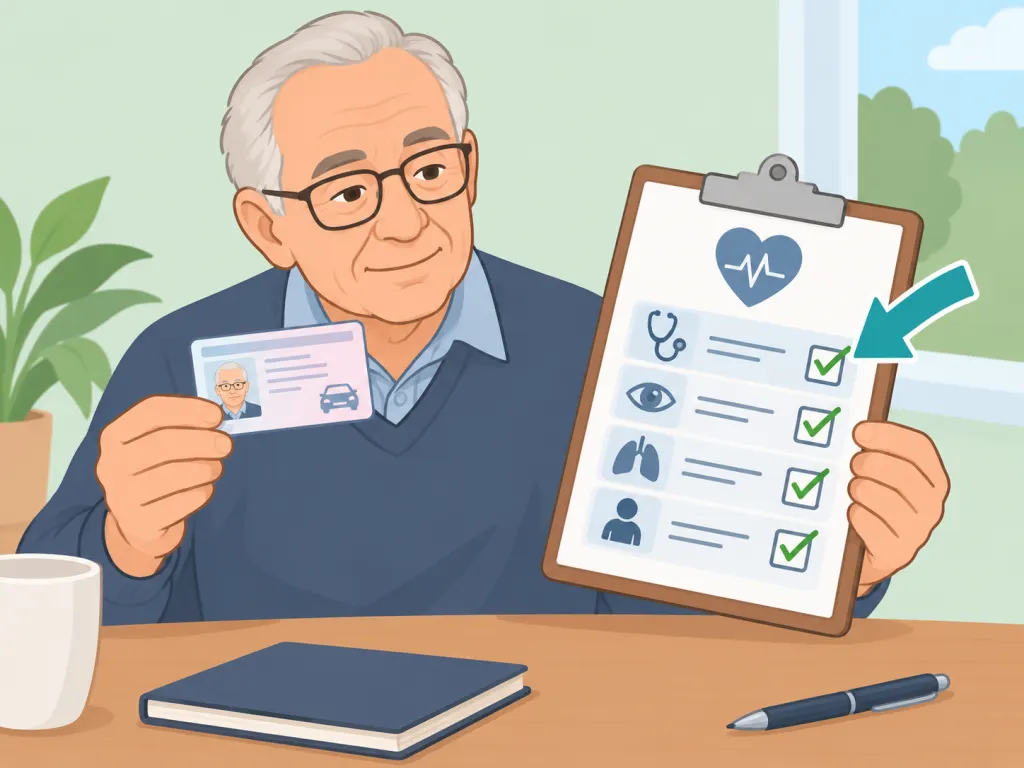
Look for rules about health conditions, limited-validity licences, vehicle adaptations, professional categories, or exemptions. French public-service guidance lists situations where a medical check is required to obtain or keep a driving licence and explains that failing to complete a required check can affect insurance after a related crash under its medical-check rules.
Step 3: Read the dates, categories, and restriction codes on the licence
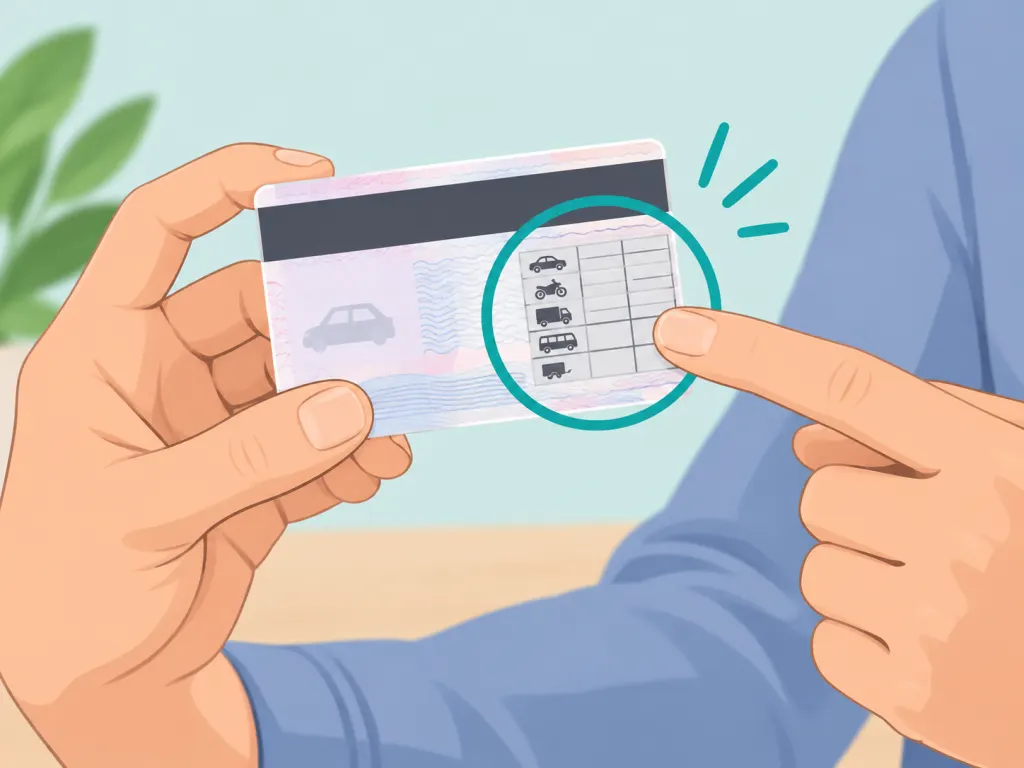
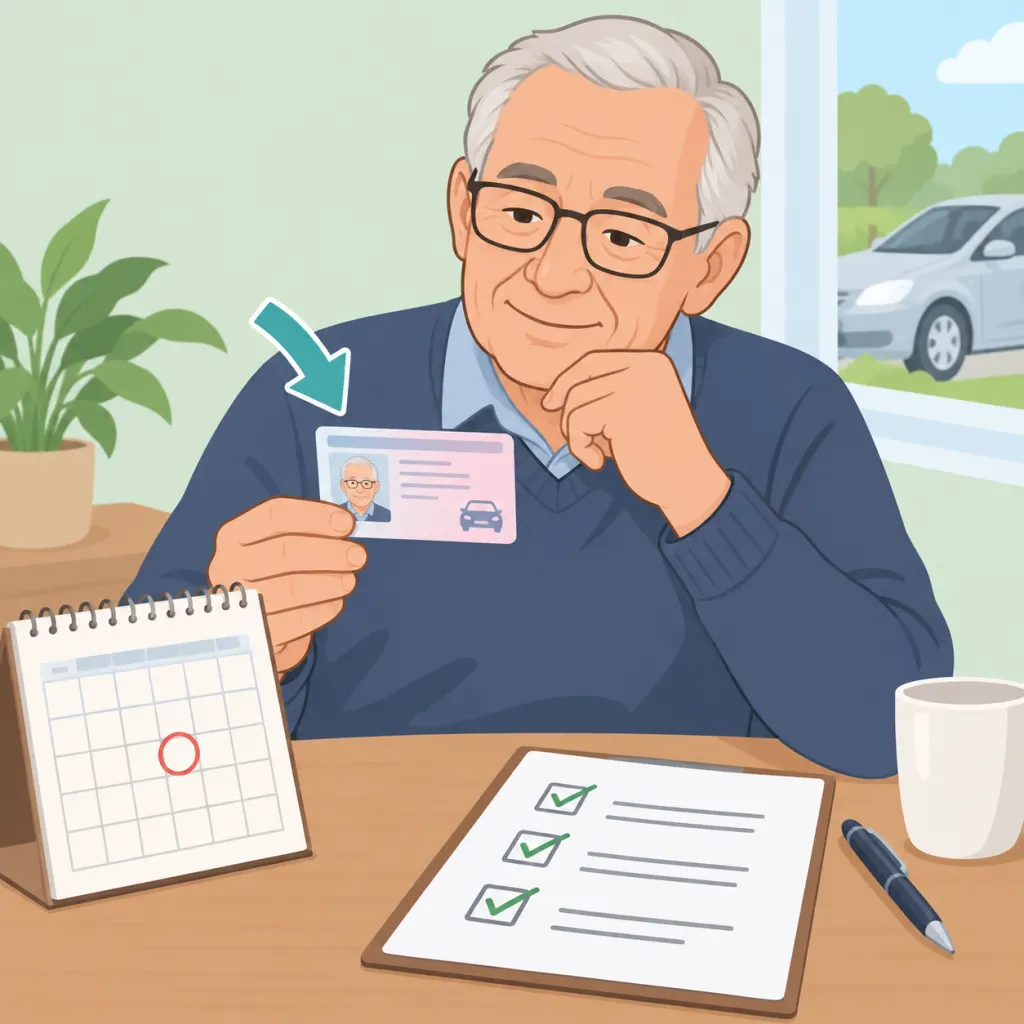
Check the licence card for expiry dates, vehicle categories, and any coded restrictions. For example, French official guidance explains that restriction codes can show obligations such as wearing corrective lenses or using an adapted vehicle on the back of the licence.
Step 4: Prepare the documents for a required medical check
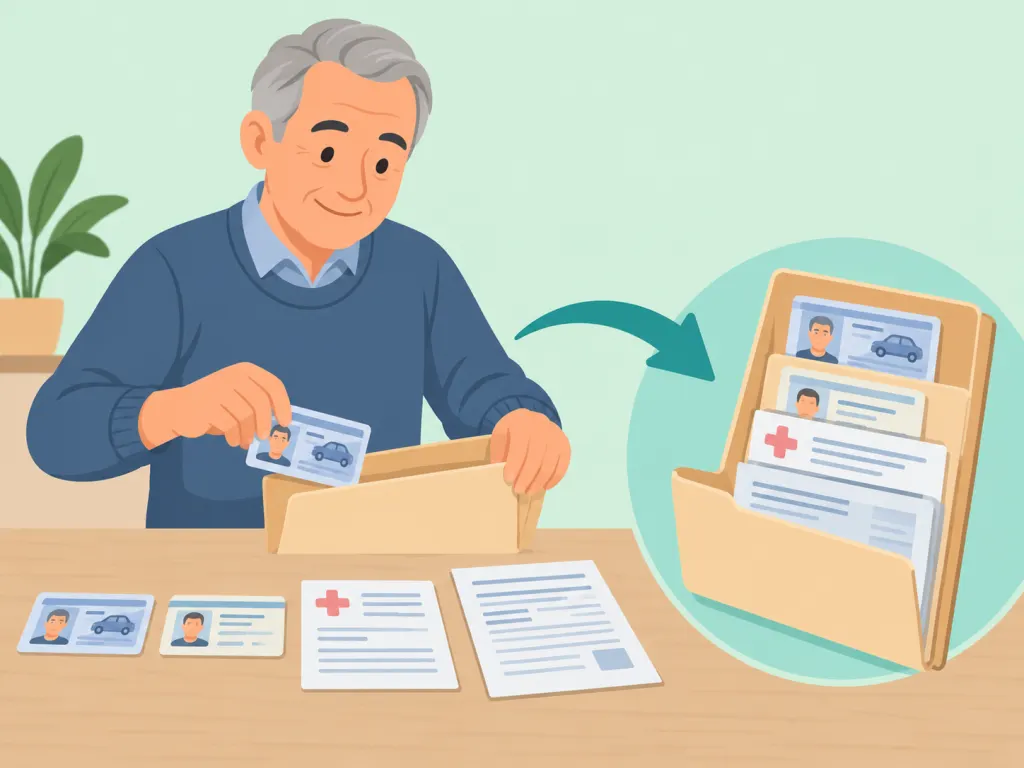
If a review is required, prepare the licence, proof of identity, the official medical-opinion form, the health questionnaire, and any relevant health documents. In France, the approved doctor must not be the driver’s usual treating doctor, and the list of approved doctors is available through prefecture channels according to Service Public.
Answer health and driving questions plainly, even if the driver feels anxious about the result. An official medical review may assess physical, cognitive, and sensory fitness, and the doctor may request further exams, specialist input, a medical board review, or a driving test when needed during the fitness process.
Step 6: Review health, vision, and medicines before driving
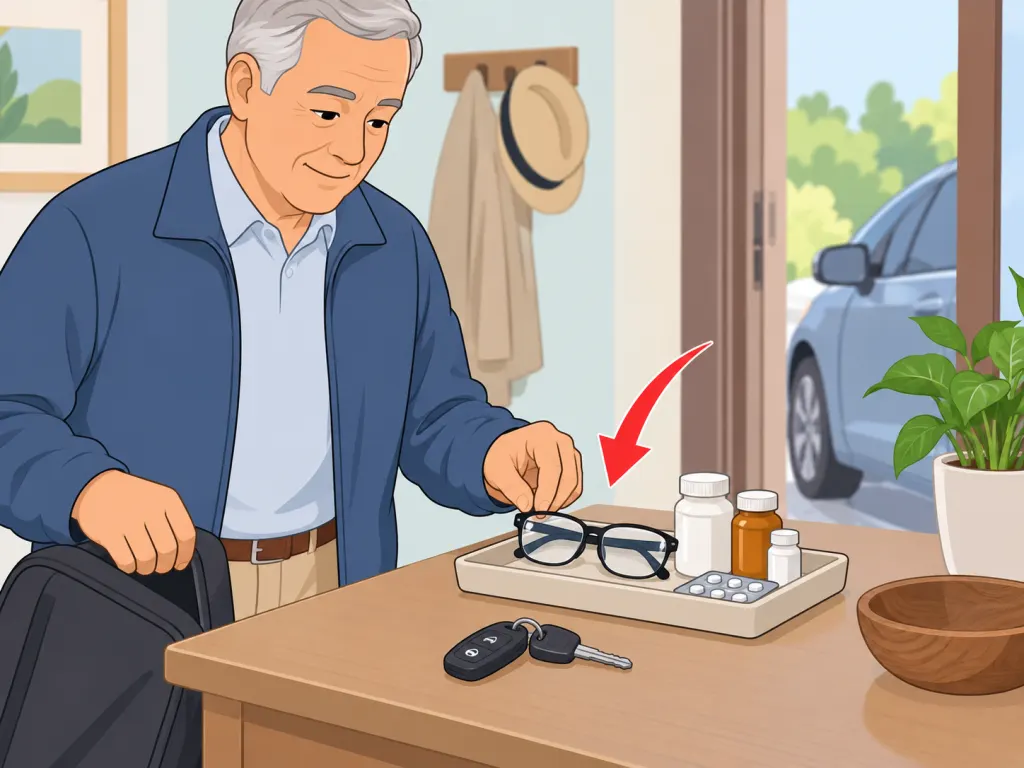
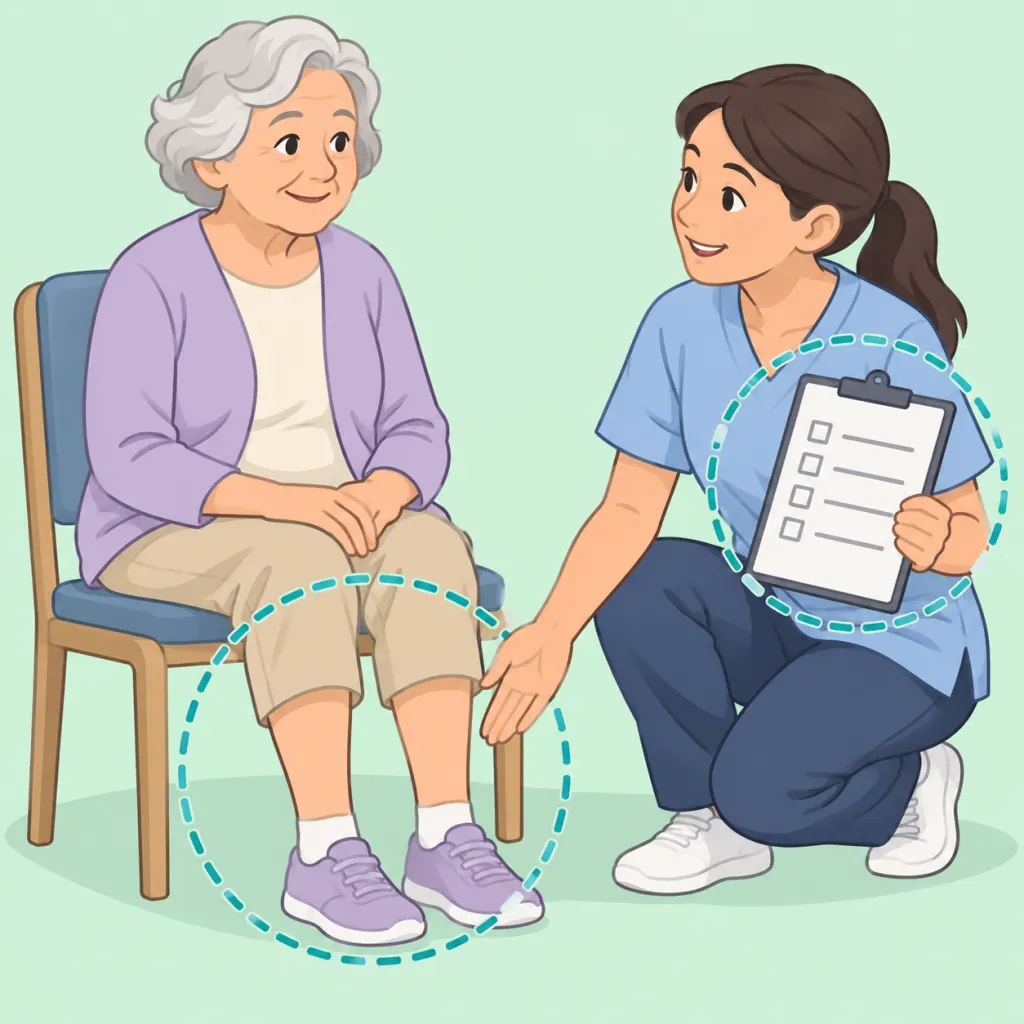
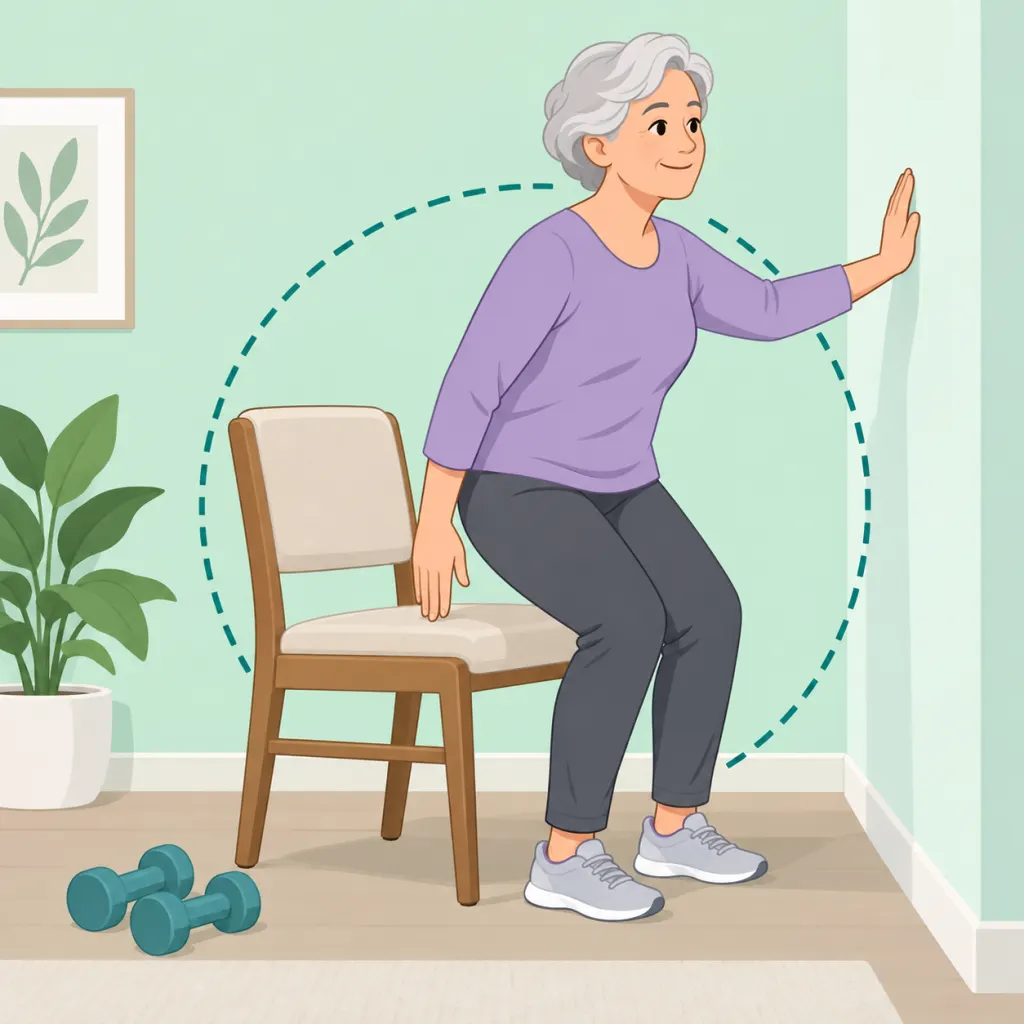
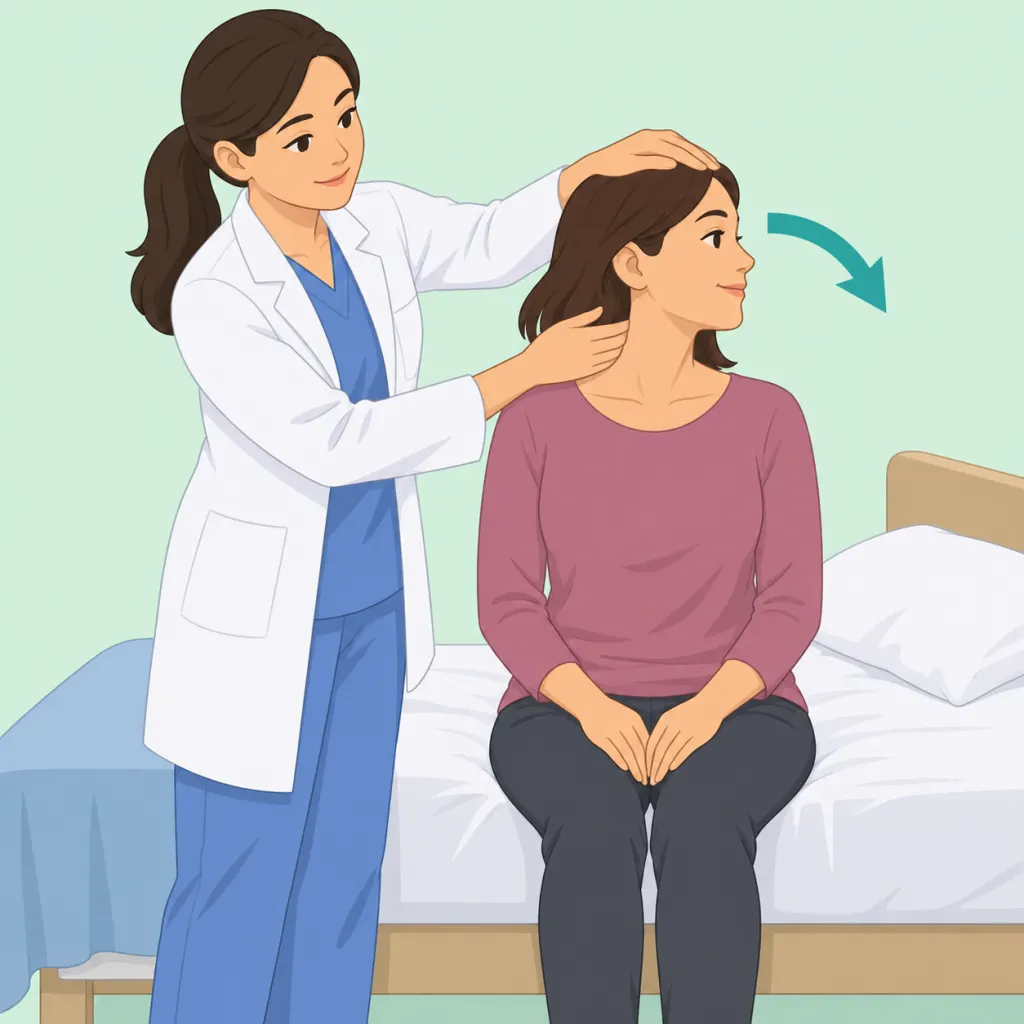
Use a simple self-check before routine trips: vision, comfort turning the head, foot movement between pedals, alertness, and confidence with traffic. The CDC notes that age-related changes in vision, physical function, reasoning, memory, medical conditions, and medicines can affect some older adults’ driving ability in its older-driver safety guidance, and its medicine fact sheet says some prescription, over-the-counter, supplement, and herbal products can cause side effects that raise crash risk for older adults.
Step 7: Adjust driving habits to lower risk
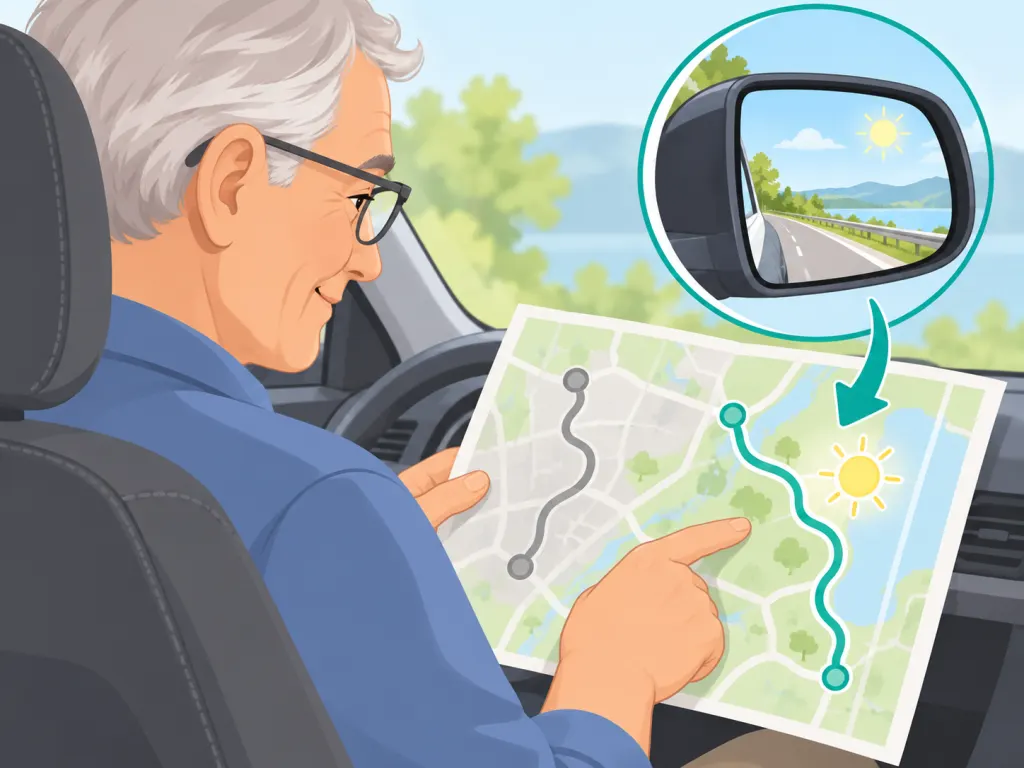
Choose daylight, good weather, familiar routes, easy parking, and lower-stress times of day whenever possible. NHTSA says decisions about driving should not be based on age alone, but changes in vision, fitness, and reflexes can make adjustments useful, including updated glasses, cleaner mirrors and lights, better seating position, and vehicle features that improve control as part of safer aging behind the wheel.
Step 8: See a doctor or qualified professional when warning signs appear

Seek help if the driver gets lost on familiar roads, has repeated near misses, struggles with signs or lane markings, becomes unusually overwhelmed in traffic, or receives new medical advice about driving. The official French senior-driving guidance recommends regular discussion with a doctor about sensory, cognitive, and motor abilities, and it also encourages alternatives such as public transport, carpooling, and transport-on-demand when driving is no longer the safest option for maintaining mobility.
Wrap-Up
The bottom line: start with the official licensing rules where you live, then match those rules to the driver’s actual health, licence restrictions, and day-to-day driving ability. If safety changes, get qualified advice early and plan other transport before it becomes urgent.
Frequently Asked Questions
- → Is there one age when older drivers automatically lose their licence?
No single age rule applies everywhere. Some places add renewal steps at certain ages, while others focus on medical fitness, licence category, or individual restrictions. Always check the official licensing authority for the driver’s country, state, or province.
- → Is a medical check the same as losing a licence?
No. A medical or fitness check is a review of whether someone can drive safely, sometimes with limits or adaptations. Possible outcomes can include being fit to drive, fit with restrictions, fit for a limited period, or not fit to drive.
- → Who usually performs a driving fitness review?
That depends on the legal system. It may involve an approved doctor, a medical board, a licensing agency, an eye specialist, or a driving rehabilitation professional. Use the official licensing website to find the correct route.
- → What signs suggest an older driver should pause and get advice?
Common warning signs include getting lost on familiar routes, new trouble seeing signs or lane markings, near misses, repeated minor collisions, slower reactions, or family concern about driving. These signs do not prove someone is unsafe, but they are good reasons to seek a professional review.
- → Can licence restrictions be practical instead of severe?
Yes. Restrictions can be practical, such as requiring glasses, an adapted vehicle, daylight driving, or a vehicle with specific controls. The exact options depend on the licensing authority and the driver’s needs.
- → What should families do if they are worried about an older driver?
Choose a calm time, focus on specific driving examples, and ask the driver’s doctor or licensing authority what review process is available. The goal is safer mobility, not punishment.
References
This content was developed and refined using reliable sources.
- https://www.pour-les-personnes-agees.gouv.fr/preserver-son-autonomie/preserver-son-autonomie-et-sa-sante/conduire
- https://www.service-public.gouv.fr/particuliers/vosdroits/F2686?lang=fr
- https://www.service-public.gouv.fr/particuliers/vosdroits/F32927
- https://www.cdc.gov/older-adult-drivers/about/index.html
- https://www.cdc.gov/older-adult-drivers/medicine/index.html
- https://www.nhtsa.gov/older-drivers/driving-safely-while-aging-gracefully