 Save
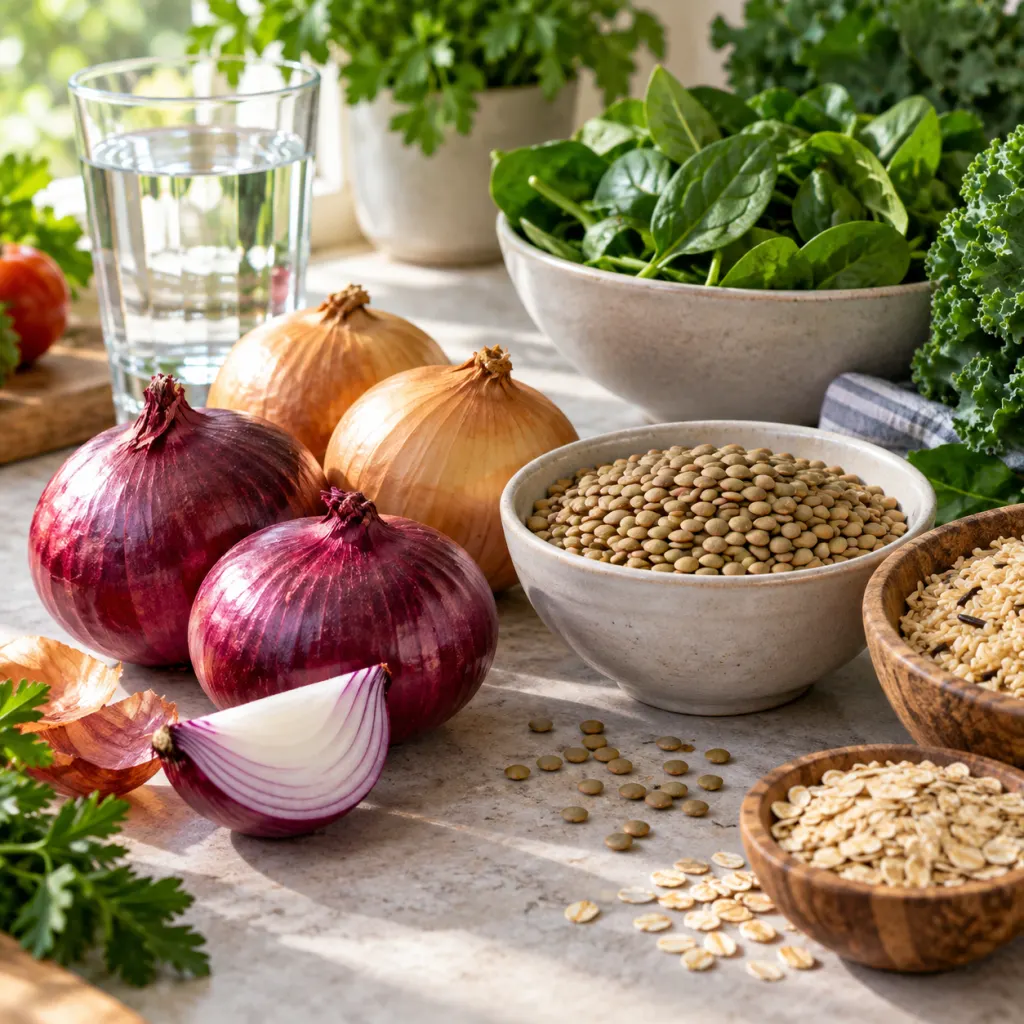
Onions may support a healthy uric-acid-aware eating pattern, but they should be viewed as one useful food choice, not as a special fix. Uric acid is a normal waste product made when the body breaks down purines, and it usually leaves through the kidneys in urine. If too much is made or too little is removed, levels can build up in the blood according to MedlinePlus. Onions are interesting because they contain quercetin, a plant flavonol studied for its relationship with uric acid, but human evidence remains limited.
What uric acid is and why food choices come up
Uric acid is not automatically a problem. The body makes it every day as it breaks down purines from normal cell turnover and from some foods and drinks. MedlinePlus explains that uric acid normally dissolves in the blood, passes through the kidneys, and exits in urine; higher levels can happen when the body makes too much or the kidneys do not remove enough MedlinePlus. This is why conversations about uric acid often include both food patterns and kidney function, rather than focusing on a single ingredient.
High uric acid is also not the same thing as having symptoms. The National Institute of Arthritis and Musculoskeletal and Skin Diseases notes that many people with high serum urate do not develop gout, while gout occurs when urate crystals form in and around joints over time NIAMS. That distinction matters for kitchen decisions: a person may be trying to understand a lab result, a family pattern, or a clinician's advice, and those situations are not identical.
Where onions fit in the evidence
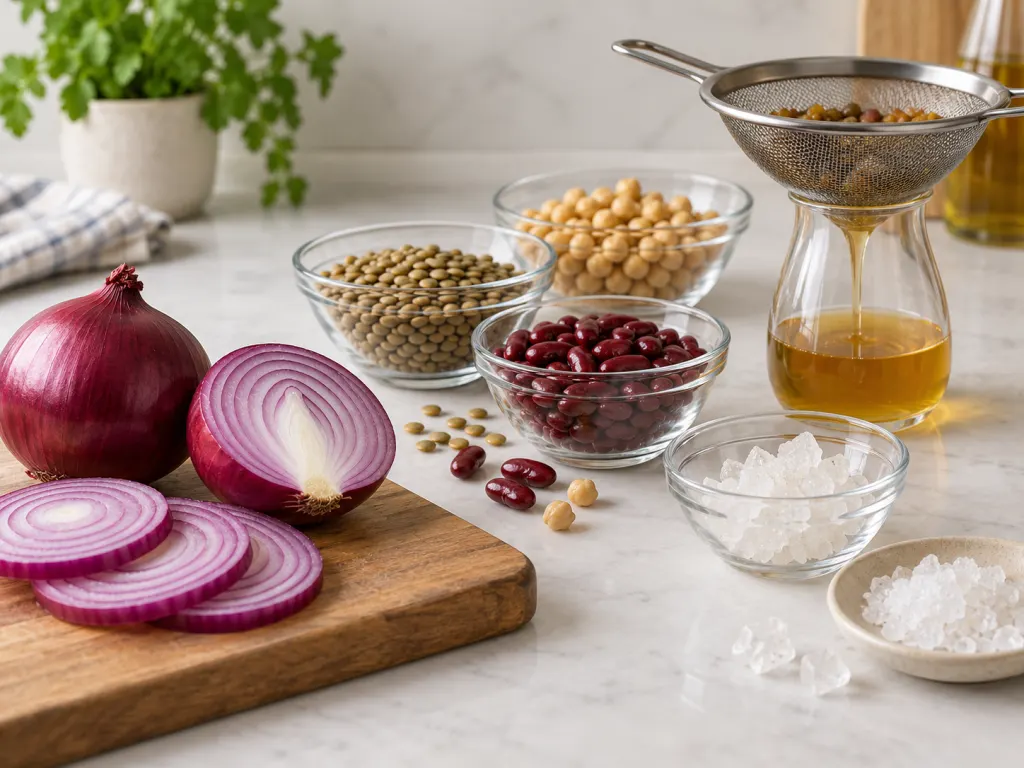
Onions belong in this discussion mostly because they are rich in flavor, fit easily into plant-forward meals, and contain quercetin. The USDA flavonoid database lists quercetin among the flavonols it tracks in foods USDA ARS. Red and yellow onions are often discussed because onion quercetin is relatively bioavailable compared with some other food sources, although the amount in a serving can vary with variety, storage, cooking method, and how much of the onion is actually eaten.
The most relevant human study is small but useful for perspective. In a randomized, double-blind, placebo-controlled crossover trial published in the British Journal of Nutrition, 22 healthy men with uric acid in the higher end of the normal range took quercetin or placebo for four weeks. The authors reported a modest decrease in plasma uric acid during the quercetin phase, and they noted that the quercetin exposure was comparable with that from about 100 grams of fresh red onion British Journal of Nutrition. That does not prove that adding onions to dinner will reliably change anyone's lab value. It does suggest why onions are a reasonable food to include in a broader, evidence-aware pattern.
Why the onion answer should stay modest
The onion evidence has several limits. The main human quercetin trial was short, small, and conducted in healthy men, not in a broad group of people with different ages, kidney function, eating patterns, or medical histories. It used a controlled supplement form rather than ordinary meals, even though the authors compared the exposure with red onion. Everyday eating is messier: onions might be eaten raw, roasted, caramelized, boiled into soup, or used in small amounts as a seasoning. They also appear alongside many other foods, so it is hard to credit one ingredient for a change in a blood measurement.
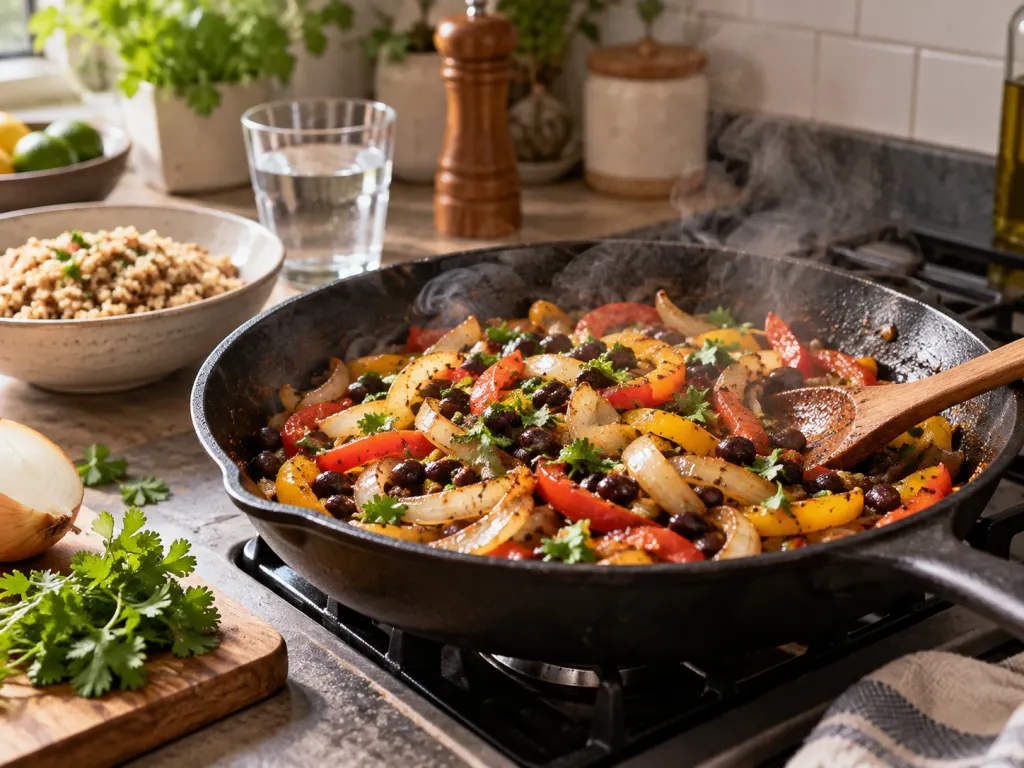
That is why the practical takeaway is not to chase onion quantity. A better approach is to use onions as a flavorful base that helps make balanced meals more satisfying. For example, onions can make beans, lentils, vegetables, eggs, poultry, soups, and grain bowls taste fuller without needing large portions of high-purine meats or sweet sauces. In that role, onions are useful because they help the overall plate make sense.
Food patterns matter more than one vegetable
Major health sources describe uric-acid-aware eating as a pattern. The CDC lists alcohol, sugary drinks, sugary foods with high-fructose corn syrup, red meat, and shellfish among items that can increase uric acid levels or gout risk in susceptible people CDC. Mayo Clinic similarly emphasizes healthy weight, good eating habits, hydration, lean proteins, low-fat dairy, legumes, vegetables, whole grains, and limits on organ meats, some seafood, alcohol, and high-fructose sweeteners Mayo Clinic.
A useful kitchen checklist is simple:
- Use onions for flavor: Add raw red onion to salads, soften yellow onion in soups, or roast wedges with vegetables.
- Build the meal around plants: Pair onions with beans, lentils, whole grains, greens, peppers, tomatoes, or low-fat yogurt sauces when those foods suit you.
- Be mindful with high-purine animal foods: Organ meats, large portions of red meat, and certain seafood are commonly flagged by public health sources.
- Watch sweet drinks: High-fructose sweeteners are more relevant to uric acid than most people expect.
- Keep water visible: Hydration supports normal kidney removal of waste products, though individual fluid needs vary.
Are raw onions better than cooked onions?
Raw onions provide sharpness and crunch, and they are easy to use in small amounts. Cooked onions provide sweetness and depth, which can make plant-forward meals feel more substantial. From a practical standpoint, the better choice is the one that helps you eat a balanced meal consistently. A spoonful of quick-pickled red onion on a bean bowl, a pan of slowly softened onions in vegetable soup, and roasted onion wedges alongside poultry all serve different kitchen purposes.
Some people tolerate cooked onions more easily than raw onions. Others prefer a small amount of raw onion for flavor. If onions bother your stomach, the answer may be smaller portions, longer cooking, or using the green tops of scallions for a milder flavor. The point is not to force a food that does not agree with you; it is to use ordinary ingredients in a way that supports the larger pattern.
What to put beside onions on the plate
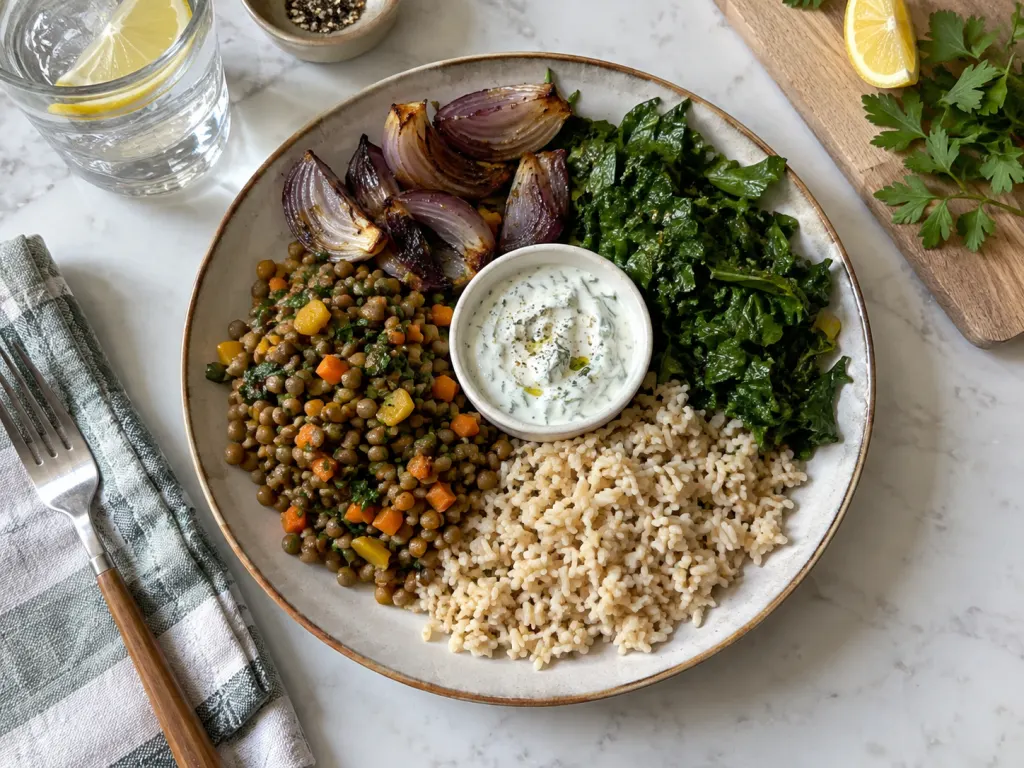
Onions work best when they help you move toward a more balanced plate. Think of them as an aromatic bridge: they connect vegetables, grains, legumes, lean proteins, and herbs so the meal feels complete. A lunch bowl might include brown rice, lentils, roasted onions, cucumber, parsley, and a yogurt-lemon sauce. A dinner soup might start with onion, carrot, celery, garlic, beans, greens, and a modest amount of poultry. A breakfast scramble might use onions, peppers, spinach, and eggs. None of these meals depends on onions alone; onions make the pattern easier to enjoy.
It is also worth remembering that vegetables with some purines are not viewed the same way as high-purine animal foods. Mayo Clinic notes that high-purine vegetables such as green peas, asparagus, and spinach have not shown the same gout-risk pattern as certain animal foods Mayo Clinic. That supports a calmer, less restrictive way of eating: do not turn vegetables into the enemy. Use onions and other vegetables to make the meal more varied, colorful, and satisfying.
When a lab result or symptoms need personal guidance
If you are thinking about onions because of a uric acid test, the test result belongs in context. MedlinePlus notes that medicines, health conditions, and other factors can affect uric acid results, and that questions about results should be discussed with a provider MedlinePlus. If you have sudden joint pain, swelling, warmth, redness, fever, blood in urine, severe side or back pain, or a history of kidney stones, do not try to solve the situation with food experiments. Those signs deserve qualified medical attention.
A sensible bottom line
Onions are a smart everyday ingredient for many people who want a uric-acid-aware kitchen: they are flavorful, versatile, plant-based, and contain quercetin, a flavonol with limited human research behind it. The evidence is not strong enough to make onions the center of the plan. A steadier approach is to use onions to make balanced meals easier, while paying attention to the bigger factors that authoritative sources repeat: hydration, overall eating pattern, alcohol, sugary drinks, high-purine animal foods, body weight, kidney health, and personal medical context.
Wrap-Up
Onions can belong in a healthy uric-acid-aware routine, especially as a flavorful way to make vegetable-rich meals more appealing. The quercetin research is interesting but limited, so the most reliable kitchen move is broader: use onions alongside vegetables, legumes, whole grains, lean proteins, water, and individualized guidance from a qualified health professional when lab results or symptoms are involved.
Frequently Asked Questions
- → Can eating onions meaningfully change uric acid levels?
Onions contain quercetin, and one small human trial found a modest uric acid change with a controlled quercetin supplement exposure comparable to about 100 grams of red onion. That evidence is interesting, but it is not enough to predict a reliable effect from eating onions in ordinary meals.
- → Are onions low in purines?
Onions are vegetables and are not in the high-purine animal-food group that public health sources commonly flag. For most people thinking about uric acid, the bigger food considerations are organ meats, large portions of red meat, certain seafood, alcohol, and high-fructose sweetened drinks.
- → Is raw onion better than cooked onion?
Neither form is automatically best. Raw onion adds crunch and sharp flavor, while cooked onion can make soups, grains, legumes, and vegetables more satisfying. Choose the form you tolerate and enjoy, because consistency with an overall balanced pattern matters more than one preparation style.
- → Should I use onion supplements or quercetin supplements?
This article focuses on onions as food. Supplements are more concentrated and may not be appropriate for everyone. Personal decisions about supplements should be discussed with a doctor or qualified health professional, especially if you have medical conditions or take prescribed medicines.
- → What should I do if I am concerned about a uric acid test result?
Ask a qualified health professional to interpret the result with your health history, symptoms, and medicines in mind. Food habits can be part of the conversation, but a lab result should not be managed by one ingredient or a self-directed kitchen experiment alone.
References
This content was developed and refined using reliable sources.
- https://medlineplus.gov/lab-tests/uric-acid-test
- https://www.niams.nih.gov/health-topics/gout
- https://www.cdc.gov/arthritis/gout/index.html
- https://www.mayoclinic.org/healthy-lifestyle/nutrition-and-healthy-eating/in-depth/gout-diet/art-20048524
- https://www.cambridge.org/core/journals/british-journal-of-nutrition/article/quercetin-lowers-plasma-uric-acid-in-prehyperuricaemic-males-a-randomised-doubleblinded-placebocontrolled-crossover-trial/93630E7EE14144BEC5FE9ED2AF9A2190
- https://www.ars.usda.gov/northeast-area/beltsville-md-bhnrc/beltsville-human-nutrition-research-center/methods-and-application-of-food-composition-laboratory/mafcl-site-pages/flavonoids