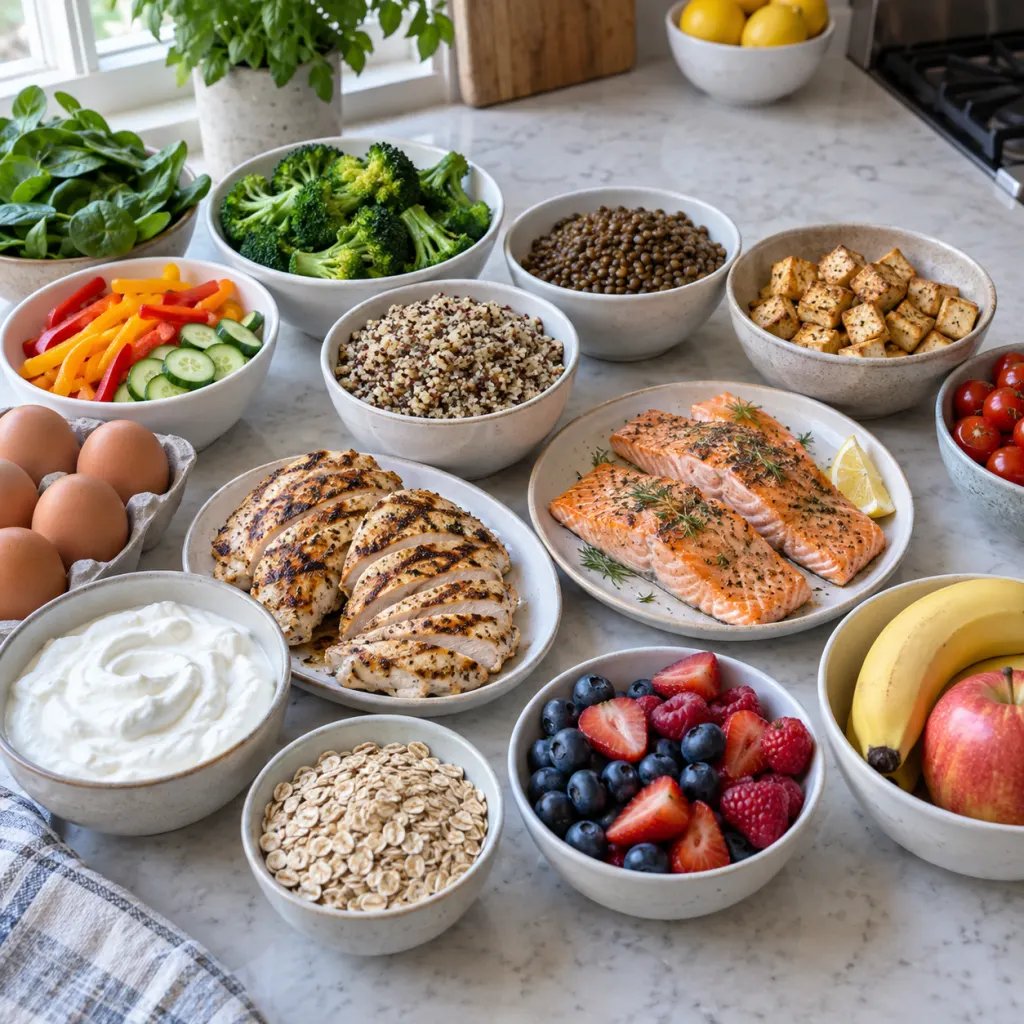
 Save
The practical answer is this: eggs can be a smart breakfast choice, but the real sunrise secret is the whole plate, not the egg alone. One or two well-cooked eggs can bring satisfying protein and useful nutrients to breakfast, while vegetables, beans, fruit, and whole grains add the texture and variety eggs do not provide by themselves. The American Heart Association describes a large egg as about 78 calories with about 6 grams of protein, and the yolk supplies nutrients that are easy to miss when breakfast is mostly refined starch or sugar. The decision still depends on personal needs, cooking method, and what else is on the plate.
Why Eggs Became a Morning Staple
Eggs earned their breakfast reputation for practical reasons before they became a nutrition debate. They cook quickly, work with savory or simple sides, and can turn leftovers into a real meal in minutes. A boiled egg can be made ahead. Scrambled eggs can carry herbs or vegetables. A poached egg can sit on toast, grains, or beans without needing much added fat. That flexibility matters because a breakfast habit only helps if it is realistic on ordinary mornings.
The useful way to think about eggs is as an anchor food. They bring protein, fat, and micronutrients in a small package, but they do not bring every feature a balanced breakfast needs. Eggs have very little carbohydrate and no meaningful fiber, so a plate built only around eggs may feel incomplete. Adding plants and whole grains changes the meal: toast adds chew, fruit adds freshness, vegetables add volume, and beans or lentils add extra staying power.
What Is Inside an Egg
A whole egg is divided nutritionally between the white and the yolk. The white is mostly water and protein. The yolk contains fat, color compounds, and many of the egg's micronutrients. The American Heart Association notes that eggs provide protein plus nutrients such as vitamin D and choline, while the National Institutes of Health lists eggs among food sources of choline, with one large hard-boiled egg providing 147 milligrams in its table of selected foods at NIH Office of Dietary Supplements.
- Protein: useful for making breakfast feel more substantial than sweet cereal or plain toast alone.
- Choline: an essential nutrient involved in cell structure and normal nervous system functions.
- Vitamin D: present in small amounts in egg yolks, according to the NIH vitamin D fact sheet.
- Lutein and zeaxanthin: yolk pigments that contribute to the egg's color and are often discussed as part of the yolk's nutrient profile.
- Fat: mostly in the yolk, which is why cooking method and pairings can change the overall meal.
The Better Breakfast Question
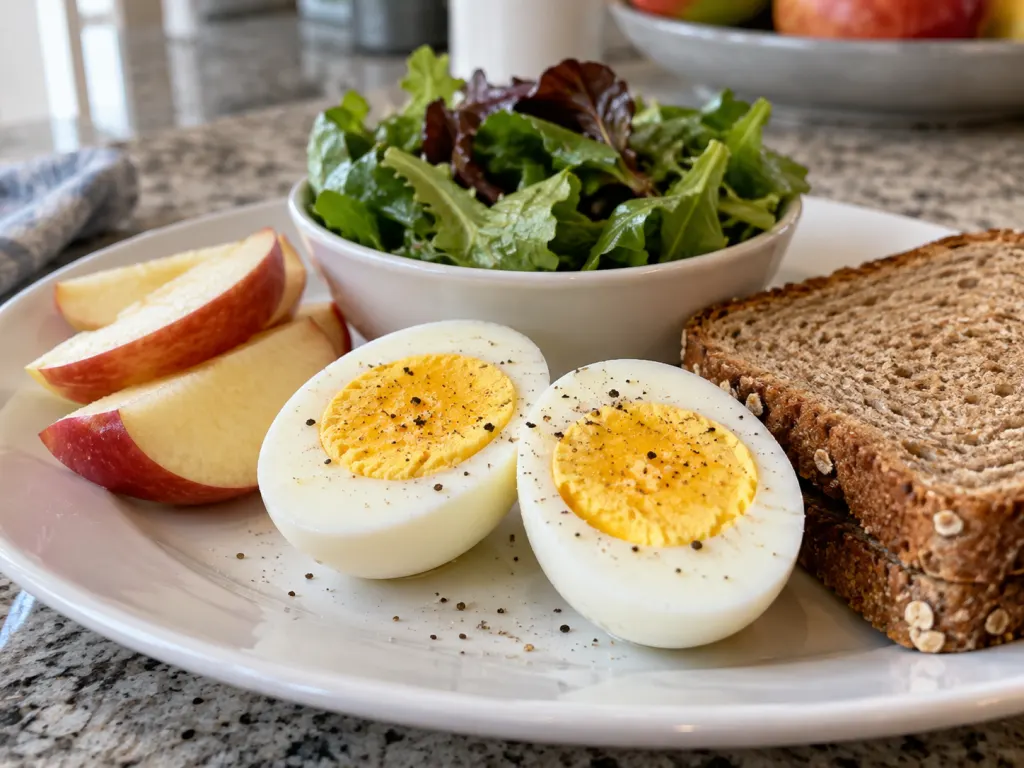
Instead of asking whether eggs are good or bad, ask what breakfast they are replacing. Eggs with spinach, tomatoes, whole-grain toast, and fruit are a very different meal from eggs fried in heavy fat beside salty processed meats. The egg may be the same, but the pattern is not. That is why public-health style guidance often focuses on the whole eating pattern rather than one food in isolation.
This matters especially in home cooking, because the easiest improvements are usually not dramatic. You can scramble eggs with leftover roasted vegetables, serve a boiled egg with oatmeal and fruit, or tuck a sliced egg into a whole-grain breakfast sandwich with greens. These choices keep the convenience of eggs while adding foods that broaden the meal's nutrient mix.
How Many Eggs Make Sense?
There is no single breakfast number that fits everyone. The American Heart Association article describes one egg, or two egg whites, as a reasonable daily option for people who eat eggs as part of an overall healthy pattern, while also emphasizing personal context. For a practical kitchen guide, that means eggs should be chosen with the same common sense used for any regular food: consider the whole day, rotate protein sources, and make room for vegetables, legumes, nuts, seeds, dairy foods if you use them, and seafood or plant proteins when they fit your routine.
For many households, the easiest pattern is variety across the week. Eggs one morning, yogurt or oats another, beans on toast another, and leftovers on busy days can keep breakfast from becoming repetitive. Variety also reduces the temptation to ask one food to do too much. Eggs can be useful without needing to be the centerpiece every day.

Cooking Method Changes the Meal
The way eggs are cooked can change the character of breakfast. Boiling, poaching, or scrambling in a lightly oiled pan keeps the egg itself at the center. Frying in a large amount of butter, pairing with processed meats, or covering the plate with salty additions changes the meal quickly. None of this means breakfast has to be austere. It means the cooking fat, sides, and seasonings deserve the same attention as the egg.
For flavor without heaviness, try herbs, pepper, scallions, cooked mushrooms, roasted peppers, salsa, or a spoonful of plain yogurt on the side. Acidic ingredients such as tomatoes or citrus-dressed greens also make eggs feel brighter. If you prefer richer preparations, balance them with lighter sides rather than adding richness at every point on the plate.
Food Safety Belongs in the Breakfast Conversation
Egg safety is not complicated, but it is worth treating as part of the habit. The FDA advises buying eggs from refrigerated cases, checking that shells are clean and uncracked, storing eggs promptly in a refrigerator at 40°F or below, and cooking eggs until both yolk and white are firm. The same FDA page also advises cooking casseroles and other egg dishes to 160°F and using pasteurized eggs or egg products for foods served raw or lightly cooked, such as some dressings or desserts: FDA egg safety guidance.
FoodSafety.gov gives similar practical advice: buy refrigerated eggs, keep them cold, discard cracked eggs, cook eggs until yolk and white are firm, and refrigerate cooked egg foods promptly. Its egg safety page also explains that raw or undercooked eggs can carry Salmonella, which is why safe storage and thorough cooking matter at home: FoodSafety.gov on Salmonella and eggs.

When Egg Whites Help, and When Yolks Matter
Egg whites are useful when someone wants the texture and protein of eggs without the richness of the yolk. They can stretch an omelet, lighten scrambled eggs, or make a breakfast sandwich feel bigger. But the yolk is where many egg-specific nutrients live, including choline and small amounts of vitamin D. Removing every yolk turns eggs into a different food, so the choice should match the meal, not a rule copied from someone else's plate.
A practical middle path is to combine whole eggs and whites when that suits the dish. For example, one whole egg with extra whites can make a larger scramble while keeping the yolk's flavor. Another day, two whole eggs with vegetables may be more satisfying. The point is not to chase a perfect formula. It is to build a breakfast that is enjoyable, safe, and aligned with personal nutrition goals.
What to Pair With Eggs
Eggs pair best with foods that add what they lack. Since eggs do not provide fiber, whole grains, beans, fruit, and vegetables are especially useful companions. A breakfast bowl with eggs, black beans, avocado, and salsa offers a different eating experience than toast alone. A boiled egg with fruit and oatmeal works for a quieter morning. A vegetable omelet with a slice of whole-grain toast can be quick without feeling plain.
Color is a helpful kitchen shortcut. A plate that is only yellow and brown may be satisfying, but it often signals that vegetables or fruit are missing. Adding greens, tomatoes, berries, citrus, peppers, or herbs brings freshness and variety. This is not about making breakfast look fancy; it is about giving the meal more range without making the morning harder.
What Eggs Cannot Do
Eggs cannot compensate for an otherwise narrow routine. They do not supply every nutrient, and they do not make sugary drinks, low-variety meals, or rushed eating patterns disappear. They are one useful ingredient. That ordinary framing is more helpful than treating eggs as a secret solution. A steady breakfast habit is usually built from repeatable choices: a protein source, a fiber-rich food, something colorful, and safe handling.
It is also worth separating culinary satisfaction from health promises. Eggs can make breakfast easier and more filling for many people, but evidence-based eating is rarely about one ingredient. The strongest everyday move is to make the whole breakfast more balanced and to choose cooking methods that you can repeat comfortably.
A Simple Morning Framework
For most home cooks, the easiest framework is the three-part plate: eggs or another protein, a fiber-rich companion, and a colorful plant food. That could be scrambled eggs, beans, and tomatoes. It could be a boiled egg, oatmeal, and berries. It could be eggs with leftover roasted vegetables and whole-grain toast. This structure keeps eggs in their useful role: quick, familiar, and adaptable, but not expected to carry the entire meal alone.
The sunrise secret, then, is less mysterious than the title sounds. Eggs can be a strong breakfast ingredient when they are fresh, safely handled, thoroughly cooked, and paired thoughtfully. The best version is not the richest or the strictest. It is the one you can enjoy, repeat, and adjust to your own morning.
Wrap-Up
Eggs are a practical breakfast anchor, not a complete breakfast by themselves. Use them for protein, flavor, choline, and small amounts of vitamin D; cook and store them safely; and pair them with fiber-rich, colorful foods. The calmest approach is variety: some mornings with eggs, some without, and a plate that looks beyond one ingredient.
Frequently Asked Questions
- → Are eggs enough for breakfast by themselves?
Eggs can be a useful start, but they are usually better as part of a fuller plate. Because eggs contain little carbohydrate and no meaningful fiber, pairing them with whole grains, beans, vegetables, or fruit makes breakfast more balanced and often more satisfying.
- → Is the yolk worth keeping?
For many people, yes. The white provides much of the egg's protein, while the yolk carries flavor, fat, choline, and small amounts of vitamin D. Some cooks use a mix of whole eggs and egg whites when they want a lighter texture while keeping some yolk flavor.
- → What is the safest way to cook eggs for breakfast?
For everyday home cooking, follow FDA guidance: store eggs cold, avoid cracked shells, wash hands and surfaces after raw egg contact, and cook eggs until the yolk and white are firm. Egg casseroles and similar dishes should reach 160°F.
- → What should I serve with eggs in the morning?
Good pairings include whole-grain toast, oats, beans, lentils, cooked greens, tomatoes, peppers, berries, citrus, or yogurt. These foods add fiber, color, and texture, which helps eggs function as part of a meal rather than the whole meal.
- → Can I meal-prep eggs safely?
Yes, with care. The FDA advises using hard-cooked eggs within one week and refrigerating leftover cooked egg dishes for use within 3 to 4 days. Cool large portions in shallow containers so they chill more quickly.
References
This content was developed and refined using reliable sources.
- https://www.heart.org/en/news/2018/08/15/are-eggs-good-for-you-or-not
- https://ods.od.nih.gov/factsheets/Choline-HealthProfessional
- https://ods.od.nih.gov/factsheets/VITAMIND-Consumer
- https://www.fda.gov/food/buy-store-serve-safe-food/what-you-need-know-about-egg-safety
- https://www.foodsafety.gov/blog/salmonella-and-eggs