 Save
Inner ear crystals are usually discussed in benign paroxysmal positional vertigo, or BPPV, a condition where tiny particles in the inner ear can trigger brief spinning sensations with certain head movements. This guide explains how to respond safely, when a canalith repositioning maneuver such as the Epley maneuver may help, and when symptoms need medical attention. It is not a substitute for a diagnosis, because vertigo can have several causes.
Step 1: Check whether the pattern sounds like positional vertigo

BPPV often causes a sudden spinning feeling when you roll over, lie back, look up, or bend forward, and the spinning usually lasts seconds to minutes rather than all day. MedlinePlus explains that BPPV happens when small canaliths move inside the inner ear and confuse balance signals. Do not assume every dizzy spell is BPPV, especially if the feeling is new, constant, or not linked to head position.
Step 2: Sit down as soon as spinning starts
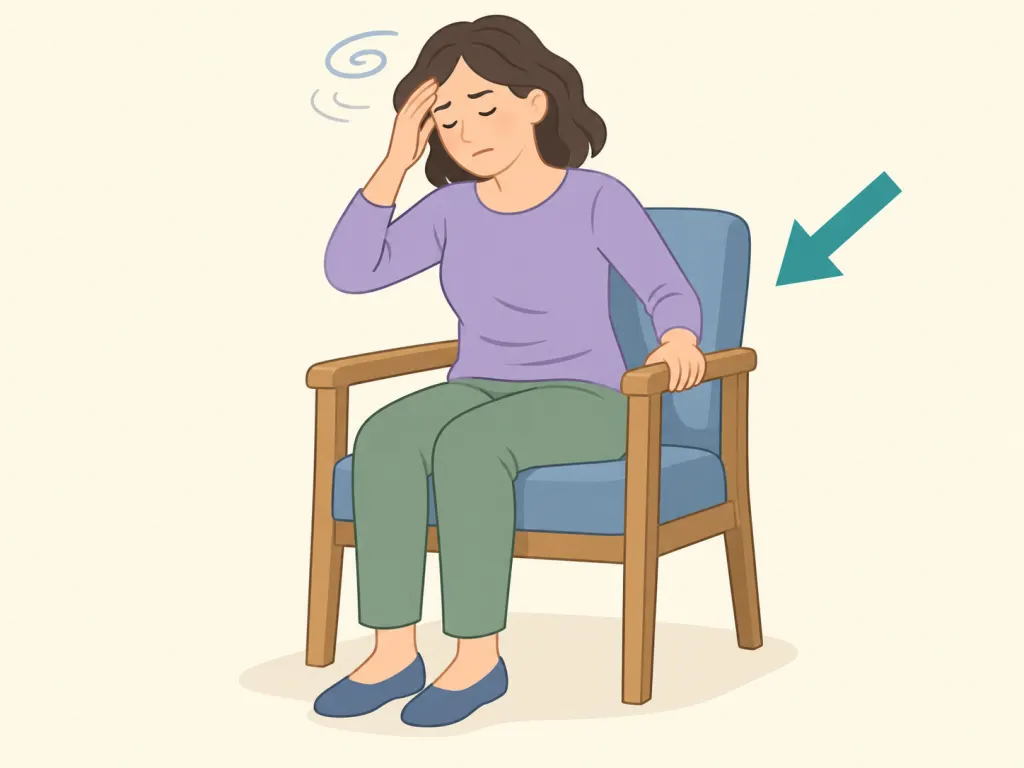
Vertigo can affect balance, so sit or lie still in a safe place until the spinning eases. The NHS recommends moving your head carefully, sitting down right away, and using good lighting if you get up at night. Avoid driving, climbing, or using tools while you feel unsteady.
Step 3: Ask a clinician to confirm BPPV and the affected side

A healthcare professional can review your symptoms and may use positional testing to look for eye movements linked with BPPV. The Dix-Hallpike maneuver helps clinicians check for classic BPPV and identify which ear is involved. This matters because turning the wrong way may fail to help or may worsen symptoms.
Step 4: Check that repositioning is safe for you

Before trying a home maneuver, tell your clinician about neck or back problems, vascular conditions, retinal detachment, limited mobility, pregnancy, or a recent stroke. Johns Hopkins Medicine notes that these issues can affect whether the home Epley maneuver is safe. Ask someone to stay nearby the first time if dizziness makes you feel unsafe.
The Epley maneuver is a canalith repositioning procedure that uses a sequence of head and body positions to move particles out of a semicircular canal. Cleveland Clinic advises learning the proper technique from a healthcare provider before doing it at home. Use the right-sided or left-sided version your clinician gives you.
Step 6: Set up on a bed before starting
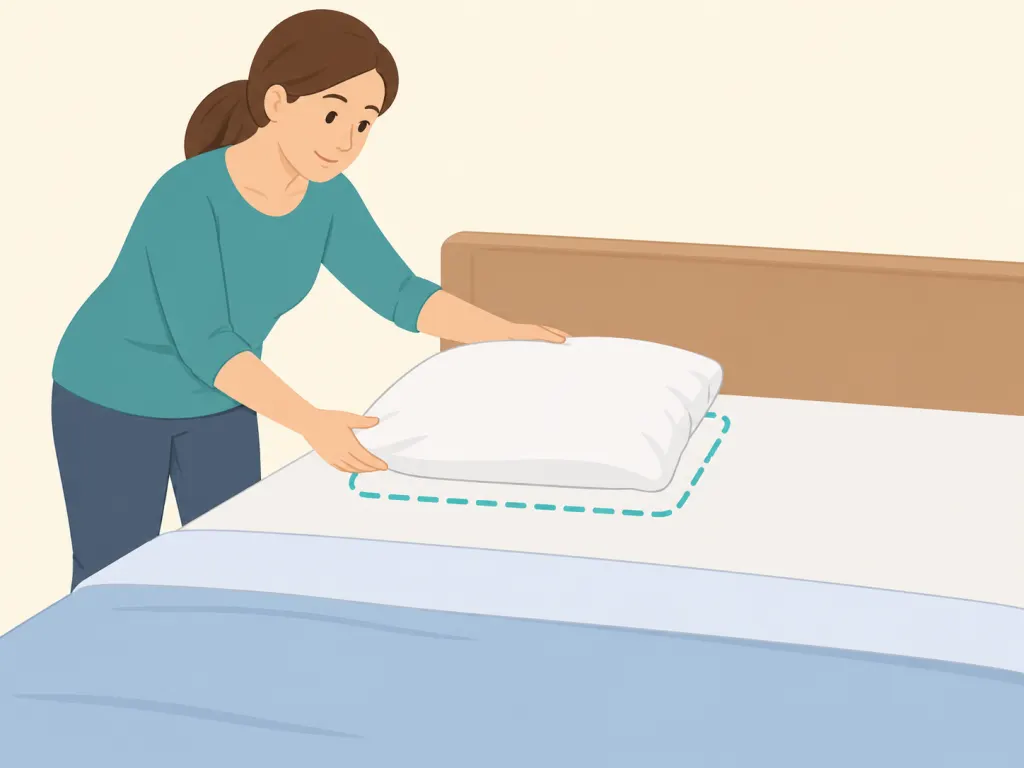
Choose a bed or firm surface where your shoulders can rest on a pillow and your head can recline safely. Home Epley instructions commonly start from a sitting position on the bed with the pillow placed under the shoulders. Keep the area clear so you can sit up slowly afterward without tripping.
Step 7: Move through the clinician-taught head positions

Follow the side-specific sequence exactly as taught: turn toward the affected ear, lie back with your head still turned, then rotate the head and body away in stages before sitting up on the opposite side. Johns Hopkins describes holding each main position briefly during the home Epley sequence. Pause if you need to steady yourself, and stop if symptoms feel unsafe or unlike your usual BPPV episodes.
Step 8: Move carefully after the maneuver
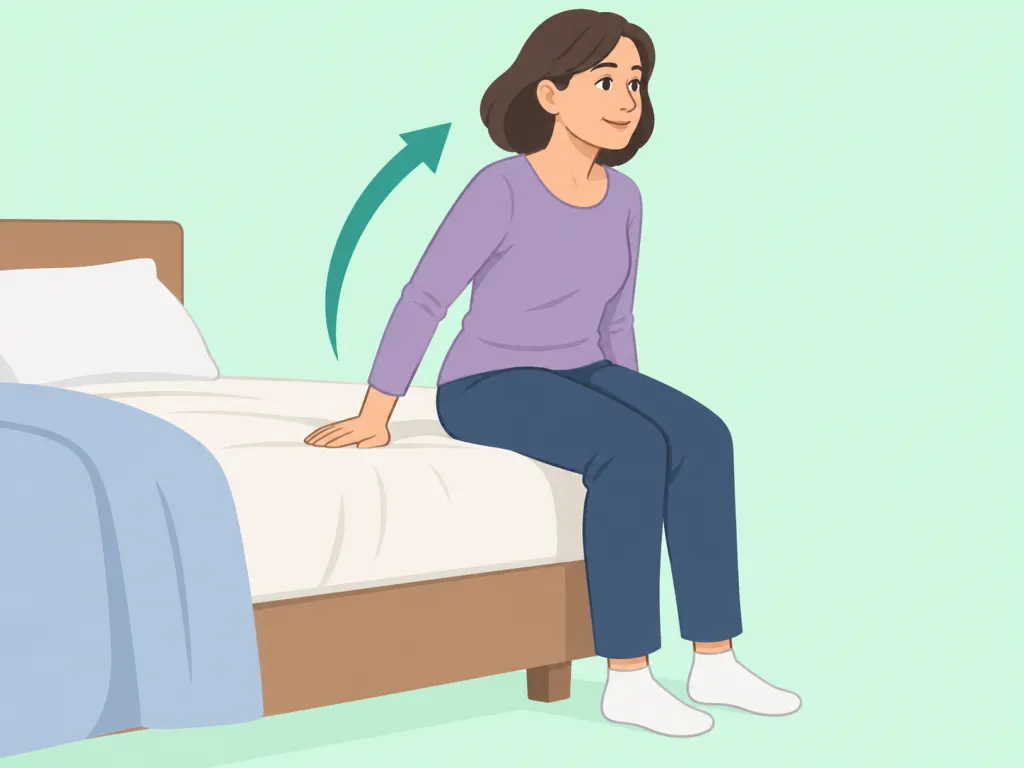
Some people feel better quickly, while others need more time or professional reassessment. Mayo Clinic notes that canalith repositioning is often done by a healthcare professional, audiologist, or physical therapist, and that fall prevention matters when dizziness is present. Stand slowly, avoid sudden head movements, and wait until you are steady before driving or doing risky tasks.
Step 9: Get medical help for warning signs or repeat symptoms

See a healthcare professional if vertigo does not go away, keeps coming back, or interferes with daily life. Get urgent help for vertigo with severe headache, repeated vomiting, fever, double vision, hearing loss, trouble speaking, weakness, numbness, or tingling, as listed in NHS vertigo guidance. Emergency symptoms should be checked right away rather than managed with home maneuvers.
Wrap-Up
The bottom line: treat sudden spinning as a balance and fall risk, confirm whether BPPV is really the cause, and learn the correct repositioning maneuver from a qualified professional before trying it at home.
Frequently Asked Questions
- → Are inner ear crystals the same thing as BPPV?
- Inner ear crystals are commonly linked with BPPV, but they are not a diagnosis by themselves. In BPPV, small calcium particles can move into a semicircular canal and send confusing balance signals.
- → Can I tell which ear is affected on my own?
- It is difficult to know safely without an exam. A healthcare professional may use positional testing, such as the Dix-Hallpike maneuver, to identify whether BPPV is present and which side is involved.
- → Should I do the Epley maneuver every time I feel dizzy?
- No. The Epley maneuver is meant for certain forms of BPPV and may not help other causes of vertigo. Use the version and schedule your healthcare professional teaches you.
- → Why do I feel worse during the maneuver?
- Brief spinning, nausea, or unsteadiness can happen because the head positions move the canaliths. Stop and get help if symptoms feel unusual, severe, or are joined by warning signs such as weakness or trouble speaking.
- → Can vertigo come back after it improves?
- Yes. BPPV can recur, so your clinician may teach you a home maneuver for future episodes once your diagnosis and affected side are clear.
- → When should I avoid home repositioning?
- Ask a clinician first if you have neck or back disease, vascular problems, retinal detachment, limited mobility, recent stroke, or any symptom pattern that has not been checked.
References
This content was developed and refined using reliable sources.
- https://www.medlineplus.gov/ency/article/001420.htm
- https://www.hopkinsmedicine.org/health/conditions-and-diseases/benign-paroxysmal-positional-vertigo-bppv
- https://www.hopkinsmedicine.org/health/treatment-tests-and-therapies/home-epley-maneuver
- https://my.clevelandclinic.org/health/treatments/17930-canalith-repositioning-procedure-crp
- https://my.clevelandclinic.org/health/treatments/24859-dix-hallpike-maneuver
- https://www.nhs.uk/conditions/vertigo/?src=conditionswidget
- https://www.mayoclinic.org/diseases-conditions/vertigo/diagnosis-treatment/drc-20370060