 Save
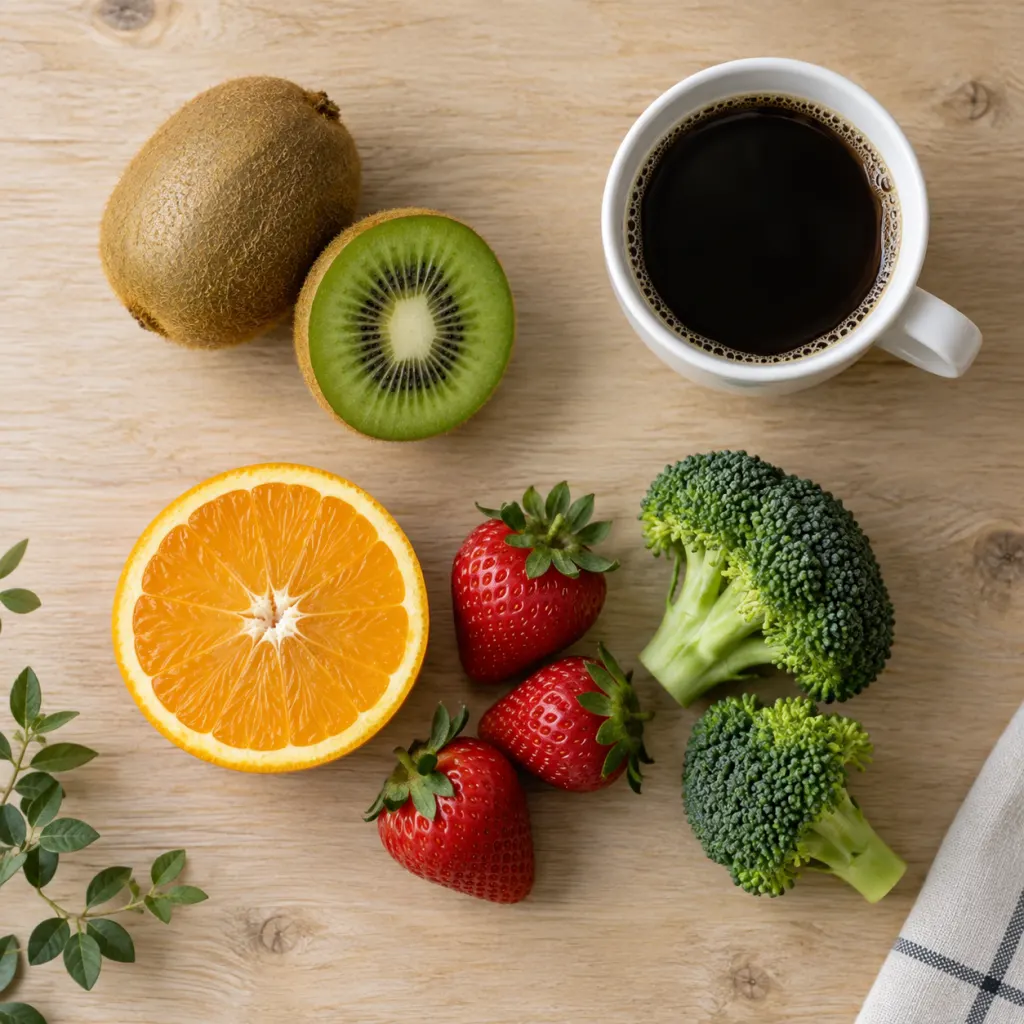
When bowel movements become infrequent or difficult, adjusting what you eat is often the first practical step registered dietitians explore. Three everyday kitchen foods appear regularly in these conversations: kiwifruit, coffee, and fruits and vegetables that are rich in vitamin C. Each is associated with gut regularity through a distinct pathway. Kiwifruit provides both soluble fiber and a protein-digesting enzyme called actinidin, which appears to support gastric emptying and intestinal transit. Coffee stimulates the digestive hormones and smooth-muscle contractions involved in colon movement. And vitamin C is required for collagen synthesis, collagen being a structural protein found in connective tissues throughout the body. This article draws on current peer-reviewed research and clinical guidance to explain what is known about each food, how to include them sensibly in everyday eating, and what habits registered dietitians typically recommend alongside them.
What Constipation Means and Why Dietary Fiber Matters
Constipation is generally defined as having fewer than three bowel movements per week, or passing stools that are consistently hard, dry, and difficult to move. The Cleveland Clinic identifies insufficient dietary fiber, low fluid intake, and limited physical activity as among the most common lifestyle factors associated with reduced bowel frequency. Medications, structural changes in the digestive tract, and certain medical conditions can also contribute, which is why persistent or sudden-onset bowel changes warrant professional evaluation rather than dietary self-management alone.
From a dietary standpoint, fiber is central to bowel regularity. A nutritional review published in Nutrients (2021) notes that most adults consume only about half the fiber they actually need each day. General guidance suggests roughly 25 grams of fiber per day for adult women and approximately 38 grams per day for adult men, with needs varying by age and health status. Soluble fiber, the type that dissolves in water and forms a gel, is particularly relevant to stool consistency and transit speed, since it softens stool and helps it move through the colon. Insoluble fiber adds bulk. Most fiber-rich whole foods contain a mixture of both, which is one reason dietitians emphasize whole fruits and vegetables over isolated supplements when feasible.
Kiwifruit: Soluble Fiber Combined with a Distinctive Digestive Enzyme
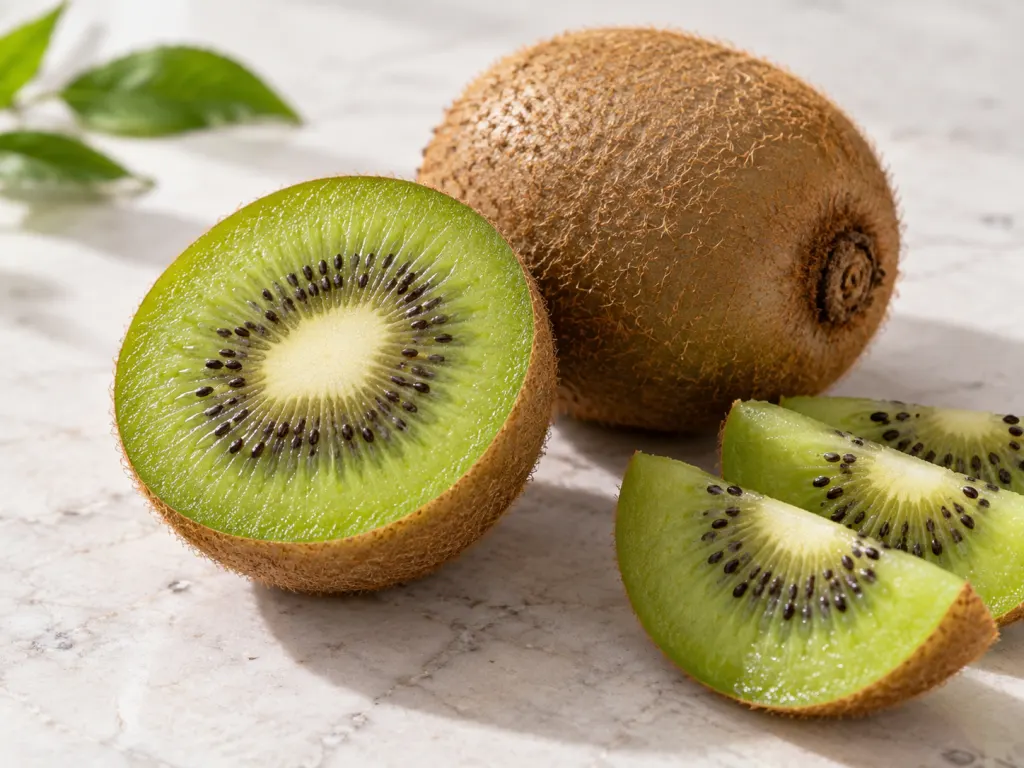
Among the foods studied in connection with bowel frequency, kiwifruit has received notable clinical attention. A 2022 systematic review and meta-analysis published in Nutrients examined seven randomized controlled trials with nearly 400 participants and found low-to-moderate certainty evidence that regular kiwifruit consumption was associated with an increase of roughly 1.36 additional complete bowel movements per week compared with placebo, effects broadly comparable to those seen with psyllium fiber supplementation. Multiple mechanisms appear to contribute. Green kiwifruit provides approximately 3 grams of fiber per 100 grams, a significant proportion of which is soluble. Soluble fiber absorbs water in the digestive tract and forms a gel-like consistency that can help soften stools and ease their passage through the colon. Kiwifruit also contains actinidin, a proteolytic enzyme that assists in breaking down dietary proteins in the stomach and small intestine; research suggests actinidin may support more efficient gastric emptying and downstream digestion. The same systematic review also noted that kiwifruit consumption was associated with favorable shifts in gut microbiota composition, including increases in beneficial bacterial species linked to healthy digestive function, and with reduced abdominal discomfort in participants who experienced it alongside infrequent bowel movements.
In practical terms, most clinical trials used two to three whole kiwis consumed daily over several weeks. The 2022 systematic review noted that encapsulated kiwifruit extracts were associated with more frequent minor side effects, including bloating, flatulence, and nausea, compared with eating the whole fruit. This suggests that when including kiwifruit for digestive purposes, the whole-fruit form is the approach best supported by current evidence. Individual tolerance matters, and adding any high-fiber food gradually tends to produce fewer initial digestive side effects. The following foods are commonly mentioned alongside kiwifruit in dietitian-led discussions about fiber-centered dietary approaches to regularity:
- Kiwifruit, both green and gold varieties contribute meaningful soluble fiber
- Prunes and dried figs, particularly high in sorbitol and insoluble fiber
- Pears and apples eaten with their skin intact
- Cooked legumes such as lentils, chickpeas, and black beans
- Whole-grain rye bread, cited by nutrition guidelines for digestive support
- Ground flaxseed, which provides both soluble and insoluble fiber
Coffee: Digestive Hormones, Muscle Stimulation, and Practical Notes
Coffee is one of the few common beverages with consistent observational evidence of a relationship with colon activity. According to Cleveland Clinic gastroenterologist Dr. Christine Lee, research suggests approximately 29 percent of coffee drinkers experience an urge to use the bathroom within minutes of drinking it. Two main hormonal mechanisms appear to be involved. First, coffee contains acids that stimulate the release of gastrin, a digestive hormone that triggers involuntary muscle contractions in the stomach and colon. Second, coffee promotes the release of cholecystokinin, another hormone that plays a role in regulating digestive processes and gut movement. Caffeinated coffee demonstrates stronger colonic activity than water, roughly 60 percent more, while decaffeinated coffee also shows a measurable effect, approximately 23 percent more activity than water. This difference between caffeinated and decaffeinated suggests that compounds beyond caffeine alone, including chlorogenic acids and other bioactive substances, contribute to the digestive response. Morning consumption is thought to be particularly effective because it coincides with the body's natural gastrocolic reflex, a physiological response that already stimulates colon activity in the period immediately after waking.

Individual responses to coffee vary considerably. People with irritable bowel syndrome, acid reflux, or heightened gastrointestinal sensitivity may find that coffee amplifies their symptoms rather than easing them, the same stimulatory effect that supports regularity in one person can produce urgency, cramping, or discomfort in another. Regular coffee drinkers may also find over time that the digestive response diminishes as the body adapts. Adding cream or milk to coffee can intensify gastrointestinal effects in people who have difficulty digesting lactose, since lactose intolerance is common and dairy-related symptoms typically appear within 30 to 60 minutes of consumption. Dietitians consistently emphasize moderation: observational data suggests that very high coffee intake, beyond five or more cups per day, has been associated in some studies with gastrointestinal symptoms including reflux. Coffee fits into a gut-conscious eating pattern best when consumed in moderate amounts and when the individual's response to it is neutral or positive.
Vitamin C-Rich Foods: Collagen Support and Dietary Fiber
The connection between vitamin C and gut health is most clearly understood through the vitamin's role in collagen synthesis. Collagen is a structural protein that forms the foundation of the body's connective tissues, including skin, tendons, ligaments, and blood vessel walls. As MedlinePlus documents, vitamin C is essential for the formation of collagen, and it also functions as an antioxidant that helps the body manage oxidative stress in cells throughout the body. Both of these roles are relevant to maintaining healthy structural tissue throughout the digestive system, though research specifically examining vitamin C intake and bowel frequency in otherwise healthy adults remains limited, and large randomized controlled trials are still needed to clarify this relationship. What can be stated clearly from current evidence is that adequate vitamin C intake supports the collagen synthesis process, and that vitamin C's antioxidant properties contribute to a balanced cellular environment in the tissues it supports.
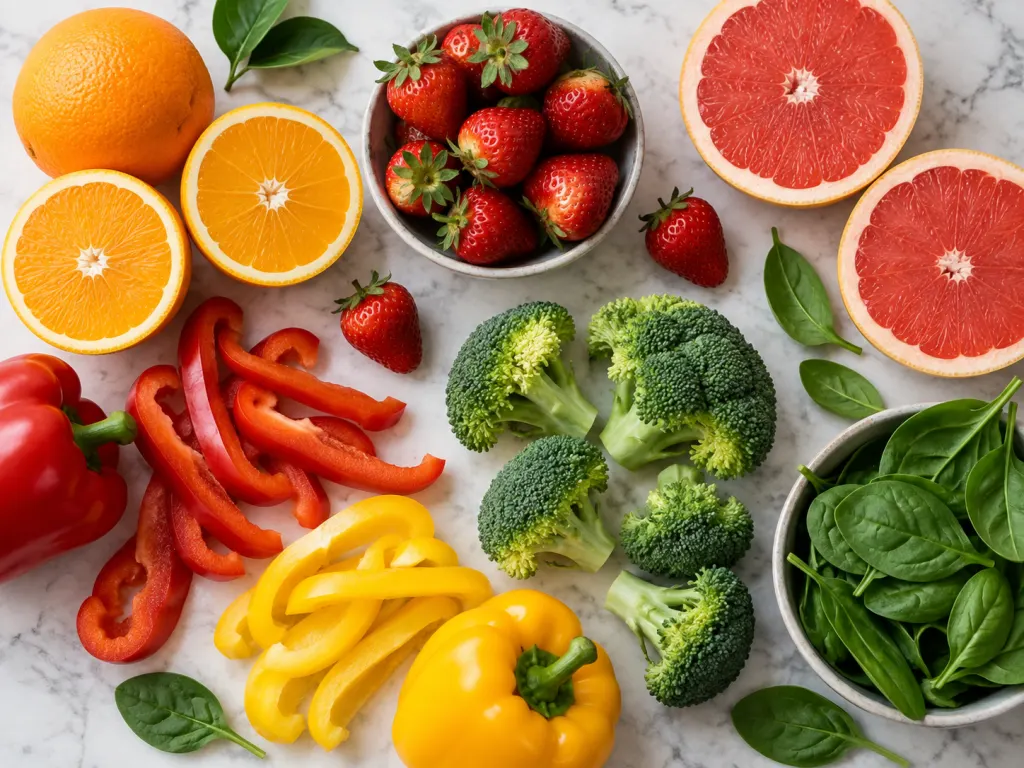
From a practical standpoint, foods that are high in vitamin C are frequently also rich in dietary fiber and water, making them broadly valuable in a gut-supportive eating pattern regardless of the precise mechanisms involved. MedlinePlus identifies the richest dietary sources of vitamin C as raw or minimally cooked fruits and vegetables, since heat and prolonged storage reduce the vitamin's content. The recommended dietary allowance for vitamin C is 75 milligrams per day for adult women and 90 milligrams per day for adult men. Foods that contribute substantially toward meeting these requirements include:
- Red and yellow bell peppers, among the richest food sources by weight
- Citrus fruits: oranges, grapefruits, lemons, and limes
- Kiwifruit, which also contributes to the fiber discussion above
- Strawberries, raspberries, and blueberries
- Broccoli, Brussels sprouts, and cabbage
- Fresh spinach and other leafy green vegetables
Eating a varied mix of these foods daily, with some raw or lightly cooked preparations, supports both adequate vitamin C intake and strong dietary fiber coverage, a combination consistent with the broader pattern dietitians associate with digestive comfort.
Hydration and Everyday Habits That Support Fiber Intake
Dietary fiber works most effectively when paired with adequate fluid intake. As fiber moves through the digestive tract, it absorbs water; without sufficient hydration, increasing fiber consumption can sometimes worsen constipation rather than ease it. The Cleveland Clinic recommends aiming for approximately eight 8-ounce glasses of fluids per day as a general starting point, with water as the primary choice. A nutritional review published in Nutrients (2021) highlights that gradual fiber increases tend to produce fewer initial side effects, bloating, gas, and temporary discomfort are common when fiber is added too quickly, and a slower build over several weeks allows the gut and its microbiome to adapt. Beyond fluid intake and fiber quantity, registered dietitians commonly discuss a cluster of complementary habits: eating meals at consistent times each day, which reinforces the body's gastrocolic reflex; not routinely skipping breakfast; and including moderate physical activity, since regular movement is observationally associated with more consistent intestinal transit. A fiber-rich, varied diet built around whole plant foods provides the foundation from which specific foods like kiwifruit and vitamin C-rich produce contribute most meaningfully.
When Digestive Changes Call for Medical Attention
Dietary adjustments can support comfort and regularity for many people, but some patterns of digestive change require clinical evaluation rather than dietary self-management. The Cleveland Clinic advises contacting a healthcare provider when constipation is new in onset and persists beyond three weeks, when stools contain blood, when unexplained weight loss accompanies bowel changes, when bowel movements produce severe pain, or when constipation alternates with diarrhea. These patterns can indicate conditions that go beyond dietary factors and require proper clinical assessment. If you have a diagnosed digestive condition, such as irritable bowel syndrome, inflammatory bowel disease, celiac disease, or a history of colorectal surgery, changes to fiber intake should be discussed with your care team before being implemented, since appropriate guidance in those contexts can differ substantially from general healthy-adult recommendations.
Wrap-Up
Kiwifruit, coffee, and vitamin C-rich foods each appear in dietitian discussions about bowel regularity, but they contribute through different pathways and with different levels of supporting evidence. Kiwifruit has the most direct clinical support: a 2022 systematic review found low-to-moderate certainty evidence of improved bowel frequency compared with placebo, with its soluble fiber, actinidin enzyme, and microbiome effects all identified as contributing factors. Coffee stimulates digestive hormones and colon muscle activity through a combination of caffeine and non-caffeine compounds, with both caffeinated and decaffeinated varieties showing measurable effects; individual responses vary, and morning consumption appears to be the most consistently effective timing. Vitamin C-rich foods support collagen synthesis in the body's connective tissues and provide dietary fiber, making them a practical component of any gut-conscious eating pattern. None of these foods works well in isolation. A consistently high-fiber diet, adequate hydration, regular mealtimes, and sufficient physical activity form the practical foundation that registered dietitians build dietary conversations around. When symptoms are persistent, severe, or accompanied by changes such as blood in stool or unexplained weight loss, a healthcare professional is the appropriate first step.
Frequently Asked Questions
- → How much kiwifruit is typically used in studies on bowel regularity?
Most of the clinical trials reviewed in a 2022 systematic review used two to three whole kiwis consumed daily over several weeks. Individual tolerance varies, and it is generally advisable to start with a smaller amount and build gradually, since adding any high-fiber food quickly can cause temporary bloating or gas. The evidence also suggests that eating whole kiwifruit is preferable to concentrated extracts, which were associated with more frequent minor digestive side effects in the reviewed studies.
- → Does decaffeinated coffee affect the digestive system the same way as regular coffee?
Research suggests both caffeinated and decaffeinated coffee can stimulate colon activity, though caffeinated coffee appears to produce a stronger response, roughly 60 percent more colon activity than water, compared with 23 percent more for decaffeinated varieties. This points to compounds beyond caffeine, including chlorogenic acids, as active contributors to the digestive response. People who are sensitive to caffeine may find decaffeinated coffee worth exploring if they are interested in coffee's digestive effects with less stimulant exposure.
- → Which foods are richest in vitamin C?
According to MedlinePlus, the best food sources of vitamin C include red and yellow bell peppers, citrus fruits such as oranges and grapefruits, kiwifruit, strawberries, broccoli, Brussels sprouts, cabbage, and fresh leafy greens like spinach. Raw or lightly cooked preparations generally retain more vitamin C than heavily cooked ones, since the vitamin is sensitive to heat and prolonged storage. A varied diet with several servings of fruits and vegetables daily is the most practical way to meet daily requirements consistently.
- → Can increasing fiber intake temporarily worsen digestive discomfort?
Yes, temporarily. Adding large amounts of fiber rapidly, especially in supplement form, can cause bloating, gas, and discomfort, and without sufficient fluid intake it can occasionally make stools harder rather than softer. Dietitians typically recommend increasing fiber gradually over several weeks while also increasing water intake, to allow the digestive system to adjust. The two changes tend to work better together than either does alone.
- → When should someone speak with a doctor rather than adjusting their diet?
The Cleveland Clinic advises consulting a healthcare provider when constipation is new and persists beyond three weeks, when stools contain blood, when unexplained weight loss accompanies changes in bowel habits, or when bowel movements cause severe pain. Constipation that alternates with diarrhea also warrants evaluation. People with diagnosed digestive conditions or those taking medications that affect bowel function should discuss dietary changes with their care team before making significant adjustments, since general guidance may not apply to their specific situation.