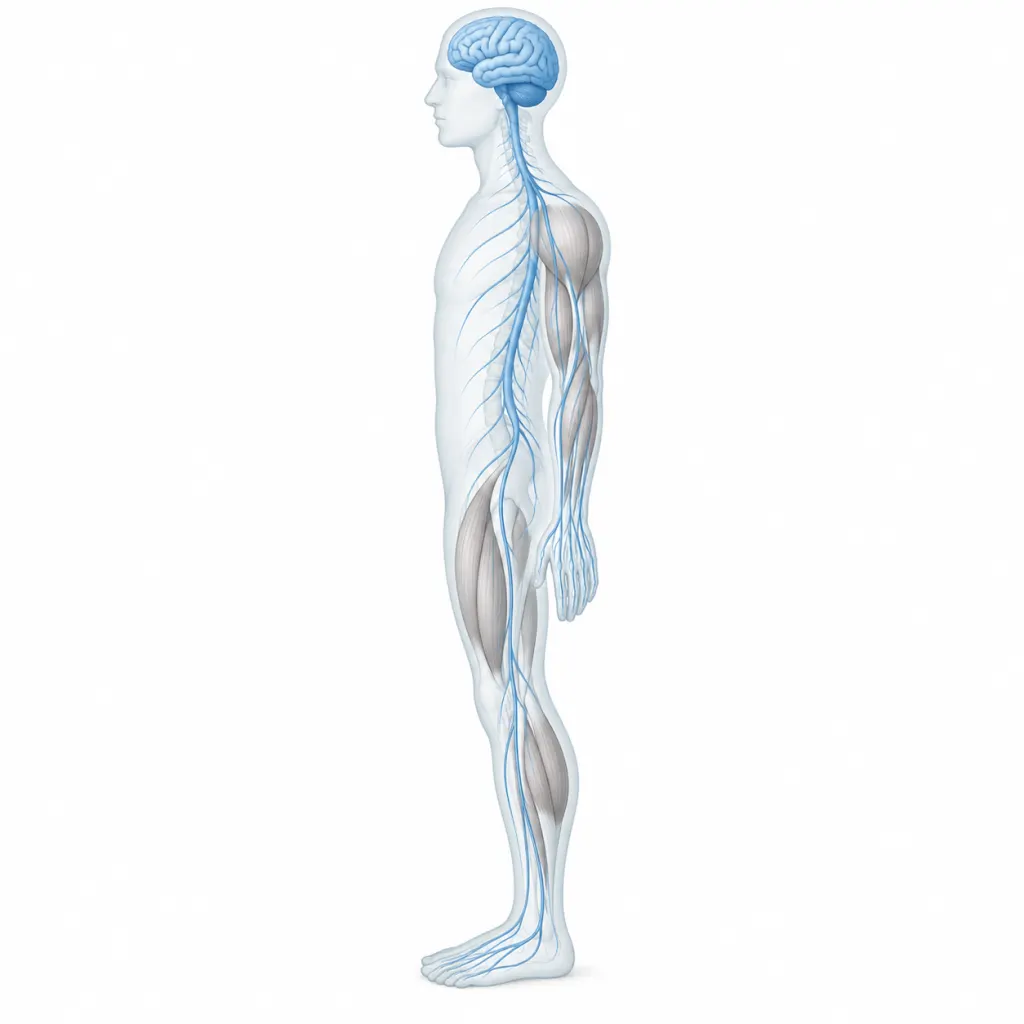
 Save
Elevated blood sugar, known medically as hyperglycemia, can produce several noticeable symptoms, and the quiet of sleep often makes them harder to ignore than during a busy day. If you regularly wake up to urinate, reach for water in the middle of the night, or feel oddly drained in the morning despite adequate hours in bed, blood glucose may be worth investigating. This article explains seven nighttime and early-morning symptoms that research links to high blood sugar, what the evidence says about each one, and when speaking with a healthcare professional makes sense.
What Is Hyperglycemia?
Hyperglycemia means blood glucose is above the normal range. The American Diabetes Association describes it as a defining feature of diabetes, though a single elevated reading can also occur after a large meal, during illness, or under significant stress. When glucose stays elevated over time, it affects how the kidneys, nerves, blood vessels, and eyes function. According to the National Institute of Diabetes and Digestive and Kidney Diseases (NIDDK), common symptoms of sustained high blood sugar include increased urination, unusual thirst, blurred vision, fatigue, and slow-healing sores.
Type 2 diabetes in particular can develop gradually, and some people experience few or no obvious symptoms even when glucose levels are significantly elevated. The Centers for Disease Control and Prevention (CDC) notes that type 2 diabetes symptoms often develop slowly and may go unnoticed for years. This makes awareness of subtler signs, including patterns that appear at night, especially valuable for prompting timely testing and care conversations.
Why Nighttime Can Be a Useful Window
During the day, activity, meals, and distractions can mask symptoms that become harder to ignore once you are lying still. Trips to the bathroom stand out more at 2 a.m. than at 2 p.m. An uncomfortable thirst is far more noticeable when there is nothing else competing for your attention. For people who already have diabetes, the early-morning hours carry an additional consideration: the American Diabetes Association notes a natural surge in certain hormones around 4 to 5 a.m. that can raise blood glucose levels, a pattern sometimes called the dawn phenomenon, which means glucose may be at its highest just before waking. Understanding the seven patterns below can help you decide whether a conversation with a clinician about blood sugar testing is warranted.
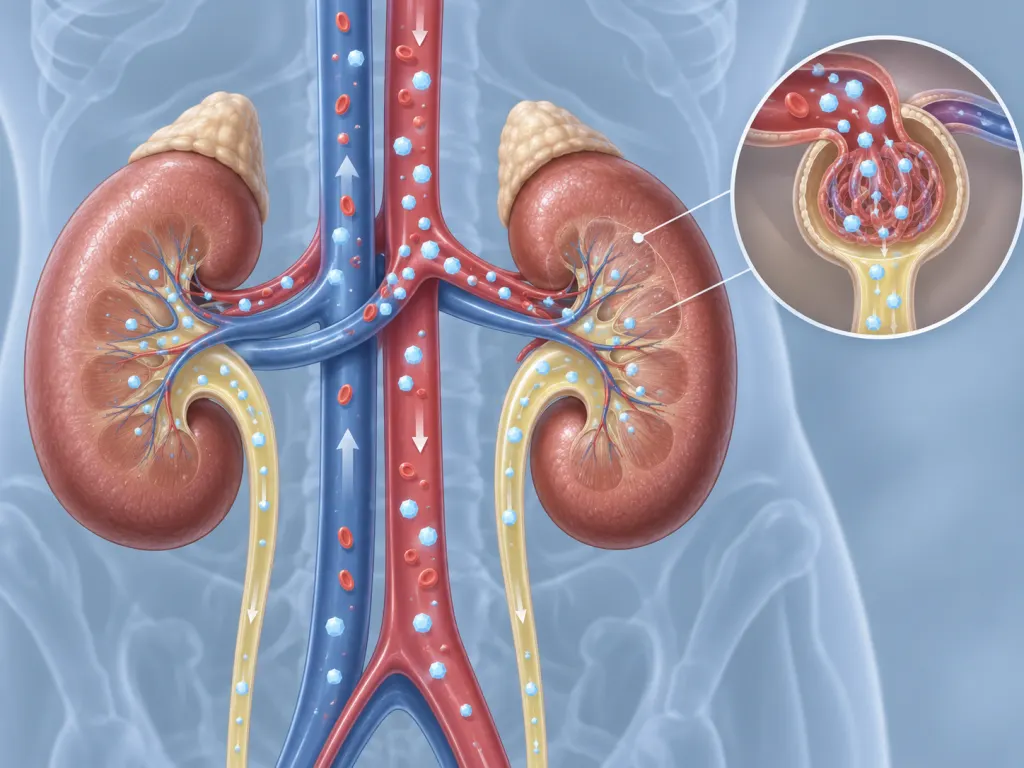
Symptom 1: Frequent Urination at Night
One of the most recognized warning signs is waking repeatedly to use the bathroom. When blood glucose rises significantly, the kidneys attempt to filter the excess sugar from the bloodstream and excrete it in urine. This process draws more fluid with it, increasing both urine volume and the frequency of bathroom visits. The CDC lists frequent urination as one of the primary diabetes symptoms, alongside increased thirst, unusual hunger, fatigue, and blurry vision.
Occasional nighttime bathroom visits are completely normal, especially after drinking fluids close to bedtime, during pregnancy, or while taking certain medications. The pattern worth noting is when frequency increases, for example, waking once a night becoming two or three times, and especially when it is accompanied by strong thirst or unusual tiredness the following morning. The NIDDK similarly highlights increased urination and strong thirst as two of the most consistent early indicators of elevated blood glucose worth discussing with a provider.
Symptom 2: Waking Up Very Thirsty
Intense thirst at night or a dry, sticky mouth on waking can follow directly from the fluid loss that accompanies increased urination. When glucose is being filtered through the kidneys, the body loses more water than usual, and thirst is the natural signal to replace that fluid. MedlinePlus lists thirst among the standard indicators of hyperglycemia, alongside fatigue, headache, and frequent urination.
Dry air, sleeping with the mouth open, a high-salt meal before bed, alcohol consumption, and certain medications can all cause a dry mouth at night for reasons entirely unrelated to blood sugar. The distinction that warrants attention is thirst that wakes you consistently, returns night after night, or appears alongside several other items from this list, such as frequent urination and marked fatigue the next day.
Symptom 3: Restless or Disrupted Sleep
Sleep disruption from high blood sugar does not always have a single obvious cause. Frequent bathroom trips interrupt rest directly. Uncomfortable thirst makes it harder to settle back down. Some people notice a general restlessness, an overheated feeling, or a vague sense of physical unease when glucose levels are well above normal. Broken sleep, in turn, can affect daytime energy, mood, appetite, and blood sugar regulation, creating a cycle that is difficult to disentangle without looking at its components together.
Many other factors cause broken sleep independently: stress, caffeine, sleep apnea, restless leg syndrome, acid reflux, and ambient noise are all common contributors. The reason to consider blood sugar specifically is when disrupted sleep arrives as a package with the other symptoms described in this article, rather than appearing in isolation with no accompanying signs.
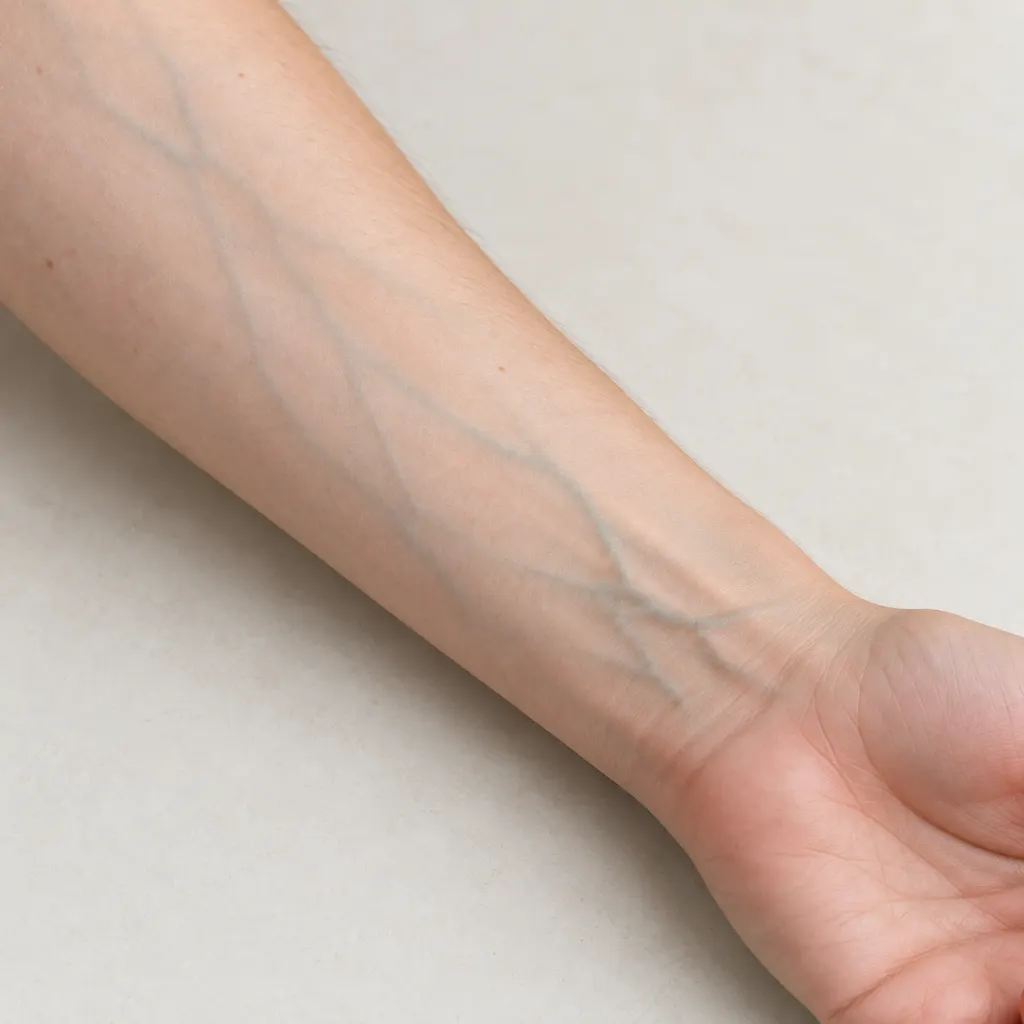
Symptom 4: Night Sweats and the Early-Morning Glucose Surge
Sweating during the night has many common explanations: room temperature, bedding weight, hormonal changes, infections, certain antidepressants, and stress. In the context of blood sugar, the early-morning rise in glucose that the American Diabetes Association calls the dawn phenomenon, driven by a natural hormonal surge around 4 to 5 a.m., can contribute to feeling overheated or unsettled just before waking. For people already taking diabetes medication, night sweats combined with shakiness, a pounding heartbeat, confusion, or extreme hunger may indicate low blood glucose rather than high blood glucose, and a healthcare professional should be consulted about nighttime glucose monitoring in that situation.
For people not yet diagnosed, persistent unexplained night sweats, especially when accompanied by unusual thirst or frequent urination, are worth raising with a clinician. Blood sugar testing can help clarify whether glucose is a contributing factor and what steps, if any, are appropriate.
Symptom 5: Blurry Vision on Waking
High blood glucose can temporarily affect the fluid balance inside the eyes, which may cause vision to appear blurred. Some people notice this when they first wake up, when looking at a phone screen in a dim room, or when trying to read first thing in the morning. Both the CDC and the NIDDK list blurry vision among the common symptoms of diabetes, and MedlinePlus includes it among the recognized indicators of hyperglycemia. Vision often improves as blood glucose returns toward a normal range.
Eye strain, dry eyes, poor sleep quality, migraines, and uncorrected refractive errors can all blur vision independently of blood sugar levels. Recurring blurry vision that appears together with thirst and frequent urination should be evaluated promptly, both to assess blood glucose and to rule out other eye and neurological conditions that benefit from early attention.
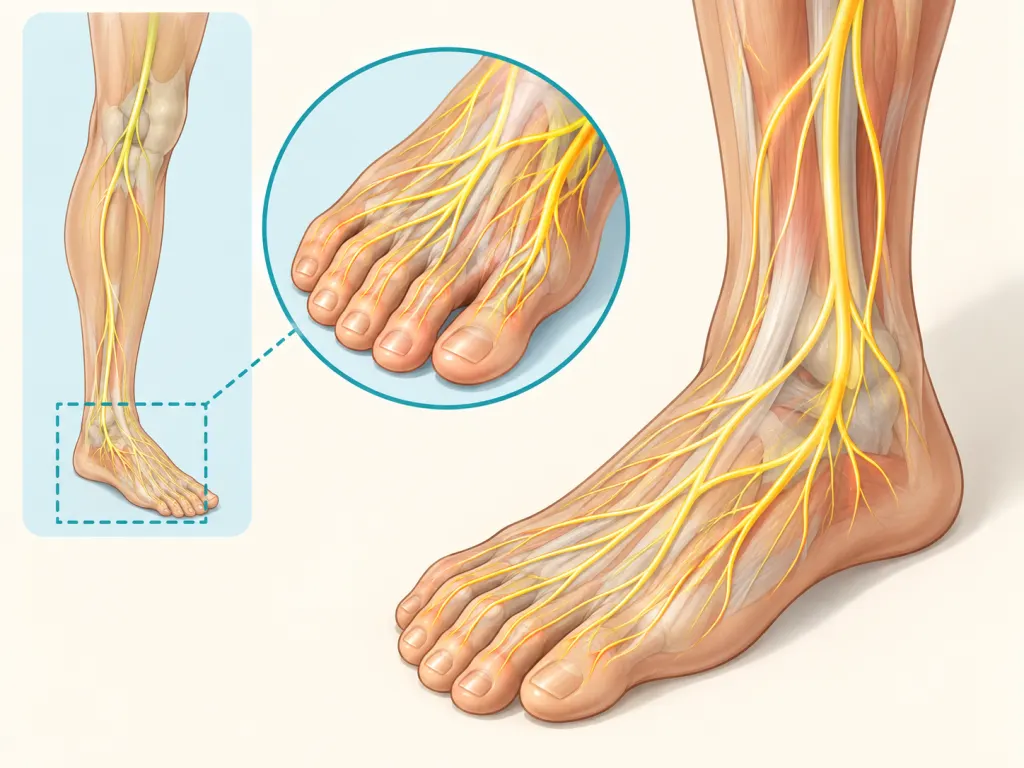
Symptom 6: Tingling, Burning, or Numbness in the Feet at Night
Peripheral neuropathy, nerve damage that can develop over time in response to prolonged elevated blood sugar, causes tingling, burning, pins-and-needles sensations, numbness, or aching in the feet and lower legs. The NIDDK notes that these symptoms are often worse at night, when a person is lying still and there are fewer distractions to compete with the sensations. The NIDDK explains that over time, elevated blood glucose and elevated blood fats can damage both the small nerve fibers and the blood vessels that supply them, producing the sensory changes that people with diabetic peripheral neuropathy commonly describe. Symptoms typically affect both feet and may gradually extend upward toward the calves.
Foot tingling at night also occurs with vitamin B12 deficiency, thyroid disorders, poor circulation, nerve compression from the lower spine, and several other conditions. A consistent pattern, particularly tingling that is worse at rest and at night and that accompanies other symptoms described in this article, is a clear reason to speak with a healthcare professional and request appropriate testing to identify the underlying cause.

Symptom 7: Morning Fatigue, Headache, and Brain Fog
Waking up feeling unrested after what should have been a full night of sleep is one of the subtler signs that something may have disturbed the body's overnight recovery. When blood sugar is persistently elevated, the body works harder to manage the imbalance, and the combined effects of broken sleep, fluid loss from frequent urination, and reduced cellular energy efficiency can produce a morning marked by sluggishness, a dull headache, or a foggy quality to thinking. MedlinePlus lists fatigue and headache among the symptoms of hyperglycemia, and the CDC includes fatigue among the primary diabetes warning signs.
Morning fatigue is one of the most non-specific symptoms possible, poor sleep, anemia, thyroid disorders, depression, sleep apnea, and low iron all produce very similar feelings. The clinical context matters: when morning fatigue appears consistently alongside frequent nighttime urination, strong overnight thirst, or other symptoms described in this article, blood sugar testing becomes a much more focused and informative next step.
Other Conditions That Can Cause Similar Symptoms
It is important to be clear that none of the seven patterns described above is unique to high blood sugar. Each has a long list of independent explanations:
- Frequent nighttime urination can result from urinary tract infections, an overactive bladder, kidney conditions, prostate issues, diuretic medications, or simply drinking fluids close to bedtime.
- Nighttime thirst and dry mouth are common with mouth breathing, sleep apnea, antihistamines, antidepressants, dry bedroom air, or a high-salt evening meal.
- Broken sleep is associated with stress, anxiety, caffeine, sleep apnea, restless leg syndrome, acid reflux, and many other factors.
- Night sweats are commonly linked to menopause, infections, certain medications, and thyroid disorders.
- Blurry vision on waking often reflects dry eyes, eye strain, or uncorrected refractive errors.
- Foot tingling at night occurs with vitamin B12 deficiency, nerve compression from the spine, poor circulation, thyroid problems, and other causes.
- Morning fatigue is extremely common and can reflect sleep quality, mood, anemia, and many other conditions.
The reason to consider blood sugar specifically is not that any single symptom points there uniquely, but that a recurring cluster of several, particularly over days or weeks, may make glucose testing a sensible next step. The CDC notes that type 2 diabetes symptoms often develop slowly and that some people have few noticeable signs even when levels are meaningfully elevated.
When to Speak With a Healthcare Professional
If several of the symptoms described in this article appear together and recur over days or weeks, it is reasonable to contact a healthcare provider and ask whether blood sugar testing is appropriate. A clinician may recommend tests such as a fasting blood glucose measurement, a hemoglobin A1C test, a random blood glucose check, or an oral glucose tolerance test. Symptoms alone cannot diagnose hyperglycemia or diabetes; testing is the only reliable way to determine whether glucose levels are outside the normal range, and a healthcare professional interprets the results in the context of the individual's full health picture.
Some presentations call for more urgent attention. Seek emergency medical care if you or someone you are with experiences any of the following:
- Severe confusion, disorientation, or difficulty staying awake
- Rapid or labored breathing
- Breath with a fruity or sweet odor
- Persistent nausea or vomiting
- Extreme weakness or fainting
- Severe abdominal discomfort
The NIDDK and the American Diabetes Association both note that diabetic ketoacidosis, a serious complication in which the body is starved of usable glucose and breaks down fat rapidly, producing acidic byproducts, can be a medical emergency. It is not limited to people who already carry a diabetes diagnosis.
Wrap-Up
Seven nighttime patterns, frequent urination, intense thirst, restless sleep, night sweats, blurry vision on waking, tingling or burning in the feet, and morning fatigue or headache, can all be associated with elevated blood sugar. None is specific to glucose alone, and each has many independent explanations. A recurring cluster of several of these signs is a practical reason to ask a healthcare professional about blood sugar testing. Testing is the only reliable path to knowing whether glucose is a contributing factor, and awareness of these patterns supports timely action.
Frequently Asked Questions
- → What blood sugar level counts as hyperglycemia?
Definitions vary by test and clinical context. A fasting blood glucose above 100 mg/dL (5.6 mmol/L) is considered elevated, and readings above 126 mg/dL (7.0 mmol/L) on two separate occasions meet the diagnostic threshold for diabetes. After meals, levels above 180 mg/dL (10 mmol/L) are commonly cited as indicating postprandial hyperglycemia. A healthcare professional determines which test is appropriate and interprets results in the context of the individual's full health history.
- → What is the dawn phenomenon, and can it affect how I feel in the morning?
The dawn phenomenon refers to a natural rise in blood glucose in the early-morning hours, driven by a surge in hormones such as cortisol and growth hormone that typically occurs around 4 to 5 a.m. The American Diabetes Association notes this hormonal pattern can push glucose levels higher just before waking. For people with poorly managed blood sugar, this rise may contribute to morning fatigue, headache, or blurry vision when getting up.
- → Is tingling in my feet at night always related to blood sugar?
No. Tingling, burning, or numbness in the feet at night has several common causes besides peripheral neuropathy linked to high blood sugar, including vitamin B12 deficiency, thyroid disorders, poor circulation, nerve compression from the lower spine, and certain medications. The NIDDK notes that diabetic peripheral neuropathy symptoms are often worse at night, but a healthcare professional needs to evaluate the full clinical picture to determine the underlying cause.
- → Can these nighttime symptoms appear before a diabetes diagnosis?
Yes. High blood sugar can occur in people who have not yet been diagnosed with diabetes or prediabetes, particularly when type 2 diabetes develops gradually over years. The CDC notes that type 2 diabetes symptoms often develop slowly, and some people have few noticeable signs even when glucose levels are significantly elevated. Recurring nighttime symptoms are a reasonable basis for requesting a blood sugar test even without a prior diagnosis.
- → What tests does a doctor use to check blood sugar?
Common blood sugar tests include a fasting plasma glucose test (taken after not eating for at least eight hours), a hemoglobin A1C test (reflecting average glucose over roughly three months), a random blood glucose test (taken at any time), and an oral glucose tolerance test. The NIDDK explains that result interpretation depends on the specific test and the individual's circumstances, so a clinician determines which option is most appropriate for each person.
- → When do nighttime symptoms require emergency medical attention?
Seek emergency medical care for severe confusion or disorientation, rapid or labored breathing, breath with a fruity odor, persistent vomiting, extreme weakness, or any symptoms that feel dangerous. These can indicate diabetic ketoacidosis, which the NIDDK and the American Diabetes Association identify as a medical emergency. People already taking diabetes medication who wake up shaky, confused, sweaty, or extremely hungry should contact their healthcare provider about nighttime glucose monitoring.
References
This content was developed and refined using reliable sources.
- https://www.cdc.gov/diabetes/signs-symptoms/index.html
- https://www.niddk.nih.gov/health-information/diabetes/overview/symptoms-causes
- https://www.diabetes.org/healthy-living/medication-treatments/blood-glucose-testing-and-control/hyperglycemia
- https://medlineplus.gov/hyperglycemia.html
- https://www.niddk.nih.gov/health-information/diabetes/overview/preventing-problems/nerve-damage-diabetic-neuropathies/peripheral-neuropathy