 Save
Noticing prominent veins on your hands, forearms, or legs is a common experience, and in the vast majority of cases it is entirely normal. Visible veins typically reflect straightforward physical factors: how much subcutaneous fat sits between the vein and the skin surface, how the skin has changed with age, how recently you exercised, or how warm the environment is. Research from institutions including Cleveland Clinic and the U.S. National Heart, Lung, and Blood Institute confirms that these presentations are expected and carry no inherent health significance on their own. Knowing what each contributing factor looks like, and recognizing the small set of symptoms that genuinely warrant medical evaluation, gives you an accurate picture of what your veins are telling you.
Understanding Vein Visibility: How Veins Become Apparent
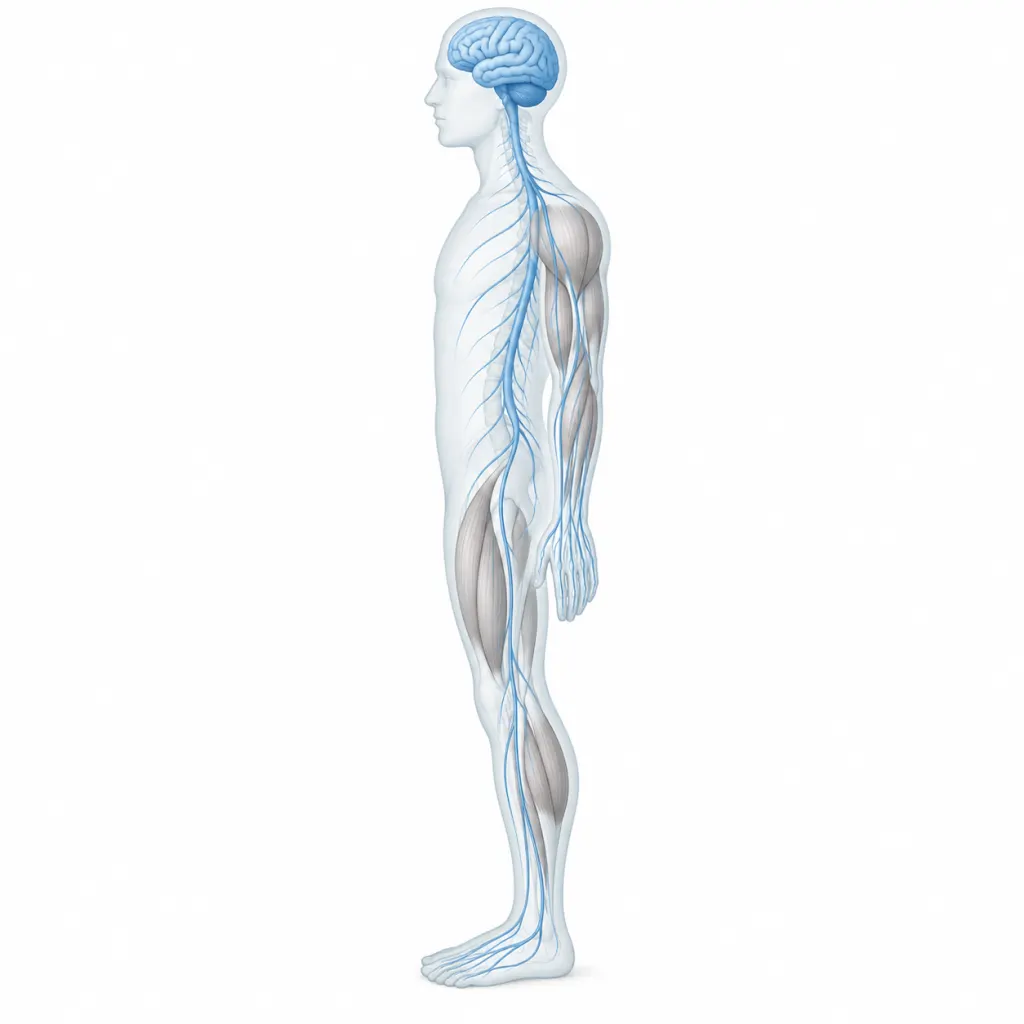
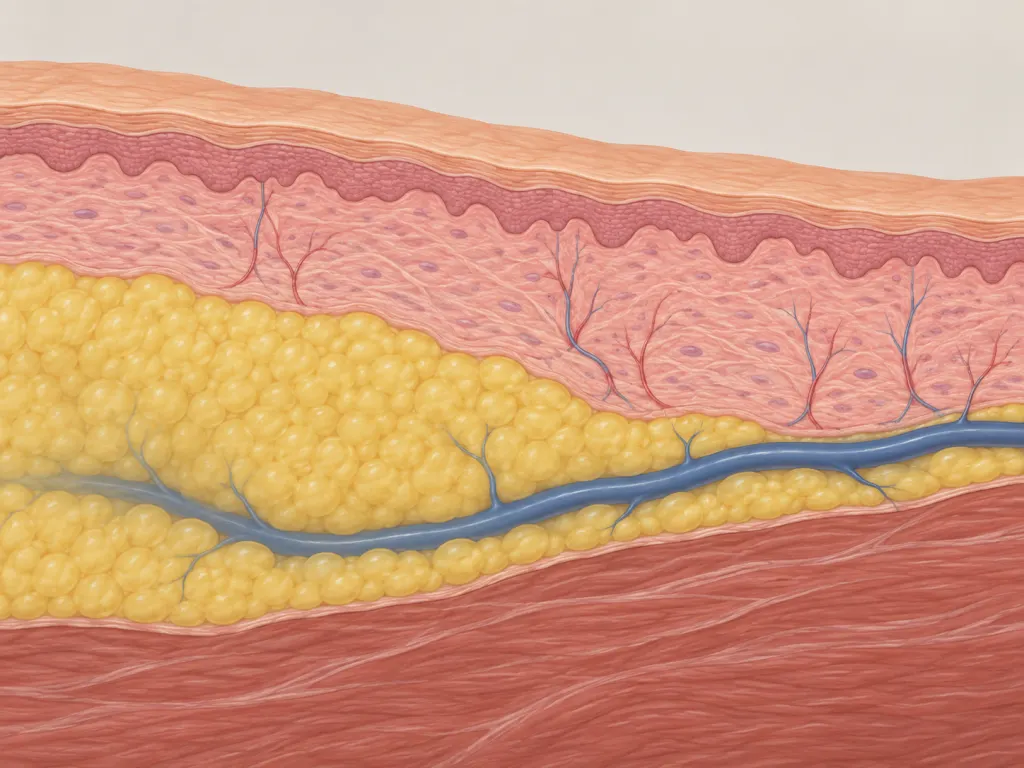
Veins are part of the network that returns blood to the heart after it has delivered oxygen and nutrients to the body's tissues. They run at varying depths beneath the skin, and whether a given vein is visible depends on what lies between it and the surface: the thickness of the subcutaneous fat layer, the thickness and pigmentation of the skin itself, and the diameter of the vein relative to its depth. When those layers are thin, because of body composition, age, or fluid changes, or when blood volume in the vein temporarily increases due to exercise or heat, the vessel shows through the skin surface more clearly. The resulting appearance can range from faint blue traces under pale skin to clearly raised cords, and nearly all of these presentations are benign.
Body Composition and Low Body Fat
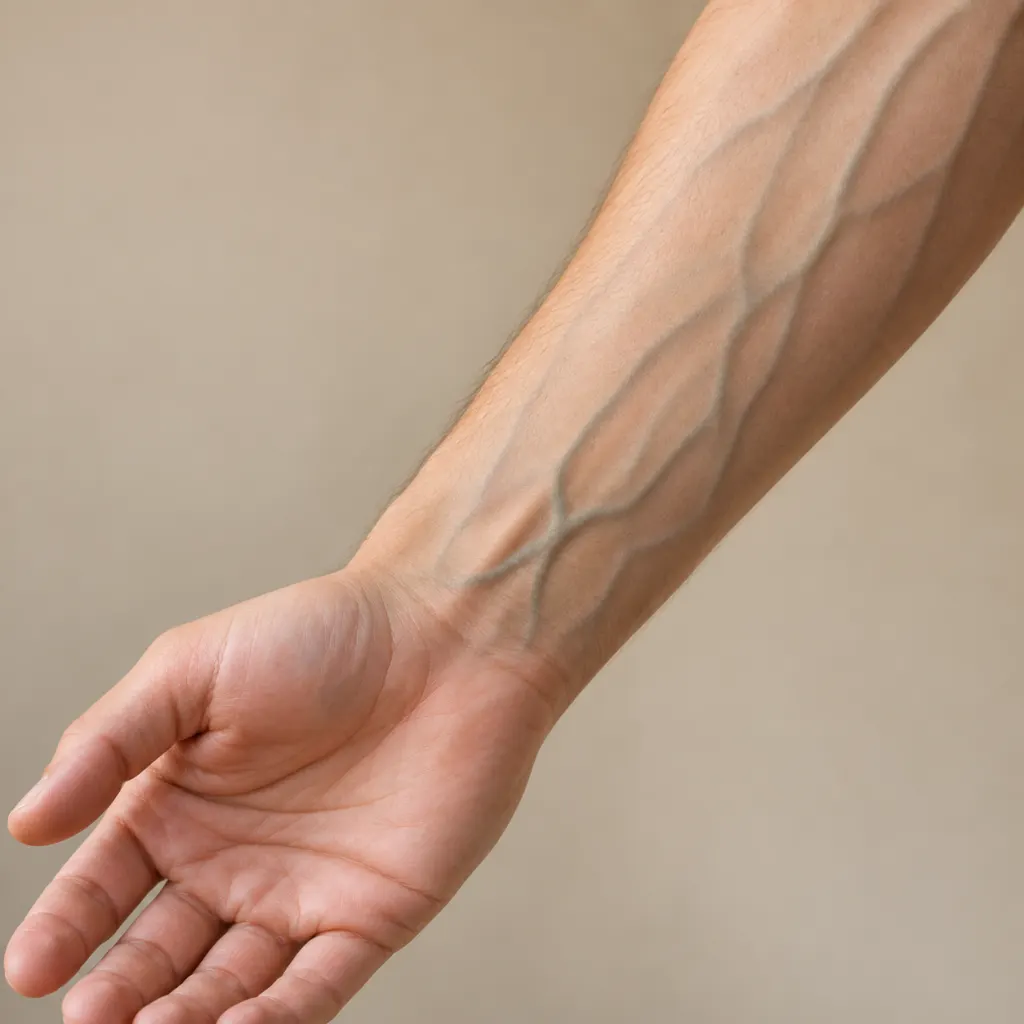
The most common reason people notice prominently visible veins is a low percentage of body fat. The subcutaneous fat layer beneath the skin acts as a natural cushion that conceals the vessels running through it. When that layer is thin, whether because of natural body type, intentional weight management, or physical training, veins in the hands, forearms, feet, and lower legs sit closer to the surface and appear more clearly defined. Cleveland Clinic notes that as body fat percentage decreases, veins may become more prominent, particularly in the hands and arms. People with well-developed muscle mass also tend to show veins more clearly, because developed muscle pushes vessels toward the surface and reduces the intervening tissue between vein and skin.
- Low body fat: Less subcutaneous cushioning means veins sit nearer the skin surface and show through more easily.
- Greater muscle mass: Developed muscle can press veins outward toward the surface, most visible in the forearms and upper arms.
- Natural body type: Frame size, natural fat distribution, and skin thickness vary considerably between individuals regardless of fitness level.
- Recent significant weight loss: Fat loss that was rapid or substantial can make previously concealed veins suddenly more prominent.
Exercise and Increased Blood Flow
During physical exercise, particularly weightlifting, resistance training, or high-intensity cardiovascular effort, blood flow to working muscles increases substantially. This causes veins near the surface to dilate temporarily, making them more prominent for the duration of the activity and for some time afterward. The effect is amplified in people who have greater muscle development and lower body fat, because there is comparatively little tissue between the dilated vein and the skin surface.
This exercise-related vein visibility is a normal physiological response. Blood vessels widen to meet the oxygen and nutrient demand of working muscles, and the veins that drain blood away from those muscles expand in proportion. The prominence typically fades within minutes to an hour once physical activity ends and blood flow returns to resting levels. Regular physical training can also produce lasting increases in vein visibility by building muscle and reducing body fat over time, adaptations that bring veins progressively closer to the surface.
How Aging Affects Vein Visibility
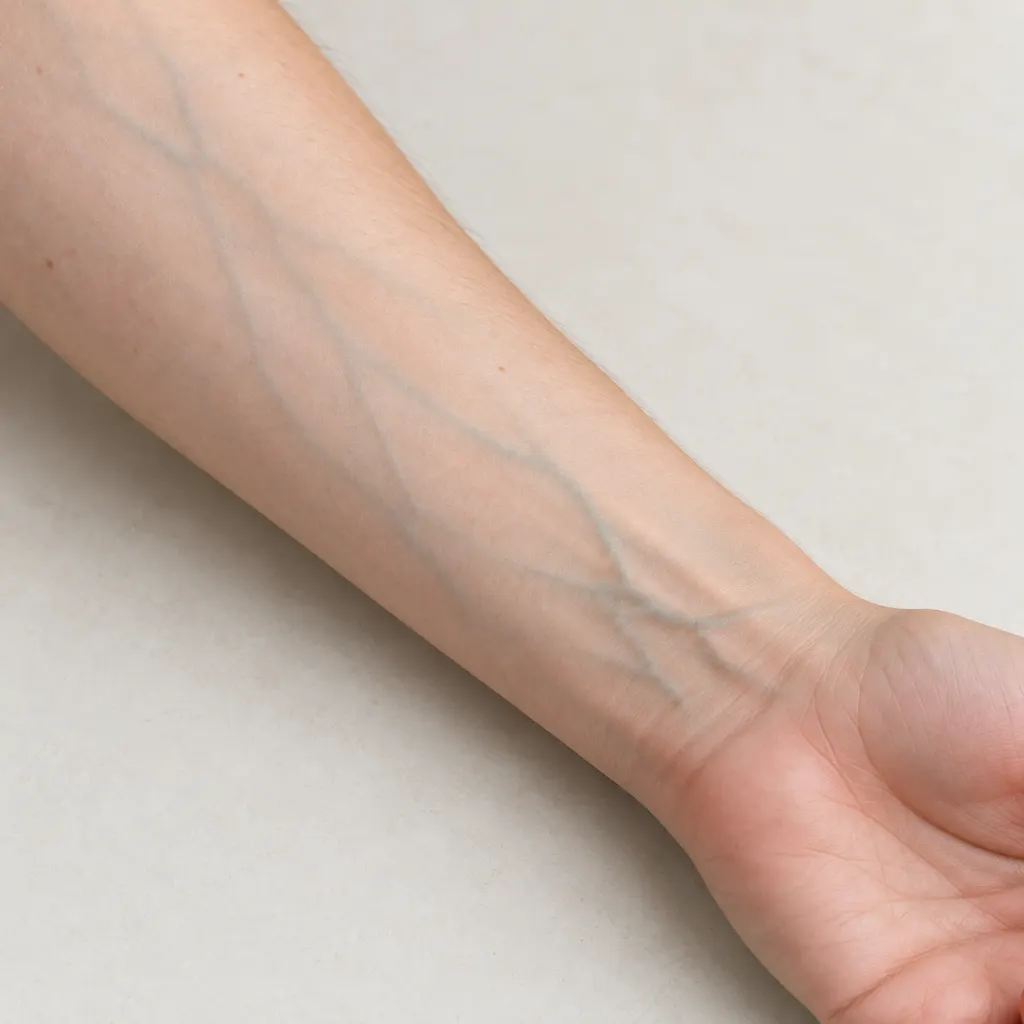
Aging is one of the most consistent and gradual contributors to increased vein visibility. According to MedlinePlus, the outer layer of the skin, the epidermis, thins progressively with age, even though the number of cell layers stays constant. The subcutaneous fat layer beneath it also diminishes over time, removing the natural padding that once concealed deeper structures. The number of pigment-producing cells declines as well, leaving skin paler and more translucent than it was in earlier decades. Blood vessels in the skin become somewhat more fragile with age as well.
These overlapping changes result in skin that allows underlying veins to show through much more easily, without any change in the veins themselves. The effect tends to be most noticeable on the hands and forearms, where skin is naturally thin to begin with, and on the lower legs and feet. These are normal age-related changes and, in isolation, are not a sign of poor health or a vascular condition that requires treatment.

Temperature, Heat, and Hydration
External heat reliably makes veins more visible. When body temperature rises, during hot weather, after a warm bath, or during prolonged sun exposure, blood vessels near the surface dilate as part of the body's effort to release heat through the skin. This vasodilation brings more blood to the surface and causes the veins responsible for carrying it to become temporarily larger and more apparent. The effect reverses as the body cools and is a completely normal thermoregulatory mechanism with no health significance on its own.
Hydration levels also interact with vein appearance. When the body is dehydrated, circulating blood volume decreases slightly. Some people notice that their surface veins appear more raised and prominent during dehydration, as the vessels accommodate a reduced blood supply. Adequate fluid intake generally normalizes this effect. Neither heat-related nor hydration-related vein changes are cause for concern in the absence of other symptoms.
Genetics and Individual Variation
Genetics shape many of the underlying factors that determine vein visibility. Natural skin thickness, skin tone, subcutaneous fat distribution, vein diameter, and the tendency to develop conditions such as varicose veins all have heritable components. Cleveland Clinic identifies a family history of vein problems as a recognized risk factor for varicose veins, reflecting a genuine genetic contribution to how veins behave over a lifetime. This is why two people with similar body composition, age, and activity levels can have meaningfully different vein prominence.
Hormonal factors also interact with genetics and can directly affect vein appearance. Pregnancy substantially increases circulating blood volume and places greater pressure on the veins of the pelvis and legs, while hormonal shifts associated with pregnancy and menopause can affect vein wall tone and valve integrity. These influences help explain why varicose veins are more common in women, particularly after pregnancy, even when other risk factors are comparable between individuals.
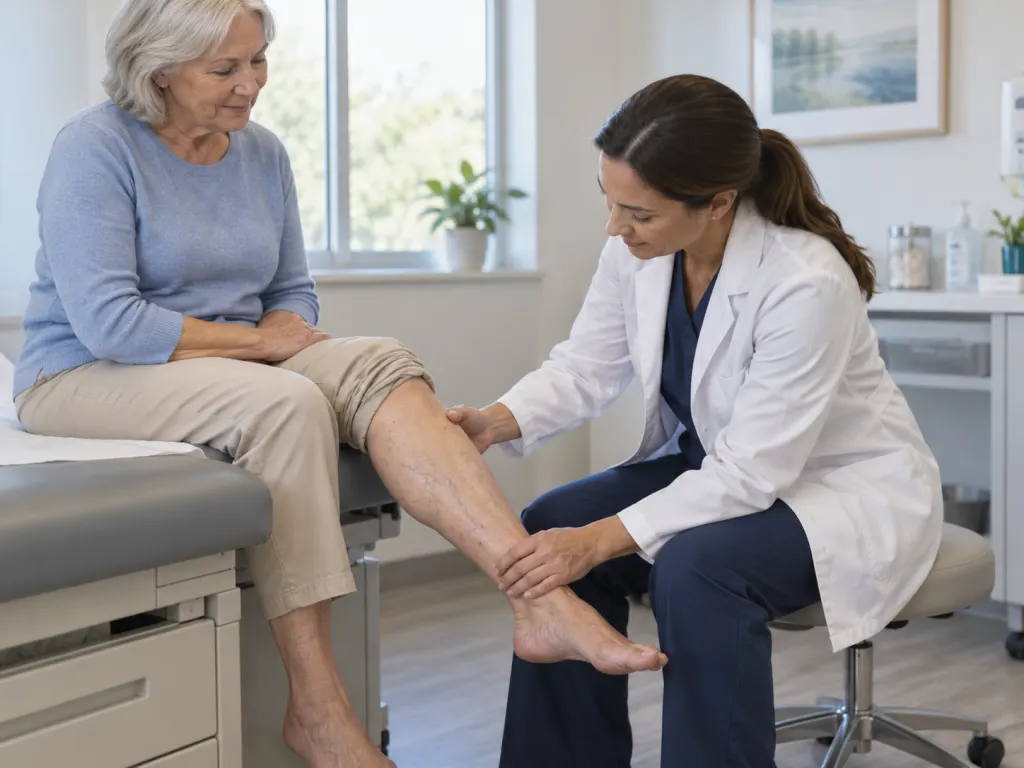
When Visible Veins Signal a Condition: Varicose Veins
Varicose veins are the most common vascular condition in which visible veins reflect an underlying change in vein function rather than simply body composition or aging. They affect roughly one in three adults and develop when the one-way valves inside leg veins weaken or fail. Under normal conditions, these valves keep blood moving upward toward the heart against gravity. When a valve stops functioning correctly, blood pools in the section of vein below it. The resulting pressure causes the vein wall to stretch, swell, and distort, producing the characteristic blue or purple, twisted, rope-like appearance visible just beneath the skin, typically in the legs, feet, and ankles.
Cleveland Clinic and the NHLBI both note that while varicose veins are common, they range from entirely cosmetic to symptomatic and potentially progressive. The recognized risk factors include:
- Aging: Veins lose elasticity over time and valve function can decline gradually.
- Pregnancy: Increased blood volume and hormonal changes place extra pressure on pelvic and leg veins.
- Excess weight: Additional body mass increases the sustained pressure that vein walls must bear.
- Prolonged standing or sitting: Reduces the muscular pump action in the legs that helps blood return upward toward the heart.
- Tobacco use: Damages blood vessel walls over time, weakening their structural integrity.
- Family history: A first-degree relative with varicose veins substantially raises personal risk.
Symptoms that accompany varicose veins and distinguish them from harmless vein visibility include a heavy or aching sensation in the legs, itching around or near the affected vein, swelling in the lower legs and ankles, skin color changes near the vein, and, in more advanced cases, skin ulcers near the ankle.
Warning Signs That Need Prompt Attention
Most visible veins are benign and require no medical intervention. However, certain changes involving veins require timely evaluation. Cleveland Clinic recommends seeking care if new bulging veins develop or if existing veins show any of the following:
- Redness, warmth, or tenderness along a vein: These signs may indicate superficial thrombophlebitis, an inflammatory condition affecting a vein close to the skin surface.
- Sudden swelling or pain in one leg: This combination can signal deep vein thrombosis, a clot in a deep vein, which requires urgent medical assessment.
- Bleeding from a vein: Seek emergency care immediately if a varicose vein bleeds and the bleeding is heavy or does not stop promptly with steady pressure.
- A hard lump along a vein, or skin that darkens or develops sores near a vein: These changes may indicate chronic venous insufficiency or a more advanced stage of varicose vein disease.
The NHLBI notes that severe varicose veins can progress to venous ulcers, and both Cleveland Clinic and NHLBI emphasize that any sudden worsening of symptoms alongside visible veins deserves a clinical evaluation rather than a wait-and-see approach.
Wrap-Up
Visible veins are nearly always the result of identifiable, normal factors: low body fat, well-developed muscle, aging skin, physical exertion, ambient heat, mild dehydration, or genetic variation in skin thickness and vein position. None of these presentations require treatment or indicate an underlying problem on their own. Varicose veins are the most common condition where vein visibility reflects a change in valve function, and they affect a significant share of the adult population. The practical takeaway is symptom awareness: visible veins accompanied by pain, warmth, redness, hard lumps, skin changes, or leg swelling are the signals that make a conversation with a healthcare provider genuinely useful.
Frequently Asked Questions
- → Does being able to see veins mean a person is very muscular or very thin?
Not necessarily. Visible veins reflect how much subcutaneous fat and how thick the overlying skin is, not fitness level alone. People with low body fat or well-developed muscles do tend to have more visible veins, but aging and natural genetic variation produce the same effect independently of exercise habits. Someone can have prominent veins simply because their skin is naturally thin or has thinned with age.
- → Can dehydration make veins more visible?
Yes, in some cases. Dehydration reduces circulating blood volume slightly, which can make surface veins appear more raised and prominent. Drinking adequate water generally normalizes this effect. If visible veins persist well after good hydration is restored, other factors such as body composition, age, or vein health are the more likely explanation.
- → Do varicose veins always cause pain or discomfort?
Not always. Some varicose veins are painless and cause only cosmetic concern. Others produce aching, heaviness, itching, or swelling in the affected leg, with symptoms often worsening after prolonged standing or sitting. Cleveland Clinic recommends contacting a healthcare provider if varicose veins are accompanied by increasing discomfort, changes in skin color or texture near the vein, or noticeable swelling.
- → Is it normal for veins to become more visible as people get older?
Yes. MedlinePlus confirms that aging progressively thins the outer skin layer, reduces subcutaneous fat, and decreases skin pigmentation, all of which make underlying veins easier to see through the skin. These are normal age-related changes. They do not by themselves indicate a vascular problem, though older adults should still watch for accompanying symptoms that suggest varicose veins or another vein condition.
- → What is the difference between varicose veins and spider veins?
Both are visible vein conditions but differ in size, depth, and significance. Varicose veins are larger, deeper, twisted, and may feel raised under the skin, they can cause symptoms and sometimes warrant medical attention. Spider veins are smaller, appear as fine red or blue lines in a web-like pattern very close to the skin surface, and are generally harmless and painless, though some people choose to have them evaluated for cosmetic reasons.
- → When should someone seek urgent care related to a visible vein?
Seek emergency care immediately if a vein bleeds heavily and the bleeding does not stop with steady pressure. Contact a healthcare provider promptly if a vein is red, warm, and tender, possible superficial thrombophlebitis, or if one leg suddenly swells and becomes painful, which can signal deep vein thrombosis. The NHLBI and Cleveland Clinic both emphasize that these symptoms go beyond cosmetic vein visibility and require medical evaluation.
References
This content was developed and refined using reliable sources.
- https://my.clevelandclinic.org/health/diseases/22877-bulging-veins
- https://medlineplus.gov/ency/article/004014.htm
- https://medlineplus.gov/ency/article/004006.htm
- https://my.clevelandclinic.org/health/diseases/4722-varicose-veins
- https://www.nhlbi.nih.gov/health/varicose-veins
- https://medlineplus.gov/varicoseveins.html