 Save
Nighttime leg cramps are sudden, involuntary muscle spasms that jolt people awake with sharp, often intense pain, most commonly in the calf, but also in the foot or thigh. They are extremely widespread: research from Cleveland Clinic indicates that up to 60% of adults experience them at some point, and they become more frequent with age, affecting about one in three people over 60 at least once every two months. Most episodes pass within a few seconds to around ten minutes and are harmless, though the residual ache can linger for hours. Understanding the most common triggers and what to do when they strike can make these episodes considerably easier to manage, and helps you recognize the situations when a healthcare visit is genuinely warranted.
What Happens During a Nighttime Leg Cramp
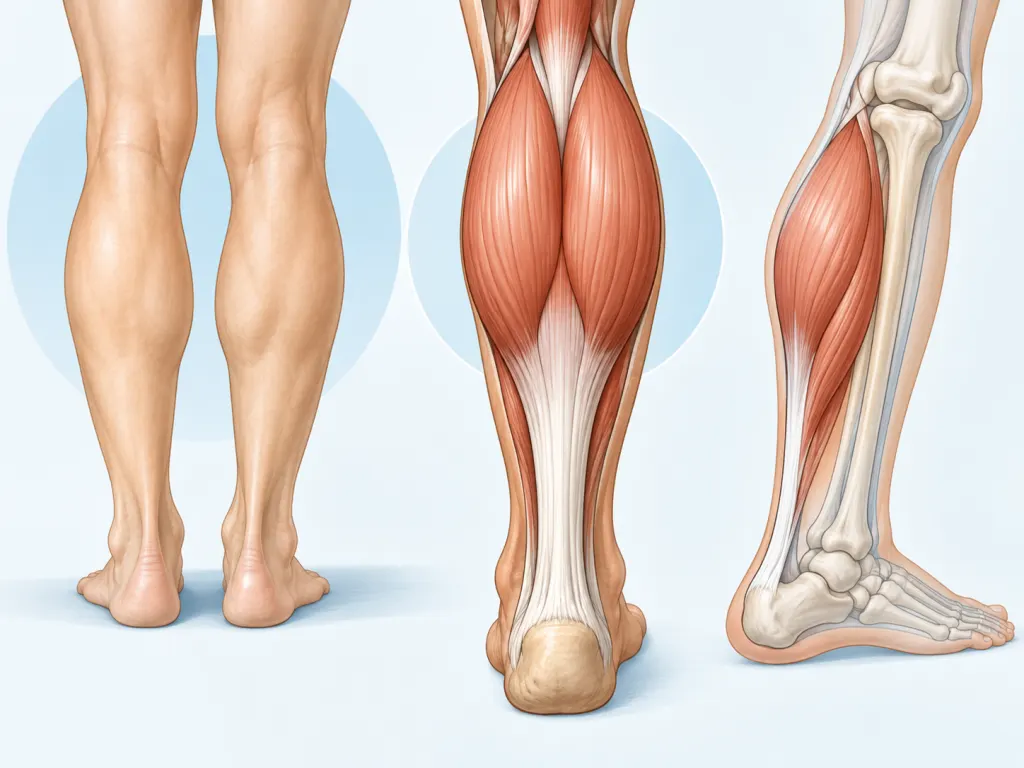
When a cramp strikes, a muscle contracts forcefully and involuntarily, pulling into a visible, hard knot that cannot be relaxed on command. The calf is the most frequently affected site, but the arch of the foot and the hamstrings are also common locations. The discomfort can range from mild tightness to acute, gripping pain that wakes people from deep sleep. The spasm itself is distinct from restless legs syndrome, which produces an uncomfortable urge to move the legs rather than a painful, locked contraction. Most cramps resolve without any intervention, but the muscle can remain tender for the rest of the night and well into the following day, even after the visible spasm has fully released.
Common Causes of Nighttime Leg Cramps
The exact trigger for any single cramp is rarely pinpointed, but several well-recognized contributing factors have been identified through research. Dehydration and electrolyte imbalance play a significant role: the minerals potassium, magnesium, calcium, and sodium are essential for the nerve signals that tell muscles when to contract and relax. When fluid intake is inadequate, after exercise, in hot weather, or simply through insufficient daily hydration, these mineral levels can shift, leaving muscles more prone to uncontrolled contraction. Muscle fatigue and overuse are equally important contributors. Prolonged standing on hard surfaces, intense or unfamiliar exercise, and sitting in a fixed position for many hours all place cumulative stress on the leg muscles that can manifest as spasms during the relaxed state of sleep. Shortened tendons and reduced flexibility, which accumulate gradually through sedentary habits, also play a role: when the Achilles tendon and calf muscles are less extensible, the muscle is closer to its end range during rest, making an involuntary contraction easier to sustain through the night.

Who Is More Likely to Experience Nighttime Leg Cramps
Several personal characteristics and life circumstances are associated with a higher frequency of nocturnal leg cramps:
- Older adults: About one in three people over the age of 60 experiences nighttime leg cramps at least once every two months. Muscle mass naturally declines and tendons lose elasticity with age, both of which increase susceptibility.
- Pregnant women: Approximately 40% of pregnant women report leg cramps, particularly in the later trimesters. Circulatory changes, the added physical demands of pregnancy, and shifting nutritional requirements are all contributing factors.
- People with sedentary or physically demanding jobs: Both prolonged desk sitting and long shifts standing on hard floors are associated with higher cramp frequency, through different mechanisms, but with similar consequences for overtaxed leg muscles.
- Athletes and those who recently increased exercise intensity: A sudden jump in training load raises short-term cramp risk through muscle overload and accelerated fluid loss during exertion.
- People who are overweight: Additional body weight places greater mechanical load on the leg muscles throughout the day, increasing cumulative fatigue by the time sleep arrives.

Medications That Can Contribute to Leg Cramps
Several commonly used medications are recognized as potential contributors to muscle cramping in some individuals. Diuretics, often prescribed for high blood pressure or heart conditions, alter the balance of fluids and electrolytes in ways that can provoke cramps. Statins, used to manage cholesterol, and certain antidepressants including sertraline and fluoxetine have also been associated with cramping. Gabapentin, used for nerve pain, and some antihypertensive drugs also appear on the list identified in clinical literature. If you have started a new medication and noticed a pattern of leg cramps developing, this is worth raising with your prescribing clinician. It is important not to stop or adjust a prescription independently, as doing so carries its own health risks that a provider is best placed to evaluate.
Underlying Health Conditions Associated With Frequent Cramps
While occasional nighttime leg cramps are common and usually benign, persistent or worsening episodes can sometimes signal an underlying condition worth investigating. Peripheral neuropathy, nerve damage in the legs, most often related to diabetes, can produce cramp-like sensations alongside numbness and tingling. Peripheral artery disease, in which narrowed vessels reduce blood flow to the legs, is another recognized association. Kidney disease disrupts electrolyte balance and is a well-documented cause of cramping, particularly in people undergoing dialysis. Thyroid disorders, especially hypothyroidism, and liver disease related to chronic alcohol use are also linked to higher cramp frequency. When episodes are persistent and accompanied by other symptoms, such as swelling, weakness, skin changes, or significant fatigue, a healthcare provider can help determine whether further assessment is appropriate.
How to Find Immediate Relief During a Cramp
When a cramp strikes in the middle of the night, these practical steps can help shorten the episode and ease discomfort:
- Stretch the affected muscle. For a calf cramp, flex your foot upward, toes toward your shin, and hold the position while the spasm eases. Alternatively, stand and press your heel firmly into the floor. Lengthening the muscle counters the contraction reflex.
- Massage the knotted area. Gentle, firm kneading of the cramped muscle helps the fibers release and improves local blood flow to the area.
- Apply warmth or cold. A warm towel, heating pad, or warm-water soak encourages the muscle to relax during the active cramp. Cold application, an ice pack wrapped in cloth, may be more useful afterward for residual soreness.
- Stand and walk briefly. Putting weight through the affected leg sends sensory feedback that can interrupt the cramping reflex for some people.
- Stay consistently hydrated. While drinking water will not stop a cramp already in progress, good daily hydration supports the electrolyte balance that helps prevent future episodes. After intense exercise, replenishing with electrolyte-rich fluids or foods is particularly useful.
Over-the-counter pain relievers may reduce muscle soreness the following morning, but they do not shorten the cramp itself.
Practical Steps for Preventing Nighttime Leg Cramps
Evidence supports several habits that can meaningfully reduce how often cramps occur.
Regular stretching, especially before bed. The NHS recommends calf-stretching exercises three times daily, with a five-minute session shortly before sleep. A straightforward technique: stand facing a wall with one foot in front of the other, keep the back heel firmly on the floor, and lean forward until you feel the stretch along the rear calf. Holding for 30-60 seconds per side, and repeating this nightly, addresses the tendon shortening that accumulates through sedentary habits.
Consistent hydration throughout the day. Aim to drink enough fluids to keep urine pale yellow. Limiting alcohol and excessive caffeine, both of which contribute to dehydration, is also helpful. During sustained exercise or in hot conditions, foods and drinks rich in potassium, magnesium, and calcium, such as bananas, leafy greens, and dairy products, can support adequate electrolyte levels.
Supportive footwear. Well-fitted shoes with appropriate arch support reduce abnormal mechanical stress on calf and foot muscles, particularly for people who stand or walk for extended periods each day.
Regular movement breaks. If your day involves long periods of desk work or prolonged standing, brief movement breaks every hour help keep circulation active and prevent cumulative muscle fatigue from building to a level that provokes nighttime spasms.
Adjusting your sleep position. Some people find that sleeping with the feet in a neutral position, supported by a pillow or with loosened bed covers that do not force the foot into a downward point, reduces the frequency of overnight cramps by keeping the calf in a slightly more lengthened state through the night.
When to Speak With a Healthcare Professional
Most nighttime leg cramps do not require medical evaluation. However, certain situations are worth discussing with a clinician. Consider making an appointment if cramps are occurring frequently or intensifying over time; if an episode lasts longer than ten minutes or does not respond to stretching; if a cramp is accompanied by significant swelling, redness, warmth, or muscle weakness; if numbness, tingling, or skin changes are present in the legs; or if disrupted sleep is meaningfully affecting your daily functioning. Cramps that began after starting a new medication also warrant a conversation with your prescribing provider. During pregnancy, any new or worsening leg symptoms should be raised with a midwife or obstetrician promptly. A clinician can conduct a physical examination and, when appropriate, order blood tests to check electrolyte levels, kidney function, and thyroid status, or arrange further assessment for vascular or neurological causes.
Wrap-Up
Nighttime leg cramps are a common experience, affecting up to 60% of adults at some point, but they are not something most people simply have to accept. Staying well hydrated, stretching consistently (particularly before bed), wearing supportive footwear, and building regular movement into sedentary days are practical, evidence-supported strategies. Understanding which situations, such as cramps accompanied by swelling, weakness, or numbness, or episodes repeatedly disrupting sleep, warrant professional attention helps ensure that any underlying cause is not overlooked. When in doubt, a conversation with a healthcare provider is always the right step.
Frequently Asked Questions
- → How long do nighttime leg cramps typically last?
Most episodes resolve on their own within a few seconds to about ten minutes, according to NHS guidance. Residual muscle soreness in the affected area can persist for several hours or into the following day, even after the spasm itself has fully released.
- → Can low magnesium or potassium cause nighttime leg cramps?
Electrolyte imbalances, including low magnesium, potassium, or calcium, are associated with an increased likelihood of muscle cramps, as these minerals play a direct role in muscle contraction and relaxation. However, many people with normal mineral levels still experience cramps. Supplementing without evidence of a deficiency is not routinely recommended; a healthcare provider can arrange a blood test if you have concerns about your mineral status.
- → What is the difference between a nighttime leg cramp and restless legs syndrome?
Nighttime leg cramps involve a sudden, painful, visible muscle contraction, typically in the calf, that usually resolves within minutes. Restless legs syndrome produces an uncomfortable urge to move the legs, often described as a creeping or crawling sensation, but is generally not acutely painful and does not involve a hard muscle knot. The two conditions can coexist. A clinician can help distinguish between them, as the management approaches differ.
- → Are nighttime leg cramps more common in older adults?
Yes. Research indicates that about one in three adults over the age of 60 experiences nighttime leg cramps at least once every two months. Age-related decline in muscle mass and reduced tendon elasticity are key contributing factors. Staying physically active and maintaining adequate hydration may help reduce how often they occur.
- → Is quinine ever used for nighttime leg cramps?
Quinine has historically been considered for nocturnal leg cramps when other approaches have not provided relief. The NHS notes that a GP may consider it in some cases. However, quinine carries a risk of side effects, including effects on heart rhythm and interactions with other medications, and its use requires careful medical supervision. Whether it is appropriate for any individual is a decision that should be made with their healthcare provider.