 Save
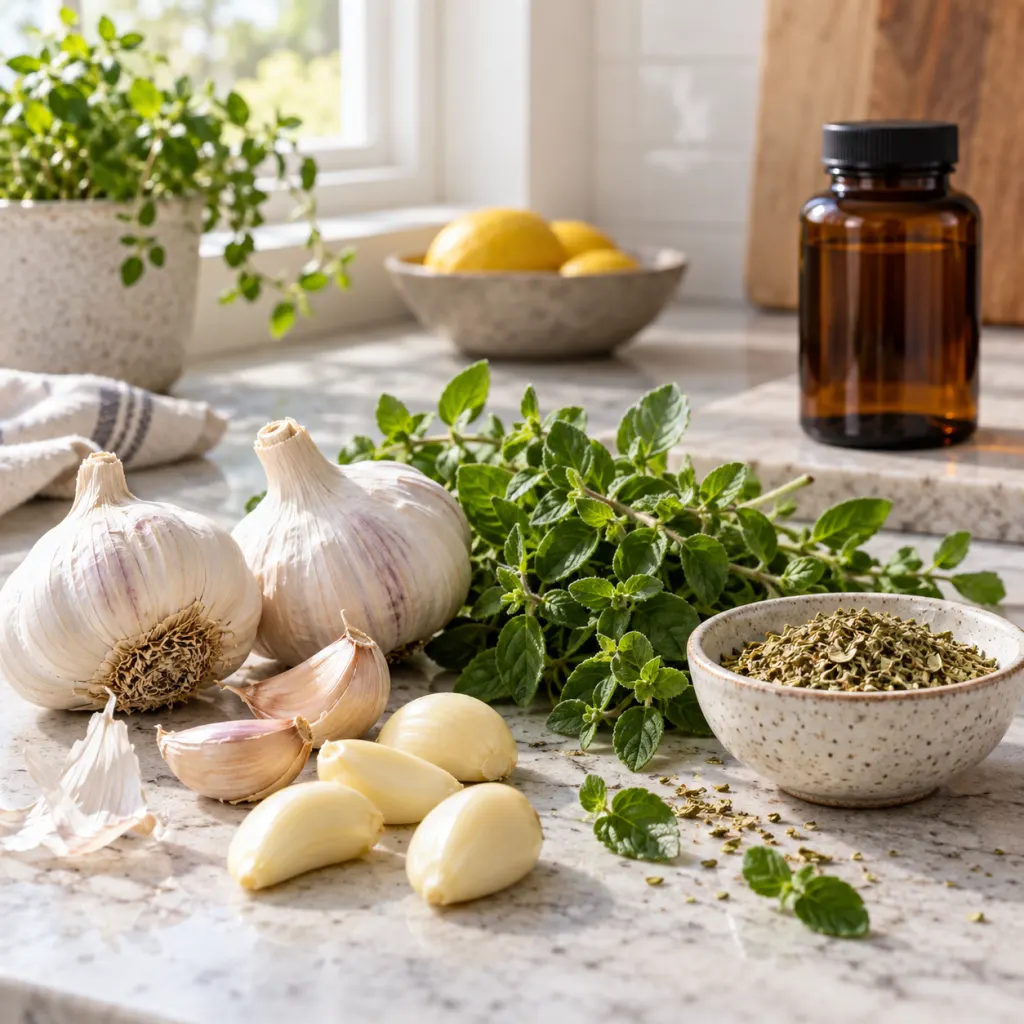
Garlic and oregano can absolutely belong in a healthy kitchen, but they should not be treated as shortcuts to specific health results. Garlic has been studied more than many culinary herbs, yet the strongest findings are still modest and tied mostly to concentrated supplement products rather than ordinary cloves in dinner. Oregano is even easier to overstate: much of the public conversation borrows from plant-chemistry and lab research, while everyday cooking amounts are mainly about flavor. This guide separates food use, supplement marketing, and evidence quality so readers can enjoy these ingredients without leaning on unsupported promises.
Why Bold Ingredient Claims Need a Calmer Frame
Garlic and oregano often appear in social posts that make a familiar ingredient sound hidden, dramatic, or unusually powerful. A better frame starts with what these foods are. Garlic is Allium sativum, a widely cultivated culinary bulb with a long history of food use and health-related study. NCCIH notes that garlic is promoted for many purposes and that a great deal of research has focused on supplements, especially around cardiovascular-related measurements, but the findings are not a blank check for every claim about the ingredient. Oregano, by contrast, is commonly discussed as Origanum vulgare, a hardy culinary herb used fresh or dried for flavor, according to the University of Maryland Extension.
The key distinction is not whether a plant contains interesting compounds. Many plants do. The more useful question is whether a claim is supported in the form, amount, population, and context being discussed. A lab study on a concentrated extract is not the same thing as sprinkling dried oregano over soup. A supplement capsule is not the same thing as a clove of garlic cooked into beans. FDA consumer guidance also explains that dietary supplements are handled differently from conventional foods and that shoppers should be cautious with hype around supplement products.
- Food use: garlic cloves and oregano leaves used for aroma, flavor, and meal enjoyment.
- Concentrated products: capsules, extracts, and oils that may deliver plant constituents in a much more concentrated form.
- Evidence quality: whether claims come from human studies, lab work, traditional use, or marketing language.
- Personal context: health history, planned procedures, sensitivities, and professional guidance.
Garlic Has More Human Research Than Oregano
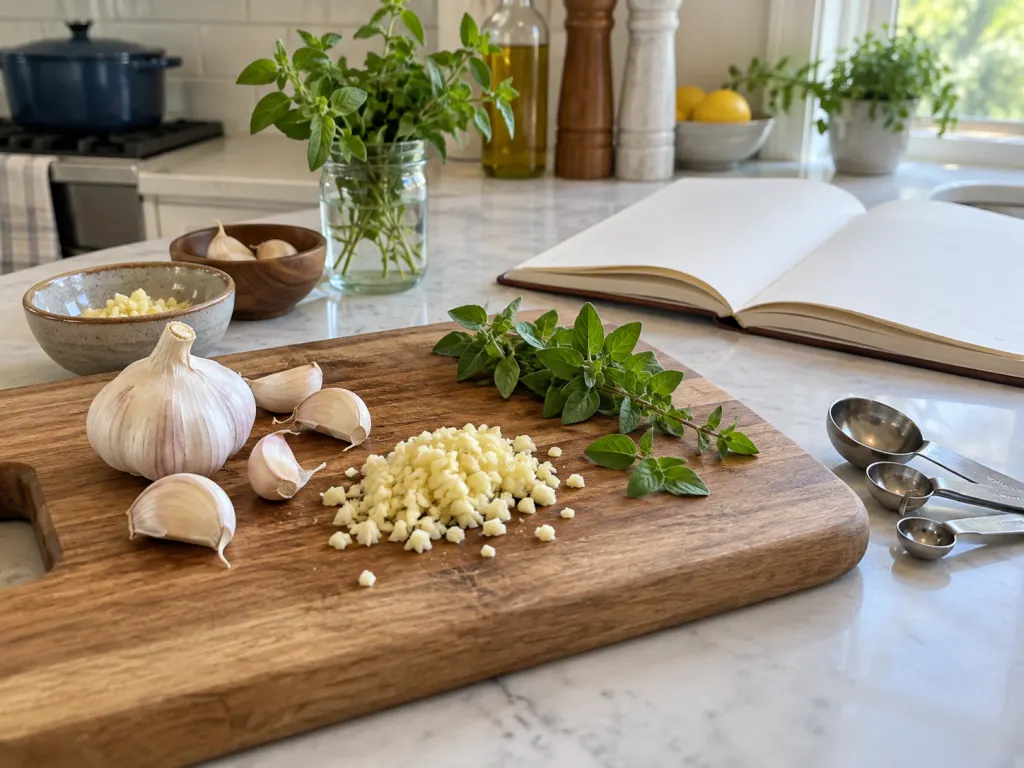
Among the two ingredients, garlic has the larger body of human research. NCCIH summarizes that garlic supplements have been studied for several health-related measurements, with some findings described as small or limited rather than sweeping. That matters because online posts often collapse all garlic forms into one claim. Raw garlic, cooked garlic, aged garlic products, powders, oils, and capsules are not identical. Processing changes odor, sulfur compounds, and how a product behaves in use.
A PubMed-indexed review of garlic chemistry describes Allium sativum as rich in sulfur-containing phytoconstituents, including alliin, allicin, ajoenes, vinyldithiins, and related compounds. That chemistry helps explain why garlic is biologically interesting, but chemistry alone is not the same as a proven result for a reader. A careful article can say garlic is pungent, compound-rich, and well studied compared with many herbs. It should stop short of turning that into a promise about what will happen in an individual body.
Oregano Is Mostly a Culinary Herb in This Conversation
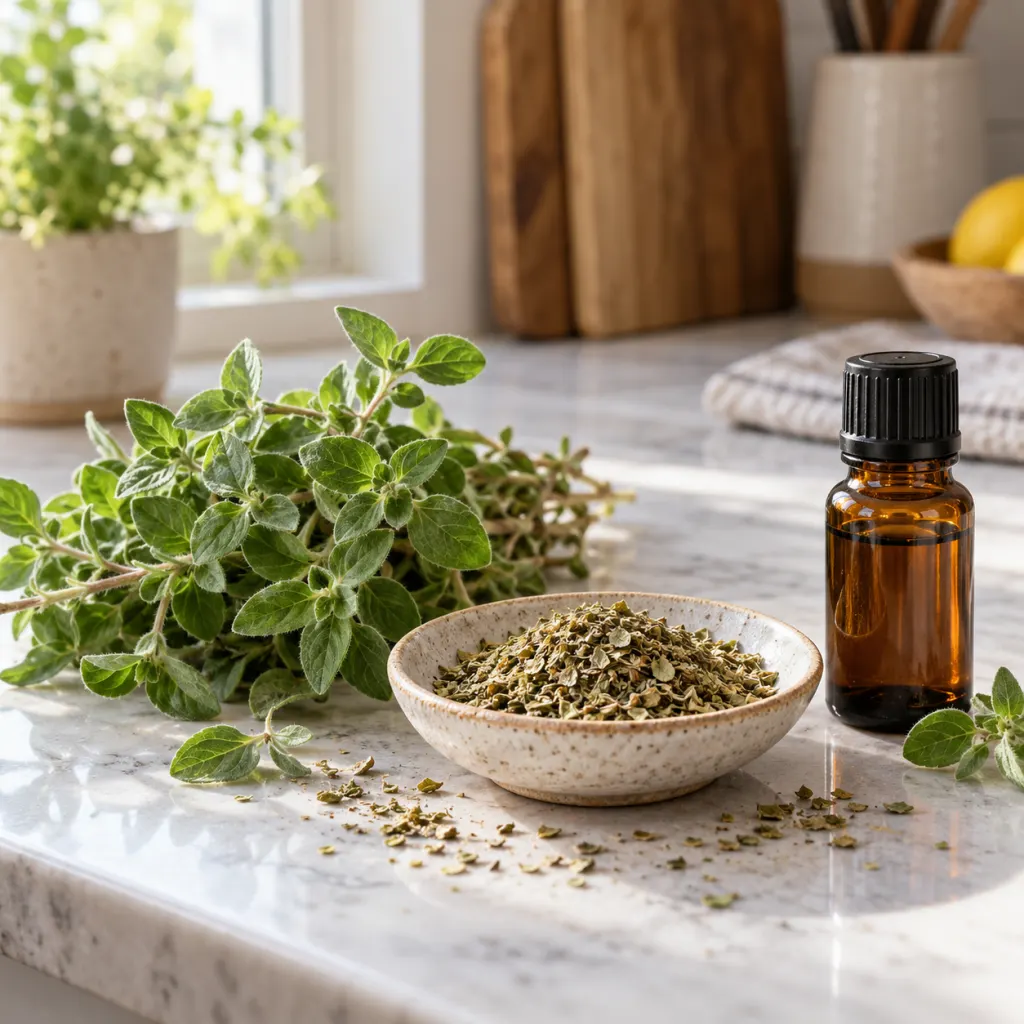
Oregano has a different evidence profile. University of Maryland Extension describes oregano as a perennial herb whose leaves are used fresh or dried, especially as a flavoring for pizza, meats, and Italian-style sauces. Other extension sources similarly discuss oregano primarily as a garden and culinary plant. That practical identity is important because many online oregano claims borrow authority from concentrated oil research, then apply the impression to ordinary dried leaves.
A PubMed-indexed review on the genus Origanum notes that oregano essential oil contains compounds such as carvacrol and thymol, along with other terpenes, phenolic acids, and flavonoids. Those compounds are part of why oregano is interesting to food scientists and plant researchers. Still, concentrated oil research should not be casually translated into advice about daily eating. For a narrower look at oregano compounds and infusion claims already covered on this site, readers can compare this guide with Oregano Compounds and Herbal Infusion Claims.
Kitchen Amounts Are Different From Concentrated Products
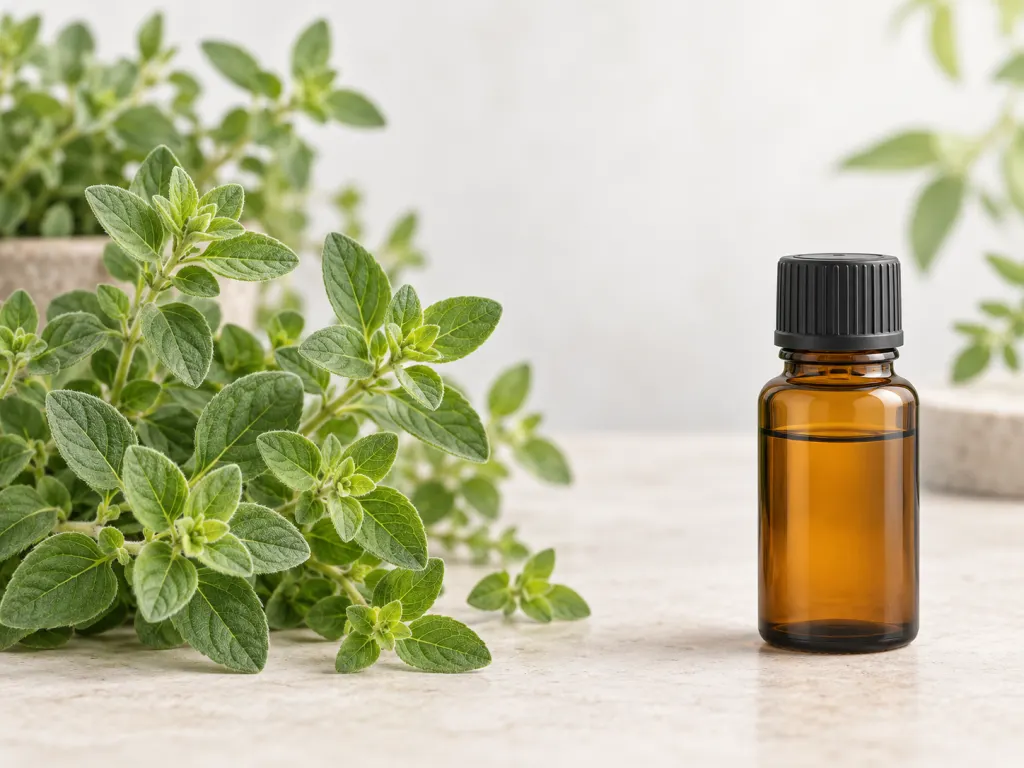
One of the most common mistakes in herbal wellness content is treating kitchen use and supplement use as if they were interchangeable. They are not. A pinch of dried oregano in tomato sauce is a culinary amount. A softgel, extract, or essential oil is a concentrated product. A clove of garlic cooked into soup adds flavor and aroma to a meal. A bottle sold as a supplement is packaged with a Supplement Facts panel and deserves a different level of scrutiny. The NIH Office of Dietary Supplements explains that supplements may include herbs and botanicals and that many products need more study to clarify their value.
FDA guidance also notes that supplements are intended to add to the diet, not to stand in for the variety of foods that matter in an eating pattern. That point is especially useful for garlic and oregano because both are easy to enjoy as part of meals. They can help make vegetables, beans, seafood, poultry, soups, and dressings more flavorful. That can support better home cooking habits without requiring the reader to believe a sweeping health promise.
- Use food language for food: flavor, aroma, seasoning, freshness, balance, and meal enjoyment.
- Use supplement language for supplements: label review, product form, quality questions, and professional guidance.
- Be cautious with oils: concentrated oils are not the same as dried leaves or cooked cloves.
- Watch for marketing shortcuts: dramatic claims often skip form, amount, and evidence limits.
Safety Questions Deserve Plain Language
Garlic and oregano are familiar foods, which can make them feel automatically harmless in every form. That is too simple. NCCIH reports that garlic eaten orally can cause issues such as breath and body odor, abdominal discomfort, gas, nausea, and allergy in some people. It also notes that fresh raw garlic used on skin may cause severe irritation. Those details do not mean ordinary cooking is risky for most people. They do mean that concentrated products and direct skin use belong in a more careful category.
FDA advises consumers to talk with a health professional before buying or taking a supplement, especially because concentrated products can have strong effects in the body and quality can vary. For this topic, that advice is more useful than a sweeping yes-or-no verdict. If an herb causes breathing trouble, swelling of the lips, tongue, or face, faintness, or a severe skin response after eating or contact, urgent care is appropriate. For non-urgent questions about supplement products, a doctor, nurse, pharmacist, or registered dietitian can help put the product in context.
A Useful Way to Read Bold Ingredient Claims
A strong claim about garlic or oregano should answer several basic questions before it deserves attention. What exact plant or product is being discussed? Is it fresh, dried, cooked, powdered, extracted, aged, or an oil? Was the evidence from people, animals, cells, food-safety testing, traditional records, or product marketing? Was the result large enough to matter in daily life? Did the source mention limitations? NCCIH’s travel-related review is a useful example of how an authority separates promoted natural products from the strength of the evidence behind them.
Readers can also compare garlic and oregano claims with other ingredient explainers. For example, Herbal Teas, Circulation, and Diabetes: A Careful Guide shows how wellness claims can become more complicated when personal health conditions enter the conversation. Health Benefits of Walnuts is another example of how a food can be discussed in a useful way while keeping claims tied to the evidence. The same standard belongs here: enjoy the ingredient, respect the limits, and avoid letting marketing language outrun what is known.
Bottom Line For Everyday Cooking
Garlic and oregano are worth keeping in the kitchen because they make food taste better. Garlic brings sweetness, savoriness, and pungency depending on how it is cut and cooked. Oregano adds a warm, resinous, slightly peppery note that works especially well with tomatoes, beans, roasted vegetables, eggs, meats, and brothy dishes. Those culinary strengths are enough. You do not need to believe dramatic claims to use these ingredients well.
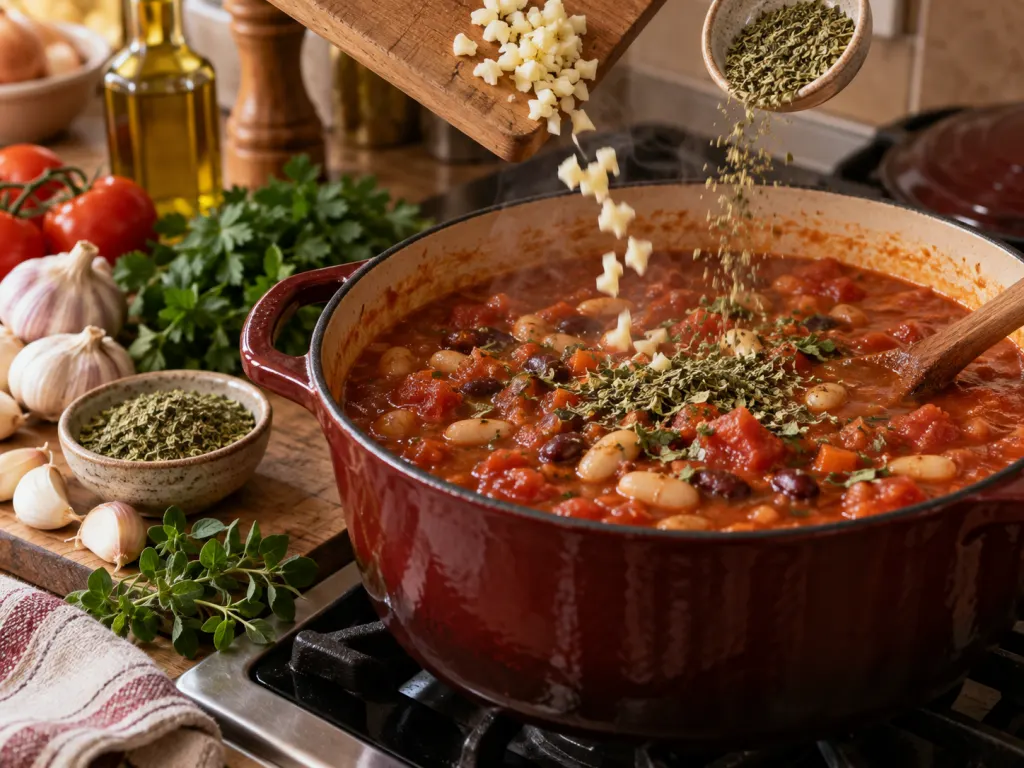
For a practical kitchen approach, use garlic and oregano as flavor builders inside balanced meals. Garlic can anchor soups and sauces, such as Easy Garlic Chickpea Soup, while oregano can deepen tomato-based dishes, marinades, and roasted vegetables. When a claim points toward capsules, oils, or extracts, slow down and treat the product as a separate decision from cooking with herbs. That small pause is often the difference between useful curiosity and being pulled along by a headline.
Wrap-Up
Garlic and oregano deserve a place in the kitchen, but not because they carry guaranteed health outcomes. Garlic has more human research than oregano, and even there the findings are best described carefully and by product form. Oregano is primarily a culinary herb in everyday use, while much of the stronger discussion centers on concentrated oils and plant compounds. The practical answer is simple: cook with both for flavor, read supplement claims with care, and bring personal health questions to a qualified professional.
Frequently Asked Questions
- → Is eating garlic the same as taking a garlic supplement?
No. A garlic clove used in food is different from a concentrated supplement product. Cooking, processing, aging, and extraction can change the compounds present and the amount delivered. Food use is best understood as culinary; supplement use deserves label review and professional guidance.
- → Is oregano oil the same as dried oregano?
No. Dried oregano leaves are a seasoning. Oregano oil is a concentrated product with a different composition and use profile. Claims based on concentrated oils should not be applied automatically to a pinch of dried oregano in food.
- → Why do garlic and oregano get so many wellness claims online?
They are familiar, affordable, strongly flavored, and rich in plant compounds, which makes them easy to market. The problem is that interesting chemistry can be stretched into claims that do not match the evidence. The better question is always what form was studied and what the evidence actually showed.
- → Can I still use garlic and oregano every day in cooking?
For many people, ordinary culinary use is a normal part of eating. The more careful conversation begins when a person uses concentrated products, applies raw garlic to skin, has unusual symptoms after exposure, or has a medical situation that calls for individualized guidance.
- → What should I look for when a post makes a strong claim about an herb?
Look for the exact herb, product form, study type, human relevance, limitations, and whether the source is independent. Be cautious when a post relies on dramatic language, hides the product details, or makes broad promises from a single study or from lab research alone.
References
This content was developed and refined using reliable sources.
- https://www.nccih.nih.gov/health/garlic
- https://www.fda.gov/consumers/consumer-updates/fda-101-dietary-supplements
- https://ods.od.nih.gov/factsheets/WYNTK-Consumer
- https://www.nccih.nih.gov/health/providers/digest/travel-related-ailments-and-complementary-health-approaches-science
- https://extension.umd.edu/resource/oregano
- https://pubmed.ncbi.nlm.nih.gov/32789910
- https://pubmed.ncbi.nlm.nih.gov/32213941