 Save
A single kitchen ingredient is not a complete health plan. If a post, label, or video says one food or supplement can handle a long list of serious health concerns, the safest response is to slow down, identify the actual ingredient, and look for evidence from authoritative sources. The FDA lists sweeping product promises as a warning sign for health fraud, and the FTC says health-related advertising needs competent and reliable scientific evidence. Because the circulated claim behind this topic does not consistently identify a specific ingredient, this guide explains how to evaluate the claim pattern itself rather than assigning it to garlic, turmeric, vinegar, honey, lemon, or any other popular item.
The Main Takeaway
Food can be meaningful without being magical. Many everyday ingredients provide flavor, fiber, vitamins, minerals, or helpful plant compounds, and those qualities can support a balanced diet. That is different from saying one ingredient can carry the weight of dozens of unrelated health outcomes. The FDA’s consumer guidance on supplements explains that supplements can have benefits and risks, and that they are not a substitute for the variety of foods that matter in a healthy diet. That distinction matters because viral posts often blur the line between a normal food, a concentrated supplement, and a product being sold with medical-sounding promises. See the FDA overview on dietary supplements at https://www.fda.gov/consumers/consumer-updates/fda-101-dietary-supplements.
A practical reader can evaluate a big ingredient claim with a few questions before changing anything at home:
- Is the ingredient named clearly? A vague post that never identifies the ingredient cannot be checked responsibly.
- Is it food or a supplement? A clove of garlic in dinner, a tea, an extract, and a capsule are different products with different strengths and risks.
- Does the claim point to human research? Lab findings, animal studies, testimonials, and traditional use are not the same as well-designed studies in people.
- Is a product being sold? Sales pages may use personal stories, urgency, and selective evidence to make the result sound more certain than it is.
- Could this affect a personal health situation? If the answer is yes, a doctor, pharmacist, or registered dietitian is the right next step.

Why Vague Ingredient Claims Spread So Easily
Viral ingredient posts work because they connect familiar foods with hope, simplicity, and tradition. The format is emotionally efficient: one pantry item, one long list, one easy action. But evidence usually does not work that way. Nutrients and food patterns interact with age, genetics, medical history, access to care, sleep, movement, stress, and many other factors. A claim that sounds universal may be based on a small study, a single nutrient function, a lab experiment, or a traditional use that has not been tested in the same form people are being encouraged to buy.
The FTC’s Health Products Compliance Guidance is useful here because it focuses on the evidence behind health-related advertising. The guidance says marketers should have objective support for the messages consumers are likely to take away, including implied messages. It also explains that observational research can show associations but does not, by itself, establish cause and effect. That is a helpful lens for readers: if a post jumps from an association to a sweeping personal promise, it is asking you to trust more than the evidence may show. The FTC guidance is available at https://www.ftc.gov/business-guidance/resources/health-products-compliance-guidance.
Food Patterns Matter More Than One Star Ingredient
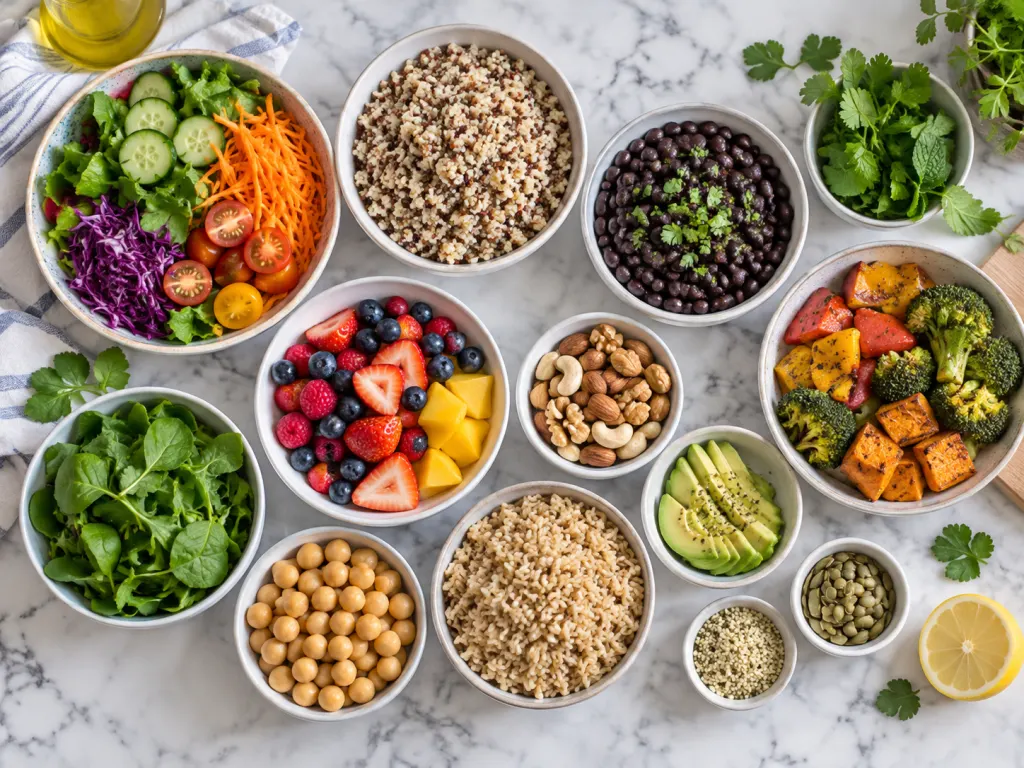
The CDC’s current healthy eating guidance emphasizes whole, nutrient-dense foods, including vegetables, fruits, whole grains, protein foods, healthy fats, and dairy choices without added sugars when those fit the person’s diet. That advice is less dramatic than a viral post, but it is more usable. It invites people to build repeatable meals, not to chase a single heroic item. The CDC also notes that fiber-containing foods such as fruits, vegetables, whole grains, legumes, nuts, and seeds can support digestive health and help people feel full longer. Read the CDC page at https://www.cdc.gov/nutrition/features/healthy-eating-tips.html.
This does not make individual ingredients unimportant. Olive oil, beans, oats, berries, herbs, spices, fermented foods, and many other foods can be useful in meals. The point is proportion. An ingredient can be a good choice because it helps you cook more vegetables, enjoy beans, replace a heavily salted seasoning blend, or add satisfying flavor without relying on ultra-processed options. Those are everyday advantages. They do not require extravagant claims to be worthwhile.
The Difference Between Food, Extracts, and Supplements
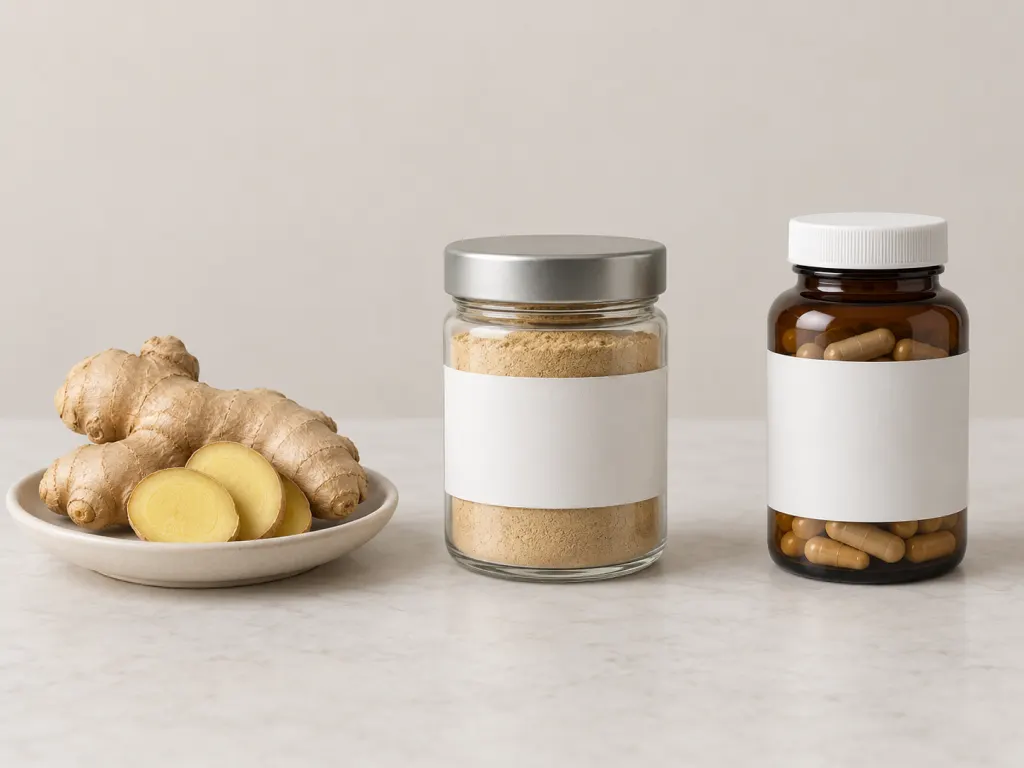
One reason ingredient claims become confusing is that the same word can describe very different things. Ginger in a soup is not the same as a concentrated ginger capsule. Cinnamon sprinkled on oatmeal is not the same as a high-strength extract. Green tea as a beverage is not the same as a concentrated product. The NIH Office of Dietary Supplements explains that dietary supplements are products intended to supplement the diet and may contain vitamins, minerals, herbs, botanicals, amino acids, or other substances. That consumer fact sheet is here: https://ods.od.nih.gov/factsheets/DietarySupplements-Consumer/.
That distinction changes how cautious a person should be. Culinary amounts used in ordinary meals are usually discussed in the context of diet quality and personal tolerance. Concentrated products raise different questions: what is the amount per serving, what other ingredients are included, how long is it meant to be used, who made it, and whether it fits the person’s health situation. The FDA notes that it does not approve dietary supplements for safety and effectiveness before they are sold, and that companies are responsible for meeting legal requirements. That is not a reason to panic; it is a reason to read carefully and avoid assuming that a shelf label equals independent approval.
How Labels and Health Language Can Mislead
Food and supplement labels can include several kinds of claim language. The FDA explains that label claims may include nutrient content claims, health-related claims, and structure/function claims, and that different categories have different requirements. Structure/function language can sound impressive because it refers to normal body functions, while broader health-related language has a different regulatory meaning. The FDA’s label-claims page is here: https://www.fda.gov/food/nutrition-food-labeling-and-critical-foods/label-claims-conventional-foods-and-dietary-supplements.
For a home reader, the plain-language lesson is simple: look for the exact claim, not just the mood of the packaging. A phrase like “supports normal immune function” is not the same as proof that a product changes your personal risk. A phrase like “clinically studied ingredient” may refer to a different form, a different amount, or a study that did not test the product in your hand. The more dramatic the claim, the more specific the evidence should be.
A Better Way to Judge Evidence
When you see a bold ingredient claim, ask what kind of evidence would actually match it. A recipe using a wholesome ingredient needs a modest standard: does it fit your taste, budget, culture, and nutrition goals? A supplement or product tied to a personal health decision needs a higher standard: clear ingredients, credible evidence, transparent risk information, and professional guidance when appropriate. NCCIH’s supplement safety guidance notes that some products have uncertain safety profiles and that natural origin does not automatically mean a product is safer or better. See NCCIH’s consumer page at https://www.nccih.nih.gov/health/using-dietary-supplements-wisely.
It also helps to separate three ideas that often get blended together. First, a nutrient may have a known role in normal body function. Second, a food containing that nutrient may be part of a healthy dietary pattern. Third, a concentrated product may claim a specific personal effect. Those statements are not interchangeable. Moving from the first to the third requires much stronger evidence, and the form of the ingredient matters. A nutrient in a varied meal does not behave exactly like an isolated compound sold in a capsule.
What to Do When a Claim Sounds Too Broad
The FDA’s consumer article on health fraud lists “one product does it all” as a warning sign and urges caution with testimonials, quick fixes, and “natural” sales language. That is directly relevant to viral ingredient posts because they often use the same structure: a dramatic list, personal stories, and a push to keep sharing. The FDA article is here: https://www.fda.gov/consumers/consumer-updates/6-tip-offs-rip-offs-dont-fall-health-fraud-scams.
A grounded response can be very ordinary. Save the post if you want to research it later. Identify the exact ingredient and form. Search authoritative sources instead of relying on the comments. If the ingredient is simply a food you already enjoy, use it in normal meals and keep the claim in perspective. If it is a supplement, extract, powder, or product with strong claims, pause before buying. If you have symptoms, chronic conditions, planned surgery, allergies, are pregnant, are shopping for a child, or take regular medicine, treat the question as personal and ask a qualified professional.
The Most Useful Kitchen Takeaway
The best response to a big ingredient claim is not cynicism; it is proportion. Keep the foods that help you cook well, eat enough fiber, enjoy produce, and build satisfying meals. Be curious about traditional ingredients, but do not let a viral list turn ordinary food into a promise it cannot responsibly carry. Good kitchen wellness is usually built from repeated choices: enough variety, practical meals, safe preparation, realistic portions, and trusted advice when a decision becomes personal.
Wrap-Up
Viral claims about a single ingredient are usually more persuasive than precise. Because the available source did not clearly identify the ingredient, the responsible draft focuses on how to evaluate the claim pattern: look for the named ingredient, distinguish food from concentrated products, check authoritative sources, and be cautious with sweeping promises. Ingredients can be valuable in everyday cooking, but the strongest guidance still points back to overall dietary patterns and professional advice for personal health choices.
Frequently Asked Questions
- → Why does this article avoid naming a specific ingredient?
The available source material did not reliably identify the ingredient. Naming one would make the article less accurate. The safer approach is to explain how readers can evaluate broad ingredient claims no matter which food or supplement is being discussed.
- → Are foods with antioxidants, fiber, or plant compounds still worth eating?
Yes. Many foods are worth eating because they add flavor, fiber, vitamins, minerals, or satisfying texture to meals. The key is to value them as part of a varied eating pattern, not as a single solution for broad health concerns.
- → What is the first thing to check before buying a supplement version of a food ingredient?
Check the exact ingredient list, serving information, manufacturer, warnings, and whether the claim is supported by credible human evidence. If the product connects to a personal health question, ask a doctor, pharmacist, or registered dietitian before using it.
- → Can a viral testimonial count as good evidence?
A testimonial may describe one person’s experience, but it cannot show what caused the result or whether the same result applies to others. For health-related claims, stronger evidence comes from well-designed research and careful review by qualified experts.
- → How can I use a promising ingredient safely in the kitchen?
Use it as an ordinary food first: add herbs, spices, beans, oats, fruits, vegetables, or other ingredients in realistic culinary amounts that fit your meals. Be more cautious with extracts, powders, capsules, and products that make strong personal health claims.
References
This content was developed and refined using reliable sources.
- https://www.fda.gov/consumers/consumer-updates/fda-101-dietary-supplements
- https://www.ftc.gov/business-guidance/resources/health-products-compliance-guidance
- https://www.cdc.gov/nutrition/features/healthy-eating-tips.html
- https://ods.od.nih.gov/factsheets/DietarySupplements-Consumer
- https://www.fda.gov/food/nutrition-food-labeling-and-critical-foods/label-claims-conventional-foods-and-dietary-supplements
- https://www.nccih.nih.gov/health/using-dietary-supplements-wisely
- https://www.fda.gov/consumers/consumer-updates/6-tip-offs-rip-offs-dont-fall-health-fraud-scams