 Save
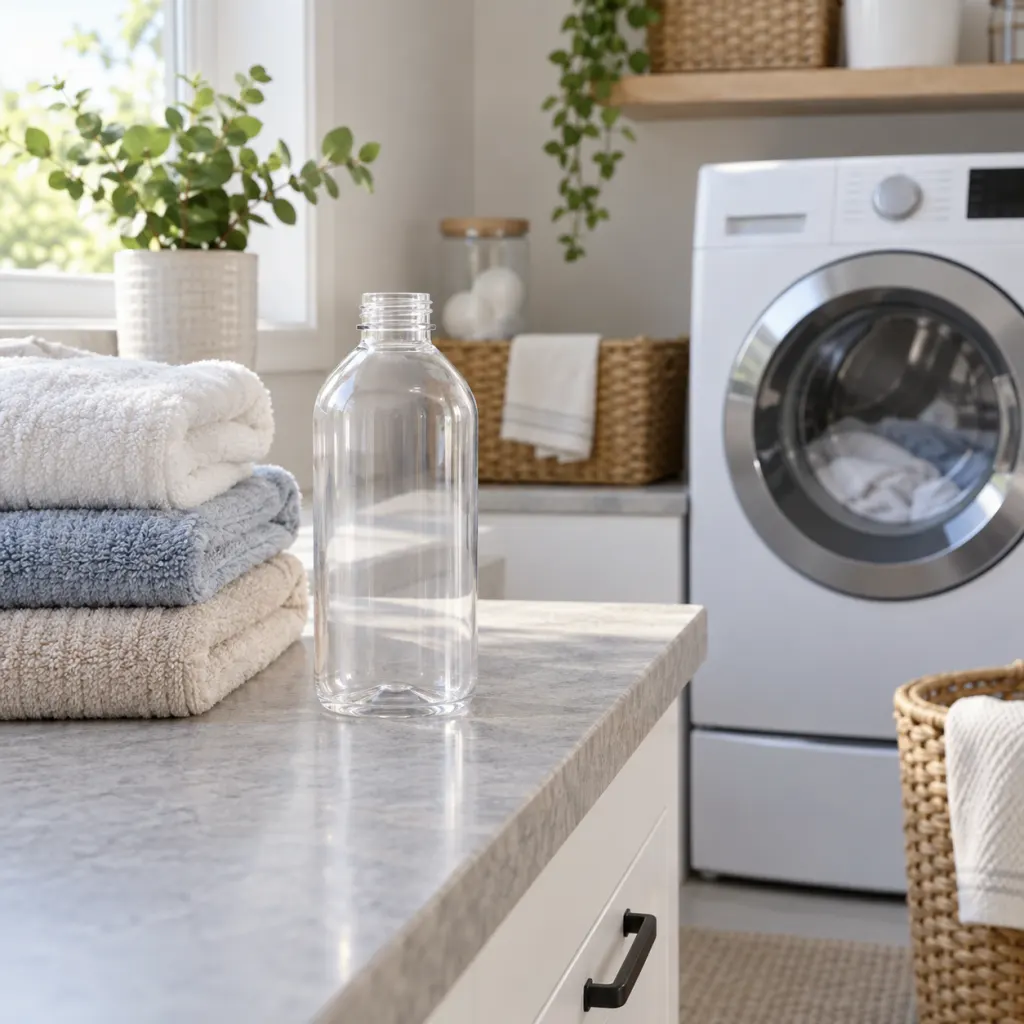
The empty plastic bottle washing machine trick is best treated as a viral hack, not a dependable laundry method. The idea is that a capped, empty bottle tumbles through the load and keeps sheets, towels, or clothes from twisting into a tight bundle. In real use, that benefit is uncertain, while the drawbacks are more concrete: a bottle can make the load noisier, encourage imbalance, loosen its cap or label, crack under repeated force, or interfere with the movement a washer was designed to create.
If your goal is cleaner, less tangled laundry, the safer fix is not to add random household plastic to the drum. Use load size, sorting, cycle choice, spin speed, and fabric-care labels as your main tools. ENERGY STAR notes that modern clothes washers rely on specific wash systems, water use, and tumbling or agitation patterns, and it recommends following the manufacturer's maintenance instructions for the machine itself https://www.energystar.gov/products/clothes_washers.
What the Bottle Trick Is Supposed to Do
The trick usually involves placing one or two clean, empty plastic drink bottles into the washer drum with a regular load. The claimed purpose is simple: the bottle acts like a movable spacer. As the drum turns, the bottle bumps through the fabric and supposedly stops sheets, pants, towels, or hoodies from wrapping around one another.
That explanation is mechanically plausible in a very limited sense. Any firm object in a load can change how fabrics move. The problem is that "changes movement" is not the same as "improves washing." Washers are designed around controlled movement, water level, detergent concentration, sensors, spin speed, and load balance. An empty bottle is not shaped, weighted, or tested like a laundry accessory. It may float, collapse, trap water, thump against the drum, or get pinned inside a large item.
For a small, loose load in an older top-loader, a bottle might appear to reduce clumping for one cycle. For a high-efficiency top-loader or front-loader, it may do little because those machines already use low-water movement patterns and sensors. In a bulky load, it may become one more object caught in the bundle rather than a solution to it.
Why Clothes Tangle in the First Place
Tangling usually comes from load mix and movement. Long items wrap around shorter ones. Sheets trap smaller garments. Towels absorb water unevenly and can clump. Hoodies, drawstrings, belts, and pant legs add more twisting points. A washer then accelerates and decelerates through wash, rinse, and spin, so a poor load mix can become a rope-like mass before the cycle is done.
Modern machines do not all move laundry the same way. ENERGY STAR explains that efficient washers use different systems to lift, tumble, and move laundry, and that washer size and drum capacity matter when choosing a machine for typical loads https://www.energystar.gov/products/clothes_washers. That is one reason a trick that seems to work in one household may be useless in another. A front-loader with a roomy drum, a compact washer in an apartment, and a top-loader with a fast spin do not treat the same sheet set identically.
The Main Risk Is Load Balance
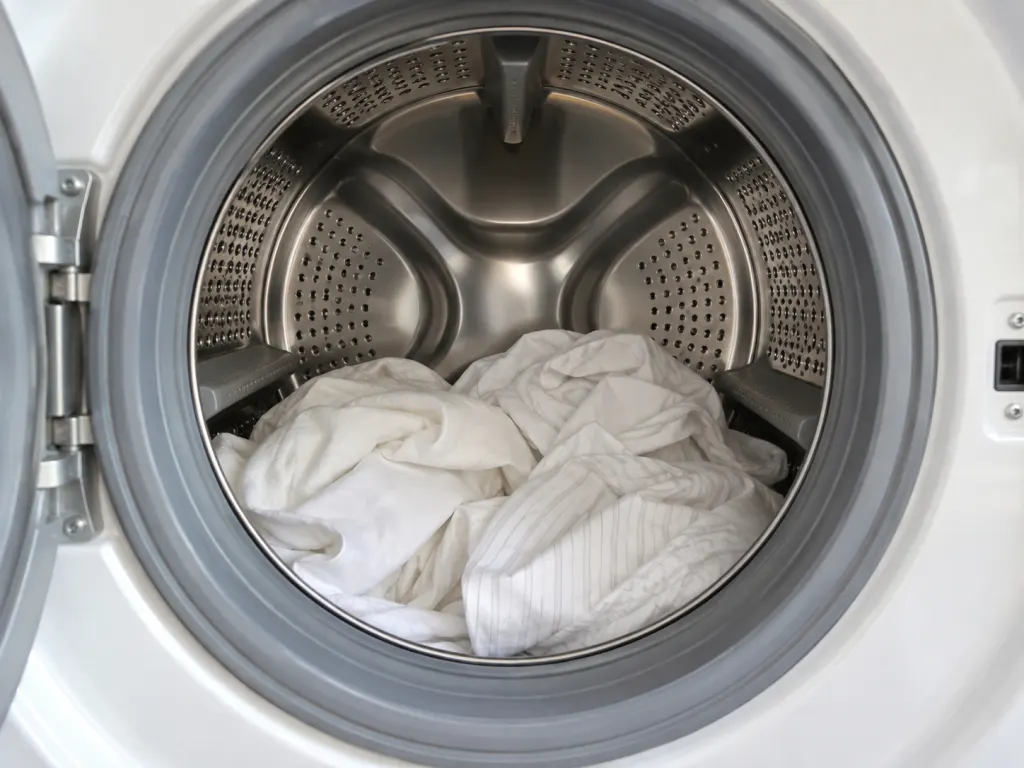
The most important caution is balance. A washer is not just swishing fabric; it is also spinning a wet load at high speed. When the wet weight collects on one side, the machine may bang, shake, walk, pause, add water, or stop with an error. Adding a sealed bottle does not guarantee better distribution. In some loads, it can make the movement less predictable.
The U.S. Consumer Product Safety Commission has warned in a specific top-loading washer safety statement that bedding, water-resistant items, and bulky items can be riskier at high spin speeds, and advised using a delicate cycle for certain affected Samsung machines because lower spin speed reduced the chance of impact injuries or property damage from dislodgement https://www.cpsc.gov/Newsroom/Press-Statements/statement-from-cpsc-regarding-top-loading-washing-machines-made-by-samsung. That notice was about particular machines, not plastic bottles, but the lesson is relevant: bulky, uneven loads deserve respect.
There are smaller practical risks too. A thin bottle can dent, crack, or shed bits of label adhesive. A cap can loosen. A bottle with any residue can add odor or debris. A very rigid bottle can strike the drum or door repeatedly. A bottle that floats in a low-water cycle may spend part of the wash doing almost nothing. None of those outcomes is dramatic by itself, but they are enough to make the trick hard to recommend as a routine habit.
What to Do Instead When Sheets and Towels Twist
The better fixes are boring in the useful way. They work with the washer instead of adding an untested object to it. Start by separating items that behave differently in water. Sheets with sheets, towels with towels, and heavy hoodies or jeans with similar sturdy garments are usually easier for the washer to distribute than one mixed basket of everything.
- Shake out sheets and pillowcases before loading so they do not enter the drum as a tight ball.
- Add items one at a time or in small handfuls instead of dumping a whole basket in at once.
- Give bulky pieces space to move; a full load should not be a packed load.
- Use mesh bags for small or delicate items that disappear into sheets or sleeves.
- Choose a lower spin speed or a bulky, bedding, delicate, or waterproof cycle when the machine manual calls for it.
- Pause and redistribute the load if the washer starts banging, walking, or repeatedly trying to rebalance.
These steps address the actual problem: fabrics need enough room and the right motion to circulate. ENERGY STAR's washer guidance says clothes washers use about the same amount of energy regardless of load size, so running full loads can be efficient, but that advice still sits alongside the need to use the washer properly and follow manufacturer instructions https://www.energystar.gov/products/clothes_washers.
Care Labels Matter More Than Hacks
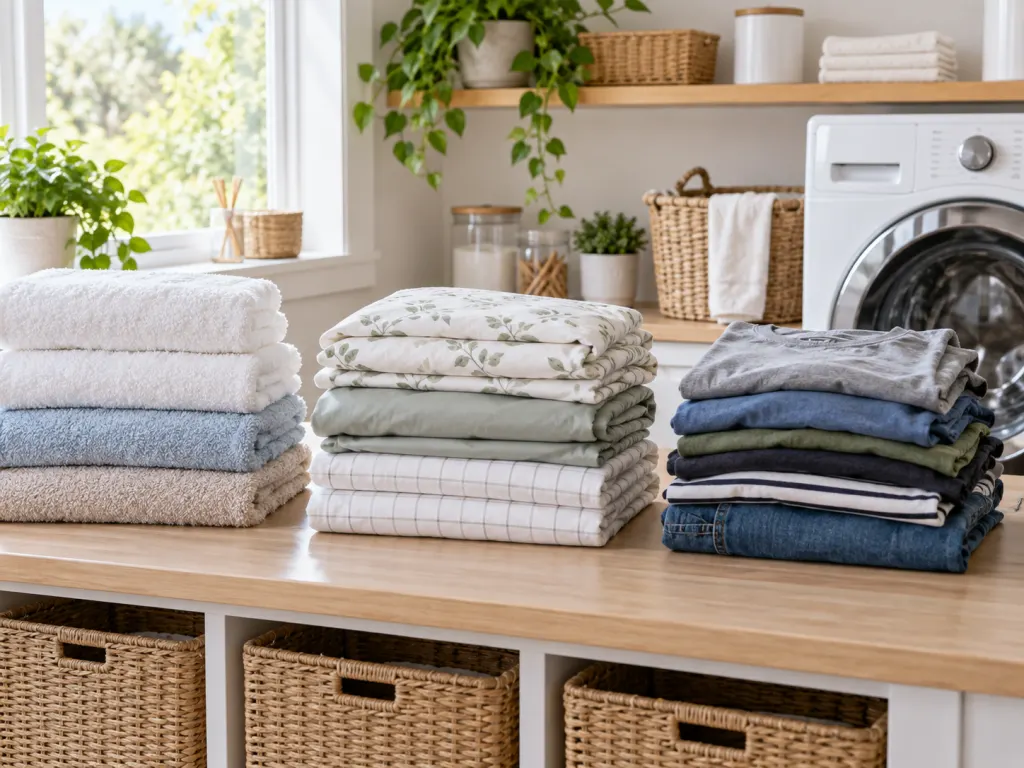
One reason laundry hacks spread is that care labels feel fussy. They are also one of the few pieces of garment-specific evidence you have. The Federal Trade Commission explains that the Care Labeling Rule requires manufacturers and importers to provide care instructions for covered clothing, and those instructions need a reasonable basis https://www.ftc.gov/business-guidance/resources/clothes-captioning-complying-care-labeling-rule. In plain terms, the label is there because the maker is supposed to know how the garment tolerates washing, drying, bleaching, and ironing.
If a label says gentle cycle, wash separately, cold water, no bleach, dry flat, or do not tumble dry, a plastic bottle in the washer does not override that. It may even work against the point of a gentle cycle by adding impact inside the drum. For delicate knits, embellished clothing, bras, activewear, and loosely woven fabrics, a mesh bag and the correct cycle are more defensible than a loose bottle.
The Energy Angle: Use Settings, Not Props
Some versions of the bottle trick claim it improves cleaning or drying by increasing movement. A more evidence-based energy habit is to choose settings carefully. ENERGY STAR says water heating accounts for about 90 percent of the energy used to operate a clothes washer, and that cold water generally works well unless the load involves oily stains https://www.energystar.gov/products/clothes_washers. The Australian government similarly advises washing in cold water to save energy and money, while noting that some machines need both hot and cold water connections to function properly https://www.energy.gov.au/households/appliances.
Spin speed also matters. A higher spin can remove more water when it is appropriate for the fabric and the load is balanced. But for bulky or water-holding items, lower spin settings may be the wiser choice. The useful question is not "How can I make the drum more chaotic?" It is "Which cycle gives this fabric enough movement without turning the load into a lopsided bundle?"
What About Reusing the Bottle?
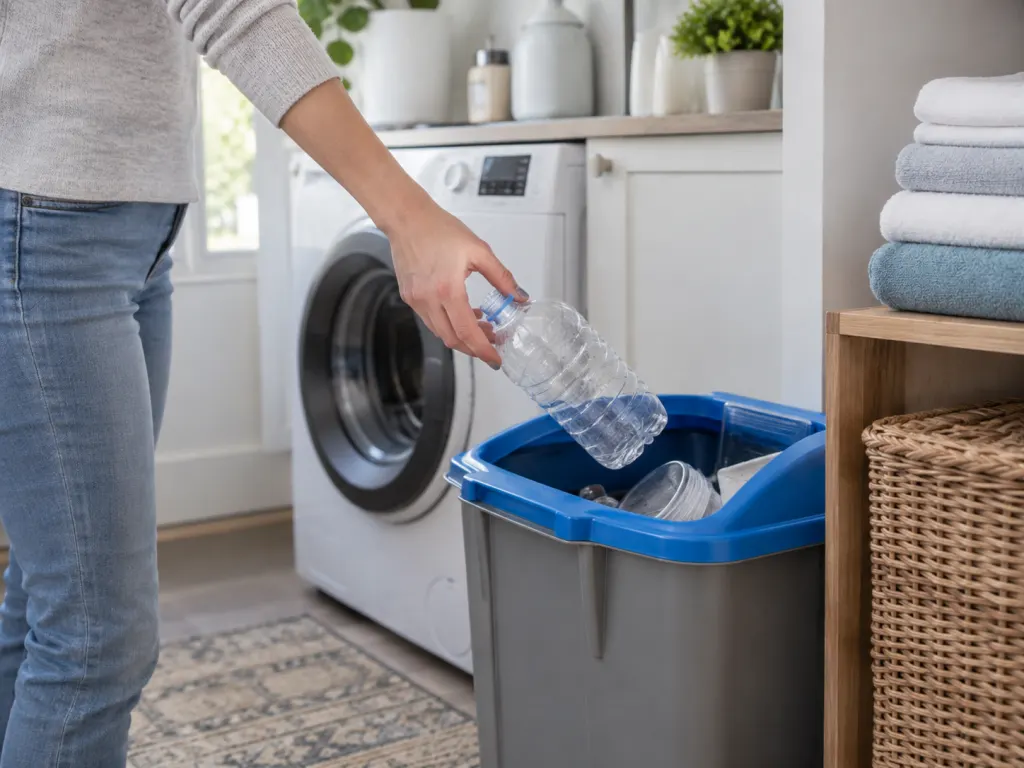
Reusing plastic can be worthwhile, but the washer drum is not the best place to do it. The U.S. Environmental Protection Agency says the most effective way to reduce waste is to avoid creating it in the first place, followed by reducing and reusing materials where practical https://www.epa.gov/plastics/what-you-can-do-reduce-plastic-waste. EPA's recycling FAQ also notes that local programs vary, and that a resin code on a container does not automatically mean it is accepted in your community https://www.epa.gov/recycle/frequent-questions-recycling.
So, if you have an empty bottle, rinse it and check your local recycling rules. If it is sturdy and clean, reuse it in a place where its job makes sense: watering plants, measuring nonfood household liquids if clearly labeled, or organizing small nonfood items. Inside a washing machine, the bottle is being asked to act like a laundry tool without being designed as one.
When the Trick Might Seem to Work
There are a few reasons people may sincerely believe the bottle trick works. First, laundry results vary naturally. A load with fewer large items may tangle less even without the bottle. Second, the user may load the washer more carefully because they are trying a trick. Third, the bottle may slightly interrupt fabric wrapping in a particular machine. Fourth, the cycle may simply have been better suited to that load than the one used before.
That does not make every positive report false. It means the report is not enough to turn the trick into general advice. A reliable laundry habit should be repeatable, compatible with different machines, and unlikely to create new problems. Sorting by fabric type, leaving room for movement, using proper detergent amounts, and choosing the right cycle clear that bar much better than a capped disposable bottle.
A Safer Decision Rule
Use this simple rule: if an item was not made for laundry, do not put it in the washer unless the machine manual or garment instructions call for it. Laundry balls, mesh bags, and some specialty accessories are at least designed for washer or dryer use. Even then, they should be used according to their own directions. A drink bottle is designed to hold a beverage, survive transport, and be discarded or recycled; it is not designed for repeated agitation, spin forces, heat variation, detergent exposure, and impact against a washer drum.
If your washer tangles loads constantly, look for a root cause. The machine may be overloaded, underloaded, out of level, set to too aggressive a spin, or filled with mixed bulky items. ENERGY STAR recommends following the manufacturer's maintenance instructions, including regular care for front-loader moisture issues and other model-specific guidance https://www.energystar.gov/products/clothes_washers. If the machine shakes violently, moves from its place, or repeatedly fails to spin, stop the cycle and consult the manual or a qualified appliance technician.
Bottom Line
The empty plastic bottle washing machine trick is easy to understand, but it solves the wrong problem in the wrong way. Tangling is usually a loading, sorting, capacity, or cycle issue. A bottle may occasionally shift fabric around, yet it can also create imbalance, noise, debris, and unnecessary wear. For everyday laundry, skip the bottle and use the habits that match how washers are actually designed: sort similar items, leave room for movement, respect care labels, choose the right cycle, and recycle the bottle properly when you are done with it.
Wrap-Up
The empty plastic bottle trick is not a recommended laundry shortcut. It may appear to separate fabrics, but it is not backed by washer design guidance and can make balance or debris problems worse. The better solution is to adjust the load: separate sheets and towels, avoid packing the drum, use mesh bags for small items, follow clothing care labels, choose cold water or high spin only when suitable, and lower the spin speed for bulky loads when the machine manual calls for it.
Frequently Asked Questions
- → Does an empty plastic bottle actually clean clothes better?
There is no good reason to treat it as a cleaning upgrade. A bottle might change how fabrics move, but cleaning depends more on water movement, detergent, load size, cycle choice, soil level, and whether clothes have enough room to circulate.
- → Can I use the bottle trick for sheets?
It is better to skip the bottle. Wash sheets separately from towels and heavy clothing, shake them out before loading, and use the bedding or bulky cycle if your washer provides one. If the load bangs or twists tightly, pause and redistribute it.
- → Is the trick safer in a top-loader or a front-loader?
Neither type makes a disposable bottle a proper laundry accessory. Top-loaders can struggle with uneven bulky loads, and front-loaders rely on controlled tumbling and door clearance. In both cases, use the machine manual and care labels as your guide.
- → What should I use instead of a plastic bottle to reduce tangling?
Use sorting and load control first. Wash similar fabrics together, avoid packing the drum, place small items in mesh bags, fasten zippers and ties, and use a lower spin speed for bulky loads when appropriate.
- → What should I do with the empty bottle instead?
Rinse it and check your local recycling rules. EPA notes that recycling options vary by community and that a plastic code does not automatically mean an item is accepted locally, so local guidance matters.
References
This content was developed and refined using reliable sources.
- https://www.energystar.gov/products/clothes_washers
- https://www.cpsc.gov/Newsroom/Press-Statements/statement-from-cpsc-regarding-top-loading-washing-machines-made-by-samsung
- https://www.ftc.gov/business-guidance/resources/clothes-captioning-complying-care-labeling-rule
- https://www.epa.gov/plastics/what-you-can-do-reduce-plastic-waste
- https://www.energy.gov.au/households/appliances
- https://www.epa.gov/recycle/frequent-questions-recycling