 Save
Many people search for smells snakes hate, but extension wildlife sources are cautious: odor remedies are unreliable, and some can be unsafe when misused. This guide explains how to handle seven common smell claims without creating new risks. The most dependable steps are still habitat cleanup, food-source control, exclusion, and calm safety planning.
Step 1: Treat strong smells as unreliable, not a barrier
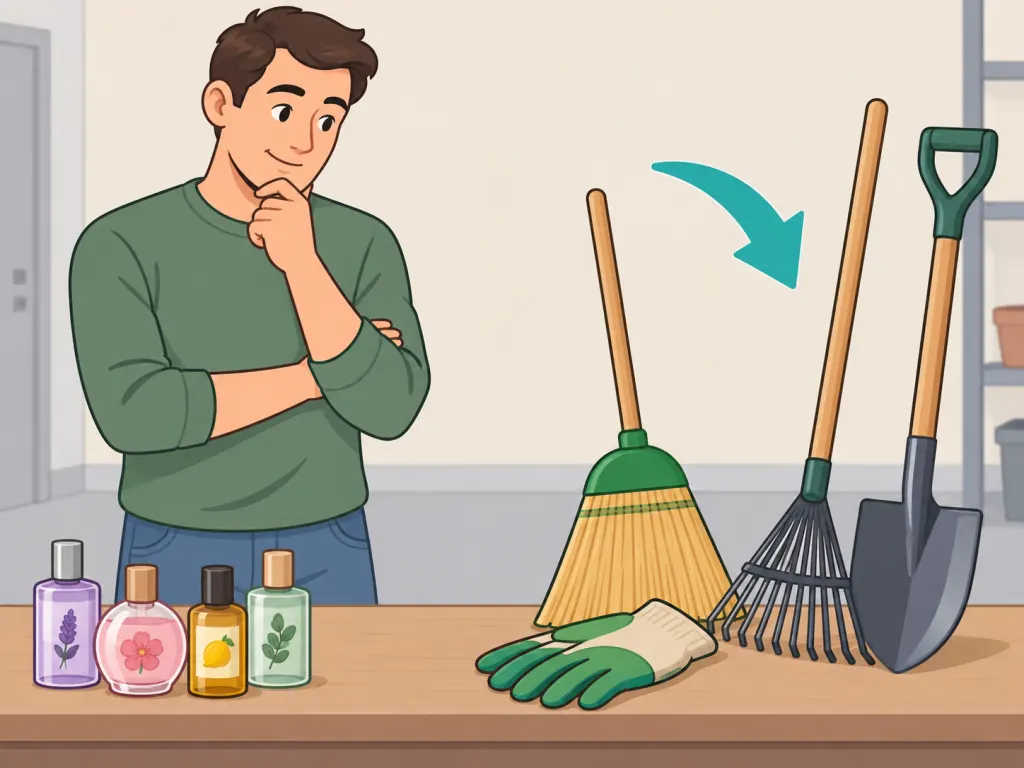
Start with the right expectation: smells are not a dependable shield around a home. Mississippi State Extension says the best way to discourage snakes is to remove hiding places, foraging areas, and food resources, while Colorado State Extension says there is not enough conclusive data to recommend snake repellents. Use odor products only as a cautious, label-following add-on, not as your main plan.
Step 2: Skip the seven common odor remedies
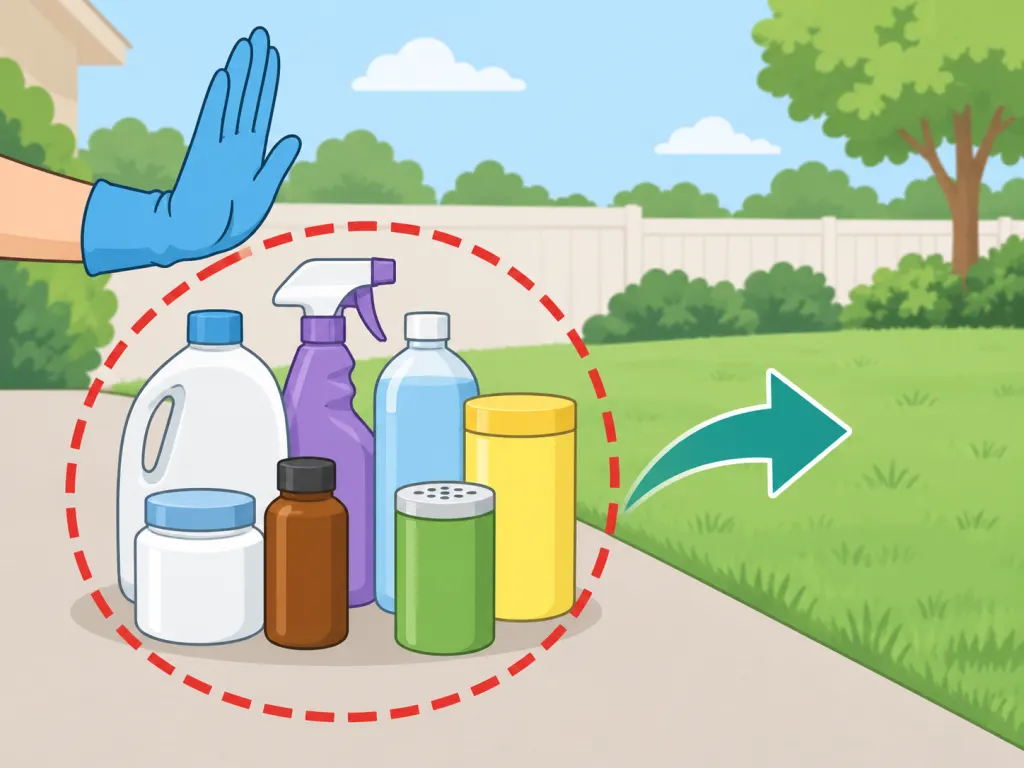
Do not spread mothballs or naphthalene, sulfur, cedar oil, cayenne pepper spray, artificial skunk scent, coal tar or creosote, or liquid smoke around the yard. Colorado State Extension summarizes tests in which several of these remedies did not repel black rat snakes, and Mississippi State Extension reports that tested home remedies did not work. Coal tar, creosote, and similar harsh materials also create unnecessary contamination risks around homes and gardens.
Step 3: Use any commercial product exactly as labeled
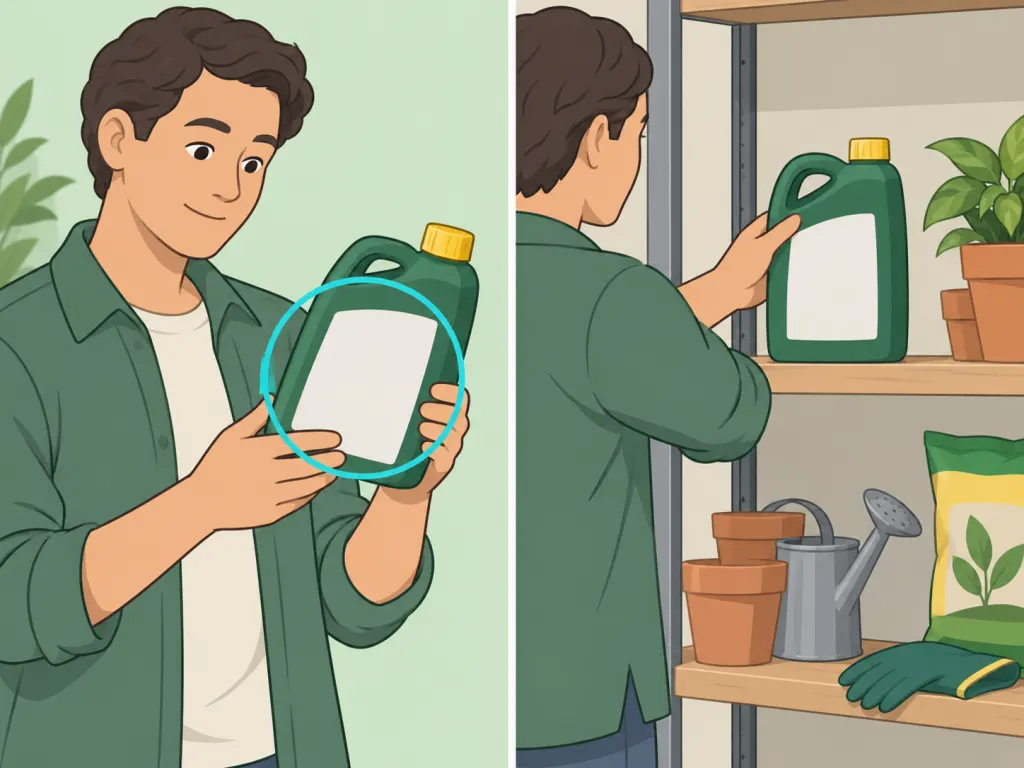
If you still choose a store-bought snake repellent, read the full label before buying it and follow the listed site, amount, placement, and disposal directions. The EPA explains that products making pest-repelling claims are regulated as pesticides and that using a pesticide on a site not listed on its label can be unlawful in some cases, including outdoor mothball use along a fence line. Treat marketing claims cautiously and check that the product is meant for the exact place you plan to use it.
Step 4: Keep mothballs out of open areas
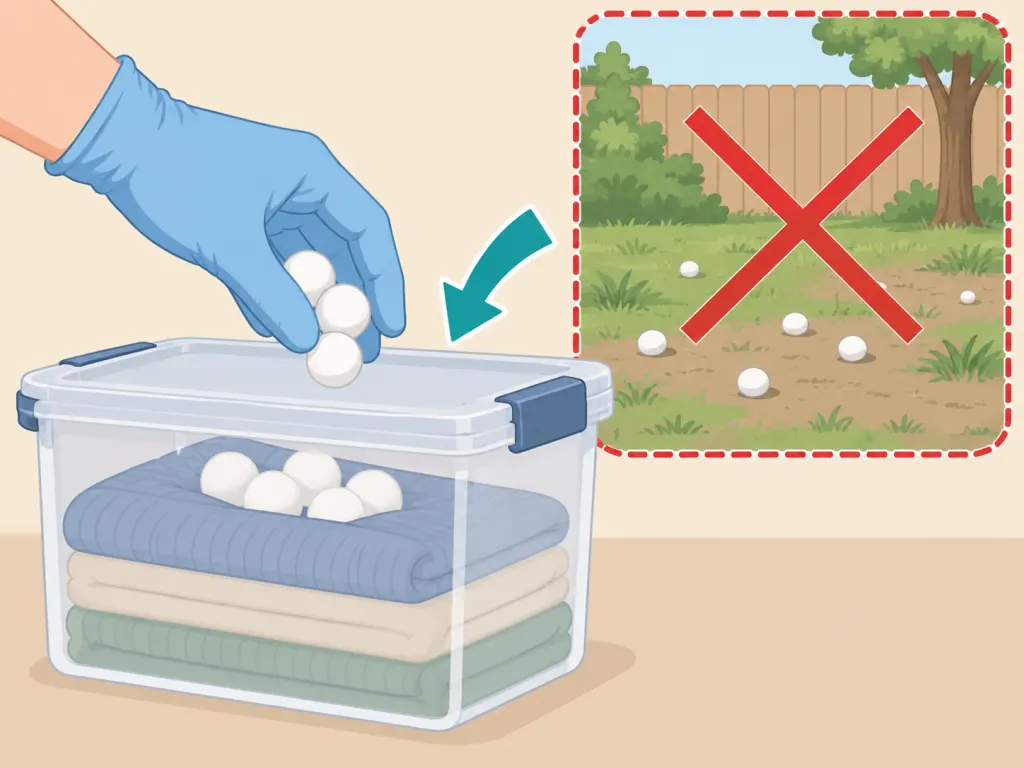
Never scatter mothballs in the yard, crawl space, garden, garage, or along a porch as a snake smell deterrent. The National Pesticide Information Center says mothballs have little or no effect as animal repellents, and if you can smell mothball odor, you are breathing the pesticide. Keep them only for labeled clothing-storage uses in airtight containers, away from children and animals.
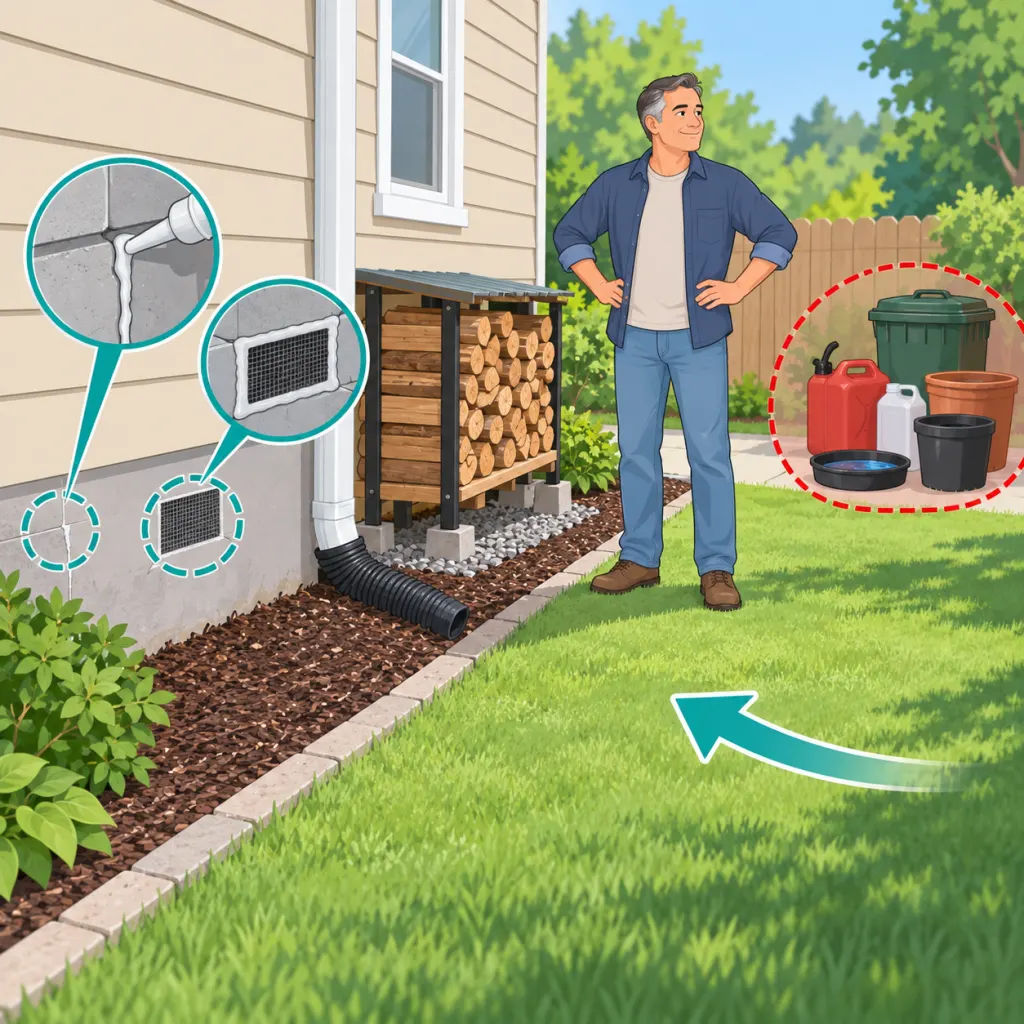
Cut grass regularly, clear brushy fence rows, move boards and debris, and keep rock, brick, leaf, and grass piles away from the house. Mississippi State Extension recommends removing nearby cover and keeping lawns mowed because snakes use cool, damp, sheltered places around homes. Store firewood away from the house and, when possible, raise it at least 12 inches off the ground.
Step 6: Reduce rodents and other prey around the house
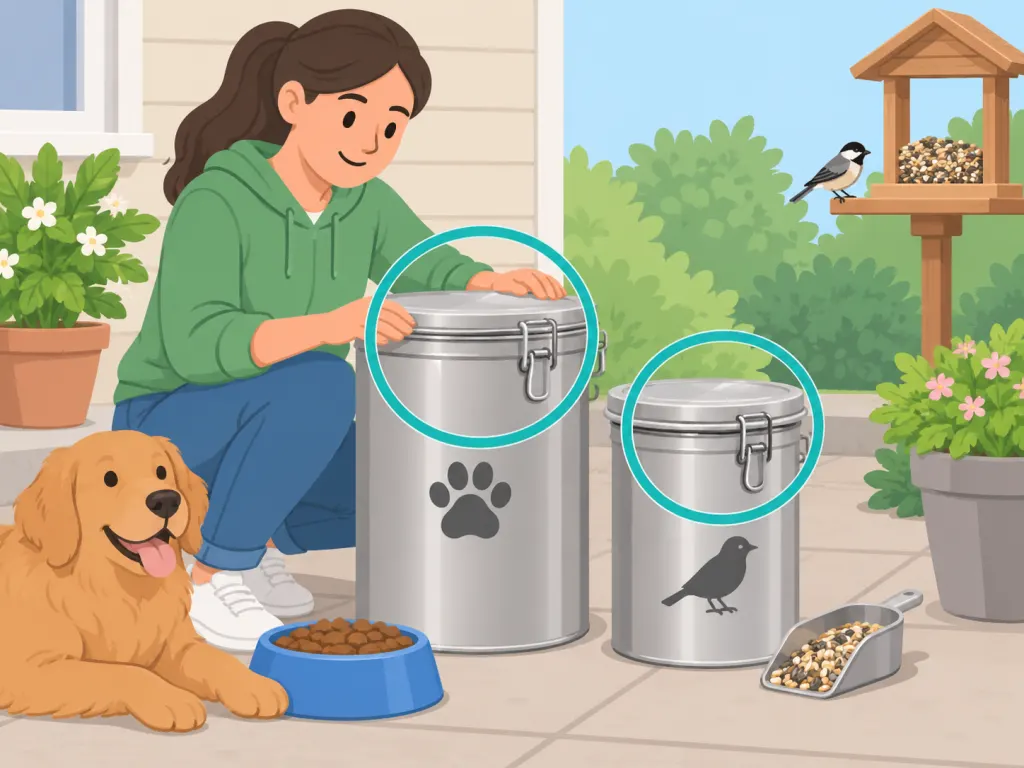
Snakes often linger where there is food, so remove the things that attract rodents, insects, frogs, and other prey. Utah State University Extension recommends feeding pets indoors or cleaning up outdoor pet food promptly, storing bird seed in a tight metal container, and avoiding overwatering because moisture can attract prey species. Secure trash, clean spilled seed, and fix rodent problems promptly.
Step 7: Seal the gaps snakes can use
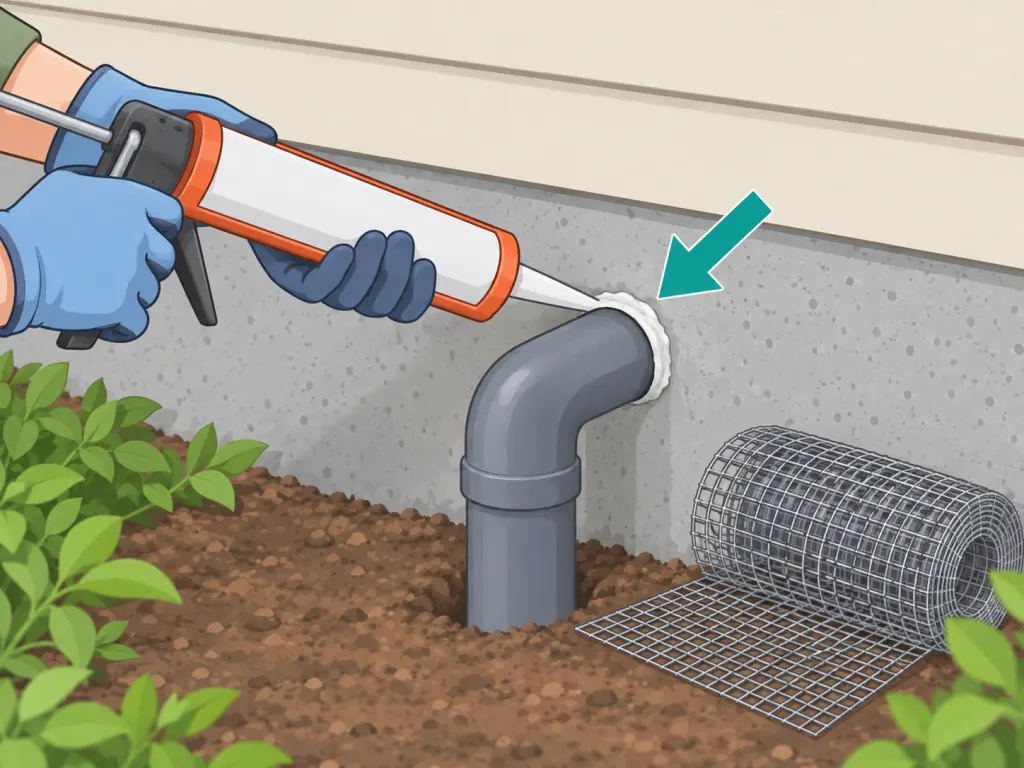
Inspect foundations, doors, windows, pipe openings, porches, sheds, and crawl-space access points. Mississippi State Extension recommends closing openings larger than one quarter inch with materials such as caulk, foam, mortar, sheet metal, or small-mesh hardware cloth. This also helps block rodents, which can draw snakes toward the building.
Step 8: Add a physical barrier in high-risk areas
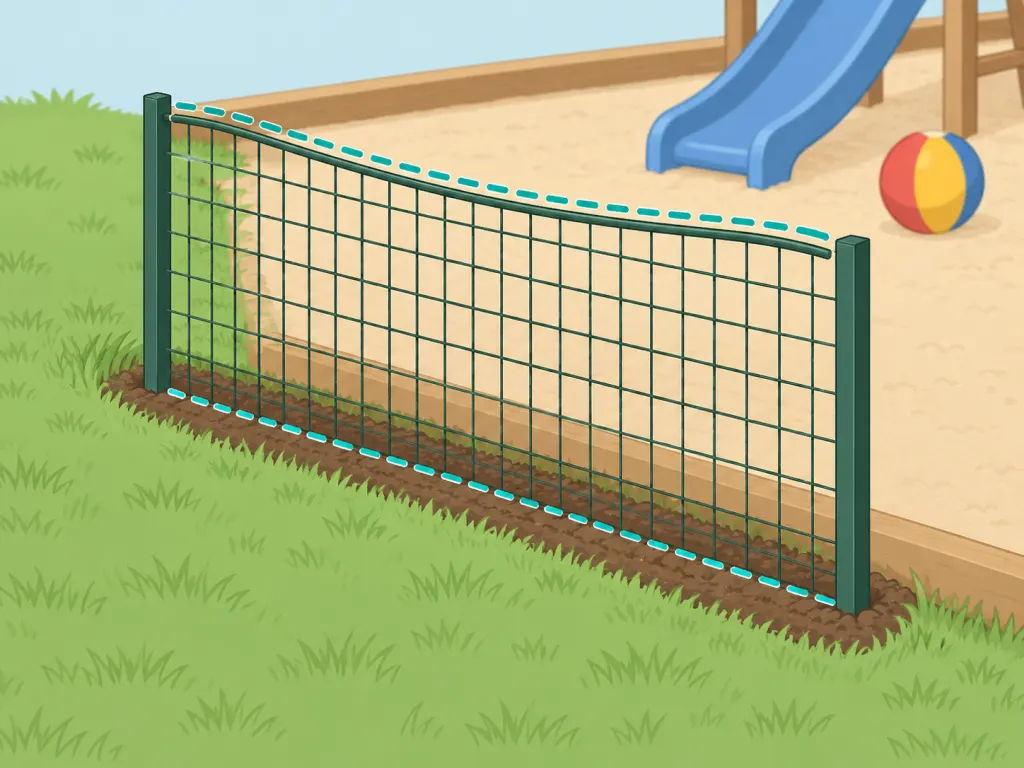
For a play space, pet run, or other small area where snakes are a repeated concern, consider a properly built snake barrier. Utah State University Extension recommends one-quarter-inch or smaller rigid mesh, buried a few inches into the ground, with a bend at the top to make climbing harder. Keep grass and shrubs trimmed away from the fence so it stays useful.
Step 9: Seek emergency help after any snake bite
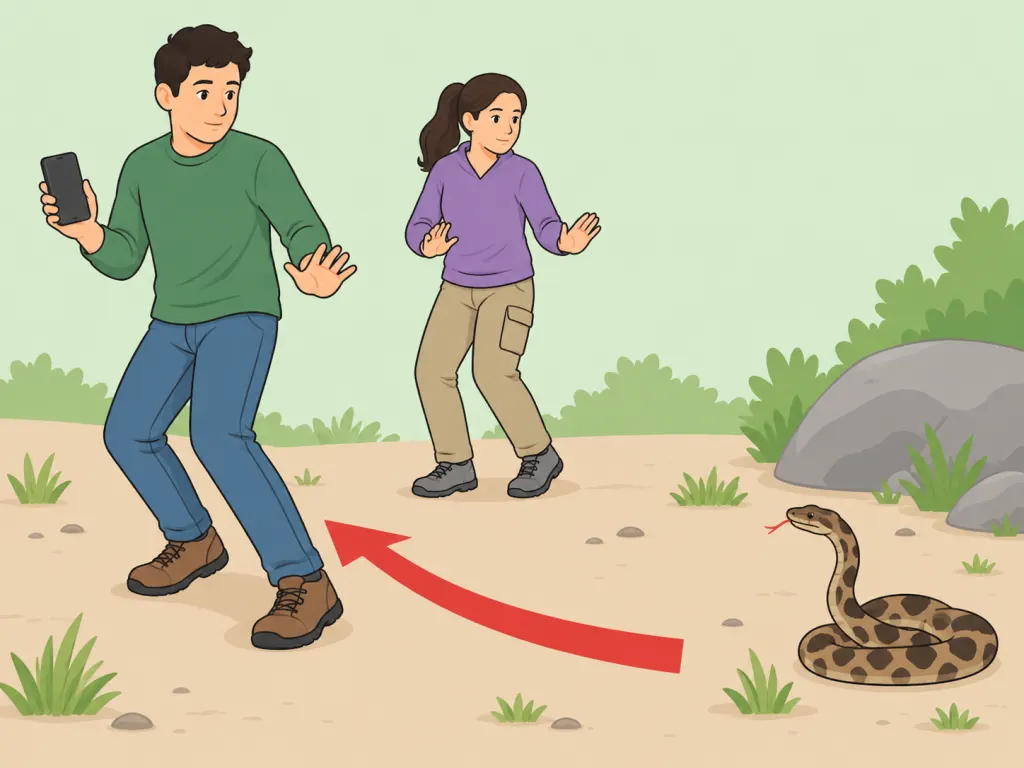
If anyone is bitten, move away from the snake, stay calm, and seek emergency medical care right away. CDC/NIOSH advises workers not to touch snakes, to wear boots and gloves when clearing brush, and to get medical attention as soon as possible after a bite. Do not try to catch the snake, cut the wound, apply ice, use a tourniquet, or suck out venom.
Wrap-Up
The bottom line: do not rely on strong smells as your snake-control plan. Skip unsafe odor remedies, keep the yard open and tidy, reduce prey, seal gaps, and treat any snake bite as urgent.
Frequently Asked Questions
- → Do snakes really hate certain smells?
- Some odors may be unpleasant, but university extension sources do not support strong smells as dependable snake control. Habitat cleanup, sealing gaps, and reducing prey are more useful.
- → What are the seven odor remedies people commonly mention?
- The common claims include mothballs or naphthalene, sulfur, cedar oil, cayenne pepper spray, artificial skunk scent, coal tar or creosote, and liquid smoke. Extension summaries report that tested home remedies like these did not reliably repel snakes.
- → Can I put mothballs around my yard for snakes?
- No. NPIC says mothballs should only be used according to the product label, and open-air use can expose people and animals to pesticide vapors.
- → What should I do if I see a snake in my yard?
- Give it space and let it move away. If you cannot identify it or it is in a living area, contact animal control or a wildlife professional instead of handling it.
- → What attracts snakes around a house?
- Snakes are usually drawn by shelter, food, and suitable temperatures. Brush piles, tall grass, wood stacks, rock piles, rodents, insects, and scattered pet or bird food can all make an area more inviting.
- → Will a fence keep every snake out?
- No fence is perfect, but a tightly built small-mesh barrier can help protect a limited area when installed correctly. Keep vegetation away from the fence so snakes cannot climb over it.
References
This content was developed and refined using reliable sources.
- https://extension.msstate.edu/publications/reducing-snake-problems-around-homes
- https://extension.colostate.edu/resource/coping-with-snakes
- https://extension.usu.edu/news_sections/gardening/12-ways-to-stop-snakes-from-slithering-into-yards
- https://npic.orst.edu/faq/mothball.html
- https://www.epa.gov/pesticide-labels/pesticide-labeling-questions-answers
- https://www.cdc.gov/niosh/outdoor-workers/about/venomous-snakes.html