 Save
The five drink habits most likely to work against bone health are frequent cola-style soda, regular energy drinks, very high-caffeine coffee routines, frequent alcohol, and sweetened fruit drinks or juice cocktails. A single beverage does not decide bone strength. Bones are living tissue, and they respond to years of nutrition, movement, hormones, age, and overall health. Still, daily drinks matter because they can add caffeine, sugar, or alcohol while displacing calcium-rich foods and drinks. The practical goal is not fear; it is making the usual choice easier to align with bone-supportive nutrition.
Why Drinks Matter For Bones
Bones store most of the body’s calcium, and calcium works with vitamin D as part of normal bone maintenance. The National Institute of Arthritis and Musculoskeletal and Skin Diseases explains that calcium phosphate helps harden and strengthen bone, while vitamin D helps the body absorb calcium from food and beverages. In plain kitchen terms, drinks matter because they can either contribute useful nutrients, such as fortified milk or fortified soy beverage, or take up space that might otherwise go to those nutrients. This is why the question is less about labeling one drink as dangerous and more about noticing the drink patterns that repeat every day.
A Fair Ranking: Risk Comes From Patterns, Not One Serving
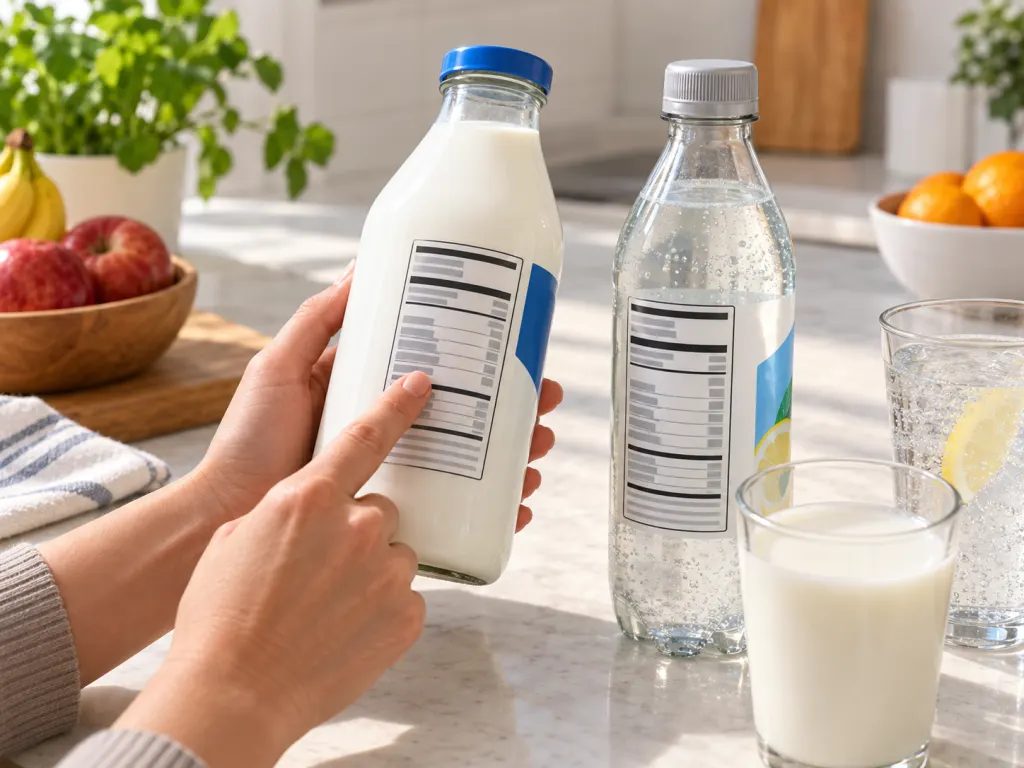
The evidence is strongest when the article stays humble. Cola has some observational research linking frequent intake with lower bone mineral density in older women, but not all carbonated drinks show the same pattern. Caffeine appears to have a modest effect on calcium balance, especially when calcium intake is low. Alcohol has clearer concerns for bone density and fracture repair when use is excessive. Sugar-sweetened drinks are broader nutrition concerns because they can crowd out better options and add a lot of sugar without much protein, calcium, or vitamin D. For everyday decisions, the most bone-aware question is: what does this drink replace?
The Five Drink Habits To Limit Most Often
Here is the short list, with the main reason each one deserves attention:
- Cola-style sodas: often combine added sugar, caffeine, phosphoric acid, and low nutritional value.
- Energy drinks: can combine high caffeine with added sugar and large serving sizes.
- Very high-caffeine coffee routines: may matter when several cups replace meals, water, or calcium-rich foods.
- Frequent alcohol: can work against bone density and bone repair, especially at higher intakes.
- Sweetened fruit drinks and juice cocktails: can look fruit-based while functioning more like sugary drinks.
1. Cola-Style Soda
Cola deserves its own place on the list because it is not simply “carbonation.” In the Framingham Osteoporosis Study, researchers reported that cola intake, but not other carbonated soft drinks, was associated with lower bone mineral density at hip sites in women; the authors also said more research was needed to confirm the findings. That distinction matters. Sparkling water is not the same nutritional package as cola. Cola often brings together caffeine, added sugar, phosphoric acid, and no meaningful calcium or vitamin D. The more often it replaces milk, fortified soy beverage, calcium-fortified drinks, or balanced snacks, the more it may pull the daily pattern away from bone-supportive nutrition.
How To Think About Soda Without Overreacting
If cola is occasional, the main issue is usually portion size and frequency. If it is the default drink at lunch, dinner, and between meals, the pattern is more important. A useful middle ground is to keep cola as an occasional choice and make water, unsweetened tea, milk, fortified soy beverage, or another nutrient-containing option the normal routine. If plain water feels unappealing, the site’s guide to drinking water on an empty stomach can be a gentle companion read, not because timing is magic, but because small hydration routines often make better choices easier.
2. Energy Drinks
Energy drinks are a concern because they can stack caffeine, added sugar, and large serving sizes in one can. The FDA notes that typical caffeine content can vary widely across beverages, and energy drinks may contain substantial caffeine per serving. The CDC also includes energy drinks among examples of sugar-sweetened beverages when they contain added sugars. For bones, the issue is indirect but still practical: a sweet, caffeinated drink can replace sleep, breakfast, water, or calcium-rich foods. If someone uses energy drinks to push through fatigue day after day, the deeper problem may be the routine around the drink, including skipped meals and poor recovery.
3. Very High-Caffeine Coffee Routines
Coffee is not automatically bad for bones. For many adults, moderate coffee can fit into a balanced diet. The bone-health concern appears when caffeine intake becomes high and calcium intake is low. The National Academies’ calcium and vitamin D reference text, available through NCBI Bookshelf, describes caffeine from coffee and tea as modestly increasing calcium excretion and reducing absorption, with some studies suggesting bone loss mainly among people with low milk or low total calcium intake. That is a useful nuance: the answer is not “never drink coffee.” It is “do not let coffee become breakfast, lunch, and hydration.”
A More Bone-Friendly Coffee Pattern
For most adults, the FDA cites 400 milligrams of caffeine per day as an amount not generally linked with negative effects, while also emphasizing that sensitivity varies. Bone-aware coffee habits are often simple: drink coffee with food instead of instead of food, keep an eye on total caffeine from coffee, tea, soda, and energy drinks, and make sure the day still includes calcium- and vitamin D-containing foods. If a smoothie is part of breakfast, choosing one built around yogurt, fortified milk, or fortified soy beverage can be more useful than a drink that is mostly sugar. A fruit-forward recipe such as the Kiwi Banana Smoothie Drink can also be adapted with a fortified base when that fits a person’s routine.
4. Frequent Alcohol
Alcohol belongs high on the list because the concern is broader than nutrient displacement. The National Institute on Alcohol Abuse and Alcoholism states that alcohol can reduce bone density and impair fracture repair. The CDC’s guidance on moderate alcohol use also emphasizes that drinking less is better for health than drinking more, and that adults who choose to drink can stay within moderate limits. For a bone-focused kitchen routine, the key is frequency. A drink with dinner once in a while is different from alcohol being the default way to unwind every night. The more often alcohol replaces sleep, meals, movement, or nutrient-rich drinks, the less supportive the pattern becomes.
Where Alcohol Also Changes The Meal Around It
Alcohol can quietly change food choices. It may turn a balanced dinner into salty snacks, reduce the chance of preparing a calcium-containing meal, or make the next morning’s routine less steady. These indirect effects are not as easy to measure as grams of calcium, but they matter in real kitchens. If someone is trying to support bone health, it is worth noticing whether alcohol is paired with meals that include protein, vegetables, and calcium-rich foods, or whether it regularly replaces them. A warm soup, such as Hearty Warm Veggie Soup, is not a bone-health plan by itself, but it is the kind of meal anchor that makes better drink choices feel less like deprivation.

5. Sweetened Fruit Drinks And Juice Cocktails
Fruit drinks, juice cocktails, sweetened lemonades, and many bottled “fruit” beverages can sound lighter than soda, but the nutrition label often tells a different story. The CDC defines sugar-sweetened beverages as drinks sweetened with added sugars, including sugars from syrups and concentrated fruit or vegetable juices, and lists fruit drinks among common examples. Bone health is not the main claim here; the issue is that these drinks can add sugar while offering little fiber, protein, calcium, or vitamin D. Even 100% juice is different from whole fruit because it lacks the same chewing, fiber, and fullness. A small glass can fit some routines, but large daily servings can crowd out more useful choices.
Better Replacements Are Usually Ordinary
The best replacement depends on what the original drink was doing. If it was for thirst, water or sparkling water may be enough. If it was for breakfast, a calcium- and vitamin D-fortified beverage may fit better. If it was for flavor, unsweetened tea, diluted juice, citrus slices in water, or a smoothie with a protein- and calcium-containing base may be more satisfying. NIAMS notes that fortified foods and drinks, including some juices, soymilk, oatmeal, and cereals, can add calcium, while the NIH Office of Dietary Supplements notes that many plant-based milk alternatives are fortified with vitamin D. The label matters because fortification varies from product to product.
What To Drink More Often For Bone Support
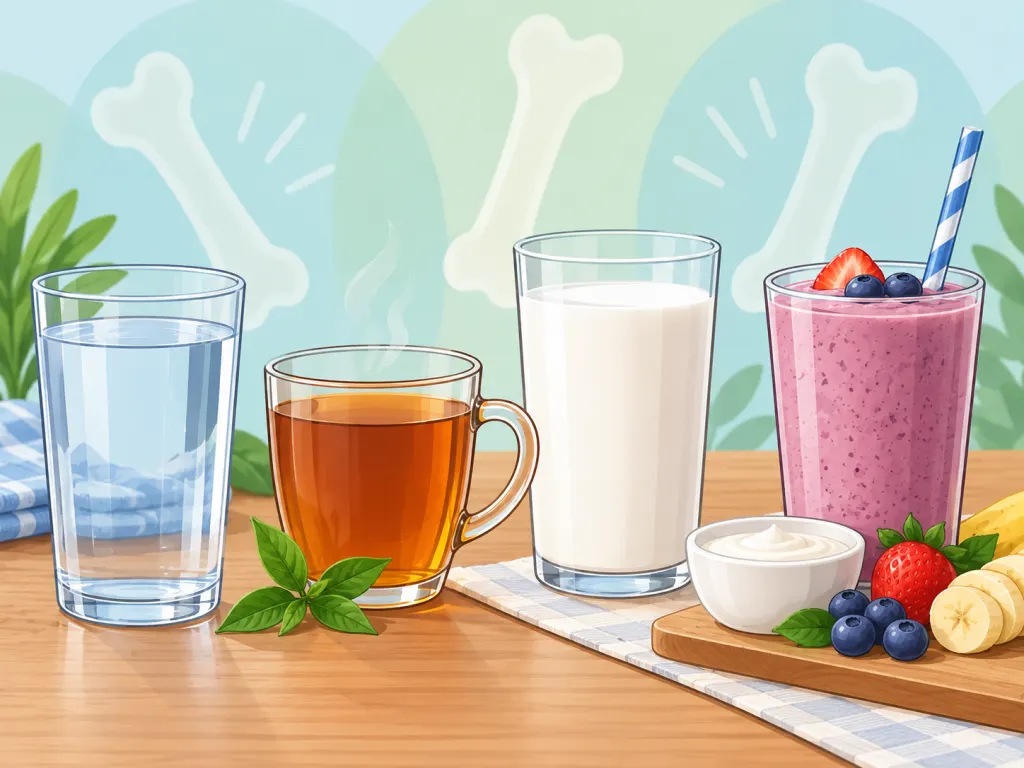
A bone-supportive drink pattern does not have to be complicated. Most days, choose drinks that help the rest of the diet work: water for thirst, unsweetened coffee or tea in moderate amounts, and calcium-containing options when they fit the meal. Dairy milk, lactose-free milk, fortified soy beverage, and some fortified plant-based drinks can be useful, but labels differ. Look for calcium and vitamin D on the Nutrition Facts label, and consider whether the drink also brings protein or is mostly sweetened water. For people who enjoy fruit drinks, recipes such as Lemon Blueberry Avocado Smoothie are most bone-friendly when the base contributes nutrients rather than only sweetness.
A Practical Way To Audit Your Own Drinks
Instead of banning a list overnight, try a one-week drink audit. Write down the drinks you actually have, including size and timing. Then mark which ones provide calcium, vitamin D, protein, hydration, pleasure, or caffeine. Patterns usually become clear without judgment. Maybe cola appears only at restaurants, which may be easy to keep occasional. Maybe coffee is replacing breakfast, which suggests adding food before cutting cups. Maybe fruit drinks are the default at home, which suggests stocking cold water, unsweetened tea, or fortified options. The strongest bone-supportive changes are the ones a person can repeat without feeling punished.
Wrap-Up
The five drinks to limit most often for bone-supportive habits are cola-style sodas, energy drinks, very high-caffeine coffee routines, frequent alcohol, and sweetened fruit drinks or juice cocktails. Their effects are not identical, and none should be treated as a one-sip emergency. The common thread is that they can add sugar, caffeine, or alcohol while replacing drinks and meals that help supply calcium, vitamin D, protein, and steady hydration. A calmer approach is to make water and nutrient-containing beverages the routine, keep sweetened and alcoholic drinks occasional, and ask a qualified health professional for guidance when personal health factors are involved.
Frequently Asked Questions
- → Is sparkling water bad for bones?
Plain sparkling water is not the same as cola. The concern in the research is more specific to cola-style drinks and overall beverage patterns, not carbonation by itself. Unsweetened sparkling water can be a reasonable alternative when it helps replace sugary soda.
- → Do I have to stop drinking coffee for bone health?
No. Moderate coffee can fit many balanced routines. The bigger concern is very high caffeine intake combined with low calcium intake, skipped meals, or coffee replacing more nourishing foods and drinks.
- → Why are cola drinks singled out more than other sodas?
One major observational study found an association between cola intake and lower hip bone mineral density in women, while non-cola carbonated drinks did not show the same relationship. That does not prove cola alone causes weaker bones, but it makes frequent cola a reasonable habit to limit.
- → Are fruit juices better than soda for bones?
Some juices are fortified with calcium or vitamin D, but many fruit drinks and juice cocktails are mainly sweetened beverages. Whole fruit, water, and fortified drinks with useful nutrients are usually better everyday choices than large servings of sweetened fruit drinks.
- → What drink is best with meals if I am thinking about bone health?
Water is a strong default for thirst. With meals, calcium- and vitamin D-containing options such as dairy milk, lactose-free milk, fortified soy beverage, or another fortified drink can be useful if they fit your diet. Check labels because fortified plant-based drinks vary.
References
This content was developed and refined using reliable sources.
- https://www.niams.nih.gov/health-topics/calcium-and-vitamin-d-important-bone-health
- https://ods.od.nih.gov/factsheets/VITAMIND-Consumer
- https://ods.od.nih.gov/factsheets/Calcium-HealthProfessional
- https://www.niaaa.nih.gov/alcohols-effects-health/alcohols-effects-body
- https://pubmed.ncbi.nlm.nih.gov/17023723
- https://www.ncbi.nlm.nih.gov/books/NBK56060
- https://www.cdc.gov/nutrition/php/data-research/sugar-sweetened-beverages.html
- https://www.fda.gov/consumers/consumer-updates/spilling-beans-how-much-caffeine-too-much
- https://www.cdc.gov/alcohol/about-alcohol-use/moderate-alcohol-use.html