 Save
If facial redness shows through your usual makeup, the practical fix is not more foundation. Use a small amount of green color corrector on the red areas first, then apply a thin layer of concealer or foundation over it. The goal is to visually soften redness with less product, especially around the nose and cheeks where makeup can crease, lift, or look heavy. This approach is cosmetic camouflage, not skin care for the cause of redness. Redness can come from temporary flushing, irritation, dryness, visible small blood vessels, acne-prone skin, or rosacea, which public health sources describe as a long-term skin condition that often affects the face and sometimes the eyes. MedlinePlus lists facial redness, flushing, small red lines under the skin, and eye irritation among possible features of rosacea.
Why Green Corrector Helps Redness Look Softer
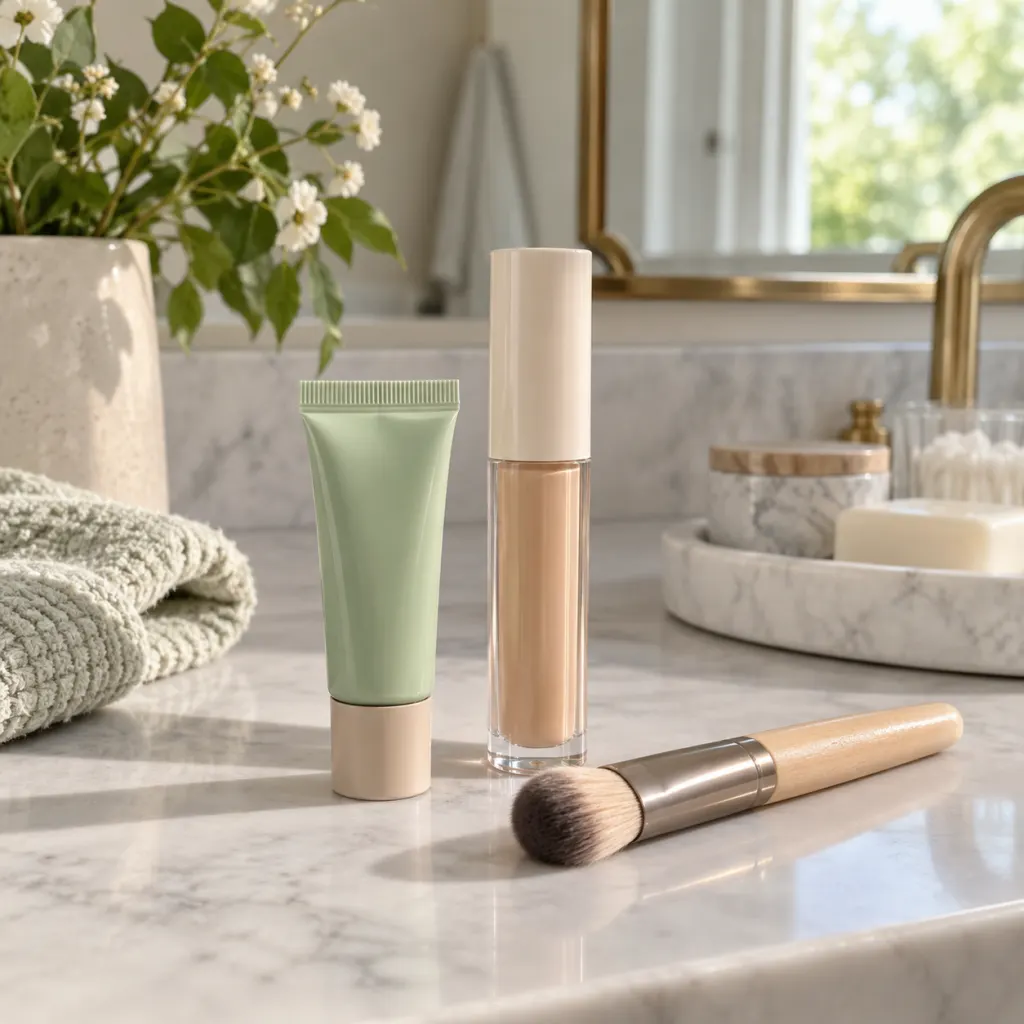
Green corrector works as a visual color adjustment. In everyday makeup, a muted green product can reduce the appearance of pink-to-red areas because it sits across from red in common cosmetic color-correction logic. The American Academy of Dermatology says green-tinted concealer can camouflage redness, while yellow-tinted concealer may mask some discoloration across a range of skin tones. AAD also cautions that some makeup can irritate sensitive skin, so the best result usually comes from using the smallest amount that does the job.
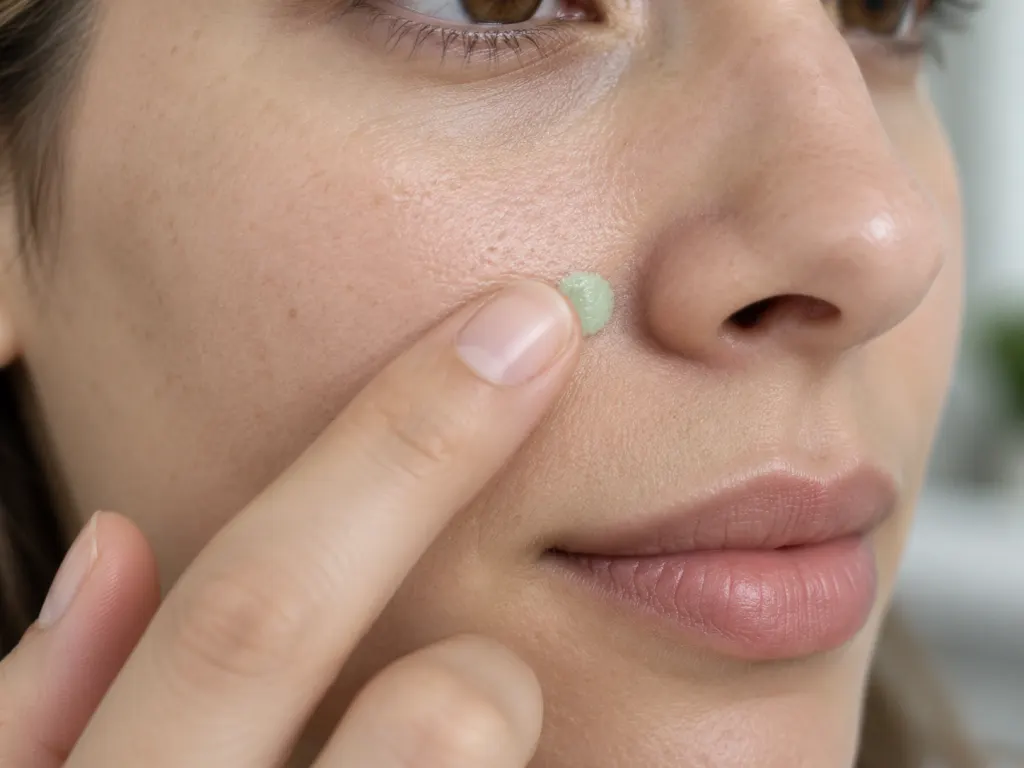
The key phrase is small amount. A thick green layer can turn gray, chalky, or obvious once concealer goes on top. For most localized redness around the nostrils, chin, or center cheeks, start with a dot smaller than a grain of rice per area. Tap it in until the green looks softened but not fully erased. Then add concealer only where needed. If you still see redness at normal conversation distance, add another tiny amount rather than spreading product over a larger area.
Start With Skin Prep, Not Coverage
Facial redness often looks more noticeable when makeup catches on dry or textured skin. A gentle base helps the corrector sit evenly. Wash with a mild cleanser, pat dry, and apply a lightweight moisturizer before makeup. Dermatologists recommend gentle cleansing and moisturizing for rosacea-prone skin, and they specifically warn against rubbing, scrubbing, or massaging skin that is easily irritated. AAD notes that irritation can contribute to flares in people with rosacea-prone skin.
Give moisturizer a short moment to settle before adding makeup. If the area around the nose is flaky from weather, tissues, or dryness, press makeup on rather than dragging it across the skin. Rubbing can move the corrector away from the red spot and make the texture more obvious. If you use sunscreen in the morning, apply it before makeup; Mayo Clinic advises people with rosacea to protect the face with broad-spectrum sunscreen or moisturizer containing sunscreen, and to apply sunscreen before makeup when makeup is used. Mayo Clinic also notes that mineral sunscreens with zinc, titanium dioxide, or both may suit some people with rosacea.
The One-Minute Method
A simple routine is easiest to repeat, and repeated gentle steps usually look better than a complicated stack of products. Try this order:
- Cleanse gently, then apply moisturizer and sunscreen if it is daytime.
- Place a tiny dot of muted green corrector only on the red areas.
- Tap with a clean fingertip, small brush, or sponge until the edge fades into the surrounding skin.
- Apply a thin skin-tone concealer or foundation over the corrected spot.
- Set only the areas that become shiny or crease, using a very light amount of powder.
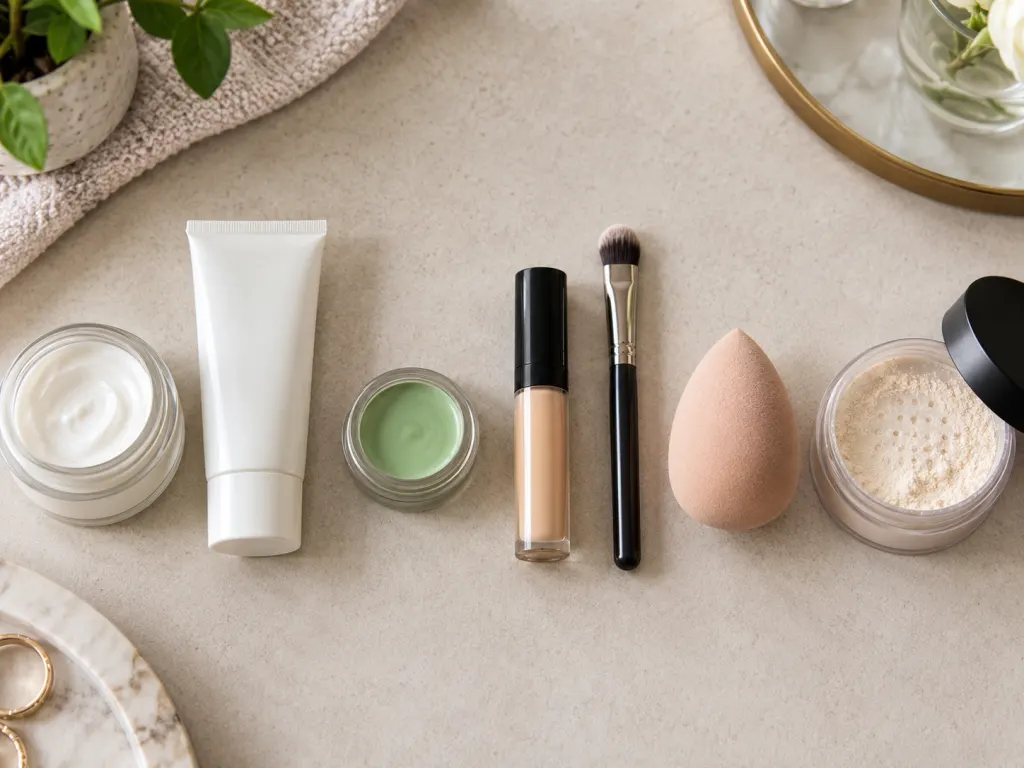
This order matters because it lets each layer do one job. Moisturizer makes the surface more comfortable. Corrector softens the look of redness. Concealer brings the area back to your skin tone. Powder, if used, reduces slip. The American Academy of Dermatology’s general skin care order places moisturizer or sunscreen before makeup, which fits this approach. AAD also warns that using too many products can irritate skin for some people.
Choose Products That Do Less Irritating Work
For facial redness, texture and tolerance matter more than price. Look for correctors and concealers that spread thinly, dry down comfortably, and are labeled for sensitive skin when possible. AAD recommends fragrance-free products for rosacea-prone skin and suggests avoiding ingredients that may irritate, including alcohol, camphor, fragrance, glycolic acid, lactic acid, menthol, sodium lauryl sulfate, and urea. AAD also suggests choosing non-comedogenic products and testing skin care products and makeup before applying them to the face.
If acne-prone skin is part of the picture, avoid heavy products that clog pores. For acne-prone skin, AAD advises choosing makeup labeled oil-free, non-comedogenic, or not likely to clog pores, removing makeup before bed, applying makeup gently, and cleaning brushes weekly. AAD also notes that shared makeup and applicators can transfer germs and other material to the skin.
Patch Test Before Putting a New Corrector on Your Face
A new product can look perfect in the tube and still bother your skin. AAD recommends testing skin care products on a small area before regular use, especially for people who react easily. Their at-home method is to apply the product to a test spot twice daily for seven to ten days and watch for redness, itching, swelling, or another reaction before using it on the face. AAD says a reaction should be washed off gently and the product should not be used again.
For makeup, that may feel like a slow step, but it can save your face from a product that stings, burns, or makes redness more visible. If you are preparing for a wedding, interview, family photos, or another important day, test the corrector and concealer well ahead of time. Also test how they behave together. Some formulas pill when layered over sunscreen; others separate when powder is pressed on too soon.
When Redness Is More Than a Makeup Problem
Makeup can change appearance, but it cannot explain why redness is happening. Cleveland Clinic describes rosacea as an inflammatory skin condition that commonly affects the nose, cheeks, and forehead, and says visible blood vessels, flushing, persistent redness, bumps, swelling, burning, stinging, and eye irritation can occur. Cleveland Clinic also notes that triggers vary from person to person and may include sun exposure, temperature changes, stress, alcohol, spicy foods, and skin or hair products.
Consider getting professional guidance if redness is persistent, worsening, painful, associated with burning or stinging, or paired with eye irritation. AAD explains that rosacea can make skin very sensitive and that even sunscreen and makeup can irritate some people. AAD lists permanent redness, visible blood vessels, acne-like breakouts, and easily irritated skin as possible signs. If a cosmetic causes a rash, redness, burn, infection, or other unexpected reaction, the FDA advises stopping the product and contacting a healthcare provider. FDA also explains how consumers can report cosmetic-related complaints.
How to Make Coverage Last Without Looking Heavy
Long wear comes from thin layers, not from adding more product at the start. Press corrector onto the red area, let it settle briefly, then press concealer over it. Avoid wiping side to side after the green layer is placed. If you use powder, choose a very small amount and place it only where makeup breaks down, such as beside the nostril or in a cheek crease. Too much powder can make dryness and texture more visible.
For touch-ups, carry the skin-tone concealer rather than the green corrector. Later in the day, redness usually peeks through because coverage has rubbed away. A pinhead amount of concealer tapped over the area often refreshes the look without rebuilding every layer. If the skin feels hot, stinging, or newly irritated, skip extra makeup and remove the product gently when you can.
A Natural Finish Depends on Distance
The most common mistake is judging makeup from two inches away in bright bathroom light. Facial redness can look dramatic up close, but other people usually see your face from a normal social distance. After applying corrector and concealer, step back from the mirror and look near a window or in balanced room light. If the redness is softened and your skin still looks like skin, stop there.
This is especially useful around the nose, where extra product collects quickly. A little redness showing through can look more natural than a dense patch of makeup that does not match the rest of the face. The best result is not a perfectly blank canvas; it is calmer-looking skin with normal texture, movement, and color variation.
Wrap-Up
For a fast makeup fix, apply a tiny amount of muted green corrector directly on facial redness, tap it in, and cover it with a thin layer of matching concealer or foundation. Keep the surrounding skin gentle: cleanse without scrubbing, moisturize, use daytime sun protection, choose fragrance-free and non-comedogenic products when possible, and test new products before using them on the face. Makeup can help redness look less noticeable, but persistent redness, visible blood vessels, eye irritation, pain, or a strong cosmetic reaction should be discussed with a qualified health professional.
Frequently Asked Questions
- → Can I use green corrector every day?
Many people use color corrector as part of daily makeup, but tolerance matters. If your skin is sensitive, choose a gentle formula, remove it before bed, and test new products first. Stop using a product if it causes burning, itching, swelling, or a new rash, and ask a qualified health professional if the reaction is strong or persistent.
- → Should green corrector go before or after foundation?
Use green corrector before foundation or concealer. Place it only on the red area, tap it in, and then cover it with a thin skin-tone layer. If you use foundation first, you may rub the coverage away while trying to correct the redness afterward.
- → What if green corrector makes my skin look gray?
Grayness usually means there is too much green product, the green is too dark for the redness, or the concealer on top is too cool or too heavy. Remove a little product, use a paler muted green, and apply a thinner skin-tone layer over it.
- → Is facial redness always rosacea?
No. Redness can come from temporary flushing, irritation, dryness, acne-prone skin, sun exposure, visible small blood vessels, or other causes. Rosacea is one possible explanation when redness is persistent or paired with flushing, visible vessels, bumps, burning, stinging, or eye irritation. A qualified health professional can help sort out what is happening.
- → Can I cover redness if my skin feels irritated?
If skin feels mildly dry, gentle moisturizer and a light makeup layer may be comfortable. If skin is burning, swollen, painful, newly rashy, or reacting to a product, it is better to pause makeup, wash the product off gently, and get professional guidance when needed.
References
This content was developed and refined using reliable sources.
- https://www.aad.org/public/diseases/rosacea/triggers/tips
- https://www.aad.org/public/everyday-care/skin-care-secrets/prevent-skin-problems/test-skin-care-products
- https://my.clevelandclinic.org/health/diseases/12174-rosacea
- https://www.fda.gov/cosmetics/cosmetics-compliance-enforcement/how-report-cosmetic-product-related-complaint
- https://www.aad.org/public/everyday-care/skin-care-basics/care/apply-skin-care-certain-order?_hsmi=97433058
- https://www.aad.org/public/diseases/rosacea/what-is/red-face
- https://www.mayoclinic.org/diseases-conditions/rosacea/diagnosis-treatment/drc-20353820
- https://www.medlineplus.gov/rosacea.html
- https://www.aad.org/public/diseases/acne/causes/makeup