 Save
Rice flour is not a reliable way to whiten teeth, and mixing it with acidic ingredients is a poor trade-off for enamel safety. The most it might do is rub away a little surface residue, which can make teeth feel cleaner for a short time. That is different from changing the color of enamel or dentin. Tooth discoloration can come from surface stains, aging enamel, dental work, trauma, decay, and other causes, so the right next step depends on the cause. Cleveland Clinic explains that dentists choose whitening or other cosmetic options based on whether color changes are on the outside of the tooth or deeper inside it: https://my.clevelandclinic.org/health/symptoms/10958-tooth-discoloration.
The Short Answer
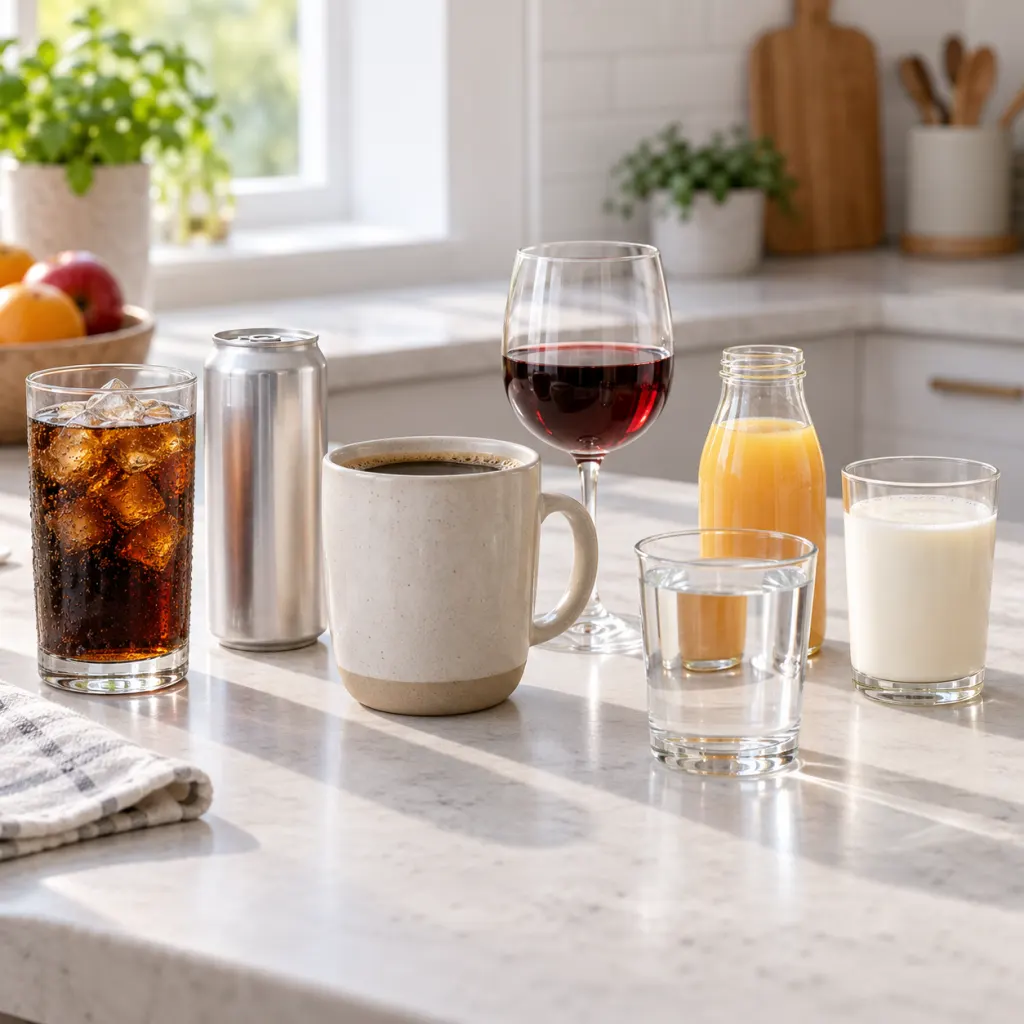
A rice-flour paste should not be treated like a dental whitening product. Rice flour is a fine powder, and powders can feel cleansing because they add friction. But whitening is not just the feeling of smoothness after brushing. A tooth can look darker because of external stains from coffee, tea, wine, tobacco, plaque, or tartar; it can also look darker because of changes below the enamel surface. Surface stains may respond to polishing, cleaning, or carefully formulated whitening products, while deeper color changes often need a dentist's assessment. A Cochrane review of home bleaching products found short-term color changes compared with placebo, but the certainty of evidence was low to very low and sensitivity or oral irritation were common reported side effects: https://www.cochrane.org/evidence/CD006202_home-based-chemical-bleaching-teeth-adults.
Why a Rice Paste Can Look Convincing
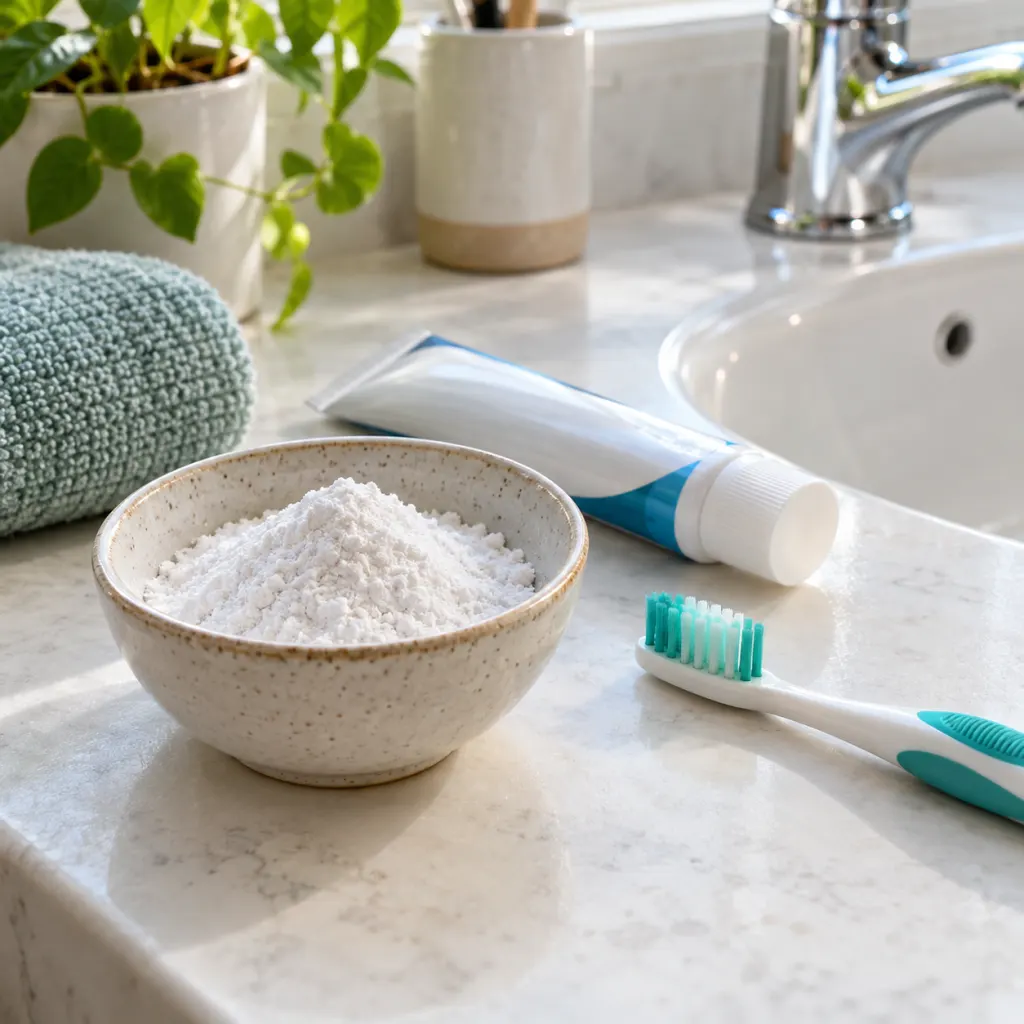
The appeal is easy to understand. Rice flour is pale, dry, familiar, and slightly gritty, so it feels as if it should polish away dullness. If someone brushes with a homemade paste, rinses, and sees teeth that look a little brighter in the mirror, several things may be happening at once. The teeth may be freshly cleaned of loose debris. The gums and lips may make the smile look different under bathroom lighting. The surface may feel smoother simply because it has been rubbed. None of those effects proves that the tooth itself became meaningfully lighter. NIDCR's oral hygiene guidance focuses on removing plaque with a soft, gentle technique, not scrubbing aggressively: https://www.nidcr.nih.gov/health-info/oral-hygiene.
The Lemon Juice Problem
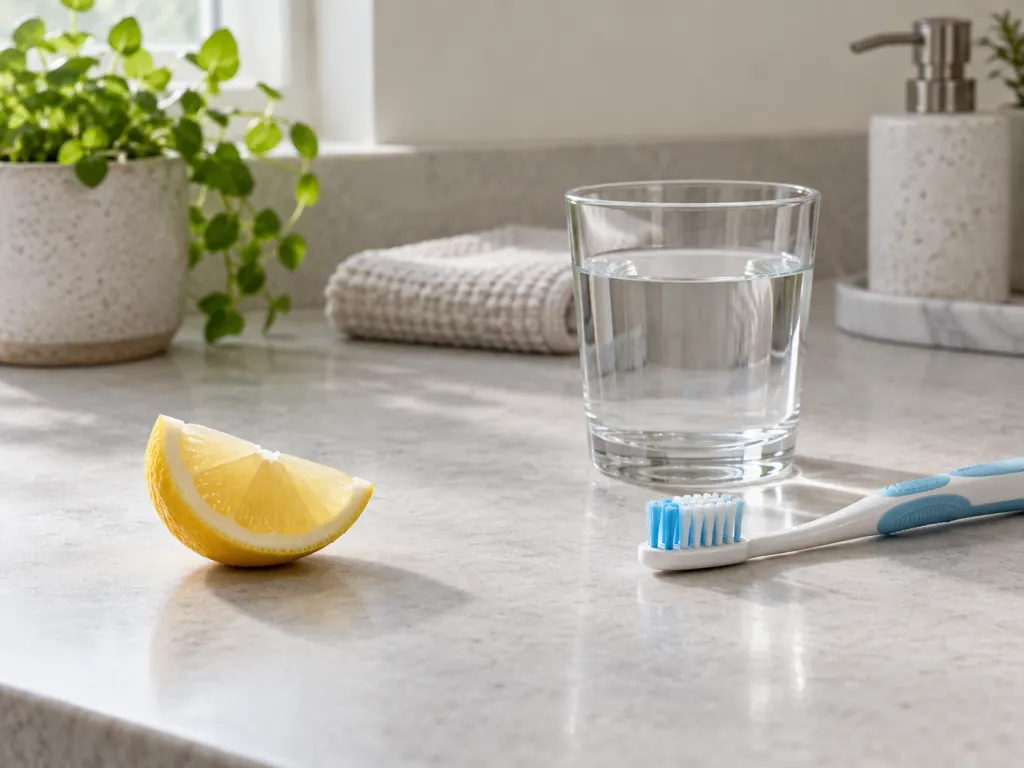
The riskiest version of the rice idea usually adds lemon juice. Lemon juice is acidic, and acid exposure is not a neutral cosmetic step for teeth. In a laboratory study of citrus juices on human permanent teeth, lemon juice produced the most severe changes among the citrus juices tested during prolonged exposure: https://pubmed.ncbi.nlm.nih.gov/18348369/. That kind of study is not the same as a brief brushing session at home, but it helps explain the concern: acid can soften the mineral surface that gives enamel its hardness. When acid and friction are combined, the surface may be more vulnerable than it would be with ordinary brushing. The brightening people notice after acidic contact can also be misleading because a temporarily drier tooth surface can look lighter for a while.
What Actually Changes Tooth Color
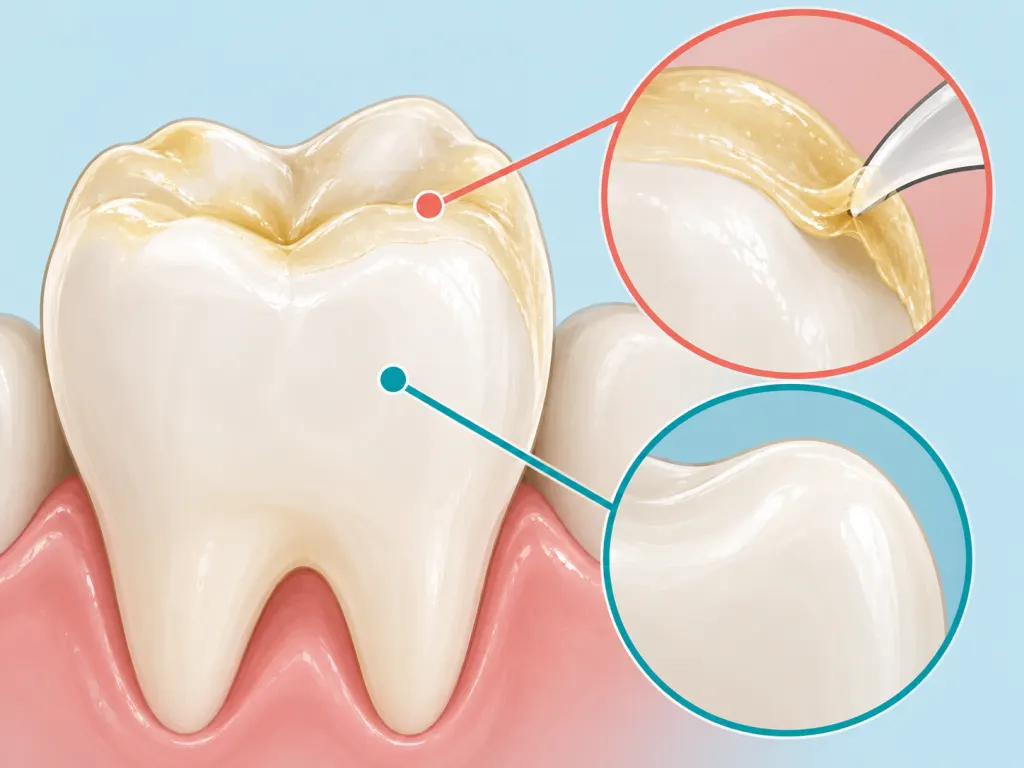
Tooth color is layered. The outer enamel is translucent, and the dentin underneath naturally has a warmer tone. With age, enamel can thin, allowing more of that dentin shade to show. External stains sit on the surface or in the film that naturally forms on teeth. Internal color changes can come from trauma, developmental enamel differences, old dental materials, or decay. That is why a single kitchen mixture cannot be a smart answer for every kind of discoloration. Cleveland Clinic notes that yellowing may be related to dark foods and drinks, aging, or oral hygiene, while gray, black, white, or brown areas can point to different dental issues that deserve professional review: https://my.clevelandclinic.org/health/symptoms/10958-tooth-discoloration.
A Safer Checklist Before Trying Anything Abrasive
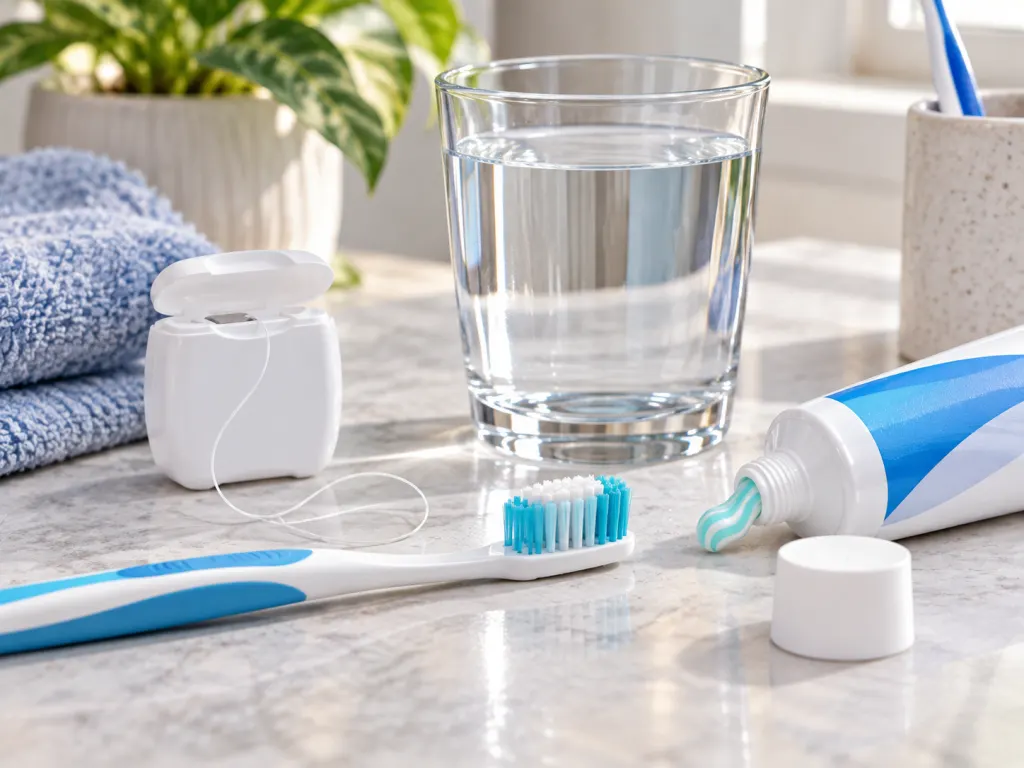
Before using any gritty or acidic mixture on teeth, pause and check the basics. The safer goal is a clean, healthy mouth first, then a realistic conversation about color. MedlinePlus recommends daily care built around gentle brushing, fluoride toothpaste, between-teeth cleaning, replacing worn toothbrushes, and regular dental checkups: https://www.medlineplus.gov/ency/article/001957.htm.
- Use a soft-bristled toothbrush and avoid hard back-and-forth scrubbing.
- Brush with fluoride toothpaste as directed on the product label.
- Clean between teeth once a day with floss or another tool that fits your mouth.
- Rinse with water after coffee, tea, wine, or acidic drinks instead of brushing immediately after acid exposure.
- Schedule a dental cleaning if stains feel rough, dark, or hard to remove.
- Ask a dentist before whitening if you have sensitivity, gum recession, crowns, veneers, fillings, braces, or a history of enamel wear.
Where Fluoride Fits In
Fluoride is not a cosmetic whitener, but it matters because enamel safety should come before shade. NIDCR explains that fluoride strengthens the hard outer surface of teeth and helps replenish minerals in early enamel changes: https://www.nidcr.nih.gov/health-info/fluoride. That is one reason mixing toothpaste into lemon juice and rice flour is not a clever upgrade. The toothpaste is the useful part, while the acid and grit add uncertainty. A simple routine with fluoride toothpaste keeps the focus on oral health rather than chasing a fast color shift that may not last.
How To Think About Whitening Products
Dental whitening products are usually designed around peroxide chemistry, not food powders. FDA's medical device standards database recognizes ISO 28399 for external tooth bleaching products, which covers requirements and test methods for products intended for use in the mouth: https://www.accessdata.fda.gov/scripts/cdrh/cfdocs/cfstandards/detail.cfm?standard__identification_no=45648. That does not mean every product is right for every person, and it does not make whitening risk-free. It does show the difference between a formulated dental product with instructions and a kitchen mixture made by guesswork. If whitening matters to you, bring the question to a dentist, especially if your teeth have several shades, old restorations, or sensitivity. A dentist can also explain why crowns, veneers, and fillings may not change color the same way natural tooth structure does.
When To Skip Kitchen Whitening Ideas
Skip acidic or gritty do-it-yourself mixtures if your teeth already feel sensitive, if your gums have pulled back, if brushing causes discomfort, if you see chips or cracks, or if a tooth has turned gray, black, or noticeably darker than the others. Those signs do not all mean the same thing, but they are reasons to get a dental opinion instead of polishing harder. Also be cautious if you have dental work on front teeth. A homemade paste may rub natural enamel and dental materials unevenly, and whitening products may not match restorations to surrounding teeth. The practical question is not whether rice is natural. The question is whether the method is predictable, gentle, and appropriate for your mouth.
Wrap-Up
Rice flour may feel polishing, but it is not a proven path to a lighter tooth shade, and adding lemon juice makes the idea much less sensible. Teeth change color for many reasons, from surface stains to deeper structural changes. The safer foundation is gentle brushing with fluoride toothpaste, between-teeth cleaning, routine dental care, and professional guidance before whitening. If a color change is sudden, dark, painful, or limited to one tooth, choose a dental visit over a kitchen experiment.
Frequently Asked Questions
- → Can rice flour remove surface stains from teeth?
It may rub away a small amount of loose surface residue because it is powdery, but that is not the same as predictable whitening. Stains that are stuck to plaque or tartar usually respond better to consistent brushing, between-teeth cleaning, and professional cleaning.
- → Is lemon juice safe to brush onto teeth?
Lemon juice is acidic, so brushing it onto teeth is a poor idea, especially when mixed with a gritty powder. Acid exposure can soften enamel surfaces, and rubbing soon afterward can add stress to the tooth surface.
- → Why do teeth sometimes look brighter right after a homemade paste?
Fresh brushing, bathroom lighting, temporary surface dryness, and a smoother feeling can all make teeth seem brighter for a short time. A quick mirror change is not strong evidence that the tooth shade has meaningfully changed.
- → What is a safer first step for dull-looking teeth?
Start with the basics: gentle brushing with fluoride toothpaste, daily between-teeth cleaning, rinsing with water after staining drinks, and a dental cleaning if buildup is present. If you still want a lighter shade, ask a dentist which whitening option fits your teeth and dental work.
- → Do crowns, veneers, or fillings whiten like natural teeth?
They usually do not respond the same way natural tooth structure does. If visible dental work is part of your smile, talk with a dentist before whitening so you do not end up with a shade mismatch.
References
This content was developed and refined using reliable sources.
- https://my.clevelandclinic.org/health/symptoms/10958-tooth-discoloration
- https://www.cochrane.org/evidence/CD006202_home-based-chemical-bleaching-teeth-adults
- https://www.nidcr.nih.gov/health-info/oral-hygiene
- https://pubmed.ncbi.nlm.nih.gov/18348369
- https://www.medlineplus.gov/ency/article/001957.htm
- https://www.nidcr.nih.gov/health-info/fluoride
- https://www.accessdata.fda.gov/scripts/cdrh/cfdocs/cfstandards/detail.cfm?standard__identification_no=45648