 Save
Freezing tomatoes is a practical way to save a garden surplus or a good market haul for later cooking. The key is to prepare them cleanly, pack them well, and expect a softer texture after thawing. This guide walks you through a reliable method for freezing whole or cut tomatoes for sauces, soups, stews, and other cooked dishes.
Step 1: Choose firm, ripe tomatoes
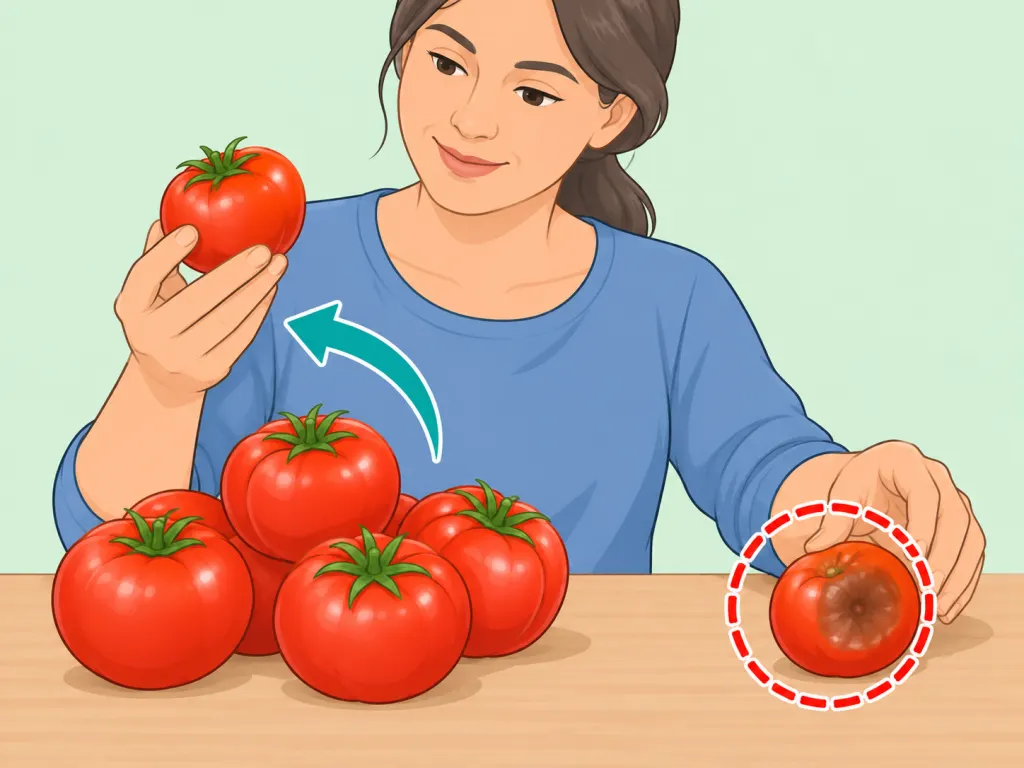
Start with tomatoes that are ripe, firm, and free from mold or soft damaged spots. The National Center for Home Food Preservation recommends firm, ripe tomatoes for freezing, and the FDA advises cutting away damaged or bruised areas before preparing produce.
Step 2: Wash, dry, and trim the tomatoes
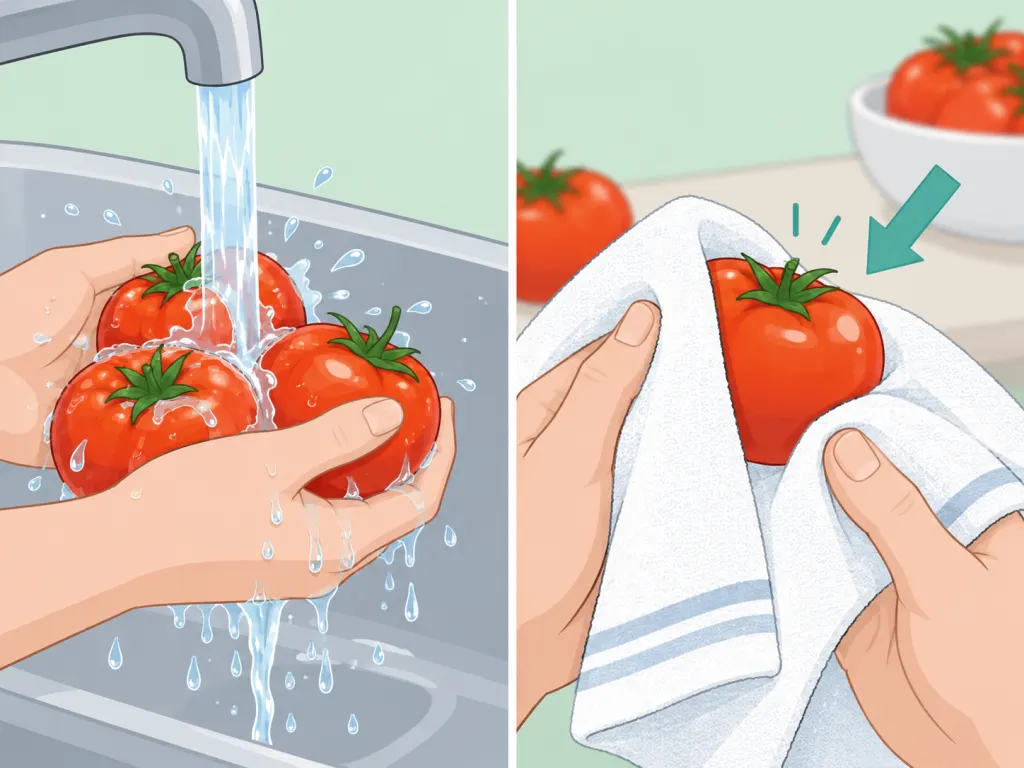
Rinse the tomatoes under running water, rubbing the surface gently with clean hands. Dry them with a clean towel so extra water does not turn into surface ice, then remove stems and any rough stem ends. The FDA recommends washing produce under running water and drying it afterward.
Step 3: Loosen the skins in boiling water
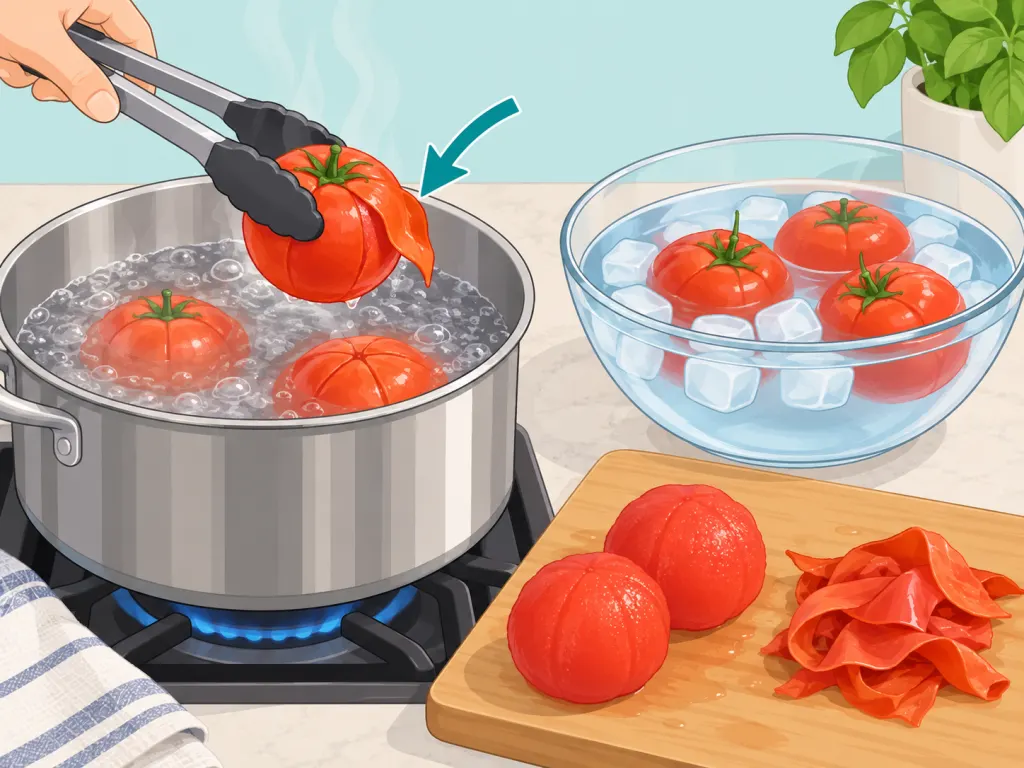
Bring a pot of water to a boil, dip the tomatoes in for about 30 seconds, then move them to cold water so the skins slip off more easily. This quick scald is the method recommended for raw tomatoes by the National Center for Home Food Preservation. Peel the tomatoes once they are cool enough to handle.
Step 4: Core and cut them for your cooking style
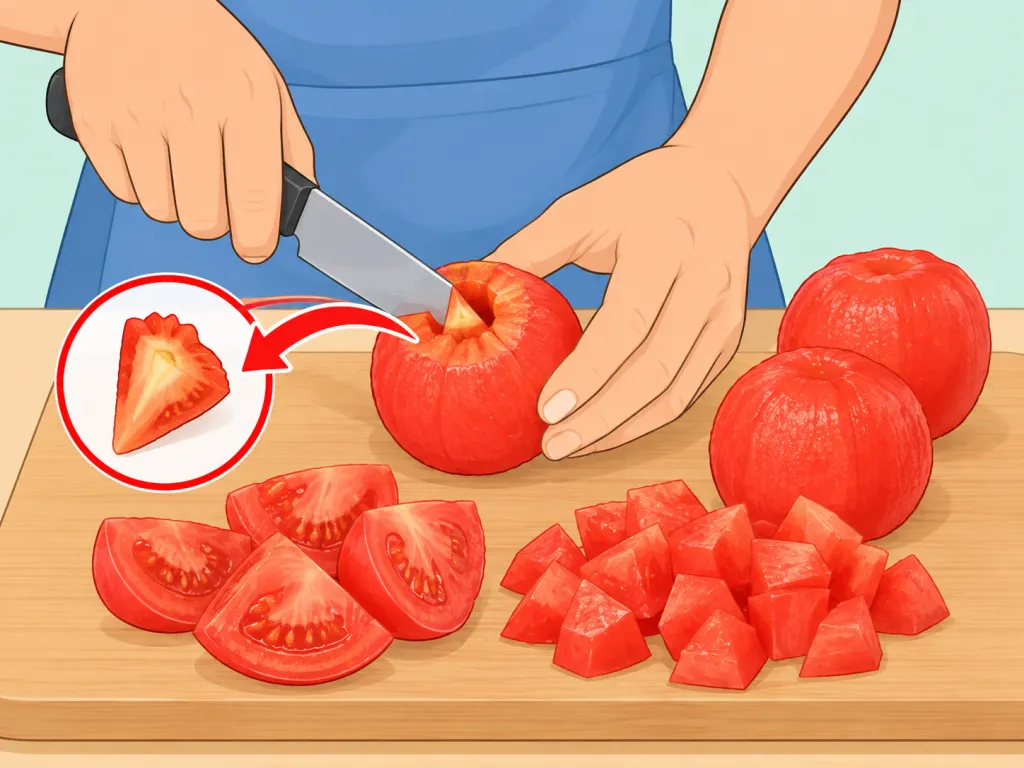
Remove the firm core from each tomato, then leave the tomatoes whole or cut them into halves, wedges, or rough pieces. The same preservation guidance allows raw tomatoes to be frozen whole or in pieces, and it also gives methods for freezing tomato juice and stewed tomatoes. Choose the shape that will be easiest to drop into your future sauces, soups, or stews.
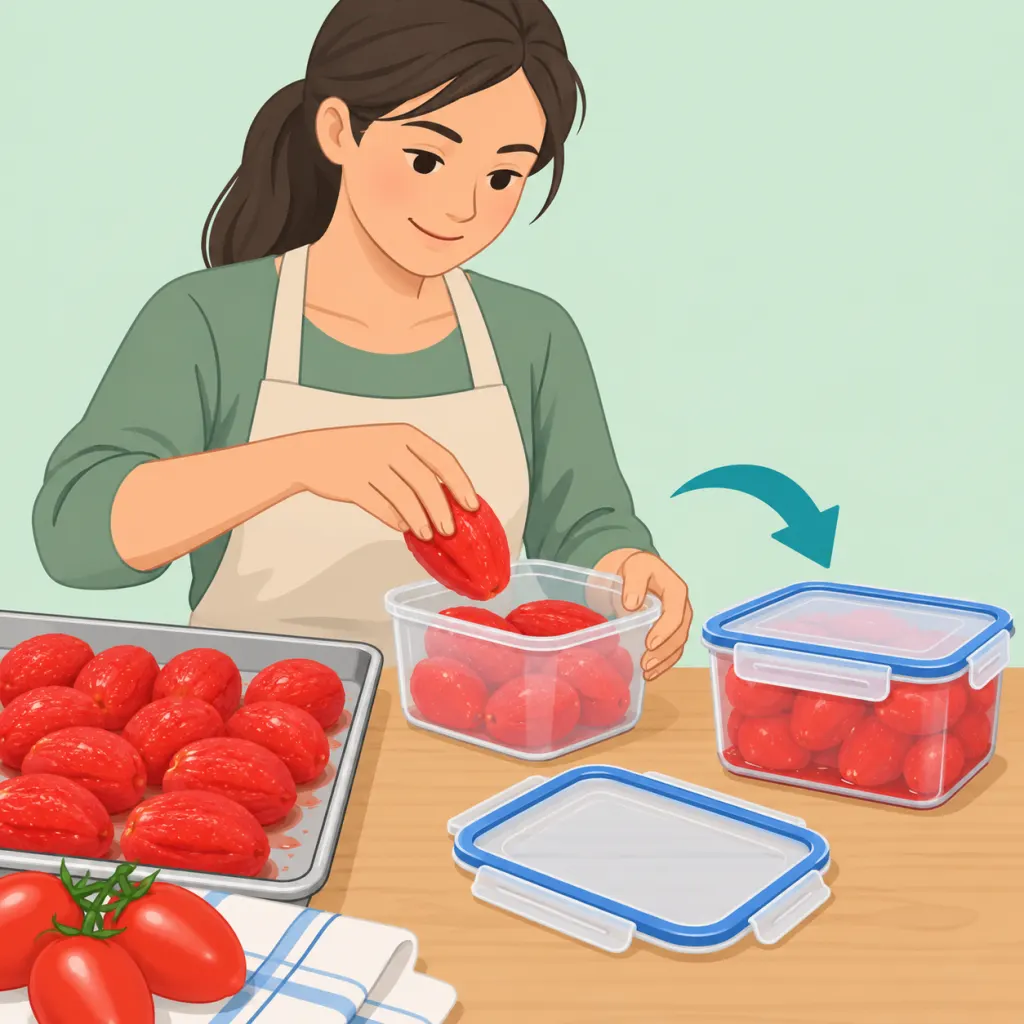
Spread whole small tomatoes or cut tomato pieces in one layer on a rimmed tray and freeze them until firm. University of Minnesota Extension describes tray freezing as a way to keep produce pieces from freezing together in one block. Once firm, move the tomatoes into their final freezer packaging.
Step 6: Pack them in freezer-safe bags or containers
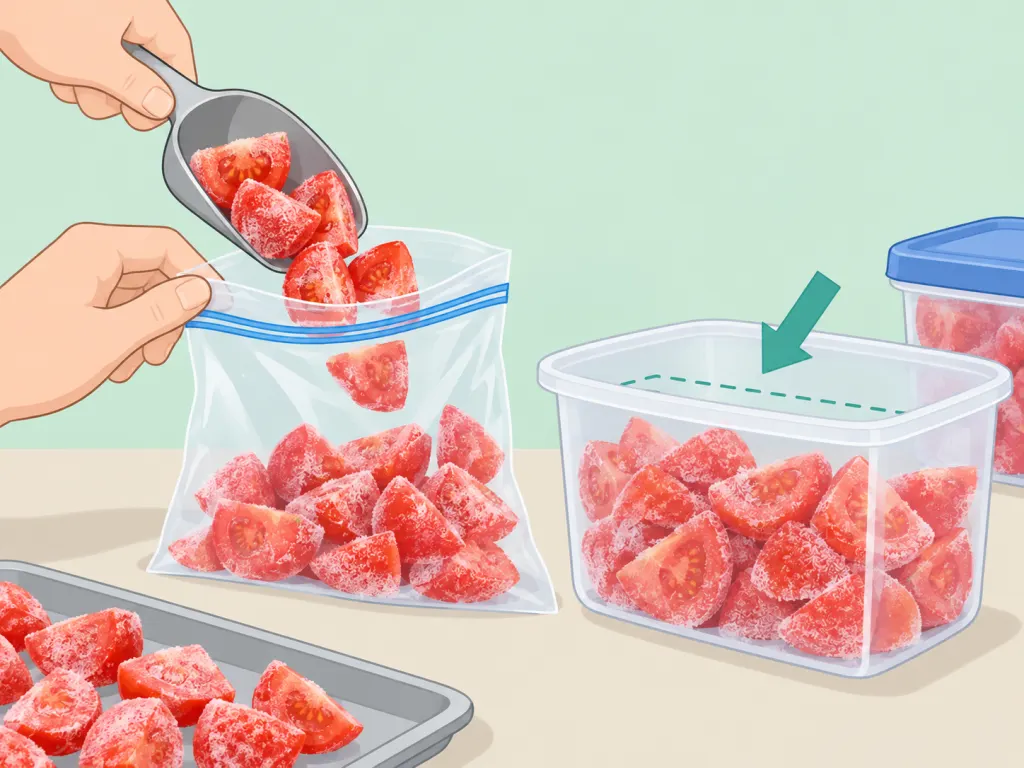
Use freezer bags or rigid freezer-safe containers, press extra air out of bags, and seal tightly. If you use containers, leave about 1 inch of headspace because tomatoes contain water and expand as they freeze; the NCHFP tomato freezing directions call for this space. The NCHFP also recommends packing foods tightly with as little air as possible.
Step 7: Label and freeze the packages promptly
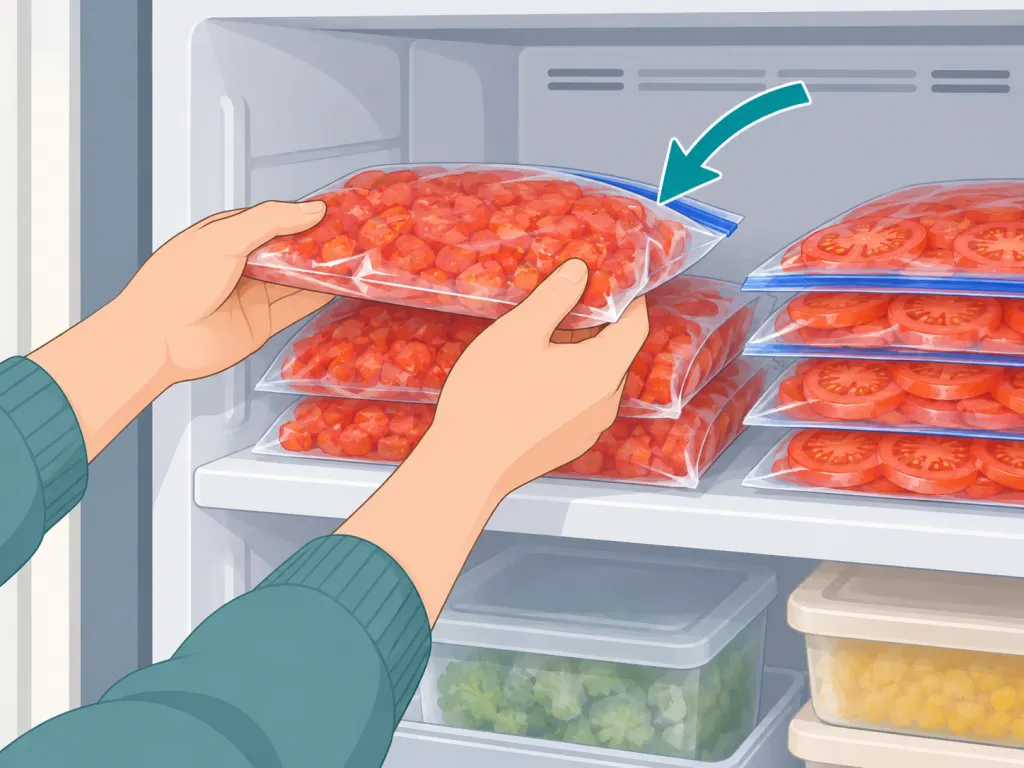
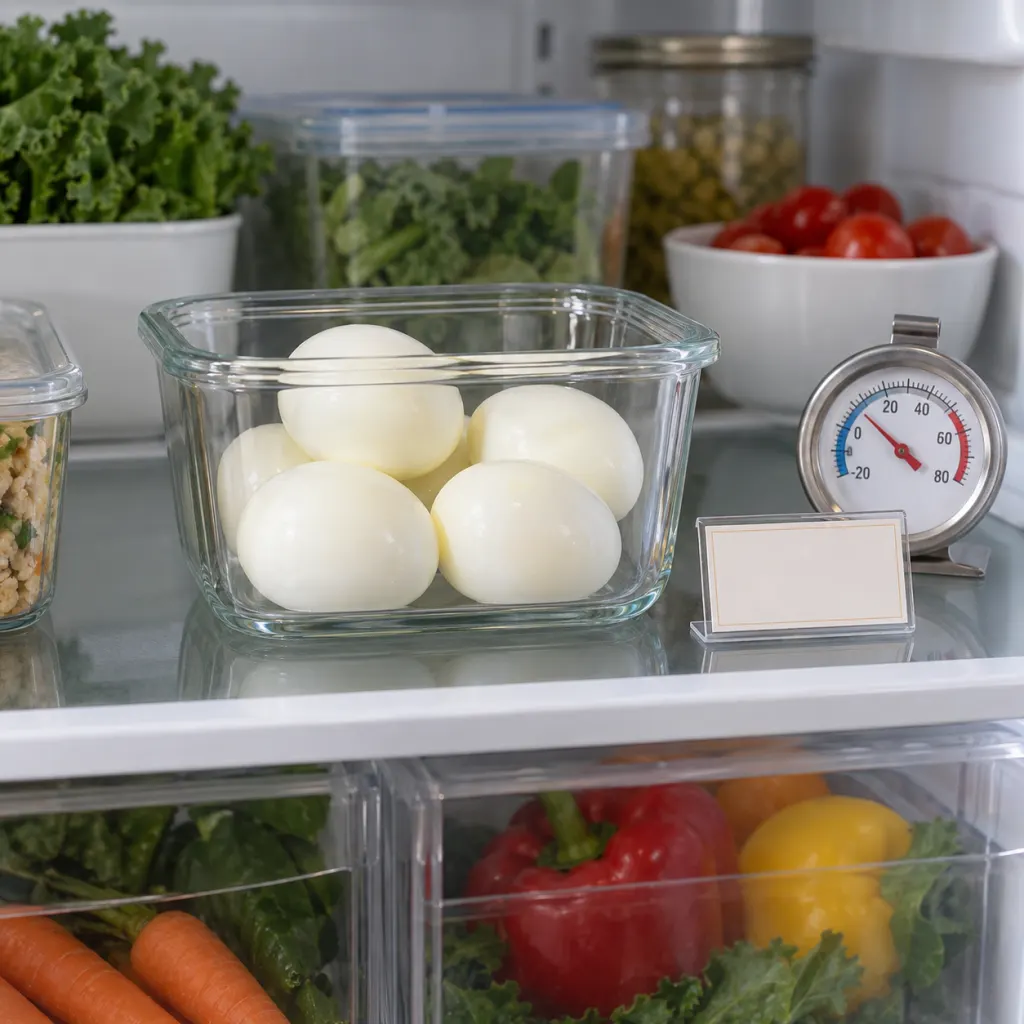
Write the contents, date, and amount on each package before it goes into the freezer. Labeling is part of the NCHFP packaging guidance, and it helps you use the oldest tomatoes first. Keep the freezer at 0 degrees F or colder for long-term frozen storage, as USDA FSIS recommends.
Step 8: Use frozen tomatoes in cooked dishes
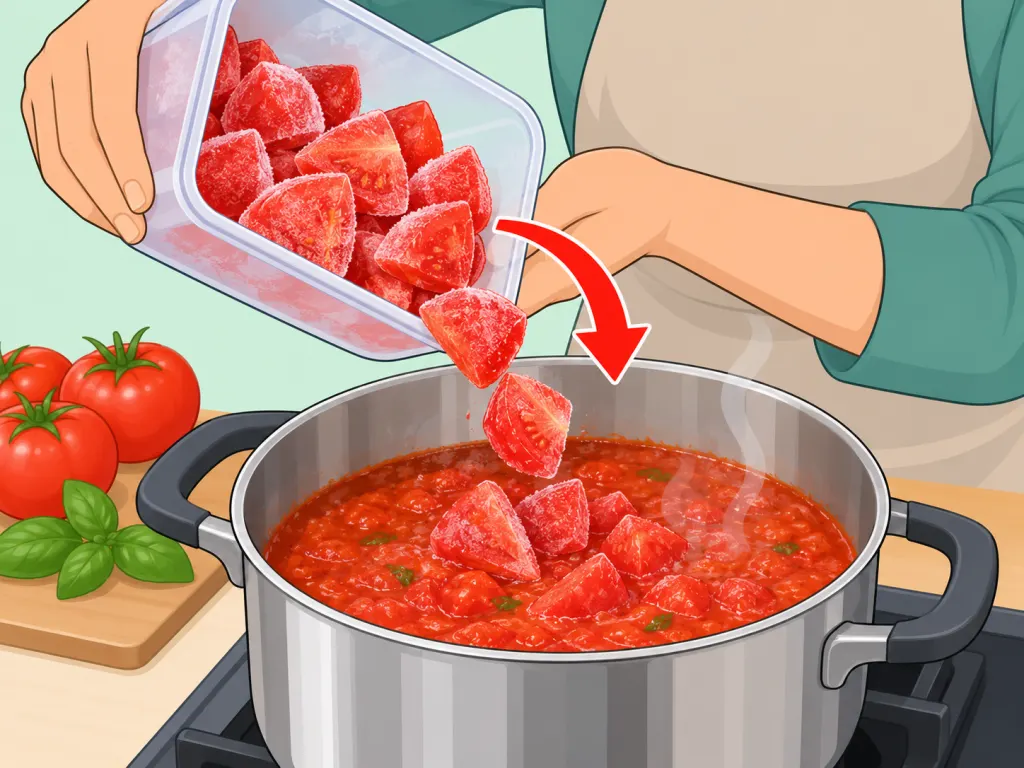
Add frozen tomatoes directly to soups, sauces, stews, chili, or braises, or thaw them in the refrigerator if you need to drain them first. The NCHFP notes that thawed tomatoes will not be firm, and University of Minnesota Extension explains that frozen tomatoes become mushy and watery after thawing. For safe thawing, use the refrigerator, cold running water, the microwave before immediate cooking, or cook from frozen, as described by the NCHFP thawing guidance.
Wrap-Up
The bottom line: freeze clean, firm, ripe tomatoes in practical portions, leave room for expansion, and use them where their softer texture works well. For the best quality, keep them tightly sealed and use the oldest packages first.
Frequently Asked Questions
- → Can you freeze tomatoes whole?
- Yes. The National Center for Home Food Preservation says tomatoes can be frozen whole or in pieces after washing, loosening the skins, coring, and peeling them. Whole tomatoes are best saved for cooked dishes.
- → Do tomatoes need to be peeled before freezing?
- Peeling is the standard recommended method for raw tomatoes because a short dip in boiling water loosens the skin. If you leave skins on for convenience, expect to remove loose skins later or blend the tomatoes into sauces.
- → How long do frozen tomatoes keep their best quality?
- For best quality, use frozen fruits and vegetables within about 8 to 12 months, according to University of Minnesota Extension. Packages kept longer may still be usable if continuously frozen, but flavor and texture can decline.
- → Can frozen tomatoes be used in salad?
- They are not a good choice for fresh salads or sandwiches. Freezing makes tomatoes soft and watery after thawing, so they work better in cooked dishes like sauce, soup, chili, and stew.
- → Can you freeze cherry tomatoes?
- Yes. Wash and dry cherry tomatoes, remove any damaged ones, then tray-freeze them before packing so they stay loose. They will soften after thawing, just like larger tomatoes.
- → Can you freeze tomato sauce instead of raw tomatoes?
- Yes. Cooked tomatoes, tomato juice, and stewed tomatoes can be frozen in freezer-safe containers with headspace. Freezing sauce in meal-size portions is often more convenient if you already know how you plan to use the tomatoes.
References
This content was developed and refined using reliable sources.
- https://nchfp.uga.edu/how/freeze/vegetable/freezing-tomatoes
- https://nchfp.uga.edu/how/freeze/freeze-general-information/packaging-and-labeling-foods
- https://nchfp.uga.edu/how/freeze/freeze-general-information/thawing-and-preparing-foods-for-serving
- https://extension.umn.edu/food/preparing/cooking-at-home/food-preservation/freezing
- https://www.fda.gov/food/buy-store-serve-safe-food/selecting-and-serving-produce-safely
- https://www.fsis.usda.gov/food-safety/safe-food-handling-and-preparation/food-safety-basics/freezing-and-food-safety