 Save
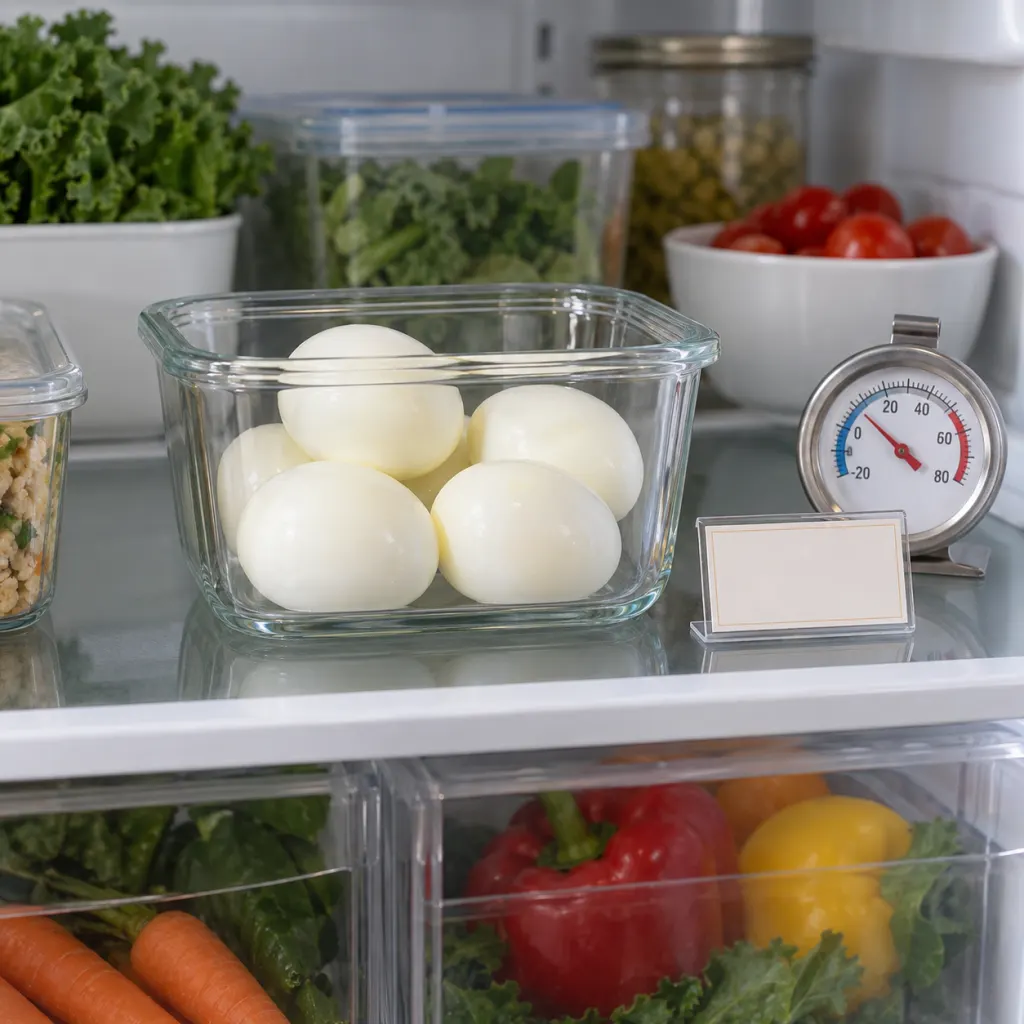
Hard-boiled eggs last up to one week in the fridge when they are cooled and refrigerated promptly. That seven-day window applies whether the eggs are peeled or left in their shells, according to FDA egg-safety guidance and the federal cold food storage chart. The key details are simple: refrigerate cooked eggs within two hours, keep the refrigerator at 40°F or below, store eggs in a clean covered container, and label the day you cooked them so the deadline is not a guess.
The Short Answer: Plan on One Week
If you made hard-boiled eggs on Monday, use them by the following Monday. The FDA says hard-cooked eggs, peeled or unpeeled, should be used within one week after cooking when stored in a refrigerator at 40°F or below: FDA egg safety guidance. FoodSafety.gov lists the same refrigerator time for hard-cooked eggs and notes that they do not freeze well: FoodSafety.gov cold food storage chart. That makes the rule easy to remember, but it is not a permission slip to ignore handling. The clock starts after cooking, and it only works if the eggs are kept cold.
Start the Seven-Day Clock on Cooking Day
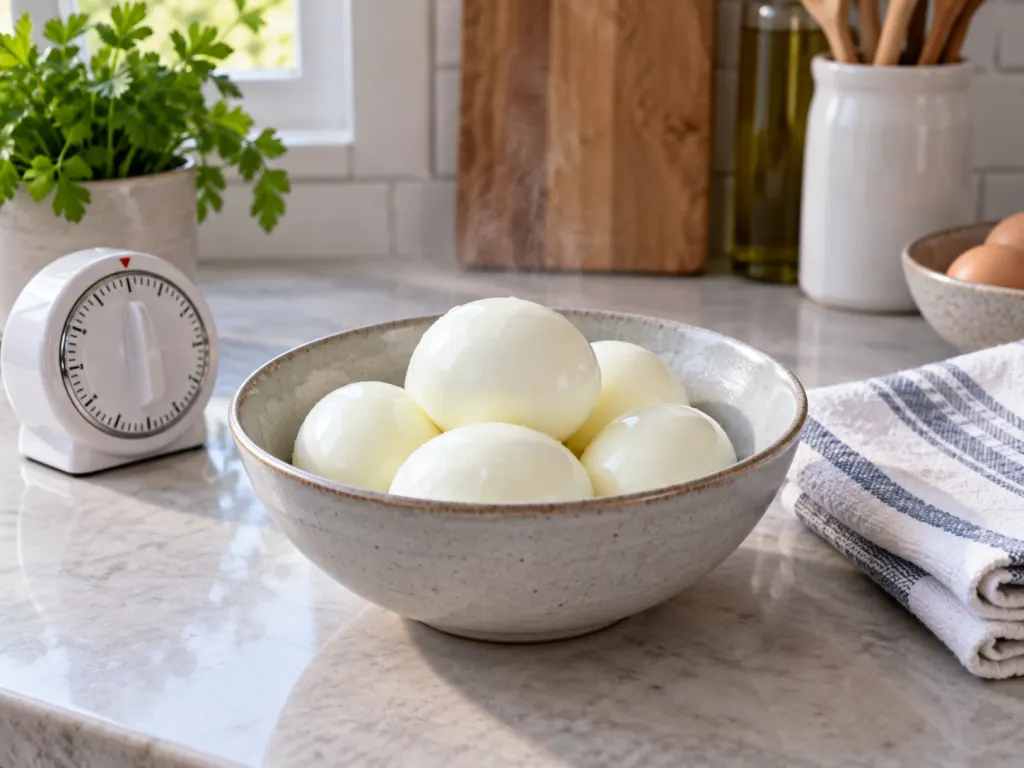
The safest habit is to label the storage container with the date the eggs were boiled, not the date you peeled them or packed them for lunch. If you cook a batch on Sunday night and peel two on Wednesday, those peeled eggs still belong to the same Sunday batch. They do not get a fresh week just because the shell came off later. This matters for meal prep, because hard-boiled eggs often get moved from pot to bowl to lunch box. A small date label removes the mental math and prevents older eggs from lingering at the back of the fridge.
A useful batch routine looks like this:
- Cool the cooked eggs promptly after boiling.
- Refrigerate them within two hours after cooking.
- Store them in a clean, covered container rather than the raw-egg carton.
- Write the cook date or discard date on the lid.
- Keep them in the refrigerator body, not in the door where temperatures fluctuate more.
Peeled and Unpeeled Eggs Have the Same Safety Window
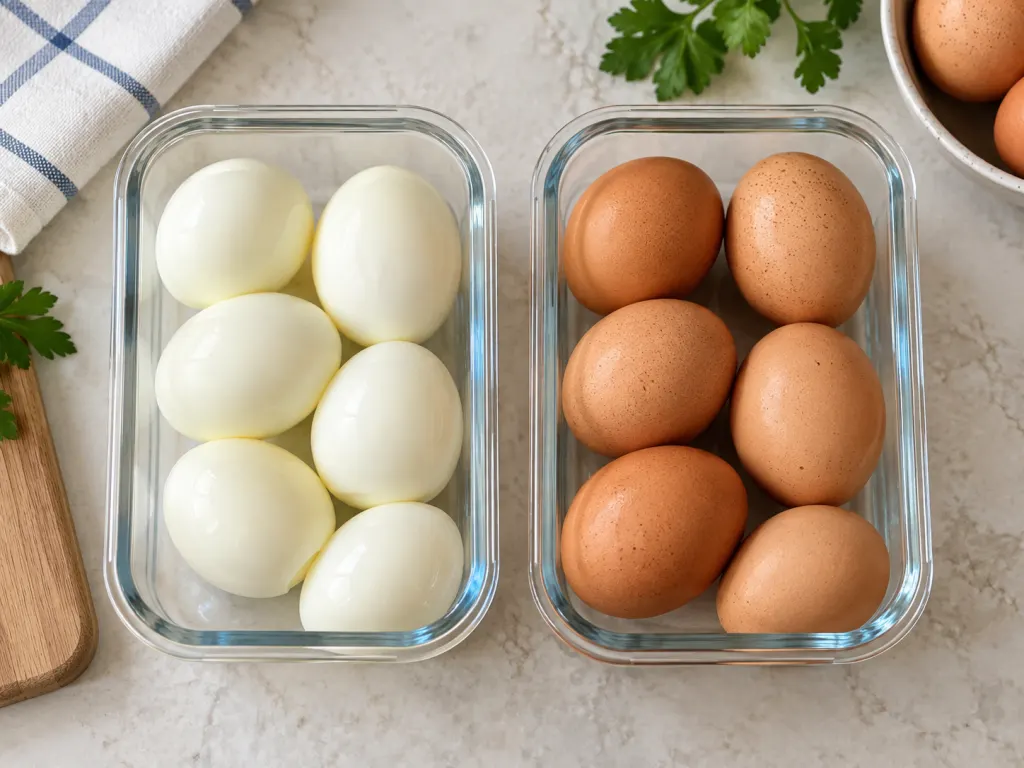
For home storage, the one-week limit applies to both peeled and unpeeled hard-boiled eggs. The difference is mostly quality and convenience. Eggs left in the shell are usually less exposed to refrigerator odors and drying. Peeled eggs are easier to grab for breakfast, salads, or lunch boxes, but they need a little more protection from air and handling. Store peeled eggs in a covered food container. If you like, you can place a clean, slightly damp paper towel over them to limit surface drying, then replace that towel if it becomes wet or soiled.
Why Hard-Boiled Eggs Need More Care Than Raw Eggs
Raw shell eggs can last several weeks in the refrigerator, but hard-boiled eggs have a much shorter storage life. Cooking changes the egg and can make the shell easier for moisture and bacteria to interact with after the egg cools. That is why federal storage charts give raw eggs in the shell a longer refrigerator window, while hard-cooked eggs get one week: FoodSafety.gov cold food storage chart. The practical takeaway is not that hard-boiled eggs are fragile; it is that they are ready-to-eat food. Once cooked, they should be handled with the same attention you would give other refrigerated leftovers.
The Two-Hour Rule Still Applies
Hard-boiled eggs should not sit out on the counter all afternoon. The FDA advises that cooked eggs and egg-containing foods should not be left out of the refrigerator for more than two hours, or more than one hour when the temperature is above 90°F: FDA egg safety guidance. CDC guidance for egg-linked Salmonella outbreaks gives the same chilling habit for perishable foods: refrigerate within two hours, or within one hour in hot conditions: CDC Salmonella and eggs guidance. For picnics, lunch boxes, and holiday gatherings, that means eggs need a cooler, ice pack, or a short time on the table.
Where to Put Them in the Refrigerator
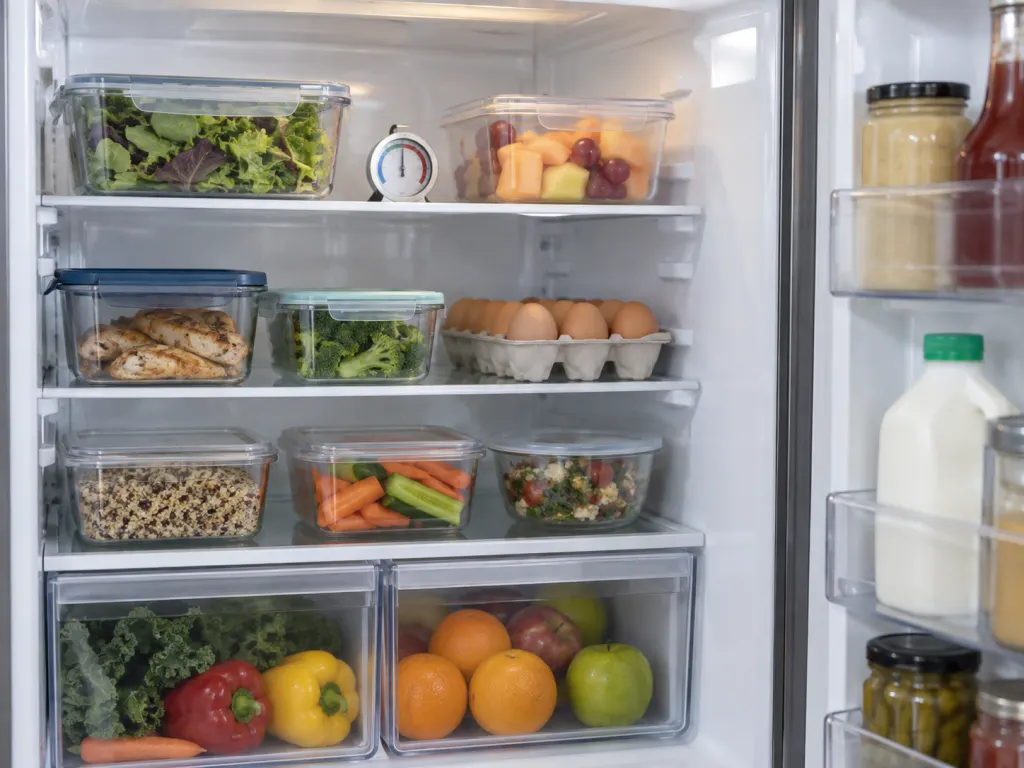
Choose a cold, steady spot in the refrigerator rather than the door. The FDA recommends keeping refrigerated foods covered and storing eggs inside the refrigerator instead of in the door, where the temperature tends to be warmer: FDA food storage guidance. This matters more than many people realize, because hard-boiled eggs are often packed in small containers that get shuffled around. Keep the container closed, avoid crowding the fridge so air can circulate, and use a refrigerator thermometer if you are not sure the appliance is staying at or below 40°F.
How to Tell When a Hard-Boiled Egg Should Be Discarded
Dates are the first check, but they are not the only check. Discard hard-boiled eggs that are past the one-week mark, were left out too long, have a sour or unpleasant odor, feel slimy, show mold, or look unusually discolored after peeling. A green ring around the yolk is different; it is usually a quality change linked to cooking time and minerals, not an automatic sign that the egg is unsafe. Still, if the egg smells wrong or the storage history is uncertain, do not try to rescue it. A low-cost egg is not worth gambling on a questionable container.
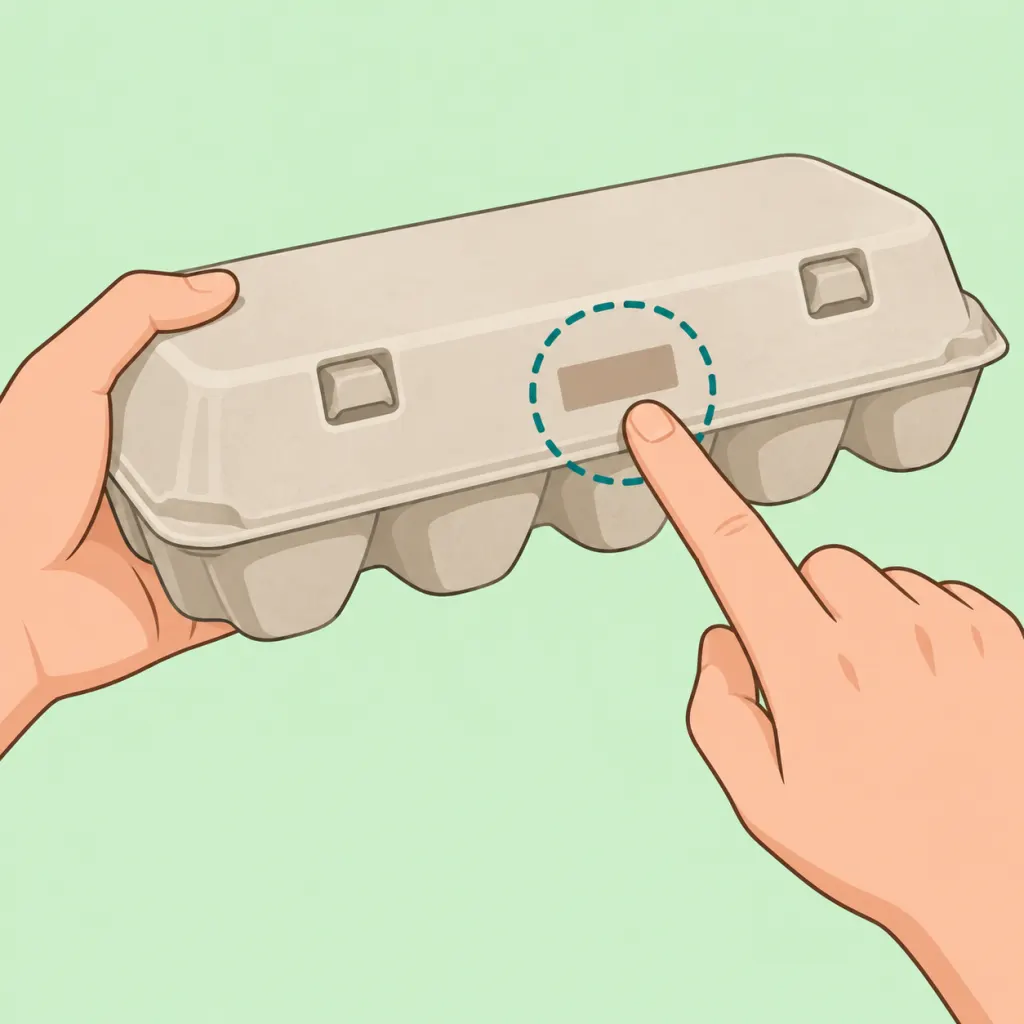
Do Not Put Cooked Eggs Back in the Raw Carton
It can be tempting to return cooked eggs to the original carton, especially if the shells are still on. A cleaner approach is to use a separate container for cooked eggs. University of Illinois Extension advises storing hard-boiled eggs, shelled or peeled, in the refrigerator for one week and labeling a clean container with the boil date or discard date: Illinois Extension egg safety tips. A separate container also prevents confusion between raw and cooked eggs, which is especially helpful in busy kitchens where several people may be reaching into the fridge.
Lunch Boxes, Picnics, and Packed Breakfasts
Hard-boiled eggs are popular because they travel well, but they are still perishable. If you pack one for work or school, add a frozen gel pack or keep the lunch in a refrigerator when possible. For outdoor meals, put eggs in a cooler and return extras to the cooler promptly instead of letting a platter sit in the sun. If eggs have been outside the safe time window, discard them rather than putting them back in the refrigerator. Cooling a food again does not undo time spent warm.
What About Egg Salad or Deviled Eggs?
Once hard-boiled eggs are mixed with other ingredients, the storage question changes. Egg salad is usually treated as a prepared salad, not as plain hard-boiled eggs. FoodSafety.gov lists egg salad with other refrigerated salads at three to four days: FoodSafety.gov cold food storage chart. Deviled eggs should be handled like a perishable egg dish: keep them cold, serve small amounts at a time, and refrigerate leftovers promptly. When in doubt, use the shorter storage time for the combined dish, not the longer time for a plain cooked egg.
Can You Freeze Hard-Boiled Eggs?
Freezing is not a good solution for whole hard-boiled eggs. FoodSafety.gov lists hard-cooked eggs as a food that should not be frozen, mainly because the texture suffers and the result is not pleasant to eat. If you need eggs for future cooking, freezing raw beaten eggs is a different method, but that is not the same as freezing a finished hard-boiled egg. For meal prep, the better plan is smaller batches. Boil enough eggs for the next few days rather than making so many that you are racing the one-week deadline.
A Simple Storage Plan for Meal Prep
For most households, six to twelve eggs at a time is easier to manage than a large batch. Cook them, cool them, dry the shells if they are wet, and move them to a clean covered container. Put the discard date on tape or a washable label. If you peel some ahead, keep peeled and unpeeled eggs separated so the peeled ones are not handled repeatedly. Place the container where it is easy to see. The best food-safety system is not fancy; it is visible, repeatable, and realistic on a busy morning.
When Food Safety Matters More Than Stretching the Batch
Some readers are feeding young children, older relatives, or people with immune-system concerns. For those households, careful refrigeration and clear discard dates matter even more. The CDC notes that some people are more likely to have severe illness from Salmonella, including children younger than five, adults 65 and older, and people with weakened immune systems: CDC Salmonella and eggs guidance. That does not mean hard-boiled eggs need to be avoided; it means the storage basics should be followed without stretching the timeline.
Bottom Line
Hard-boiled eggs are a smart refrigerator staple when the storage routine is clear. Use them within one week, keep them cold, store them covered, and label the date. Peeled eggs are convenient but need clean, covered storage. Unpeeled eggs may keep better quality, but they still share the same one-week limit. If the eggs sat out too long, smell off, feel slimy, or have an uncertain history, discard them. The simplest rule is also the most useful: boil what you can use in seven days, and make the date easy to see.
Wrap-Up
Hard-boiled eggs last up to one week in the refrigerator when stored at 40°F or below. Refrigerate them within two hours after cooking, use a clean covered container, label the cook date, and keep them in the main refrigerator compartment. Peeled and unpeeled eggs have the same one-week safety window, though unpeeled eggs often hold quality better. Egg salad and similar prepared dishes usually have a shorter three- to four-day storage window.
Frequently Asked Questions
- → Do peeled hard-boiled eggs last as long as unpeeled ones?
For safety guidance, yes. Peeled and unpeeled hard-boiled eggs should both be used within one week when refrigerated properly. For quality, unpeeled eggs often hold moisture and avoid odors better, while peeled eggs need a clean covered container.
- → Can I eat hard-boiled eggs after seven days if they smell fine?
It is better to discard them after one week. Smell and appearance are helpful checks, but they are not a reliable way to prove a ready-to-eat food is still suitable. The one-week date is the simpler and safer household rule.
- → How long can hard-boiled eggs sit out?
Keep hard-boiled eggs out of the refrigerator for no more than two hours. If the surrounding temperature is above 90°F, shorten that to one hour. After that window, discard them rather than chilling them again.
- → Should hard-boiled eggs be stored in water?
They do not need to be stored in water. A clean, covered container works well. If peeled eggs tend to dry out, a clean slightly damp paper towel can help protect the surface, but replace it if it becomes wet or soiled.
- → How long does egg salad last if I make it with hard-boiled eggs?
Egg salad is a prepared salad, so use the shorter storage window: about three to four days in the refrigerator. Keep it covered, cold, and out of the refrigerator only briefly while serving.
References
This content was developed and refined using reliable sources.
- https://www.fda.gov/food/buy-store-serve-safe-food/what-you-need-know-about-egg-safety
- https://akaprod-www.foodsafety.gov/food-safety-charts/cold-food-storage-charts
- https://www.fda.gov/consumers/consumer-updates/are-you-storing-food-safely
- https://www.cdc.gov/salmonella/outbreaks/eggs-06-25/index.html
- https://extension.illinois.edu/news-releases/eggcellent-food-safety-tips-keep-us-healthy
- https://extension.usu.edu/nutrition/research/food-safety-101