 Save
Pantry moths are usually a stored-food problem, not a sign that your kitchen is dirty. The key is to find the infested food, remove it completely, clean the storage area, and protect anything you keep. This guide walks you through the process without panic or unnecessary sprays.
Step 1: Confirm that you are dealing with pantry moths
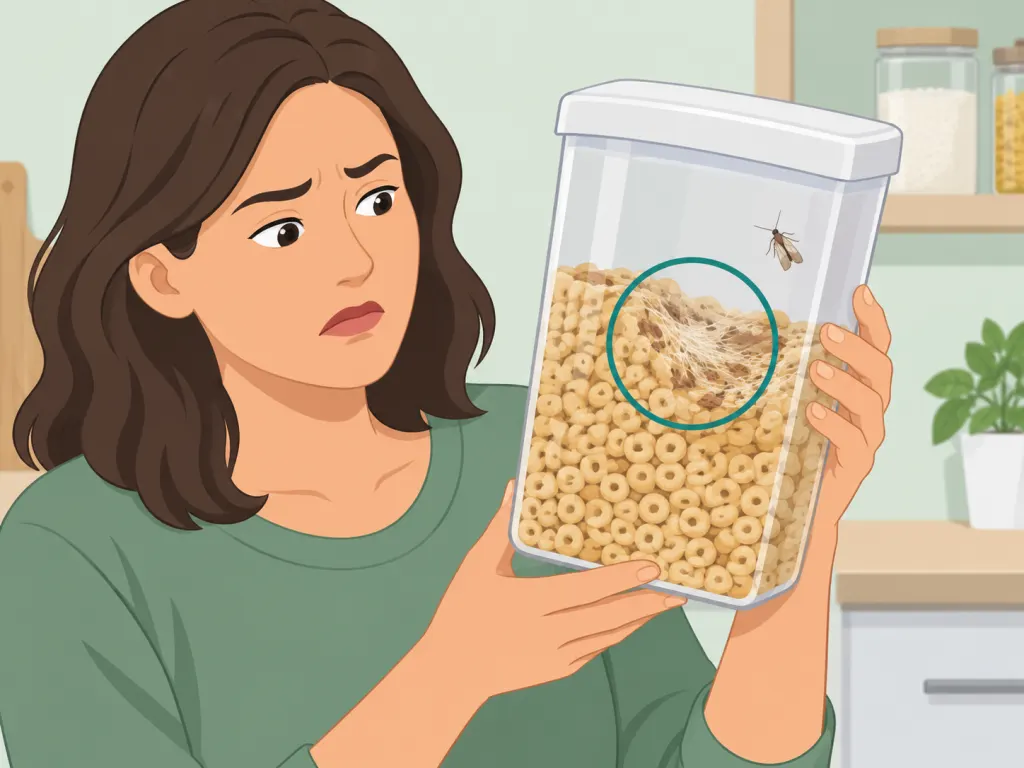
Look for small moths flying near cupboards, pale larvae, silk-like webbing, or clumped material in dry foods. Indianmeal moths are common stored-product pests, and their larvae often leave webbing in foods such as cereal, flour, grains, dried fruit, nuts, and pet food, according to University of Georgia Extension.
Step 2: Empty the pantry and inspect every dry item

Take out opened and unopened packages so you can check shelves, corners, box folds, and the top surface of foods. Pantry pests can get into paper, thin cardboard, plastic, foil, or cellophane packaging, and the University of Minnesota Extension recommends examining all susceptible foods once you find a stored-food problem.
Step 3: Seal and discard infested food
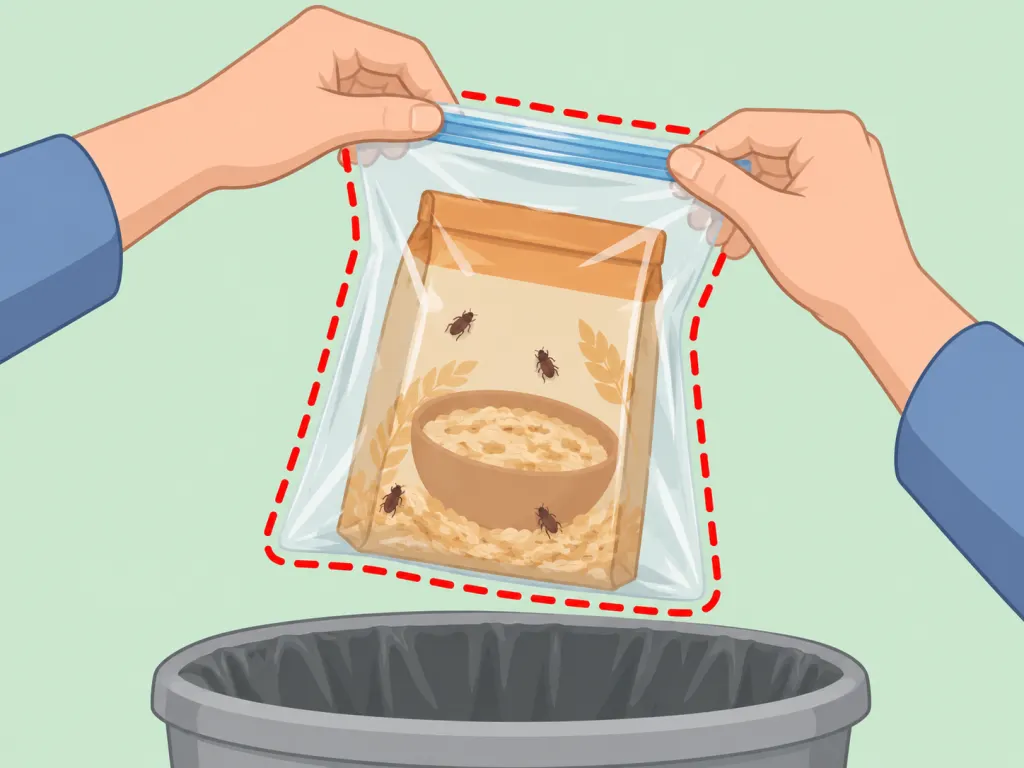
Throw away any food with larvae, moths, webbing, frass, or damaged packaging. Seal the item in a bag before putting it in the trash so insects do not spread on the way out; Penn State Extension lists disposal of infested food as a main control measure for Indianmeal moths.
Step 4: Vacuum shelves, cracks, and corners
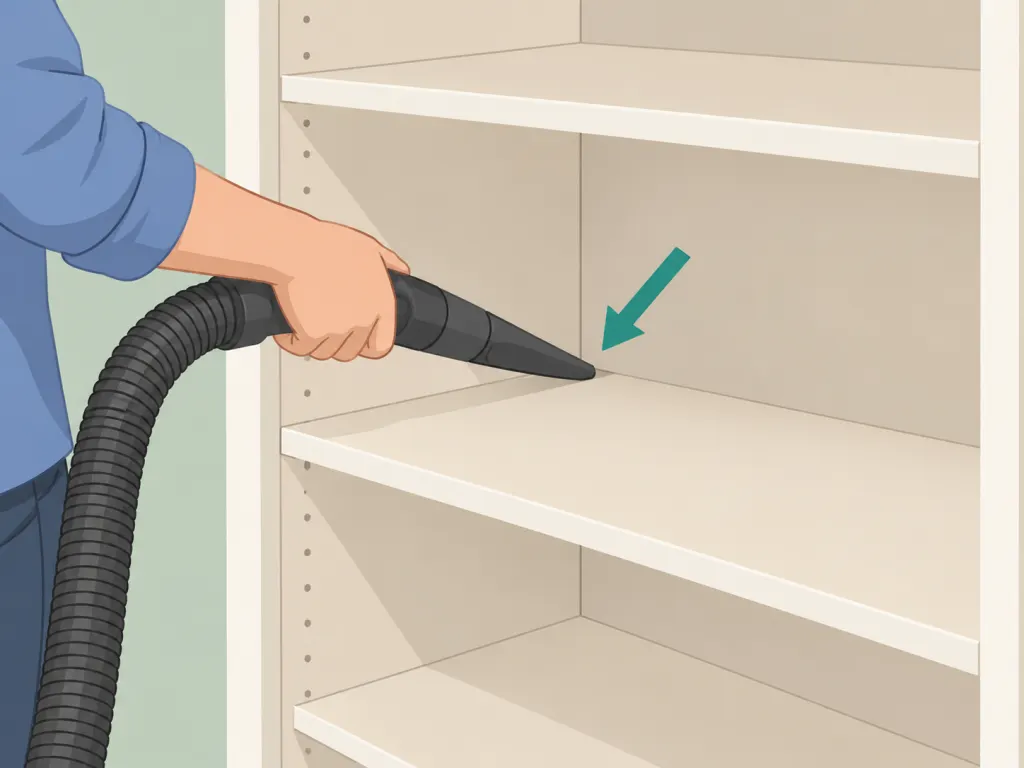
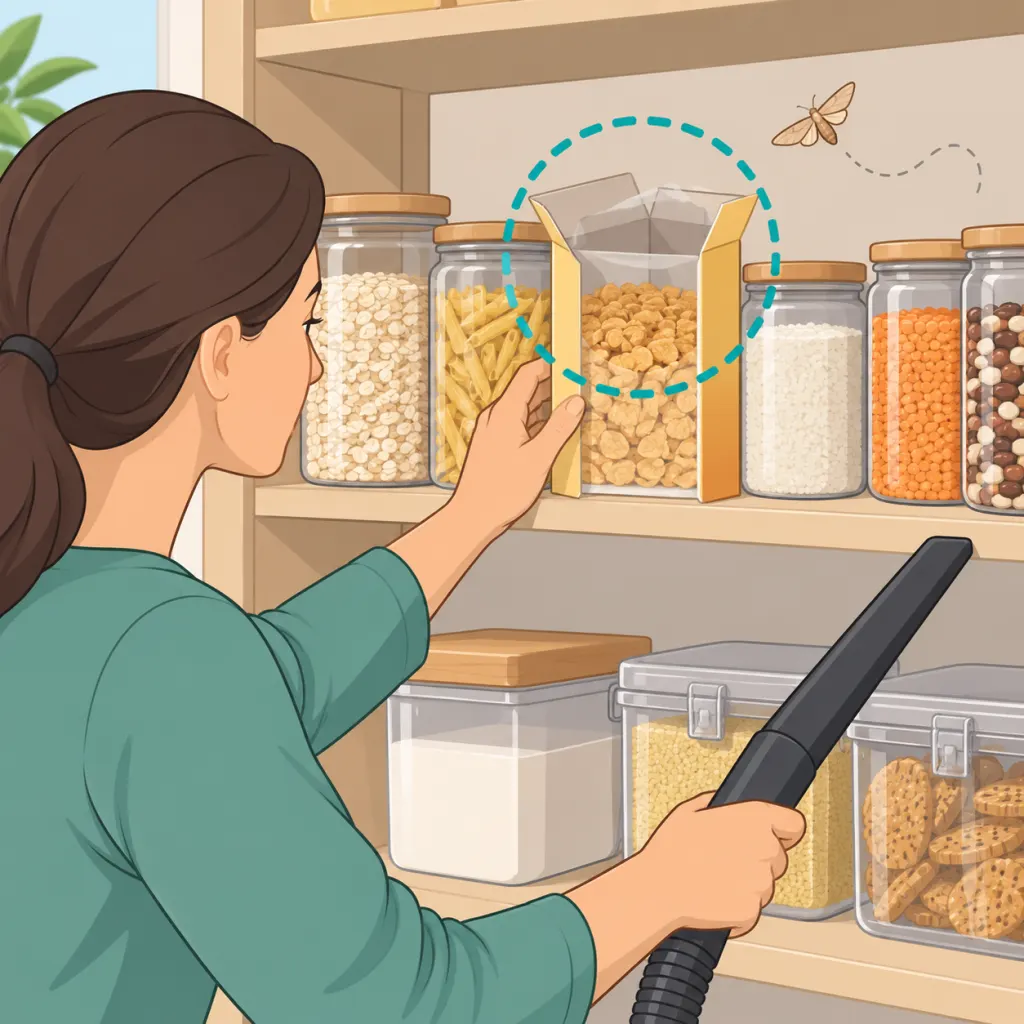
Use a vacuum crevice tool along shelf seams, peg holes, cabinet corners, drawer tracks, and the floor below the pantry. Vacuuming removes crawling insects, spilled food, and hidden material, and the University of Minnesota Extension advises emptying the vacuum or discarding the bag afterward to reduce reinfestation.
After vacuuming, wipe shelves and reusable containers with warm soapy water, then let everything dry before restocking. Washing is useful cleanup, but it does not replace source removal; Minnesota Extension notes that detergents, bleach, ammonia, or disinfectants will not keep pantry pests from returning if infested food remains.
Step 6: Freeze questionable dry goods you want to keep
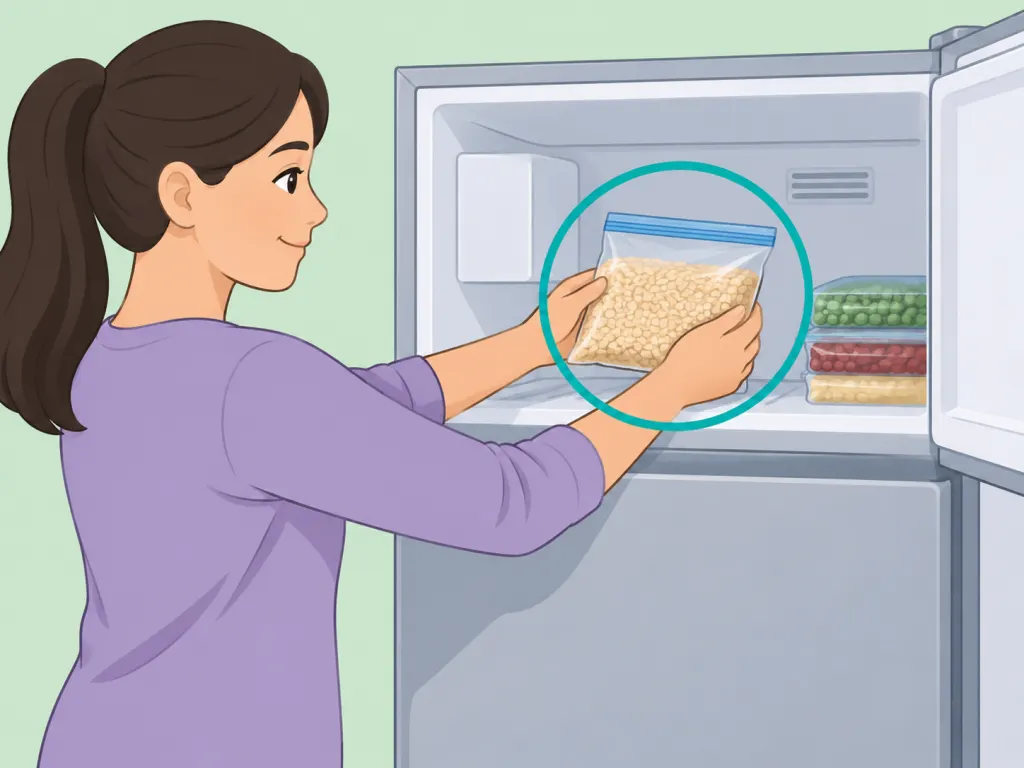
If a dry food shows no visible infestation but was stored near the problem area, place it in the freezer at 0°F for at least 4 days. This cold treatment is one method Minnesota Extension gives for older dry products when you are unsure whether hidden eggs or insects are present.
Step 7: Move pantry foods into tight containers
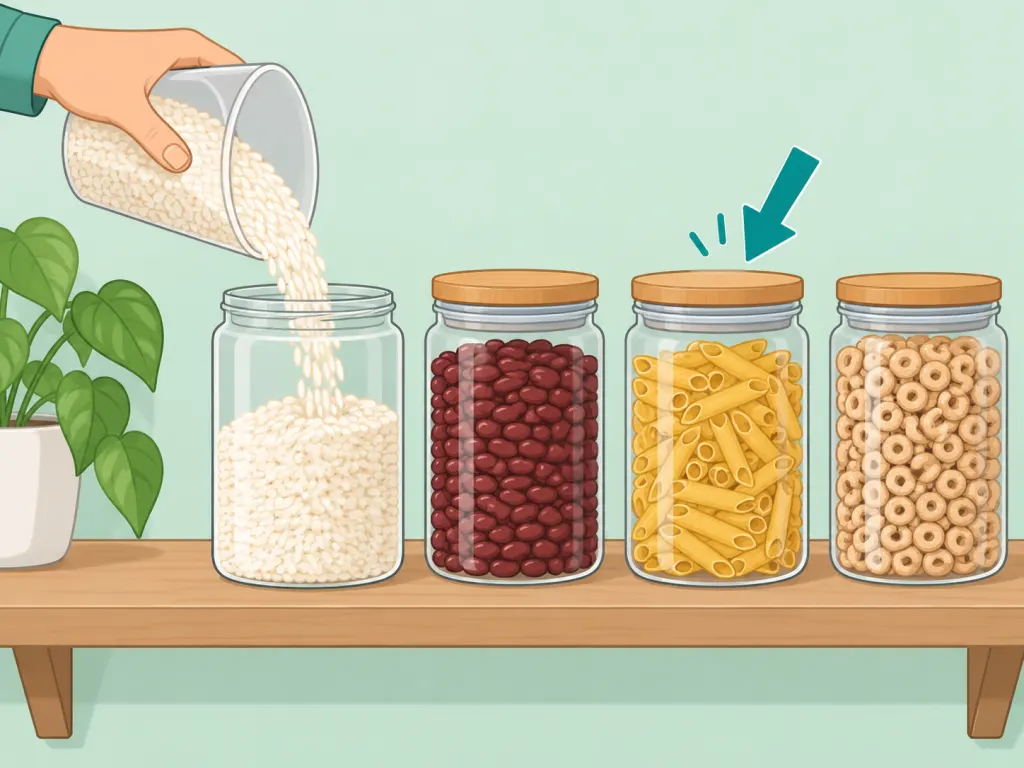
Store flour, cereal, rice, pasta, nuts, spices, dried fruit, pet food, and birdseed in glass, metal, or heavy plastic containers with tight lids. Utah State University Extension notes that Indianmeal moths feed in many stored food products, and the same guidance recommends pest-proof containers and regular food rotation.
Step 8: Avoid sprays near food and get help for pesticide accidents
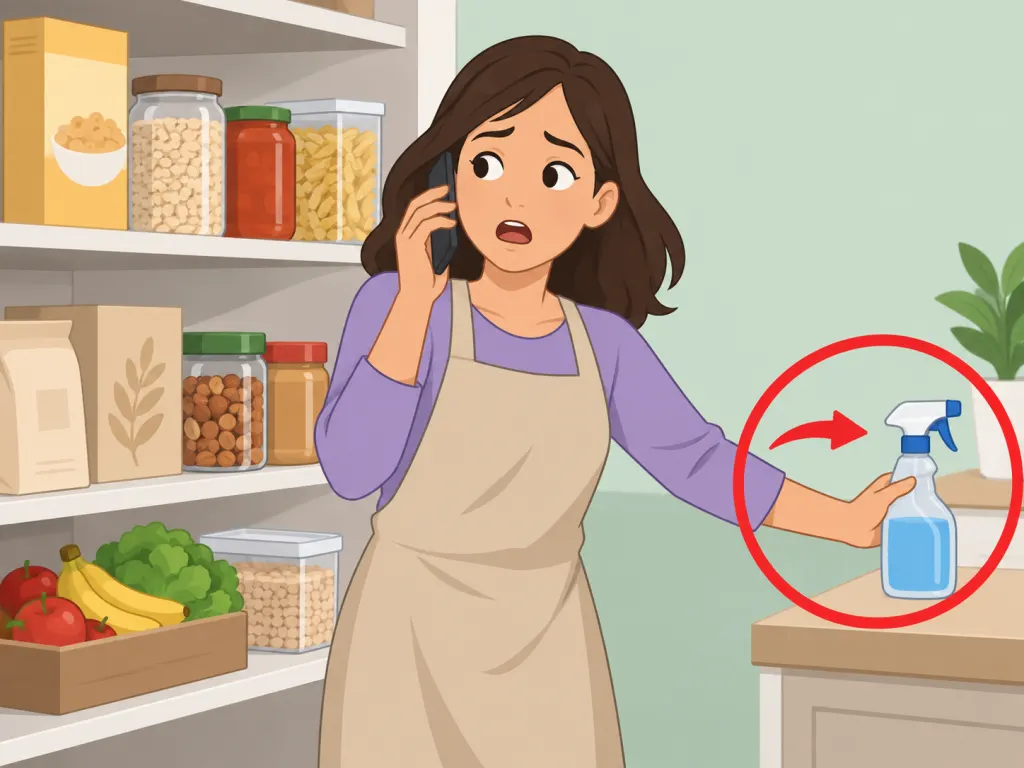
Do not spray pantry shelves or food packages to solve a moth problem. Minnesota Extension says insecticides are not recommended for stored-food cupboards, and the U.S. Environmental Protection Agency advises prevention first, using pesticides only as labeled; if a pesticide accident happens, follow the label and use the emergency guidance on the EPA pesticide safety page.
Step 9: Monitor the pantry for several weeks
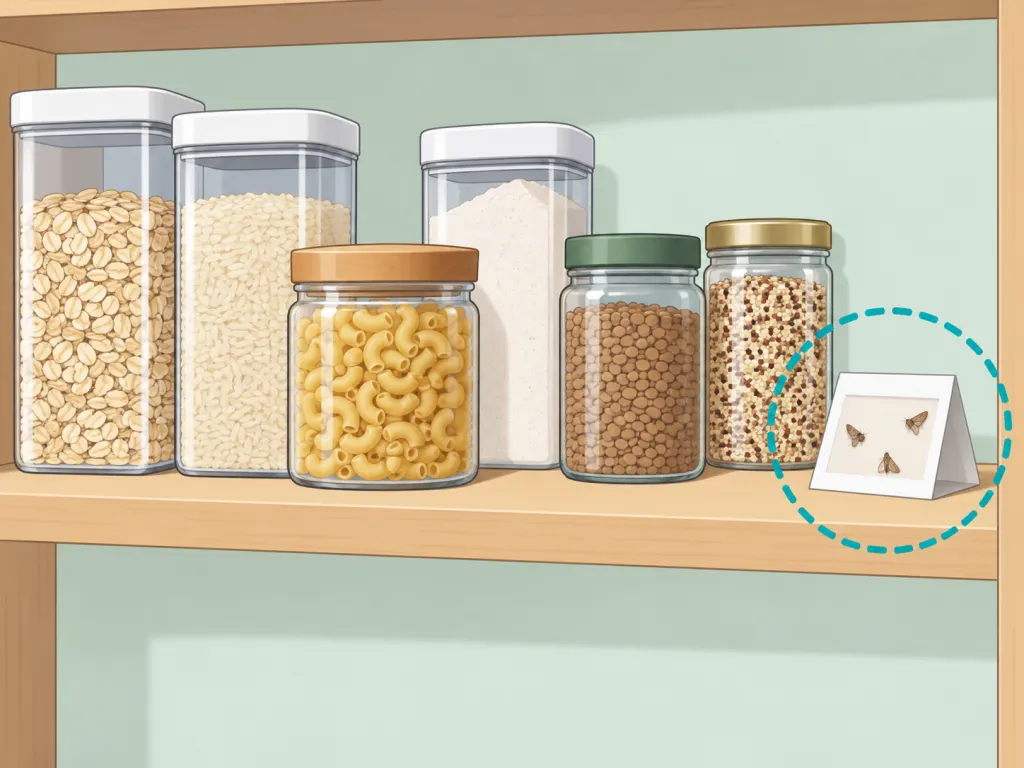
Use pantry moth pheromone traps as monitors, not as the whole solution, and keep checking overlooked foods if moths continue. Minnesota Extension notes that seeing Indianmeal moths for up to 3 weeks after disposal can happen, but ongoing activity after that usually means another infested source is still present.
Wrap-Up
The bottom line: pantry moth control works best when you remove the source, clean hidden crumbs and webbing, store dry foods in tight containers, and keep watching for activity for a few weeks.
Frequently Asked Questions
- → Are pantry moths the same as clothes moths?
- No. Pantry moths such as Indianmeal moths are linked to stored dry foods, while clothes moths are linked to fabrics and animal fibers. If you see moths near flour, cereal, grains, nuts, or pet food, start with the pantry.
- → Do pantry moths come from dirty cabinets?
- Not necessarily. University extension sources note that stored-food pests can arrive in packaged foods before they ever reach your kitchen. Spills and long storage give them more places to feed and hide.
- → Can I keep food that looks fine?
- You can keep food with no signs of insects, larvae, webbing, or package damage, but move it into tight glass, metal, or heavy plastic containers. If you are unsure about a dry item, freezing it at 0°F for at least 4 days can kill hidden stages.
- → Will bay leaves get rid of pantry moths?
- No reliable authority source supports bay leaves or gum as a way to remove pantry pests. Removing infested food, vacuuming, and sealing storage containers are the practical steps that matter.
- → Why do I still see moths after cleaning?
- Adult moths may still appear for a short time after the source is removed. If you keep seeing moths after about 3 weeks, recheck overlooked items such as pet food, birdseed, spices, dried fruit, and cardboard packaging.
- → Should I hire a pest control company?
- Most pantry moth problems can be solved by finding and removing the food source. Consider professional help if moths keep returning after repeated inspections or if you cannot locate the source in a shared or hard-to-access space.
References
This content was developed and refined using reliable sources.
- https://extension.umn.edu/garden-and-home/home-maintenance/household-insects/pantry-pests-insects-found-in-stored-food
- https://extension.uga.edu/publications/detail.html?number=B1378
- https://extension.usu.edu/planthealth/ipm/notes_nuisance/indian-meal-moth
- https://extension.psu.edu/common-urban-pests-identification-prevention-and-control
- https://www.epa.gov/safepestcontrol/dos-and-donts-pest-control
- https://www.epa.gov/pesticide-incidents/pesticide-safety-tips