 Save
The best things to do after 70 are simple, repeatable, and grounded in daily life: keep moving, build strength and balance, eat enough nourishing food, sleep on a steady rhythm, stay connected, keep learning, reduce fall hazards, keep up with routine care, and use technology in ways that make life easier. These habits cannot control every part of aging, but they can support energy, confidence, safety, and independence. The National Institute on Aging notes that exercise, food choices, sleep, regular medical care, and mental well-being are all within reach for many older adults and can support quality of life as people age https://www.nia.nih.gov/health/healthy-aging/what-do-we-know-about-healthy-aging.
1. Move Most Days, Even If the Sessions Are Short
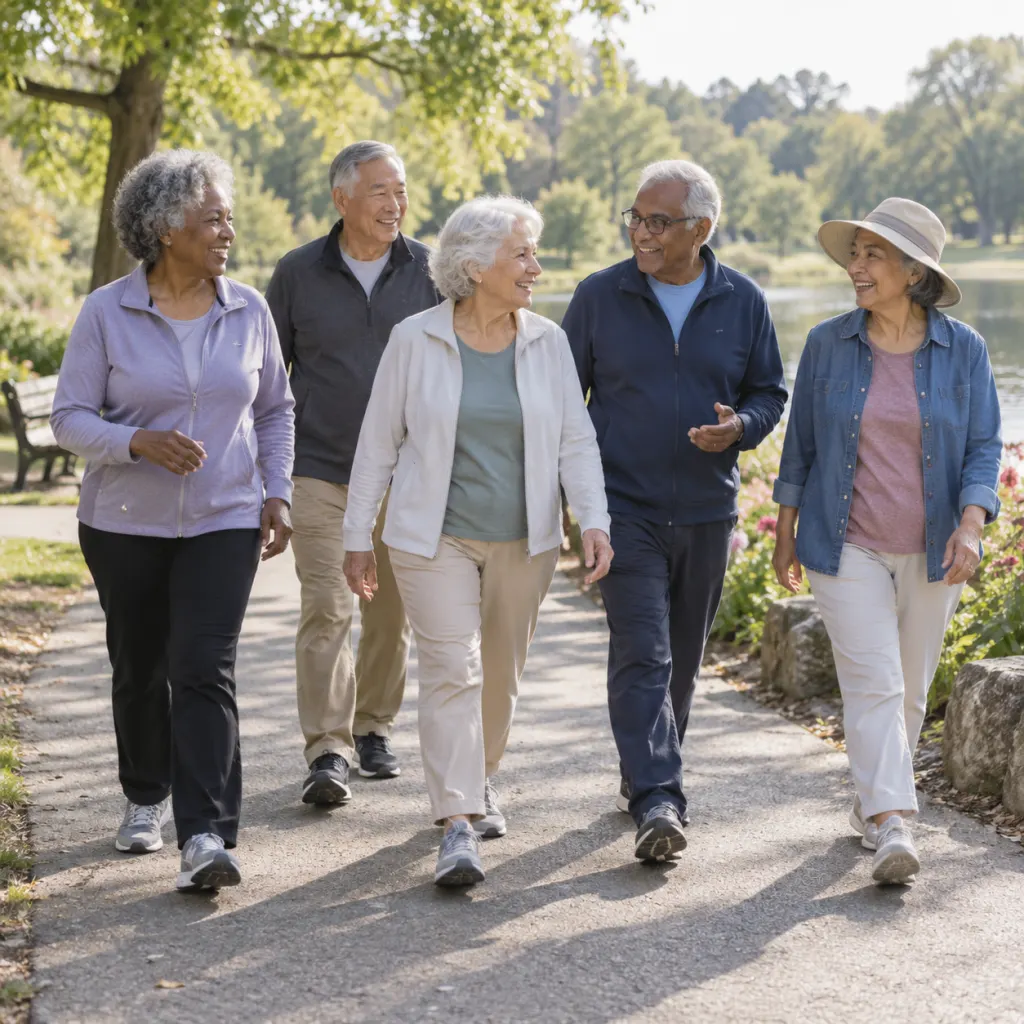
Movement after 70 does not have to look athletic to count. Walking to the mailbox, gardening, water aerobics, light cycling, dancing in the kitchen, and active errands can all become part of a useful weekly rhythm. CDC guidance for adults 65 and older recommends a mix of aerobic activity, muscle-strengthening activity, and balance activity, with 150 minutes of moderate aerobic activity as one common weekly target when ability and health allow https://www.cdc.gov/physical-activity-basics/guidelines/older-adults.html?linkId=883798815. The practical point is consistency: a comfortable 10-minute walk after breakfast can be more realistic than a dramatic plan that disappears by Friday.
A helpful weekly pattern can be built from ordinary pieces:
- Choose one steady activity you enjoy, such as walking, swimming, cycling, or dancing.
- Add two days of gentle strengthening for legs, hips, back, chest, shoulders, arms, and abdomen.
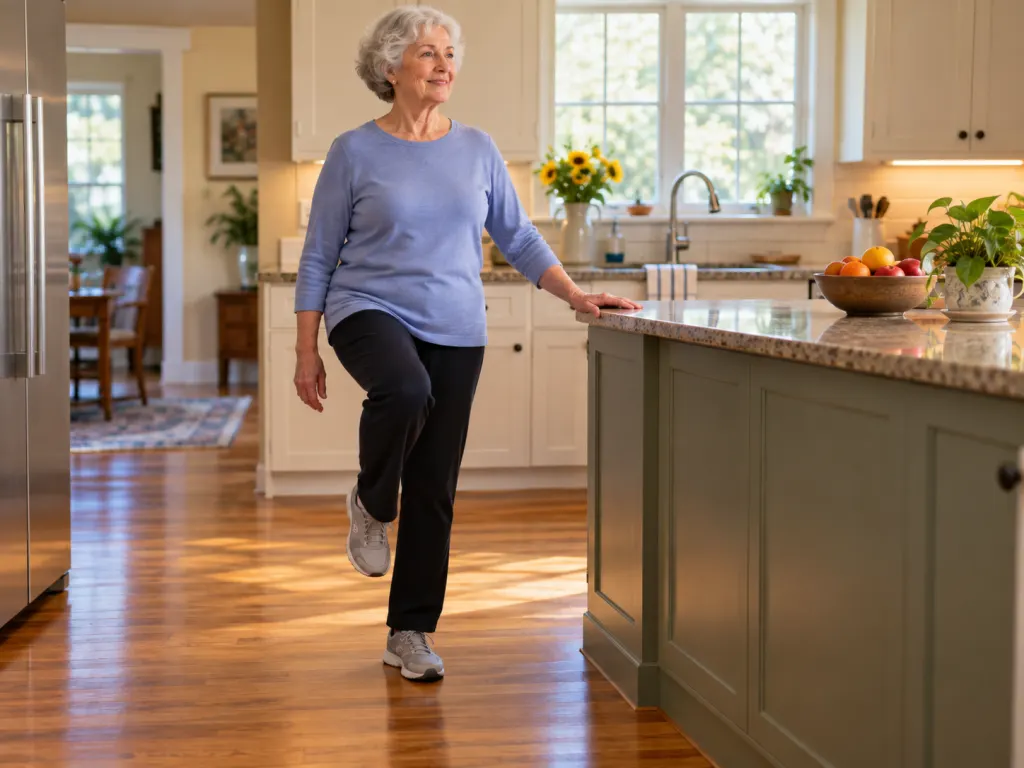
- Practice balance in a safe setting, such as heel-to-toe walking near a counter or standing from a chair with control.
- Spread activity across the week so no single day has to carry the whole plan.
- Adjust intensity to your body, energy, and medical history, especially if you are returning after a long break.
2. Treat Strength and Balance as Everyday Skills
Strength and balance are not only gym goals. They are the skills behind rising from a low chair, stepping onto a curb, carrying groceries, catching yourself on uneven ground, and moving through a crowded room without feeling fragile. CDC explains that older adults need muscle-strengthening activities at least two days each week and balance activities as part of a well-rounded activity pattern https://www.cdc.gov/physical-activity-basics/adding-older-adults/what-counts.html. That can mean resistance bands, light weights, body-weight movements, garden work, yoga postures, or supervised classes. The safest plan is the one you can repeat with good form and no rush.
3. Build Meals Around Nutrients, Not Restriction
Many people need fewer calories as they age, but they still need enough nutrients, fluids, and satisfying meals. MedlinePlus explains that some older adults need more protein and that healthy eating can become harder because of changes in appetite, taste, income, living situation, chewing, swallowing, or the energy needed to shop and cook https://www.medlineplus.gov/nutritionforolderadults.html. A strong plate after 70 usually has color, texture, protein, fiber-rich foods, and something enjoyable enough that it actually gets eaten. Think beans with vegetables, eggs with whole-grain toast, fish with greens, yogurt with fruit, lentil soup, or leftovers remade into a warm bowl.

4. Protect Sleep Like a Daily Appointment
Sleep often becomes lighter with age, but that does not make it unimportant. The National Institute on Aging reports that older adults generally need the same seven to nine hours of sleep as other adults, even though pain, illness, stress, bathroom trips, and disrupted routines can make nights more difficult https://www.nia.nih.gov/health/healthy-aging/what-do-we-know-about-healthy-aging. A regular wake time, morning light, daytime movement, a calmer evening routine, and less late-day caffeine can all make sleep more predictable. If poor sleep becomes a pattern, it is worth discussing because daytime sleepiness can affect attention, mood, and steadiness.
5. Keep Friendships and Community on the Calendar
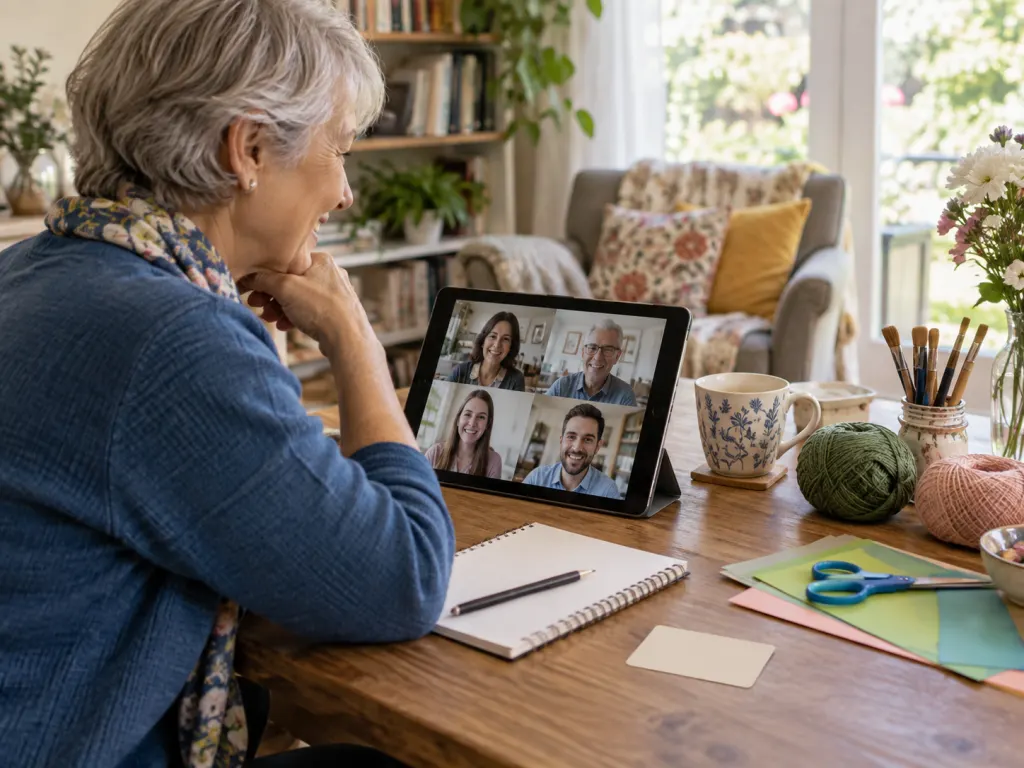
Social connection is not a decorative extra in later life. It is part of well-being. NIA describes loneliness as the distress of feeling alone and social isolation as having few regular contacts; both can become more common when health, mobility, hearing, vision, memory, or bereavement changes daily routines https://www.nia.nih.gov/health/healthy-aging/what-do-we-know-about-healthy-aging. After 70, connection often needs a little structure: a Tuesday call, a library group, a standing lunch, a walking partner, a faith community, a volunteer shift, or a neighborly check-in. The goal is not to be busy every hour. It is to have enough reliable contact that life does not shrink without anyone noticing.
6. Keep Learning Something That Has a Little Friction
Learning after 70 works best when it is interesting enough to pull you forward and challenging enough to ask for effort. That might be quilting, digital photography, a language app, a musical instrument, local history, chess, cooking skills, memoir writing, or a class at a senior center. NIA describes cognitive health as the ability to think, learn, and remember clearly, and notes that lifestyle and environmental factors can be changed or managed in ways that support brain function https://www.nia.nih.gov/health/brain-health/cognitive-health-and-older-adults. The key is active engagement. Watching a tutorial is useful; practicing, making mistakes, and trying again is where the habit becomes stronger.
7. Make the Home Easier to Move Through
Aging better after 70 often means removing small obstacles before they become big interruptions. The CDC advises older adults and caregivers to look at fall risk, strength and balance, vision, and home hazards such as poor lighting, loose trip hazards, missing railings, and bathrooms without secure supports https://www.cdc.gov/falls/prevention/index.html. A safer home does not have to feel clinical. It can look like brighter bulbs in hallways, a clear path from bed to bathroom, shoes that grip, a sturdy chair for dressing, clutter-free stairs, and frequently used items stored between knee and shoulder height. The point is to make ordinary movement less demanding.
8. Stay Current With Routine Care and Useful Technology
Routine care after 70 is easier when it is treated as a maintenance system, not a crisis plan. NIA includes regular doctor visits among the habits that support healthy aging, and the CDC adult immunization schedule gives age-based vaccine guidance that adults can review with a health professional https://www.cdc.gov/vaccines/imz-schedules/adult-easyread.html. Bring written questions, keep a simple list of current health concerns, and ask what follow-up is actually needed. Technology can help here too: calendar reminders, video calls, online portals, ride-share apps, pharmacy messages, magnification settings, and emergency contacts saved in a phone can all reduce friction. The goal is not to love every device. It is to keep the tools that protect access, connection, and choice.
Wrap-Up
Aging better after 70 is not one habit; it is a set of steady supports. Movement protects daily capacity. Strength and balance make ordinary tasks feel less risky. Nourishing meals and fluids support energy. Sleep gives the body and mind a regular reset. Friendship, learning, safer rooms, routine care, and practical technology help preserve independence. Start with the habit that feels most realistic this week, make it visible on the calendar, and let the next habit join once the first one feels ordinary.
Frequently Asked Questions
- → What is the most important habit to start after 70?
The best starting habit is the one you can repeat safely. For many people, that is a short daily walk, a regular wake time, a simple protein-rich breakfast, or a standing call with a friend. A small habit done consistently usually helps more than an ambitious routine that is hard to maintain.
- → Is it too late to start exercising after 70?
No. Many older adults can add activity gradually, especially with walking, water exercise, light strengthening, or balance practice. If you have not been active, have a chronic condition, or feel unsure about intensity, ask a qualified health professional what kind of movement is appropriate for you.
- → How can someone over 70 stay socially connected without a large friend group?
Use structure instead of waiting for spontaneous plans. Try one recurring activity, such as a library event, class, volunteer role, faith gathering, walking group, or weekly phone call. A few dependable contacts can matter more than a large social circle.
- → What home changes matter most for aging better?
Start with paths, lighting, and support. Clear walkways, secure rugs or remove them, add brighter lights, keep stairs uncluttered, place sturdy supports where needed, and keep everyday items easy to reach. These changes make daily movement less tiring and more confident.
- → Do brain games keep the mind sharp after 70?
Some structured cognitive training has evidence behind it, but everyday learning should not be reduced to apps alone. Meaningful activities that require attention, practice, and social engagement, such as music, crafts, classes, language learning, reading groups, or photography, are often more satisfying and easier to keep doing.
References
This content was developed and refined using reliable sources.
- https://www.nia.nih.gov/health/healthy-aging/what-do-we-know-about-healthy-aging
- https://www.cdc.gov/physical-activity-basics/guidelines/older-adults.html?linkId=883798815
- https://www.cdc.gov/physical-activity-basics/adding-older-adults/what-counts.html
- https://www.medlineplus.gov/nutritionforolderadults.html
- https://www.nia.nih.gov/health/brain-health/cognitive-health-and-older-adults
- https://www.cdc.gov/falls/prevention/index.html
- https://www.cdc.gov/vaccines/imz-schedules/adult-easyread.html