 Save
A fifteen-year disappearance should be treated as both a missing-person matter and a long-term family safety record, not as a solved story simply because time has passed. The premise behind this article is treated as a fictional scenario, not a verified case. In real life, the most useful response is calm urgency at the beginning, careful recordkeeping over time, and respect for law enforcement evidence handling if new information appears. U.S. Department of Justice guidance says families should act immediately when a child is missing, calling local law enforcement first and then the National Center for Missing & Exploited Children when a child is involved DOJ. Years later, the work may shift from neighborhood searching to timelines, databases, family DNA coordination, media accuracy, and steady support for the people left waiting.
Why This Kind of Story Lands So Hard
Stories about someone missing for many years often hold readers because they combine two fears: the fear that a person was overlooked, and the fear that the people closest to them did not know what was true. That emotional pull is real, but it can also make rumors feel like evidence. A responsible way to read or discuss a missing-person premise is to separate atmosphere from fact. A name, a dramatic object, a family accusation, or a shocking twist does not make an event verified. Real missing-person work depends on reports, case numbers, official contacts, documented sightings, records that can be checked, and evidence handled by trained personnel.
That distinction matters because families of missing people often live with public assumptions. Some outsiders decide a person must have left by choice. Others invent motives, suspects, or family secrets. Those guesses can harm the search by spreading unverified claims and can add to the family burden. The more useful question is not, “What is the darkest possible explanation?” It is, “What information can be documented, preserved, and shared with the right people?”
- Report promptly when a person is missing and may be in danger.
- Keep a dated timeline of last contact, known locations, contacts, vehicles, clothing, devices, and unusual circumstances.
- Share official posters or law-enforcement-approved information rather than edited rumors.
- Leave possible evidence in place when safe to do so and contact authorities.
- Support the family with practical help, privacy, and patience.
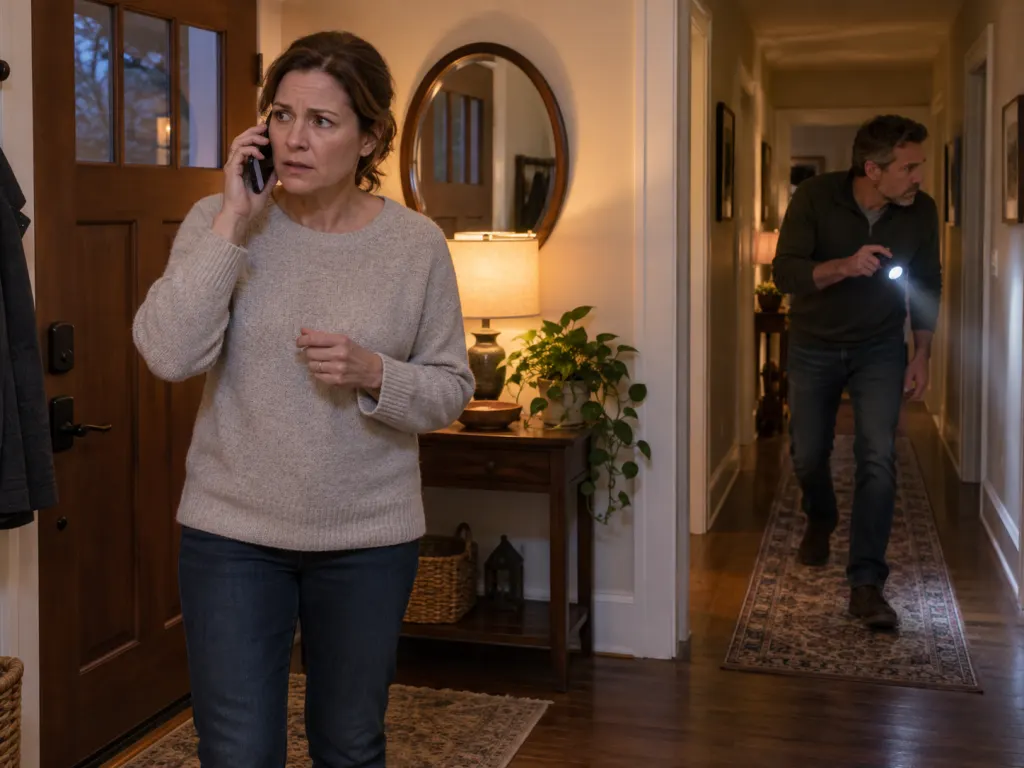
The First Hours Still Matter Most
If a person is missing right now, especially a child or a person who may be in danger, the first step is not to wait. The FBI’s public guidance on a missing child says that time is important and directs people to contact the local FBI office or closest international office immediately FBI. The Department of Justice similarly says to call local law enforcement first when a child is missing DOJ. The details a family can provide early often become the frame for everything that follows: exact last known location, last confirmed contact, clothing, devices, medications or essential aids if relevant, transportation access, recent changes in routine, and any immediate safety concerns.
When the missing person is a child at home, families are commonly advised to search places a child could hide or become trapped, while still contacting law enforcement quickly. In a store or public venue, notify staff or security and call law enforcement rather than losing time to a scattered search. Adults can also go missing under dangerous or confusing circumstances, including medical vulnerability, disasters, suspected violence, or voluntary absence that later becomes concerning. The practical rule is simple: if the absence is out of character, unexplained, or linked to possible danger, make the report and let trained responders decide the next steps.
Records Help A Case Outlast Memory
After the immediate report, families often become the unofficial keepers of memory. That role is exhausting, but organized records can help. The National Institute of Justice describes NamUs as a central database and support program for missing, unidentified, and unclaimed person cases, used by law enforcement, medical examiners, coroners, investigators, and families NIJ. Public users may include family members and advocates, and public case entries are vetted with the investigating agency before they become publicly visible. That matters because long-term cases can cross jurisdictions, staff changes, and decades of paper or digital record systems.
A family file does not replace an investigation. It supports continuity. Keep copies of police report numbers, investigator names, agency contacts, official posters, dental records if requested by authorities, photographs from different ages, scars or tattoos, device details, and a dated log of tips or possible sightings. Store originals carefully and scan copies when possible. Do not publish private identifying information, addresses, medical details, or names of possible witnesses unless law enforcement has cleared that release. Good organization gives a family something concrete to do without turning every rumor into a public accusation.

What Changes When A Case Becomes Long Term
When a disappearance stretches from days into years, the search changes shape. It may involve periodic case reviews, new database checks, updated photographs, renewed public appeals, forensic comparisons, or renewed attention around anniversaries. NIJ notes that missing and unidentified person cases can be complicated by fragmented information sharing, limited investigative resources, many cases, and the passage of time NIJ. That is why families often ask whether the case is entered in appropriate databases, whether information is current, and whether new identifying records could help.
Long-term does not mean hopeless, but it does mean expectations should be realistic. A new tip may be useful, mistaken, or impossible to verify. A remembered detail may be meaningful, or it may have changed in memory. A public post may bring attention, or it may bury official information under speculation. The strongest long-term approach is steady and documented: update authorities when something concrete changes, preserve family records, keep one trusted point person for media or community contact, and avoid accusing identifiable people without verified evidence.
If New Physical Evidence Appears
Fictional missing-person stories often turn on a discovered object. In real life, what happens next matters more than the drama of the find. The National Institute of Justice explains that crime scene investigators document scenes, take photographs and measurements, identify and collect forensic evidence, and maintain chain of custody NIJ. OJP guidance for DNA evidence emphasizes that possible evidence should be kept from contamination and that moving or relocating it should be avoided when possible OJP.
For an ordinary person, that means a restrained response: do not clean, wash, cut, bag, post, or pass around an item that may matter. If it is safe, step back, keep others away, note where it was found, and call law enforcement. If there is an immediate danger, prioritize safety and emergency help. Photographs can be useful only if taking them does not disturb the scene or place anyone at risk. The reason is not formality for its own sake. Evidence loses value when no one can show where it came from, who touched it, how it was stored, or whether it changed before investigators saw it.

How Communities Can Help Without Harming
Communities can make a missing-person case easier or harder. The helpful version shares official notices, checks relevant security footage when asked, reports specific tips to the listed agency, helps with meals or childcare, and respects the family’s need for privacy. The harmful version turns the case into entertainment, invents villains, confronts strangers, posts addresses, or spreads unverified “inside information.” If someone sees a child who appears lost, OJP’s summary of NCMEC guidance says adults should help without physically touching the child, avoid pressing for detailed personal information, report the situation to authorities, remain nearby, and wait until help arrives OJP.
That same restraint applies online. A share button is not an investigation. Before reposting, check whether the poster is current, whether the listed agency and phone number are visible, and whether the missing person has already been located. Do not edit official images in ways that remove case numbers, dates, or agency contact information. If you believe you have a tip, send it to the official contact rather than debating it in comments. The goal is to move reliable information toward people who can act on it, not to create a second, rumor-driven case file.
The Emotional Weight Of Not Knowing
A long disappearance creates a particular kind of strain because the family is asked to live in two realities at once: hoping for news and adapting to daily life without the person present. The University of Nebraska-Lincoln’s ambiguous loss resource describes ambiguous loss as an unclear loss without closure, including situations in which a missing person is physically absent but psychologically present in family life UNL. That language can help families understand why ordinary advice to “move on” may feel impossible or even cruel.
People respond differently. Some keep the missing person’s room unchanged. Some become public advocates. Some avoid media coverage because it reopens the shock. Some need routines, faith communities, trusted friends, counseling, or quiet space. NIMH notes that traumatic events can affect people emotionally and physically, and that help from a qualified professional can be important when distress does not improve or interferes with daily life NIMH. Support should not pressure a family toward a single correct grief style. The kinder question is often, “What would make this week more manageable?”
A Practical Family File For A Long Case
Families who are years into uncertainty may benefit from a single organized file that can be passed to a new detective, advocate, attorney, or trusted relative. Include a one-page timeline, official report numbers, copies of official posters, clear photographs, a list of agencies contacted, a log of tips with dates, and notes on what was already checked. Keep a separate private section for sensitive family details that should not be public. Review the file at set intervals rather than every night, because constant rechecking can become another source of strain.
It also helps to choose roles. One person can maintain the file. One can communicate with the agency. One can handle public posts. One can protect older relatives or children from unnecessary exposure. When everyone tries to do everything, confusion grows. When roles are calm and limited, the family has a better chance of staying coordinated while preserving energy for ordinary life, work, meals, sleep, and relationships.
What “Found” Should Mean
The most respectful ending to any missing-person case is not spectacle. It is verified information, lawful identification, care for surviving relatives, and correction of old assumptions. If a person is found alive, privacy and recovery needs may matter more than public curiosity. If a death is confirmed, the family still deserves dignity, accurate records, and time away from speculation. If a case remains unresolved, the person should still be spoken of as a full human being, not reduced to a twist, a rumor, or a headline.
Wrap-Up
“Missing for fifteen years” is a powerful premise, but real missing-person work is built from verified reports, careful records, evidence awareness, and humane support. Act quickly when someone disappears, keep information organized as time passes, avoid disturbing possible evidence, share only reliable public notices, and remember that uncertainty can weigh heavily on families. Long-term cases need patience, accuracy, and dignity as much as attention.
Frequently Asked Questions
- → Is there a waiting period before reporting someone missing?
For a child or anyone who may be in danger, do not wait. Contact local law enforcement immediately. If the situation involves a child in the United States, DOJ guidance says to call local law enforcement first and then contact the National Center for Missing & Exploited Children.
- → What should a family do years after a disappearance?
Ask whether the case information is current with the investigating agency, organize a timeline, preserve official documents, keep updated photographs, and record tips with dates and sources. Families can also ask about appropriate missing-person databases and whether any identifying records are needed.
- → What if I find an object that might be connected to a missing person?
If it is safe, leave the object where it is, keep others away, note the location, and contact law enforcement. Do not wash, handle, post, or move it unless immediate safety requires it. Evidence can lose value when its location, handling, or condition becomes uncertain.
- → How can friends support a family in a long-term case?
Offer practical help, share only official information, respect privacy, and avoid asking the family to respond to every rumor. Meals, rides, childcare, paperwork help, and quiet companionship can be more useful than dramatic advice.
- → Why is a long disappearance emotionally different from a confirmed loss?
Uncertainty can keep a family suspended between hope and grief. Ambiguous loss resources describe this as a loss without clear closure. People may need steady routines, trusted support, and, when distress interferes with daily life, guidance from a qualified health professional.
References
This content was developed and refined using reliable sources.
- https://www.justice.gov/action-center/report-and-identify-missing-persons
- https://www.fbi.gov/about/faqs/what-should-i-do-if-my-child-goes-missing
- https://nij.ojp.gov/namus
- https://nij.ojp.gov/topics/law-enforcement/investigations/crime-scene
- https://www.ojp.gov/library/publications/dna-evidence-what-law-enforcement-officers-should-know
- https://www.ojp.gov/library/publications/what-should-you-do-if-you-see-child-who-appears-be-lost
- https://www.nimh.nih.gov/health/topics/coping-with-traumatic-events
- https://ruralwellness.unl.edu/programs/ambiguous-loss