 Save
Garlic is the likely ingredient behind many viral claims about better blood circulation, but the practical answer is more grounded: garlic can be a flavorful part of a heart-conscious diet, while circulation itself depends on the whole pattern of daily habits and health status. Authoritative sources describe garlic research as limited and modest, especially when studies look at supplement forms rather than ordinary cooking. A better way to use garlic is to let it help you cook more vegetables, beans, fish, soups, and whole-grain meals you will actually enjoy, while paying attention to movement, sodium, sleep, tobacco exposure, and symptoms that deserve medical attention.
The Short Answer: Garlic Helps Most as a Kitchen Habit
Garlic earns attention because it is familiar, inexpensive, and easy to add to savory food. The National Center for Complementary and Integrative Health notes that garlic, known botanically as Allium sativum, has been studied quite a bit, especially in relation to cholesterol and related lipids, while reported changes from supplement studies tend to be small and evidence is limited for some claims https://www.nccih.nih.gov/health/garlic. That makes garlic interesting, but not dramatic. The most dependable value for a home cook is that garlic can make heart-conscious foods taste better without leaning so heavily on salt, butter, creamy sauces, or highly processed flavor boosters.
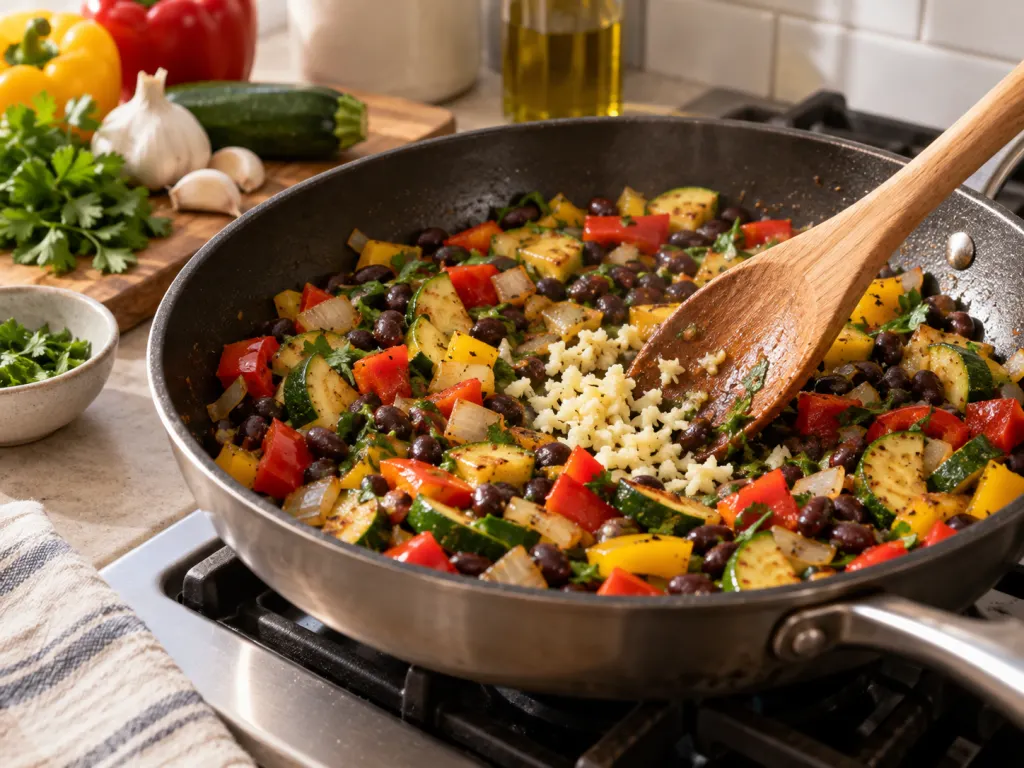
Think of garlic as a supporting ingredient rather than the main event. It can help a pan of greens taste fuller, give beans and lentils a deeper base, brighten roasted vegetables, or make a simple dressing feel more satisfying. That matters because people often keep healthy routines only when the food is appealing. A routine you enjoy is more likely to last than a rigid plan built around a single ingredient. Garlic works especially well when it nudges the meal toward variety: vegetables, legumes, herbs, citrus, olive or canola oil, whole grains, seafood, poultry, nuts, and seeds.
What Research Can Reasonably Say About Garlic
The careful reading is this: garlic has been studied, but the research does not turn it into a shortcut for circulation. NCCIH summarizes that garlic supplements may have small effects on certain cardiovascular measurements in some people, while the evidence varies by study and product form https://www.nccih.nih.gov/health/garlic. That distinction matters. A clove cooked into dinner is not the same as a concentrated capsule, and studies of supplements do not automatically prove that garlic bread, garlic water, or a raw-garlic morning routine will create a measurable change.
The American Heart Association frames cardiovascular health through a broader checklist called Life’s Essential 8: eating better, being more active, avoiding tobacco, sleeping well, managing weight, and keeping key health measurements in healthy ranges https://www.heart.org/en/healthy-living/healthy-lifestyle/lifes-essential-8. In that context, garlic is one ingredient inside the eating pattern, not the center of the plan. A bowl of lentil soup with garlic, vegetables, and herbs is doing more than delivering garlic. It is also adding fiber-rich foods, plant protein, fluid, and a satisfying meal structure that can make less processed choices feel normal.

The Daily Habits That Matter More Than One Ingredient
For circulation, movement is central because working muscles need oxygen-rich blood and regular activity helps the cardiovascular system stay conditioned. The CDC says adults need at least 150 minutes of moderate-intensity activity each week, or an equivalent mix, plus muscle-strengthening activity on two days https://www.cdc.gov/physical-activity-basics/guidelines/adults.html. That does not require athletic perfection. A brisk walk, yard work, dancing in the kitchen, cycling, water exercise, or a steady routine of shorter movement breaks can all be part of a realistic plan when they match a person’s ability and circumstances.
Food choices matter too, especially sodium. The FDA explains that most sodium in the U.S. diet comes from packaged and prepared foods, and the Nutrition Facts label can help people compare products https://www.fda.gov/food/nutrition-education-resources-materials/sodium-your-diet. This is where garlic becomes genuinely useful in the kitchen. When garlic is paired with herbs, onions, vinegar, lemon, pepper, paprika, cumin, or tomato, food can taste complete with less reliance on salty sauces and mixes. The goal is not bland eating. It is building flavor from ingredients that give meals depth.
A practical circulation-supportive routine might include:
- using garlic, herbs, citrus, and vinegar to make vegetables and beans more appealing;
- walking or moving in short sessions if one long session is unrealistic;
- checking packaged soups, sauces, breads, and snacks for sodium differences;
- choosing meals built around vegetables, fruit, whole grains, legumes, nuts, seeds, fish, or lean proteins;
- making sleep and tobacco avoidance part of the same heart-health conversation;
- bringing persistent symptoms, unusual fatigue with activity, or changing leg discomfort to a qualified clinician.
How to Cook With Garlic Without Turning It Into a Health Project
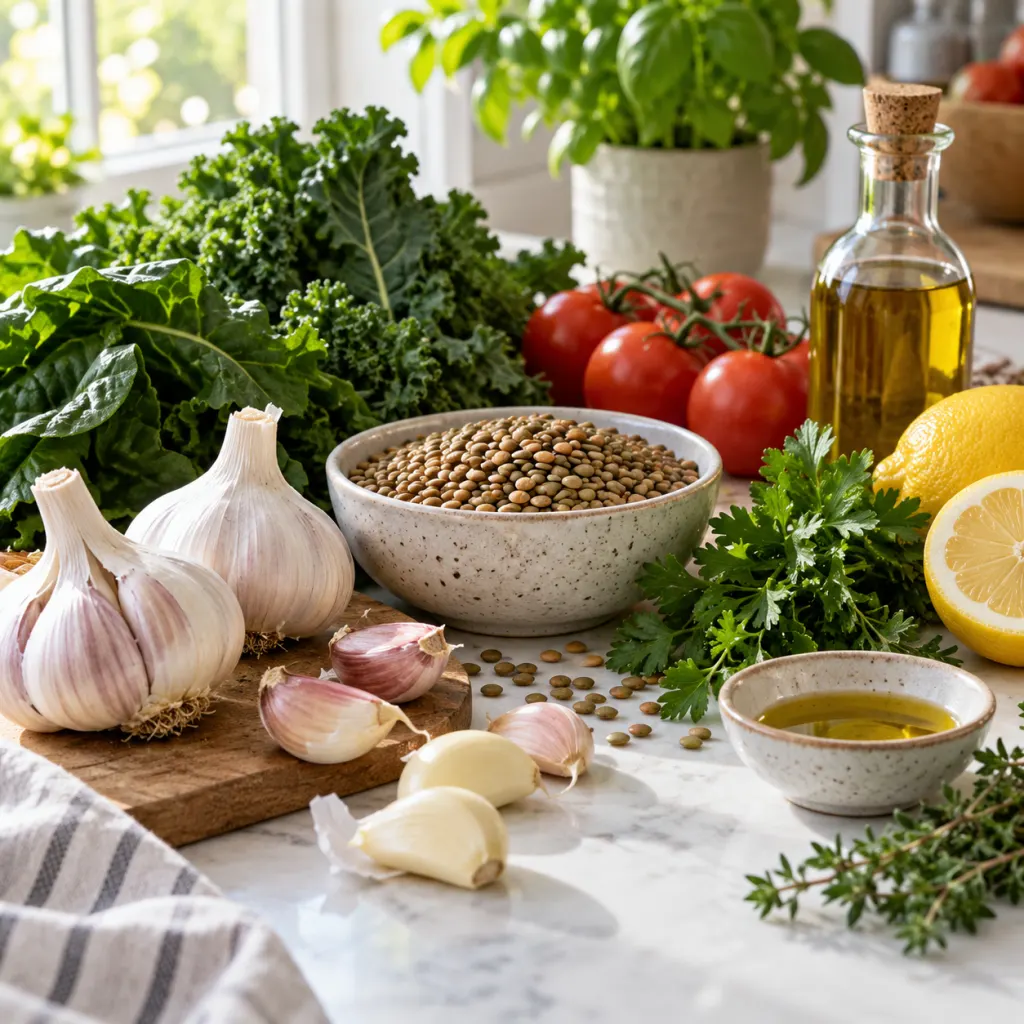
Garlic is easiest to keep when it is treated as food, not homework. Mince it into olive oil and vinegar for a quick dressing. Add it to the last few minutes of sauteed greens so it stays fragrant. Rub a cut clove over toasted whole-grain bread before topping it with tomatoes and beans. Stir it into lentils, chickpeas, vegetable soup, fish packets, roasted carrots, mushrooms, or plain yogurt with herbs for a savory sauce. If raw garlic bothers your stomach, cooked garlic is often gentler in ordinary meals. If garlic breath is the barrier, use a smaller amount, cook it longer, or combine it with parsley, lemon, or mint.
When Circulation Symptoms Deserve Attention
Food articles can make circulation sound abstract, but symptoms are personal. MedlinePlus describes peripheral artery disease in the legs as a blood-vessel condition that can cause decreased blood flow to the legs and feet; symptoms may include leg muscle pain or heaviness with walking, numbness, cool skin, color changes, weak pulses, or slow-healing sores https://www.medlineplus.gov/ency/article/000170.htm. Those signs do not automatically identify one cause, but they are a reason to seek professional evaluation instead of trying to solve the problem with a food routine.
Some symptoms need faster action. The American Heart Association advises calling 911 when warning signs such as chest discomfort, shortness of breath, sudden balance or vision changes, face drooping, arm weakness, or speech difficulty appear https://www.heart.org/en/about-us/heart-attack-and-stroke-symptoms. That advice is separate from everyday wellness. Garlic, walking, and balanced meals belong to routine care of the body; sudden or severe symptoms belong to emergency help.
Food Forms and Supplement Forms Are Different
Normal cooking with garlic is very different from concentrated garlic products. NCCIH notes that oral garlic can cause breath and body odor, abdominal discomfort, gas, nausea, and allergic reactions in some people, and that concentrated supplement forms raise additional safety questions for certain situations https://www.nccih.nih.gov/health/garlic. For most home cooks, the simpler choice is to enjoy garlic as part of meals and to discuss supplement use with a qualified professional, especially when health conditions, planned procedures, or bleeding concerns are part of the picture.
This is also why garlic water, raw-garlic challenges, and extreme routines are not necessary. A strong-tasting habit is not automatically a stronger health habit. If raw garlic causes burning, nausea, reflux, or stomach upset, that is useful feedback from your body. You can cook it, use less, skip it, or choose other flavor builders such as onions, shallots, herbs, spices, citrus, vinegar, ginger, or roasted peppers. The best heart-conscious kitchen pattern is flexible enough to fit real digestion, preferences, budget, and culture.
A Better Way to Interpret the “Secret Ingredient” Idea
The useful version of the story is not that garlic transforms circulation. It is that one familiar ingredient can make better meals easier to repeat. If garlic helps you eat more vegetables, enjoy beans more often, cook at home a little more, or choose a lower-sodium sauce because your food already tastes good, then it is doing meaningful work. The real pattern is cumulative: movement most days, flavorful minimally processed meals, attention to sodium, enough sleep, no tobacco exposure, and timely medical guidance when symptoms appear. Garlic can sit comfortably inside that pattern, but it does not stand above it.
Wrap-Up
Garlic is a smart kitchen ally for circulation-conscious eating because it adds satisfying flavor to vegetables, legumes, soups, fish, and whole grains. The evidence does not support treating one ingredient as the answer. For everyday cardiovascular health, the more reliable foundation is a broad pattern: regular movement, balanced meals, sodium awareness, adequate sleep, tobacco avoidance, and professional care when symptoms are persistent, sudden, or severe.
Frequently Asked Questions
- → Is garlic the best food for circulation?
Garlic can be part of a heart-conscious eating pattern, but it is not the single best answer. Circulation is influenced by movement, sleep, tobacco exposure, sodium intake, overall diet, age, and health status. Garlic is most useful when it helps make balanced meals taste better.
- → Is raw garlic better than cooked garlic?
Raw garlic has a stronger bite, but stronger taste does not automatically mean a better health choice. Cooked garlic is easier for many people to tolerate and still helps flavor vegetables, beans, soups, sauces, and whole grains. Comfort and consistency matter.
- → Can garlic water improve circulation quickly?
There is no solid reason to treat garlic water as a fast circulation strategy. If you like garlic, using it in ordinary meals is a more practical approach. Sudden or concerning symptoms should be handled as a health issue, not as a kitchen experiment.
- → What foods pair well with garlic in a heart-conscious meal?
Garlic pairs well with leafy greens, tomatoes, beans, lentils, chickpeas, fish, chicken, mushrooms, peppers, herbs, lemon, vinegar, olive oil, and whole-grain pasta. Those pairings matter because they help create satisfying meals built around a wider variety of nourishing foods.
- → When should circulation symptoms be checked by a professional?
Persistent leg pain with walking, numbness, cool skin, color changes, weak pulses, or slow-healing sores should be discussed with a qualified clinician. Sudden chest discomfort, shortness of breath, face drooping, arm weakness, speech trouble, or sudden balance or vision changes call for emergency help.
References
This content was developed and refined using reliable sources.
- https://www.nccih.nih.gov/health/garlic
- https://www.heart.org/en/healthy-living/healthy-lifestyle/lifes-essential-8
- https://www.cdc.gov/physical-activity-basics/guidelines/adults.html
- https://www.fda.gov/food/nutrition-education-resources-materials/sodium-your-diet
- https://www.medlineplus.gov/ency/article/000170.htm
- https://www.heart.org/en/about-us/heart-attack-and-stroke-symptoms