 Save
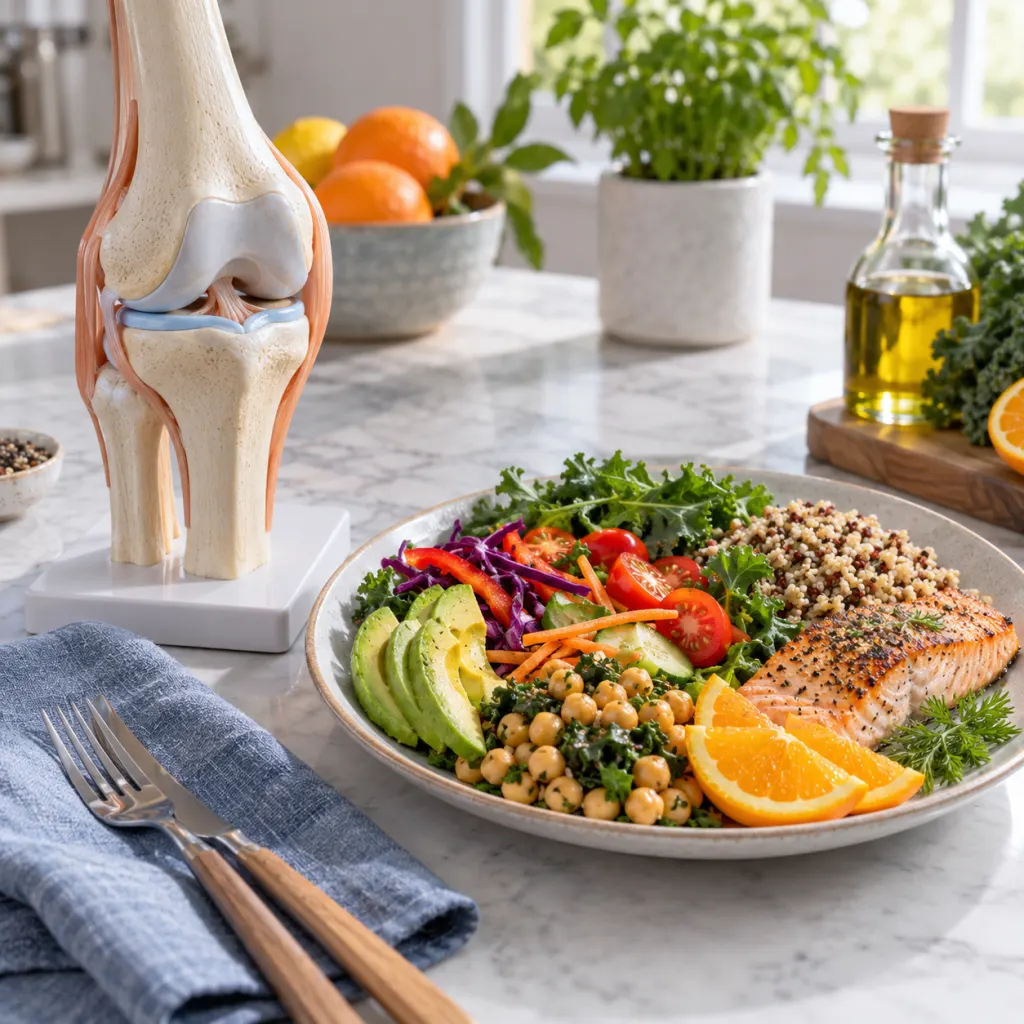
The practical answer: treat one-ingredient knee-cartilage posts as advertising, not evidence. Cartilage cushions the ends of bones, but knee problems are usually more complex than a missing nutrient. Authoritative sources describe osteoarthritis as a condition involving cartilage, bone, ligaments, tendons, the joint lining, and the meniscus, not simply a food shortage. Food still matters because overall eating patterns, body weight, muscle support, and realistic expectations can shape daily function. This guide explains how to read a dramatic food claim without panic, what nutrition can reasonably support, and when knee symptoms deserve a professional conversation.
Why Viral Knee Cartilage Claims Spread So Easily
Knee discomfort is common, visible in everyday life, and emotionally frustrating. That makes a simple post about one food especially tempting. The claim usually works by combining a familiar kitchen ingredient, an authority-sounding speaker, and a very short timeline. What it leaves out is the slow biology of joint tissue and the difference between a nutrient having a role in the body and a food producing a specific structural change in a knee.
The National Institute of Arthritis and Musculoskeletal and Skin Diseases explains that osteoarthritis can affect cartilage, tendons and ligaments, synovium, bone, and the meniscus in the knee. It also notes that joint damage usually develops gradually over years, although some people worsen more quickly. That matters because a viral food message often narrows a whole-joint issue into a single missing ingredient. A better reading is: if a claim sounds simple, ask what outcome was measured, in whom, over what period, and compared with what. See the NIAMS overview for the anatomy and symptom context: https://www.niams.nih.gov/health-topics/osteoarthritis.
What Cartilage Does in the Knee
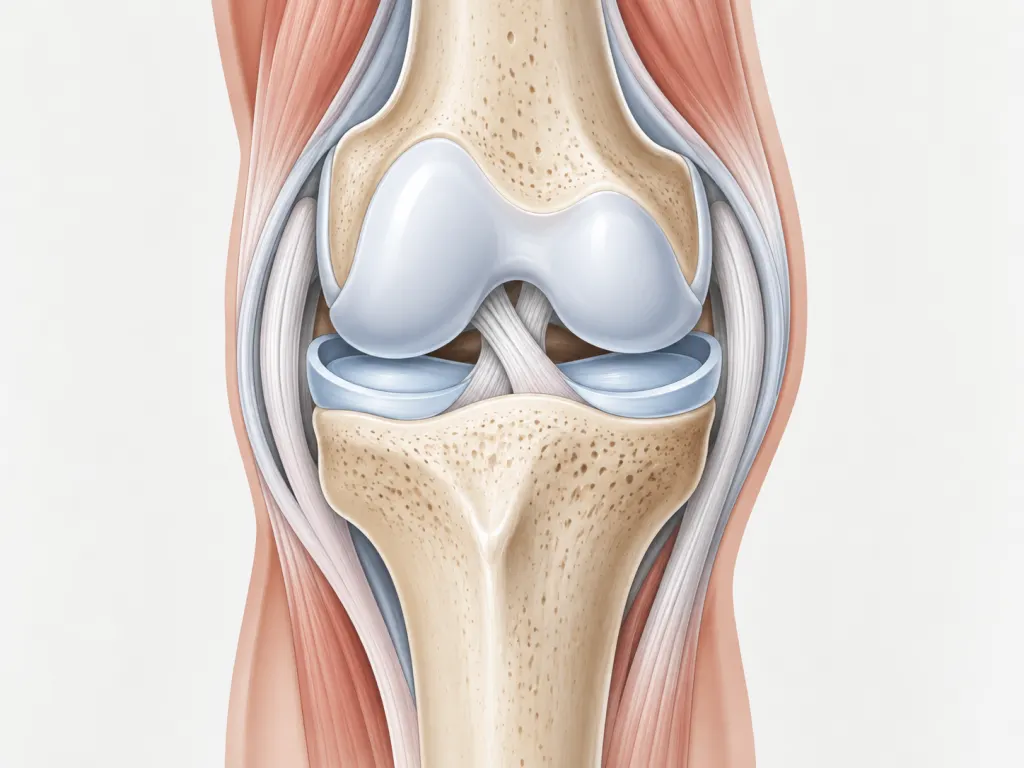
Cartilage is the smooth tissue covering the ends of bones where they meet in a joint. In a healthy joint, it helps bones glide with less friction. MedlinePlus describes osteoarthritis as a joint condition in which cartilage can become rough and, in some cases, wear away so bones rub more directly. That description helps explain why knee symptoms can include stiffness, swelling, reduced movement, or a loose feeling. It also explains why a food-only story is incomplete: the knee is a mechanical system as well as a biological one.
A food claim may mention collagen, gelatin, fruit, seeds, herbs, or mineral-rich broth. Those foods can fit into normal meals, but fitting into meals is different from proving a knee-specific structural result. The body digests proteins and other compounds into smaller building blocks, then uses them according to need. You cannot direct a meal to one exact patch of cartilage. For a reader who wants practical next steps, the useful question is not whether a food sounds connected to joints, but whether reliable human evidence shows a meaningful outcome.
What Nutrition Can Reasonably Support
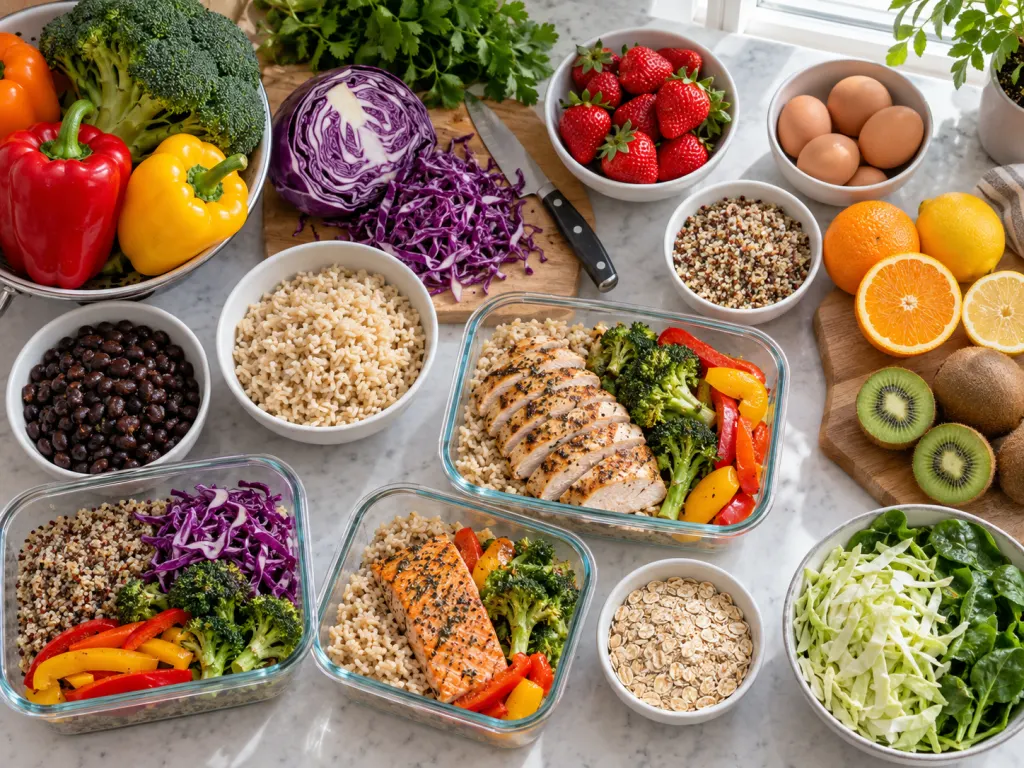
The strongest nutrition message is ordinary but important: build a varied eating pattern that supplies enough protein, fruits, vegetables, whole grains, and other nutrient-dense foods. The Dietary Guidelines for Americans describe dietary guidance as advice for meeting nutrient needs and choosing healthful patterns, not as a promise that one food can solve one body part. A meal pattern that includes colorful produce, beans or lentils, fish or other protein foods, dairy or fortified alternatives, nuts, seeds, and whole grains is more useful than chasing a single viral ingredient. The federal Dietary Guidelines page is here: https://odphp.health.gov/our-work/nutrition-physical-activity/dietary-guidelines.
Vitamin C is a good example of the difference between a nutrient role and an exaggerated food claim. The NIH Office of Dietary Supplements explains that vitamin C is required for collagen biosynthesis and that fruits and vegetables such as citrus, peppers, kiwi, broccoli, strawberries, and Brussels sprouts are good sources. That supports eating varied produce. It does not prove that a particular fruit or vegetable can create a fast, knee-specific structural result. The evidence-based takeaway is smaller and steadier: include vitamin C-rich foods as part of ordinary meals because the body needs vitamin C for normal connective tissue processes. Source: https://ods.od.nih.gov/factsheets/VitaminC-HealthProfessional/.
How to Evaluate a Food or Supplement Claim
A careful reader can test a claim with a short checklist before sharing it or changing habits:
- Look for the outcome: Was the claim about daily comfort, function, imaging, joint space, or a lab measure?
- Look for the study type: Human clinical research carries more weight than cell, animal, or testimonial evidence.
- Look for the comparison: A claim without a comparison group may only show expectation, time, or normal variation.
- Look for the timeline: Knee structure and function are not usually judged by a single day of eating.
- Look for conflicts and product links: A post that sells a powder, capsule, or paid formula deserves extra skepticism.
The National Center for Complementary and Integrative Health has reviewed nutritional approaches for osteoarthritis and says evidence is still uncertain for glucosamine and chondroitin, while evidence on other dietary supplements is too limited for firm conclusions. That does not mean every supplement is identical or that every person has the same experience. It means the public evidence is mixed enough that a confident social-media promise should be viewed carefully. NCCIH’s osteoarthritis review is here: https://www.nccih.nih.gov/health/osteoarthritis-in-depth.
Where Movement and Body Weight Fit In
Food discussions about knees often ignore muscle. Yet authoritative guidance repeatedly places movement, strength, and function at the center of joint care conversations. Federal physical activity guidance describes physical activity as evidence-based support for health, while NIAMS notes that exercise can improve flexibility, muscle strength, and endurance for people with osteoarthritis when planned appropriately. Stronger muscles can help support the joint during daily movement, and lower-impact activity may be easier to sustain than high-impact routines for many people.
Body weight can also affect knees because knees are weight-bearing joints. This is not a moral point and should never be framed as blame. It is a mechanical and health-context point: for some people, weight-aware care can reduce joint load and make movement more comfortable. The most useful plan is individualized. Someone with a recent injury, balance concerns, severe pain, or a knee that gives way should not copy a random online routine. A clinician or physical therapist can match activity to symptoms, strength, and goals. Federal physical activity guidance is available at https://odphp.health.gov/our-work/nutrition-physical-activity/physical-activity-guidelines/current-guidelines.

When a Knee Symptom Should Not Be Handled by Food Advice
Some knee symptoms deserve prompt medical attention rather than online food experiments. Seek timely professional help for a knee that becomes very swollen after an injury, a joint that is hot and red with fever, sudden inability to bear weight, new locking or giving way, severe night pain, or symptoms that are worsening instead of settling. MedlinePlus notes that evaluation may involve a symptom history, physical exam, imaging, or lab work when another cause needs to be considered. General osteoarthritis information from MedlinePlus is here: https://medlineplus.gov/osteoarthritis.html.
It is also sensible to be cautious with concentrated powders, capsules, and imported joint products promoted through urgency or testimonials. NCCIH notes that some supplements can have side effects, and its glucosamine and chondroitin page explains that evidence for knee osteoarthritis symptoms and joint structure has been inconsistent. If you already have medical conditions, allergies, upcoming procedures, or clinician-directed products in your routine, bring the exact label or link to a qualified professional before adding something new. NCCIH’s focused glucosamine and chondroitin page is here: https://www.nccih.nih.gov/health/glucosamine-and-chondroitin-for-osteoarthritis-what-you-need-to-know.
A Practical Kitchen Approach Without the Hype
A kitchen approach to knee health should be modest, consistent, and easy to keep. Build meals around protein foods, colorful produce, fiber-rich carbohydrates, and fats you enjoy in sensible amounts. Use citrus, peppers, broccoli, berries, or cabbage because they are useful foods, not because they carry a dramatic promise. If warm foods feel comforting, soups, stews, beans, fish, eggs, yogurt, tofu, and vegetables can all belong. For related reading on ingredient claims, see Leaf Claims and Joint or Muscle Pain: What to Know. For broader home strategies, the site also has 10 At-Home Ways to Manage Knee Pain.
Wrap-Up
One-food knee cartilage posts sound appealing because they offer a simple answer to a frustrating problem. The evidence-based view is calmer: cartilage is part of a whole joint, osteoarthritis can involve several tissues, and nutrition is best understood as one part of overall health rather than a shortcut. Favor varied meals, realistic movement, professional guidance for persistent or concerning symptoms, and a skeptical eye toward dramatic claims. For a related evidence check on kitchen ingredients and wellbeing language, see Cinnamon, Sleep, and Bloating: What the Evidence Supports.
Frequently Asked Questions
- → Can one food change knee cartilage quickly?
Authoritative health sources do not support using a single food as proof of rapid knee-cartilage change. Foods can supply nutrients the body uses broadly, but knee symptoms and cartilage changes involve the whole joint and should be considered in context.
- → Are collagen, gelatin, or bone broth the same as knee cartilage support?
No single food should be treated as knee-specific support. These foods provide dietary components, but digestion breaks foods into smaller parts before the body uses them. A varied eating pattern is a more reliable foundation than relying on one ingredient.
- → What foods make the most sense for everyday joint-aware eating?
Choose ordinary nutrient-dense foods: vegetables, fruits, beans, lentils, fish or other protein foods, whole grains, nuts, seeds, and dairy or fortified alternatives if they fit your diet. Vitamin C-rich produce is useful because vitamin C has a normal role in collagen formation.
- → Should I try supplements mentioned in knee posts?
Be cautious with concentrated products, especially those promoted with dramatic testimonials. NCCIH describes the evidence for glucosamine and chondroitin as uncertain and says evidence for many other supplement approaches is limited. Discuss personal choices with a qualified professional.
- → When should knee symptoms be checked professionally?
Seek professional guidance for a knee that is suddenly very swollen, hot, red, unstable, locked, unable to bear weight, linked with fever, or steadily worsening. Online food advice is not a substitute for an evaluation when symptoms are concerning.
References
This content was developed and refined using reliable sources.
- https://www.niams.nih.gov/health-topics/osteoarthritis
- https://medlineplus.gov/osteoarthritis.html
- https://www.nccih.nih.gov/health/osteoarthritis-in-depth
- https://www.nccih.nih.gov/health/glucosamine-and-chondroitin-for-osteoarthritis-what-you-need-to-know
- https://odphp.health.gov/our-work/nutrition-physical-activity/dietary-guidelines
- https://odphp.health.gov/our-work/nutrition-physical-activity/physical-activity-guidelines/current-guidelines
- https://ods.od.nih.gov/factsheets/VitaminC-HealthProfessional