 Save
The short answer: you can machine wash more than clothes, but the machine is not a magic pass for every dusty, stained, or damp household item. Many fabric-based things around the kitchen, bathroom, entryway, bedroom, and car can handle a careful wash when their label or construction supports it. The decision comes down to four questions: is it washable, will the material tolerate water and agitation, can it dry fully, and could any hard part damage the drum? The Federal Trade Commission requires care information on many textile products sold in the United States, including instructions for washing, drying, bleaching, and warnings when ordinary procedures may harm the item or other laundry, which makes the care tag your first checkpoint rather than a decorative scrap of fabric (FTC care labeling rule).
Start With The Label, Then Use Common Sense
A good machine-wash candidate is usually soft enough to bend in the drum, sturdy enough to survive agitation, and free of parts that can crack, melt, bleed dye, rust, or come loose. Care labels matter because the same category can contain very different materials. One tote may be plain cotton canvas, while another has leather handles, glued-on trim, a printed coating, or a cardboard-like base hidden between layers. The first may wash beautifully; the second may warp, stain, or shed pieces into the machine.
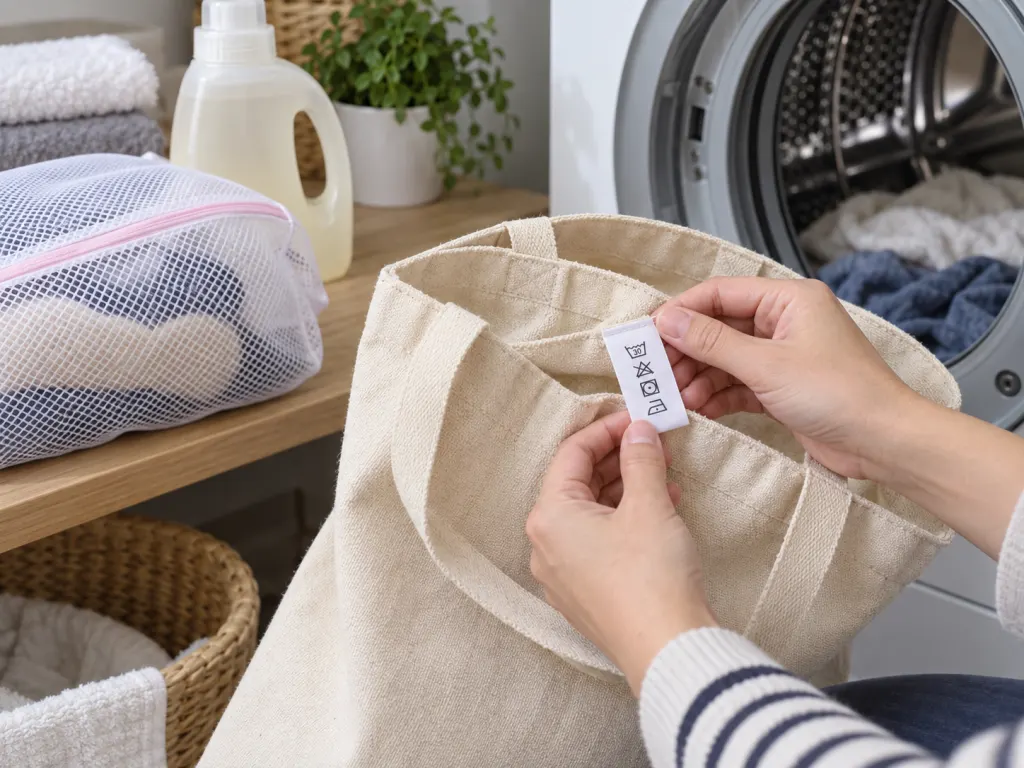
Before washing anything unusual, look for a sewn tag, printed care symbol, manufacturer care page, or packaging note. The FTC rule explains that washing instructions should identify machine or hand washing and, when needed, water temperature, drying method, bleaching limits, and clear warnings such as washing separately or avoiding bleach (FTC care labeling rule). If there is no label, treat the item as a judgment call: cold water, gentle cycle, mild detergent, and air drying are usually the least aggressive machine-wash path, but fragile fibers and glued construction can still fail.
Use this quick screen before you put a non-clothing item in the washer:
- Check the material: cotton, polyester, nylon, and many acrylic blends are often more washable than wool, silk, leather, suede, memory foam, untreated wood, or paper-based stiffeners.
- Check the structure: loose seams, cracked rubber backing, glued soles, sequins, beads, batteries, speakers, or cardboard inserts are warning signs.
- Check the soil: remove crumbs, hair, grit, mud, and small objects first so the washer is not doing the job of a trash can.
- Check the load size: bulky mats, pillows, and sneakers need room to move and rinse; an overloaded drum cleans poorly and can strain the appliance.
- Check the drying plan: if the item cannot dry all the way through, hand cleaning or replacement may be wiser.
Kitchen Textiles Are Often Good Candidates
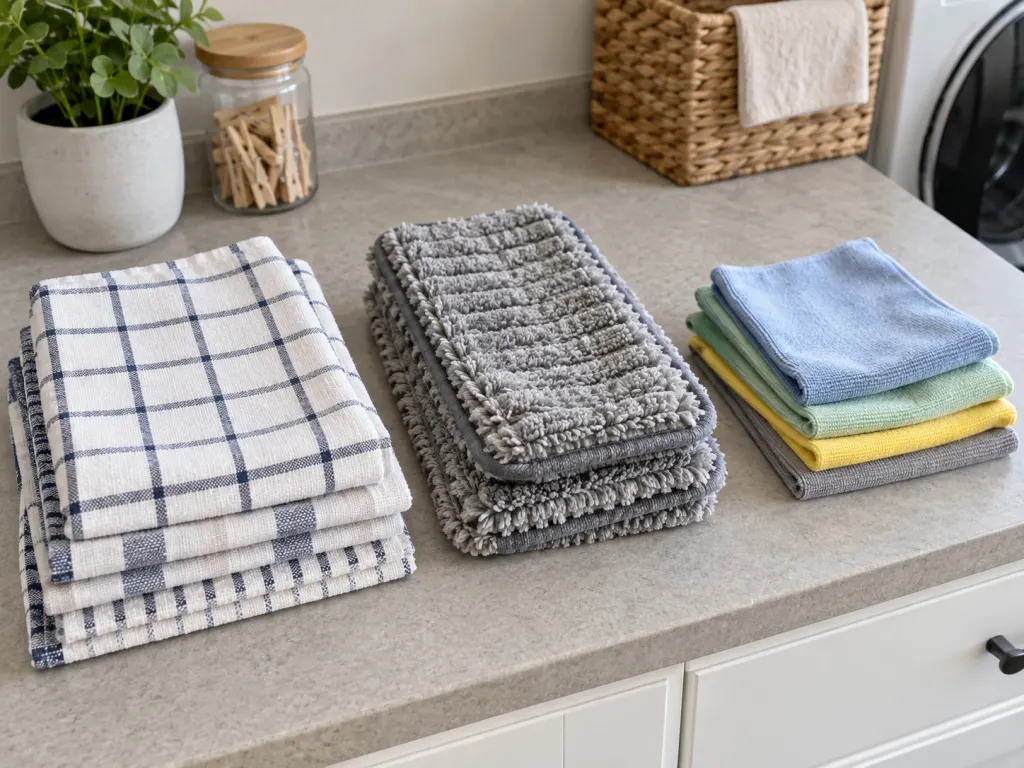
Kitchen towels, dishcloths, cloth napkins, washable aprons, and many cotton oven mitts are among the easiest household items to wash by machine. They are usually designed for repeated laundering, and they pick up food residue, grease, moisture, and detergent-resistant odors faster than many people realize. Sort them away from fluffy towels if lint transfer matters, and avoid washing heavily greasy cloths with delicate clothes. For thick oven mitts, confirm that the insulation is washable and that any silicone patches or decorative trim are securely attached.
Cleaning and sanitizing are not the same job. The EPA describes cleaning as removing dirt and organic matter with soap or detergent, while sanitizing and disinfecting are regulated chemical claims aimed at reducing or killing microbes on surfaces (EPA cleaning, sanitizing, and disinfecting definitions). For ordinary kitchen textiles, a thorough detergent wash followed by full drying is the routine goal. If you choose a laundry sanitizer, chlorine bleach, or oxygen-based product, use only products labeled for laundry and follow the product label, fabric label, and washer instructions together.
Mop Pads, Microfiber Cloths, And Cleaning Rags
Washable mop heads, microfiber cloths, dusting pads, and cleaning rags are easy to forget because they are cleaning tools, not laundry in the usual sense. They still need regular washing if you want them to pick up soil instead of moving old residue around. Shake or rinse out grit before laundering, because sand and small debris can abrade fabric and collect in the machine. Wash cleaning textiles separately from bath towels and clothing when they are greasy, dusty, or used with strong cleaning products.
Skip fabric softener on microfiber and many absorbent cleaning cloths. Fabric softeners can leave coatings that reduce absorbency or create greasy-looking marks; University of Georgia textile guidance notes that undiluted or overused softeners can leave blue-gray, greasy stains on fabrics (University of Georgia textile care products guide). A simple detergent wash, an extra rinse when residue is noticeable, and air drying or low heat are usually better for performance.
Bathroom Items Need Extra Drying Attention
Fabric shower curtains, many washable shower curtain liners, cotton bath mats, and some microfiber bath mats can often go in the washer. Bathroom textiles collect moisture and soap residue, so the wash is only half the job; drying is the other half. Remove hooks before washing a curtain, use a gentle cycle if the liner is thin, and wash mats in small balanced loads so they can rinse properly. Rubber-backed mats are a special case: once the backing is cracked, flaking, sticky, or shedding, washing can make the problem worse and may send fragments into the machine.
For mildew-stained washable fabrics, treat the fabric early and dry it thoroughly. Textile guidance from the University of Georgia stresses checking fiber type and care needs because some fibers weaken when wet or are damaged by heat, bleach, alkalies, or rough handling (University of Georgia fiber care guide). That is why a white cotton liner and a printed decorative curtain may need different settings even if they hang side by side in the same bathroom.
Canvas Bags, Backpacks, And Lunch Bags
Plain canvas grocery bags, cotton totes, fabric backpacks, gym bags, and soft lunch bags are often washable if they have no leather, suede, rigid cardboard, battery pack, reflective coating, or fragile decoration. Empty every pocket first. Crumbs, coins, pens, lip balm, receipts, and small toys are the usual troublemakers. Turn bags inside out when possible, loosen drawstrings, zip zippers, and place small straps in a mesh bag or pillowcase so they do not twist around the agitator or other items.
For reusable grocery bags, think about what the bag carries. Bags used for produce, packaged meat, damp containers, sports clothes, or shoes should not live indefinitely in the trunk without cleaning. A mild detergent cycle can refresh washable fabric bags, but insulated bags with seams, foil linings, or stiff panels may do better with hand wiping and careful air drying. If the label says wipe clean only, that is usually because the interior layer, adhesive, or structure is not built for soaking.
Canvas Shoes And Slippers Can Be Washable, With Limits
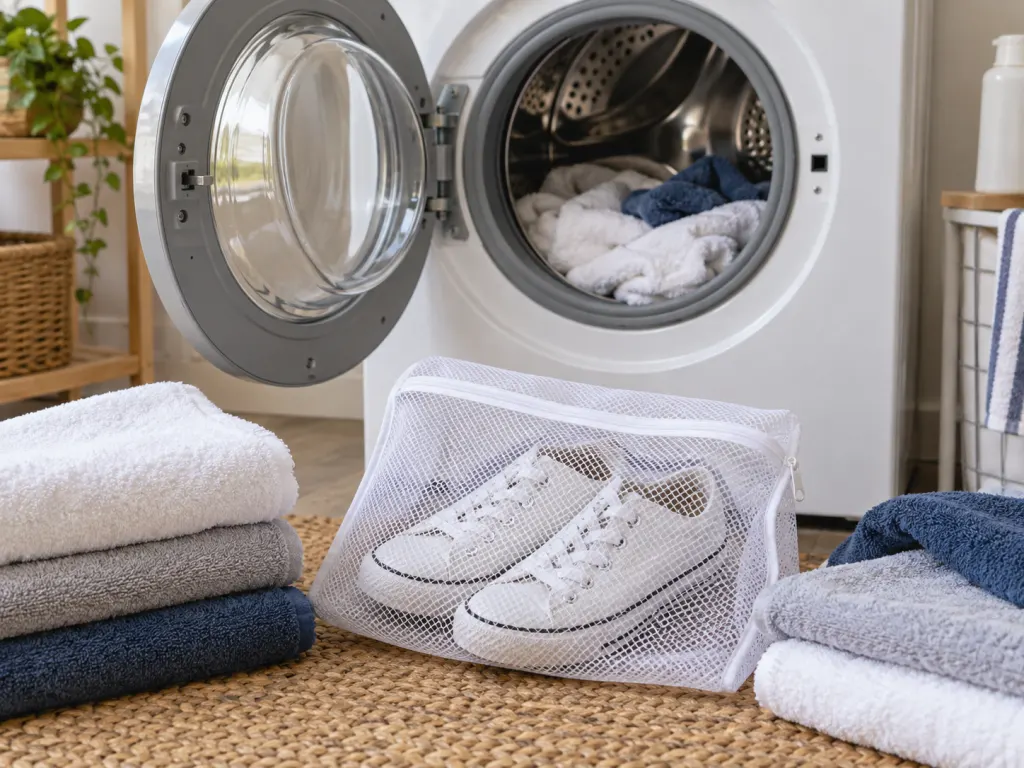
Many canvas sneakers, cloth slip-ons, and fabric slippers can handle a cold or warm gentle cycle, especially when they are stitched rather than mostly glued. Remove laces and washable insoles, brush off dry mud outdoors, and put the shoes in a mesh bag with a few towels to cushion the drum. Air drying is usually the safer choice because high heat can loosen adhesives, shrink fabric, warp soles, or set creases. Leather, suede, dress shoes, and shoes with delicate trims belong outside this machine-wash list.
If odor is the main concern, washing only helps when the shoe can dry completely afterward. Stuffing shoes loosely with clean towels for the first part of air drying can help pull moisture from the fabric, then removing the towels lets air circulate. Avoid direct high heat from radiators, ovens, or very hot dryers. Heat-sensitive fibers and elastics can lose shape, and University of Georgia fiber guidance notes that materials such as spandex and some synthetics can be damaged by heat or chlorine bleach (University of Georgia fiber care guide).
Stuffed Animals, Pillows, Curtains, And Soft Decor
Stuffed animals are often washable when they have no batteries, sound boxes, glued-on eyes, delicate vintage fabric, bean filling, or fragile seams. Put them in a mesh bag or tied pillowcase, use a gentle cycle, and reshape them while damp. For a beloved or older toy, hand washing may be kinder than the machine. If the toy belongs to a child who mouths it or sleeps with it, make sure it is fully dry before returning it. Damp stuffing can hold moisture longer than the outside fabric suggests.
Some pillows can be machine washed, especially many fiberfill pillows and certain washable down or feather pillows, but only when the care instructions allow it and the washer has enough room. Use a balanced load, rinse thoroughly, and dry until the center is dry, not merely the cover. CDC healthcare laundry guidance notes that laundry cleanliness depends on a combination of soil removal, mechanical action, temperature, chemicals when used, and drying; it also emphasizes that pillows and covers in care settings should be cleanable and laundered when contaminated (CDC laundry and bedding guidance). For home use, the practical takeaway is simple: do not trap moisture inside bulky washable items.
Curtains, washable slipcovers, small cotton rugs, pet bed covers, and cushion covers can also be machine-wash candidates. The risk is shrinkage, dye bleeding, wrinkles, and backing damage. Wash one panel or cover at a time if weight is a concern, use cold water for uncertain dyes, and air dry or tumble low only when the label allows it. Heirloom textiles, wool rugs, silk panels, beaded covers, foam inserts, and lined draperies usually need a gentler plan than a household washer can provide.
When Heat Has A Specific Purpose
Most everyday washing is about removing soil and odor, not chasing a sterile result. There are, however, situations where heat is part of a specific control plan. University of Minnesota Extension explains that, for bed bug management, washable items such as clothes, rugs, shoes, backpacks, stuffed animals, and similar objects may be heated in a dryer at medium-high settings when guidance for that pest problem calls for it (University of Minnesota Extension bed bug guidance). That advice belongs to a particular pest context, so do not apply high heat casually to items that can shrink, melt, crack, or delaminate.
For routine home laundry, choose the lowest effective setting that cleans the item and respects the label. Hot water can help with some sturdy white cottons and heavily soiled washable textiles, but it can also fade colors, shrink fibers, weaken elastic, and damage coatings. Cold or warm water with detergent is often the better starting point for mixed materials, printed fabrics, bags, sneakers, and stuffed toys. If the item has a care tag, the tag wins over general advice.
Laundry Additives And Detergent Safety
Bleach, laundry sanitizers, odor removers, and detergent packets should be handled as household chemicals, not casual accessories. CDC bleach guidance says cleaning with soap and water is enough in many household situations and warns that household bleach or other disinfectants should never be mixed with other cleaners or disinfectants because dangerous vapors can result (CDC bleach safety guidance). If bleach is appropriate for a washable item, use the product label, the washer dispenser when available, and the fabric care label together. Never pour undiluted bleach directly onto a textile.
Single-load laundry packets deserve special caution in homes with children or visiting children. The Consumer Product Safety Commission warns that liquid laundry packets are concentrated, can dissolve quickly with moisture, and should be kept sealed in original packaging, locked up, and out of sight and reach of children (CPSC laundry packet safety guide). Handle packets with dry hands, close the container immediately, and avoid leaving them on top of the washer while sorting unusual household items.
A Simple Wash Plan For Non-Clothing Items
Once an item passes the label and material check, keep the process boring. Remove hardware when possible, close zippers, tie loose cords, and wash small or delicate items in a mesh bag. Use a small amount of detergent, because bulky items can trap suds. Choose cold or warm water unless the label supports hotter water. Select gentle for toys, bags, curtains, and decorated fabrics; normal may be fine for sturdy towels, mop pads, and plain cotton mats. Add an extra rinse if the item is thick or if detergent residue remains.
Drying should be deliberate. Air dry items with adhesives, coatings, elastic, foam, rubber backing, or uncertain labels. Tumble dry only when the care instructions allow it, and use low heat for mixed materials. Reshape stuffed toys, pillows, and washable bags before they are fully dry. Keep items out of closed hampers, closets, drawers, and storage bins until they feel dry throughout. A clean item that is stored damp can develop odor quickly, which sends you back to the washer before the first effort has paid off.
Items To Keep Out Of The Washing Machine
Some household items look washable but are better cleaned another way. Avoid machine washing leather, suede, structured hats, memory foam pillows, foam pet beds without removable covers, rugs with crumbling backing, electric blankets unless the label specifically allows it, weighted blankets that exceed the washer rating, toys with electronics, antique textiles, baskets, anything with cardboard reinforcement, and items contaminated with flammable solvents or heavy oils. When in doubt, choose hand cleaning, spot cleaning, professional care, or replacement.
The best rule is not “can this fit in the washer?” but “can this survive washing, rinse clean, and dry completely?” That question protects the item, the machine, and the rest of the load. It also keeps laundry from becoming guesswork. A washing machine is a useful home-care tool for many soft goods, but it works best when you match the item to the cycle instead of forcing every household problem into the drum.
Wrap-Up
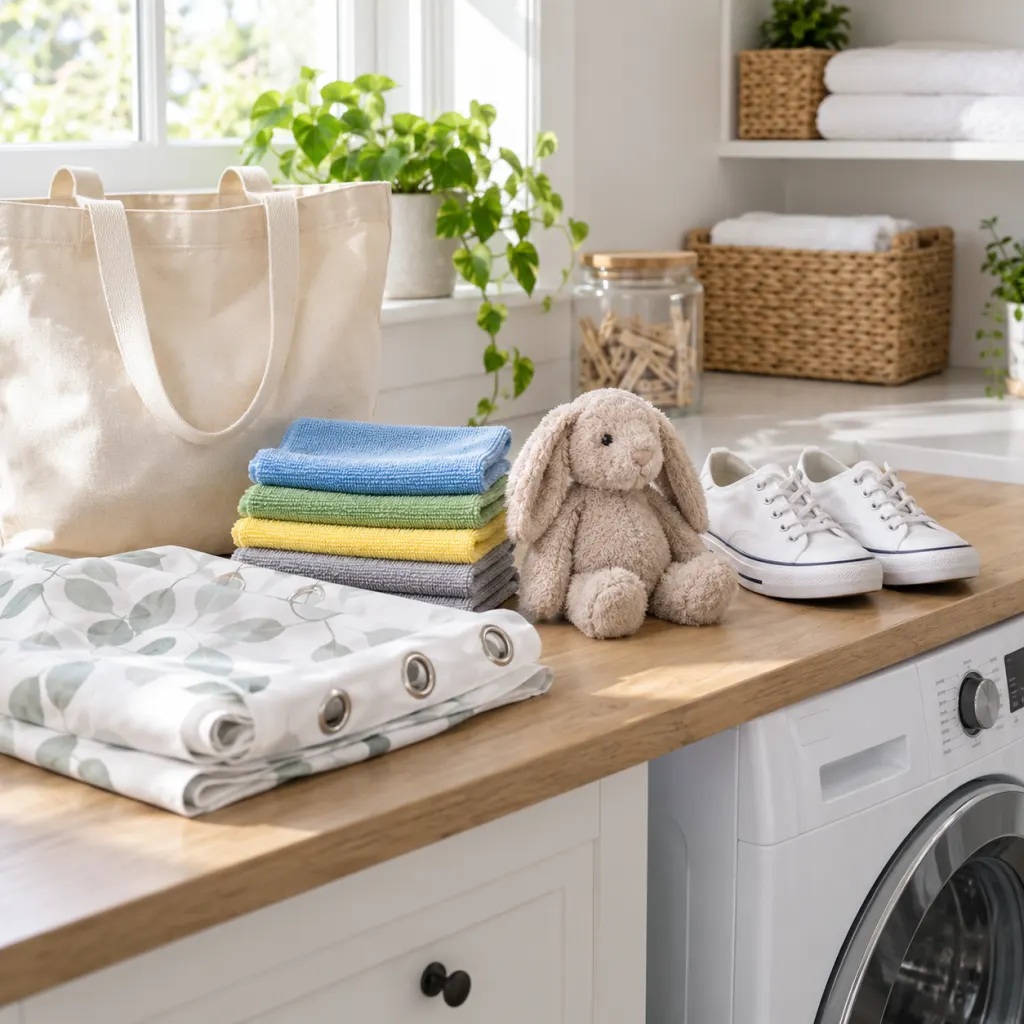
Machine washing household items works best for washable textiles with sturdy seams, colorfast fabric, and no fragile attachments. Kitchen cloths, mop pads, canvas bags, fabric shower curtains, some bath mats, canvas shoes, backpacks, stuffed animals, curtains, and some pillows are common candidates. Read the label, use a gentle or normal cycle that fits the material, skip fabric softener on microfiber, handle bleach and packets carefully, and dry every item fully before use or storage.
Frequently Asked Questions
- → Can I wash reusable grocery bags in the washing machine?
Many plain cotton or canvas reusable bags can be machine washed, but check for leather handles, cardboard bases, insulation, foil linings, printed coatings, or care instructions that say wipe clean only. Empty the bag, shake out crumbs, wash on a gentle cycle, and air dry fully before storing it.
- → Is it okay to wash bath mats with towels?
It depends on the mat. Cotton and some microfiber mats may wash well, but rubber-backed mats can shed or crack if the backing is already worn. Heavy mats also need room to move and rinse, so avoid stuffing the washer. If the mat is bulky, wash it separately or with only a few similar items.
- → Can stuffed animals go in the washer?
Some can. Machine washing is usually best for sturdy stuffed animals without batteries, sound boxes, fragile seams, glued parts, delicate vintage fabric, or bean filling. Use a mesh bag or pillowcase, choose a gentle cycle, and make sure the toy dries completely inside and out before returning it.
- → Should I use bleach when washing household items?
Use bleach only when the product label, fabric label, and washer instructions all support it. Bleach can discolor or weaken some materials, and it should never be mixed with other cleaners. For many ordinary loads, detergent, proper rinsing, and thorough drying are the main steps.
- → What should I never machine wash?
Avoid machine washing leather, suede, memory foam, toys with electronics, fragile antiques, items with cardboard reinforcement, rugs with deteriorating backing, and anything with loose hard parts that could damage the washer. If an item cannot dry fully after washing, choose another cleaning method.
References
This content was developed and refined using reliable sources.
- https://www.ftc.gov/legal-library/browse/rules/care-labeling-textile-wearing-apparel-certain-piece-goods-text
- https://www.epa.gov/coronavirus-and-disinfectants/whats-difference-between-products-disinfect-sanitize-and-clean
- https://site.extension.uga.edu/textiles/care/products
- https://site.extension.uga.edu/textiles/textile-basics/understand-your-fibers
- https://www.cdc.gov/infection-control/hcp/environmental-control/laundry-bedding.html
- https://extension.umn.edu/garden-and-home/home-maintenance/household-insects/bed-bugs
- https://www.cdc.gov/hygiene/about/cleaning-and-disinfecting-with-bleach.html
- https://www.cpsc.gov/safety-education/safety-guides/containers-and-packaging/single-load-liquid-laundry-packets-toxic