 Save
Empty pill bottles are handy little containers, but they need a few safety checks before they become household organizers. This guide shows how to prepare them, what to store in them, and when to recycle them instead. Keep repurposed bottles for non-food, non-medicine uses so no one confuses them with current prescriptions.
Step 1: Empty the bottle completely before reusing it
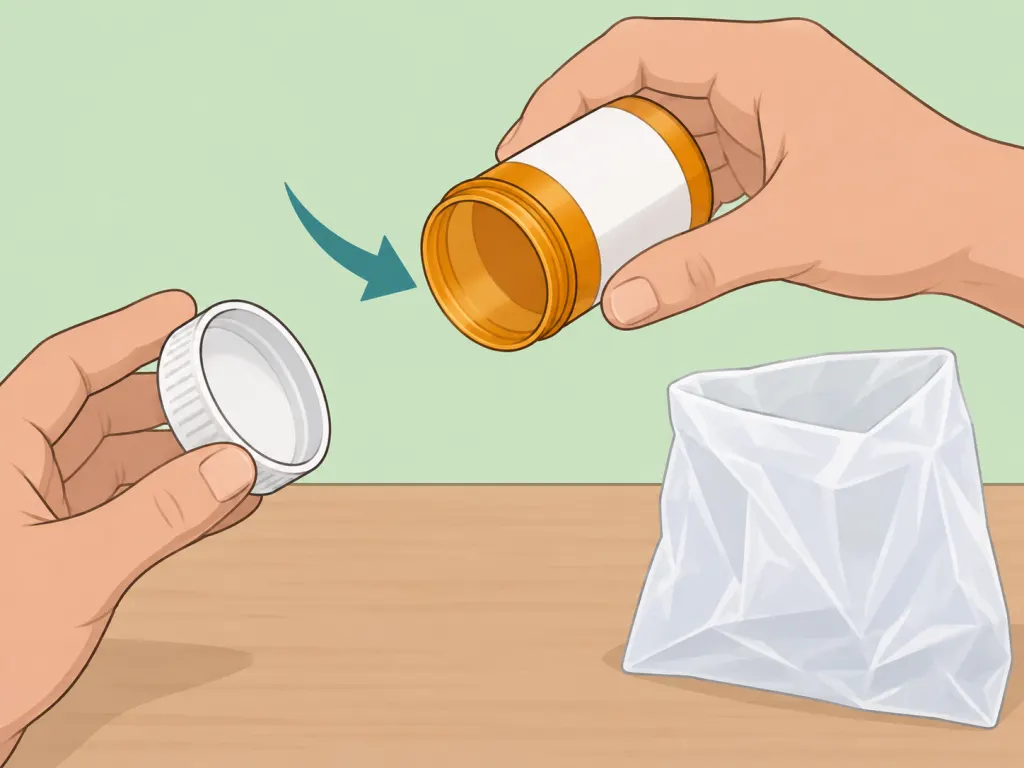
Take out every pill, packet, insert, and cotton plug before you turn the bottle into storage. If the medicine is expired or unwanted, use a take-back option when available, since the FDA recommends drug take-back programs as the best disposal method for most unused medicines.
Step 2: Remove or block out private label information
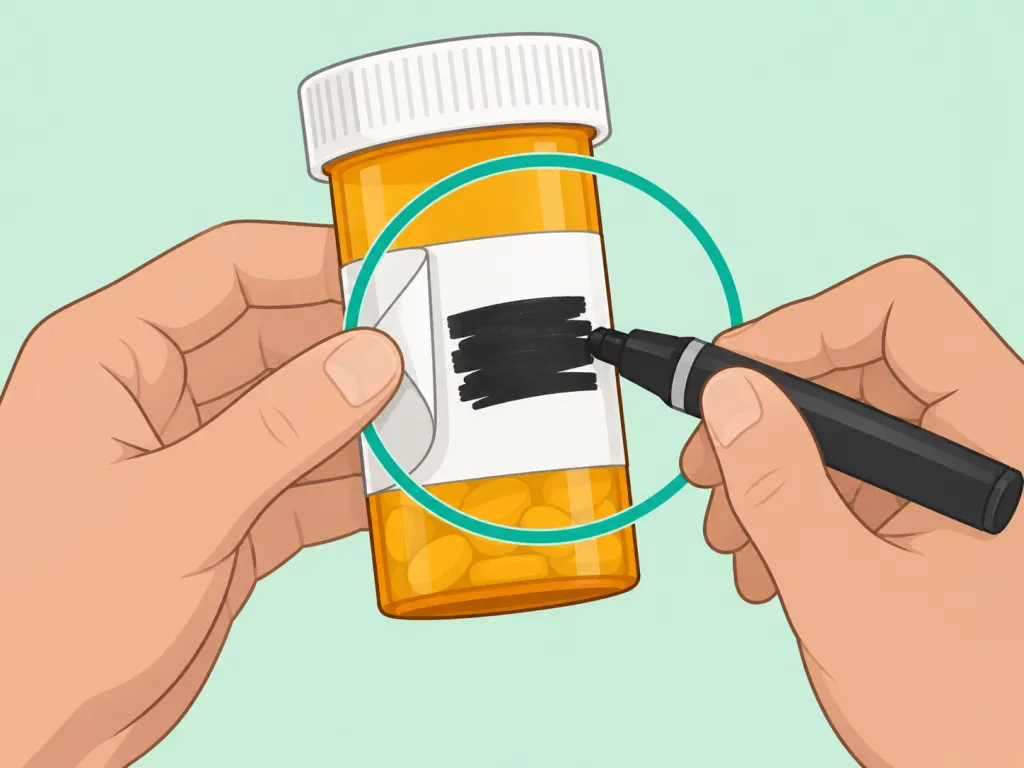
Scratch out your name, prescription number, pharmacy details, and any other personal information before the bottle leaves your medicine area. The FDA’s disposal guidance specifically recommends removing personal information from empty medicine packaging to protect privacy.
Step 3: Wash and dry the bottle thoroughly
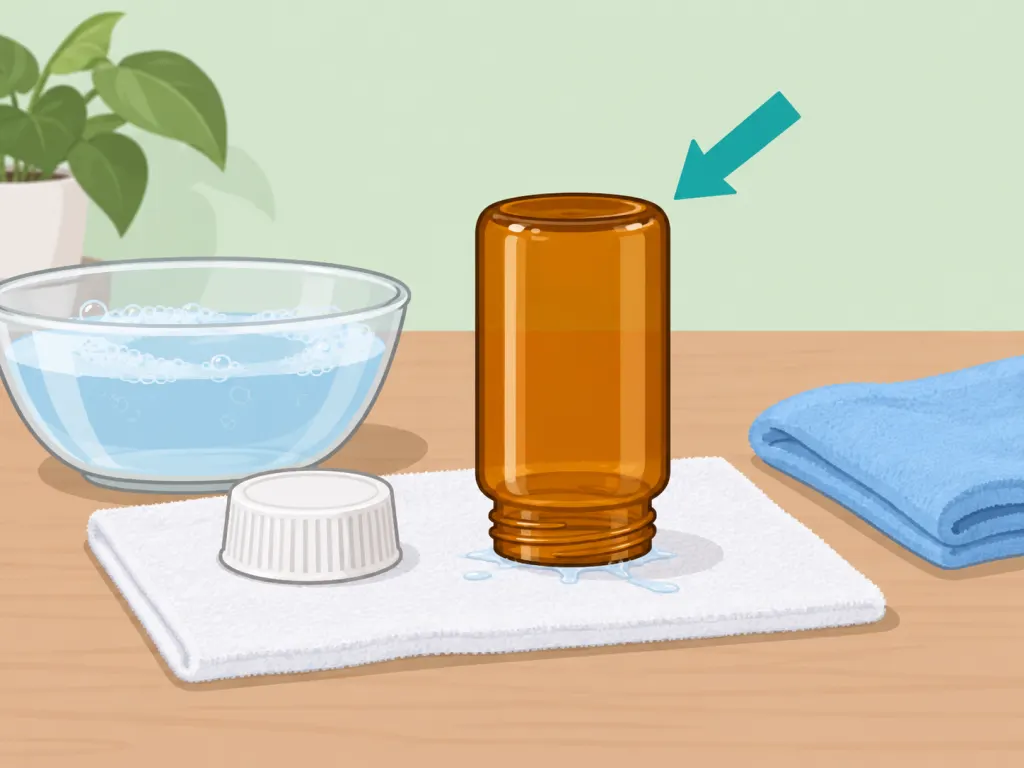
Wash the bottle and cap with warm soapy water, rinse well, and let both pieces air-dry fully with the cap off. Skip any bottle that smells strongly, has sticky residue inside, is cracked, or cannot be cleaned easily.
Step 4: Keep reused bottles out of food and medicine storage
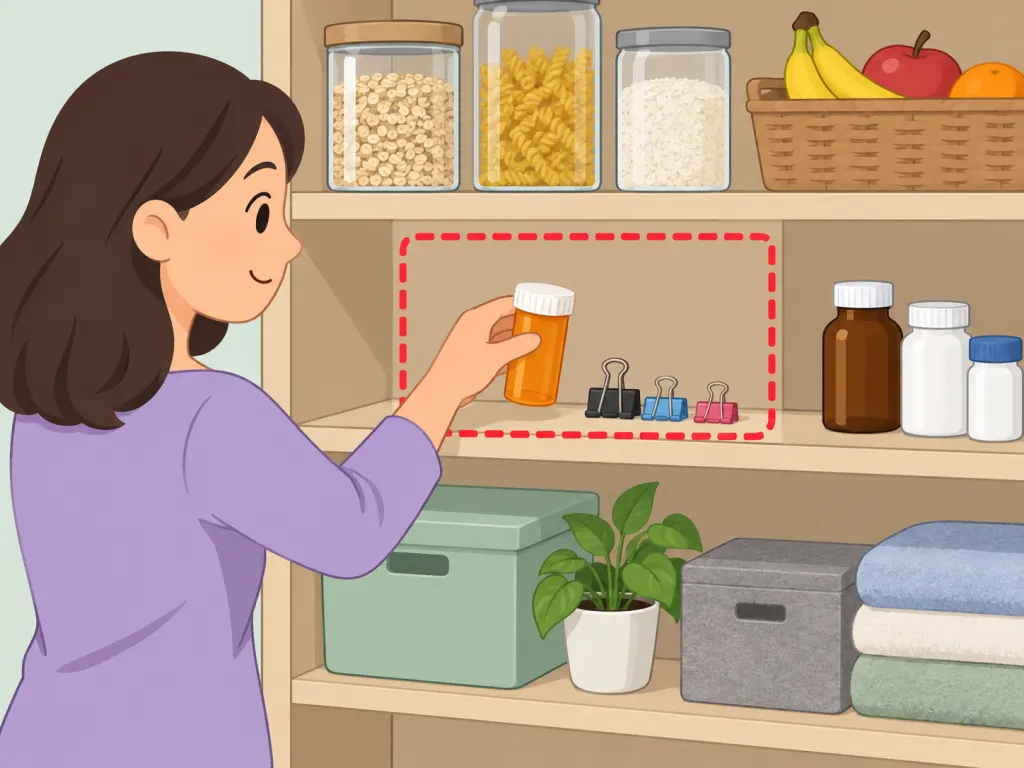
Use old pill bottles only for non-food, non-medicine items so no one mistakes them for an active prescription. The FDA says medicines should stay in their original containers, and food packaging is regulated for its intended food-contact use through food-contact safety review.
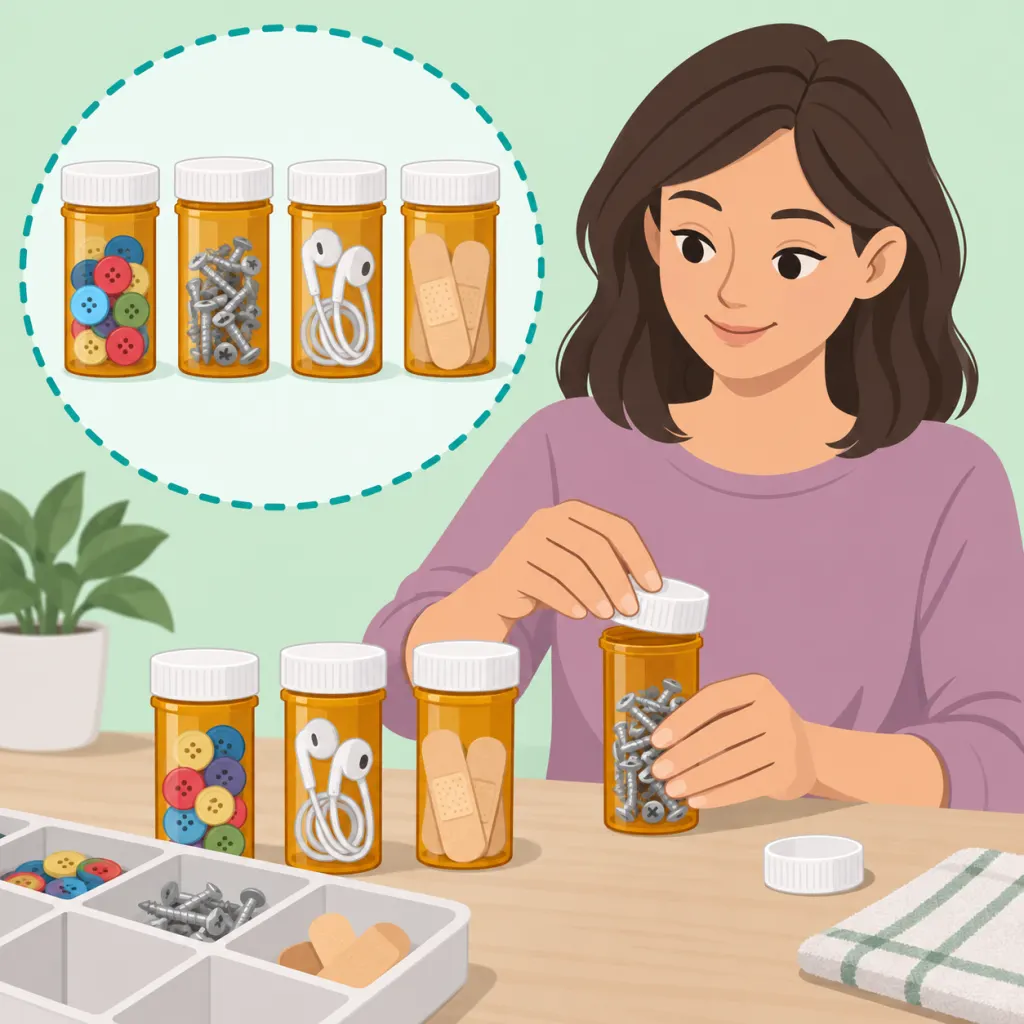
Fill a clean bottle with buttons, safety pins, a small thread card, beads, jump rings, or game tokens. Keep needles in a folded paper packet or tiny needle case inside the bottle so they do not poke through the plastic or surprise someone opening it.
Step 6: Sort workshop hardware in labeled bottles
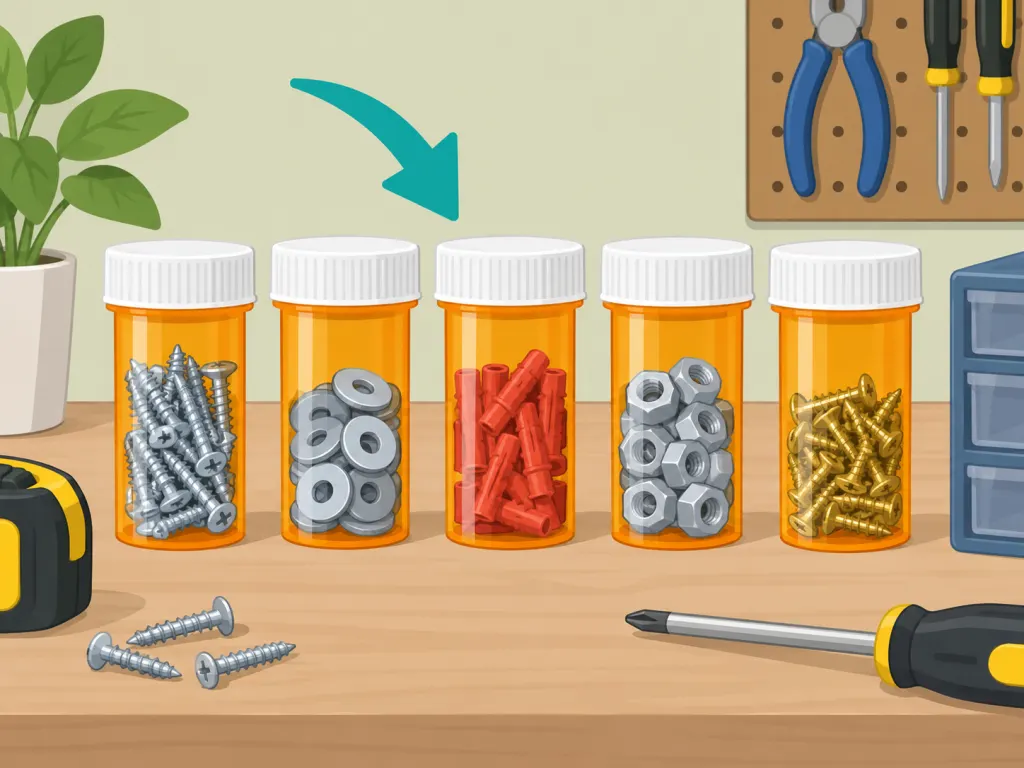
Use separate bottles for screws, nails, wall anchors, washers, picture-hanging hooks, fuses, or tiny drill bits. Add a plain paper label on the outside so you can identify the contents without opening every container.
Step 7: Protect small tech and travel items
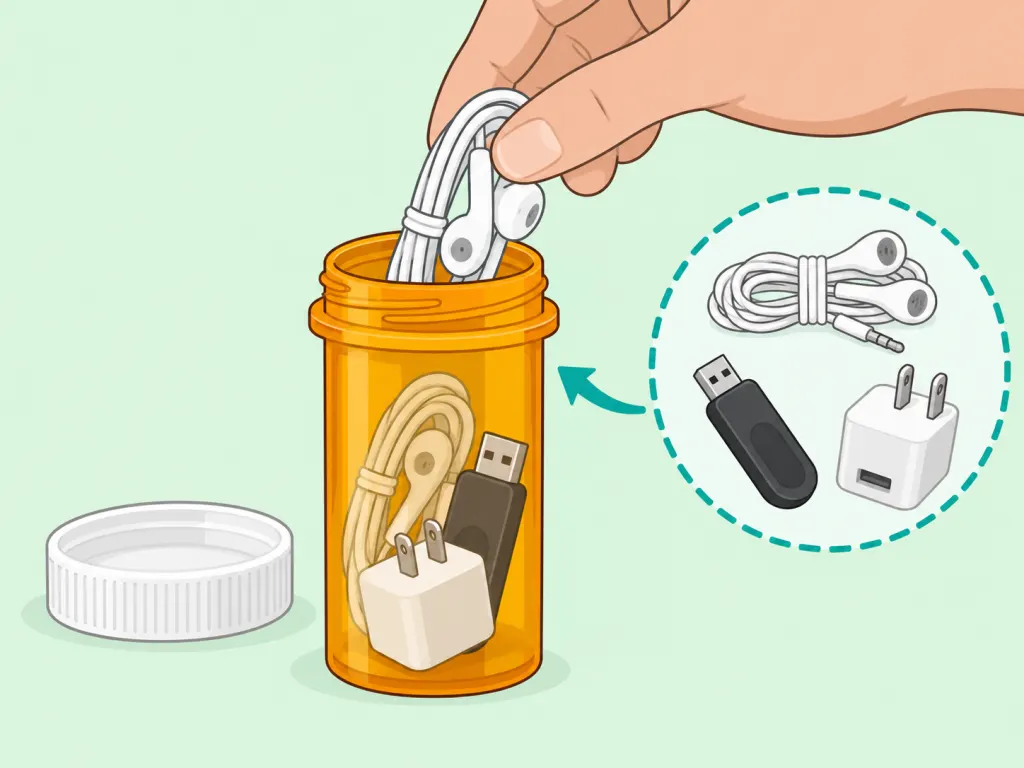
A pill bottle can keep earbuds, USB drives, SIM tools, charging adapters, rings, earrings, or emergency cash from disappearing into the bottom of a bag. Choose only dry items, and avoid packing anything with sharp edges that could cut through the bottle.
Step 8: Pack a tiny first-aid or comfort bottle
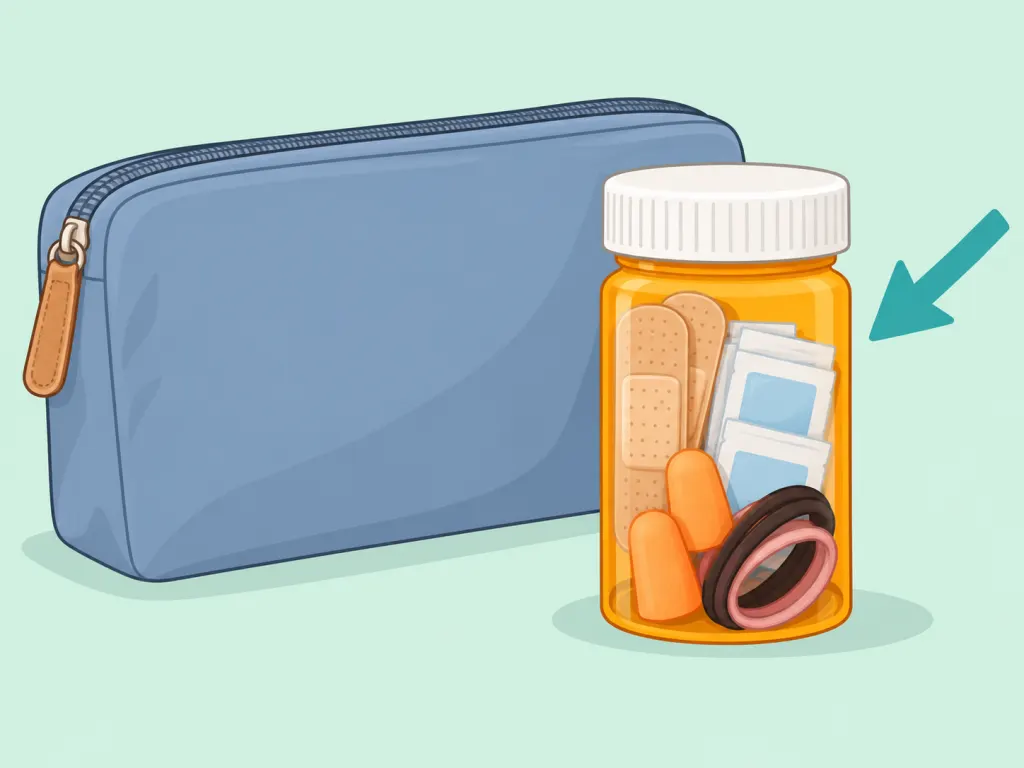
For a car, desk, or travel bag, fill a bottle with adhesive bandages, alcohol-free wipes, blister pads, hair ties, or spare earplugs. Do not add loose pills, since the FDA advises keeping medicines in their original containers to help prevent mix-ups.
Step 9: Recycle extras only if your local program accepts them
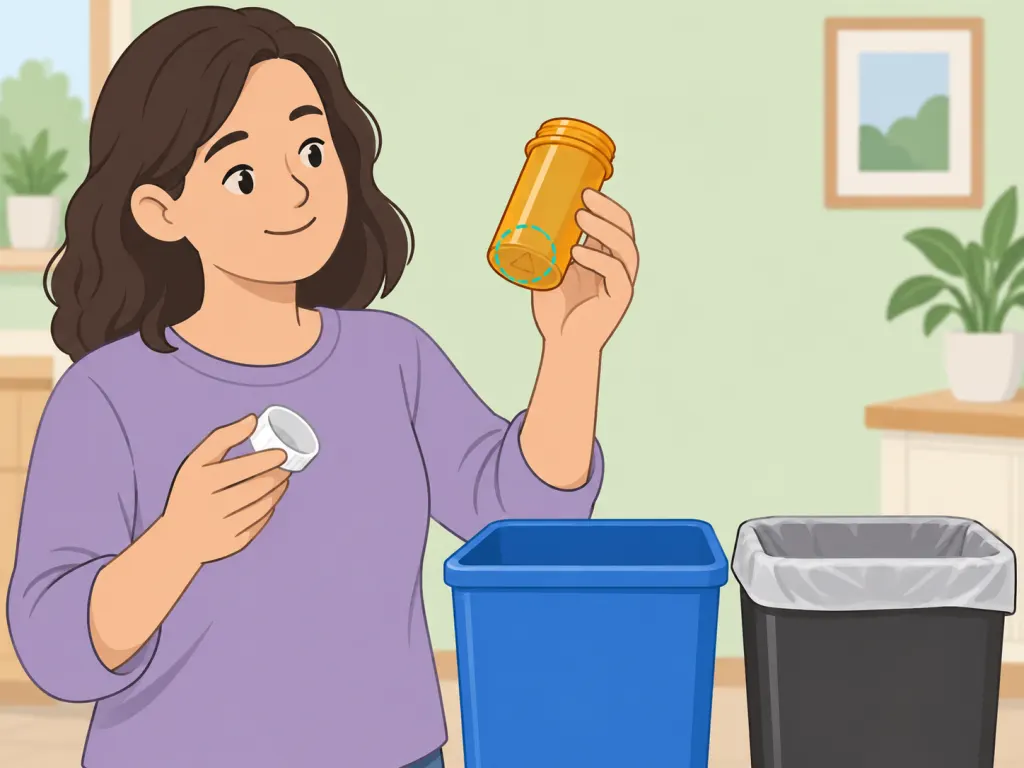
Check the resin code and your local recycling rules before placing empty bottles in the recycling bin. The EPA notes that plastic recycling depends on local acceptance, and a recycling symbol does not always mean an item belongs in your curbside bin.
Step 10: Get help quickly after any accidental exposure
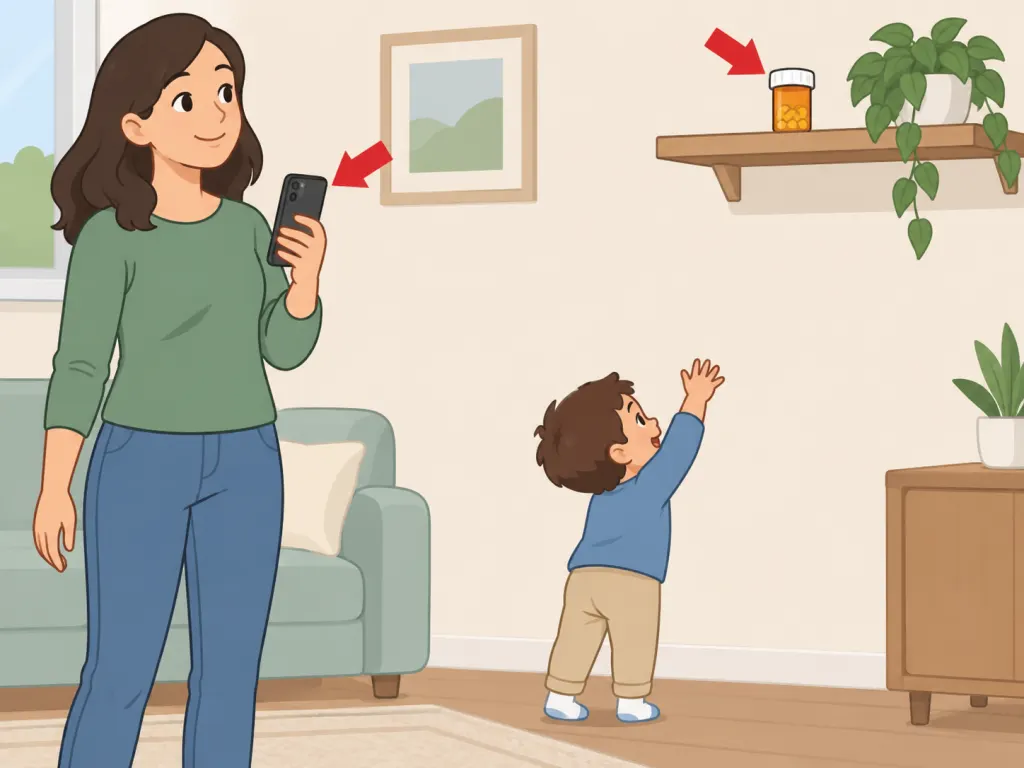
If someone may have swallowed medicine or been exposed to an unknown substance from a bottle, call emergency services or Poison Help at 1-800-222-1222 in the United States. MedlinePlus poisoning first-aid guidance says immediate help is important after a possible poison exposure.
Wrap-Up
The bottom line: old pill bottles are useful for tiny supplies once they are empty, de-labeled, washed, and kept out of food and medicine storage. Use them for simple organizing jobs, keep them away from young children, and recycle extras only when your local program accepts them.
Frequently Asked Questions
- → Can I reuse a pill bottle for new medicine?
No. The FDA advises keeping medicines in their original containers so the label, directions, and safety information stay with the product.
- → Can I use old pill bottles for spices, candy, or snacks?
It is better not to. FDA food-contact rules are based on the intended food use of a material, so an old medicine container should stay out of food storage.
- → How do I remove sticky label residue?
Peel off as much of the label as you can, then wash the outside with warm soapy water and rub the residue gently with a cloth. If residue remains, keep the bottle for utility storage where appearance does not matter.
- → Are pill bottles recyclable?
Sometimes. The EPA notes that plastic recycling depends on the item and the local program, so check your local recycling rules before putting small bottles in the bin.
- → What should I not store in reused pill bottles?
Do not store food, drinks, current medicines, mystery powders, sharp loose blades, or anything a child might mistake for candy. Choose clear, boring household supplies such as screws, buttons, paper clips, beads, or charging adapters.
- → What if a child may have swallowed medicine from a bottle?
Call emergency services or Poison Help at 1-800-222-1222 in the United States. MedlinePlus advises getting immediate help for a possible poison exposure.
References
This content was developed and refined using reliable sources.
- https://www.fda.gov/consumers/consumer-updates/where-and-how-dispose-unused-medicines
- https://www.fda.gov/drugs/understanding-over-counter-medicines/over-counter-medicines-whats-right-you
- https://www.fda.gov/food/food-ingredients-packaging/food-packaging-other-substances-come-contact-food-information-consumers
- https://www.epa.gov/recycle/how-do-i-recycle-common-recyclables
- https://www.cpsc.gov/Business--Manufacturing/Business-Education/Business-Guidance/Small-Parts-for-Toys-and-Childrens-Products
- https://www.medlineplus.gov/ency/article/007579.htm