 Save
The main takeaway: the biggest kidney risks after 50 are often ordinary and quiet, not dramatic. Kidneys filter waste and extra fluid, but chronic kidney disease can progress before a person feels anything obvious. The CDC estimates that CKD is more common in older adults and that about 9 in 10 adults with CKD may not know they have it, which is why routine testing and medication review matter more than waiting for symptoms CDC. This article explains 15 everyday patterns that deserve attention after midlife, including blood pressure patterns, diabetes-related risk, pain medicine habits, sodium-heavy meals, hydration, urinary symptoms, smoking, inactivity, sleep, and skipped checkups. The goal is not to frighten you; it is to make the invisible parts of kidney care easier to discuss with a doctor, pharmacist, or qualified health professional.
Why kidney risks feel quiet after midlife
Kidney trouble can be easy to miss because early CKD often has no clear symptoms. NIDDK says testing may be the only way to know how the kidneys are doing in early disease, and CDC data show CKD is much more common in adults 65 and older than in younger adults NIDDK CDC. After 50, the more useful question is not whether you feel fine today, but whether your daily patterns give your kidneys a fair working environment over time. That means looking at food labels, pain medicine use, fluid intake, urinary symptoms, tobacco exposure, physical activity, sleep, and whether kidney labs are being checked when risk is higher. For related reading, see 15 Kidney Warning Signs That Need Attention.
The 15 everyday risks to review
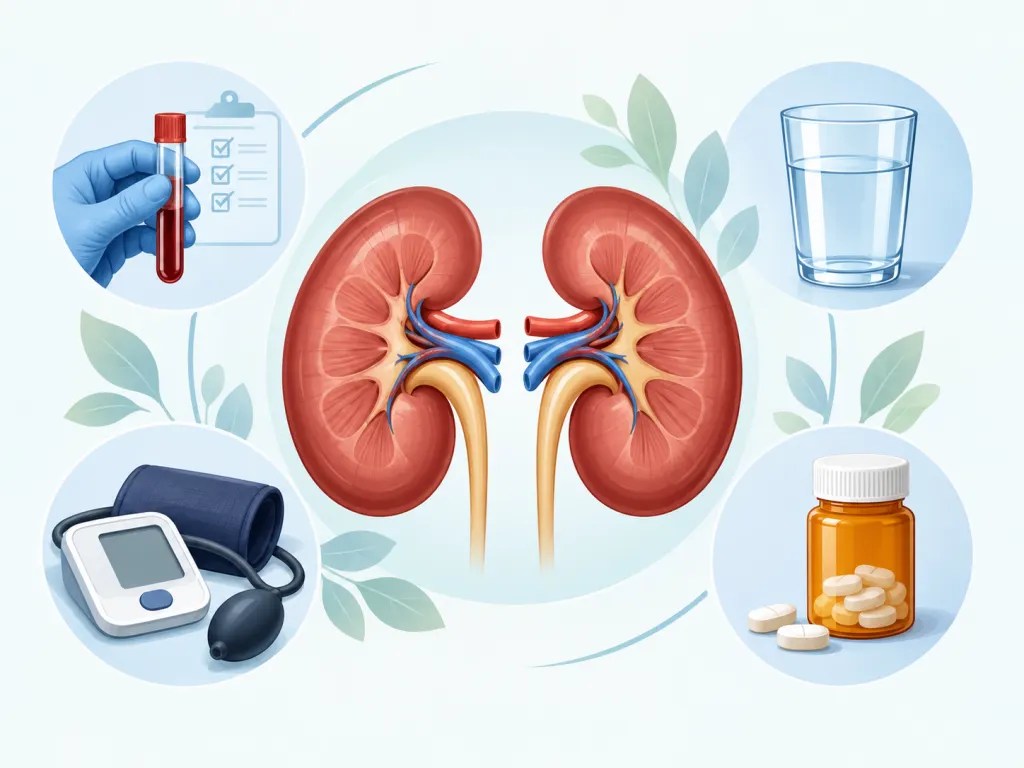
These are not personal diagnoses. They are conversation starters for a health visit, especially when several are present at once:
- Skipped kidney screening. CDC describes blood and urine tests as the main way CKD is checked; waiting for symptoms can miss early changes CDC.
- High blood pressure patterns without regular measurement. CDC lists high blood pressure as a CKD risk factor, and NIDDK explains that damaged kidney blood vessels may not filter properly CDC.
- Diabetes-related kidney strain. NIDDK says diabetes and high blood pressure are the most common causes of CKD in adults, because kidney filters can be injured over time NIDDK.
- Frequent NSAID use. NIDDK warns that NSAIDs such as ibuprofen and naproxen can harm kidneys, especially with long use or dehydration NIDDK.
- Mixing several pain relievers without review. MedlinePlus describes analgesic nephropathy as kidney damage linked with overexposure to pain medicines, particularly long-term self-medicating patterns MedlinePlus.
- High-sodium packaged meals. NIDDK notes sodium is common in canned, packaged, fast foods, condiments, seasonings, and meats, and links higher sodium intake with kidney stone risk NIDDK.
- Too little fluid for your situation. NIDDK says enough liquid, mainly water, is important for kidney stone prevention, while personal fluid needs should be discussed with a health professional.
- Urinary symptoms that linger. Kidney infections can begin in the lower urinary tract and move upward; NIDDK says they can cause serious health problems NIDDK.
- Unreviewed supplements and cold medicines. NIDDK recommends keeping an up-to-date list of medicines, vitamins, supplements, and over-the-counter products for health visits.
- Smoking or other tobacco use. NIDDK includes stopping smoking among steps that support kidney and whole-body health.
- Heavy alcohol patterns. NIDDK notes that too much alcohol can affect blood pressure and weight, both relevant to kidney risk discussions.
- Long stretches of inactivity. NIDDK includes regular physical activity among whole-body steps that also support kidney health.
- Poor sleep as a routine. NIDDK includes getting enough sleep among kidney-supportive lifestyle steps.
- Family history that is never mentioned. CDC lists family history of CKD as a risk factor, so it belongs in the medical history.
- Assuming kidney problems always announce themselves. CDC data on low awareness make this risky; normal-feeling days do not replace appropriate testing.
Food and drink patterns that matter most
Kidney-friendly eating is often less exotic than people expect. The practical pattern is a steady preference for foods with less sodium and added sugar, more meals cooked from basic ingredients, and fewer highly processed convenience foods. NIDDK advises choosing fruits, vegetables, whole grains, and low-fat or fat-free dairy products as part of a generally healthy pattern, while cutting back on salt and added sugars NIDDK. For kidney stones, NIDDK highlights drinking enough liquid, mainly water, and says sodium, animal protein, calcium, and oxalate may matter depending on stone type NIDDK. The safest takeaway is not a one-size-fits-all menu. It is to notice patterns: many restaurant meals, frequent processed meats, salty snacks, sweet drinks, and rarely drinking water can all be worth bringing into a clinician or dietitian conversation. For a food-focused follow-up, see Breakfast Types to Rethink for Kidney Health.

Medicine shelves deserve a careful look
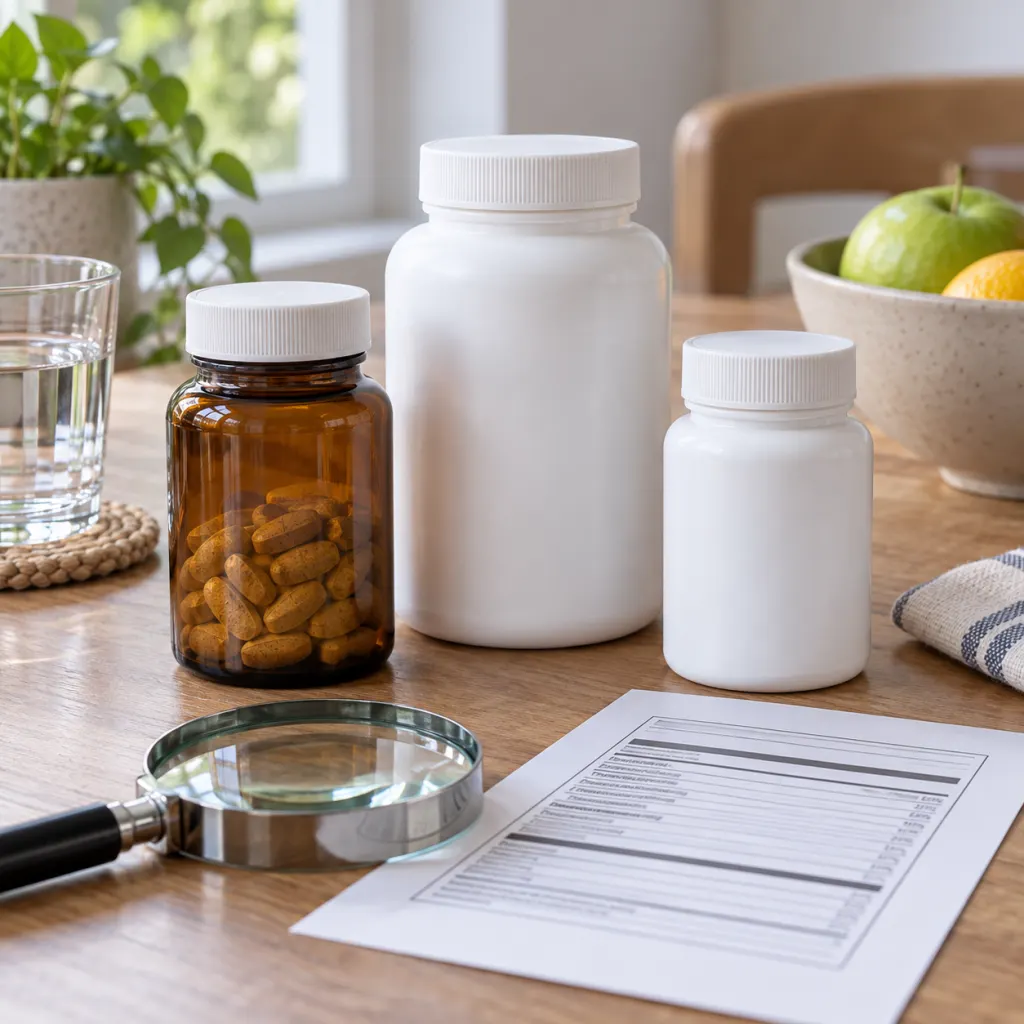
After 50, many people have a fuller medicine cabinet: prescriptions, pain relievers, sleep aids, cold products, vitamins, minerals, and herbal supplements. The kidney issue is not that every product is unsafe. The issue is that combinations, repeated use, dehydration, and existing risk factors can change the safety picture. NIDDK specifically calls out NSAIDs in popular pain relievers and cold medicines as products that can damage kidneys when used for a long time or during dehydration or low blood pressure NIDDK. MedlinePlus adds that analgesic nephropathy is linked with overexposure to pain medicine mixtures, especially over-the-counter analgesics taken frequently over long periods MedlinePlus. A practical habit is to bring a current medicine and supplement list to visits, including products that seem too ordinary to mention. Pharmacists can also help identify duplicate ingredients hidden in different boxes. For a deeper look at this one topic, see Everyday Pills That Can Affect Kidney Health.
Signals and checks are more reliable than guesswork
Because kidney problems may not cause early symptoms, routine checks matter. CDC explains that CKD testing uses a blood test to estimate kidney filtering and a urine test to check for albumin, a protein that can appear when kidneys are damaged CDC. Those results are not a home project; they need interpretation in context, including age, muscle mass, medicines, medical history, and whether a finding persists. Symptoms still matter, especially blood in urine, a major change in urination, swelling, unusual fatigue, flank pain, fever with urinary symptoms, or symptoms that follow a recent urinary tract infection. But the absence of symptoms should not be treated as proof that the kidneys are fine. This is especially true when risk factors cluster, such as family history plus high blood pressure patterns, diabetes-related risk, NSAID use, or prior stones.

Build a simple kidney-safety routine
A useful routine is small enough to keep. Once or twice a year, review the same basic items: recent kidney blood and urine test results, blood pressure readings from clinic or home, all prescription and over-the-counter medicines, supplement use, sodium-heavy foods, fluid habits, smoking status, alcohol pattern, sleep, activity, and any urinary symptoms. This review is especially valuable before travel, before starting a new pain medicine habit, after an illness that caused vomiting or poor fluid intake, or when a new prescription is added. The routine does not need to be perfect to be helpful. Even one improvement, such as checking labels for sodium, writing down actual medicine names, or asking whether kidney testing is appropriate, can make a health visit more specific. CDC lists diabetes, high blood pressure, heart failure, family history, and obesity among CKD risk factors, so these belong in the same conversation rather than separate boxes CDC.
When personal guidance should not wait
Some kidney-related situations are not good candidates for watchful waiting at home. Prompt medical guidance is important for blood in urine, a sharp drop in urine amount, severe back or side pain, fever with urinary symptoms, confusion during a suspected infection, repeated vomiting with poor fluid intake, or a suspected medicine reaction. NIDDK says kidney infections can become serious, and MedlinePlus advises contacting a provider for possible analgesic nephropathy symptoms or decreased urine amount after long painkiller use NIDDK MedlinePlus. For less urgent but still important concerns, bring written notes: what changed, when it started, what medicines were taken, and whether there were recent illnesses. Clear notes help a qualified professional separate kidney, bladder, medication, hydration, and other possible explanations.
Wrap-Up
Kidney care after 50 is mostly about steady awareness: routine testing when appropriate, careful medicine use, sodium awareness, enough fluid for personal needs, quick attention to urinary symptoms, and honest conversations about chronic conditions and family history. The quiet nature of CKD is exactly why small, repeatable checks are useful. Bring the 15 risks above to a clinician or pharmacist and turn the list into questions tailored to your own health record.
Frequently Asked Questions
- → Why can kidney problems be missed after 50?
Early CKD may not cause obvious symptoms. CDC data also show many adults with CKD are unaware of it. That is why kidney-related blood and urine tests, interpreted by a qualified professional, are more reliable than waiting for a dramatic sign.
- → Are over-the-counter pain medicines always a kidney problem?
No. The concern is repeated use, duplicate ingredients, dehydration, and personal risk factors. NIDDK specifically warns that NSAIDs such as ibuprofen and naproxen can harm kidneys in some situations, so a medicine review with a doctor or pharmacist is sensible.
- → Does drinking more water solve kidney risk?
Water can matter, especially for kidney stone risk, but fluid needs are personal. NIDDK recommends discussing the right amount of liquid with a health professional, particularly when medical conditions or medicines affect fluid balance.
- → Which daily habit is easiest to check first?
Start with a medicine and supplement list. Include prescriptions, pain relievers, cold products, vitamins, minerals, and herbal products. This gives a clinician or pharmacist a clear view of duplicate ingredients and products that may need extra caution.
- → When should kidney symptoms be handled quickly?
Prompt medical guidance is appropriate for blood in urine, a major change in urine amount, severe side or back pain, fever with urinary symptoms, confusion during a suspected infection, or symptoms after long-term pain medicine use.
References
This content was developed and refined using reliable sources.
- https://www.cdc.gov/kidney-disease/php/data-research/index.html
- https://www.cdc.gov/kidney-disease/risk-factors/index.html
- https://www.niddk.nih.gov/health-information/kidney-disease/chronic-kidney-disease-ckd/prevention
- https://www.niddk.nih.gov/health-information/kidney-disease/keeping-kidneys-safe
- https://medlineplus.gov/ency/article/000482.htm
- https://www.niddk.nih.gov/health-information/kidney-disease/chronic-kidney-disease-ckd/causes
- https://www.niddk.nih.gov/health-information/urologic-diseases/kidney-stones/eating-diet-nutrition
- https://www.cdc.gov/kidney-disease/testing/index.html
- https://www.niddk.nih.gov/health-information/urologic-diseases/kidney-infection-pyelonephritis/definition-facts