 Save
The common vitamin behind many stroke-risk headlines is vitamin K. The direct answer is this: vitamin K is essential for normal clotting, and for most older adults it belongs in a balanced eating pattern, but sudden changes in vitamin K intake can matter for people taking warfarin or similar anticoagulant medicines. That does not mean seniors should stop eating leafy greens or start a high-strength supplement on their own. It means vitamin K should be steady, visible on a medication list, and discussed during routine care.
This topic is easy to misunderstand because vitamin K sits at the meeting point of nutrition, clotting, heart rhythm problems, and stroke risk. The NIH Office of Dietary Supplements explains that vitamin K includes K1, found mainly in green leafy vegetables, and K2 forms, found in some fermented and animal foods. The same NIH resource notes that people taking warfarin need consistent vitamin K intake. For seniors, the practical question is not whether vitamin K is good or bad. It is whether the amount coming from meals, multivitamins, bone-health formulas, and specialty K2 products is predictable enough for their personal medical situation.
The Vitamin In Question Is Vitamin K
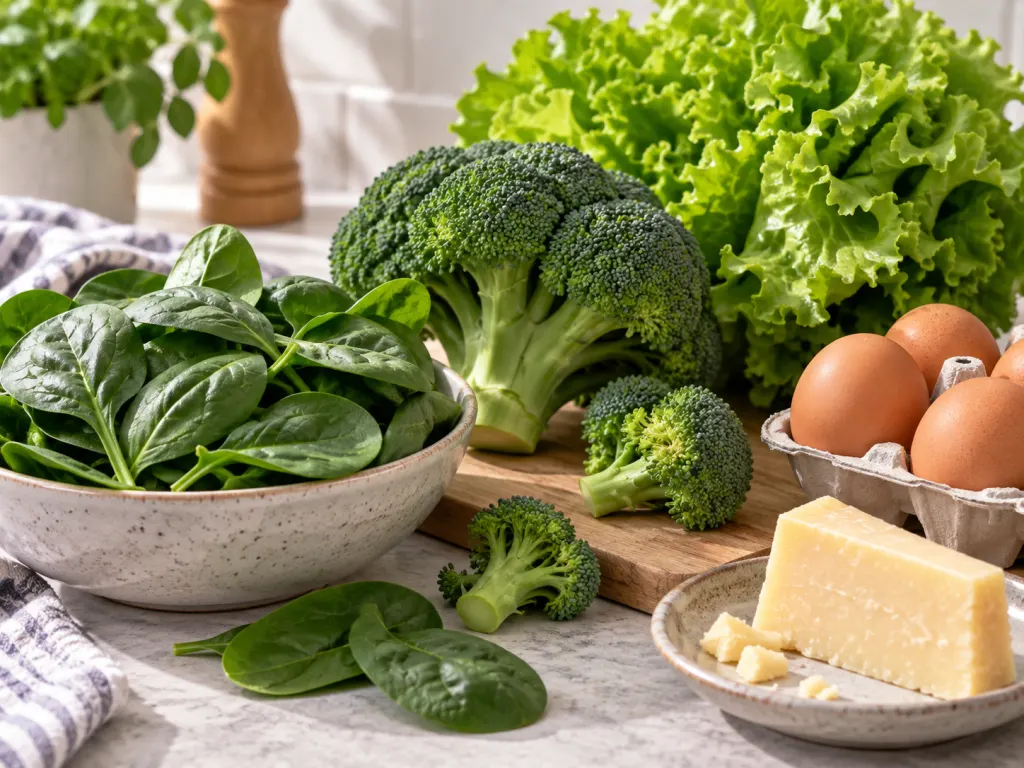
Vitamin K is a fat-soluble vitamin involved in making several proteins that help blood clot normally. The NIH describes vitamin K as a family of compounds, including phylloquinone, often called vitamin K1, and menaquinones, often grouped as vitamin K2. K1 is common in spinach, kale, collards, broccoli, lettuce, and certain plant oils. K2 appears in smaller and more variable amounts in foods such as some cheeses, animal foods, and fermented foods.
That clotting role is why vitamin K appears in discussions about stroke. Strokes can have different causes, including blocked blood flow to the brain or bleeding in the brain. Vitamin K itself is not a simple “risk switch.” It is one part of the clotting system, and its relevance depends heavily on the person. A senior who is not taking an anticoagulant is in a different situation from someone prescribed warfarin after atrial fibrillation, a heart valve procedure, or a history of clotting problems.
Another source of confusion is supplement marketing. Vitamin K can appear alone, in multivitamins, in products paired with vitamin D or calcium, and in formulas labeled MK-7. The NIH notes that supplement products may contain a wider range of vitamin K amounts than ordinary multivitamins. That is one reason a supplement review is useful for older adults, especially when several products are being taken at the same time.
Why Seniors Hear Mixed Messages About Vitamin K
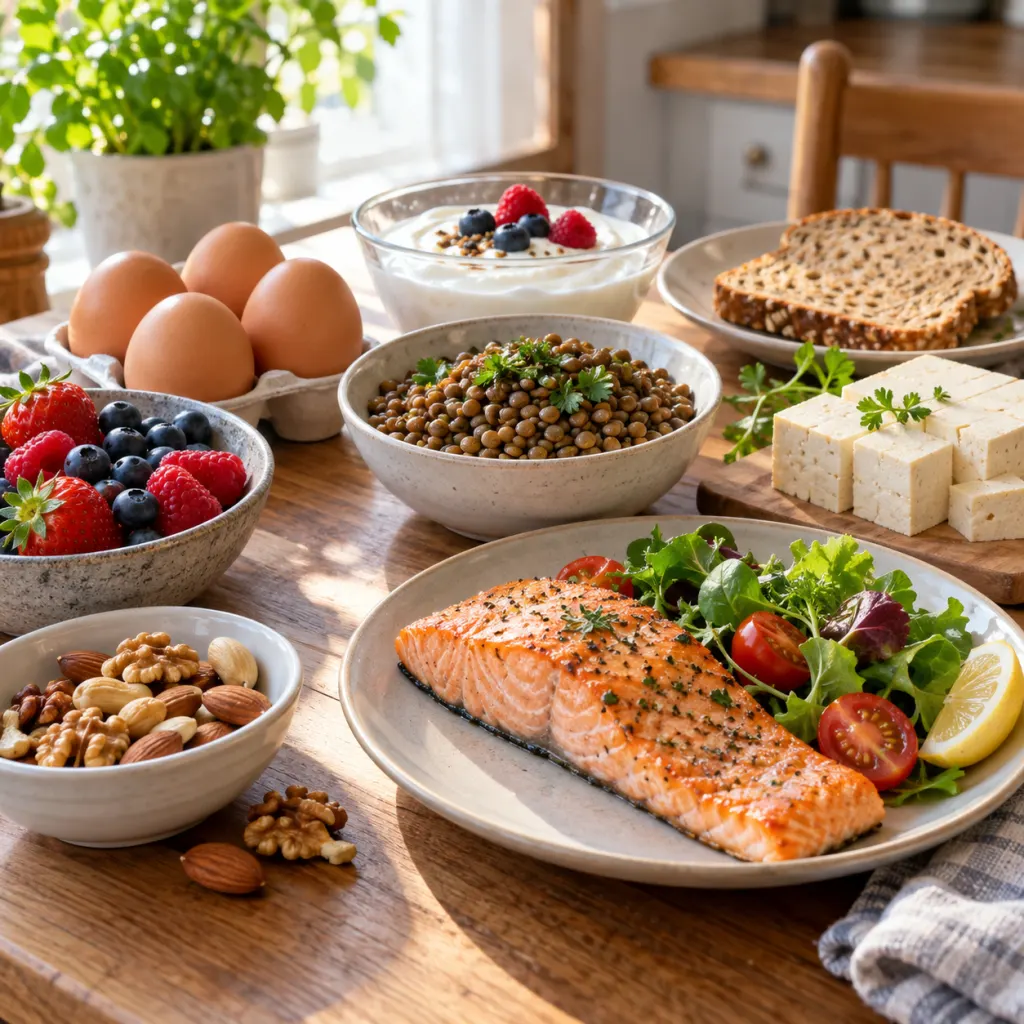
Older adults often receive two messages that sound contradictory. First, they may be encouraged to eat vegetables, including leafy greens, as part of a nutritious pattern. Second, they may be warned about vitamin K if they take warfarin. Both messages can be true at the same time. The problem is usually not a normal serving of vegetables. The problem is an abrupt swing, such as suddenly adding large green smoothies every morning, starting a high-strength K2 supplement, or cutting out greens completely because of fear.
The NHS warfarin guidance says foods high in vitamin K, including broccoli, spinach, and other green leafy vegetables, can affect how warfarin works, but people can still eat these foods and should talk with their warfarin clinic before major diet changes. That distinction matters. Avoidance can make meals less varied, while sudden increases can complicate monitoring. A steady pattern gives clinicians a clearer picture.
For caregivers, the simplest useful approach is to look for recent changes. Has a new supplement been added? Has appetite changed after illness? Did a meal-delivery plan suddenly change the amount of greens? Has a senior started drinking nutrition shakes or using a fortified powder? These everyday details are often more informative than asking whether vitamin K is “safe” in the abstract.
Where Vitamin K Shows Up Day To Day
Vitamin K is not limited to a bottle on the counter. It may be present in foods and products that look unrelated at first glance. A practical review can include:
- Leafy greens: spinach, kale, collards, turnip greens, lettuce, and similar vegetables.
- Cruciferous vegetables: broccoli, Brussels sprouts, cabbage, and cauliflower.
- Plant oils: especially oils used in dressings, cooking, and prepared foods.
- Fermented and animal foods: some cheeses, eggs, meats, and fermented soy foods, with amounts that can vary.
- Supplements: multivitamins, bone-health products, vitamin D and calcium blends, and products labeled K2, MK-4, or MK-7.
The point of listing these sources is not to make anyone count every bite. It is to make the pattern visible. For a senior whose clinician is monitoring clotting measures, a written list of regular foods and supplements can be more useful than a vague statement such as “I eat healthy.”
When Vitamin K Matters Most In Stroke-Risk Conversations
Vitamin K becomes especially important when a senior is prescribed warfarin. Warfarin works by opposing vitamin-K-dependent clotting activity, and the American Heart Association explains that people taking warfarin need blood testing, commonly reported as INR, so clinicians can keep clotting time in the intended range. The same AHA guide advises people taking warfarin to keep vitamin K intake relatively similar from week to week.
This is where stroke risk and vitamin K can intersect. Some seniors take warfarin because they have atrial fibrillation, certain valve conditions, or a history of clots. The CDC notes that atrial fibrillation is associated with a higher risk of ischemic stroke. If vitamin K intake suddenly changes, warfarin monitoring may need attention. That does not make vitamin K the cause of stroke. It means changing the vitamin K pattern can change a tool some patients use to manage clotting risk.
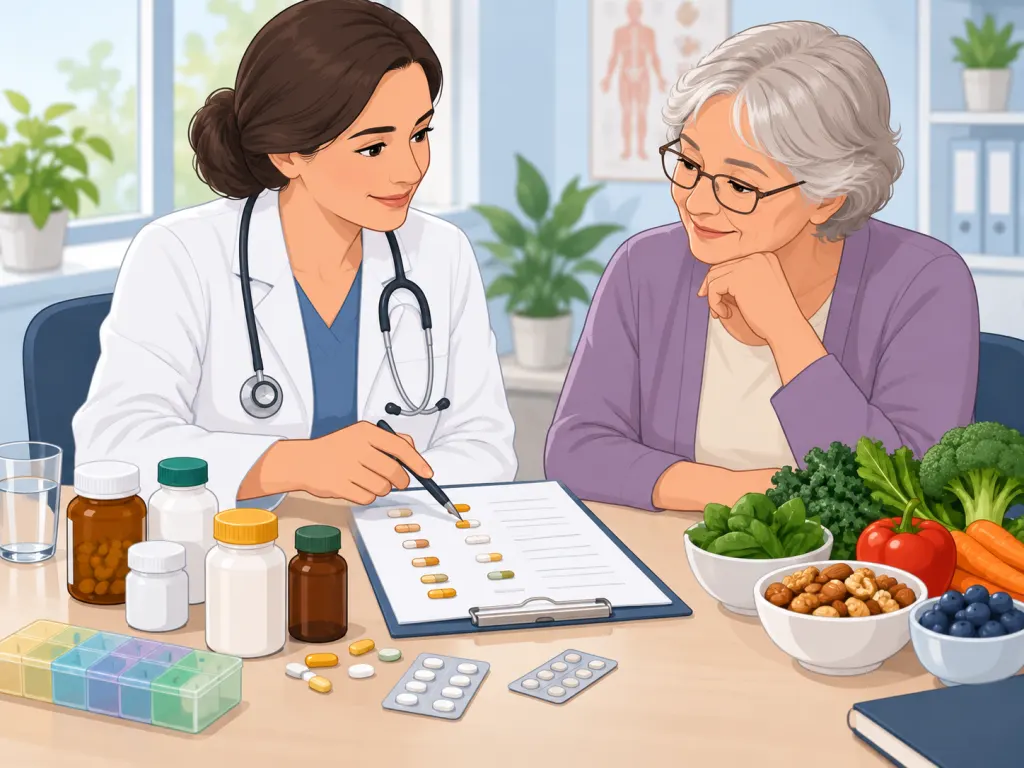
Newer anticoagulant medicines are handled differently from warfarin, and not every person with stroke risk is taking the same medication. That is why medication names matter. Seniors and caregivers should bring the actual bottles, supplement labels, and pharmacy list to appointments. “Blood thinner” is a broad phrase; the exact medicine changes the advice.
Food Consistency Is Different From Food Fear
One of the most helpful reframes is this: consistency is not the same as restriction. A senior who regularly eats a salad at lunch may be able to keep doing that while monitored appropriately. A senior who rarely eats greens should not suddenly begin a concentrated greens powder without mentioning it. The concern is the size and speed of the change.
Food also provides more than one nutrient at a time. Leafy vegetables can be part of a broader eating pattern that includes fiber-containing foods, minerals, and plant compounds. Removing them because of a headline may create a less balanced routine. On the other hand, taking several supplement products because each one sounds beneficial can make the total intake harder to track. The more products involved, the easier it is for an older adult to forget one, double up, or miss that vitamin K appears in a “bone support” formula.
A steady plate is easier to discuss than a perfect plate. Seniors can write down the green vegetables they usually eat in a week, the supplements they take, and any recent changes in appetite. That record gives a doctor, pharmacist, dietitian, or anticoagulation clinic a practical starting point.
What To Review Before Buying A Vitamin K Supplement
Before adding vitamin K, K2, or MK-7, older adults should pause and review the reason. Is the product being considered for bone-health support, because a friend recommended it, because it is paired with vitamin D, or because a lab result raised a specific question? A clear reason helps a clinician decide whether the supplement fits the person’s medical history.
The NIH vitamin K fact sheet notes that most U.S. diets contain an adequate amount of vitamin K and that clinically significant deficiency in adults is rare, generally appearing in situations such as malabsorption disorders or medicines that affect vitamin K metabolism. That does not mean deficiency is impossible, but it does mean a routine supplement is not automatically necessary for every senior.
Product labels deserve close reading. Some supplements include vitamin K in blends where it is not obvious from the front of the bottle. Others use forms such as MK-7, which is often marketed as long-lasting. A caregiver checking labels should look at the supplement facts panel, not only the brand name. If warfarin is on the medication list, the safest next step is a clinician or anticoagulation-clinic conversation before starting, stopping, or changing a vitamin K product.

Stroke Risk Is Bigger Than One Vitamin
Vitamin K deserves attention in specific circumstances, but stroke risk in seniors is much broader. The CDC stroke risk-factor guidance lists factors such as age, previous stroke or transient ischemic attack, heart disease, atrial fibrillation, diabetes, high blood pressure, cholesterol, smoking, and family history. Some factors cannot be changed, but many can be reviewed and managed with a health care team.
That bigger picture is important because supplement debates can distract from better-established conversations. Blood pressure checks, medication reviews, heart-rhythm evaluation, diabetes care, smoking cessation support, mobility, sleep, and follow-up after a transient ischemic attack may matter more than a single nutrient. A senior who is worried about vitamins may also benefit from reading Warning Signs of Stroke and Ways to Lower Your Risk and 5 Medicines Older Adults Should Review for Heart and Stroke Risk.
For people with fatigue, numbness, memory concerns, or dietary changes, vitamin questions may overlap with other nutrient issues. The related guide Vitamin B12 Deficiency Signs People Often Miss may be useful, but it should not replace individualized care. The same is true for articles about vitamin D or kidney health. Nutrients are part of health, not a stand-alone explanation for every symptom.
When To Treat Symptoms As Urgent
A vitamin discussion should never delay emergency care. The CDC stroke signs page says to call 9-1-1 right away for sudden symptoms such as trouble walking, dizziness, loss of balance, vision trouble, numbness or weakness on one side, confusion, trouble speaking, or a sudden severe headache with no known cause. CDC also uses the B.E. F.A.S.T. reminder: balance, eyes, face, arms, speech, and time.
If symptoms come and go after a few minutes, they still deserve urgent medical attention. A transient ischemic attack can be a warning sign of a serious condition. A supplement question can wait until the emergency is handled. Do not drive yourself or someone else with possible stroke symptoms; emergency medical services can begin care on the way and help the hospital prepare.
A Practical Checklist For Seniors And Caregivers
The most useful action after reading about vitamin K is not panic. It is preparation. Bring better information to the next appointment. A simple one-page list can include all prescription medicines, over-the-counter medicines, vitamins, minerals, herbal products, nutrition shakes, and powders. Add how often each is taken and whether anything changed recently.
For someone taking warfarin, add the usual pattern of vitamin-K-rich foods. That does not require perfect tracking. “Spinach salad most weekdays,” “broccoli twice a week,” or “greens powder started last month” is enough to begin a more precise conversation. Also write down missed doses, appetite changes, alcohol changes, recent antibiotics, falls, bruising, bleeding concerns, and upcoming dental or surgical procedures, because clinicians may need the full context.
Ask focused questions: Should my vitamin K intake stay about the same each week? Does this supplement contain vitamin K? Should I contact the clinic before changing my greens routine? Do my INR results suggest I should change anything, or should the medication plan be adjusted by the clinician? These questions keep the decision where it belongs, with the patient and qualified professionals using the full medical picture.
The Bottom Line For Older Adults
Vitamin K is essential, common in ordinary foods, and often safe as part of a consistent eating pattern. The caution is about sudden changes and hidden supplement sources, especially for seniors taking warfarin. A stable routine, an accurate medication and supplement list, and timely INR follow-up are more useful than avoiding leafy greens or chasing a headline.
For seniors not taking warfarin, vitamin K may still be worth discussing if there are absorption problems, unusual bleeding or bruising, major diet changes, or several supplements in use. But the larger stroke-risk conversation should stay broad. Heart rhythm, blood pressure, diabetes, cholesterol, smoking, prior stroke or TIA, mobility, and access to urgent care all deserve attention. Vitamin K is one piece of the picture, not the whole frame.
Wrap-Up
Vitamin K may influence stroke-risk conversations in seniors mainly through its role in normal clotting and its relationship with warfarin monitoring. The safest general approach is steady intake, not sudden restriction or sudden supplement use. Older adults should keep a current list of foods, medicines, and supplements, ask before major changes, and treat stroke symptoms as an emergency. Personal decisions belong with a qualified clinician who knows the full medical history.
Frequently Asked Questions
- → Should seniors avoid leafy greens because they contain vitamin K?
Usually, no. Leafy greens can be part of a balanced routine. The key issue for people taking warfarin is keeping vitamin K intake fairly consistent and discussing major changes with the clinician or anticoagulation clinic.
- → Is vitamin K2 safer than vitamin K1 for older adults?
Neither form is automatically safer for every person. K1 and K2 come from different food and supplement sources, and the right advice depends on medications, medical history, and the reason a supplement is being considered.
- → Why does warfarin make vitamin K more important?
Warfarin works through vitamin-K-dependent clotting pathways, so sudden changes in vitamin K intake can affect monitoring results. People taking warfarin should keep follow-up appointments and ask before changing supplements or eating patterns.
- → Can a multivitamin contain enough vitamin K to matter?
It can matter for some people, especially if warfarin is involved or several products are being combined. Check the supplement facts panel for vitamin K, K2, MK-4, or MK-7, and include the product on the medication list.
- → What should I do if someone has possible stroke symptoms during a supplement concern?
Call 9-1-1 right away for sudden trouble walking, vision changes, one-sided weakness or numbness, confusion, trouble speaking, or a sudden severe headache. Do not wait to sort out supplement questions first.
References
This content was developed and refined using reliable sources.
- https://ods.od.nih.gov/factsheets/vitaminK-HealthProfessional
- https://www.nhs.uk/medicines/warfarin
- https://www.heart.org/en/health-topics/arrhythmia/prevention--treatment-of-arrhythmia/a-patients-guide-to-taking-warfarin
- https://www.cdc.gov/stroke/risk-factors/index.html
- https://www.cdc.gov/heart-disease/about/atrial-fibrillation.html
- https://www.cdc.gov/stroke/signs-symptoms/index.html