 Save
Meatloaf Wellington is a cozy main dish made by wrapping a cooked meatloaf in puff pastry and baking it until the crust is crisp and golden. The safest and most reliable method is to cook the meatloaf first, then wrap it after it has cooled. This guide walks you through the process with practical food-safety checks for ground meat, pastry handling, serving, and leftovers.
Step 1: Thaw the puff pastry in the refrigerator
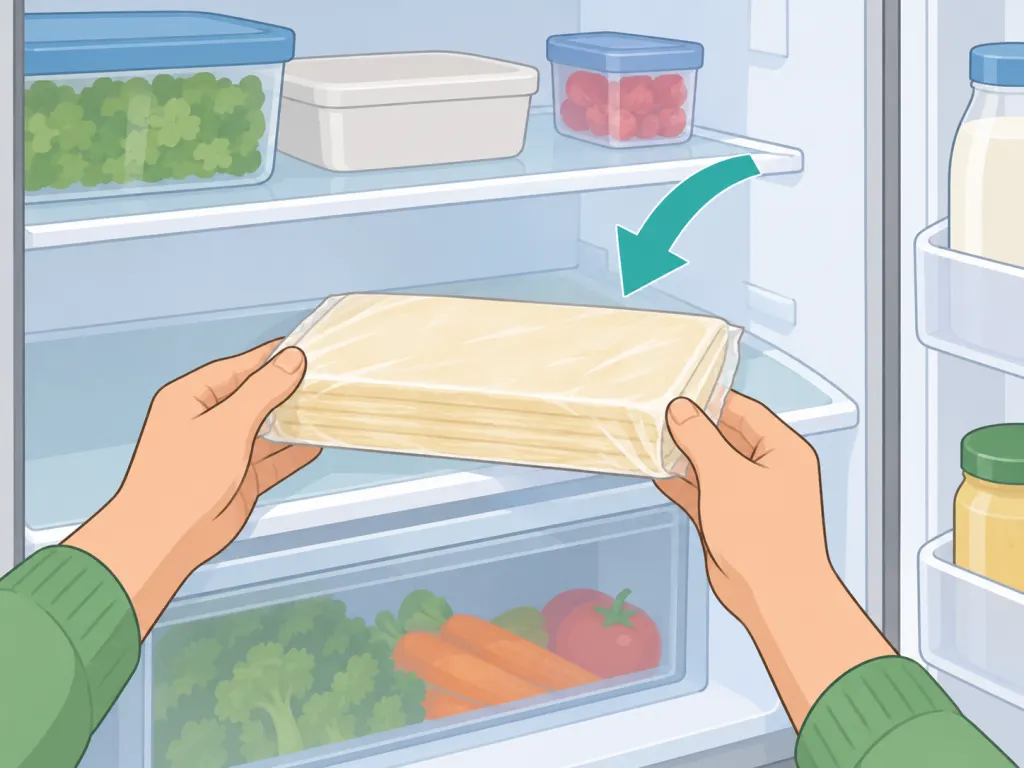
Move frozen puff pastry to the refrigerator the night before you plan to cook. Illinois Extension recommends refrigerator defrosting for puff pastry so the butter layers stay cold, which helps the pastry puff and handle cleanly.
Step 2: Set up a clean workspace for raw ground meat
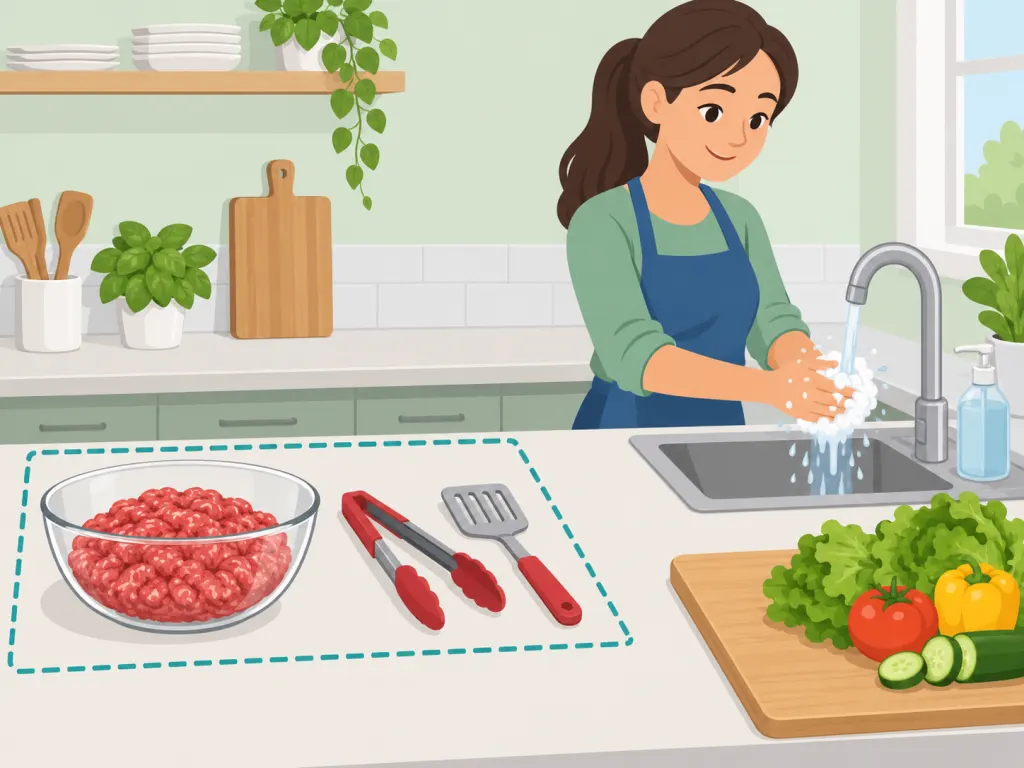
Wash your hands, use a clean board and bowl, and keep raw ground meat away from ready-to-eat foods. FoodSafety.gov’s four basic food-safety steps are clean, separate, cook, and chill, and all four matter when making meatloaf.
Step 3: Mix the meatloaf gently
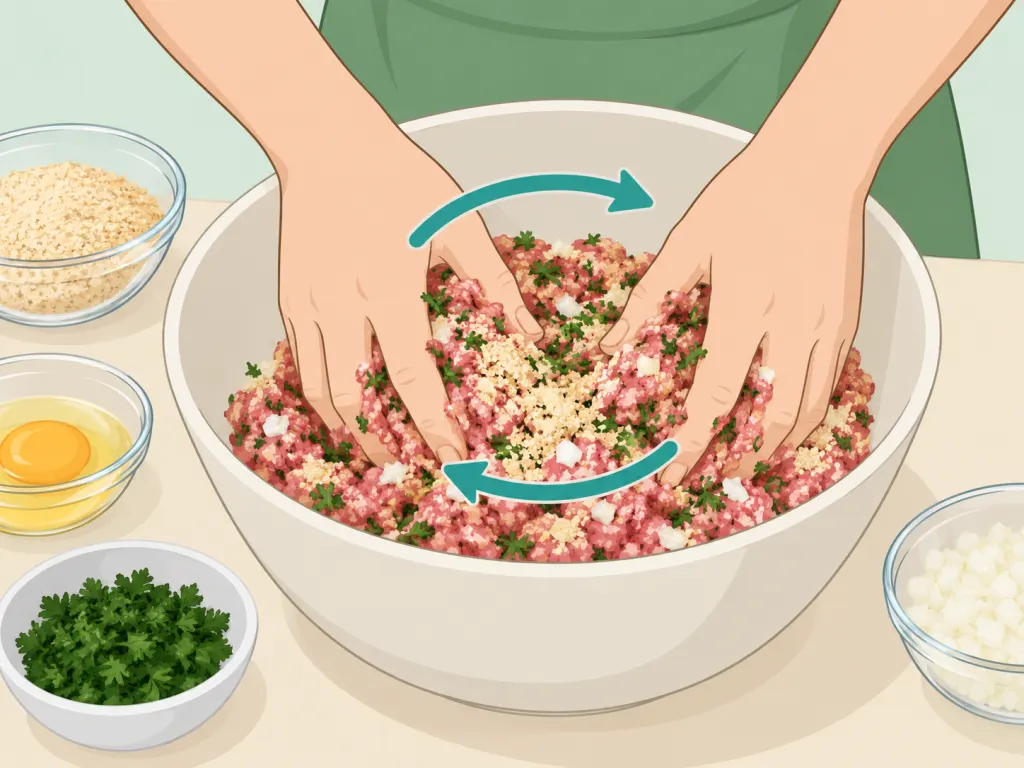
Combine ground beef with your usual binder, seasonings, and finely chopped aromatics, mixing only until everything holds together. A compact loaf shape cooks more evenly than a thick, uneven mound, so shape it into a neat log that will later fit inside the pastry sheet.
Step 4: Bake the meatloaf until it reaches 160°F
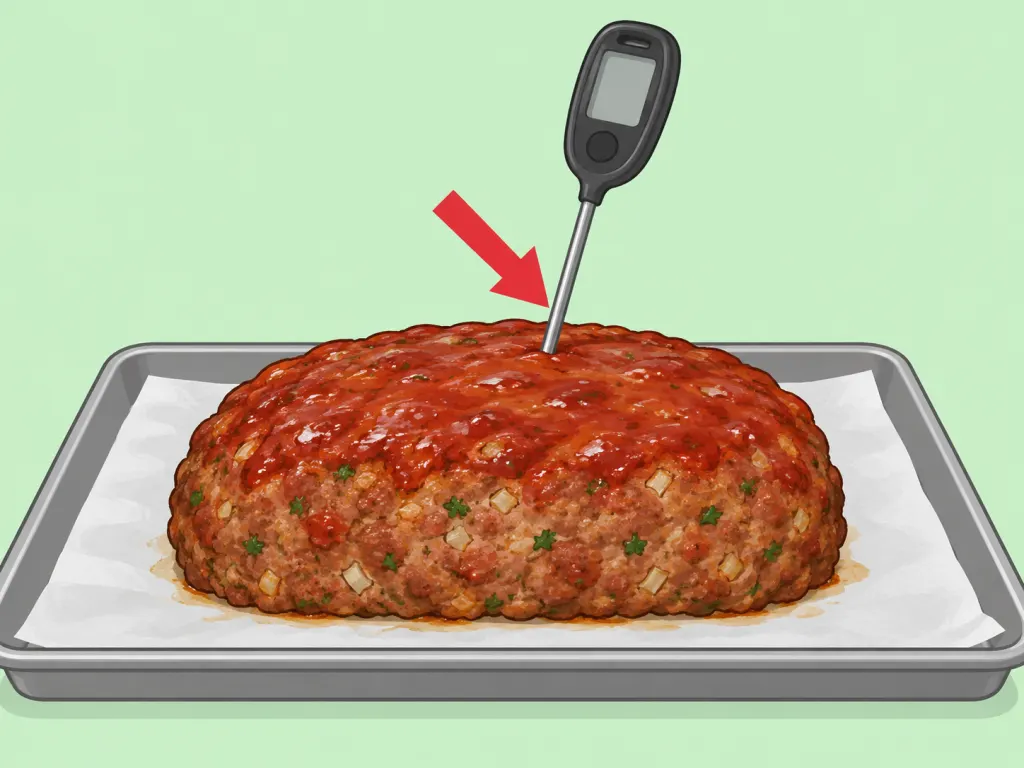
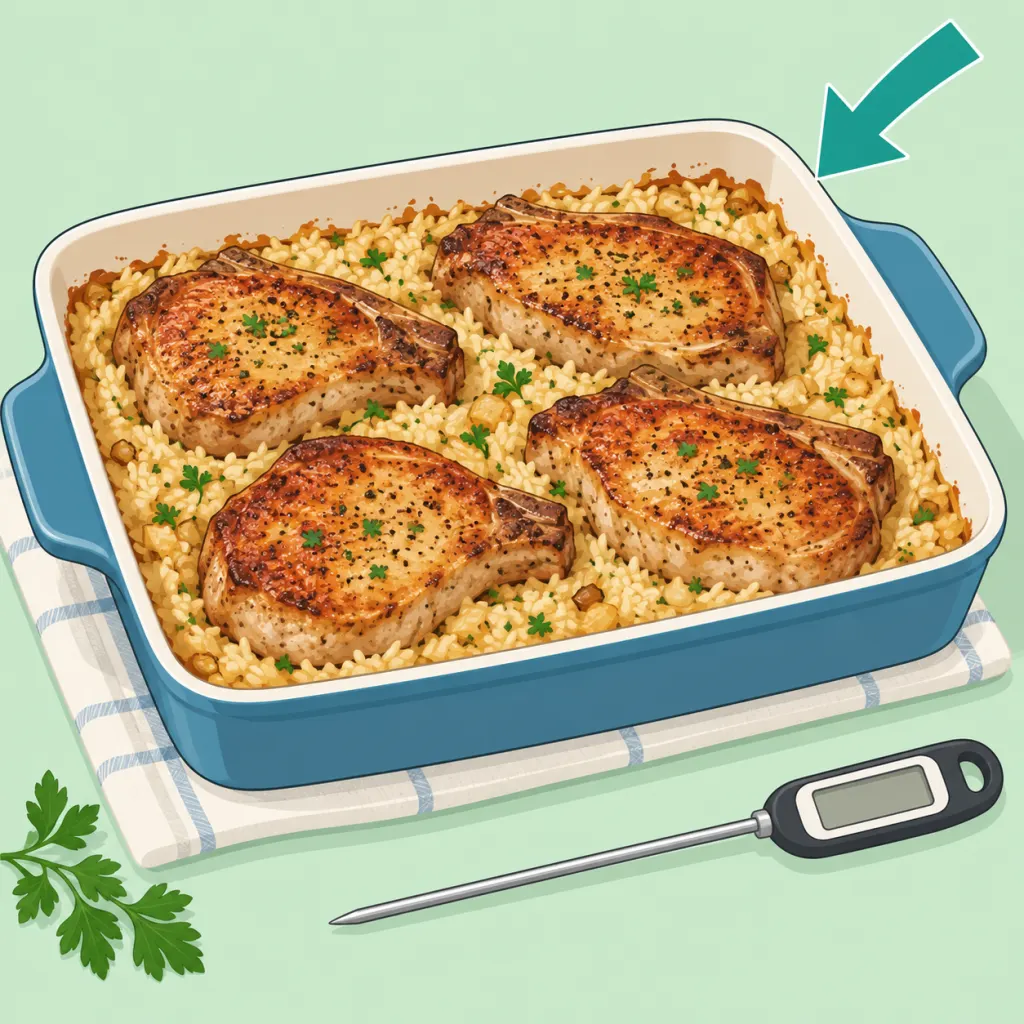
Place the shaped loaf on a lined baking sheet and bake it until the center reaches 160°F on a food thermometer. USDA says ground beef and ground beef mixtures such as meatloaf should reach a safe minimum internal temperature of 160°F.
Let the cooked meatloaf cool until it stops steaming, then refrigerate it if you are not wrapping it right away. Keep perishable foods out of the 40°F to 140°F range as much as possible, and follow FoodSafety.gov’s chill guidance by refrigerating promptly.
Step 6: Wrap the chilled loaf in cold puff pastry
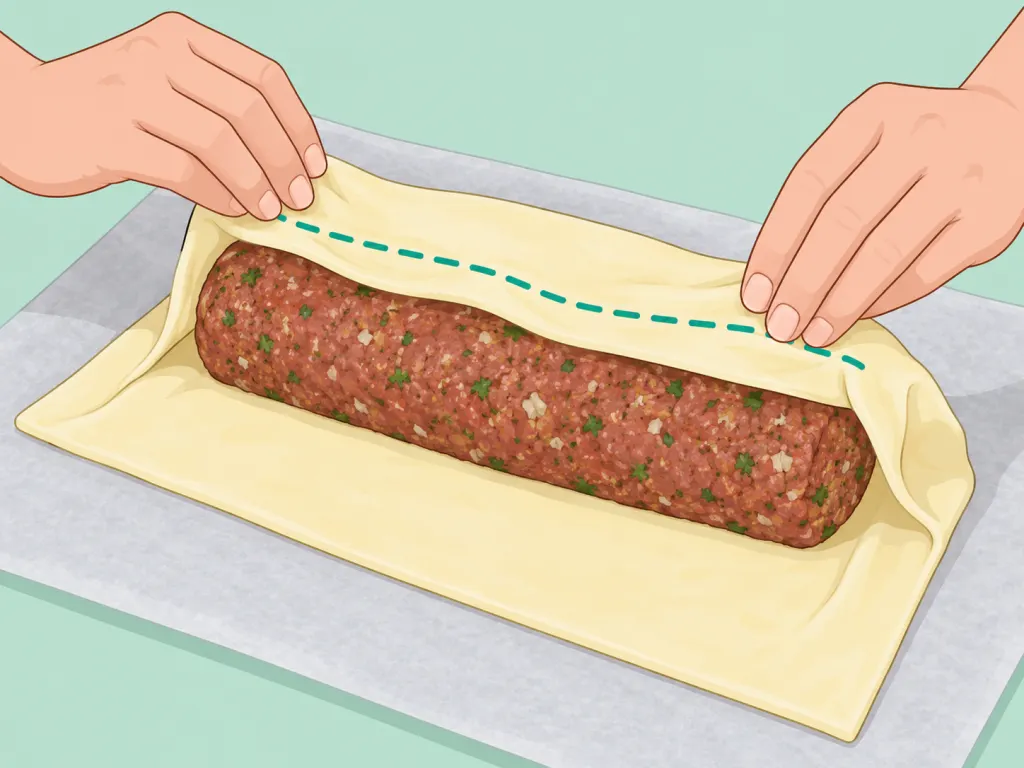
Roll the thawed pastry just enough to fit around the loaf, place the chilled meatloaf in the center, and fold the pastry over it with the seam underneath. Pinch the ends closed so the pastry hugs the loaf without stretching or tearing.
Step 7: Vent and glaze the pastry
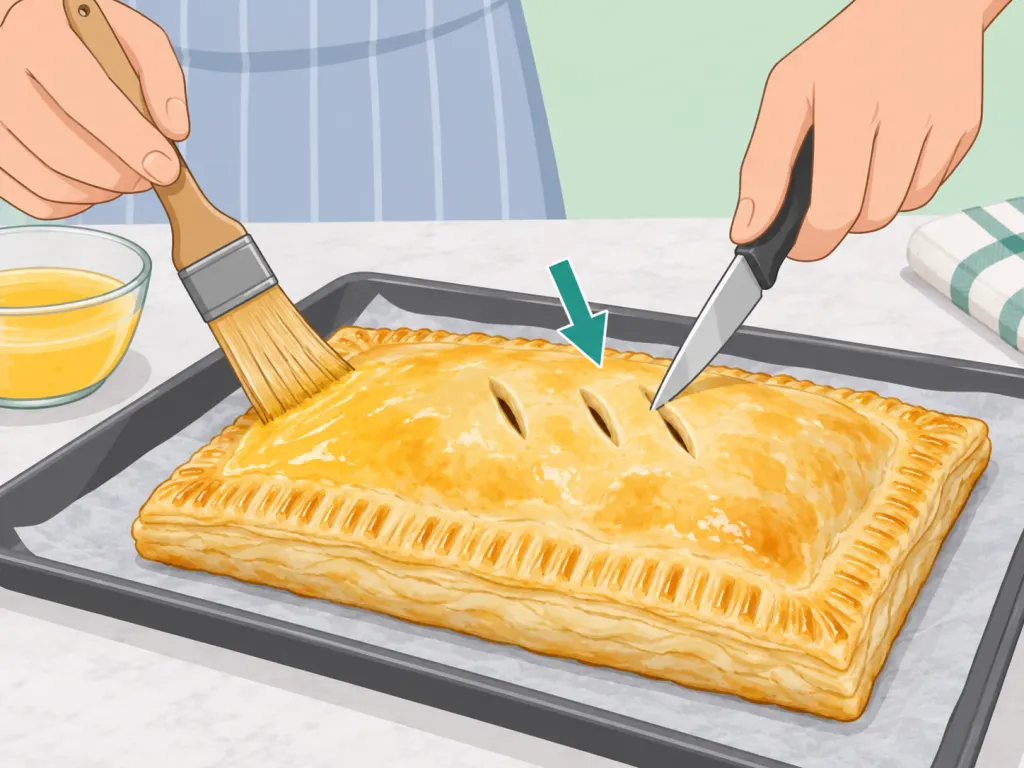
Cut a few small vents in the top so steam can escape while the pastry bakes. Brush the surface lightly with beaten egg if you want a shinier crust, keeping the glaze on the pastry and off the baking sheet so it does not burn around the edges.
Step 8: Bake until the pastry is golden and the center is hot
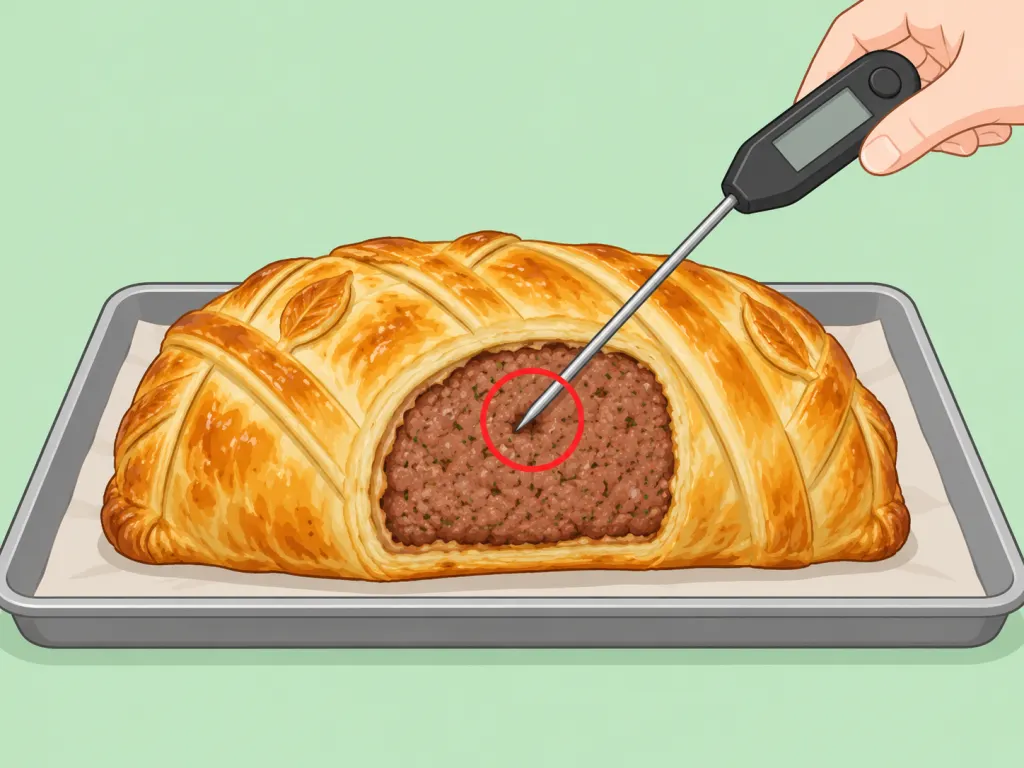
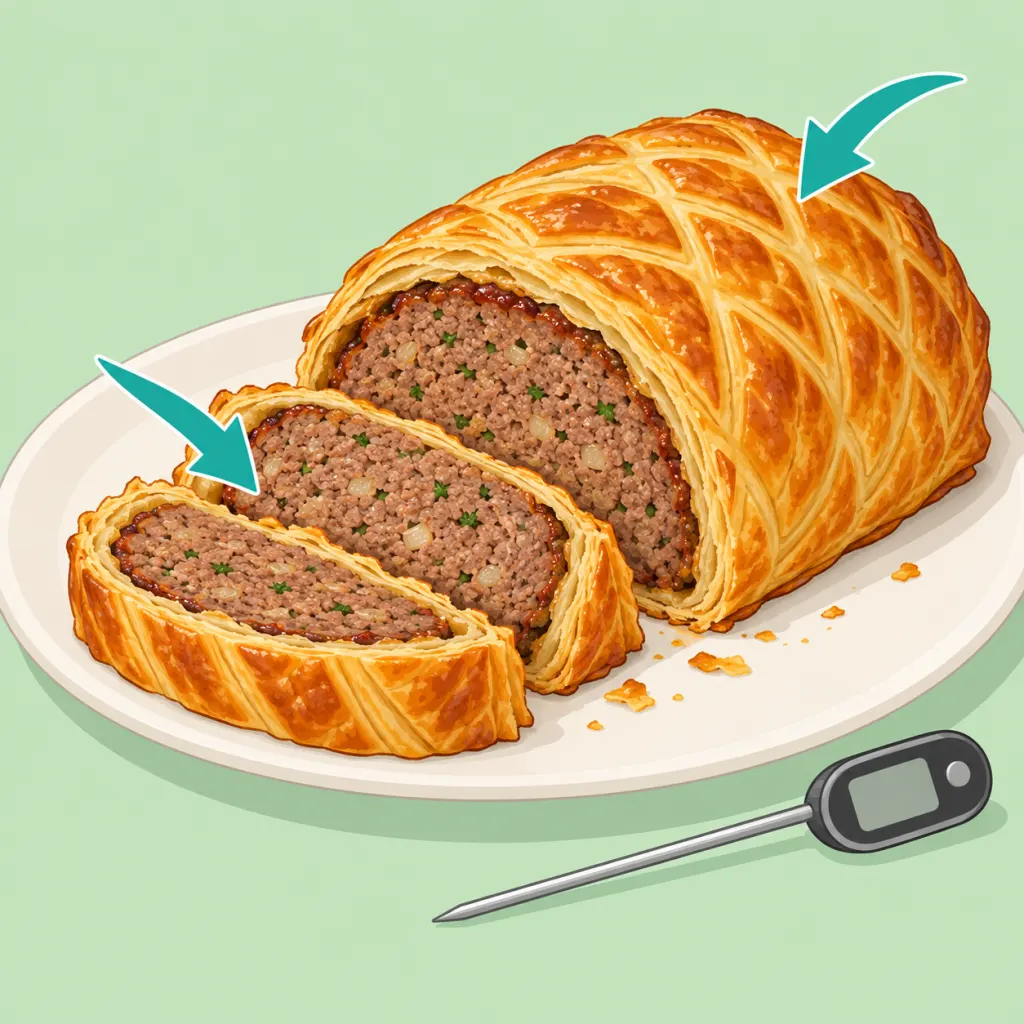
Bake the wrapped loaf in a preheated oven until the pastry is puffed, crisp, and deep golden. Because the meatloaf was cooked and chilled, check that the center reaches 165°F before serving, which matches the USDA temperature guidance for reheated leftovers.
Step 9: Rest, slice, and refrigerate leftovers promptly
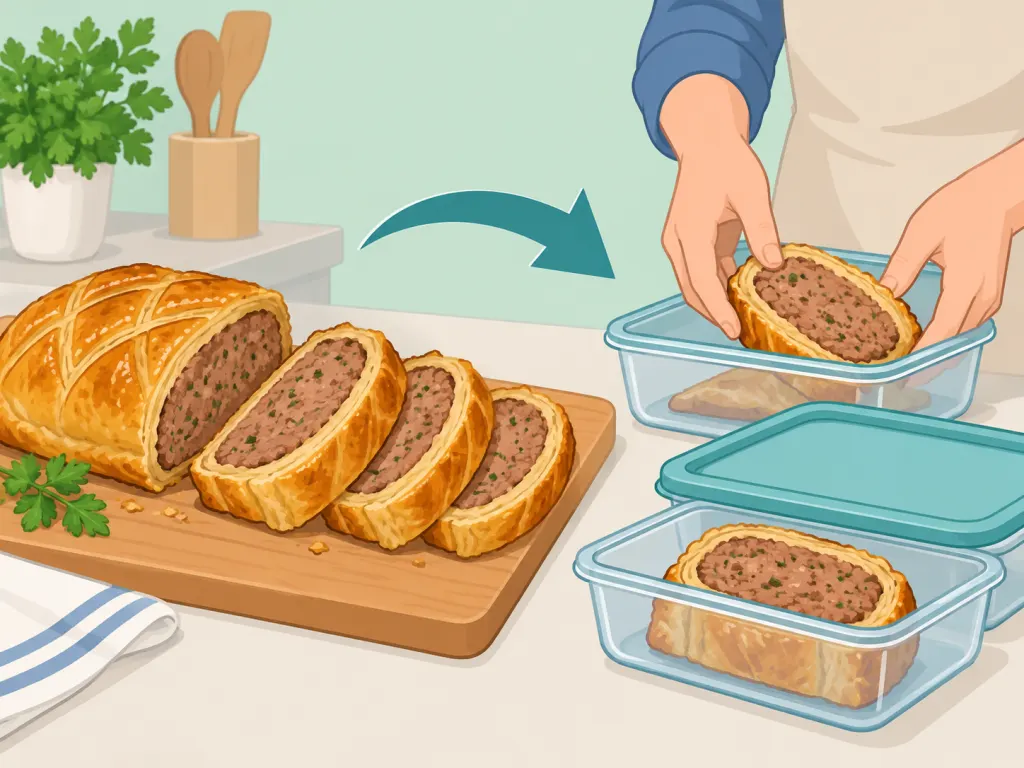
Let the Wellington rest for about 10 minutes so the slices hold together, then cut with a serrated knife. Store leftover cooked meat in shallow containers; the FoodSafety.gov cold storage chart lists cooked meat leftovers at 3 to 4 days in the refrigerator.
Step 10: Get medical help if severe symptoms appear after eating
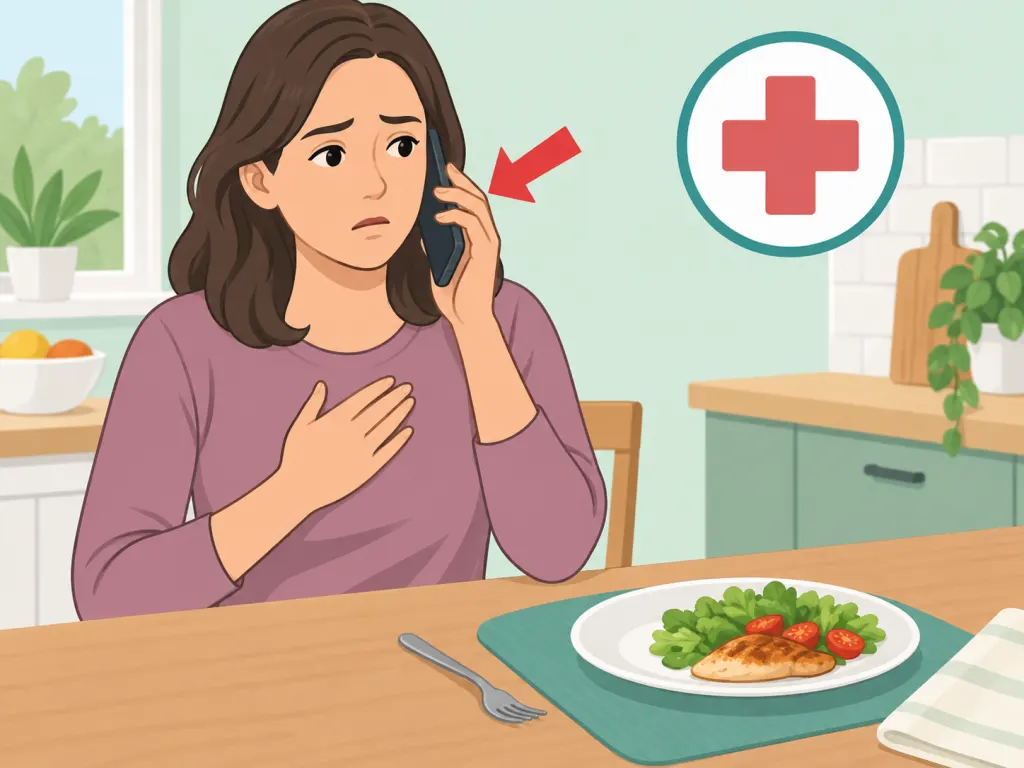
If someone develops severe symptoms after eating, follow CDC guidance and contact a doctor for bloody diarrhea, diarrhea lasting more than 3 days, a fever over 102°F, repeated vomiting, or signs of dehydration. The CDC’s food poisoning symptom guide explains when symptoms need medical attention.
Wrap-Up
The bottom line: treat Meatloaf Wellington as two jobs: first cook the meatloaf safely, then wrap and bake it for the pastry finish. A thermometer, cold pastry, and prompt chilling make the dish easier to slice and safer to serve.
Frequently Asked Questions
- → Can I wrap raw meatloaf in puff pastry instead?
This guide uses a cooked-first method because it makes the internal temperature easier to verify before the pastry browns. Ground beef mixtures such as meatloaf should reach 160°F, according to USDA ground beef guidance.
- → Can I use ground turkey or chicken?
Yes, but ground poultry needs a higher internal temperature than ground beef. The USDA safe temperature chart lists ground poultry at 165°F.
- → Why does the meatloaf need to cool before wrapping?
Warm filling can soften puff pastry and make it harder to handle. Illinois Extension notes that puff pastry should be defrosted in the refrigerator and handled lightly so the butter layers stay cold.
- → What should I do if the pastry browns before the center is hot?
Loosely cover the pastry with foil and keep baking until the center reaches the needed temperature. Use a thermometer rather than judging by color alone, since USDA explains that color is not a reliable doneness test for ground beef.
- → How long can I keep leftovers?
Store leftovers in shallow containers and refrigerate them promptly. FoodSafety.gov lists cooked meat leftovers at 3 to 4 days in the refrigerator and 2 to 6 months in the freezer for best quality.
- → Can I make Meatloaf Wellington ahead?
You can cook and chill the meatloaf ahead, then wrap and bake it closer to serving time. Keep the cooked meatloaf refrigerated at 40°F or below and follow safe storage times from the FoodSafety.gov cold storage chart.
References
This content was developed and refined using reliable sources.
- https://www.fsis.usda.gov/food-safety/safe-food-handling-and-preparation/meat/ground-beef-and-food-safety
- https://www.fsis.usda.gov/food-safety/safe-food-handling-and-preparation/food-safety-basics/safe-temperature-chart
- https://www.fsis.usda.gov/food-safety/safe-food-handling-and-preparation/meat-fish/color-cooked-ground-beef-it-relates
- https://www.foodsafety.gov/keep-food-safe/4-steps-to-food-safety
- https://extension.illinois.edu/blogs/simply-nutritious-quick-and-delicious/2020-02-14-fill-phyllo-cups
- https://www.foodsafety.gov/food-safety-charts/cold-food-storage-charts
- https://www.cdc.gov/food-safety/signs-symptoms/index.html