 Save
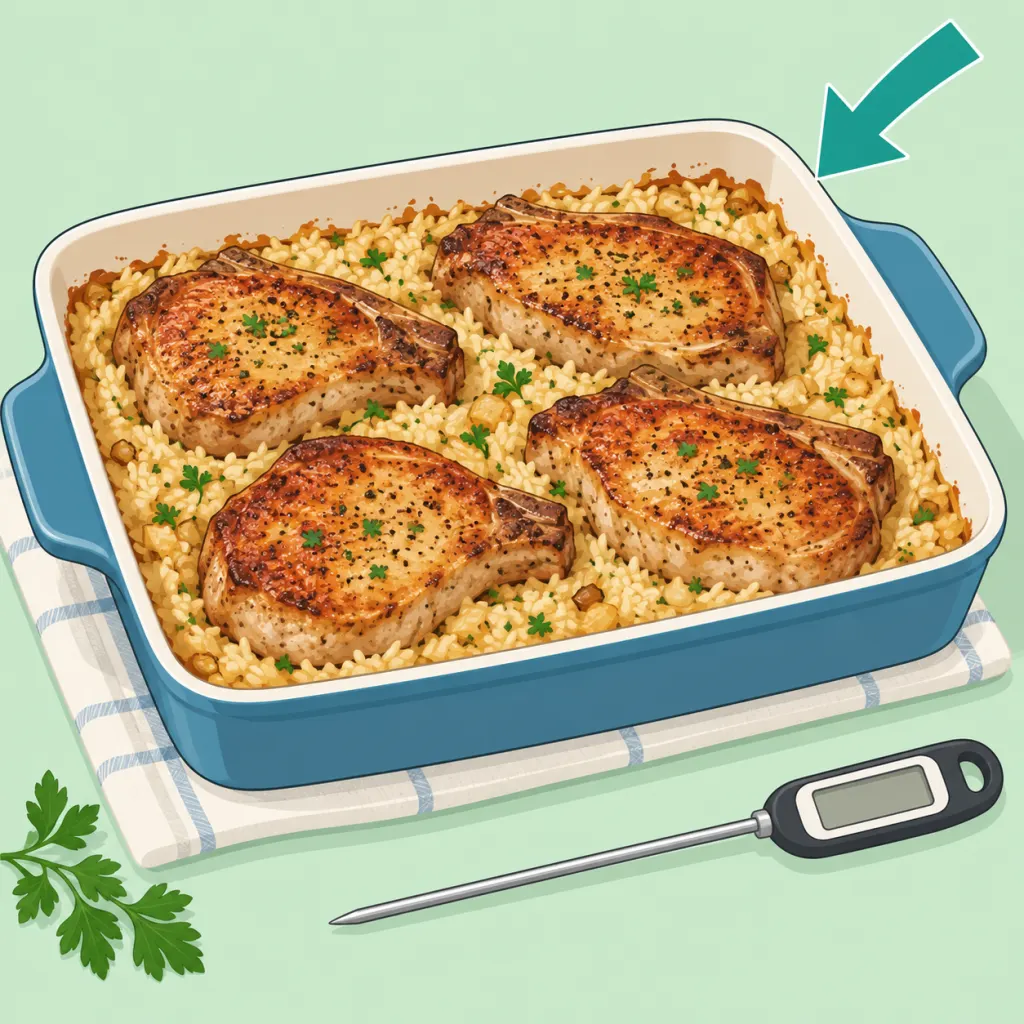
Pork chops and rice casserole is a simple oven dinner built from browned pork, seasoned rice, onions, and a savory broth-based sauce. The key is covering the dish tightly so the rice steams while the pork cooks. This guide walks you through the method, including the food-safety checks that matter for a meat-and-rice casserole.
Step 1: Preheat the oven and prepare a clean work area
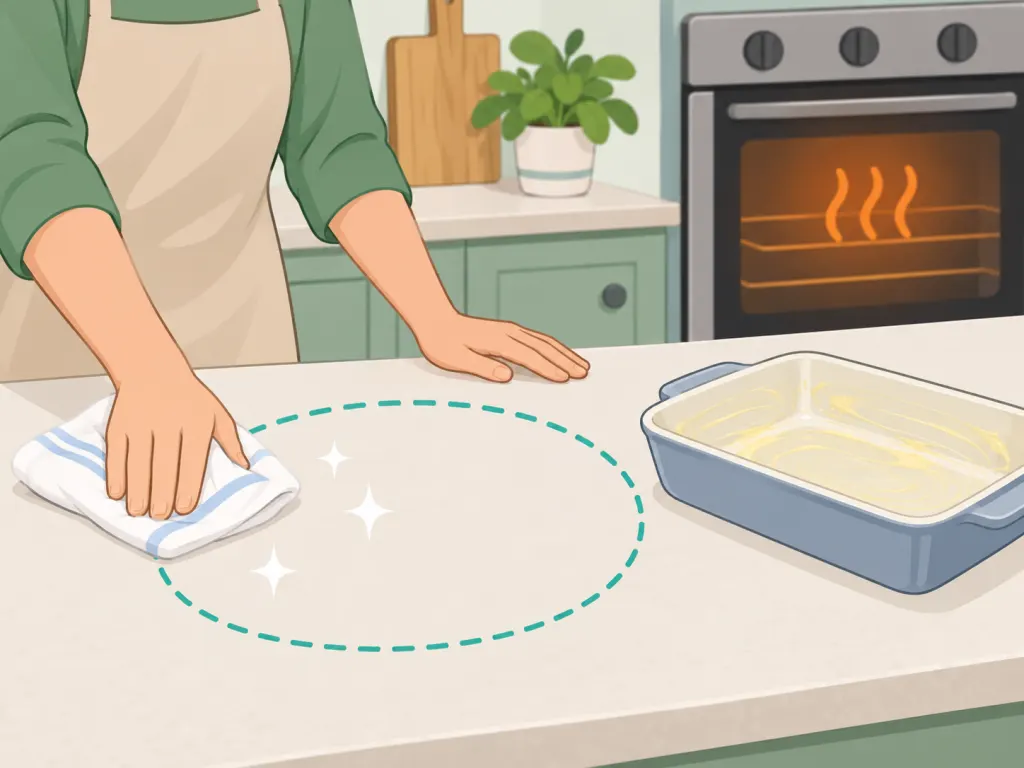
Heat the oven to 375°F (190°C), lightly grease a 9-by-13-inch baking dish, and wash your hands, utensils, and counter before handling the pork. FoodSafety.gov’s basic home guidance is to keep food preparation clean, separate raw meat from ready-to-eat foods, cook to the right temperature, and chill leftovers promptly; those four food-safety steps fit this casserole well.
Step 2: Season and sear the pork chops
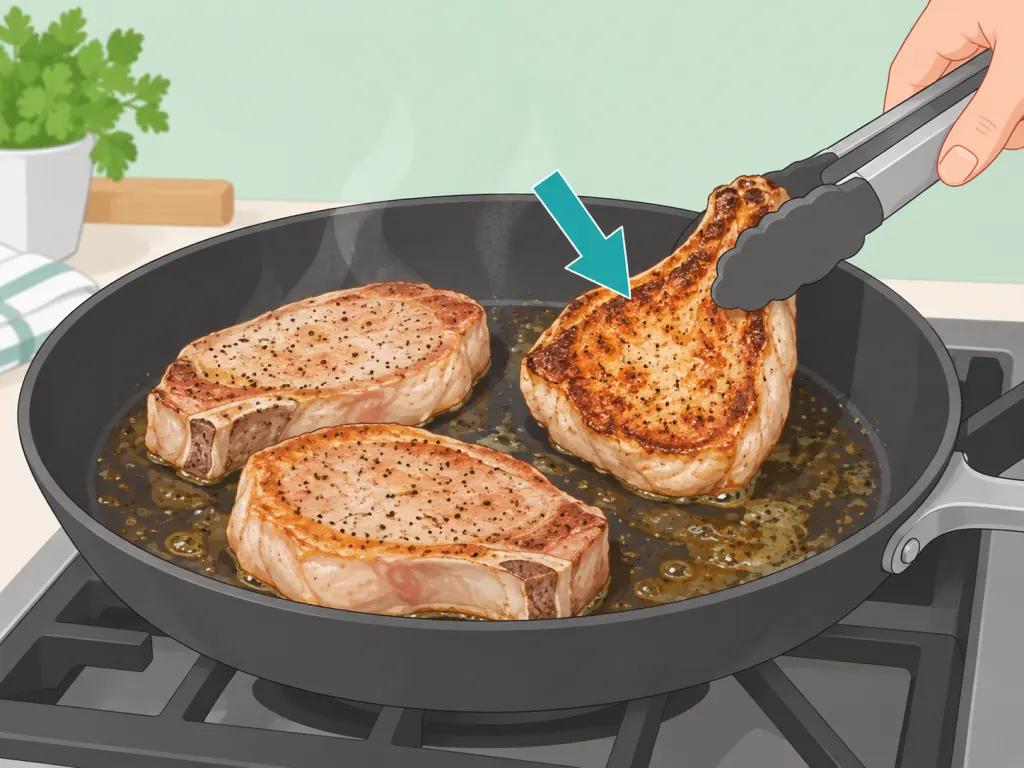
Pat 4 pork chops dry, then season them with salt, pepper, garlic powder, and paprika. Sear them in a large skillet with a little oil for 2 to 3 minutes per side, just until browned; they will finish cooking in the oven. Move the chops to a clean plate, not the plate that held the raw meat.
Step 3: Toast the rice with onion
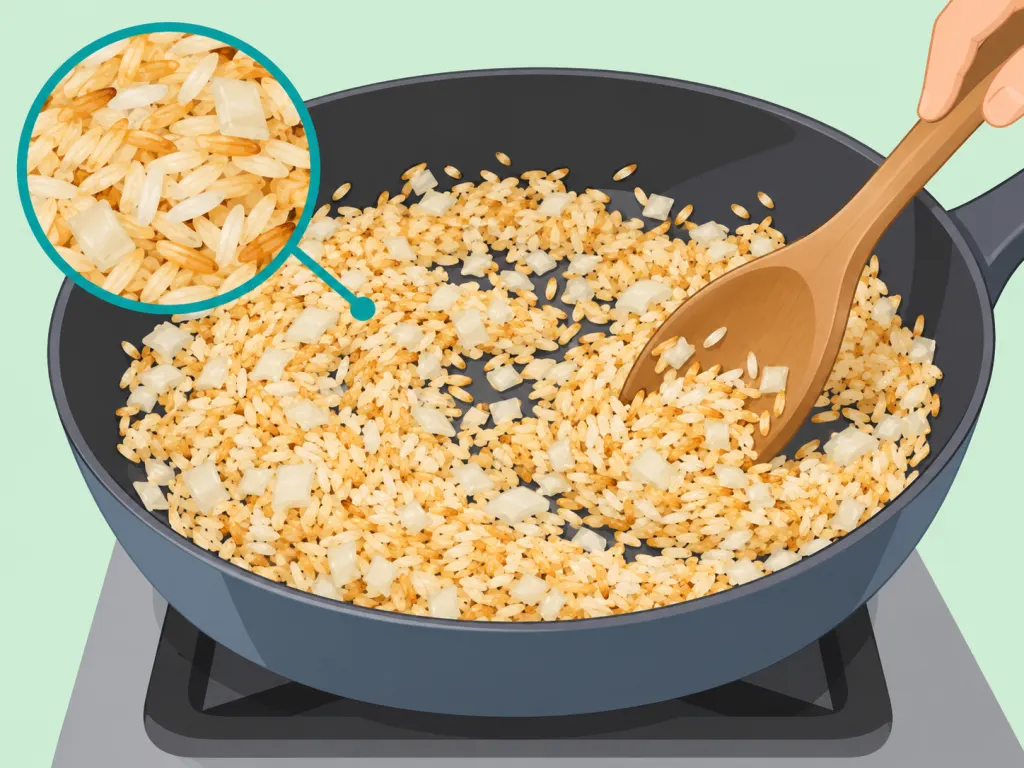
Add 1 cup of long-grain white rice and 1 small chopped onion to the skillet, using a little extra butter or oil if the pan is dry. Cook for 2 to 3 minutes, stirring often, until the rice smells lightly toasted. Long-grain white rice cooks up firmer and fluffier than shorter grains, according to Utah State University Extension.
Step 4: Mix the cooking liquid
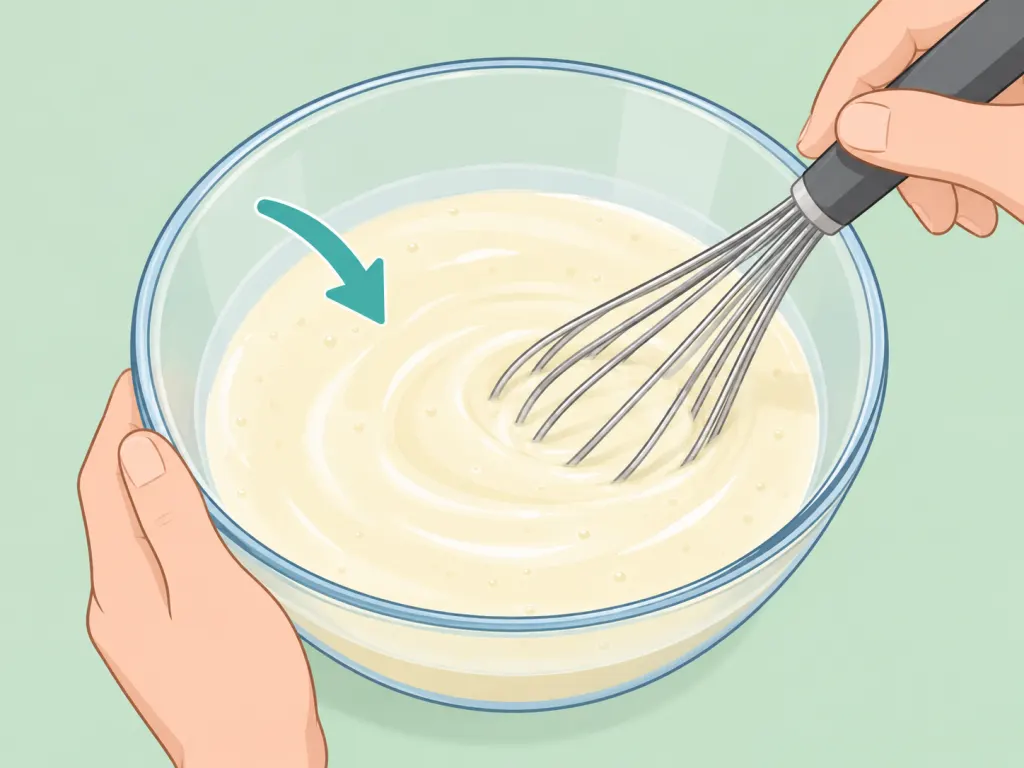
Whisk 2 cups low-sodium chicken broth with 1/2 cup milk, 1 tablespoon flour, 1/2 teaspoon dried thyme, and a pinch of pepper until smooth. This gives the rice enough moisture to steam while creating a light gravy. If you prefer a creamier casserole, replace the milk and flour with 1/2 cup condensed cream soup and reduce added salt.
Spread the toasted rice and onion across the baking dish, pour the broth mixture over it, and nestle the browned pork chops on top. Cover the dish tightly with foil or a snug oven-safe lid so steam stays inside. Tight covering is what helps the rice cook evenly instead of drying around the edges.
Step 6: Bake covered until the rice is tender
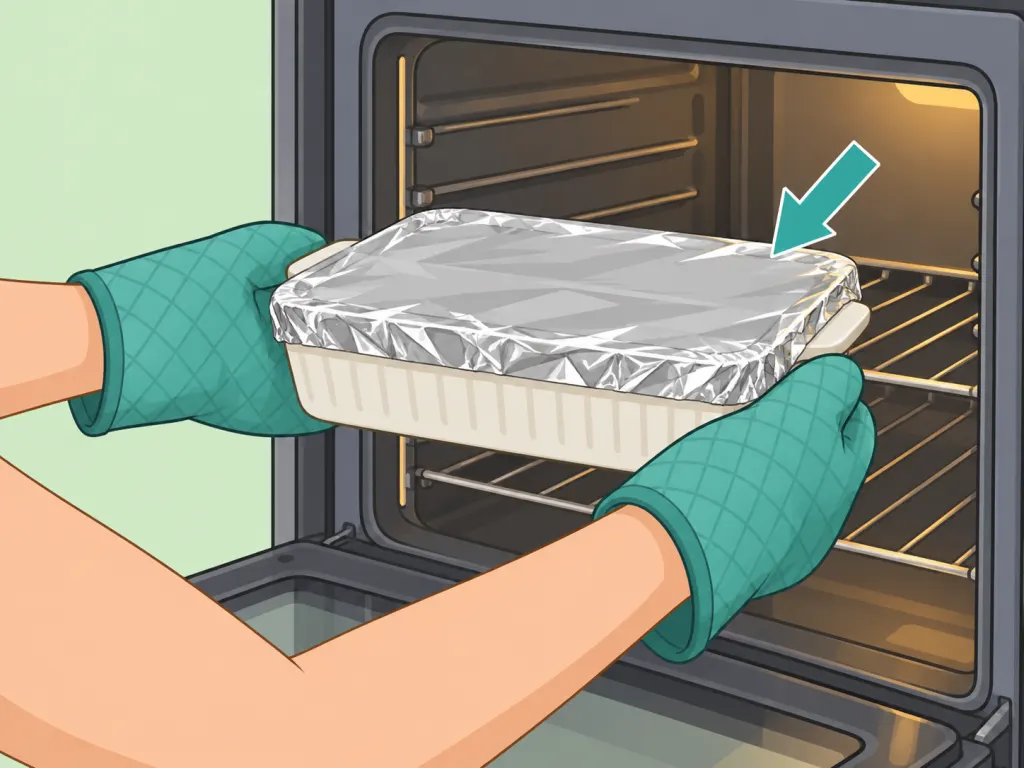
Bake the covered casserole for 45 to 55 minutes. Check near the end: the rice should be tender, most of the liquid should be absorbed, and the pork should look cooked through. If the rice is still firm but the dish looks dry, stir in 1/4 cup hot broth, cover again, and continue baking.
Step 7: Check the temperature before serving
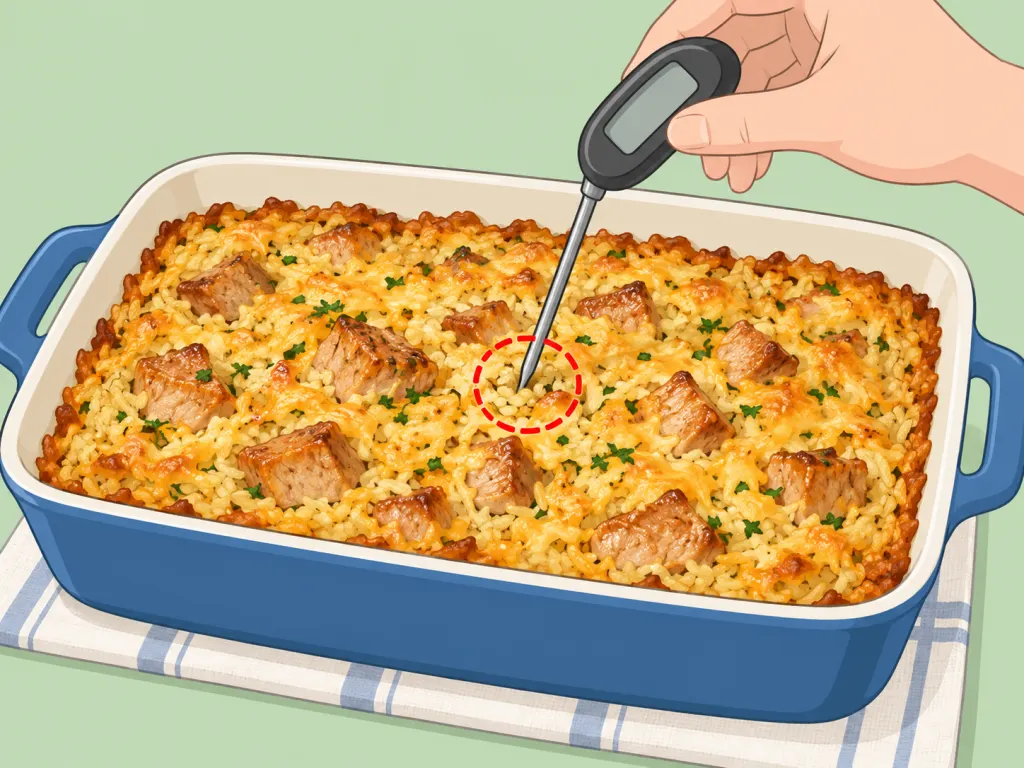
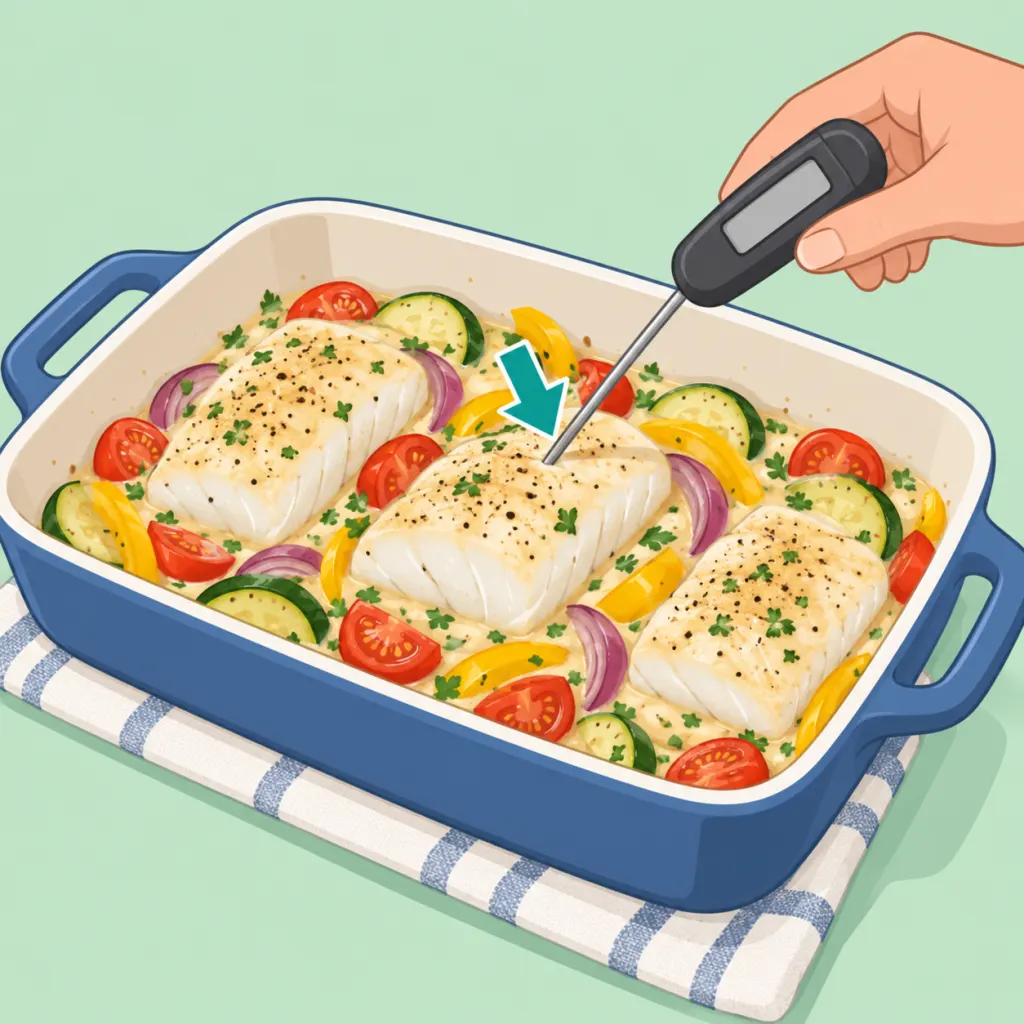
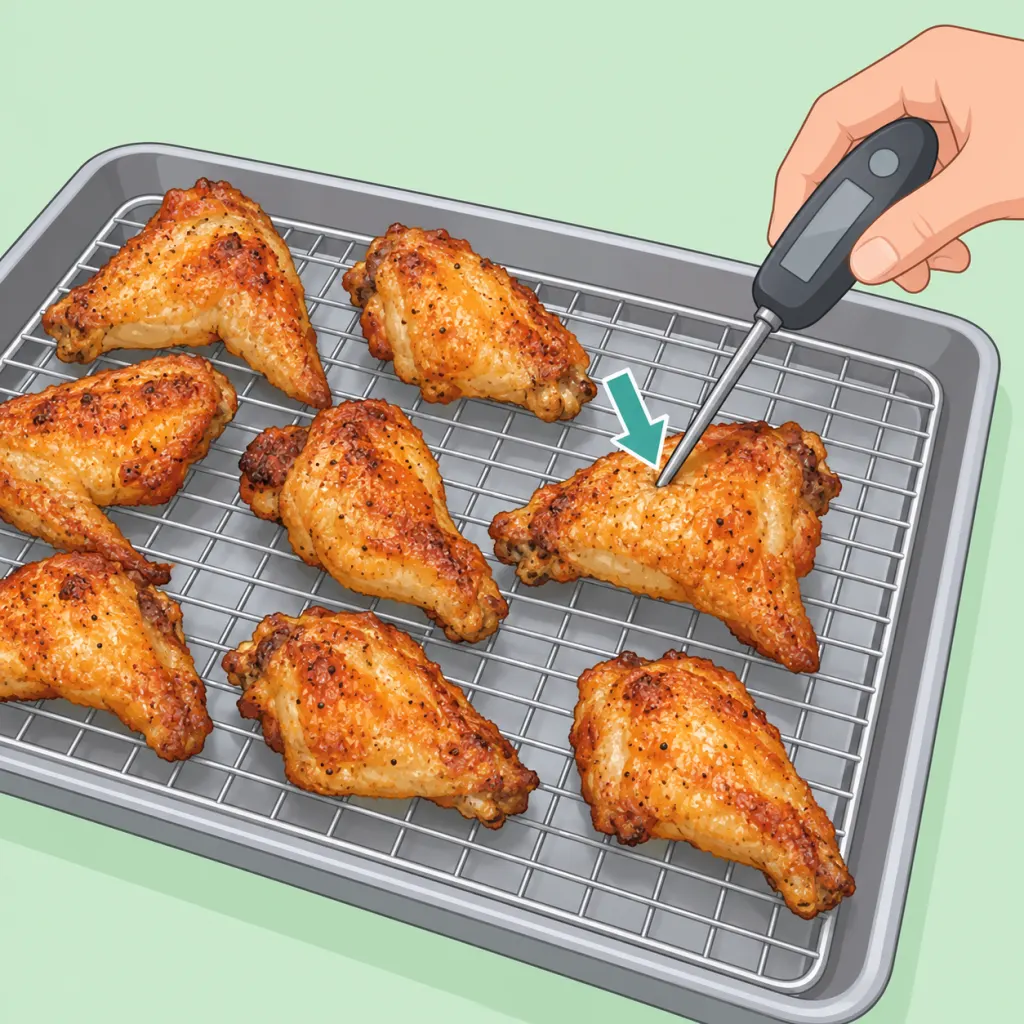
Use a food thermometer in the center of the casserole and in the thickest part of a pork chop, avoiding bone. FoodSafety.gov lists meat-containing casseroles at 165°F (74°C), pork chops at 145°F (63°C) with a 3-minute rest, and leftovers at 165°F (74°C) on its safe minimum temperature chart. If the casserole has not reached a safe temperature, cover it and bake longer.
Step 8: Rest and serve the casserole
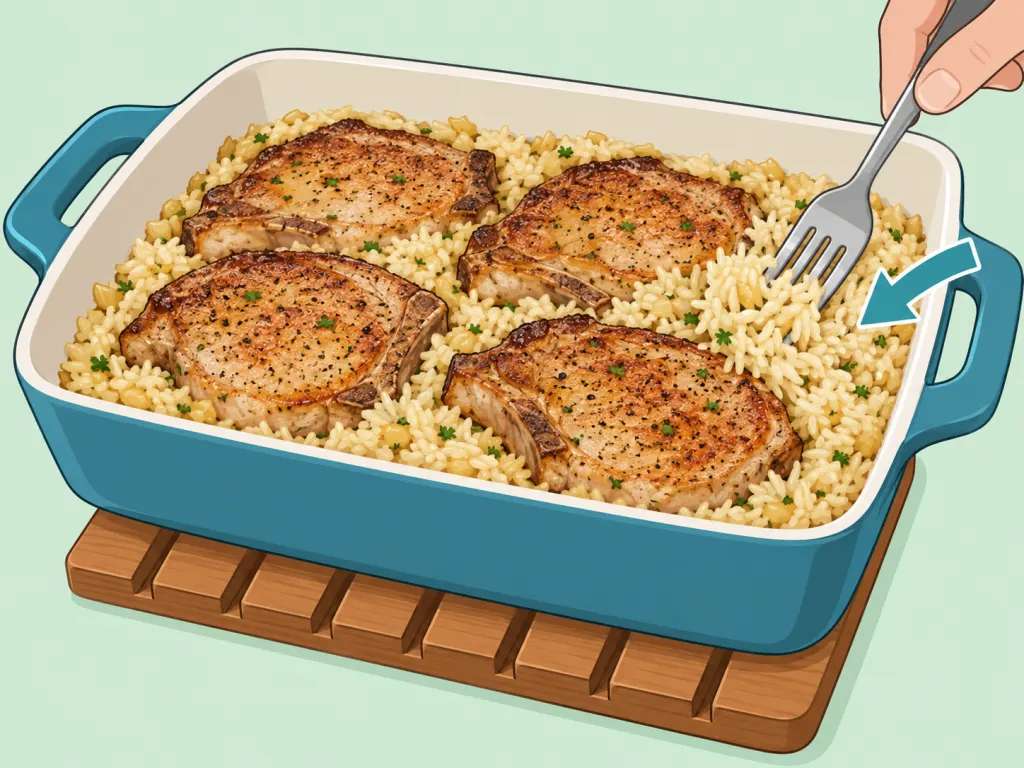
Let the dish rest for 5 to 10 minutes after it comes out of the oven. The rice will finish absorbing the sauce, and the pork chops will be easier to serve neatly. Fluff the rice around the chops with a fork, then add parsley or sliced green onion if you like.
Step 9: Store and reheat leftovers promptly
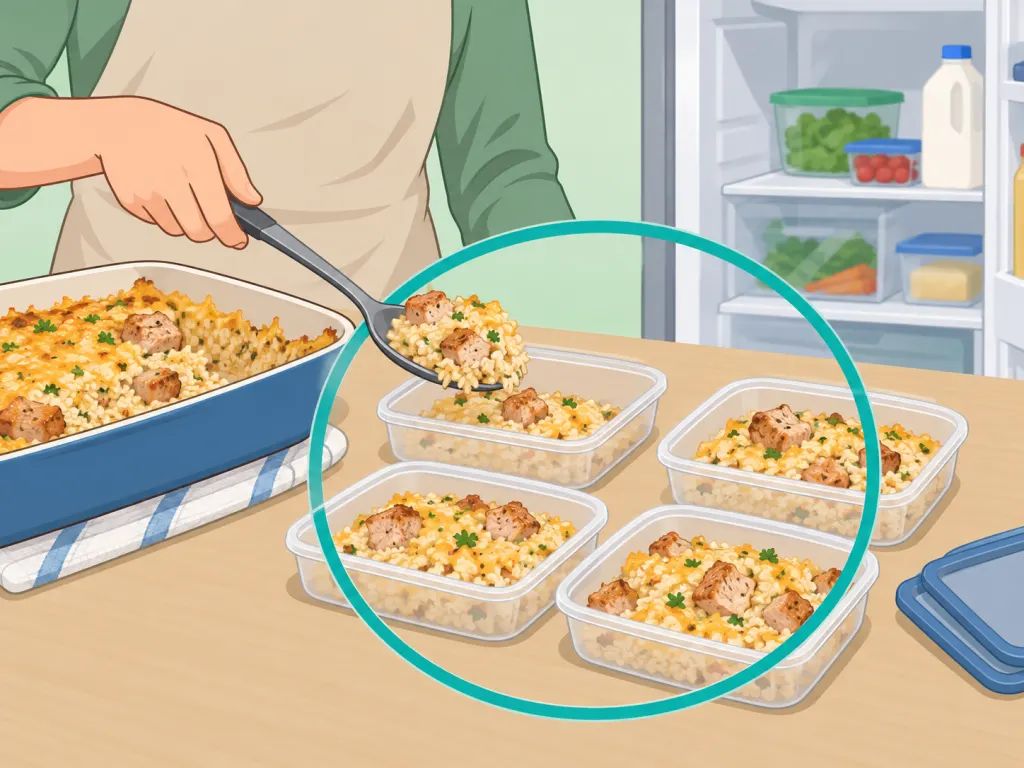
Pack leftovers in shallow covered containers and refrigerate them within 2 hours, or within 1 hour if the room is hotter than 90°F (32°C), following FDA food storage guidance. Keep the refrigerator at 40°F (4°C) or below and use cooked meat leftovers within 3 to 4 days, as shown in the FoodSafety.gov cold storage chart. Reheat portions until they reach 165°F (74°C).
Step 10: Seek medical help for severe food-poisoning symptoms

If someone develops symptoms after eating and they are severe, do not rely on home cooking advice for medical decisions. The CDC says to see a doctor for symptoms such as bloody diarrhea, diarrhea lasting more than 3 days, fever over 102°F, frequent vomiting that prevents keeping liquids down, or signs of dehydration; review the CDC’s food poisoning symptom guidance for more detail.
Wrap-Up
The bottom line: sear the pork for flavor, use long-grain rice and enough liquid, keep the casserole covered while it bakes, and confirm doneness with a food thermometer before serving.
Frequently Asked Questions
- → Can I use boneless pork chops?
Yes. Boneless chops work well, but they often cook a little faster than bone-in chops. Start checking early with a food thermometer so they do not dry out.
- → Should the rice be cooked before it goes into the casserole?
No. Use uncooked long-grain white rice for this method. It absorbs the broth while the covered casserole bakes, so cooked rice would become too soft.
- → Why is my rice still firm after baking?
The dish may not have had enough liquid, the foil may have been loose, or the casserole may need more time. Add a splash of hot broth, cover the dish tightly again, and bake until the rice is tender.
- → Can I make this with brown rice?
Brown rice usually needs more liquid and a longer cooking time than white rice. For the best texture, either par-cook the brown rice first or use a casserole method designed specifically for brown rice.
- → How long do leftovers keep?
Cooked meat or poultry leftovers are generally best used within 3 to 4 days in a refrigerator set at 40°F (4°C) or below, according to FoodSafety.gov storage guidance.
- → What can I serve with pork chops and rice casserole?
Serve it with a crisp salad, steamed green beans, roasted broccoli, or carrots. A fresh vegetable side helps balance the rich, savory rice.
References
This content was developed and refined using reliable sources.
- https://www.foodsafety.gov/keep-food-safe/4-steps-to-food-safety
- https://www.foodsafety.gov/food-safety-charts/safe-minimum-internal-temperatures
- https://www.foodsafety.gov/food-safety-charts/cold-food-storage-charts
- https://www.fda.gov/consumers/consumer-updates/are-you-storing-food-safely
- https://extension.usu.edu/preserve-the-harvest/research/storing-white-rice
- https://www.cdc.gov/food-safety/signs-symptoms/index.html