 Save
For everyday exercise recovery, focus on enough food, protein alongside carbohydrates, appropriate fluids and a consistent opportunity to sleep. Eggs, yogurt, beans, fish, grains, fruit and vegetables can all fit into that approach. The National Institutes of Health identifies adequate nutrition and hydration as the foundation for exercise performance and recovery. Read the NIH overview.
The practical question is how to arrange those basics around your life. Someone walking after lunch has different planning needs from someone finishing a long bicycle ride before work. This guide covers general adult routines, useful meal combinations and the limits of applying sports research to an ordinary kitchen.
Start with the activity and the rest of your day
Before choosing a recovery snack, consider how long and how hard you exercised, when you last ate and what comes next. NIH guidance explains that athletes need adequate total energy as well as carbohydrates, protein, fats, fluids, vitamins and minerals. Longer endurance activity and demanding environmental conditions can introduce additional fueling and fluid needs. See the NIH evidence review.
Make those questions concrete. Will you eat lunch shortly after your swim, or travel for two hours first? Is tomorrow a quiet day, or does it include another training session? These details help you decide whether to prepare a meal, pack a snack or seek a more individualized sports nutrition plan. A practical arrangement begins with your actual schedule.
Build meals from familiar components
A useful starting point is to combine a protein food with a carbohydrate food, include fruit or vegetables and have something to drink. The American Heart Association identifies carbohydrates as an important exercise fuel and protein as necessary for muscle maintenance and growth after activity. Its guidance includes fish, beans, lentils, grains and produce among suitable choices. Read its exercise fueling guidance.
- Protein component: Choose eggs, yogurt, beans, lentils, fish or another familiar protein food.
- Carbohydrate component: Add bread, oats, rice, pasta, potatoes or fruit.
- Produce: Include vegetables or fruit that suit the meal and your preferences.
- Drink: Put water within reach, then consider whether the session warrants a more specific hydration plan.
This is a flexible way to assemble food, rather than a fixed plate size. For example, a bean and rice bowl and an egg sandwich use different ingredients while following the same basic arrangement. Choose portions in the context of your whole day.
Give protein a place without letting it take over
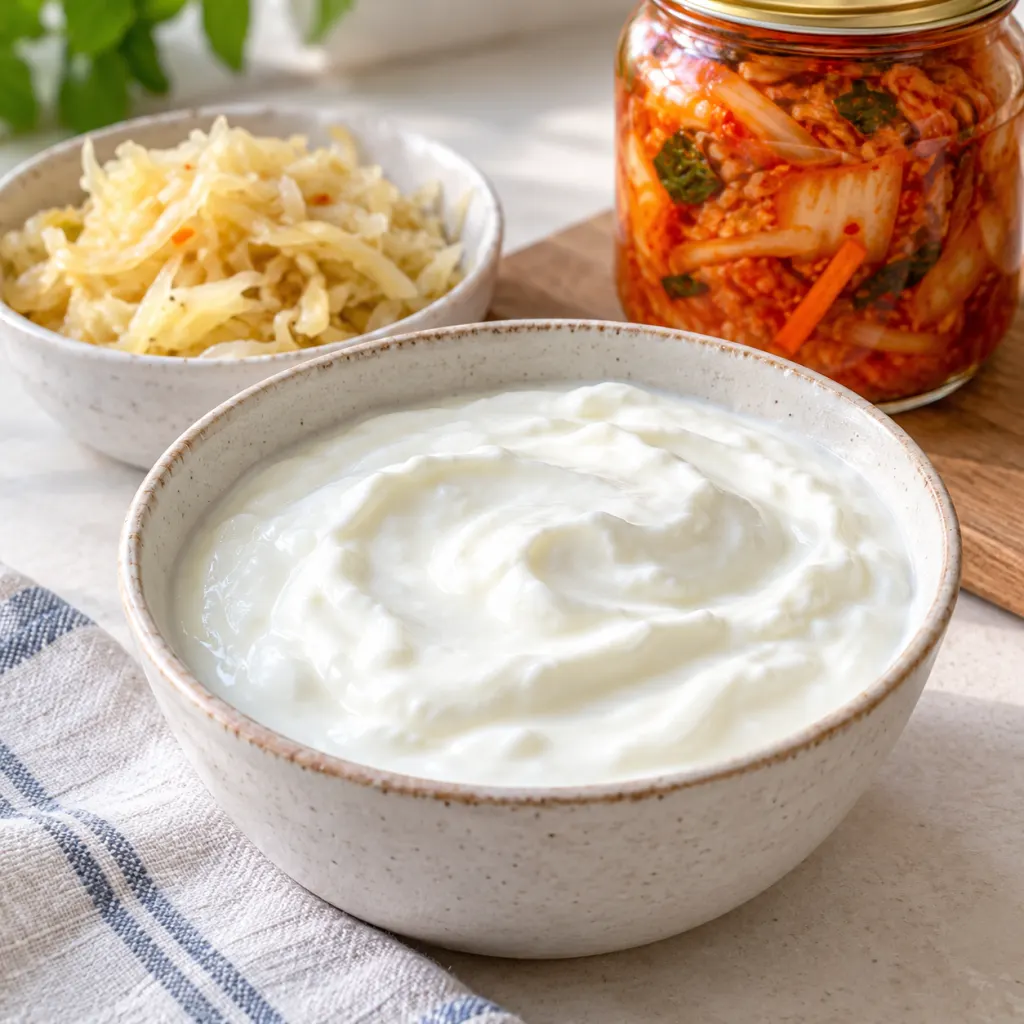
Protein supplies amino acids used in muscle rebuilding after exercise. Carbohydrates have a different role, so a meal containing both is useful. The Academy of Nutrition and Dietetics recommends combining these nutrients after a workout, with particular attention after intense activity. See the Academy's nutrition timing guidance.
In the kitchen, identify the protein component before deciding that a meal is complete. Toast with sliced tomatoes could become an egg sandwich; a rice bowl could include beans or fish. If you prefer yogurt, compare the protein information on the actual products you buy, because types and serving sizes differ. You can make a deliberate choice without turning every meal into a calculation.
Keep carbohydrates in the recovery picture
Exercise uses stored carbohydrate, called glycogen, and eating carbohydrate afterward helps replenish those stores. This is one reason recovery advice includes both carbohydrate and protein rather than protein alone. The Academy explains these complementary roles.
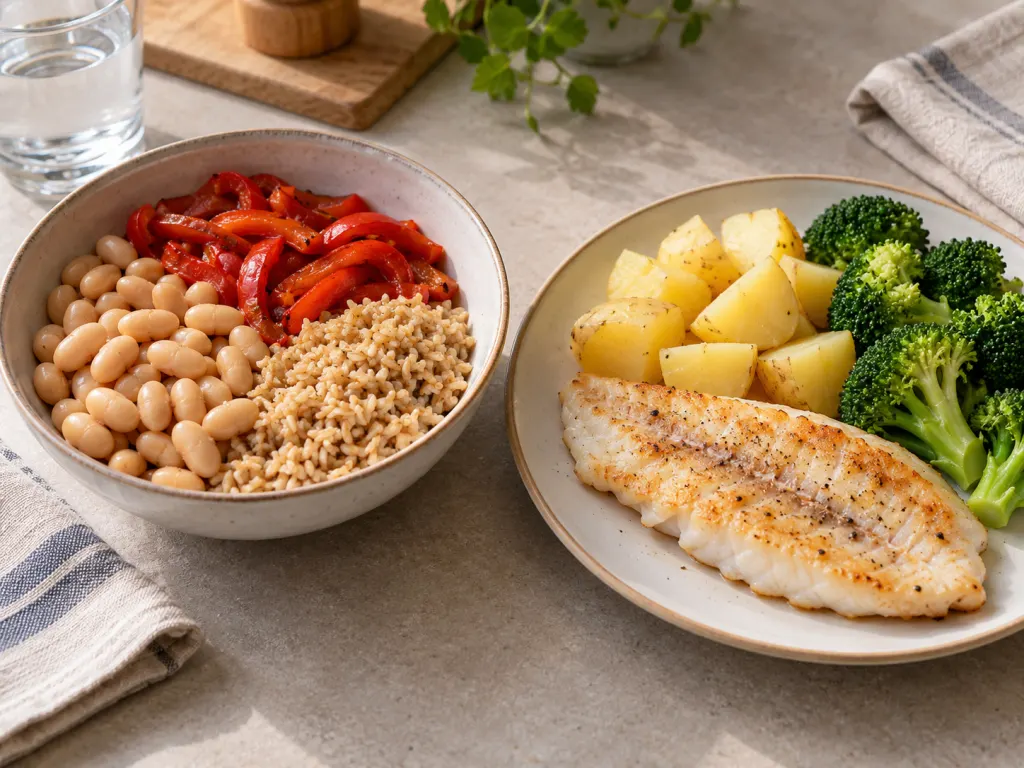
For a familiar dinner, that might mean keeping the potatoes beside the fish or serving bread with a bean soup. For breakfast, it could mean oats alongside yogurt and fruit. These are meal examples, not prescribed portions. Your preferred foods, activity demands and broader eating pattern determine the details. There is no requirement to choose a special packaged carbohydrate product simply because you have exercised.
Use meal timing as a planning tool
Mayo Clinic suggests eating a meal containing carbohydrates and protein within two hours of exercise when possible, and considering a snack when the next meal is farther away. This provides a manageable planning framework. Read Mayo Clinic's eating and exercise advice.
If you finish a workout just before dinner, plan dinner around those components. If you finish at the gym and then face a lengthy journey home, bring something convenient to bridge the gap. Think about access as well as timing: does your workplace have a refrigerator, can you carry a sandwich, and will the café actually be open? Answering those questions beforehand makes the guidance easier to use. The aim is to organize an eating opportunity, rather than monitor a stopwatch after every activity.
Three ways to make ordinary meals work
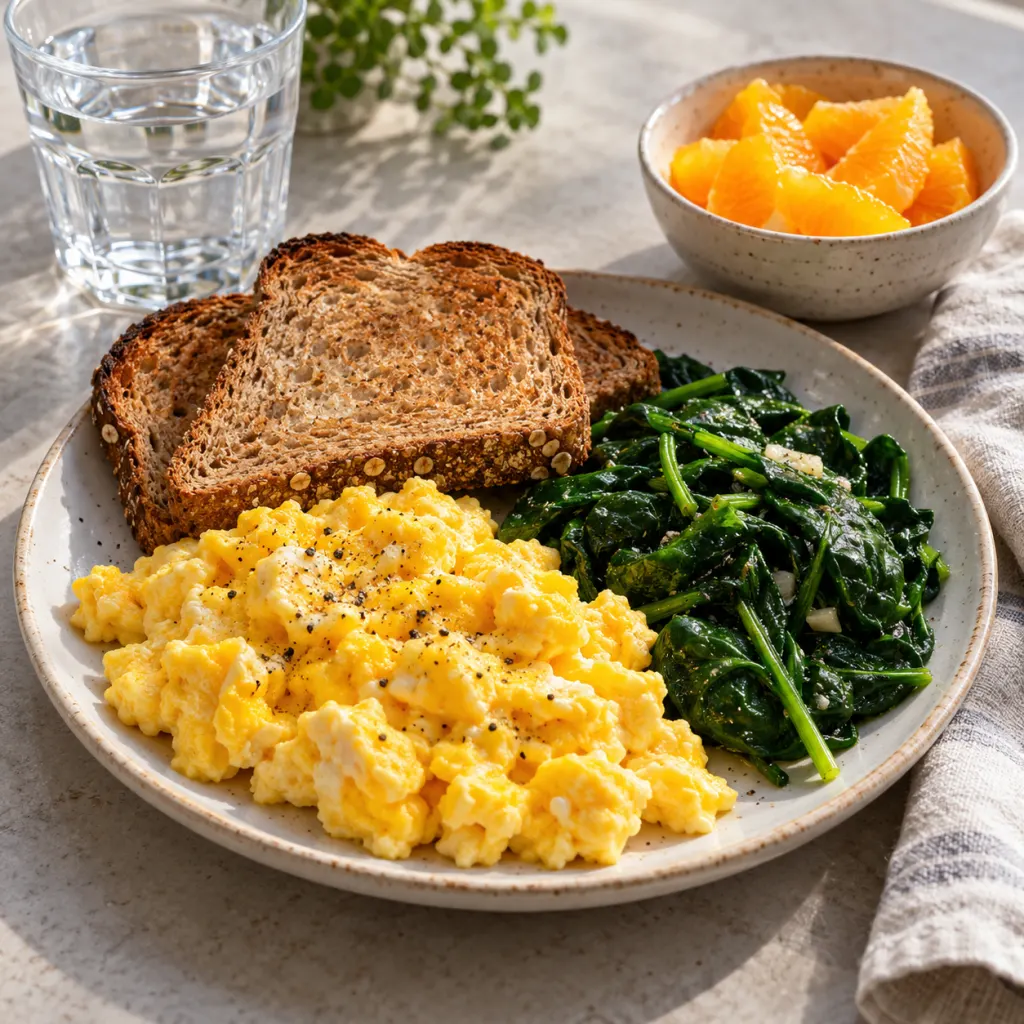
A morning session: Put yogurt, oats and fruit on the breakfast menu, or choose eggs with toast and a piece of fruit. Decide the night before whether breakfast will happen at home or at work. Keep the ingredients together so the meal is easy to assemble when time is short.
An afternoon session: A bean and rice bowl can become dinner with cooked vegetables and your usual seasonings. For another meal idea, explore our Hearty Bean & Kale Soup and decide what accompaniments suit your meal. The recipe is an option for variety, rather than a personalized recovery prescription.
An evening session: Plan a familiar meal such as fish with potatoes and vegetables. When cooking afterward would push dinner inconveniently late, arrange more of the preparation earlier. Keep a second option available for days when plans change: for example, eggs, bread and frozen vegetables. These examples illustrate meal organization; they have not been tested as individual recovery programs.
Plan fluids around duration and conditions
Exercise hydration involves replacing fluid lost through sweat, and extended or intense activity can also make electrolyte replacement relevant. Sodium is an important electrolyte lost in sweat. Johns Hopkins Medicine explains that hydration deserves attention before, during and after activity, with drink choices depending on the circumstances. Read its sports hydration guidance.
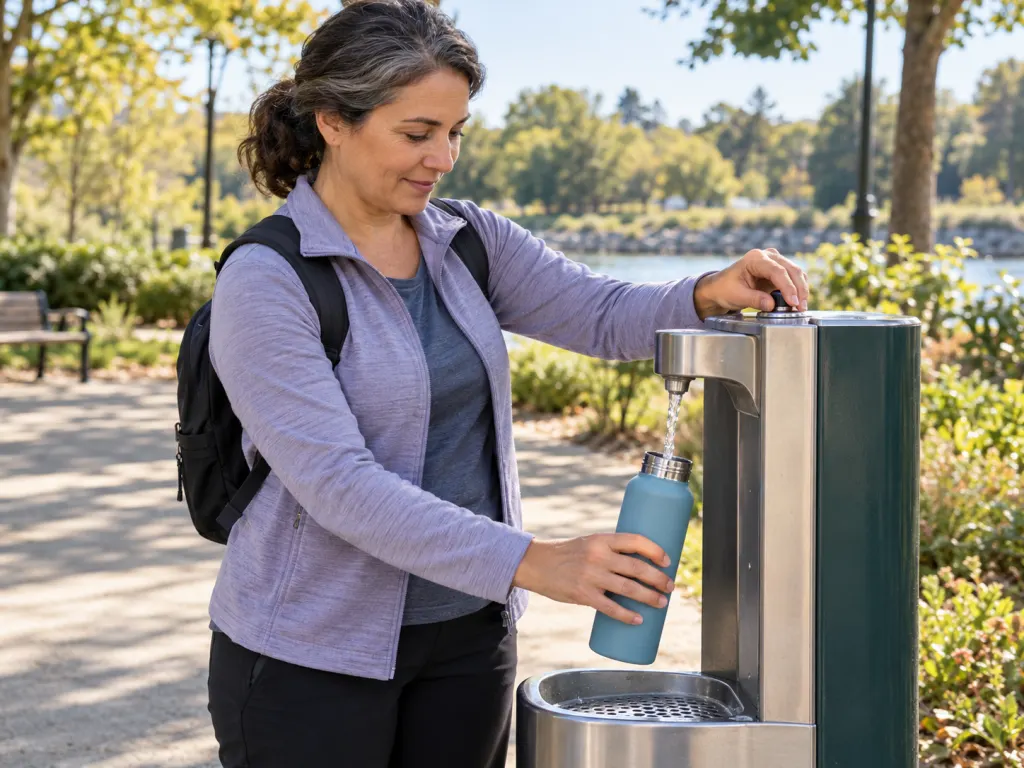
For practical planning, look at the route and setting. A neighborhood walk with easy access to home is different from a long ride with few refill stops. Check where water will be available, carry a suitable bottle and allow time to drink. Water is a basic option; longer, demanding sessions may justify a planned carbohydrate and electrolyte drink.
Avoid adopting someone else's bottle count as a universal target. Fluid planning should account for the session, weather and individual circumstances. If you already have professional instructions about fluid or salt intake, use an individualized plan rather than general sports guidance.
Reserve enough time for sleep
Food planning belongs alongside a realistic sleep schedule. The National Heart, Lung, and Blood Institute states that adults generally need seven to nine hours of sleep per night, while individual needs vary. It also advises discussing concerns about sleeping too much or too little with a doctor. See its guidance on sleep duration.
Work backward from the time you need to get up. If your morning starts early, an evening packed with travel, training, cooking and chores may leave too little room for sleep. Write those commitments into a sample evening and see whether they fit. You might prepare dinner earlier, move a session or simplify another task. Treat sleep as an appointment that needs space in the schedule, rather than whatever time remains after everything else.
Make evening food and exercise fit your bedtime
NHLBI recommends regular bedtimes and wake times, a quiet period before bed, and a cool, dark, quiet bedroom. It advises avoiding heavy meals close to bedtime while allowing a light snack. Caffeine can interfere with sleep for up to eight hours. Read its healthy sleep habits guidance.
These points can guide an evening routine: decide when dinner will happen, check whether your usual workout drink contains caffeine and leave room to wind down. If you want a small snack, choose something familiar that suits you. For a related discussion, see Bananas at Night: Sleep, Nutrition, and Smart Timing.
For shift workers, the practical target may be a daytime sleep period. Plan meals and training around that actual sleep opportunity, rather than copying a schedule designed for someone working conventional daytime hours.

Separate supplement evidence from everyday food choices
Sports supplement research needs context. NIH notes that many studies involve small groups, short durations and trained young adults, often men. Findings may not transfer to different activities or populations. Evidence about a single ingredient also does not establish the effects of a product containing several ingredients. Read the research limitations in the NIH review.
Some supplements have evidence for particular performance outcomes, while evidence for others is limited. NIH recommends establishing adequate nutrition and training first and discussing supplement decisions with an appropriate health professional. See the consumer guidance.
When evaluating a claim, ask what was studied: a particular ingredient or a complete product, which activity, which participants and what measured outcome? A finding about performance in one setting does not automatically answer questions about your recovery. Likewise, research involving a concentrated sports product should not be presented as evidence for an ordinary serving of fruit or vegetables.
Create a routine you can actually repeat
Choose one recurring exercise day and map its practical details. Write down when you finish, where you will be afterward, your next eating opportunity, access to drinks and intended bedtime. Then identify the most awkward point. Perhaps the journey home is long, dinner ingredients are missing or your training bag never contains a bottle.
Make one concrete arrangement for that problem. Put a suitable snack on the shopping list, choose tomorrow's dinner in advance or check refill locations before leaving. Keep a fallback meal that uses ingredients you regularly buy. The useful routine is the one available when work runs late or the planned meal changes.
Review the arrangement after several ordinary days. Was the food practical to carry? Did preparation fit your evening? Did you leave enough time in bed? These questions assess whether the routine works logistically. They are not a way to diagnose persistent tiredness or explain every change in performance. Bring ongoing concerns about eating, sleep or training to a qualified professional.
Wrap-Up
A useful recovery routine connects the kitchen, your activity schedule and bedtime. Plan familiar meals containing protein and carbohydrate, arrange access to fluids and reserve adequate time for sleep. Use the examples here to solve practical problems such as travel, late dinners and limited preparation time. More demanding training and personal health circumstances call for individualized guidance.
Frequently Asked Questions
- → Do I need a protein shake after every workout?
A shake is one possible convenience food. Ordinary meals and snacks can also combine protein with carbohydrates; Mayo Clinic gives yogurt with fruit and a sandwich among its examples. Choose an option that fits your next eating opportunity. See Mayo Clinic's guidance.
- → Can plant-based foods fit a recovery meal?
Yes. Beans, peas and lentils are among the protein foods listed in American Heart Association exercise guidance. A practical meal could combine beans with rice and vegetables. This is a meal idea, with portions chosen for your circumstances. See the food examples.
- → Should every exercise session include a sports drink?
Drink choices depend on the activity. Water provides basic hydration, while extended or intense sessions can require attention to carbohydrate and electrolytes as well as fluid. Consider duration, conditions and access to drinks rather than automatically choosing a product. Read Johns Hopkins Medicine's explanation.
- → Is a snack before bed always a problem?
NHLBI distinguishes a light snack from a heavy or large meal close to bedtime. If you need an evening snack, choose a familiar option and consider how it fits your overall meal schedule. See its bedtime guidance.
- → How can I start without tracking everything?
Pick one regular exercise day and plan three things: your next meal or snack, access to drinks and a realistic bedtime. Make a short shopping list for that plan. Afterward, review what was easy and what caused difficulty. You can improve the arrangement without recording every ingredient or creating a complicated daily checklist.
References
This content was developed and refined using reliable sources.
- https://ods.od.nih.gov/factsheets/ExerciseAndAthleticPerformance-Consumer
- https://ods.od.nih.gov/factsheets/ExerciseAndAthleticPerformance-HealthProfessional
- https://www.heart.org/en/healthy-living/healthy-eating/eat-smart/nutrition-basics/food-as-fuel-before-during-and-after-workouts
- https://www.eatright.org/fitness/physical-activity/exercise-nutrition/timing-your-pre-and-post-workout-nutrition
- https://www.mayoclinic.org/healthy-lifestyle/fitness/in-depth/exercise/art-20045506
- https://www.hopkinsmedicine.org/health/expert-qa/sports-and-hydration-for-athletes
- https://www.nhlbi.nih.gov/health/sleep/how-much-sleep
- https://www.nhlbi.nih.gov/health/sleep-deprivation/healthy-sleep-habits