 Save
Metoprolol is a prescription beta blocker, and like all medicines it can cause side effects. Many people have no side effects or only mild ones, but it helps to know which symptoms are common and which ones need medical advice. This guide explains how to recognize common metoprolol side effects and respond safely.
Step 1: Confirm that metoprolol is the medicine you are taking
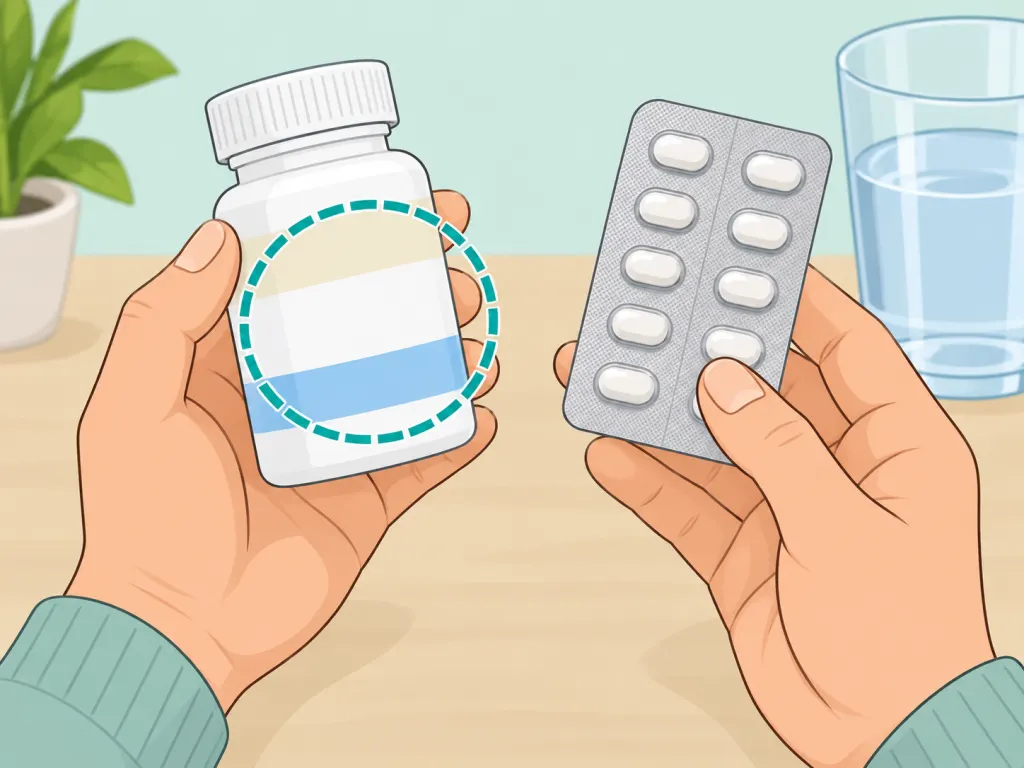
Check the label on your bottle or packet, including whether it says metoprolol tartrate, metoprolol succinate, Toprol, Lopressor, or another brand name. Metoprolol is a beta blocker used for several heart-related conditions, and the NHS notes that it is available by prescription. If anything on the label is unclear, ask your pharmacist before making changes.
Step 2: Watch for tiredness, dizziness, or weakness
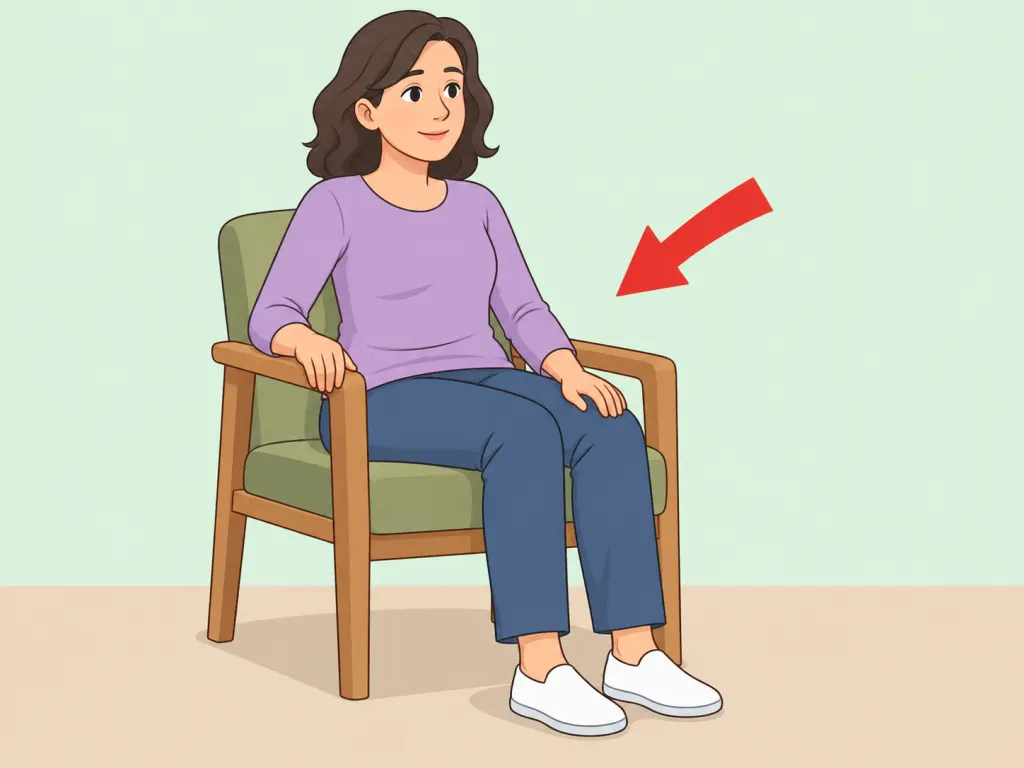
Notice whether you feel unusually tired, lightheaded, or weak during everyday activities. The NHS lists tiredness, dizziness, and weakness among common metoprolol side effects, and Mayo Clinic advises sitting or lying down if dizziness happens when you stand. Avoid driving, cycling, or using machinery while you feel dizzy or less alert.
Step 3: Notice headache and digestive symptoms

Metoprolol can be linked with headache, nausea, stomach pain, vomiting, diarrhea, or dry mouth. MedlinePlus advises telling a doctor if dizziness, tiredness, diarrhea, dry mouth, rash, or itching is severe or does not go away. If vomiting or diarrhea is heavy or persistent, ask for medical advice because you may need help staying hydrated.
Step 4: Check for cold hands or feet and sleep changes

Pay attention if your fingers or toes feel colder than usual, or if sleep changes such as trouble sleeping or vivid dreams begin after starting metoprolol. The NHS lists cold hands or feet as a common effect, and Mayo Clinic lists nightmares and trouble sleeping among possible side effects. Mention these symptoms if they persist or affect your daily routine.
Write down what you felt, when it started, how long it lasted, and whether it happened after taking metoprolol, standing up, eating, exercising, or drinking alcohol. Keep a current medicine list, because MedlinePlus recommends bringing a written list of prescription medicines, nonprescription medicines, vitamins, minerals, and supplements to medical visits. This makes it easier for your clinician to understand the pattern.
Step 6: Do not stop metoprolol suddenly
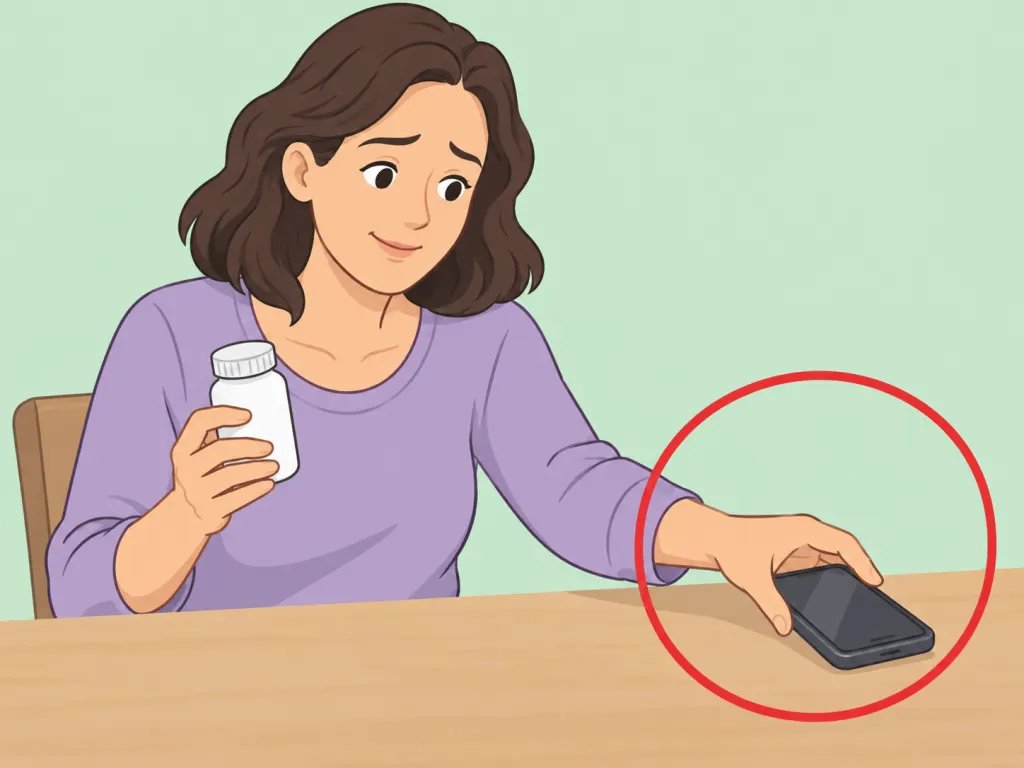
Keep taking metoprolol exactly as prescribed unless a doctor tells you otherwise. Official labeling on DailyMed warns patients not to interrupt metoprolol without a physician’s advice. If side effects are bothering you, call your doctor or pharmacist instead of changing the medicine on your own.
Step 7: Call a doctor about persistent or concerning symptoms

Contact a doctor or pharmacist if tiredness, dizziness, stomach symptoms, sleep changes, cold hands or feet, mood changes, rash, itching, or sexual side effects continue or interfere with your life. The NHS advises getting help when coping steps do not help or a side effect is still bothering you or does not go away. Your clinician can decide whether your care plan needs review.
Step 8: Seek urgent help for severe warning signs
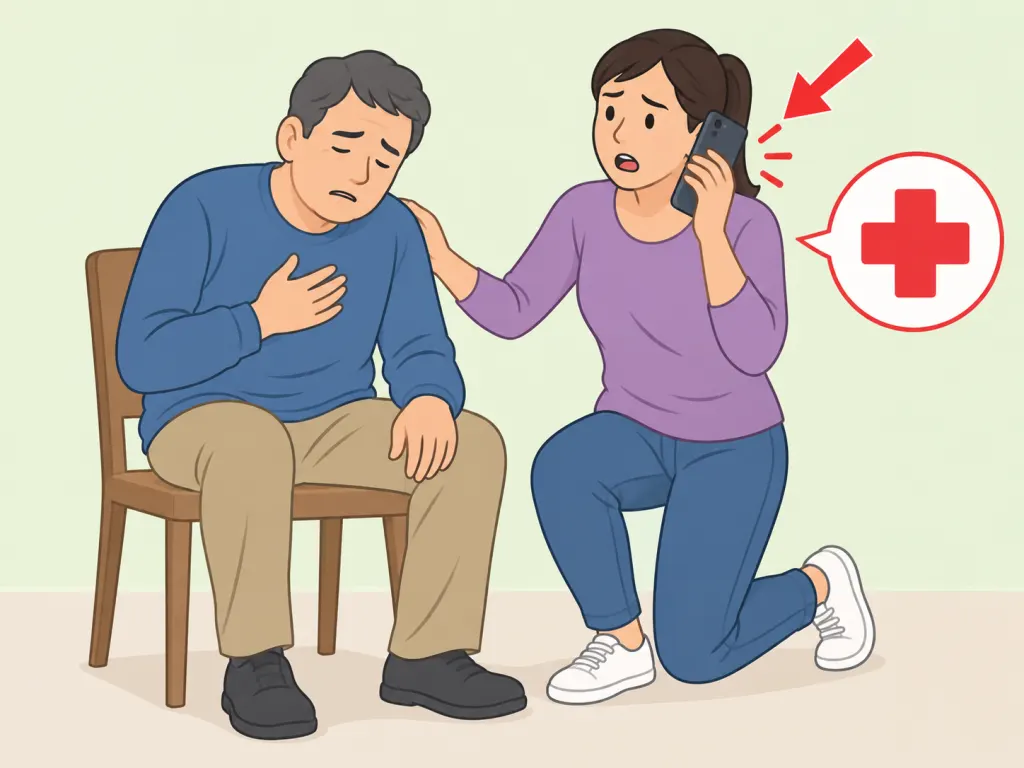
Get urgent medical help for severe breathing trouble, fainting, chest pain that does not settle, sudden swelling of the face, lips, tongue, or throat, or a rapid decline in how you feel. MedlinePlus lists shortness of breath, swelling, weight gain, fainting, and irregular heartbeat as symptoms that can need immediate help, and the NHS gives urgent advice for breathing difficulty and serious allergic reaction symptoms. Do not drive yourself for emergency care.
Step 9: Report serious or unusual side effects
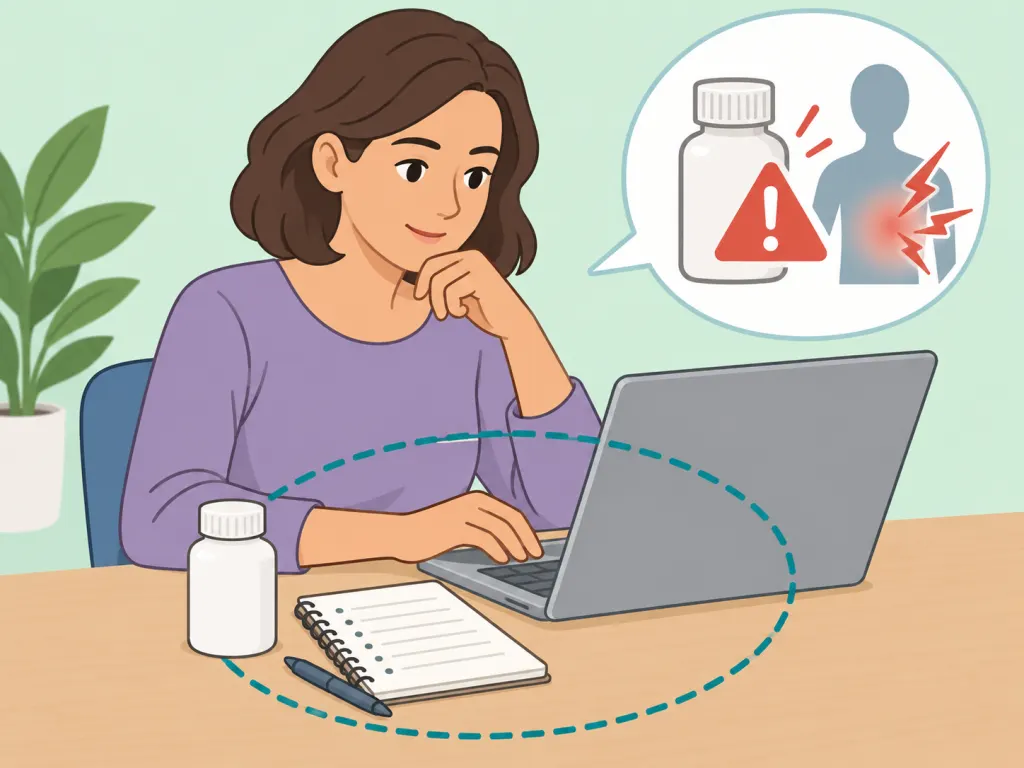
If a symptom is serious, unusual, or worrying, tell a health professional and ask whether it should be reported. In the United States, the FDA’s MedWatch program receives reports from patients, consumers, and health professionals about serious problems with medicines and other medical products. Reporting does not replace medical care, so seek help first if symptoms are urgent.
Wrap-Up
The bottom line: common metoprolol side effects can include tiredness, dizziness, weakness, headache, nausea, stomach pain, vomiting, diarrhea, cold hands or feet, and sleep changes. Track what you notice, share persistent symptoms with a doctor or pharmacist, and get urgent help for severe breathing trouble, fainting, chest pain, sudden swelling, or signs of a serious allergic reaction.
Frequently Asked Questions
- → Is tiredness common with metoprolol?
Yes. Tiredness, dizziness, and weakness are listed as common side effects by the NHS, and they may be more noticeable when you first start taking it or after your clinician changes your plan. If tiredness is severe, lasts, or interferes with daily life, contact a doctor or pharmacist.
- → Should I stop metoprolol if I think it is causing side effects?
No. Official drug labeling warns patients not to interrupt metoprolol without a physician’s advice. Call your doctor or pharmacist so they can review your symptoms and tell you what to do safely.
- → Can metoprolol cause stomach problems?
It can. The NHS lists nausea, stomach pain, vomiting, and diarrhea among possible side effects. Ask a clinician for advice if vomiting or diarrhea is severe, lasts more than a short time, or makes it hard to keep fluids down.
- → Can metoprolol make my hands or feet cold?
Yes. The NHS lists cold hands or feet as a common side effect. Keep them warm, avoid tight bands or bracelets, and contact a doctor if your fingers or toes become very painful, numb, or unusually pale or blue.
- → Which metoprolol symptoms need urgent help?
Seek urgent medical help for severe breathing trouble, fainting, chest pain that does not settle, sudden swelling of the face or throat, or symptoms that feel rapidly worse. MedlinePlus and the NHS list breathing difficulty, fainting, swelling, and chest symptoms among concerns that need prompt assessment.
- → What should I bring to a doctor visit about side effects?
Bring your metoprolol container, a list of all medicines and supplements you take, and notes on when symptoms started. MedlinePlus recommends keeping a written medicine list and bringing it to medical visits or hospital care.
References
This content was developed and refined using reliable sources.
- https://medlineplus.gov/druginfo/meds/a682864.html
- https://www.nhs.uk/medicines/metoprolol/side-effects-of-metoprolol
- https://www.nhs.uk/medicines/metoprolol/about-metoprolol
- https://www.mayoclinic.org/drugs-supplements/metoprolol-oral-route/description/drg-20071141
- https://dailymed.nlm.nih.gov/dailymed/lookup.cfm?setid=4d8cdd8b-3896-4cd0-9570-a6f4e1d340d7
- https://www.fda.gov/safety/medwatch-fda-safety-information-and-adverse-event-reporting-program