 Save
The short answer: be skeptical of any spoonful-a-day claim that promises predictable changes in cholesterol, blood sugar, arteries, or appetite. A spoonful can be part of a helpful routine when it adds fiber-rich food, unsaturated fat, or flavor that helps you enjoy balanced meals, but it is not a stand-alone plan. Cholesterol levels are measured with a blood test, and MedlinePlus explains that LDL, HDL, total cholesterol, and triglycerides each tell a different part of the story MedlinePlus. Blood sugar responses also depend on the whole meal, especially total carbohydrate, fiber, timing, activity, and personal factors, which is why the CDC frames healthy eating for diabetes around amounts, timing, and food choices rather than one ingredient CDC.
The Short Answer
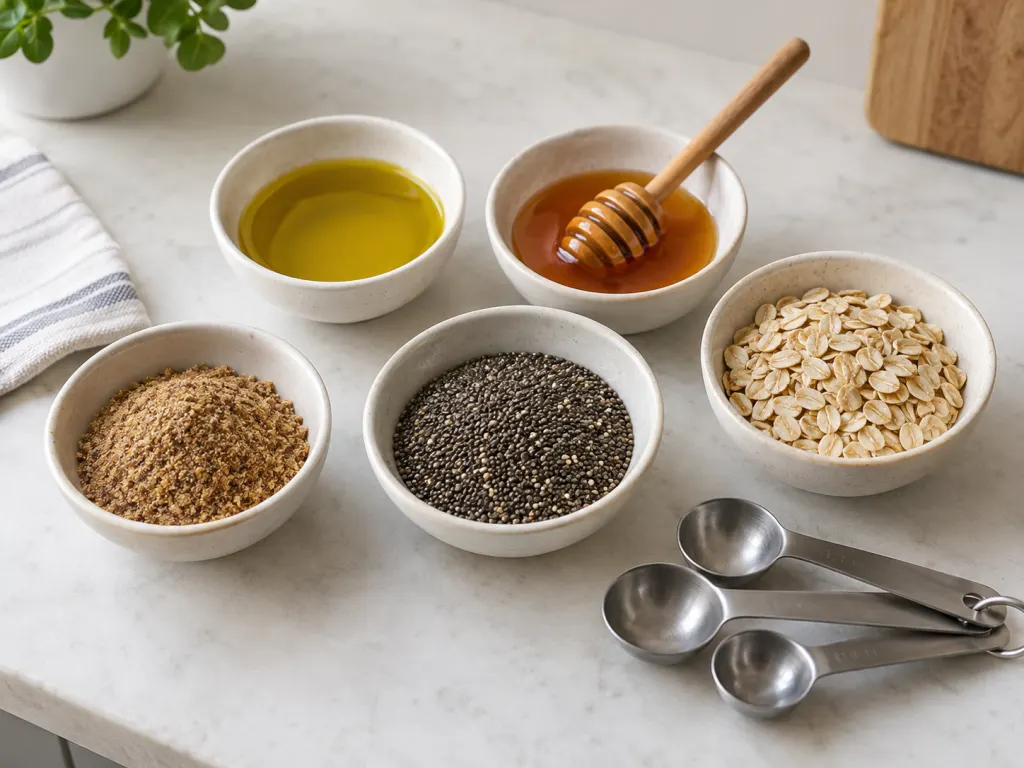
A spoonful habit is best judged as a small food choice, not as a promise. The strongest everyday nutrition advice is usually less dramatic: choose more minimally processed plant foods, use labels, pay attention to portions, and build meals you can repeat. If the spoonful is chia seeds, ground flaxseed, psyllium, olive oil, apple cider vinegar, honey, or a greens powder, the important details are different. Some add dietary fiber, some add mostly fat, some add acidity and flavor, and some add sugar. None tells the whole story by itself.
Why Spoonful Claims Are Easy to Overread
Claims built around a tiny amount of food often skip the part that matters most: context. One tablespoon of seeds may offer fiber, but it may not provide the same amount as a bowl of beans, oats, vegetables, fruit, and whole grains spread across the day. One spoonful of oil may replace butter in cooking, which can improve the fat profile of a meal, but it still adds calories and has no fiber. A spoonful of syrup, honey, or sweetened powder may sound natural while still adding sugar. The Dietary Guidelines for Americans emphasize overall patterns built on whole, nutrient-dense foods and lower intake of highly processed foods, refined carbohydrates, added sugars, excess sodium, and unhealthy fats ODPHP.
What The Evidence Supports More Strongly
The better-supported idea is not that one ingredient fixes a number. It is that certain food patterns can support healthier lab trends over time. The National Heart, Lung, and Blood Institute describes the Therapeutic Lifestyle Changes approach as a combination of food choices, activity, and weight management, with emphasis on reduced saturated fat and more soluble fiber from foods such as fruits, beans, and oats NHLBI. The FDA also treats food-label health claims as regulated statements that require scientific review and specific food criteria, which is very different from a casual social-media promise FDA.
When you see a spoonful claim, sort it into practical questions:
- What is the food? Seeds, oats, beans, oils, vinegars, sweeteners, and powders do not behave the same way in a meal.
- What does one spoonful actually provide? Look for fiber, saturated fat, added sugars, sodium, and total carbohydrate.
- What is it replacing? A small swap may matter more when it replaces a less helpful choice.
- Is the claim measurable? Cholesterol and blood sugar require proper testing or monitoring, not guesswork.
- Does it fit the rest of the day? A helpful ingredient can be cancelled out by an overall pattern that does not support the same goal.
Fiber Is A Common Thread, But Amount Matters
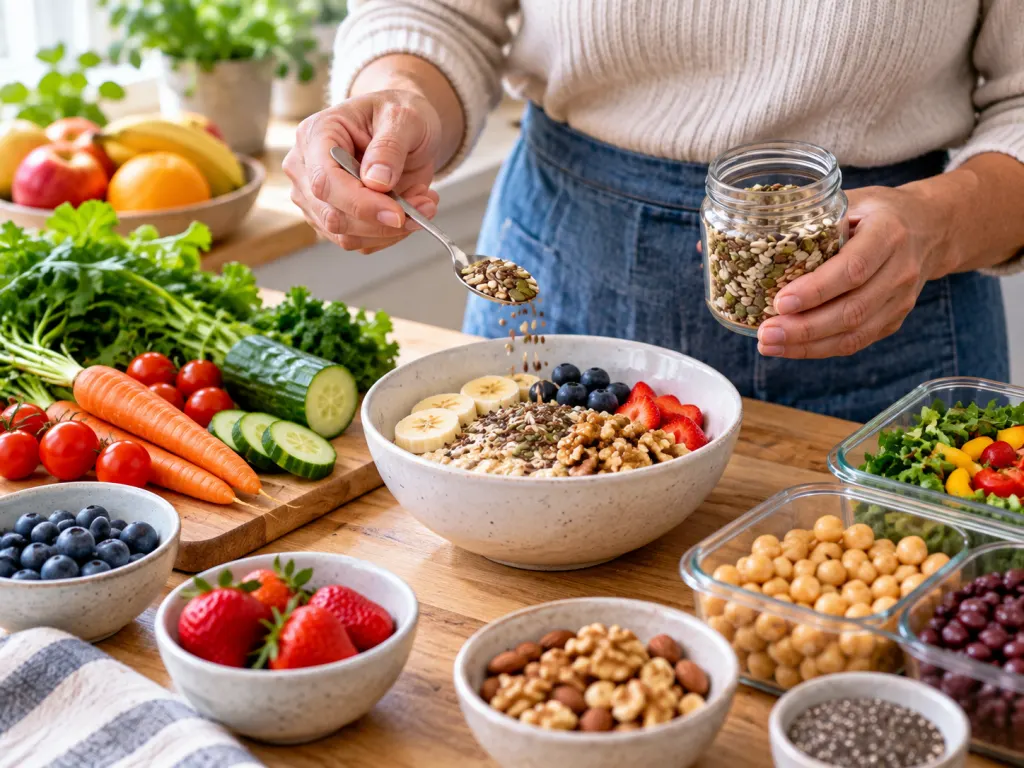
Many spoonful trends involve chia, flax, psyllium, oats, or powdered plant blends because fiber is connected with fullness and carbohydrate quality. The CDC explains that fiber is a carbohydrate the body does not break down in the same way as sugars and starches, and that fiber-rich foods include fruits, vegetables, whole grains, legumes, nuts, and seeds CDC. That does not mean every fiber product is equivalent. A spoonful may add a little, a lot, or almost none, depending on the ingredient and the serving. It also matters whether the food is eaten with water and within a meal that includes protein, vegetables, whole grains, or other satisfying foods.
Blood Sugar Claims Need Meal Context
Blood sugar response is not determined by one spoonful in isolation. The American Diabetes Association explains that total carbohydrate on the Nutrition Facts label includes sugars, starches, and fiber, and recommends using total carbohydrate rather than marketing shortcuts when making food decisions American Diabetes Association. That is why a sweetened powder, juice shot, or syrup cannot be judged by a wellness label alone. A spoonful mixed into oatmeal, yogurt, or a bean dish is also different from the same spoonful taken by itself, because the whole meal changes digestion speed, fullness, and total carbohydrate.
Cholesterol Claims Need The Whole Fat And Fiber Picture
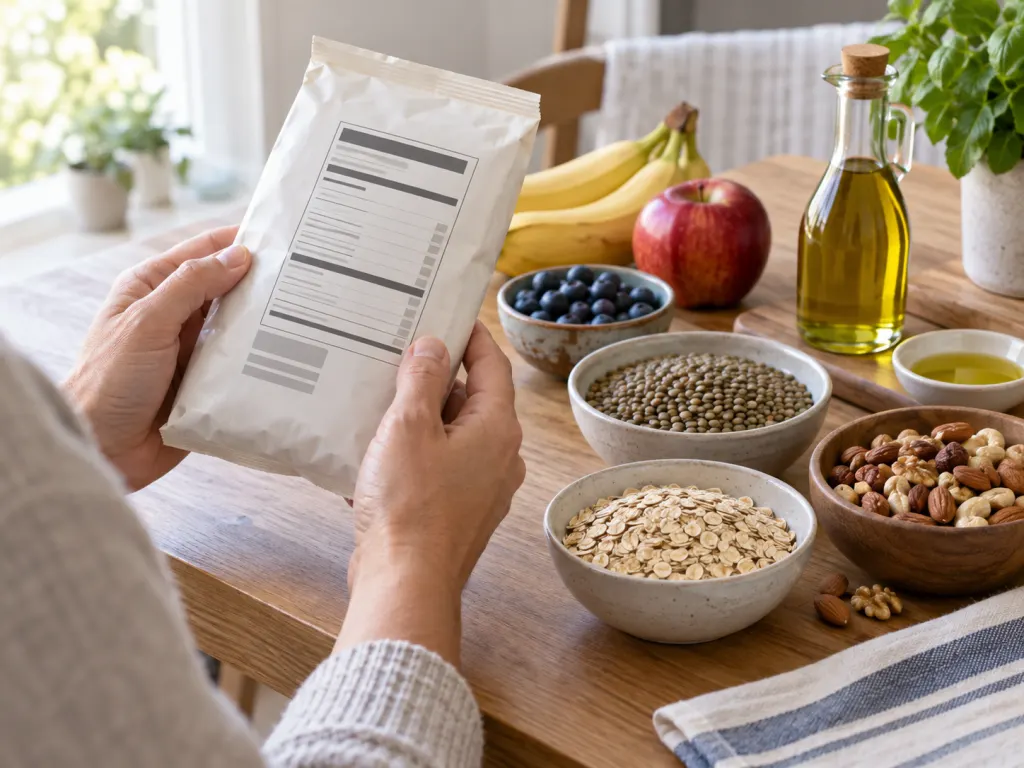
For cholesterol, the label and the plate both matter. The American Heart Association notes that Nutrition Facts labels can help people compare saturated fat, trans fat, added sugars, sodium, and dietary fiber; it also points to fiber as a beneficial nutrient and gives a daily fiber range for adults American Heart Association. A spoonful of olive oil may be a reasonable culinary swap for butter in some meals, but it will not add fiber. A spoonful of seeds may add fiber and unsaturated fat, but it will not erase an eating pattern high in saturated fat. A spoonful of sweetener adds energy and sugar without the same fiber advantage.
A Better Way To Use Spoonful Habits
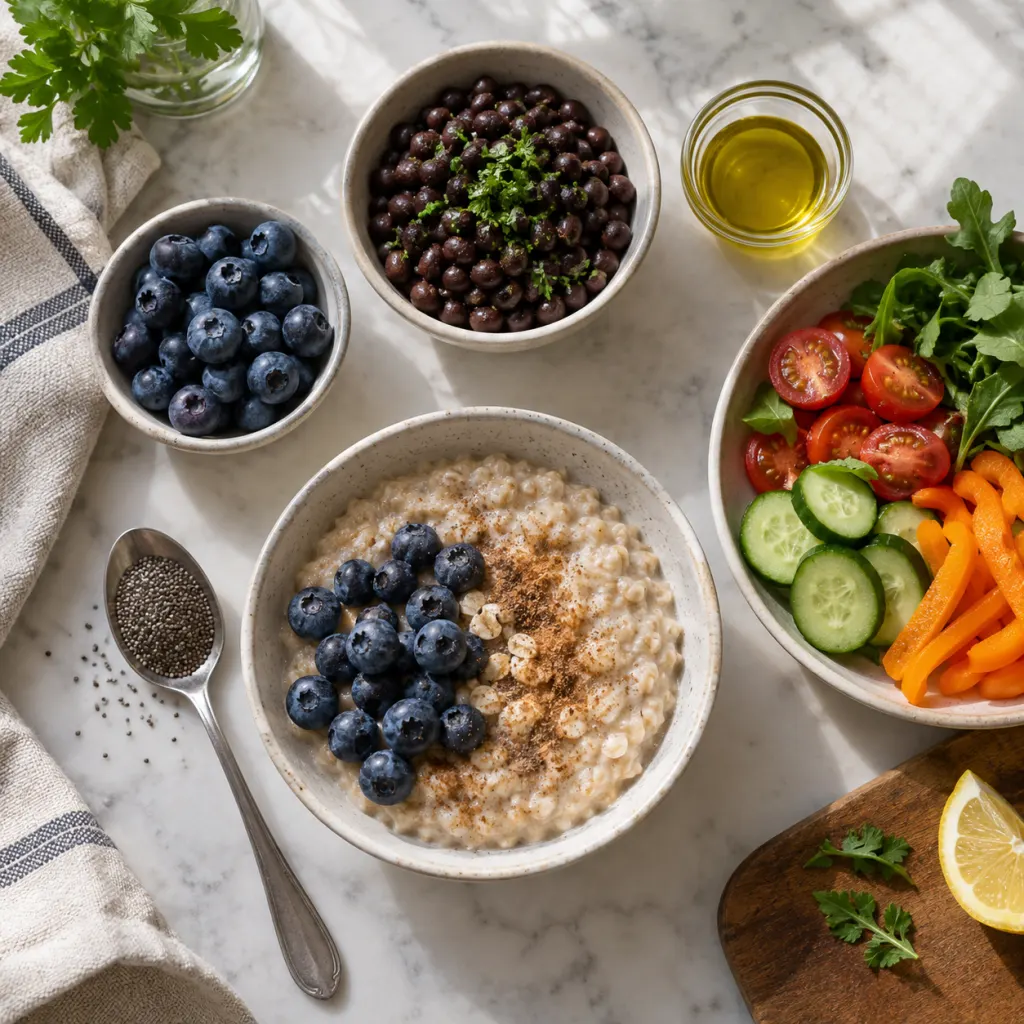
The most sensible use of a spoonful habit is as a repeatable anchor for a better meal. Add ground flaxseed or chia to plain oatmeal if you enjoy the texture. Stir beans or lentils into soup instead of relying only on a seed topping. Use olive oil, herbs, lemon, or vinegar to make vegetables taste better, while keeping portions reasonable. Choose plain yogurt, fruit, nuts, or oats when they fit your needs. For a deeper food-specific walkthrough, see How to Use Oatmeal to Support Cholesterol, Blood Sugar, and Weight Goals, and for a broader version of this topic, see Morning Spoonful Wellness Claims: A Careful Guide.
Red Flags In A Social-Media Claim
A calm nutrition claim should be specific enough to check. Be cautious when a post names no ingredient, gives no serving size, ignores the rest of the diet, or promises several unrelated outcomes from the same spoonful. Also be cautious when the post treats a normal food as though it can do the work of testing, follow-up, or individualized care. In real life, food habits interact with sleep, activity, stress, family history, medicines, access to groceries, cooking time, and budget. If you are also rethinking daily routines around cholesterol, Morning Habits to Rethink With High Blood Pressure and Cholesterol may be a useful companion read.
How To Evaluate A Spoonful Before You Try It
Start with the package or the whole-food nutrition profile. Check the serving size first, because a spoonful can mean a teaspoon, tablespoon, scoop, or heaping kitchen spoon. Then scan for fiber, saturated fat, added sugars, sodium, and total carbohydrate. Ask what meal it will improve. If it helps you eat oats instead of a pastry, vegetables instead of a salty snack, or beans instead of a refined side dish, the spoonful may be doing useful kitchen work. If it adds calories, sugar, or cost without making meals more balanced or satisfying, it may be mostly a distraction.
Bottom Line
The most useful answer to spoonful-a-day claims is neither excitement nor dismissal. Some spoonfuls can be nutritious. Some are mainly flavor. Some are mostly marketing. For cholesterol and blood sugar concerns, the more reliable approach is to look at the whole eating pattern, use credible labels and sources, and make changes that are realistic enough to keep. A small ingredient can help when it supports a better meal; it becomes misleading when it is sold as the whole plan.
Wrap-Up
One spoonful a day is too small and too vague to carry the kinds of claims often attached to it online. Look at the ingredient, serving size, fiber, fat type, sugar, sodium, total carbohydrate, and what the spoonful replaces in the meal. The steadier path is a balanced pattern rich in vegetables, fruit, beans, whole grains, nuts, seeds, and appropriate unsaturated fats, with personal health choices discussed with a qualified professional.
Frequently Asked Questions
- → Is one spoonful of a healthy food enough to change cholesterol or blood sugar?
It is better to think of a spoonful as one small part of the day. Cholesterol and blood sugar are influenced by the whole eating pattern, physical activity, timing, health history, and other personal factors. A spoonful may help if it adds fiber or improves a meal, but it should not be judged apart from everything else you eat and do.
- → Which spoonful ingredients are most worth checking for nutrition value?
Check ingredients that add dietary fiber, such as chia, flax, oats, psyllium, beans, or other plant foods. Also check oils, powders, and sweeteners for saturated fat, added sugars, sodium, and total carbohydrate. The Nutrition Facts label is more useful than a front-of-package claim.
- → Why do some claims mention fiber so often?
Fiber changes the nutrition profile of a meal because it is handled differently from sugars and starches. CDC guidance describes fiber-rich foods as fruits, vegetables, whole grains, legumes, nuts, and seeds, and notes that fiber can support fullness and healthier eating patterns CDC.
- → Should I use total carbs or net carbs when judging a spoonful product?
The American Diabetes Association advises looking at total carbohydrate on the Nutrition Facts label because it includes sugar, starch, and fiber, while net-carb marketing is not a precise guide for everyone American Diabetes Association.
- → What is the safest takeaway from spoonful-a-day wellness posts?
Use them as prompts to ask better questions, not as a finished plan. Identify the ingredient, check the serving size, read the label, compare it with your usual meal, and bring personal health questions to a qualified professional who knows your situation.
References
This content was developed and refined using reliable sources.
- https://medlineplus.gov/lab-tests/cholesterol-levels
- https://www.cdc.gov/diabetes/healthy-eating/index.html
- https://www.cdc.gov/diabetes/healthy-eating/fiber-helps-diabetes.html
- https://odphp.health.gov/our-work/nutrition-physical-activity/dietary-guidelines/current-dietary-guidelines
- https://www.nhlbi.nih.gov/health/TLC-Therapeutic-Lifestyle-Changes-Lower-Cholesterol
- https://www.fda.gov/food/nutrition-food-labeling-and-critical-foods/authorized-health-claims-meet-significant-scientific-agreement-ssa-standard
- https://diabetes.org/food-nutrition/reading-food-labels/making-sense-food-labels
- https://www.heart.org/en/healthy-living/healthy-eating/eat-smart/nutrition-basics/understanding-food-nutrition-labels