 Save
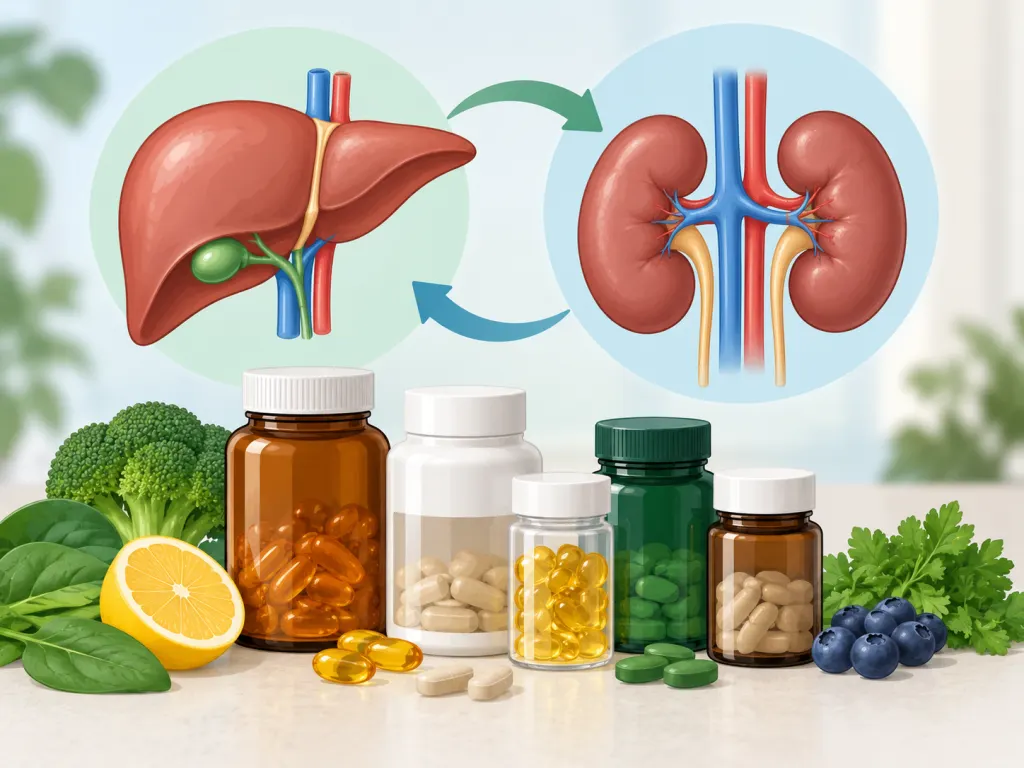
Some vitamins and supplements can affect the liver or kidneys when they are taken in large amounts, layered with similar products, or used without a clear reason. The main concern is not ordinary food intake. It is concentrated pills, powders, gummies, extracts, and multi-ingredient products that can push total intake higher than expected. The FDA explains that dietary supplements are not approved for safety and effectiveness before they are sold, and companies are responsible for meeting legal requirements before marketing them FDA. That makes careful label reading and professional guidance especially important.
Why Misuse Matters
The liver and kidneys handle much of the body's processing and clearing work. That does not mean every supplement is dangerous. It means concentrated products deserve the same respect you would give any biologically active substance. The National Center for Complementary and Integrative Health notes that natural products are not automatically safe, and that sudden liver damage linked to supplements, while still uncommon, has been reported more often in recent years NCCIH.
A practical safety review starts with four questions:
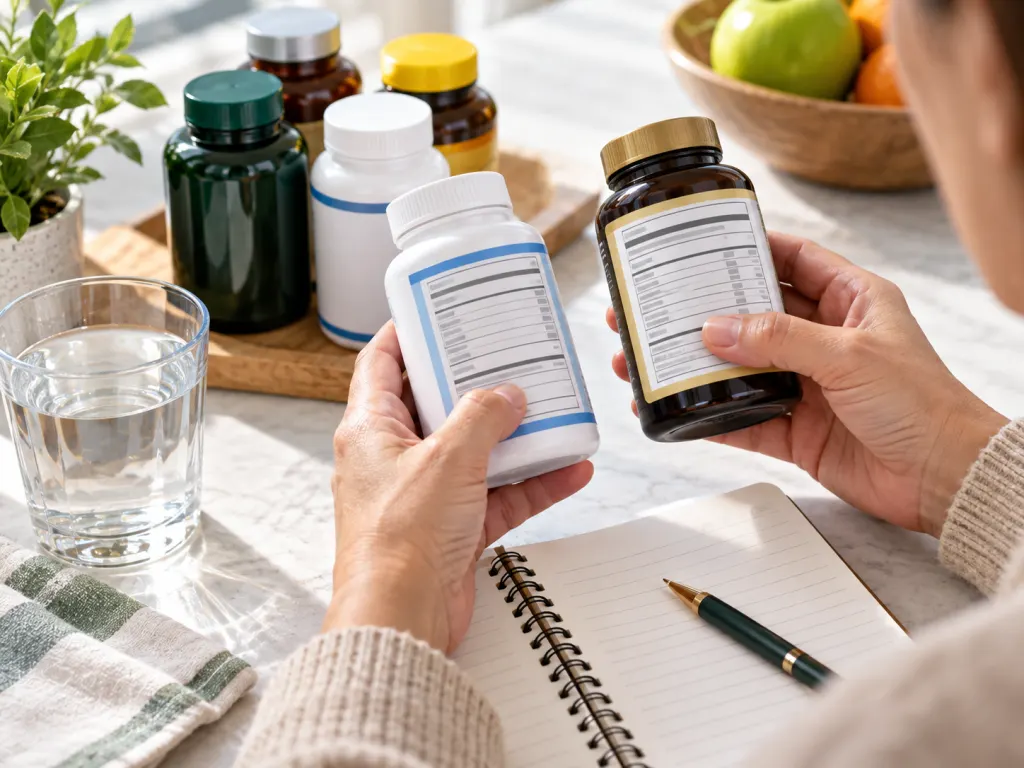
- What exactly is in the product? Check the Supplement Facts panel for the form, amount, serving size, and added botanical extracts.
- Are you taking the same nutrient in more than one place? Multivitamins, fortified drinks, powders, and single-nutrient capsules can overlap.
- Do you have liver, kidney, gallbladder, stone, or iron-storage concerns? Personal context changes what is reasonable.
- Is the goal clear? A supplement used for a documented gap is different from taking several products because a trend sounds convincing.
The Vitamin and Mineral Products to Review First
1. Vitamin A. Vitamin A is fat-soluble, so excess preformed vitamin A can build up in the body rather than simply washing out. The NIH Office of Dietary Supplements says excess amounts are stored mainly in the liver, and chronic high intake can be linked with abnormal liver test results NIH ODS. The key distinction is form: preformed vitamin A such as retinol or retinyl esters is the form most associated with accumulation, while beta-carotene from plant foods behaves differently. Anyone taking a multivitamin plus a separate vitamin A product should check whether the totals overlap.
2. Vitamin D. Vitamin D is valuable when a person truly needs it, but large supplement amounts can raise calcium levels too high. The NIH Office of Dietary Supplements states that vitamin D toxicity can cause high calcium in blood and urine, and in extreme cases may lead to kidney failure, soft tissue calcification, abnormal heart rhythm, and death NIH ODS. The risk often comes from long-running high intake, accidental label mistakes, or taking several vitamin D-containing products at once. Readers who want a deeper companion article can see Vitamin D Supplements: What to Check Before Taking More.
3. Niacin, also called vitamin B3. Niacin is found in food and in B-complex or stand-alone supplements. Ordinary food intake is not the issue. The NIH consumer fact sheet says large nicotinic acid amounts can cause more serious effects, and long-term use, especially extended-release forms, can cause liver problems including hepatitis and liver failure NIH ODS. Niacin is a good example of why a familiar vitamin name does not guarantee that a concentrated product is casual.
4. Vitamin C. Vitamin C is water-soluble and has lower toxicity than many fat-soluble vitamins, but that does not make unlimited intake wise. The NIH notes that too much vitamin C can cause stomach upset, and high intake can worsen iron overload in people with hemochromatosis NIH ODS. For kidney-aware readers, the concern is usually very high supplemental intake, personal stone history, or kidney conditions rather than oranges, peppers, berries, or other ordinary foods.
5. Calcium. Calcium supplements can be helpful in the right context, but they are easy to stack with fortified foods and multivitamins. The NIH health professional fact sheet says higher supplemental calcium intakes might increase the risk of kidney stones, and high calcium in blood or urine can be linked with poor kidney function and other effects NIH ODS. Calcium is also tied to vitamin D because vitamin D affects calcium absorption. Taking both without reviewing totals can create a larger-than-expected combined exposure.
6. Iron. Iron is different from many supplements because accidental overuse can become urgent, especially for children. MedlinePlus explains that iron is found in many vitamin and mineral products, that large amounts can be harmful, and that liver damage may appear days after a serious overdose MedlinePlus. Adult iron tablets and prenatal-style multivitamins should be stored securely. Adults should also avoid taking iron casually unless there is a clear reason, because too much iron can be hard on the body.
Herbal Extracts Are Not Automatically Gentler
7. Green tea extract. Drinking green tea is not the same as taking concentrated green tea extract. NCCIH says no safety concerns have been reported for green tea consumed as a beverage by adults, but liver injury has been reported in some people using green tea products, mainly extracts in tablets or capsules NCCIH. Concentration matters. A capsule can deliver a pattern of exposure that is very different from a cup of tea with breakfast.
8. Kava. Kava is promoted in some products for relaxation, but it has a serious liver-safety history. NCCIH reports that various kava products have been linked to rare cases of liver injury, some serious or fatal, and notes possible contributing factors such as product preparation, plant variety, plant parts used, contamination, alcohol, and prolonged or large-amount use NCCIH. Because the risk is not easy for a shopper to judge from a label, kava is one of the clearest examples of a supplement that deserves professional review before use.
9. Turmeric and curcumin concentrates. Turmeric used as a kitchen spice is not the same as a high-concentration curcumin supplement, especially one designed for greater absorption. NCCIH says highly bioavailable curcumin formulations may harm the liver, and liver damage has been reported in some people who consumed these products NCCIH. The caution is not about adding turmeric to a soup or rice dish. It is about concentrated extracts, enhanced-absorption formulas, and repeated use without a clear reason.
What Counts as Misuse?
Misuse is broader than taking a handful of capsules at once. It can mean using several products that contain the same nutrient, taking a high-strength product for months because it sounds more effective, or relying on a social media routine without checking whether it fits your health history. It can also mean ignoring warning signs, continuing a product after feeling unwell, or assuming that a botanical extract is mild because it came from a plant.
Another common mistake is comparing supplements to foods as if they were identical. A carrot and a preformed vitamin A capsule are not the same kind of exposure. A cup of green tea and a concentrated extract are not the same habit. A sprinkle of turmeric in dinner and an enhanced-absorption curcumin capsule are not the same product. The body may handle these forms differently, and the label may not make that difference obvious at a glance.

Who Should Be Extra Cautious?
Extra caution is sensible for people who already have liver or kidney concerns, people with a history of kidney stones, people who have been told they store too much iron, older adults taking several daily products, and anyone using multiple supplements from different brands. Children are a special case because iron-containing products and adult multivitamins can be dangerous when swallowed accidentally. Supplements should be kept in secure storage, not left on counters, in purses, or in weekly organizers that a child can open.
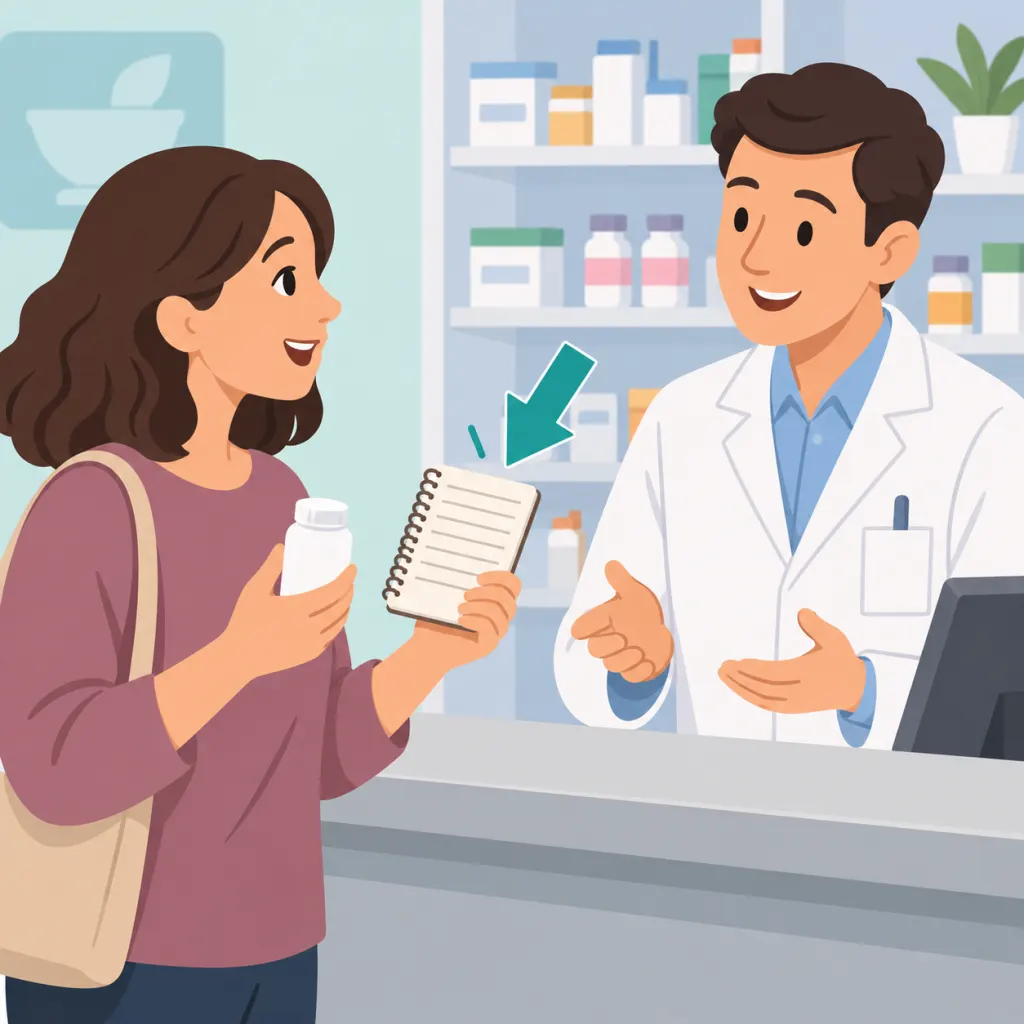
It is also worth reviewing supplements when routine lab work changes unexpectedly. That does not mean a supplement is always the cause. It means the supplement list belongs in the conversation. Bring the bottle or a photo of the Supplement Facts label. Include powders, teas, gummies, drops, and products bought online, not just products that look like pills. For kidney-focused reading, see Everyday Pills That Can Affect Kidney Health and Vitamin Support for Kidney Health: What to Know.
How to Make a Safer Supplement List
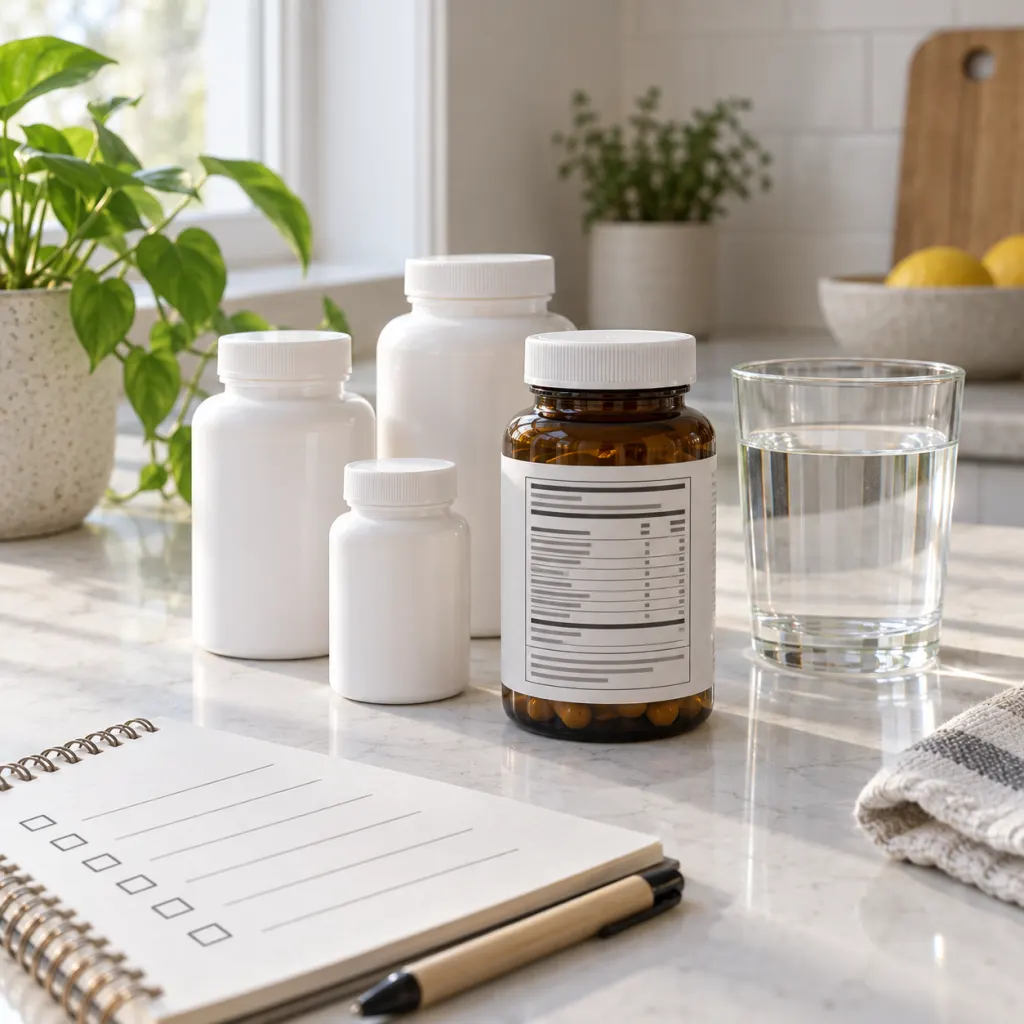
A safer supplement list is usually shorter, clearer, and easier to explain. Write down the product name, serving size, nutrient form, amount per serving, how often you use it, and why you started. Then look for overlap: vitamin D in a multivitamin plus a bone-health product, calcium in a chew plus a fortified drink, vitamin A in a multivitamin plus a separate skin or vision formula, or green tea extract in a weight-management blend. Multi-ingredient products deserve special attention because they can hide several active ingredients behind one front-label promise.
Choose products with transparent labels, avoid chasing the highest amount, and be skeptical of products that imply fast body changes. If you are already using a supplement safely under professional guidance, this article is not a reason to panic. It is a reason to keep the conversation specific: what product, what amount, what goal, what monitoring, and what personal factors matter?
When to Get Prompt Help
Seek urgent help right away if someone may have swallowed a dangerous amount of iron, a multivitamin, or any supplement, especially a child. In the United States, Poison Control can be reached at 1-800-222-1222, and emergency services should be used for severe symptoms, confusion, collapse, trouble breathing, or suspected poisoning. For less urgent concerns, stop adding new supplements until you can review the full list with a qualified professional. The safest plan is not fear; it is knowing exactly what you take and why.
Wrap-Up
Vitamins and supplements are not automatically unsafe, but concentrated products can become risky when they are stacked, taken in large amounts, or used without personal guidance. Vitamin A, vitamin D, niacin, vitamin C, calcium, iron, green tea extract, kava, and concentrated turmeric or curcumin products all deserve careful review because authoritative health sources connect misuse with liver, kidney, or poisoning concerns. Keep labels, watch for overlap, store iron securely away from children, and make supplement decisions with a qualified professional when liver or kidney health is part of the picture.
Frequently Asked Questions
- → Are food sources of vitamins as concerning as supplement pills?
Usually, the concern is concentrated supplement intake rather than ordinary foods. Foods contain nutrients in a broader food matrix and are harder to overdo in the same way. Exceptions can exist for specific medical conditions, so personal guidance still matters.
- → Why are fat-soluble vitamins mentioned so often in safety discussions?
Fat-soluble vitamins such as vitamins A and D can accumulate more readily than many water-soluble vitamins. That is why long-running high intake or overlapping products can matter more than a single food choice.
- → Is green tea extract the same as drinking green tea?
No. NCCIH distinguishes green tea as a beverage from concentrated green tea extract products. The liver-safety reports are mainly tied to extracts in tablet or capsule form, not ordinary adult beverage use.
- → What should I bring to a supplement review appointment?
Bring the bottle or clear photos of the front label and Supplement Facts panel. Include multivitamins, powders, gummies, herbal extracts, teas, fortified drinks, and any product used only a few times a week.
- → Which supplement should be stored most carefully around children?
Iron deserves special care because serious iron overdose can be dangerous for children. Store iron-containing products and adult multivitamins in child-resistant containers and in a secure place out of reach.
References
This content was developed and refined using reliable sources.
- https://www.fda.gov/consumers/consumer-updates/fda-101-dietary-supplements
- https://www.nccih.nih.gov/health/using-dietary-supplements-wisely
- https://ods.od.nih.gov/factsheets/VitaminA-HealthProfessional
- https://ods.od.nih.gov/factsheets/VITAMIND/HealthProfessional
- https://ods.od.nih.gov/factsheets/Niacin-Consumer
- https://ods.od.nih.gov/factsheets/VitaminC/Consumer
- https://ods.od.nih.gov/factsheets/Calcium-HealthProfessional
- https://www.medlineplus.gov/ency/article/002659.htm
- https://www.nccih.nih.gov/health/green-tea
- https://www.nccih.nih.gov/health/kava
- https://www.nccih.nih.gov/health/turmeric