 Save
Bad kitchen smells usually come from a source you can remove: old food, grease, a dirty drain, a trash can, or an appliance that needs cleaning. This guide walks you through a safe, practical order so you can freshen the room without covering up the problem. Start with safety, then clean the places where odor-causing residue tends to collect.
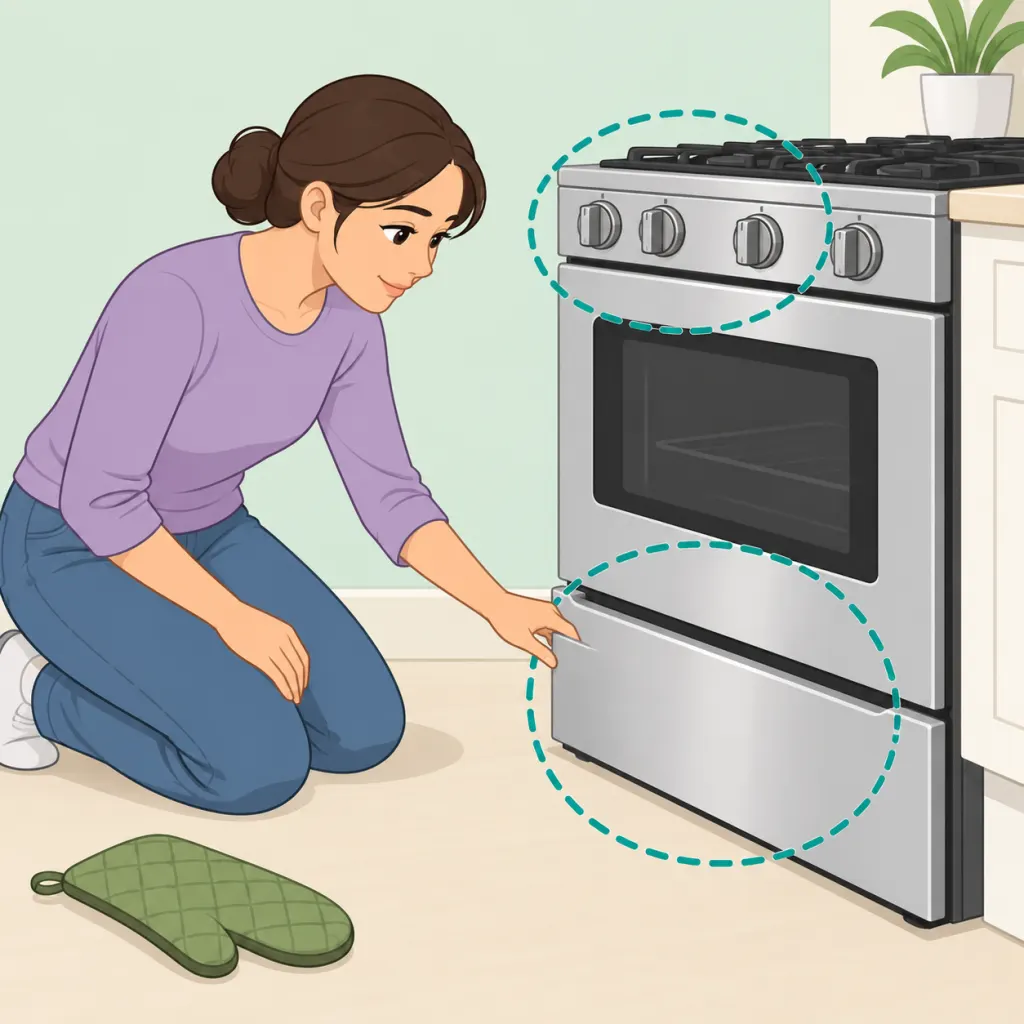
Step 1: Rule out urgent gas or chemical odors first
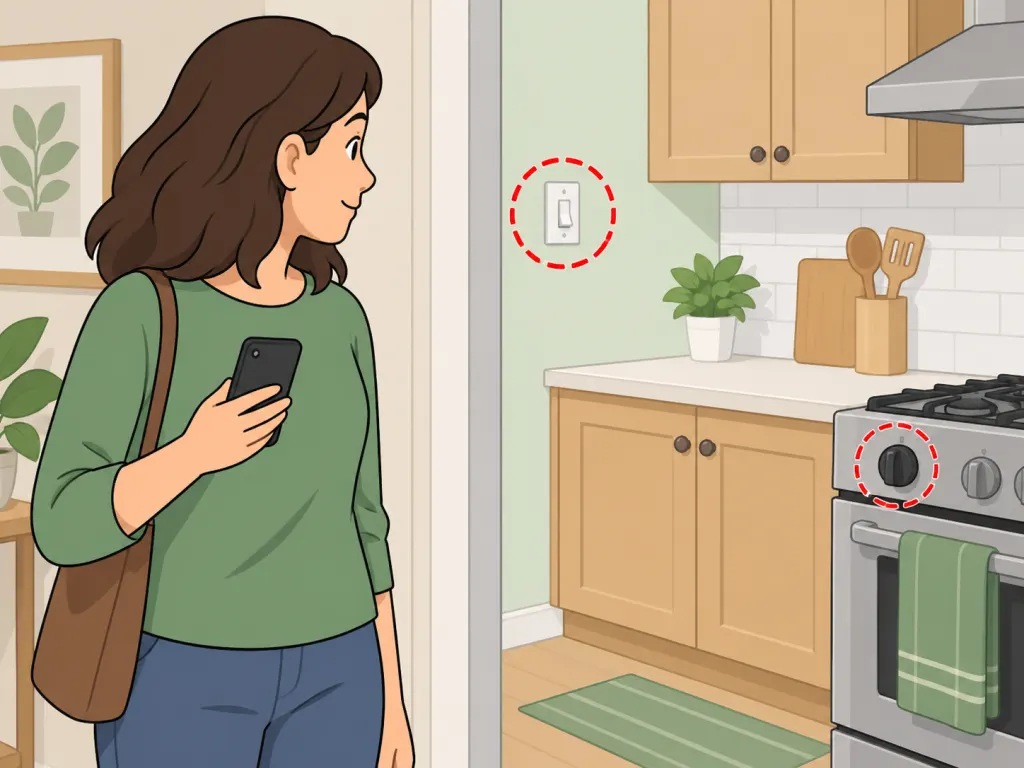
If the smell is sudden, strong, or similar to rotten eggs, stop cleaning and leave the home. The CDC advises leaving the building and contacting emergency authorities if you smell gas or suspect a leak, and not using lights, matches, or anything that could spark. Remember that carbon monoxide has no odor, so keep working carbon monoxide alarms near fuel-burning appliances.
Step 2: Ventilate the room while you cook and clean
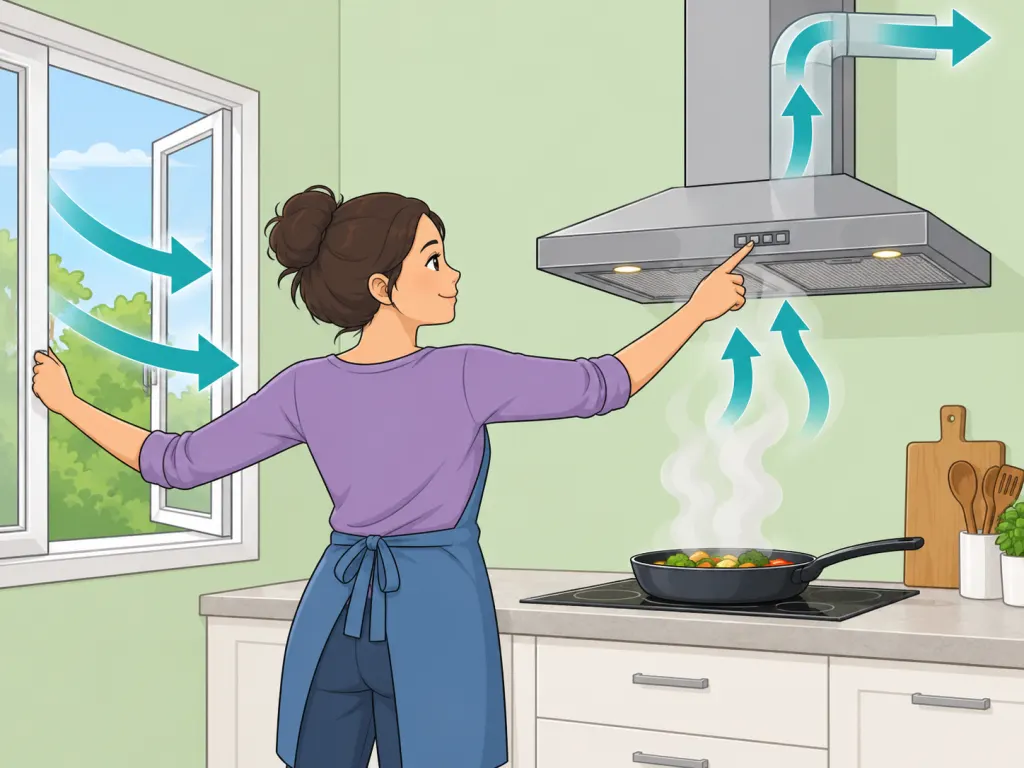
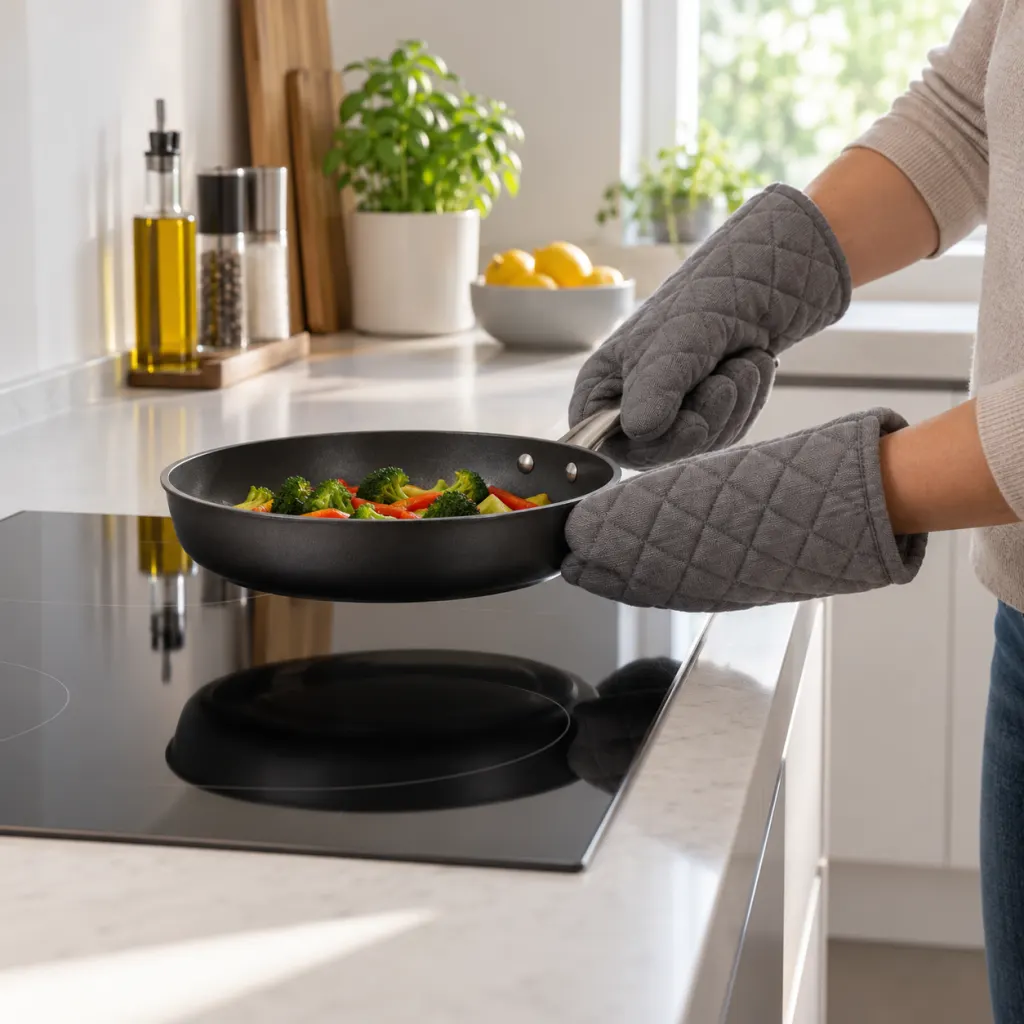
Open a window if weather allows, turn on the range hood, and move smoky pans or strong-smelling food residue off the heat. Odors can irritate some people depending on the substance, concentration, and length of exposure, according to ATSDR guidance on environmental odors. Fresh airflow helps clear cooking smells while you remove the actual source.
Step 3: Take out trash and old food
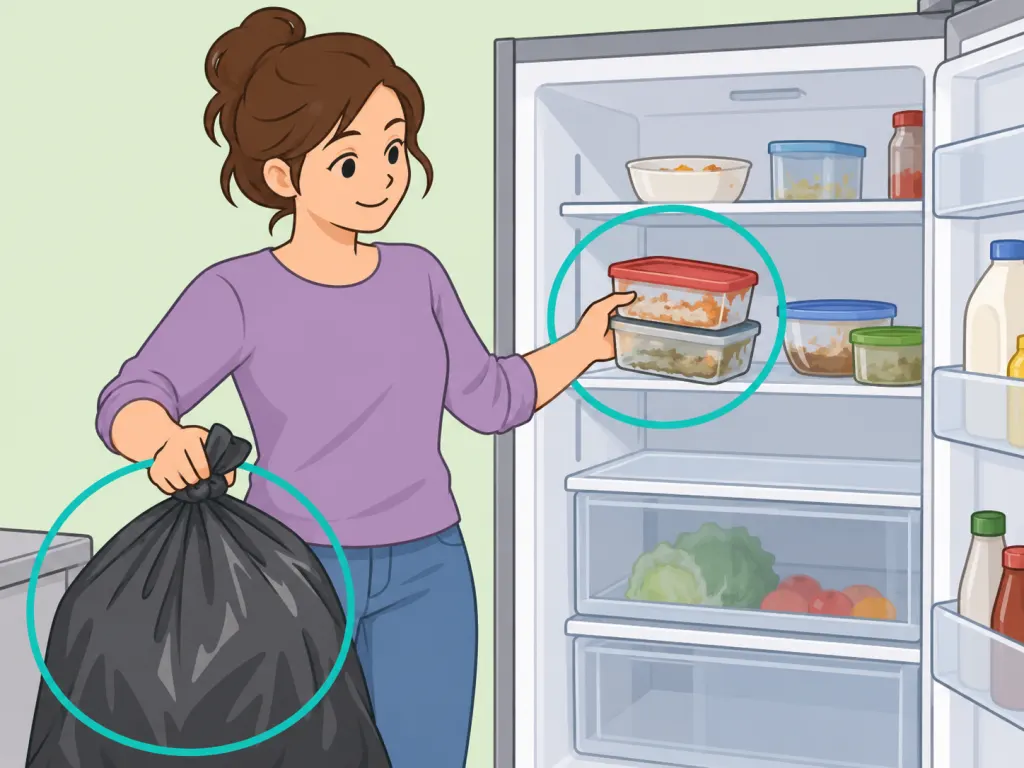
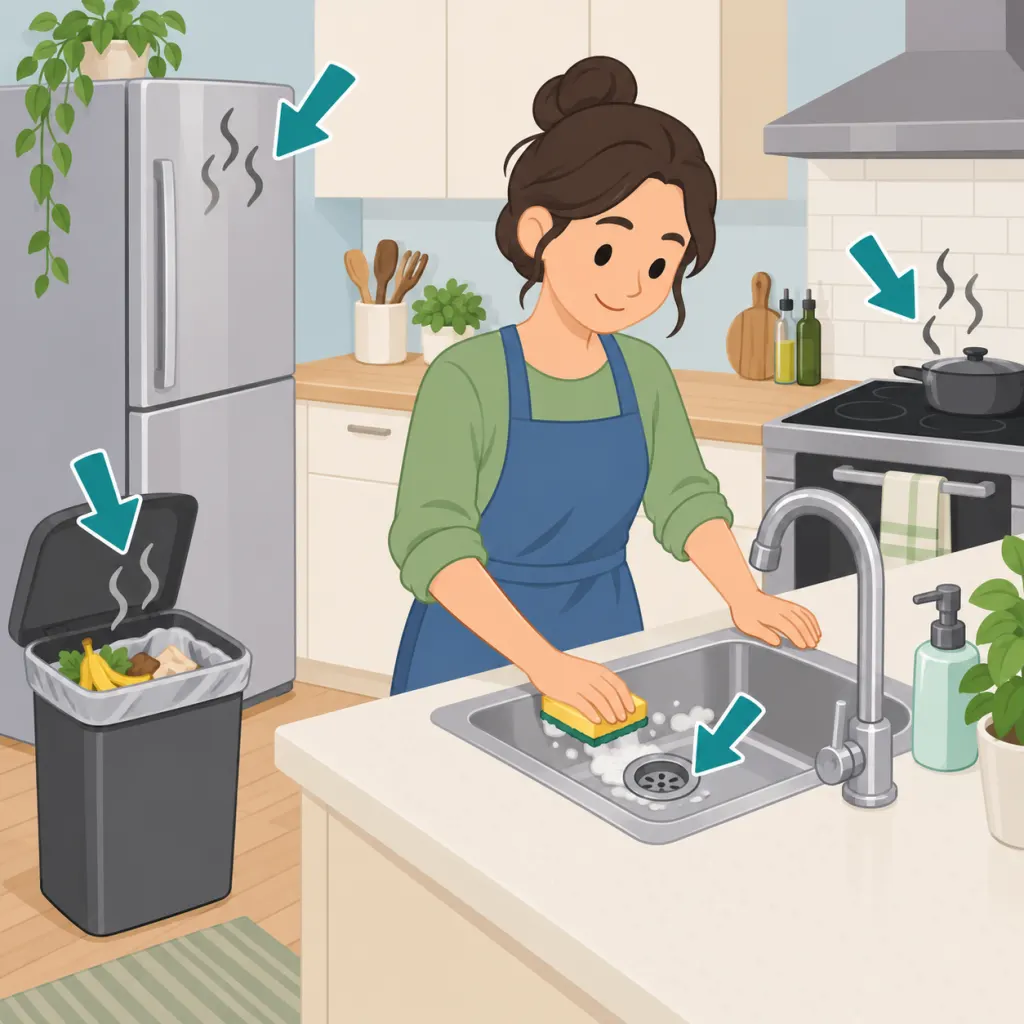
Empty the trash, recycling, and compost container, then wash the inside of the bin with warm, soapy water and let it dry. Check the refrigerator, countertop fruit bowl, and pantry for spoiled or questionable food; FoodSafety.gov recommends discarding leftovers after 4 days and throwing out food left at room temperature too long. Odor absorbers work poorly if old food is still sitting nearby.
Step 4: Scrub the sink, strainer, and disposal guard
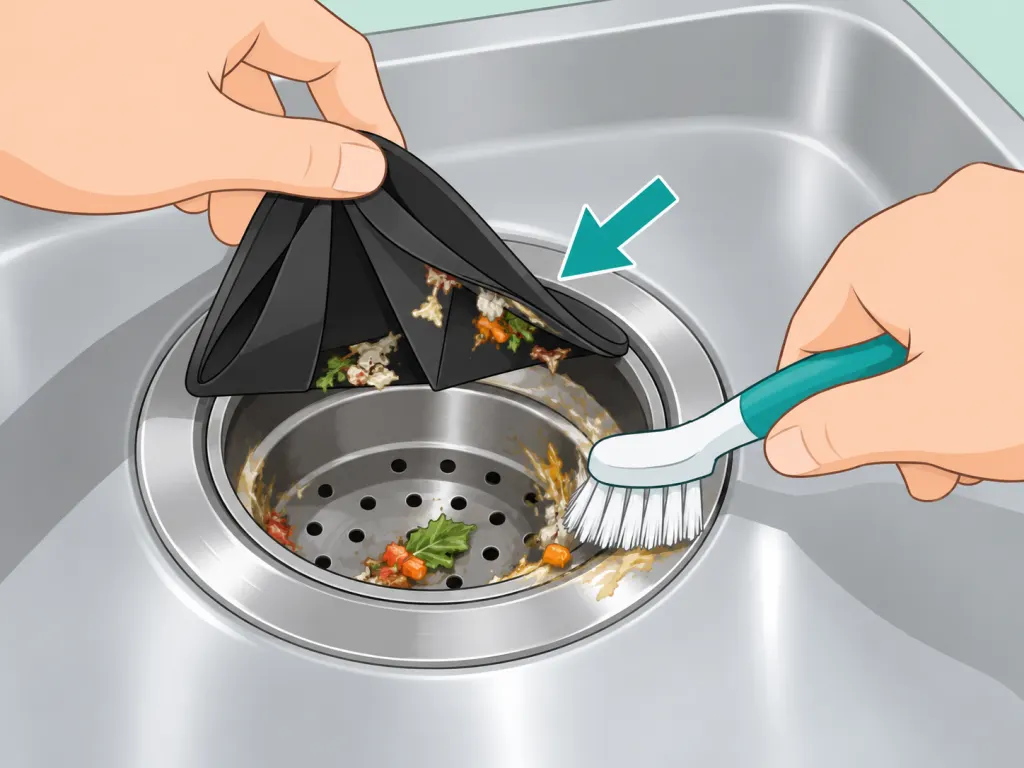
Remove food caught in the sink strainer, scrub the sink with dish soap, and clean the rubber splash guard on both sides if you have a disposal. For drains and garbage disposals, Iowa State University Extension suggests pouring baking soda and white vinegar into the drain, letting it fizz, then flushing with hot water. Use hot tap water instead of boiling water if your plumbing manufacturer warns against boiling water.
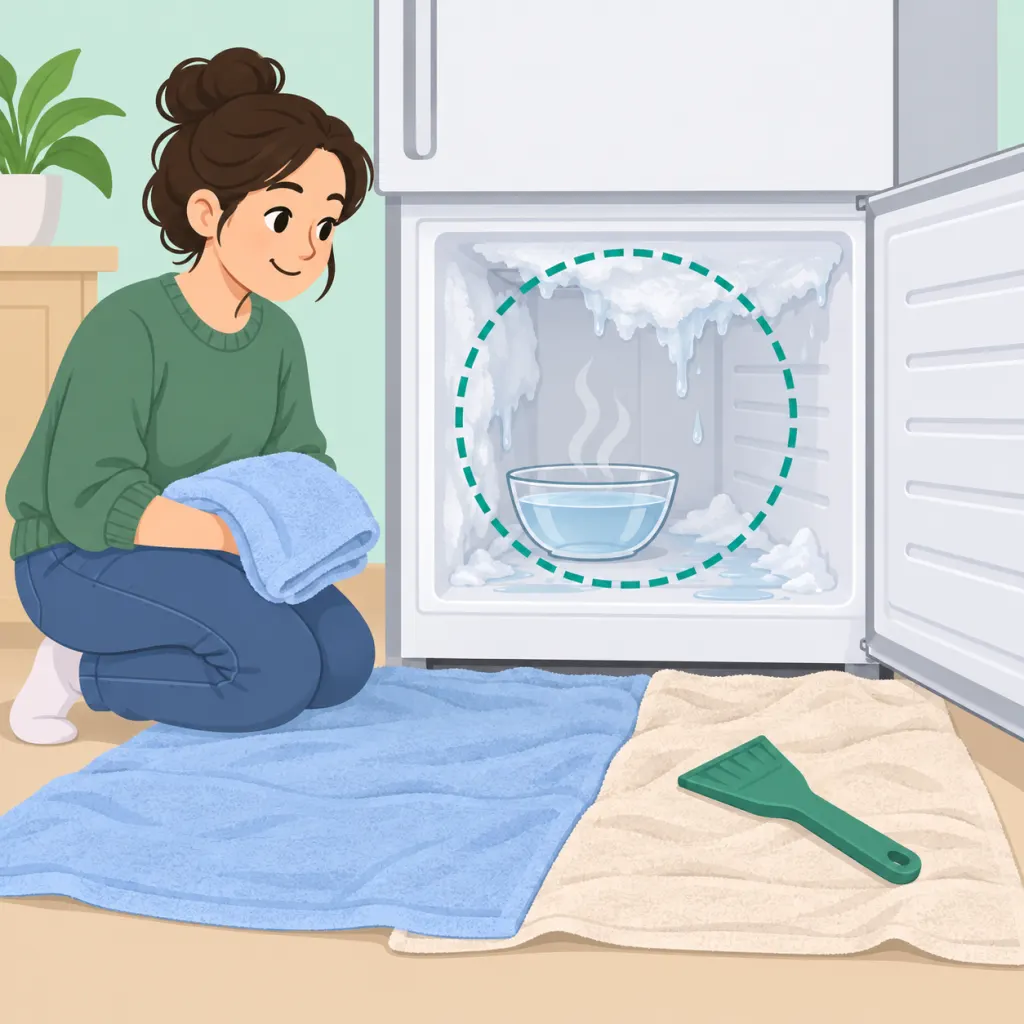
Move perishable food to cold storage while you work, then remove shelves, drawers, and trays. Wash the removable parts and inside surfaces with hot, soapy water, including the door gasket, as recommended in University of Illinois Extension cleaning guidance. If the odor remains, Iowa State University Extension suggests wiping with equal parts vinegar and water or using baking soda or coffee grounds in a shallow container.
Step 6: Run an odor-cleaning cycle in the dishwasher
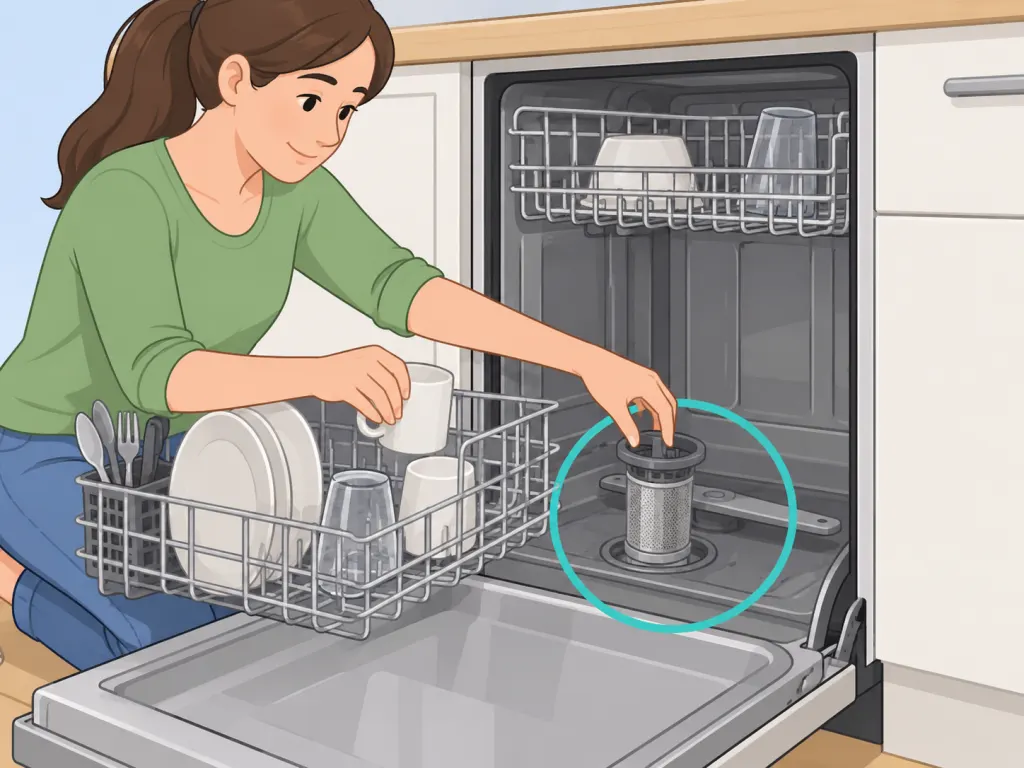
Check the dishwasher filter and remove food debris, glass, labels, or other trapped material. The University of Illinois Extension describes an odor routine using white vinegar in a glass measuring cup on the lower rack, followed by a separate hot-water cycle with baking soda. Follow your dishwasher manual if it gives different cleaning instructions.
Step 7: Wipe greasy cooking surfaces
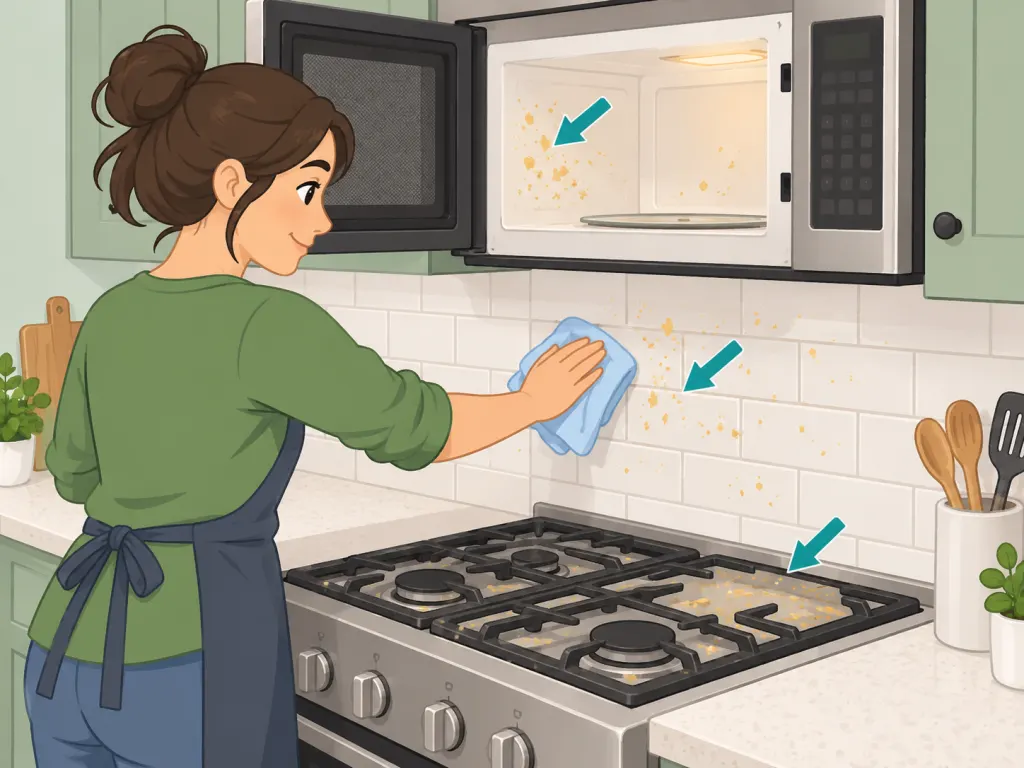
Clean the stovetop, backsplash, range hood filter, microwave interior, and the floor around the stove where oil droplets settle. For microwaves with stuck-on food, University of Illinois Extension suggests heating either baking soda and water or lemon juice and water in a microwave-safe dish, letting it cool with the door closed, then wiping the interior. Do not use oven cleaner, steel wool, or abrasive cleaners inside a microwave.
Step 8: Use baking soda after the source is gone
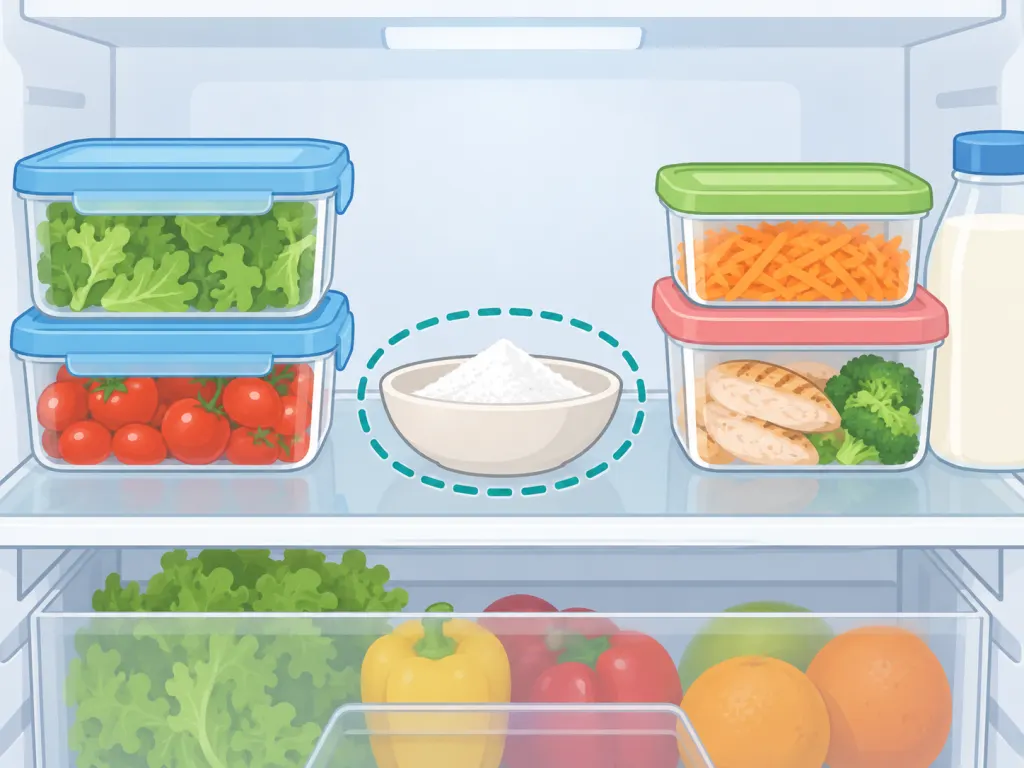
Set an open shallow dish of baking soda in the refrigerator, pantry, or near the trash area only after you have cleaned the odor source. Utah State University Extension notes that baking soda can adsorb odors from the air and act as a gentle cleanser on many kitchen surfaces. Replace it when it stops helping, especially in damp or heavily used areas.
Step 9: Seek help if the smell or symptoms continue
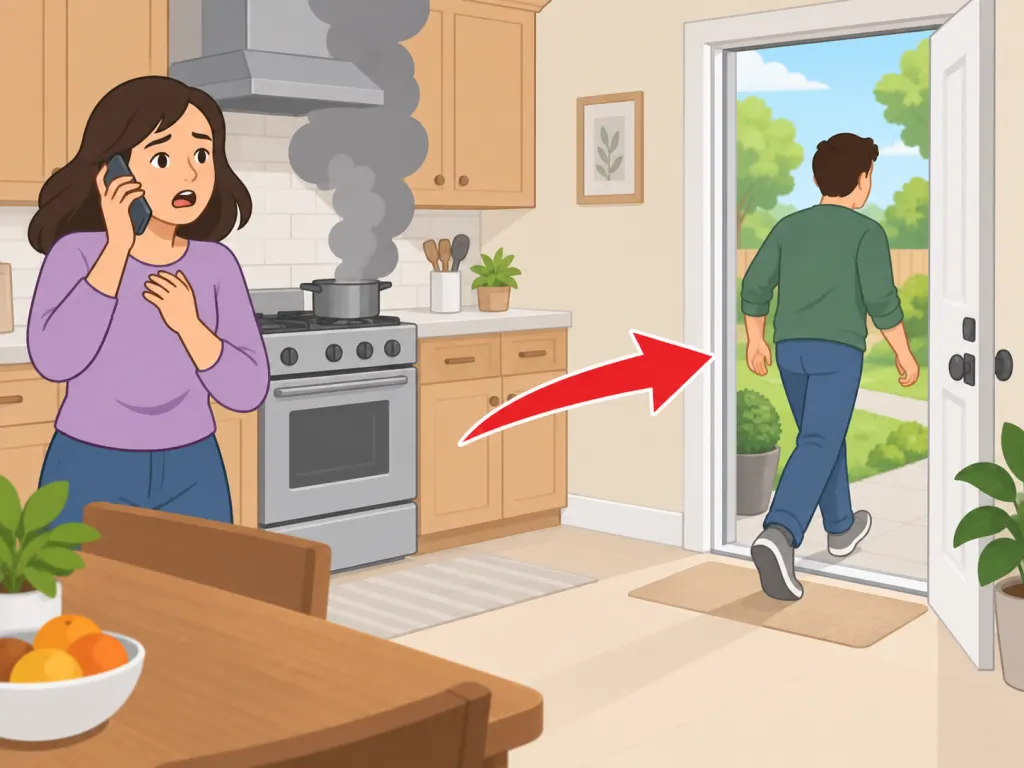
If people in the home develop headache, throat irritation, coughing, chest tightness, or shortness of breath around a strong odor, move to fresh air and contact a doctor or qualified health professional for personal guidance. ATSDR lists these as possible odor-related symptoms, and the intensity can depend on exposure length and concentration. If the smell points to gas, sewage, a chemical spill, or a failed appliance, contact the appropriate emergency, utility, plumbing, or appliance professional instead of trying to deodorize it.
Wrap-Up
The bottom line: do not mask a kitchen smell until you know where it is coming from. Remove old food and trash, clean the sink and appliances, ventilate while cooking, and use baking soda or coffee grounds only after the source is gone.
Frequently Asked Questions
- → Why does my kitchen still smell after I clean the counters?
The odor may be coming from a hidden source such as the sink drain, garbage disposal guard, refrigerator gasket, dishwasher filter, trash can, or a spill under an appliance. Work through the room by source instead of adding fragrance first.
- → Does baking soda remove kitchen smells?
Baking soda can help absorb some odors from the air and from enclosed spaces, according to Utah State University Extension. It works best after you remove the food residue, spill, or trash that caused the smell.
- → Can I use vinegar for refrigerator odor?
Yes, after washing the removable parts and interior, Iowa State University Extension suggests wiping lingering refrigerator or freezer odors with equal parts vinegar and water.
- → How often should I clean a kitchen sink drain?
Clean the sink and strainer often if food collects there. Iowa State University Extension recommends cleaning sink strainers daily and flushing drains or garbage disposals with baking soda and vinegar as part of regular kitchen care.
- → Should I use scented sprays to cover cooking smells?
Open a window, run the vent hood, and remove greasy residue first. Sprays may make the room smell nicer briefly, but they will not clean old oil, food scraps, or appliance buildup.
- → What if the kitchen smell is like rotten eggs?
If you suspect gas, leave the home and contact emergency authorities before trying to clean. The CDC advises not turning on lights, lighting matches, or doing anything that could create a spark when gas is suspected.
References
This content was developed and refined using reliable sources.
- https://www.cdc.gov/natural-disasters/safety/index.html
- https://www.cdc.gov/carbon-monoxide/about/index.html
- https://www.atsdr.cdc.gov/odors/about/index.html
- https://extension.illinois.edu/food-safety/cleaning-and-sanitizing
- https://blogs.extension.iastate.edu/answerline/2026/05/05/keep-bacteria-out-of-your-kitchen
- https://blogs.extension.iastate.edu/wellness/2025/11/18/removing-odors-from-fridges-and-freezers
- https://extension.usu.edu/archive/greener-cleaners
- https://www.foodsafety.gov/people-at-risk