 Save
The most dangerous glass stovetop habits are the ordinary ones: walking away from active burners, sliding heavy cookware, cooking on dried sugar or grease, using harsh cleaners, setting hot lids on the surface, and ignoring chips or cracks. Glass-ceramic cooktops are built for heat, but glass materials can still fail when surface flaws, impact, bending stress, or poor cleanup pile up. Fire safety matters too: the U.S. Fire Administration says cooking is the leading cause of home fires and home fire injuries, and unattended equipment is a major ignition factor in nonconfined home cooking fires USFA.
Why glass cooktops need different habits
A smooth-top range usually feels simple because there are no grates to lift and no burner wells to scrub. That smoothness is also why small mistakes travel farther. A rough pan bottom can mark a wide path. A spoonful of syrup can spread under a pot and cook into a hard patch. A dropped lid can strike a flat, unsupported panel instead of a metal grate. Purdue University chemistry materials explain that glass is brittle because its structure has limited ways to relieve stress; a crack can begin at a surface flaw and grow when stress concentrates there Purdue University.
Glass-ceramic materials are more resistant to thermal shock than ordinary glass, and that is part of why they are useful in cookware and cooking surfaces. Resistance is not the same as invincibility. The practical rule is to avoid habits that add stress in more than one way at once: heat plus impact, heat plus sugar residue, weight plus sliding, or a damaged surface plus another cooking session. A careful routine protects the cooktop, but it also protects the cook, because a failing surface, an unstable pan, or a flare-up can turn a small cleanup problem into a kitchen safety problem.
Nine habits that cause the most trouble
Here are the habits most worth changing, especially if several are happening in the same kitchen:
- Leaving active cookware unattended. Stay close when frying, boiling, grilling, or broiling, and turn the burner off if you leave the kitchen. USFA guidance says to stand by the pan and lower or stop heat if smoke appears or grease becomes too hot USFA.
- Sliding pots and pans. Lift cookware instead of dragging it. Even a tiny grit particle trapped under a pan can act like an abrasive.
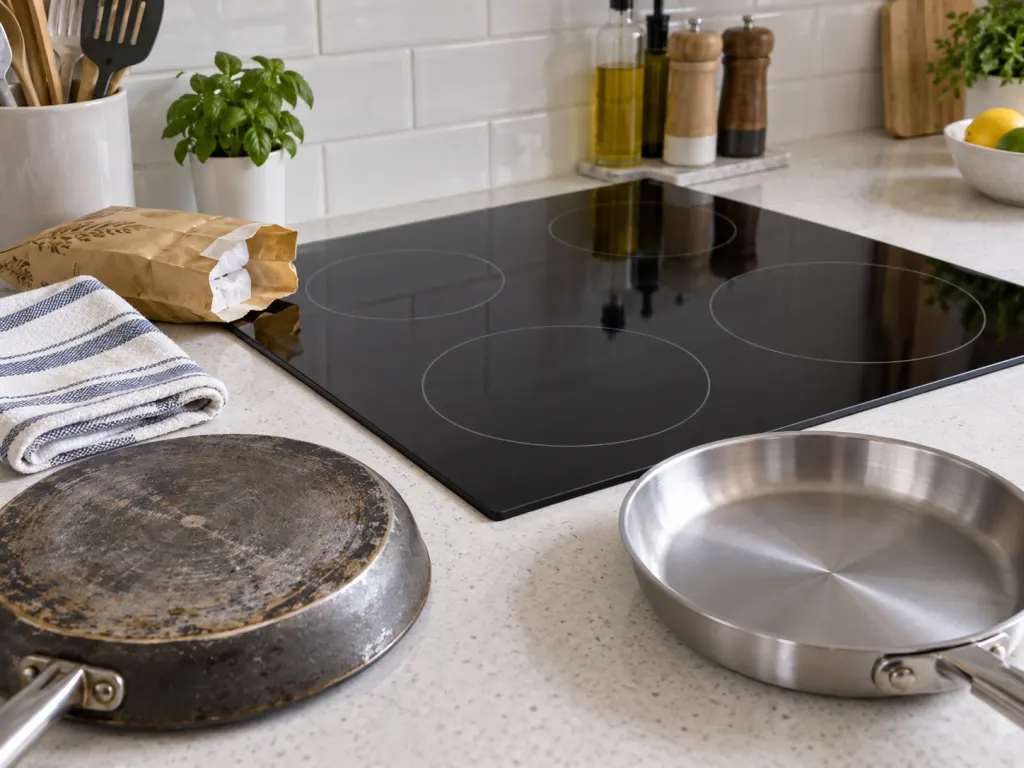
- Using pans with rough, warped, or dirty bottoms. The surface that touches the glass matters as much as the food inside the pan.
- Letting spills cook onto the surface. Grease can smoke, and sugary spills can harden quickly.
- Using abrasive pads or harsh powders. Scratches are not just cosmetic; they create places where grime collects and stress can concentrate.
- Setting hot lids flat on the cooktop. Condensation, trapped heat, and suction can make a lid harder to lift, and a sudden slip can chip the panel.
- Using the cooktop as a landing zone. Groceries, cutting boards, towels, mail, and packaging do not belong on a surface that may still be hot.
- Ignoring chips, cracks, or loose trim. Damage can worsen with heat cycles and vibration.
- Cleaning with mixed chemicals. Household products should be used as labeled, and bleach should not be mixed with other cleaners because harmful vapors can form CDC.
Weight, impact, and sliding are separate problems
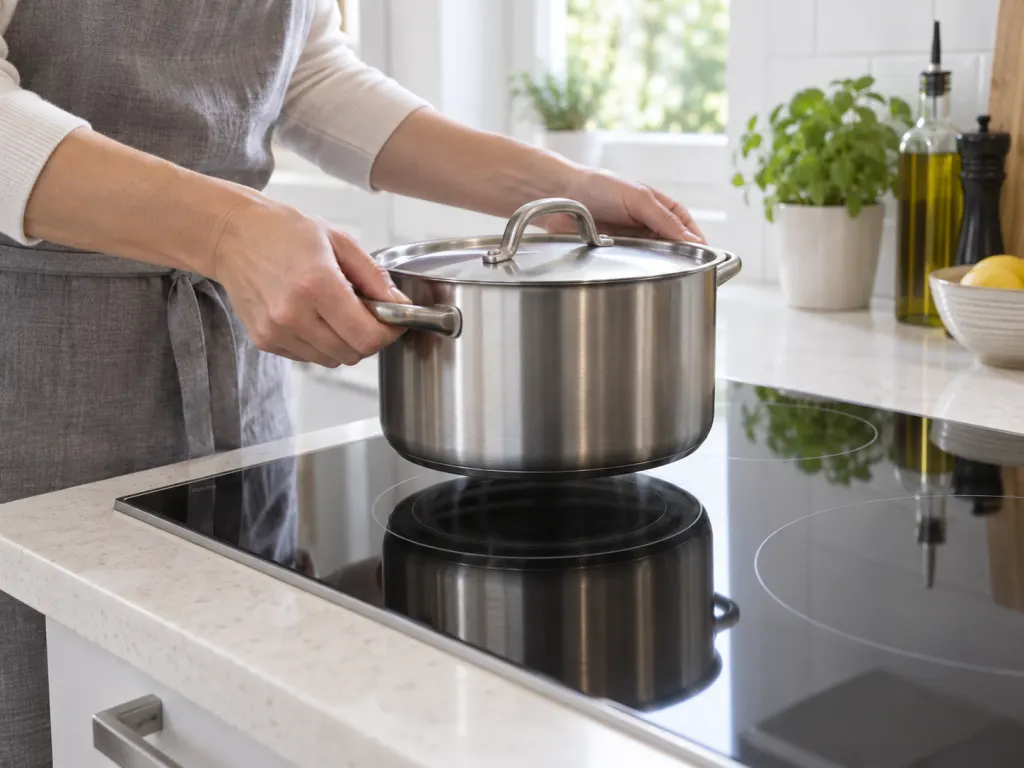
People often talk about heavy cookware as if weight alone is the issue. The more useful distinction is weight, impact, and movement. A heavy pot gently placed on an approved burner area is different from the same pot being dropped from a few inches, rocked on a warped base, or dragged across salt crystals. If you use cast iron, enameled cookware, large stockpots, or canning equipment, read the appliance manual and stay within the size and weight guidance for that model. Without the manual, be conservative: choose flat-bottomed cookware that fully contacts the heated area without hanging far beyond it, lift with two hands, and set it down squarely.
Impact deserves special attention. A glass top can look unchanged after a jar, lid, or pan edge hits it, but small chips can be hard to see under room light. Wipe the cooled surface, then inspect from a low angle with good lighting. Run a fingertip gently near, not into, a suspected flaw. If you feel a catch, stop using that zone until the surface is checked. A cooktop is not a cutting board, storage shelf, step stool, or cooling rack. Treat it as an appliance surface with limits, not as spare counter space.
Heat management is a safety habit, not just a cooking habit
Glass stovetops can stay hot after the element cycles down, and some models transfer heat through the cookware in ways that are less visually obvious than a gas flame. That makes a clean workspace essential. USFA tells home cooks to keep items that can catch fire away from the stovetop and to turn pot handles toward the back so they are not bumped or pulled over USFA. Those habits matter on glass surfaces because a knocked pan can spill hot food across a slick panel, and the cook may instinctively grab at it.
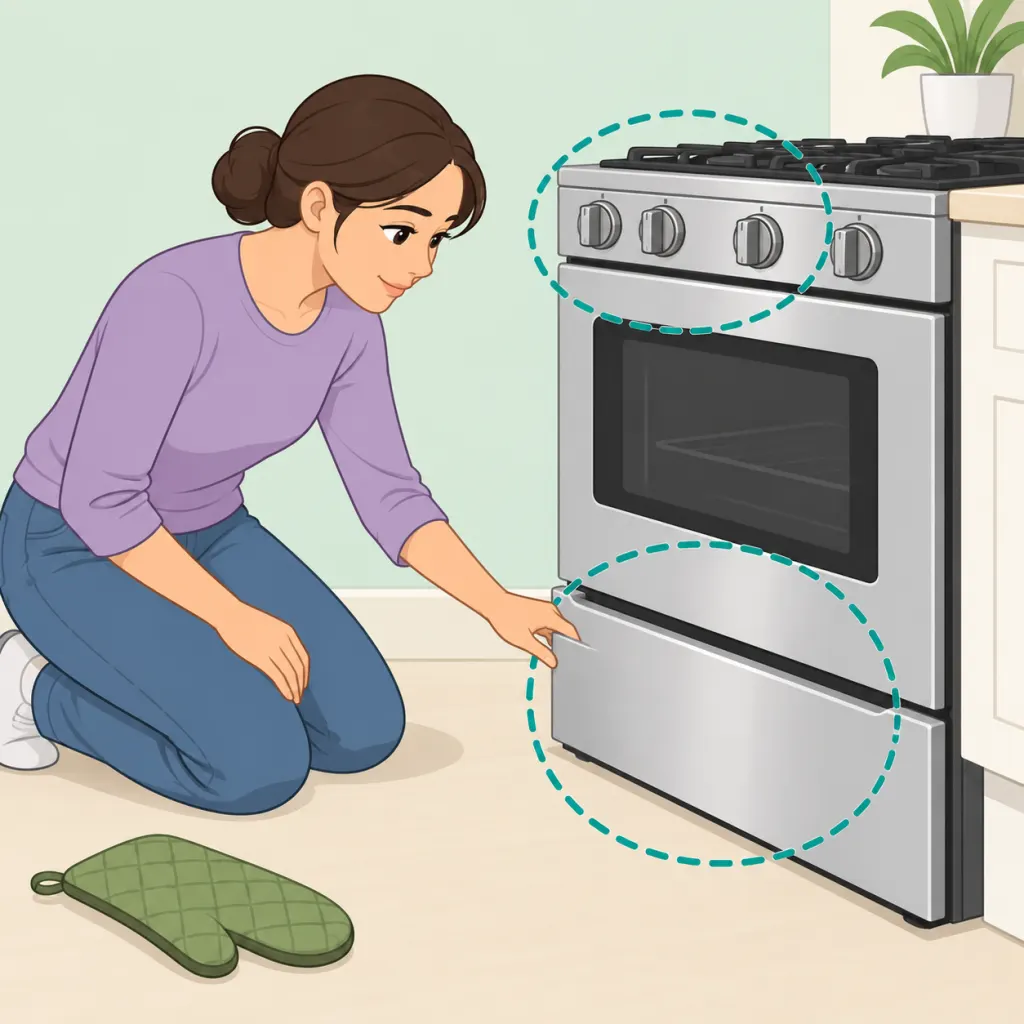
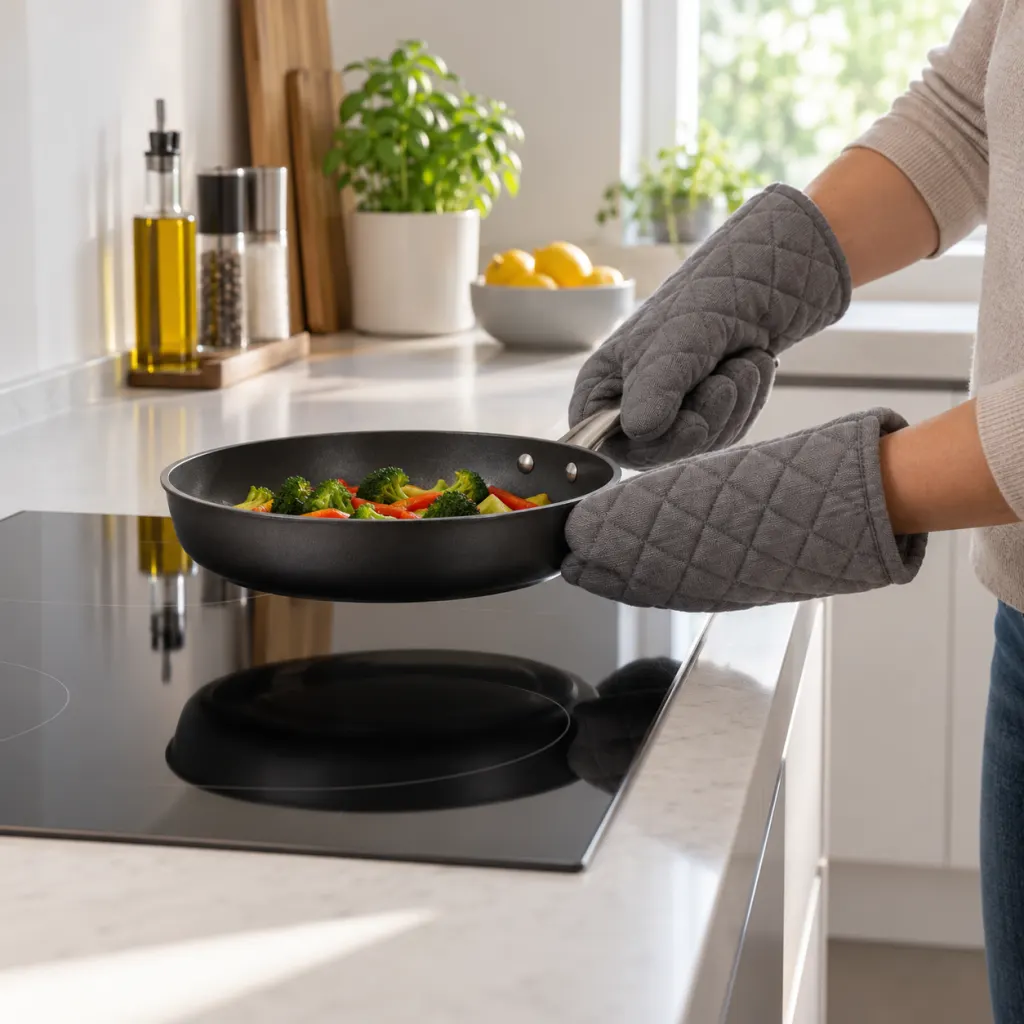
Dry potholders are another small detail with big consequences. The U.S. Fire Administration notes that wet or damp hot pads can heat moisture and create a scald risk during handling USFA burns and first aid. Keep a dry mitt within reach before you start. Use a pan lid or baking sheet nearby for small pan flare-ups, and if a pan fire occurs, turn off the burner after covering the pan and leave the cover in place until the pan cools, following USFA guidance. Do not carry a burning pan across the kitchen.
Cleaning mistakes can damage the surface and the air around it
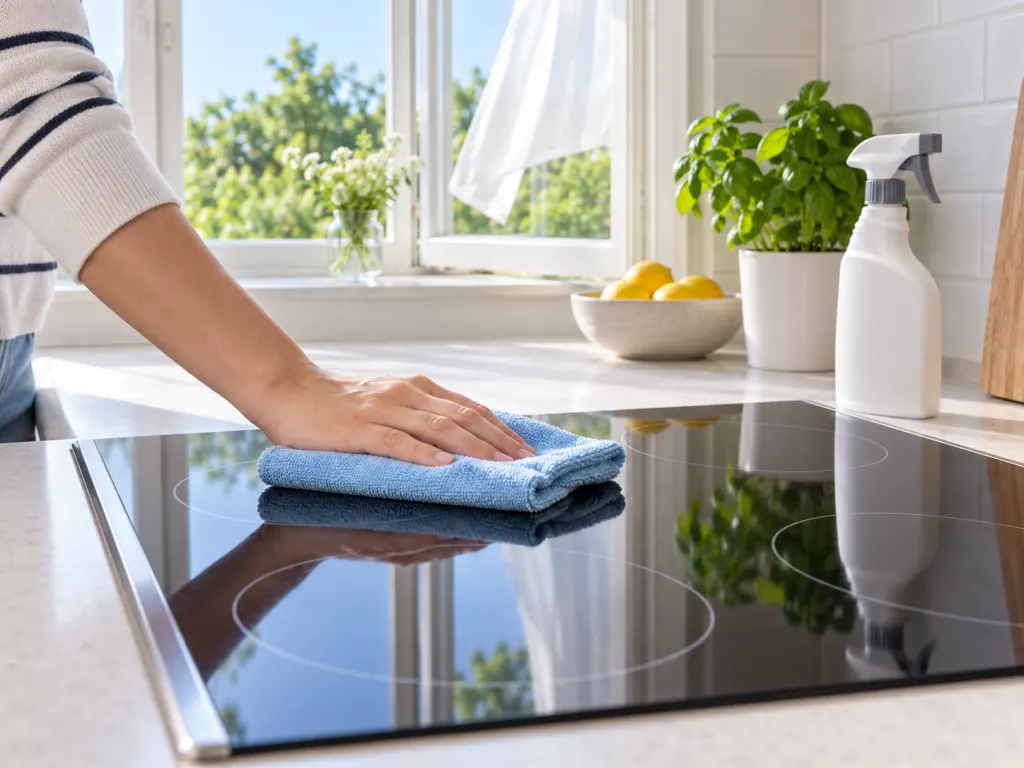
Cleaning a glass stovetop is safest when the surface is cool, the product is suitable for the material, and the cloth or scraper is used gently. The CDC distinguishes ordinary cleaning, which uses water, soap, and scrubbing to remove dirt and impurities, from disinfecting, which uses chemicals for a different purpose CDC. Most stovetop messes need patient cleaning, not stronger chemistry. A damp microfiber cloth, a nonabrasive cooktop cleaner if your manual allows it, and a careful scraper held at a shallow angle are usually more appropriate than scouring powder or a metal scrubber.
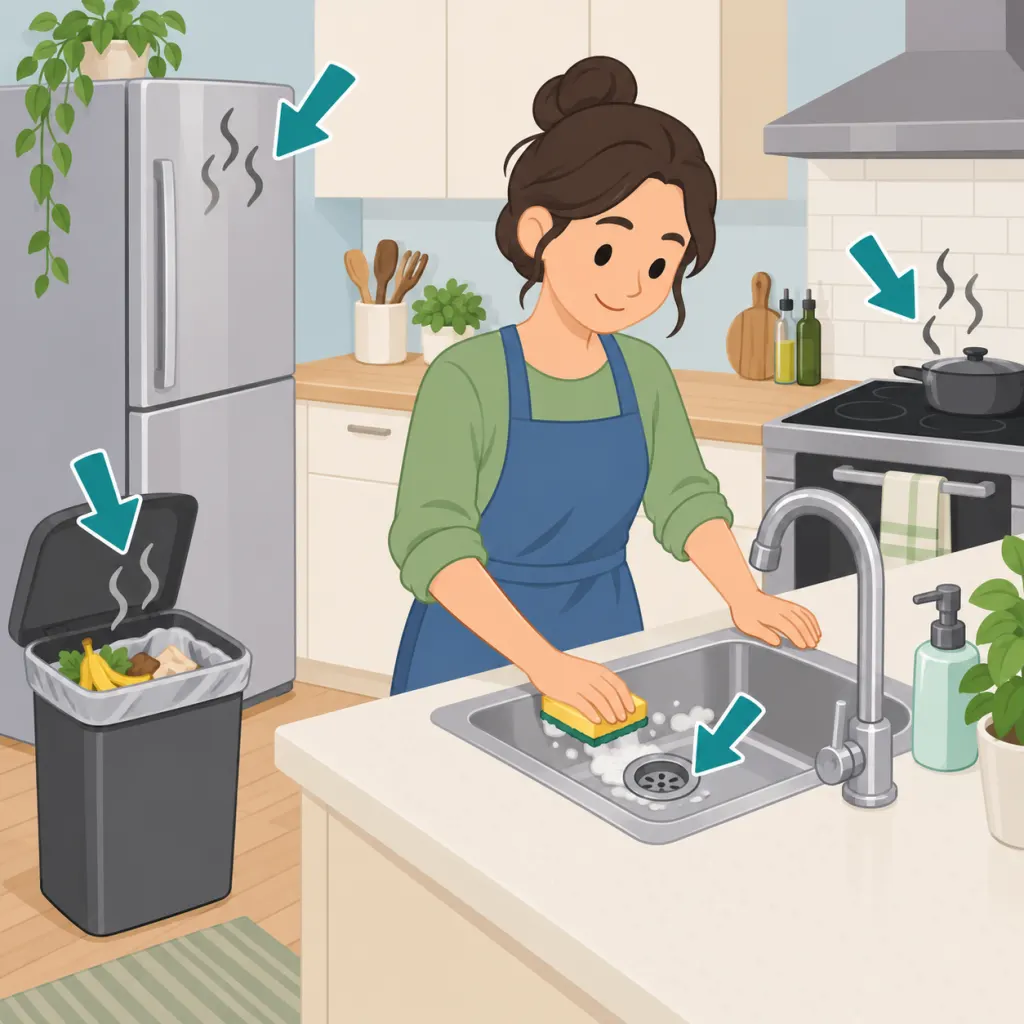
Be especially cautious with oven cleaners, degreasers, bleach products, ammonia products, and mystery mixtures. MedlinePlus warns that household products can contain ingredients that may harm people if inhaled, swallowed, or absorbed through the skin, and it advises keeping products in their original containers and following label directions MedlinePlus. On a glass cooktop, chemical residue can also heat the next time the burner is used. After cleaning, wipe away residue as directed by the product label and let the area dry before cooking.
A practical daily routine
The best glass stovetop routine is short enough to repeat. Before cooking, check that the surface is clear, the pan bottom is clean and flat, and handles can face inward without crowding another burner. During cooking, stay near active pans, adjust heat before smoking starts, and lift cookware rather than sliding it. After cooking, wait for the hot-surface indicator to go out, then clean spills before they become the next burner’s problem. If a sugary spill lands on a hot zone, follow the appliance manual; many manufacturers recommend addressing it promptly because hardened sugar can bond tightly to the surface, but the exact procedure depends on the model.
For households with children, older adults, pets, or small kitchens, add a little more margin. Keep a three-foot area around the stove as clear as your room allows, place tempting items away from the cooktop, and do not leave a chair or step stool where a child can climb toward a hot surface. MedlinePlus lists kitchen accidents, including contact with a stove or oven, among burn causes, and notes that burns can come from heat, steam, hot liquids, electricity, or chemicals MedlinePlus. A smooth cooktop can look harmless when no burner is glowing, so verbal reminders and clear counter habits help.
When to stop using the cooktop
Stop using the cooktop if you see a crack, hear popping from the surface, notice a burner behaving unpredictably, smell electrical burning, or see liquid entering a damaged area. Turn the appliance off, keep people away from the surface, and arrange qualified service. USFA appliance guidance says major appliances should be plugged directly into a wall outlet and that damaged appliance cords should be addressed rather than ignored USFA appliance safety. If the cooktop is built in or hardwired, do not improvise electrical fixes. Use the breaker only if you can do so safely, and call for proper repair.
What careful use looks like over time
A well-kept glass stovetop usually reflects a set of quiet habits rather than one dramatic rule. You lift instead of slide. You clean while the mess is still manageable. You keep towels and packaging away from heat. You use cookware that sits flat. You stop and investigate damage instead of cooking over it. You avoid mixing cleaners and keep the room ventilated when a label calls for it. None of this makes cooking fussy; it makes the appliance more predictable.
The deeper lesson is that glass stovetop care is shared between material science and kitchen behavior. Glass-ceramic can tolerate cooking temperatures because it is engineered for that role, but brittle materials still dislike scratches, concentrated impact, and bending stress. Fire safety guidance focuses on attention, clear space, and heat control because many kitchen incidents begin with ordinary distractions. Put those ideas together and the safest approach becomes simple: keep the surface clear, keep the pan stable, keep the cleaner appropriate, and pause whenever the cooktop looks damaged or behaves differently.
Wrap-Up
Glass stovetops are not fragile in normal use, but they punish rough habits. The highest-risk patterns are unattended cooking, dragged cookware, flammable clutter, cooked-on spills, abrasive cleaning, chemical mixing, hot lids left flat on the panel, heavy impact, and continued use after visible damage. Use flat clean cookware, lift pans, clean cooled surfaces with suitable products, keep towels and packaging away from heat, and stop using the appliance if cracks or electrical warning signs appear.
Frequently Asked Questions
- → Can I use cast iron on a glass stovetop?
Often yes, if the appliance manual allows it and the pan has a smooth, flat bottom. The safer habit is to lift the pan, set it down gently, and avoid rocking or dragging it across the surface.
- → Is it bad to leave a hot lid on a glass cooktop?
It is better to place hot lids on a heat-safe trivet or counter area. A lid can trap heat or moisture, slide unexpectedly, or chip the surface if it is dropped or pulled loose.
- → What should I do if food burns onto the glass?
Turn the burner off, let the area cool unless your manual gives a specific hot-spill procedure, and clean with a product and tool approved for smooth cooktops. Avoid abrasive powders, metal scrubbers, and improvised chemical mixtures.
- → Can I cook on a cracked glass stovetop?
No. Stop using the damaged surface and arrange qualified service. A crack can worsen with heat and may allow liquid to reach parts of the appliance that should stay dry.
- → Why does my glass cooktop scratch even when I am careful?
Scratches often come from grit, salt, sugar, rough pan bottoms, or sliding cookware under weight. Wipe the surface and pan bottoms before cooking, and lift cookware instead of moving it sideways.
References
This content was developed and refined using reliable sources.
- https://www.usfa.fema.gov/prevention/home-fires/prevent-fires/cooking
- https://www.usfa.fema.gov/prevention/home-fires/prevent-fires/appliance-and-electrical/index.html
- https://www.usfa.fema.gov/prevention/life-safety-hazards/burns-first-aid-911
- https://www.medlineplus.gov/ency/article/000030.htm
- https://www.cdc.gov/hygiene/about/cleaning-and-disinfecting-with-bleach.html
- https://www.medlineplus.gov/householdproducts.html
- https://chemed.chem.purdue.edu/genchem/topicreview/bp/materials/ceramic4.html