 Save
Light switch plates near a stove can collect a sticky film from cooking grease, steam, dust, and everyday touching. The safest method is gentle: loosen the grease with mild soap, keep moisture out of the electrical opening, and dry everything completely. This guide covers how to clean the plate in place and when to remove it for a deeper wash.
Step 1: Check the switch plate before you wet a cloth
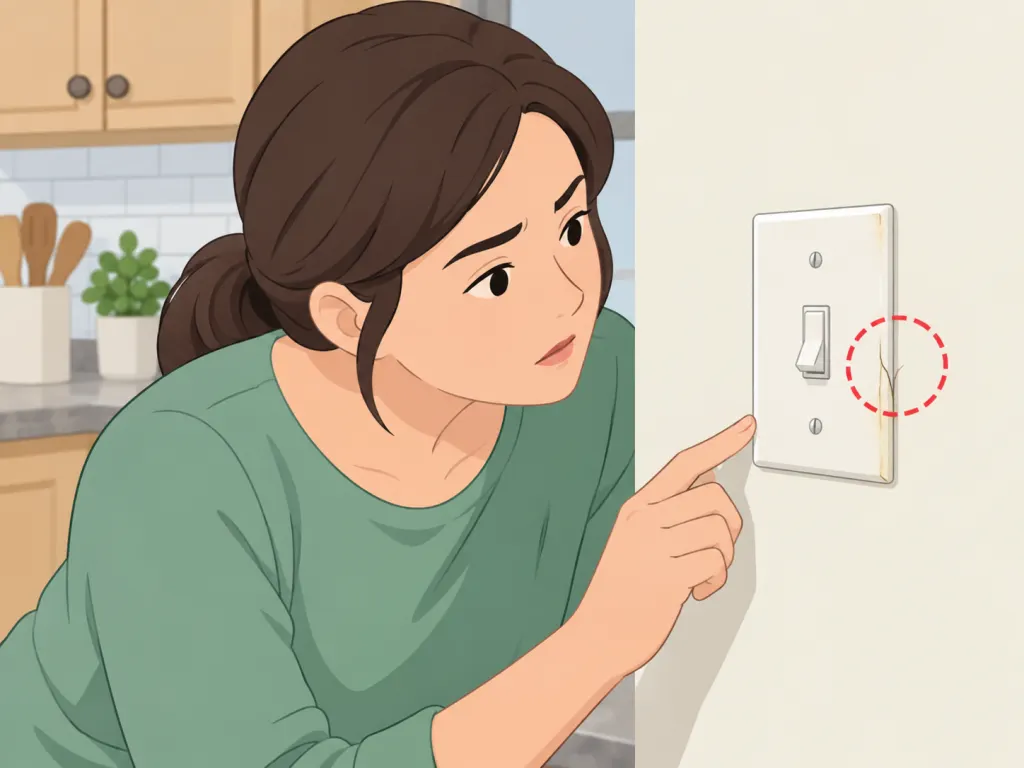
Look for cracks, melted spots, loose screws, a warm switch, buzzing, or discoloration around the switch opening. The U.S. Consumer Product Safety Commission advises having outlets and switches checked when they do not work properly or feel unusually warm, so stop here if anything seems damaged. If the plate is simply greasy and intact, you can clean it gently.
Step 2: Turn off power before removing the plate
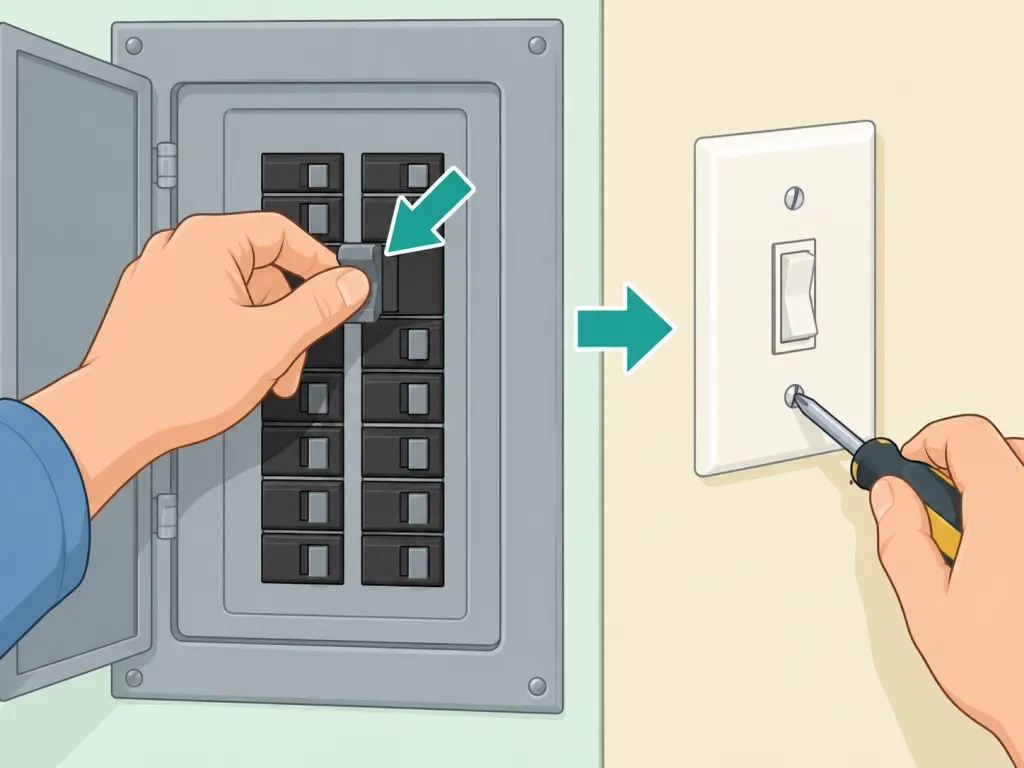
If you only plan to wipe the outside, turn the switch off and keep your cloth barely damp. If you plan to unscrew the plate, turn off the breaker for that switch first and confirm the light no longer turns on. The CPSC notes that faceplates cover wiring and that exposed wiring is a shock hazard, so do not touch anything inside the switch box.
Step 3: Mix a mild soap solution
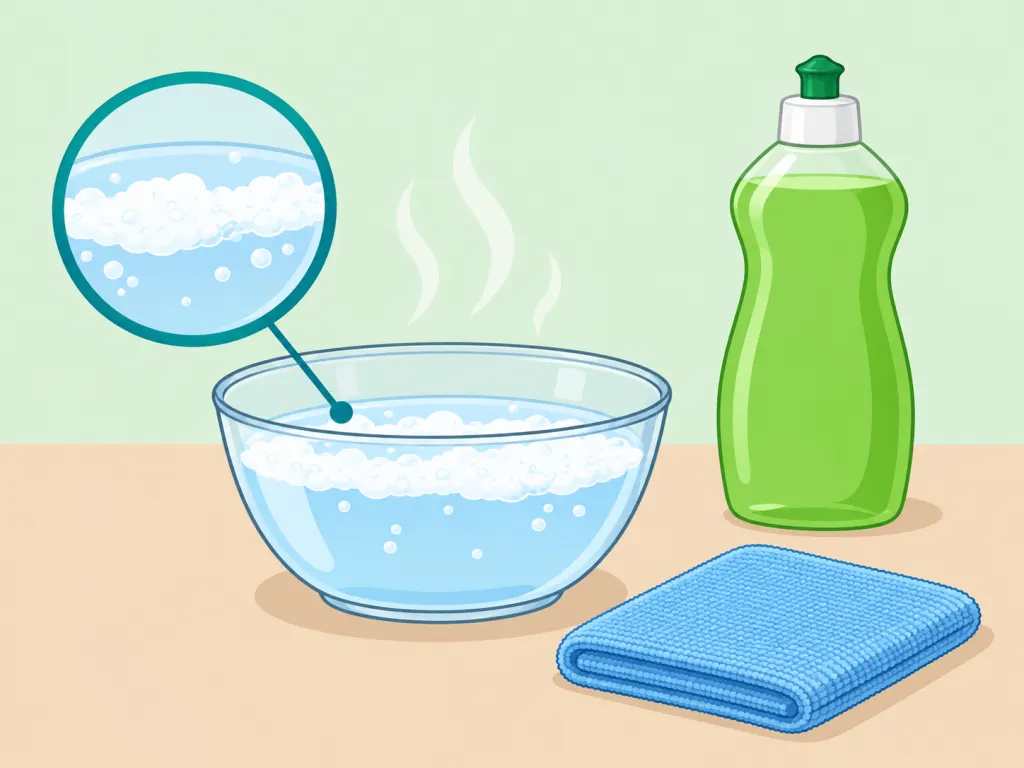
Fill a small bowl with warm water and add a few drops of dish soap. Cleaning with soap or detergent helps remove dirt and grease from hard surfaces, and the CDC recommends cleaning high-touch surfaces, including light switches, regularly. Do not mix cleaners together, especially products containing bleach or ammonia.
Step 4: Loosen the grease with a barely damp cloth
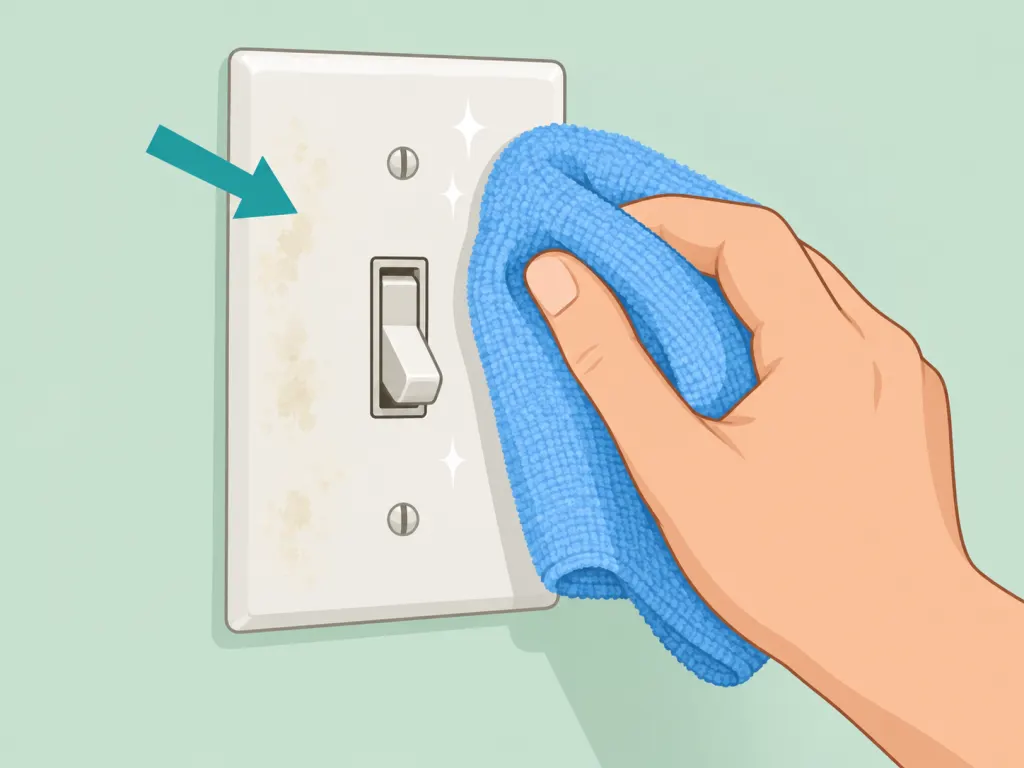
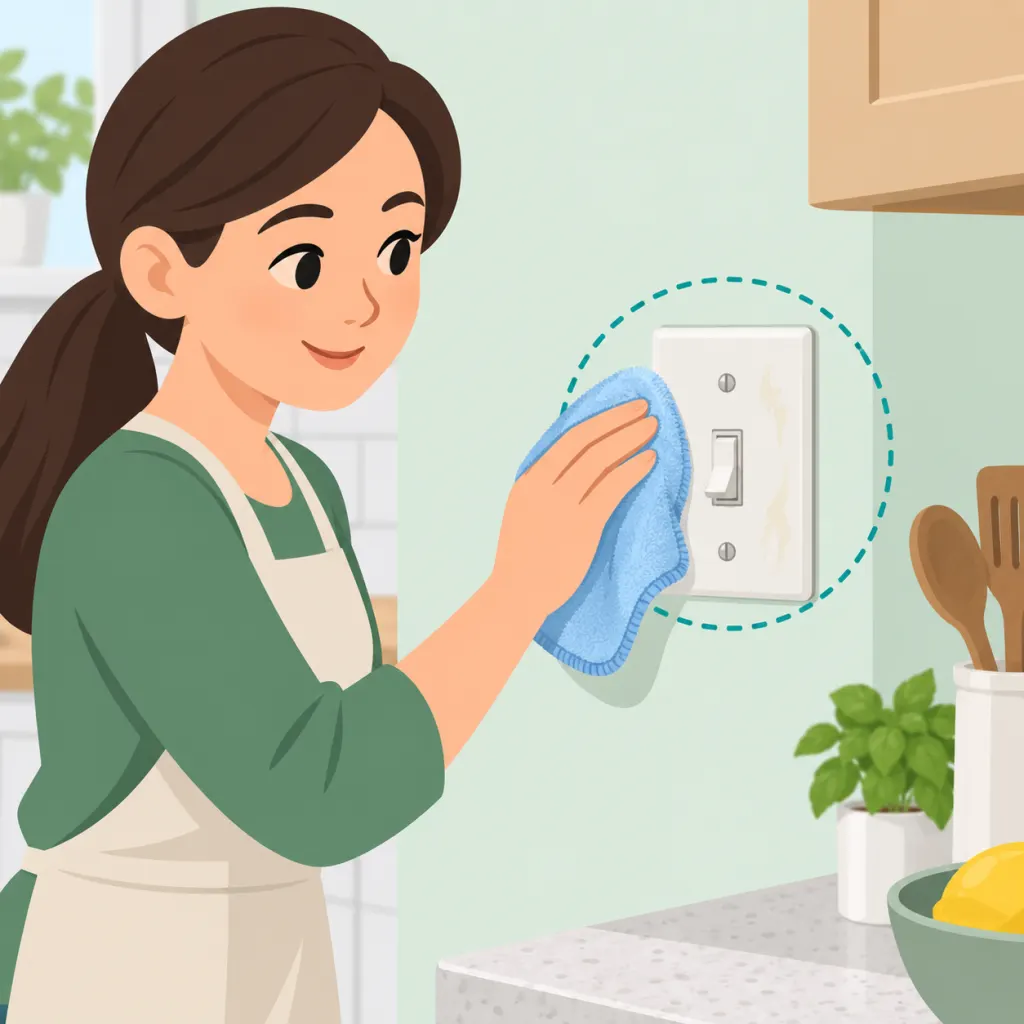
Dip a microfiber cloth in the soapy water, wring it until it is damp rather than wet, and press it lightly against the greasy plate for a few seconds. Wipe from the outer edges toward the center, staying away from the gap around the switch toggle. The goal is to soften the film so it lifts, not to flood the plate.
If grease is packed along the edges or around the screw heads, remove the screws after the breaker is off and lift the plate straight away from the wall. Put the screws in a small dish so they do not roll into the switch area. Leave the switch itself alone; only the removable plate should be washed.
Step 6: Wash the plate away from the wall
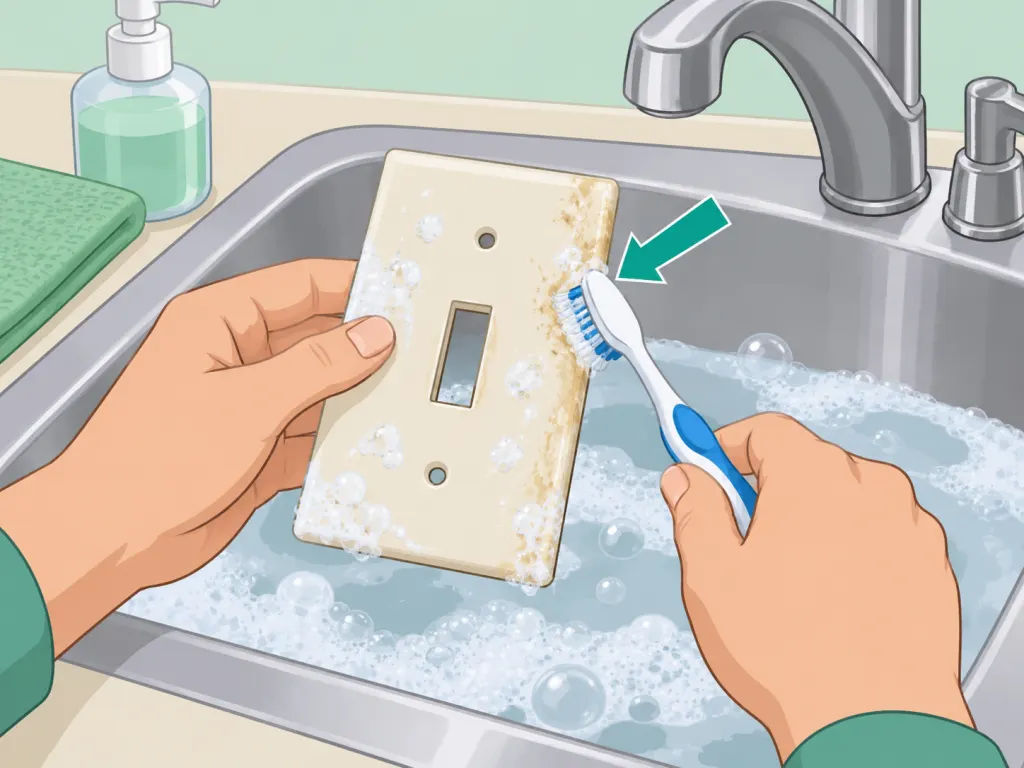
Clean the removed plate at the sink with the same mild soapy water and a soft cloth or soft toothbrush. University extension cleaning guidance describes wet cleaning as using a detergent or soap solution to loosen residue before rinsing. For plastic or glossy surfaces, the University of Georgia Extension recommends mild dish detergent, clear-water rinsing, and drying with a soft cloth.
Step 7: Dry and reinstall the plate completely
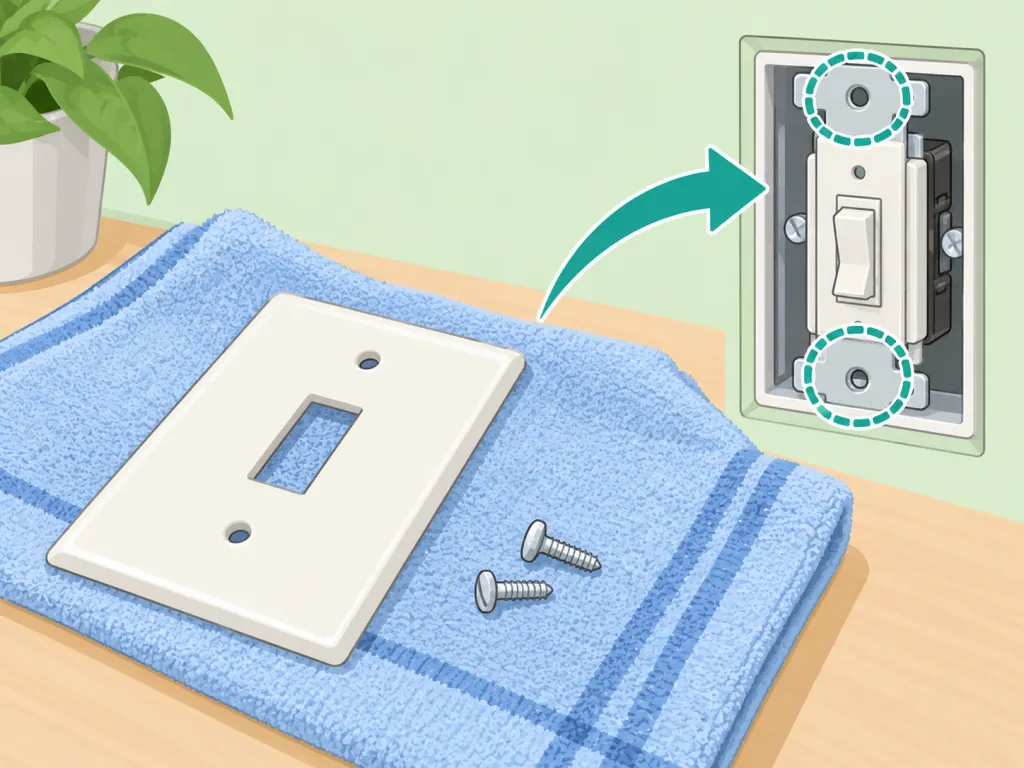
Rinse soap residue from the removed plate, then dry the front, back, screw holes, and screws with a clean towel. Let the plate air-dry until no moisture remains before putting it back on the wall. Reinstall it snugly, but do not overtighten the screws because plastic plates can crack.
Step 8: Get help after shock, strong fumes, or cleaner exposure
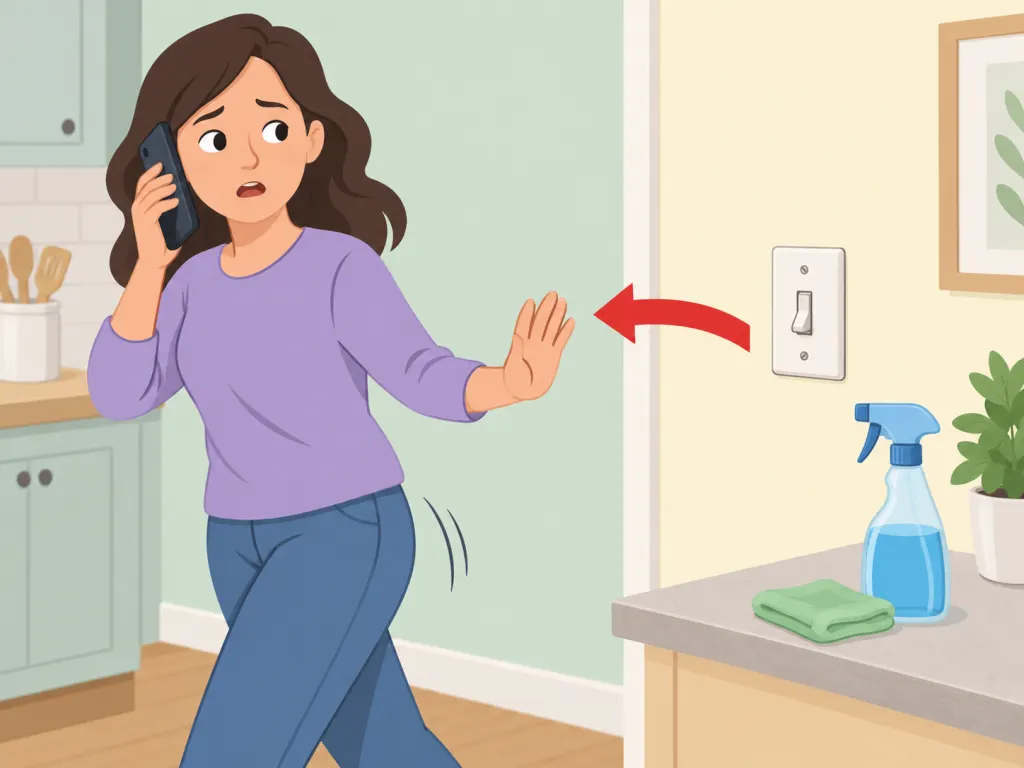
If someone gets shocked, the switch sparks, or cleaner gets into the eyes, mouth, or on irritated skin, stop the project and seek appropriate help. MedlinePlus advises contacting emergency services or Poison Help for detergent exposure, and the Poison Help line in the U.S. is 1-800-222-1222. If cleaners were mixed and fumes develop, leave the area for fresh air and follow public-health guidance on household chemical exposure.
Wrap-Up
The bottom line: clean the plate with warm soapy water, not harsh scrubbing, and treat the switch area as an electrical zone. If you remove the plate, turn off power first, wash it away from the wall, and reinstall it only when it is fully dry.
Frequently Asked Questions
- → Can I spray cleaner directly onto a light switch plate?
No. Spray cleaner onto a cloth instead so liquid does not run behind the plate or into the switch opening. The CPSC home electrical checklist warns that electricity and water can create shock and fire hazards.
- → What cleaner works best on sticky kitchen grease?
Warm water with a small amount of dish soap is usually enough. Soap or detergent helps loosen grease and dirt, and the CDC lists soap-and-water cleaning as appropriate for hard household surfaces such as light switches.
- → Should I use bleach on a greasy switch plate?
Bleach is usually unnecessary for grease removal. If you ever use a disinfectant for a separate reason, follow the label, ventilate the area, and do not mix products, as the CDC cleaning guidance advises.
- → Can I put plastic switch plates in the dishwasher?
It is better to hand-wash them. Heat, detergent strength, and dishwasher movement can dull finishes or affect decorative plates, while a mild hand wash gives you more control.
- → What if the yellow film will not come off?
Repeat the warm soapy wipe and let the damp cloth sit on the removed plate for a short time, then scrub gently with a soft toothbrush. Avoid abrasive pads because they can scratch glossy plastic and make it hold grime faster later.
- → When should I replace the switch plate instead of cleaning it?
Replace it if it is cracked, warped, deeply stained, or no longer sits flat. If the switch itself is warm, buzzing, loose, sparking, or not working properly, stop cleaning and have the electrical part checked.
References
This content was developed and refined using reliable sources.
- https://www.cpsc.gov/s3fs-public/513.pdf
- https://cdc.gov/hygiene/about/when-and-how-to-clean-and-disinfect-your-home.html
- https://extension.umn.edu/food/preparing/cooking-at-home/sanitizing-equipment-and-food-contact-surfaces
- https://site.extension.uga.edu/textiles/care/stain-removal/remove-stains-from-caulking
- https://www.medlineplus.gov/ency/article/002777.htm
- https://cdc.gov/chemical-emergencies/chemical-fact-sheets/ammonia.html