 Save
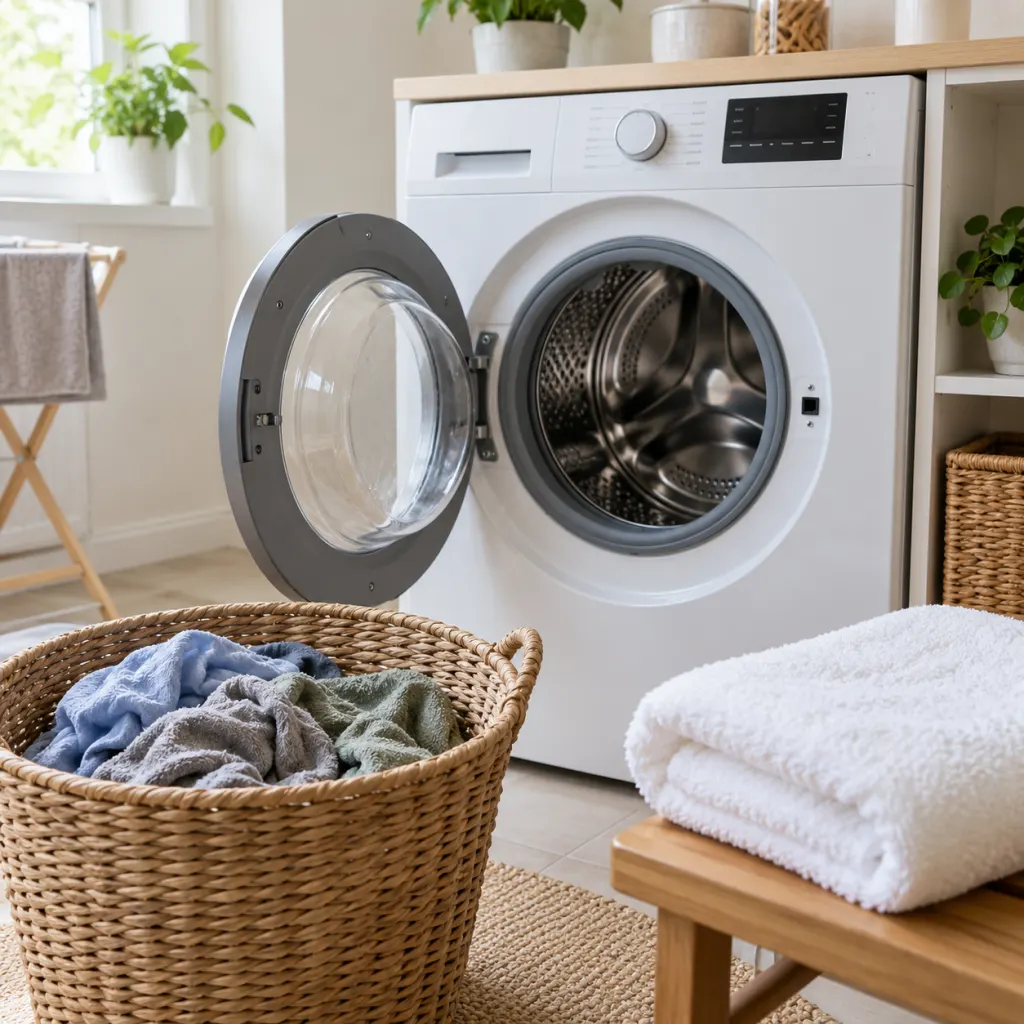
The useful washing machine trick for drying clothes is not a secret dryer setting. It is an extra high-speed spin cycle, sometimes with one clean dry towel added to a small load, so the washer removes more water before the clothes go on a rack. ENERGY STAR specifically recommends using a high spin speed or extended spin option, when appropriate, because less remaining moisture can reduce drying time according to its clothes washer guidance. The towel version can help in a pinch, but it works only when the drum is not overloaded and the fabrics can tolerate the extra spin.
What the trick actually does
A washing machine cannot dry laundry the way a tumble dryer or heat pump dryer can. It does not heat air, collect condensed water, or keep warm air moving through the fabric. What it can do is remove water mechanically. During a spin cycle, the drum rotates fast enough to push water out of fabric and toward the drain. The higher or longer the spin, the less water remains for room air or a dryer to remove later. That is why a garment can feel damp rather than dripping after a strong spin, even though it is nowhere near dry.
The towel variation is a practical add-on: place one clean, dry, absorbent bath towel in with a small load that has already finished washing, then run a spin-only cycle. The towel may pick up some surface moisture and help the load tumble differently while the washer extracts water. It is not magic, and it will not work well if the drum is packed tight. If the towel comes out very wet, hang it separately with the rest of the laundry so it does not slow the load down again.
When it helps most
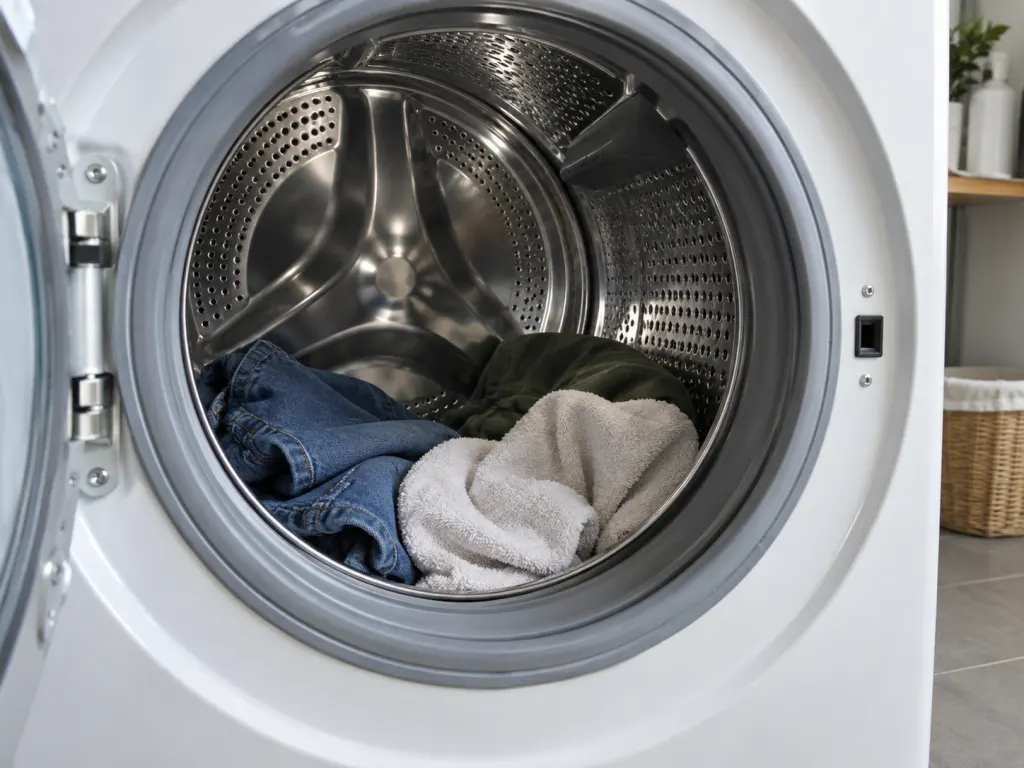
This trick is most useful when clothes are clean but wetter than you expected: heavy cotton sweatshirts, bath towels, denim, thick socks, washable throws, and everyday mixed laundry. These fabrics hold a lot of water, so removing even a little more before rack drying can make a noticeable difference. It is especially helpful in apartments, rainy weather, or homes without a separate dryer. It can also make a dryer cycle shorter because the dryer has less moisture to remove. ENERGY STAR notes that certified washers can get significantly more water out of clothes in the final spin than conventional models, and that paired dryer cycles can then avoid over-drying in its clothes dryer guidance.
When to skip it
Use care with anything delicate. A strong spin can stretch, crease, snag, or distort garments that need gentle handling. Skip the towel trick for wool sweaters, lace, silk, structured bras, beaded clothing, waterproof outerwear, foam-backed items, or garments with loose trims. Also avoid adding a heavy towel to a tiny delicate load, because the weight difference can pull lighter items around the drum. The safest rule is boring but reliable: if the care label says low spin, hand wash, dry flat, or no wringing, trust the label over any household shortcut.
Load size matters more than the towel
The biggest reason this trick disappoints people is overfilling. A crowded drum leaves little room for water to leave the fabric and for items to redistribute during spin. It can also make the washer unbalanced, which may cause the machine to slow down, stop, or repeat part of the cycle. For the towel version, think small: a few shirts, a pair of jeans with lighter items, or a half load of towels. If the washer thumps, pauses, or refuses to reach full spin, remove a few pieces and spin again. A less crowded drum often beats a longer spin on an overloaded one.
How to use the extra spin thoughtfully
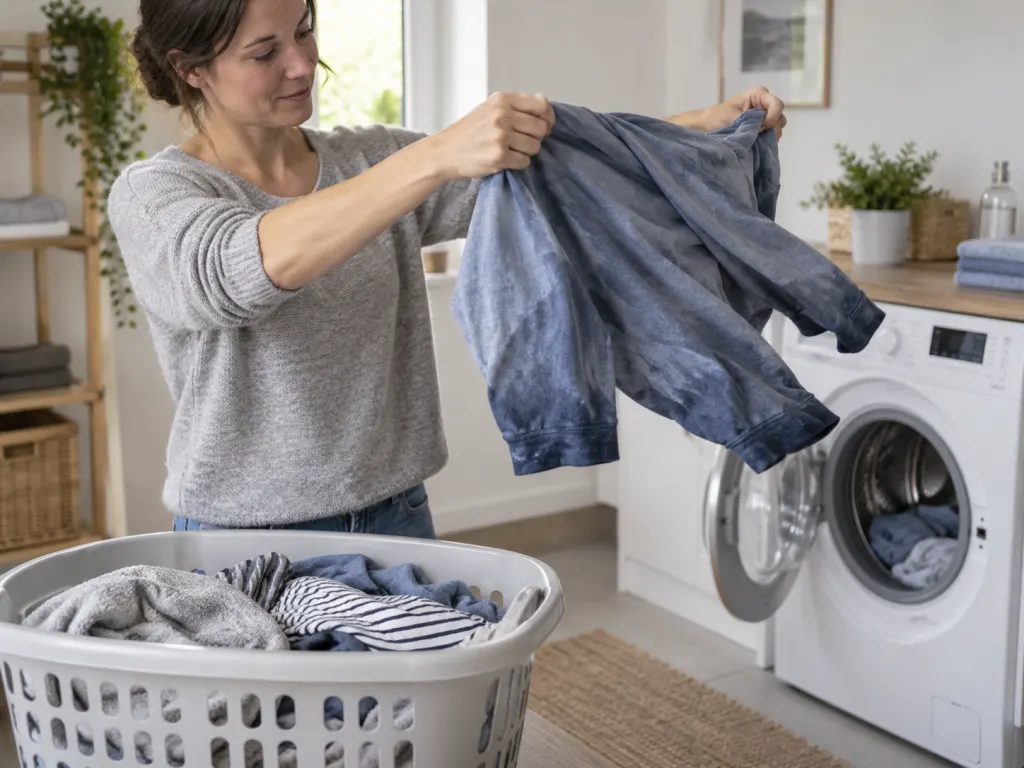
After the wash cycle ends, shake out the laundry once so pieces are not twisted into a rope. Put the items back in the drum loosely. Add one clean dry towel only if the load is small enough for everything to move. Choose spin-only, drain and spin, high spin, or extended spin, depending on your washer. If your machine lets you choose a speed, match it to the fabric: high for sturdy cottons and towels, medium for synthetic blends, low or no extra spin for delicate pieces. When the cycle ends, remove everything promptly and hang it with space between items.
A useful check is the hand test. If cuffs, waistbands, hems, and towel edges still feel heavy with water, a second short spin may help. If the clothes feel merely cool and damp, more spinning may not do much; airflow will matter more. At that point, the best improvement is not another cycle but better rack spacing, a fan, an open door, or a dehumidifier in damp weather. The goal is to remove water efficiently without beating up the fabric or running the washer longer than necessary.
Indoor drying needs moisture control
When laundry dries indoors, the water in the fabric moves into the room air. That is fine in a well-ventilated space, but it can become a problem in a tight, cold, or already damp room. The EPA lists drying clothes indoors as one source of excess moisture and recommends ventilation, air movement, and moisture control where needed in its home moisture guidance. The practical version is simple: avoid drying a full rack in a closed bedroom, do not press wet laundry against walls, and watch for condensation on windows.
The best rack setup after spinning
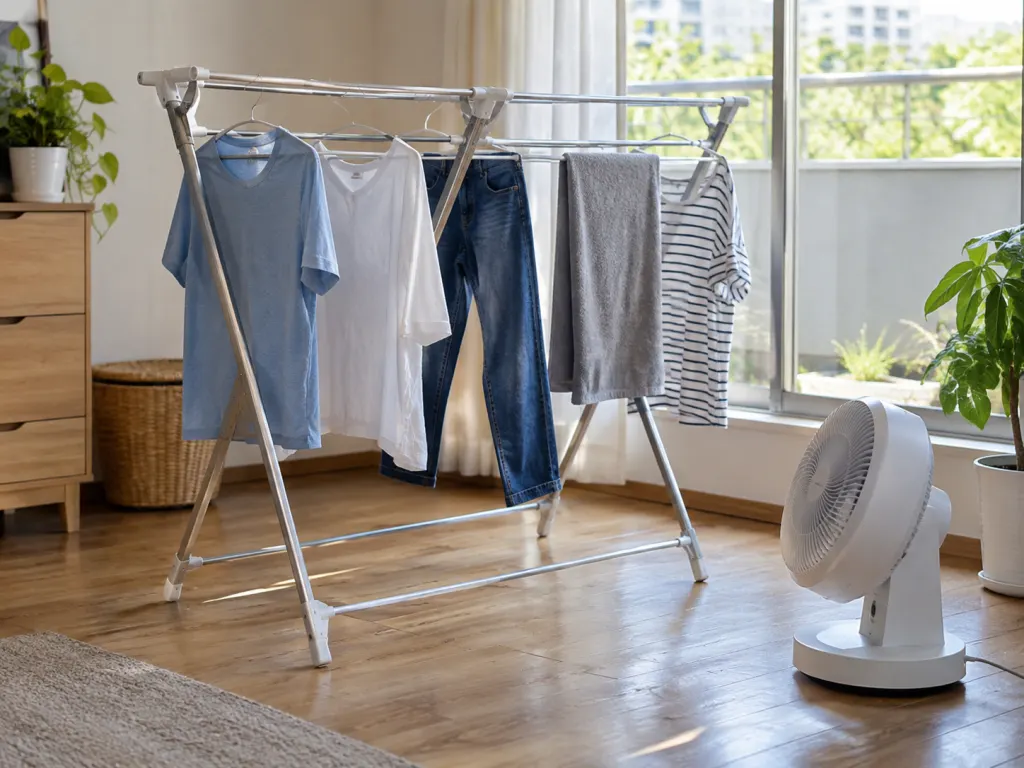
Give each item air on both sides. Hang shirts on hangers or spread them across separate rails. Turn jeans inside out after a few hours so pockets and waistbands can finish drying. Put thick pieces near the outer edges of the rack instead of burying them in the middle. Keep the rack at least a little away from walls and furniture so air can circulate. If you use a fan, aim it across the laundry rather than straight into one small spot. If you use a dehumidifier, follow the appliance instructions and empty the tank as needed.
Be careful with heaters and dryers
Do not drape wet clothes directly over electric heaters, space heaters, radiators, lamps, or appliances. Heat can damage fabrics, and blocked equipment can become unsafe. If you use central heat, placing a drying rack in the same room may help, but keep a sensible distance and preserve airflow. For households that do use a tumble dryer, maintenance matters: the U.S. Fire Administration says failure to clean was the leading factor contributing to ignition of home clothes dryer fires from 2018 to 2020 in its appliance and electrical fire safety guidance. Clean the lint filter as directed and never use a damaged cord or extension cord for a major appliance.
Watch for dampness patterns
If indoor drying often leaves windows wet, walls clammy, or fabrics smelling musty, the issue is not the spin cycle; it is the room environment. CDC explains that mold grows where moisture is present and recommends keeping indoor humidity as low as practical, with air flowing freely and clothes dryers vented outside in its mold overview. You do not need to make laundry day complicated, but you do need a repeatable routine: extract more water in the washer, hang items with space, move air, and reduce indoor moisture when the room is slow to dry.
A simple laundry routine that works
Use the washer trick as one part of a larger drying system, not as a stand-alone fix. A good routine looks like this:
- Run high or extended spin only for fabrics that can handle it.
- Add one clean dry towel only to a small, sturdy load.
- Remove laundry promptly so creases and musty odors do not settle in.
- Shake garments open before hanging them.
- Leave space between items on the rack.
- Use ventilation, a fan, or a dehumidifier when the room feels damp.
- Clean and maintain laundry appliances according to their manuals.
How it compares with other laundry shortcuts
The spin-and-towel method is gentler and more realistic than many viral laundry hacks because it uses a normal washer function. It also pairs well with other sensible home routines. If you are trying to understand which household items belong in the machine, see Items You Can Machine Wash Around the House. If you are focused on appliance upkeep, How to Clean a Washing Machine Detergent Drawer is a useful companion. And if damp air is the real problem, the more relevant guide is How to Reduce Humidity When Drying Laundry Indoors.
The bottom line
The washing machine trick is worth trying because it is simple, free, and based on a real function: spin extraction. It will not make clothes come out dry, and it will not rescue an overloaded drum or a poorly ventilated room. Used well, though, it can leave laundry less wet before rack drying, shorten the time clothes spend indoors, and reduce the work your dryer has to do. The most reliable version is not dramatic: choose the right spin speed, keep the load loose, use a towel only when it makes sense, and give the remaining moisture somewhere safe to go.
Wrap-Up
An extra spin cycle is the practical washing machine trick behind faster drying. It removes more water before clothes reach the rack or dryer. Adding one clean dry towel can help with a small sturdy load, but the real keys are fabric care, drum space, airflow, and indoor moisture control. Use high spin for suitable items, skip it for delicate fabrics, and treat ventilation as part of the drying process.
Frequently Asked Questions
- → Does the towel trick actually dry clothes in the washing machine?
No. It helps remove extra water before air-drying, but the clothes will still need a rack, line, or dryer. Think of it as moisture reduction, not a drying cycle.
- → What kind of towel should I add?
Use one clean, dry, absorbent bath towel. Avoid tiny hand towels that will not absorb much and avoid adding several towels, because too much bulk can unbalance the washer.
- → Can I use this trick with every fabric?
No. Use it for sturdy washable fabrics such as cotton shirts, denim, towels, and everyday laundry. Skip delicate garments, wool, lace, structured items, and anything with a care label that warns against high spin.
- → Why did my washer stop during the spin cycle?
The load may be unbalanced or too heavy. Remove a few items, loosen twisted clothes, spread the weight more evenly, and try a shorter spin-only cycle if your machine allows it.
- → What should I do after the extra spin finishes?
Remove clothes promptly, shake them open, and hang them with space between pieces. Use airflow and ventilation so the remaining moisture can leave the fabric and the room.