 Save
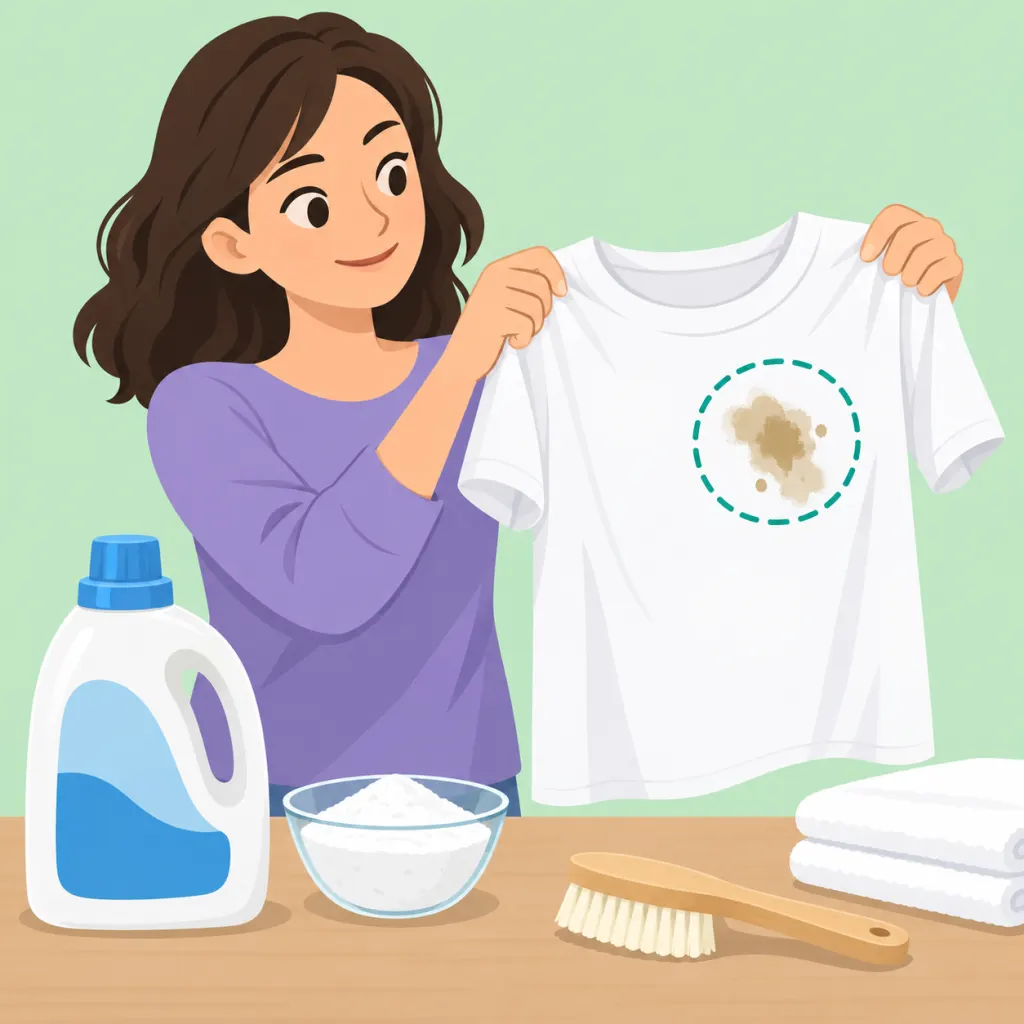
Set-in grease stains are frustrating because oil clings tightly to many fabrics, especially after a garment has been washed or dried. You can often improve or remove the mark by loosening the oil before washing again. This guide focuses on washable clothing and includes safety steps for using laundry and cleaning products carefully.
Step 1: Read the care label first
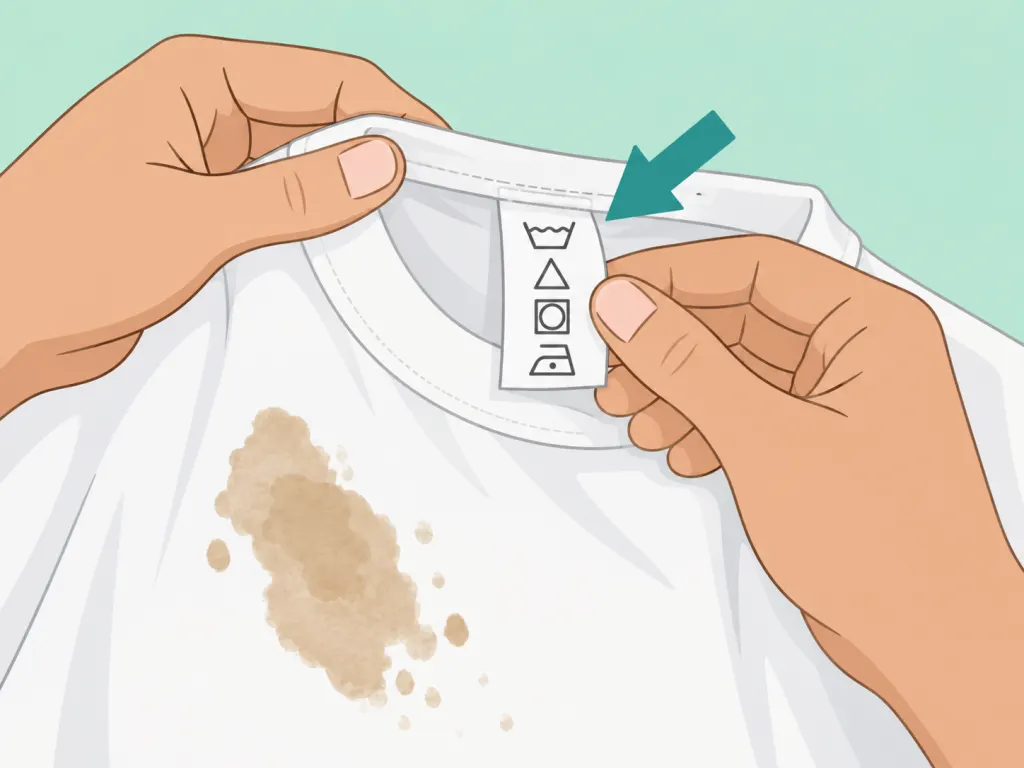
Check the garment tag before using heat, bleach, or any stain remover. Clothing care labels are meant to give washing, drying, bleaching, and warning instructions, according to the FTC care labeling guidance. If the label says dry clean only, skip home washing and take it to a cleaner.
Step 2: Put an absorbent towel behind the stain
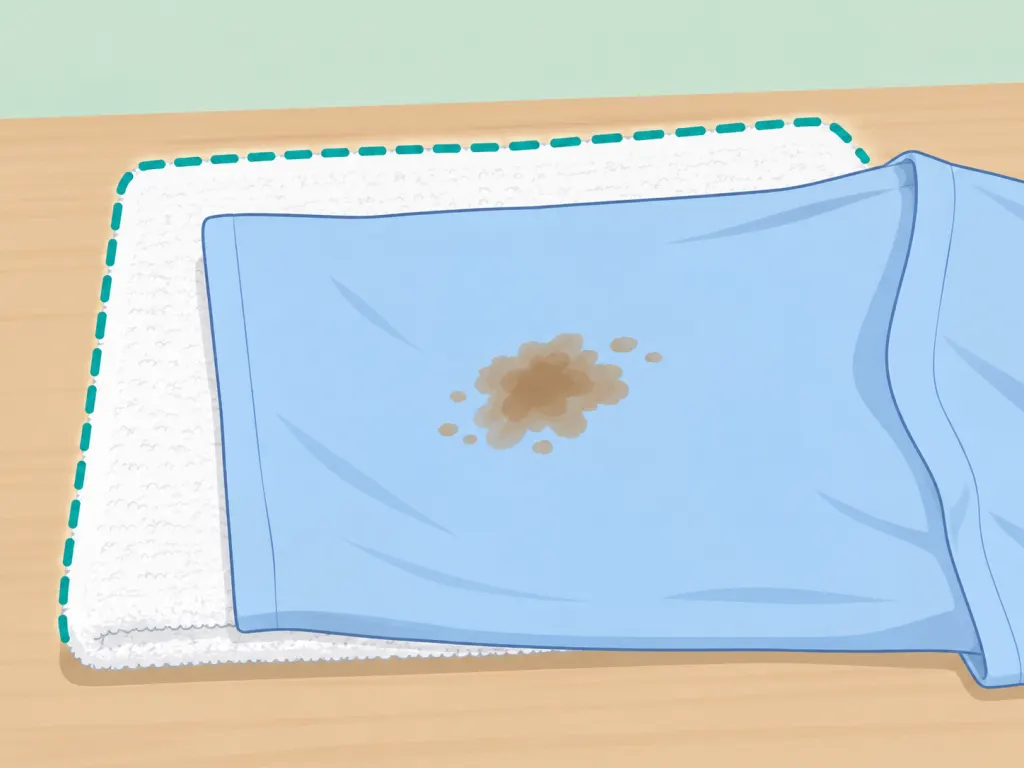
Lay the stained area face down or flat over a clean white towel or paper towel. This gives loosened grease somewhere to transfer and keeps the stain from spreading to another part of the garment. Iowa State University Extension describes using absorbent material under a spot when working stains from the wrong side of fabric in its laundry stain guidance.
Step 3: Pull out excess oil with an absorbent powder
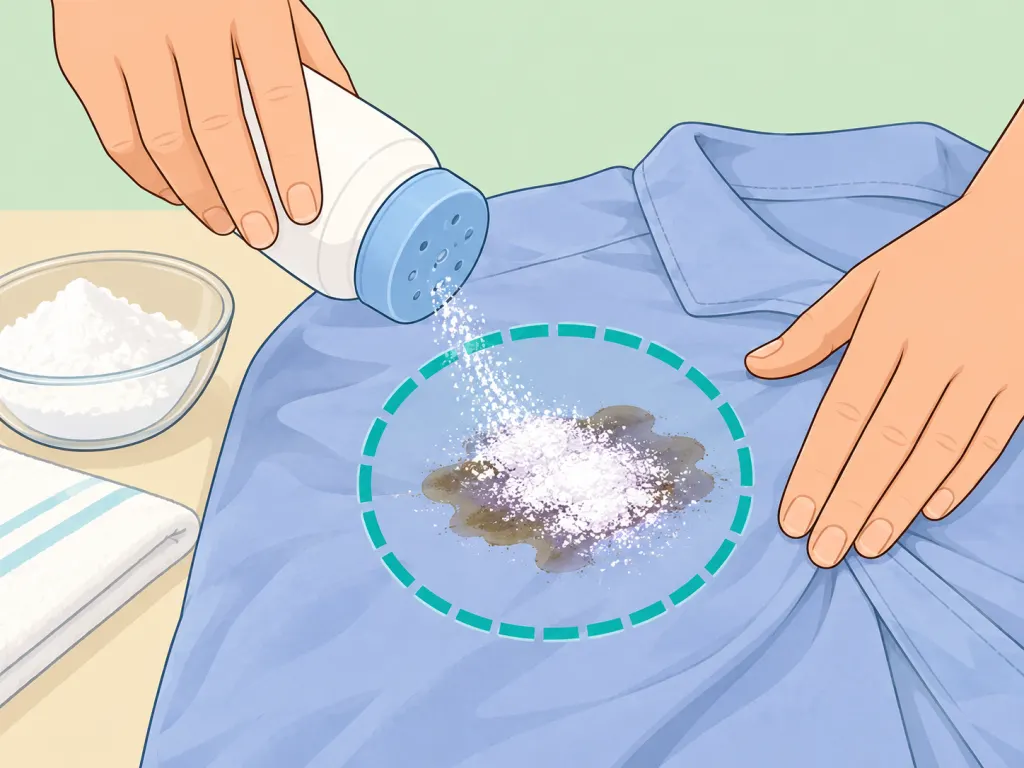
Sprinkle cornstarch, talcum powder, or another plain absorbent powder over the greasy area, then let it sit until the powder starts to look clumpy or oily. Brush the powder away gently and repeat if the fabric still feels slick. University of Georgia Extension explains that absorbent materials can soak up grease and oil before further cleaning in its textile care product guide.
Step 4: Apply a grease-cutting prewash product
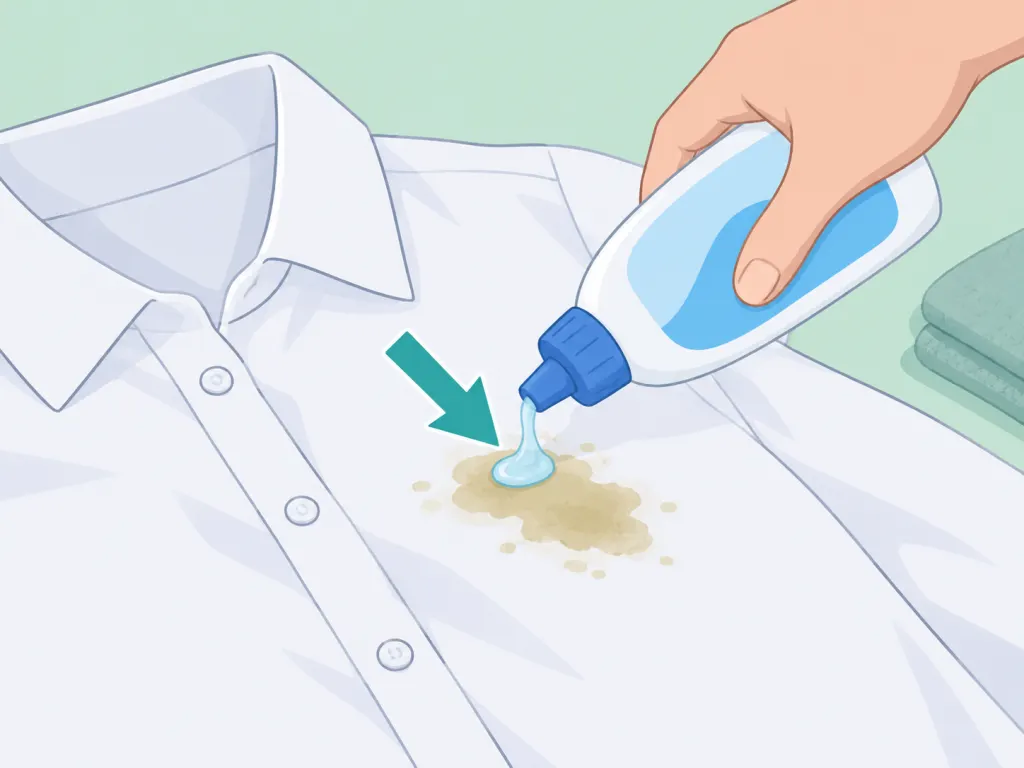
Cover the stained area with a laundry prewash stain remover or a small amount of heavy-duty liquid laundry detergent. For food grease, a little clear hand dishwashing liquid can also help loosen oil on washable fabric; Iowa State University Extension notes this approach for gravy, butter, salad dressing, and similar oily stains. Keep the amount small so it can rinse out fully in the wash.
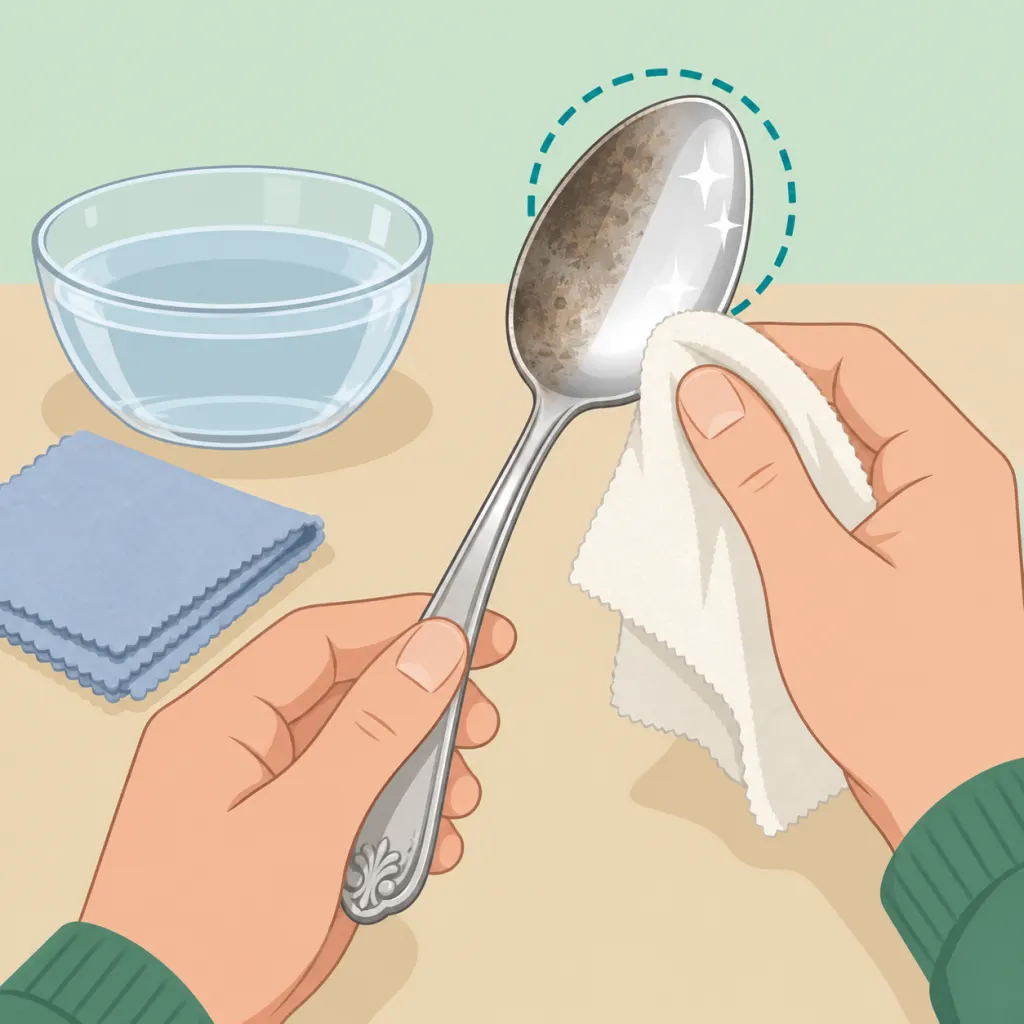
Use your fingers, a soft toothbrush, or the back of a spoon to spread the cleaner through the stain without scrubbing hard. Work from the outside edge toward the center so the oily ring does not grow. University of Georgia Extension recommends pretesting cleaners and using caution with stain-removal products in its grease stain guidance.
Step 6: Wash in the warmest safe water
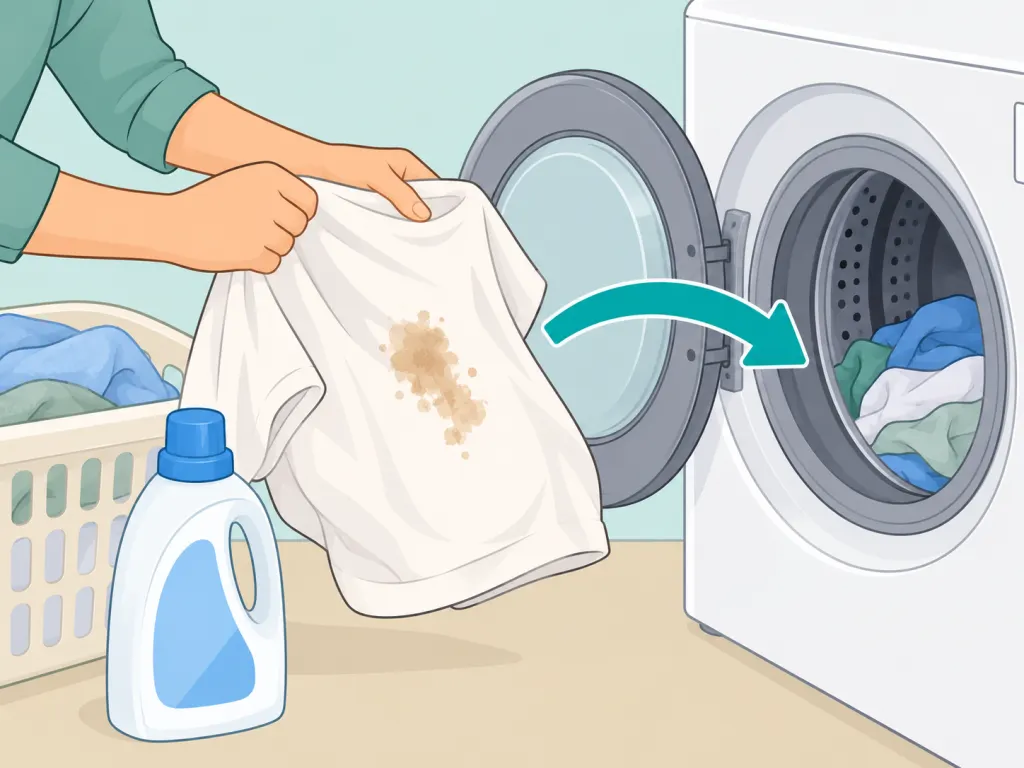
Launder the item by itself or with similar fabrics using heavy-duty detergent and the warmest water allowed by the care label. University of Georgia Extension recommends laundering grease-stained washable fabrics in the hottest water safe for the fabric after prewash cleaning. Avoid overloading the washer so detergent and water can move through the stained area.
Step 7: Air-dry and inspect the fabric
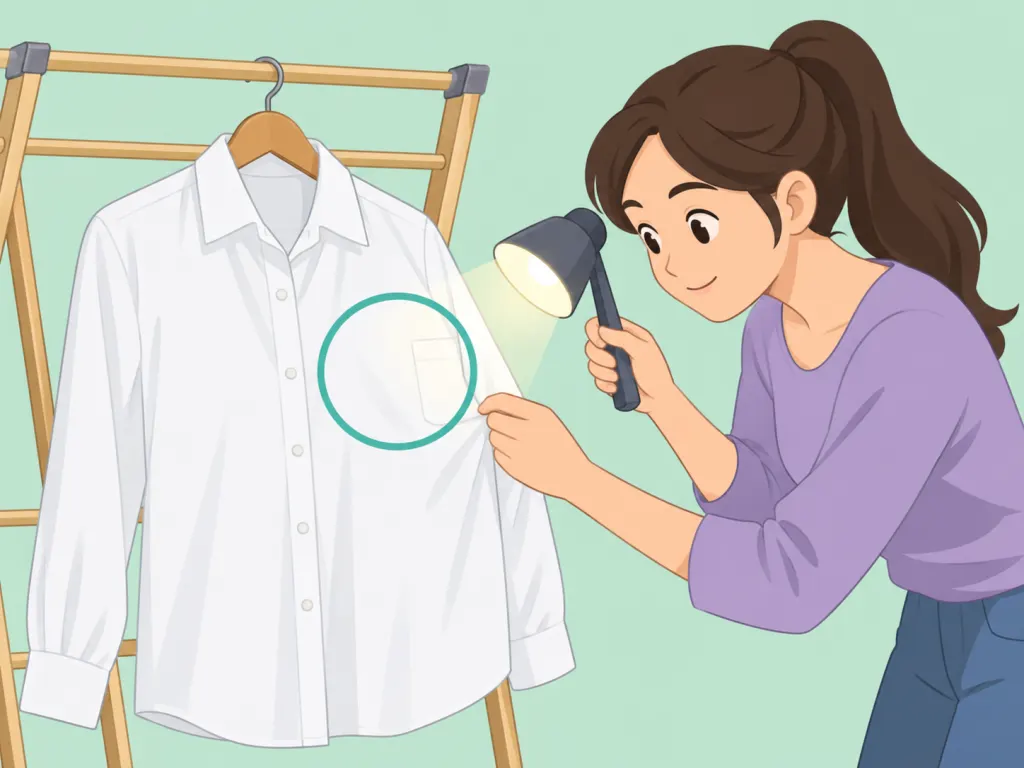
Do not put the garment in the dryer until the stain is gone. Iowa State University Extension advises not drying oily food stains until they have been removed, because remaining residue can be harder to lift after drying. Hang or lay the item flat, then check it under bright light once it is fully dry.
Step 8: Repeat the process before using stronger options
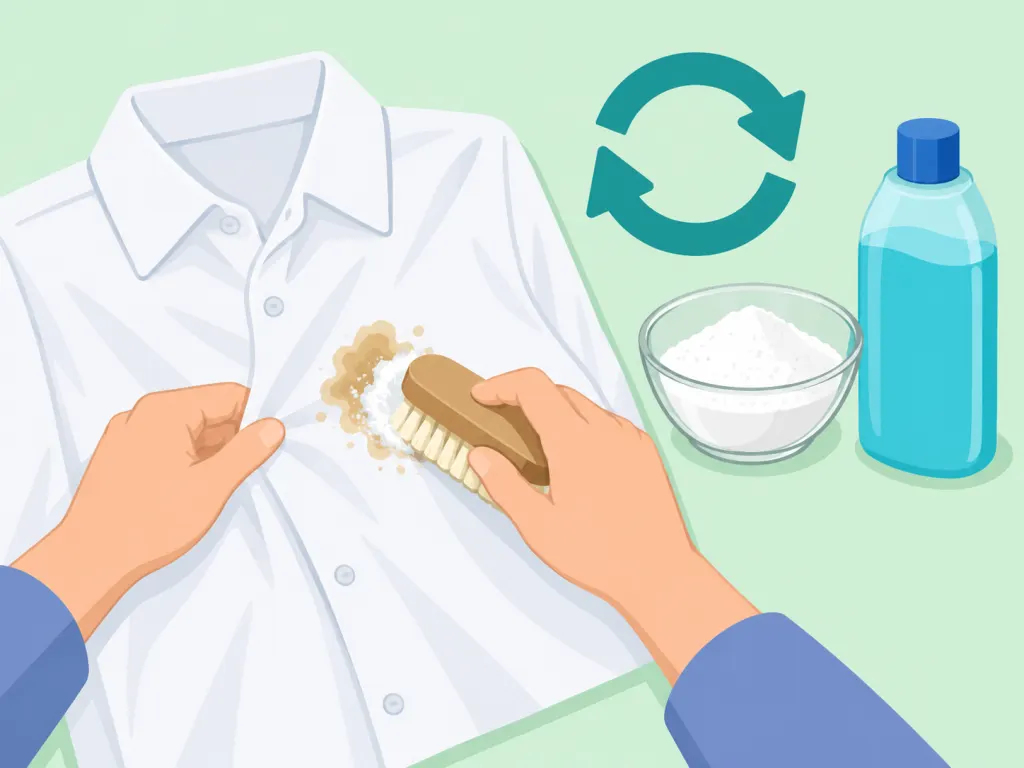
If a shadow remains, repeat the absorbent powder, prewash product, gentle work-in, and wash steps. For a washable garment whose care label allows bleach, choose only a fabric-safe bleach option and follow the product label exactly. The FTC notes that garment labels may limit bleaching, so treat any “no bleach” or “only non-chlorine bleach” instruction as the rule.
Step 9: Get help if a cleaner contacts eyes, is swallowed, or causes symptoms
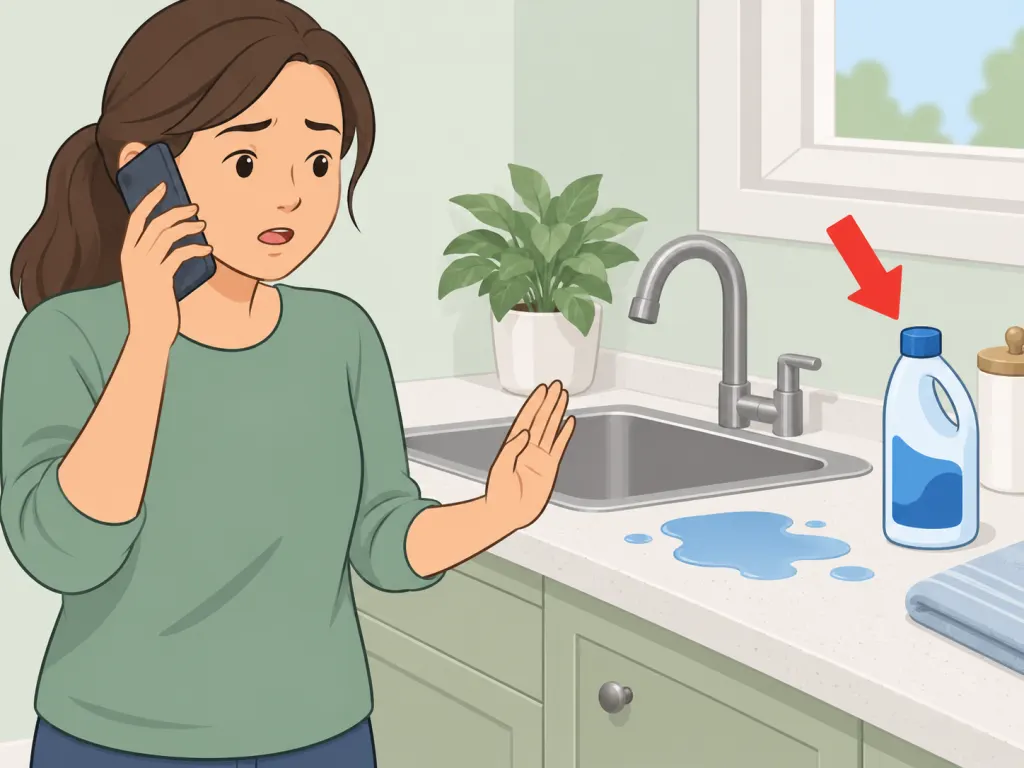
Stop cleaning and follow the product label if detergent or stain remover gets in the eyes, is swallowed, or causes breathing trouble, burns, or strong irritation. MedlinePlus says detergent exposure can affect the skin, eyes, throat, breathing, and stomach, and advises getting medical help right away for serious exposure. In the United States, call Poison Help at 1-800-222-1222 or emergency services if symptoms are severe.
Wrap-Up
The bottom line: work slowly, keep the stain damp during cleaning, wash only as hot as the care label allows, and air-dry until the grease mark is gone. If one careful round does not remove it, repeat before moving to stronger products.
Frequently Asked Questions
- → Can a grease stain still come out after going through the dryer?
Sometimes, yes. A dryer can make an oily mark harder to remove, but repeated prewash rounds may still help. Keep the garment out of the dryer until you have checked the stain in good light.
- → Is dish soap safe to use on clothing?
A small amount of clear hand dishwashing liquid can help loosen food grease on washable fabrics, and Iowa State University Extension notes it for oily food stains. Rinse or wash it out promptly, and do not use automatic dishwasher detergent on clothing.
- → Should I use hot water for grease stains?
Use the warmest water that the garment care label allows. The FTC explains that care labels give washing and drying instructions, so follow that label before choosing hot water.
- → Can I use bleach on a grease stain?
Only use bleach if the garment label and bleach product label both allow it. Never mix bleach with ammonia or other cleaners, since the CDC warns that mixing cleaning products can create dangerous vapors.
- → What if the stain is on silk, wool, leather, or a dry-clean-only item?
Stop home washing and take the garment to a professional cleaner. Delicate and dry-clean-only fabrics can be damaged by water, rubbing, heat, or the wrong stain remover.
- → Why does the grease spot come back after washing?
Oil can stay in the fibers even when the fabric looks clean while wet. Air-dry the item, inspect it under bright light, and repeat the prewash step if a shadow or ring remains.
References
This content was developed and refined using reliable sources.
- https://site.extension.uga.edu/textiles/care/stain-removal/remove-stains-from-grease-automotive-cooling-vaseline
- https://site.extension.uga.edu/textiles/care/products
- https://blogs.extension.iastate.edu/answerline/category/laundry
- https://www.ftc.gov/business-guidance/resources/clothes-captioning-complying-care-labeling-rule
- https://cdc.gov/hygiene/about/when-and-how-to-clean-and-disinfect-your-home.html
- https://www.medlineplus.gov/ency/article/002777.htm