 Save
A messy bathroom, stacked dishes, overflowing laundry, damp corners, pest clues, and unopened mail can reveal that someone is overloaded, unsupported, short on time, or missing workable household systems. They do not reveal a woman's worth. The fair question is not, "Is she neglectful?" It is, "What is this home trying to tell us about pressure, routines, safety, and support?" This article reframes six common home signs in a practical, non-shaming way: what each clue may mean, what it does not prove, and how to start a realistic reset.
Read the Room, Not the Person
Homes are living places, not staged photographs. They carry evidence of schedules, caregiving, work demands, money limits, fatigue, grief, storage problems, and personal standards. A spotless home can hide stress, and a cluttered home can belong to someone capable, generous, and deeply responsible. Still, repeated household breakdowns can be useful information. The goal is to notice patterns early enough to make life easier, reduce avoidable risks, and ask better questions.
The six signs below are best understood as signals, not verdicts:
- Bathroom basics are regularly missing or visibly neglected.
- Kitchen counters, dishes, and food-contact areas stay dirty after use.
- Laundry piles block normal routines or clean clothes never get put away.
- Moisture, leaks, or musty smells are ignored.
- Trash, crumbs, pet food, or clutter invite pests.
- Mail, bills, forms, and appointment papers pile up until decisions are missed.
Use the list gently. If you are looking at your own space, choose one area that affects the next 24 hours and start there. If you are looking at someone else's space, skip labels and ask what would actually help: a ride to buy supplies, an hour of company while sorting, child care during a reset, or a repair request to a landlord.
1. Bathroom Basics Are Missing or Hard to Use
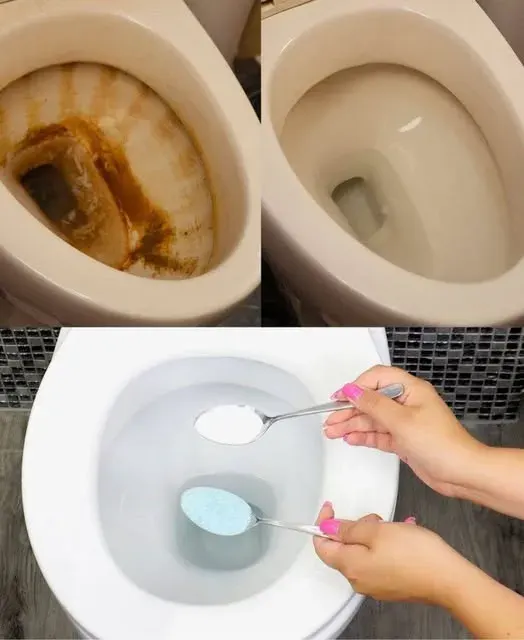
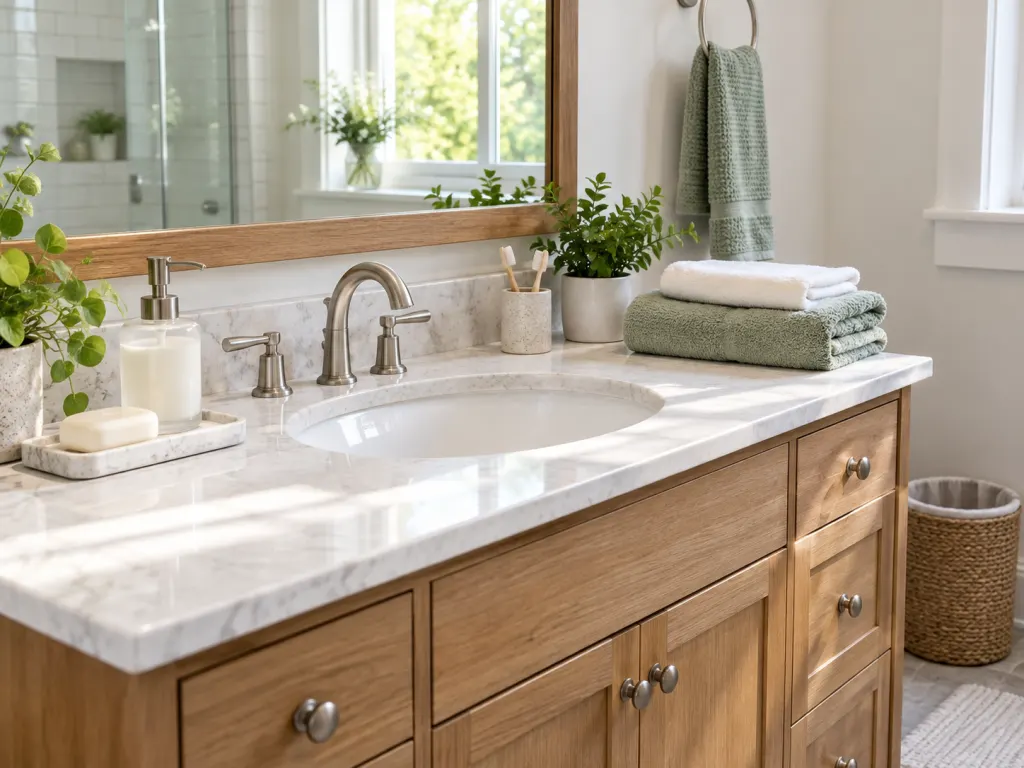
The bathroom is often the first place where a household routine becomes visible. Empty soap, no clean towel, a sink that never gets wiped, a toilet that is avoided, or toiletries scattered in several places may show that maintenance has fallen behind. That does not mean someone lacks dignity. It may mean the routine is too big, the supplies are not stored where they are used, or the person has been spending all available energy elsewhere.
The practical reset is simple: reduce the room to a small set of repeatable actions. Keep soap, toilet paper, a lined trash bin, a washable bath mat, and two or three clean towels within reach. The CDC explains that regular cleaning removes germs, dirt, and impurities from home surfaces, while disinfecting is usually reserved for certain situations such as illness in the home or higher-risk circumstances CDC. For an everyday bathroom, a steady cleaning habit usually matters more than an occasional exhausting deep clean.
2. Kitchen Surfaces Stay Dirty After Food Prep
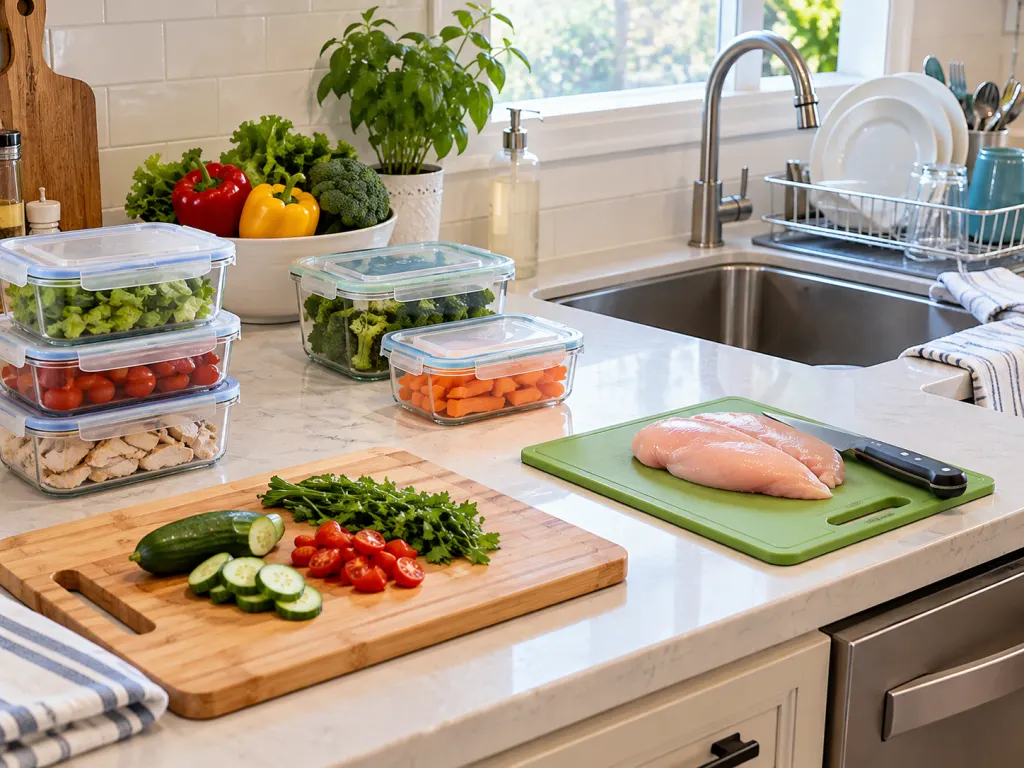
A neglected-looking kitchen is not just about appearance. It can show where daily decisions are colliding: cooking, school lunches, work shifts, late meals, and too little counter space. Dirty cutting boards, sticky counters, dishes left with food residue, and mystery containers in the refrigerator all point to a system that needs fewer steps. The CDC's food-safety guidance highlights four basic habits: clean, separate, cook, and chill. It also advises washing hands and surfaces often, using hot soapy water for utensils and counters, keeping raw meat and seafood separate from ready-to-eat foods, and refrigerating perishable foods promptly CDC.
A helpful kitchen reset begins with the surface that food touches most. Clear one counter, wash it, and decide what is allowed to live there. Put raw-meat tools in one zone and ready-to-eat prep tools in another. If the dishwasher has become a catchall for items that do not belong there, the site's guide to things never to put in the dishwasher can help separate cleanup convenience from avoidable damage.
3. Laundry Becomes a Bottleneck
Laundry piles are one of the most common ways a home shows overload. The problem is rarely the washing machine alone. The bottleneck may be sorting, drying, folding, carrying clothes upstairs, matching socks, too many garments, too few hampers, or a closet that no longer fits what a person owns. When clean clothes sit in baskets for days, the home may be saying that the final step of the routine is too demanding for the time available.
Instead of treating laundry as one giant chore, split it into smaller stations. Put one hamper where clothes actually land, not where you wish they landed. Keep a separate basket for items that need repair, donation, or special washing. If folding is the barrier, hang more items or use open bins for pajamas, workout clothes, towels, and underlayers. A home system works when it matches real behavior; it fails when it depends on a perfect version of the household.
4. Moisture, Leaks, and Musty Smells Are Ignored
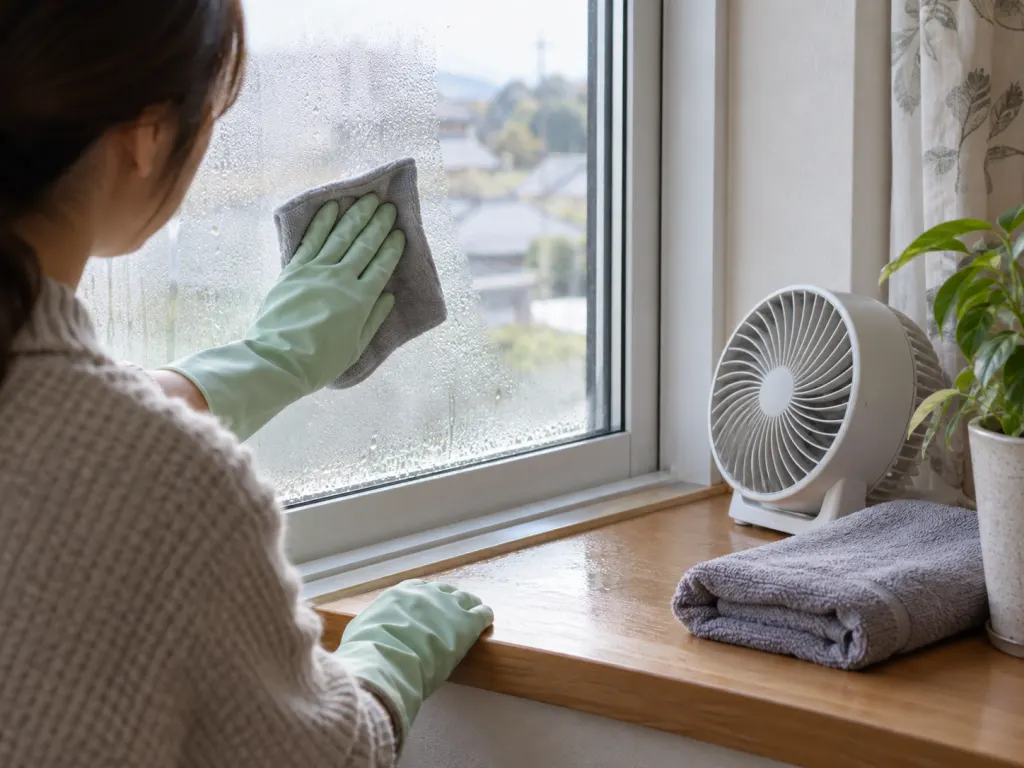
Moisture is one of the clearest home signals because it rarely fixes itself. A recurring damp smell, condensation, water stains, peeling caulk, or a bathroom fan that never gets used can point to a repair issue, a ventilation issue, or a cleaning routine that needs support. The EPA says moisture control is key to mold control, and it advises fixing water problems, drying wet materials promptly, using bathroom ventilation, and keeping indoor humidity below 60 percent when possible, ideally between 30 and 50 percent EPA.
This is an area where kindness should be paired with urgency. Wiping a stain without addressing the leak only hides the evidence for a while. Renters may need to document the problem and report it to a building manager. Homeowners may need to check caulk, plumbing, gutters, appliance hoses, or ventilation. If the affected area is large, sewage-related, inside a wall, or connected to a heating or cooling system, professional help may be the safer route.
5. Trash, Crumbs, Pet Food, and Clutter Invite Pests
Pest clues are another place where blame is less useful than prevention. Roaches, rodents, ants, and mosquitoes need food, water, and shelter. The EPA recommends reducing those attractants by sealing food and scraps, removing garbage regularly, fixing leaks, eliminating standing water, closing entryways, and keeping screens tight EPA. Another EPA consumer guide adds that open food, crumbs, dirty dishes, pet food left out overnight, cluttered cardboard, and gaps around pipes or screens can all make a home easier for pests to use EPA.
The practical move is to remove the invitation before reaching for strong products. Put cereal, flour, sugar, rice, and pet food in sealed containers. Take trash out before it is packed tight. Rinse recycling that held food. Break down cardboard instead of stacking it near the kitchen. If you are trying to identify a small household visitor, start with observation rather than panic; related guides such as Silverfish in Your Home: What It Means and What an Insect in Your Home Could Mean can help readers think in terms of conditions, not character.
6. Paper Piles Hide Decisions
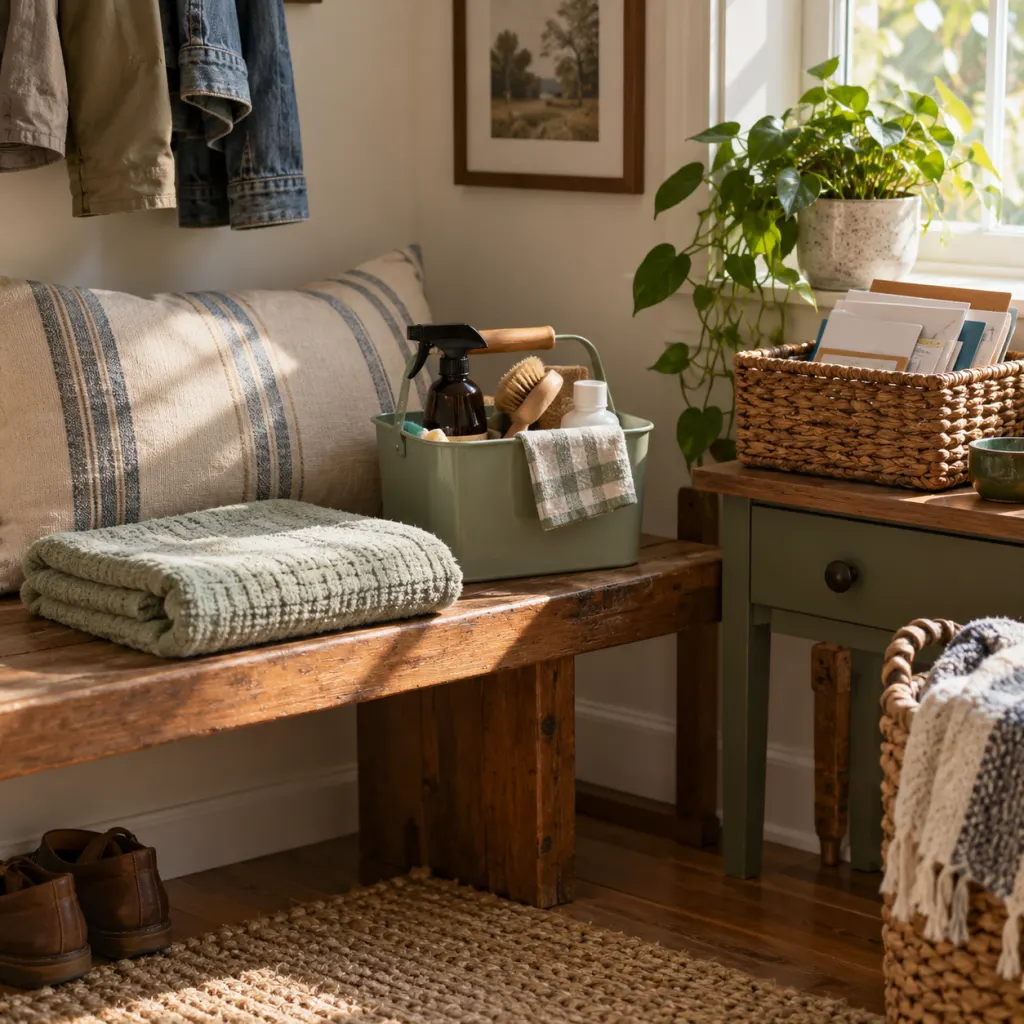
Paper clutter looks ordinary until it starts carrying consequences. Unopened envelopes, school forms, medical statements, insurance notices, appliance warranties, repair estimates, and appointment cards can pile up because each one asks for a decision. A messy paper corner may mean avoidance, but it can also mean the system is too vague: no place for urgent items, no weekly review time, no shred pile, and no way to separate information from action.
A workable paper system has only a few categories. Try "pay," "reply," "file," "scan," and "discard." Put the action pile somewhere visible but contained, such as one tray near the door or desk. Give it a weekly appointment, even if that appointment is only 15 minutes. If paperwork involves another person, name the task instead of criticizing the pile: "Can we sort the forms that have deadlines?" is more useful than "This place is a disaster."
What Home Signs Can and Cannot Tell You
Research supports a cautious middle ground. A home can influence how restorative or stressful daily life feels, but it should not be used as a character test. An APA interview on clutter research describes links between clutter, stress, anxiety, productivity, procrastination, and relationship strain APA. A published study indexed by PubMed found that the way people described their homes during home tours was associated with mood and daily cortisol patterns among wives in the sample PubMed. Those findings do not mean a messy room diagnoses anyone. They suggest that home conditions and stress can interact in meaningful ways.
Gender deserves special care here. Women are often judged more harshly for the same household conditions that would be excused, joked about, or ignored in someone else. A fair reading of a home asks about workload, shared responsibility, money, access, time, repairs, and support. If several adults live in the home, the condition of the home reflects the household, not one woman's private failure.
When the Pattern Feels Bigger Than Chores
Sometimes missed chores are simply missed chores. Other times, the pattern sits beside distress, withdrawal, exhaustion, sleep disruption, trouble concentrating, or an inability to complete usual activities. The National Institute of Mental Health says self-care can include small daily actions, setting goals and priorities, staying connected, and seeking professional help when severe or distressing symptoms last two weeks or more NIMH. If the home has become unmanageable and the person feels stuck, the most respectful response is support, not shame.
A Kinder Reset Plan
The fastest way to change a home pattern is to make the next step smaller than pride wants it to be. Choose one visible problem and one daily anchor. For example: wipe the bathroom sink after brushing teeth, wash the cutting board right after dinner, start one laundry load before breakfast, open mail every Thursday, or take out trash before the bag is full. Small systems beat rare bursts of perfection because they ask less from an already tired person.
A reset also works better when supplies are obvious. Store bathroom cleaner in the bathroom if safe to do so. Keep trash bags under the trash can. Put a basket at the foot of the stairs for items that need to move. Keep a microfiber cloth near the mirror. Place a paper tray where mail enters the home. Each tiny placement removes one decision from the day.
If you are helping someone else, ask before taking over. Many people feel exposed when another person cleans their space. A respectful offer sounds specific: "I can wash dishes for 20 minutes," "I can sit with you while you open mail," or "I can help call the landlord about the leak." The aim is not to rescue an image of the home. The aim is to make the person inside the home feel less alone and more able to act.
Wrap-Up
The six signs are useful only when they lead to practical care. A dirty bathroom may point to missing supplies or a broken routine. A chaotic kitchen may need simpler food-safety habits. Laundry piles may reveal a bottleneck, not laziness. Moisture needs attention because it usually signals a source problem. Pest clues often mean food, water, shelter, or entry points are available. Paper piles may mean decisions have lost their place. None of these signs proves that a woman is neglectful. They reveal places where the home needs a better system, shared responsibility, repair, or support.
Frequently Asked Questions
- → Does a messy home mean someone is neglecting herself?
No. A messy home can reflect time pressure, caregiving demands, money limits, grief, repairs, storage problems, or habits that no longer fit the household. Look for patterns and practical barriers before making personal judgments.
- → What is the first area to reset when everything feels overwhelming?
Start with the area that affects the next day most: a usable bathroom, one clear kitchen counter, clean clothes for tomorrow, or urgent mail. A small reset that supports tomorrow is more useful than trying to fix the whole home at once.
- → When should moisture or a musty smell be taken seriously?
Take it seriously when dampness returns, a leak is active, stains spread, the smell persists, or water may be inside walls, carpets, ceilings, or ventilation. The source of moisture has to be fixed, not just wiped away.
- → How can I bring up home concerns without shaming someone?
Use specific, practical language. Try, "Would it help if I washed dishes while you handled the mail?" or "Can I help document the leak?" Avoid labels about character, cleanliness, or gender.
- → Are pests always a sign of poor housekeeping?
No. Pests can enter clean homes through gaps, boxes, shared walls, drains, or outdoor conditions. Housekeeping can reduce food, water, shelter, and entry points, but recurring pest problems may also need repairs or professional support.
References
This content was developed and refined using reliable sources.
- https://www.cdc.gov/hygiene/about/when-and-how-to-clean-and-disinfect-your-home.html
- https://www.cdc.gov/food-safety/prevention
- https://www.epa.gov/mold/brief-guide-mold-moisture-and-your-home
- https://www.epa.gov/pesticides/smart-pest-control-protect-your-health
- https://www.epa.gov/safepestcontrol/do-you-really-need-use-pesticide
- https://www.apa.org/news/podcasts/speaking-of-psychology/clutter
- https://pubmed.ncbi.nlm.nih.gov/19934011
- https://www.nimh.nih.gov/health/topics/caring-for-your-mental-health