 Save
The most likely answer is that the tiny white stick is a pocket nasal inhaler: a small capped plastic tube that holds a scented wick and is used near the nose. Some versions are simple aromatic products, while others contain an over-the-counter nasal ingredient, so the label matters. It is not the same thing as a vape unless it has electronic parts such as a battery, mouthpiece, charging port, liquid pod, or heating element. The safest first step is not a search through the whole room. Pick up the object only enough to read the label, wash your hands afterward, and ask your teenager about it in a calm, direct way.
The Short Answer: It Is Often a Pocket Nasal Inhaler
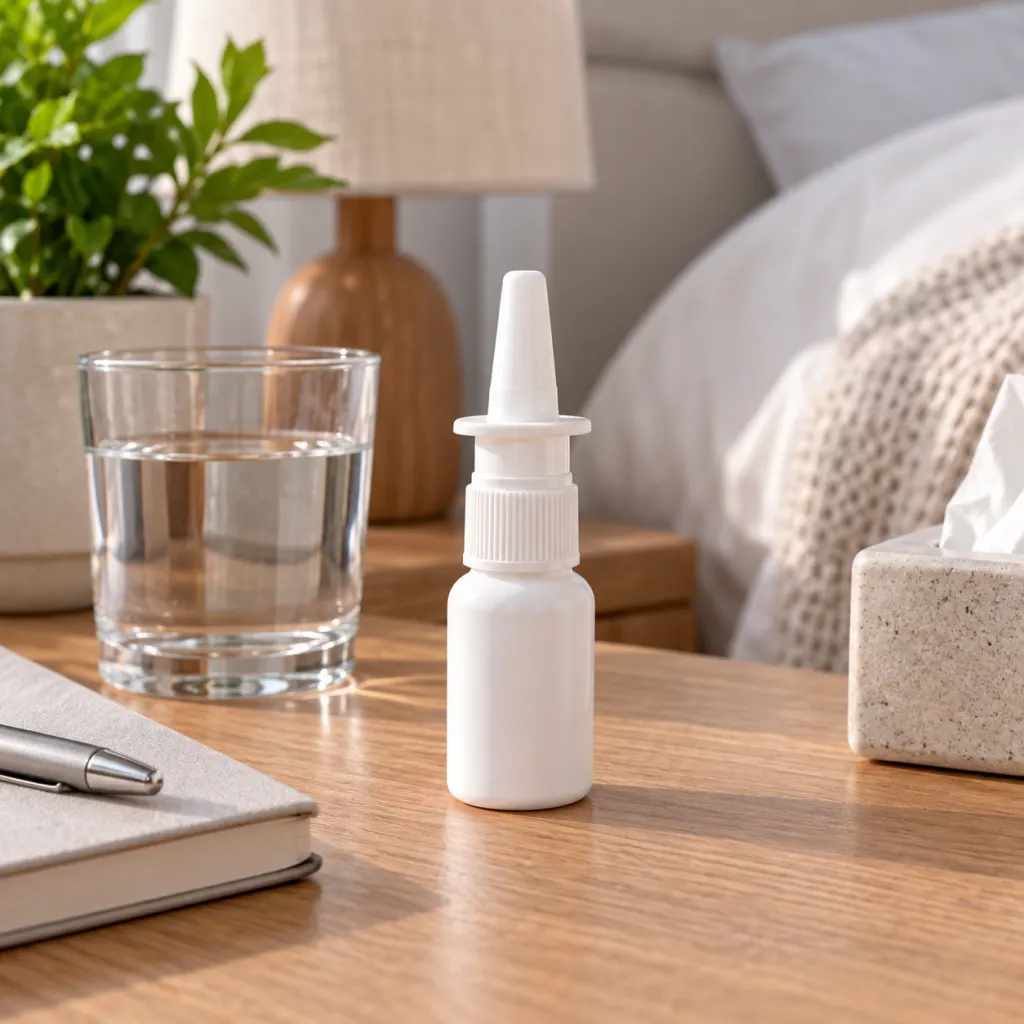
Many small white sticks that puzzle parents are personal nasal inhalers. They are usually narrow plastic tubes, often about the size of a lip balm or short marker, with a cap that twists or pulls off. Inside is a wick or absorbent insert that carries a strong scent, commonly minty, herbal, or camphor-like. A person does not light it, charge it, swallow it, or insert the whole device into the nose. They hold it near one nostril and breathe in the scent.
That said, the object should be identified by its physical details, not by guesswork. Useful clues include:
- Cap and body: nasal inhalers usually have a simple cap and a plain tube shape.
- No electronics: they should not have a charging port, light, button, screen, or removable pod.
- Labeling: the tube or wrapper may name menthol, camphor, eucalyptus, peppermint, or propylhexedrine.
- Scent: many have a sharp cooling smell, though scent alone is not proof of what it is.
- Packaging: a sealed retail wrapper or brand label is much more informative than social media guesses.
Nasal stuffiness is common, and public health references such as MedlinePlus describe many ordinary reasons a person may have a stuffy or runny nose. A teen might keep a scented inhaler in a backpack, sports bag, desk drawer, or bedside area for the same everyday reasons an adult might keep tissues or lip balm nearby.
How to Tell It Apart from a Vape
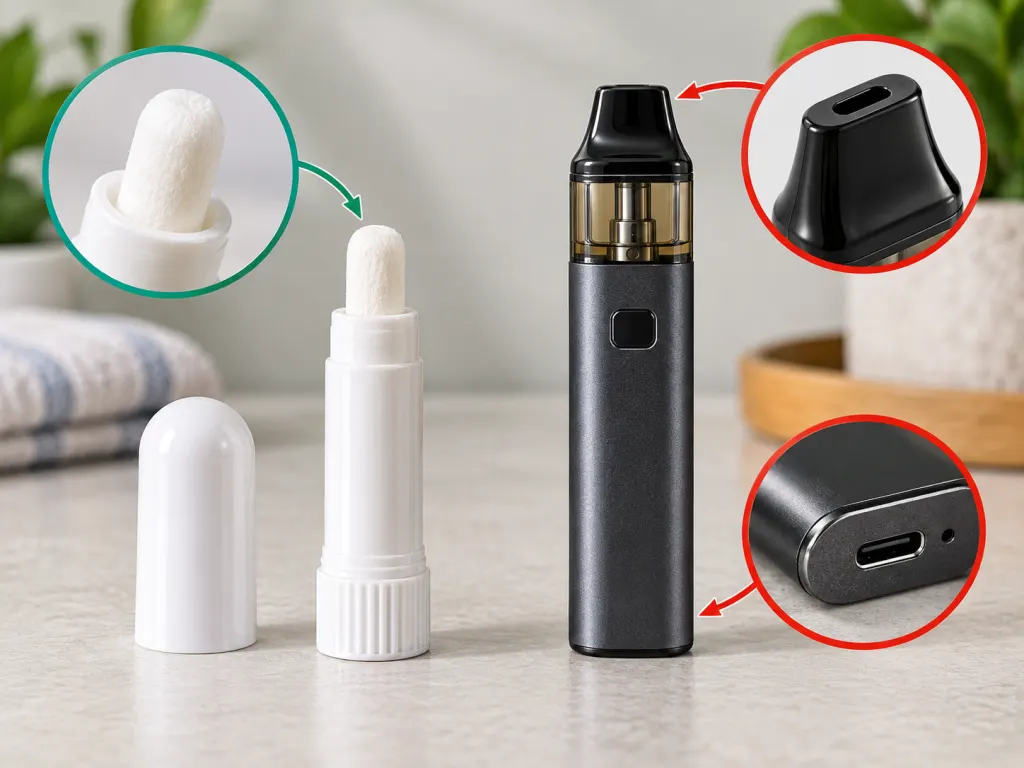
The biggest worry for many parents is that the object might be a vaping product. That concern is understandable because some vaping devices are small, pale-colored, and deliberately discreet. The FDA describes e-cigarettes and vapes as electronic nicotine delivery systems, meaning they use a device to heat a liquid or other material into an aerosol that the user inhales. A plain nasal inhaler does not heat liquid and does not need power.
Look for practical differences. A vape often has a mouthpiece, airflow holes, a light, a charging connection, a cartridge, or a disposable one-piece electronic body. It may smell sweet, fruity, minty, or chemical, and it may feel heavier than a simple empty plastic tube because it contains electronic components. A nasal inhaler is more likely to open into a wick holder and may have a strong menthol-like scent without any battery, pod, oil tank, or mouthpiece.
If you are unsure, do not make the conversation an interrogation. You can say, "I found this while tidying. I do not recognize it. Can you tell me what it is?" That phrasing gives your teen a chance to answer without immediately defending against an accusation. If the item turns out to be a vape or another tobacco product, the conversation should shift from object identification to safety, rules, support, and next steps.
When the Label Says Propylhexedrine
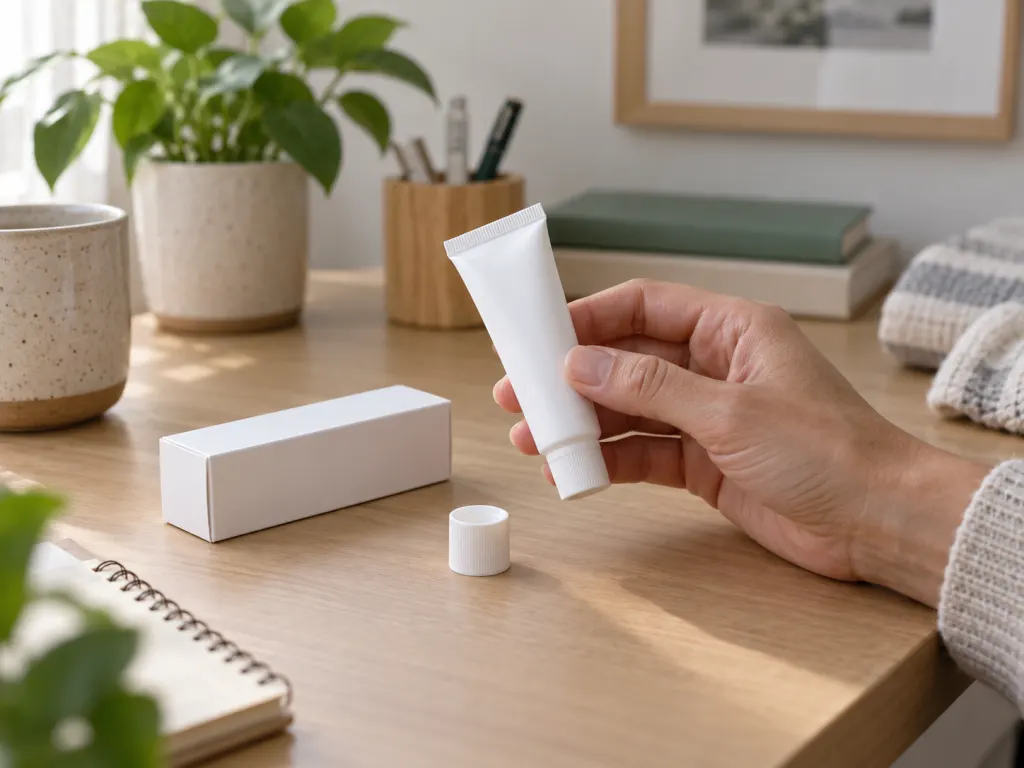
Some white nasal inhalers are not just scented novelty items. One well-known over-the-counter nasal decongestant inhaler contains propylhexedrine. The FDA has warned about misuse and serious harms linked to propylhexedrine nasal decongestant products when they are used in ways the label does not direct. That does not mean every inhaler in a room is being misused. It does mean the label deserves attention.
If the object is still in packaging, read the active ingredient panel. If it is loose, look for tiny printed wording on the barrel or cap. If it has been opened, damaged, emptied, or altered, treat that as important information. Do not taste, dismantle, or sniff an unknown insert to figure it out. Put it aside, wash your hands, and talk to your teenager. If there is a concern that someone swallowed, chewed, extracted, or otherwise misused the contents, contact local poison guidance or urgent care services according to your area's emergency procedures.
Some inhalers and scented sticks use ingredients such as camphor or peppermint oil. MedlinePlus notes that camphor can be harmful if swallowed or used improperly, and the National Center for Complementary and Integrative Health cautions that essential oils can cause side effects in some uses. The practical point is simple: a small familiar-looking object can still deserve normal label-reading and common-sense handling.
What to Do Before You Talk to Your Teen
Parents often feel embarrassed because the object was found during cleaning, laundry, or a room check. That awkwardness is real, but it is easier to handle when you separate three questions: What is the object? Why is it there? Is there any safety issue? You do not have to answer all three at once.
Before the conversation, gather only basic facts:
- Photograph the label if you need to zoom in later, but do not turn it into a secret evidence file.
- Check whether it is electronic by looking for a port, light, pod, button, or mouthpiece.
- Look for packaging in the trash or desk area only if you were already cleaning there, not as a room raid.
- Notice the condition of the item, especially whether it is sealed, used, broken, emptied, or modified.
- Decide your opening sentence before you walk in, so surprise does not become accusation.
The goal is to make the first minute useful. Teenagers are more likely to answer honestly when they hear a specific question instead of a speech. A good opener is, "I found this small tube while cleaning. I cannot tell if it is a nasal inhaler, a vape, or something else. What is it?"

If It Is a Vape or Other Tobacco Product
If the stick turns out to be a vape or part of a vaping device, stay calm but take it seriously. The CDC provides youth-focused information on e-cigarettes, and the FDA notes that e-cigarettes, vapes, and similar products are electronic nicotine delivery systems. The FDA also asks the public to help prevent sales of tobacco products to young people and explains its youth access work on a consumer page at FDA.gov.
A useful parent response has two parts. First, identify what the product is and where it came from. Second, move toward support and boundaries. Ask whether your teen bought it, was given it, tried it once, or uses it regularly. Those answers point to different next steps. A one-time experiment may call for a clear household rule and a follow-up conversation. Repeated use may call for more support, especially if the teen says stopping feels difficult.
Avoid turning the discovery into a public family drama. Do not post photos asking strangers to identify it with your child's story attached. Do not shame the teen in front of siblings. Do not pretend it is harmless if it is a tobacco product. A direct, private, informed conversation is more useful than a viral guessing game.
How to Start the Conversation Without Making It Worse
The tone matters because the object may be innocent, concerning, or somewhere in the middle. Start with curiosity and boundaries at the same time. Curiosity sounds like, "Help me understand what this is." Boundaries sound like, "If it is a vape or an over-the-counter product, we need to talk about safe choices and house rules." You can hold both positions without yelling.
It also helps to separate privacy from secrecy. Teenagers need age-appropriate privacy, but parents can still address objects that raise safety questions. You might say, "I am not trying to embarrass you. I found this while cleaning, and I need to know what it is because some small devices and inhalers can matter for safety." That statement explains why you are asking without pretending the conversation is casual.
If your teen says it belongs to a friend, ask where it came from and why it was in the room. If your teen says it is a nasal inhaler, ask to see the package or label. If your teen refuses to answer, pause and return to the subject later rather than escalating immediately. The goal is not to win the moment. The goal is to get accurate information and keep communication open enough for the next conversation.
What Not to Do With an Unknown White Stick
Do not taste it, cut it open, heat it, or insert it into your own nose to test it. Do not rely on a single online photo match, because many small white tubes look alike. Do not assume that a minty smell proves it is harmless. Do not assume that a plain white exterior proves it is a vaping device. The same basic shape can belong to very different products.
If the object is leaking, broken, powdery, unusually sticky, or has no readable label, put it in a small bag or container and keep it away from younger children and pets until you know what it is. If someone has swallowed part of it or is having sudden concerning symptoms after using it, seek urgent local help. For ordinary identification, the calm sequence is label, design, conversation, and then next steps.
One final point: the discovery may reveal a household communication issue as much as an object issue. If your teen has allergies, congestion, sports habits, stress, curiosity about vaping, or friends who share products, the small white stick may be the doorway into a bigger conversation. Treat the object as information, not a verdict.
Wrap-Up
A tiny white stick in a teenager's room is often a pocket nasal inhaler, especially if it is a simple capped plastic tube with a scented wick and no electronic parts. The label is the key detail. Some products are aromatic; some contain an over-the-counter nasal ingredient; and some small white devices may instead be vapes or tobacco-related products. Read the label, look for electronic features, avoid testing it yourself, and ask your teen a calm, direct question. The discovery is best handled as a chance to identify the item accurately and keep communication open.
Frequently Asked Questions
- → Is a tiny white stick always a vape?
No. A small white stick can be a pocket nasal inhaler, a cosmetic item, a small craft or tech accessory, or a vaping-related product. Check for a label, cap, wick, battery, charging port, mouthpiece, pod, or button before drawing a conclusion.
- → What does a pocket nasal inhaler usually look like?
It is usually a narrow capped plastic tube with a scent-carrying wick inside. It may smell minty, herbal, or camphor-like. It should not have a battery, liquid tank, charging port, screen, or heating element.
- → Should I confront my teenager immediately?
Ask promptly, but keep the tone calm. A useful first sentence is, "I found this while cleaning and do not recognize it. Can you tell me what it is?" That approach gives you information without starting with an accusation.
- → What if the label says propylhexedrine?
Propylhexedrine is found in some over-the-counter nasal decongestant inhalers, and the FDA has warned about misuse. Do not dismantle or test the item yourself. Read the label, ask how it was being used, and seek qualified guidance if you are concerned about exposure or misuse.
- → What if it really is a vape?
Move from identification to support and boundaries. Ask where it came from, how often it has been used, and whether your teen feels pressure from friends. Keep the conversation private, clear, and focused on safety rather than shame.
References
This content was developed and refined using reliable sources.
- https://www.fda.gov/tobacco-products/products-ingredients-components/e-cigarettes-vapes-and-other-electronic-nicotine-delivery-systems-ends
- https://medlineplus.gov/ency/article/003049.htm
- https://www.fda.gov/safety/medical-product-safety-information/benzedrex-propylhexedrine-drug-safety-communication-fda-warns-abuse-and-misuse-nasal-decongestant
- https://medlineplus.gov/ency/article/002566.htm
- https://www.nccih.nih.gov/health/peppermint-oil
- https://www.cdc.gov/tobacco/e-cigarettes/youth.html
- https://www.fda.gov/consumers/consumer-updates/help-fda-prevent-sale-tobacco-products-young-people