 Save
Finding a small bug in your child's hair can be unsettling, but the next steps are usually straightforward. The key is to look closely before using any product, because head lice, ticks, and random outdoor insects call for different responses. This guide explains how to check the scalp, remove what you find safely, and decide when to contact a health professional.
Step 1: Move your child into bright light
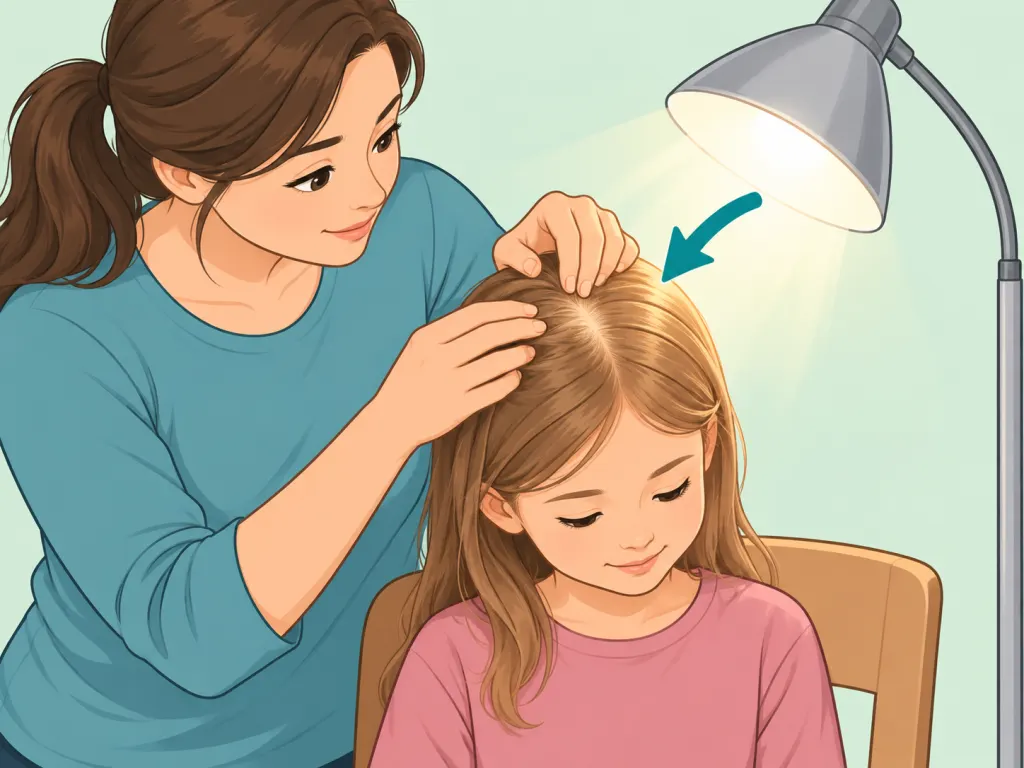
Have your child sit still under a bright lamp or near a window so you can see the scalp clearly. Use calm words and avoid scratching or rubbing the area, since that can irritate the skin and make small details harder to see.
Step 2: Remove any loose bug gently
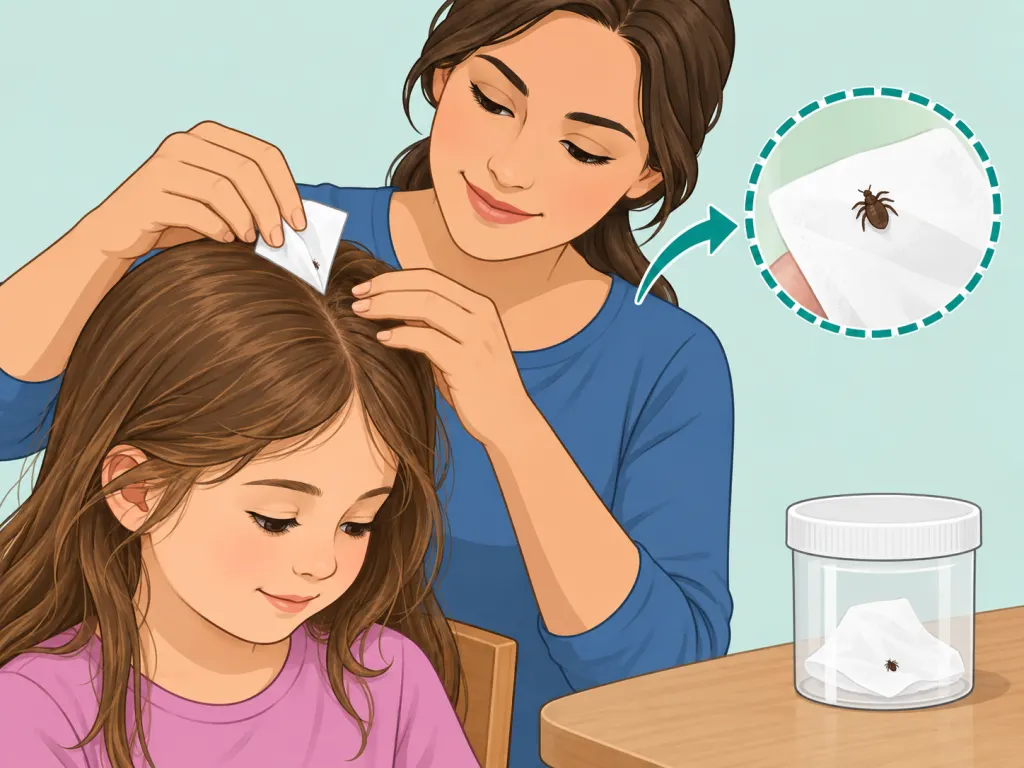
If the bug is loose in the hair and not attached to the scalp, lift it out with a tissue, comb, or tweezers and place it in a small sealed bag or container. Saving it briefly or taking a clear photo can help you compare it with reliable guidance later, without rushing into a product your child may not need.
Step 3: Check whether it looks like lice, nits, or a tick
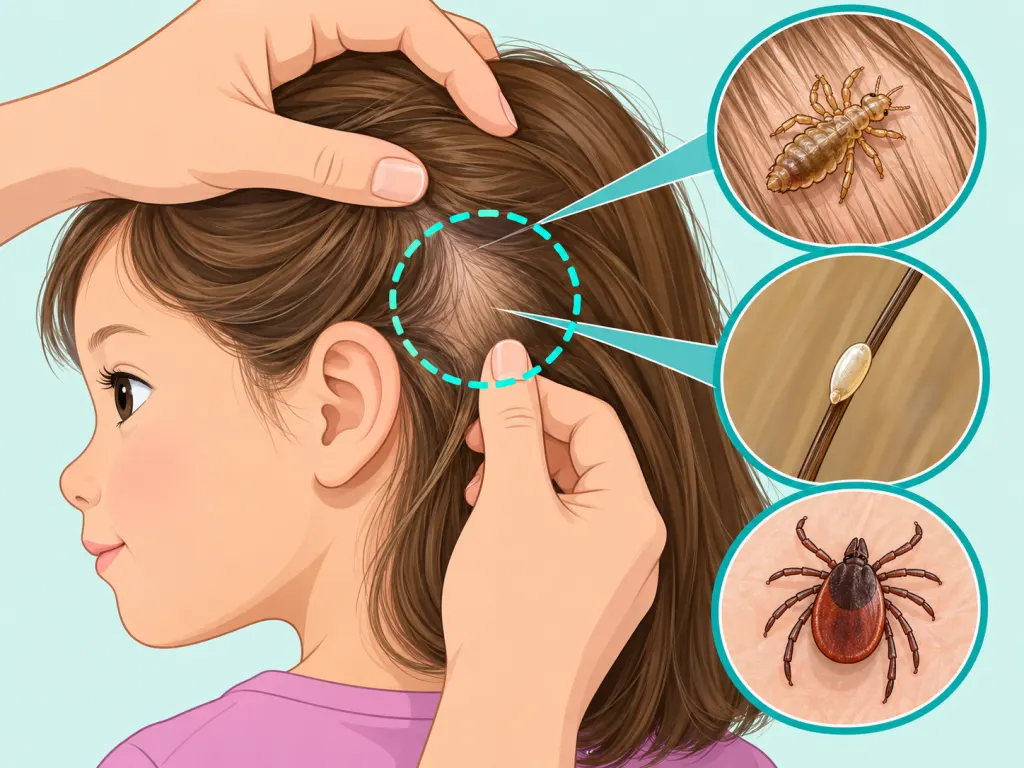
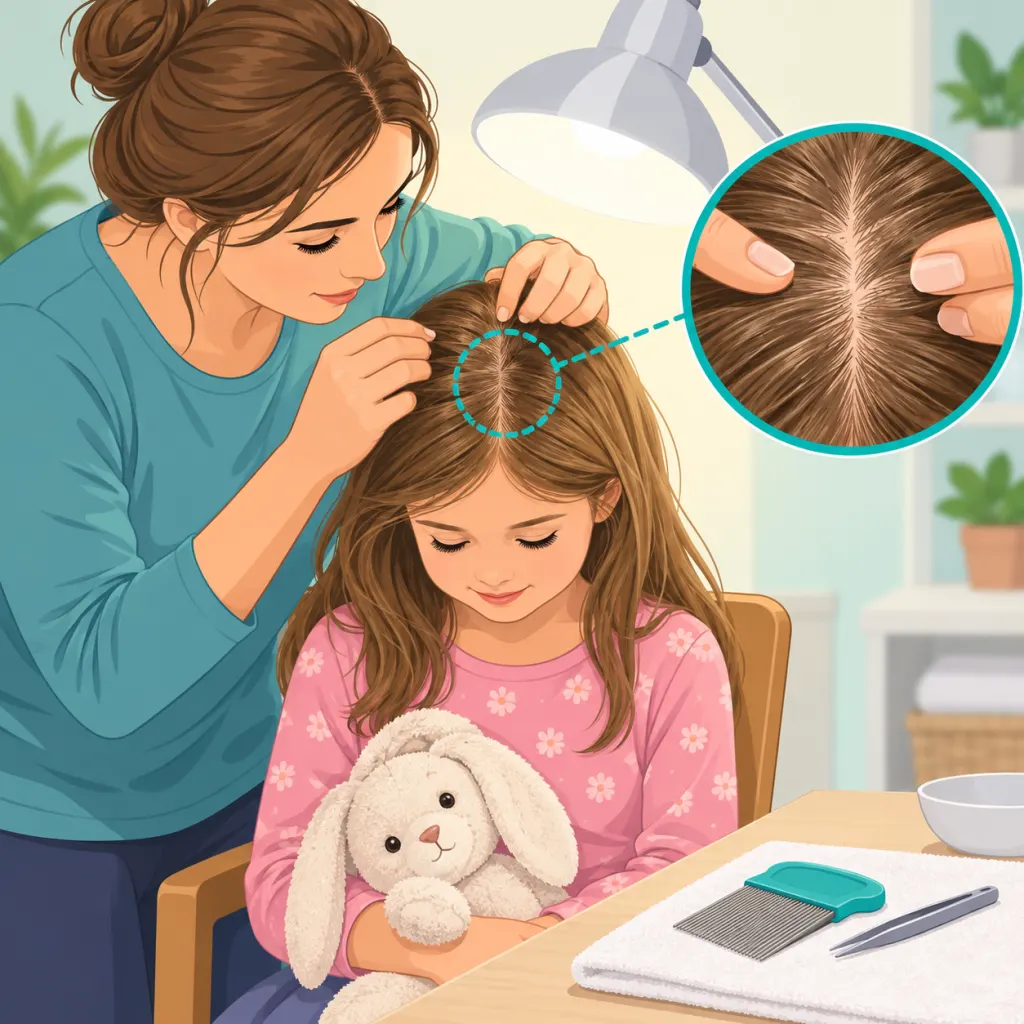
Part the hair in small sections and look closely behind the ears and at the nape of the neck, common places to find lice and nits. Head lice are small crawling insects, while nits are firmly attached to hair near the scalp and do not brush away like dandruff. If the bug is embedded in the skin rather than crawling through the hair, treat it as a possible tick.
Step 4: Remove an attached tick with tweezers
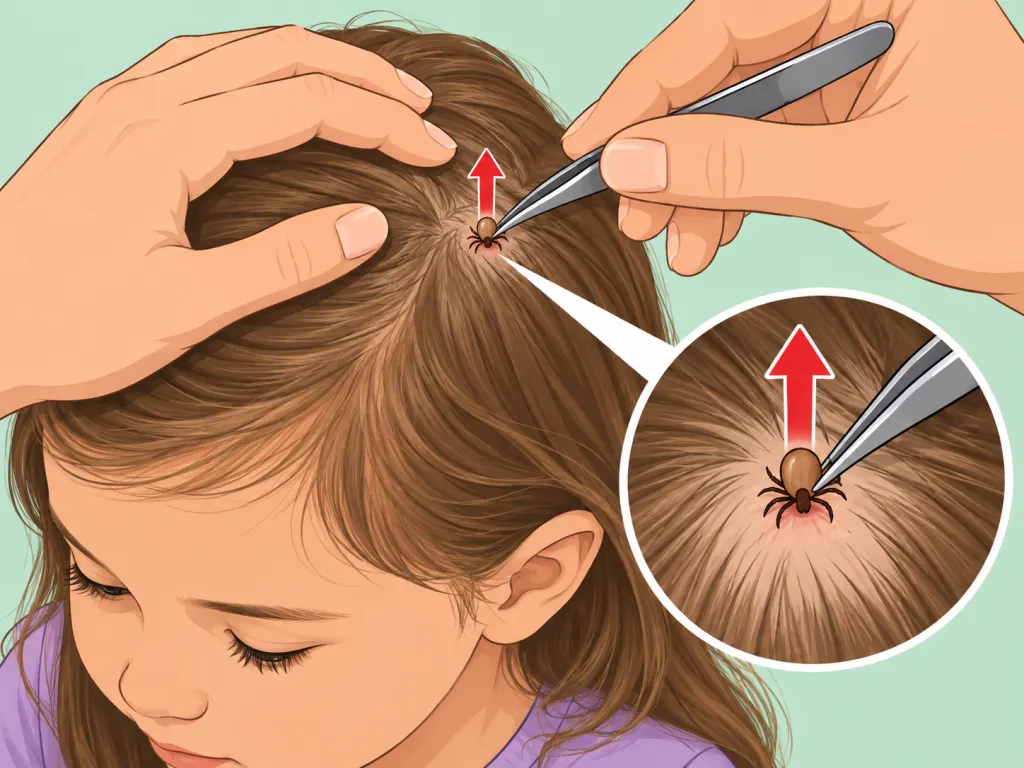
Use clean, fine-tipped tweezers to grasp the tick as close to the skin as possible, then pull upward with steady, even pressure. The CDC recommends cleaning the bite area and your hands afterward with soap and water, rubbing alcohol, or hand sanitizer. Do not twist the tick, crush it with your fingers, or try to make it detach with heat, petroleum jelly, or nail polish.
Wet the hair if that makes it easier to control, then use a fine-tooth comb from the scalp outward through small sections. The American Academy of Dermatology notes that a bright light and a lice comb can help you find moving lice and nits that are stuck to individual hairs.
Step 6: Use lice products only when lice are confirmed
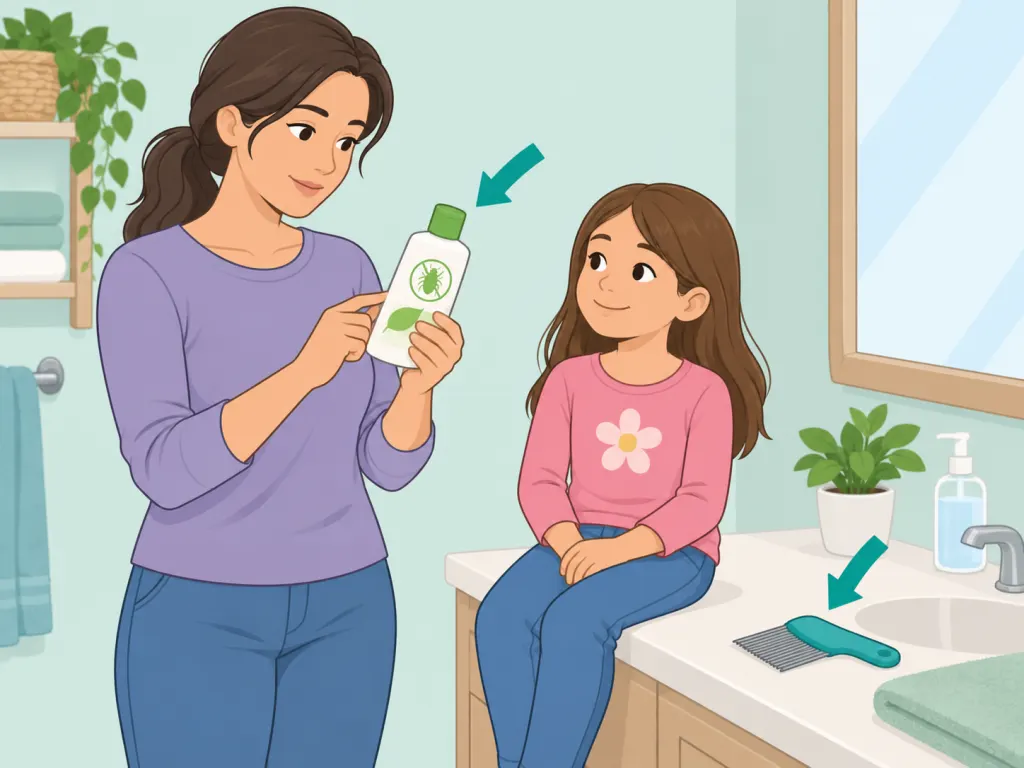
If you find live lice or nits close to the scalp, follow the label on the lice product exactly or ask a pharmacist or healthcare provider what is appropriate for your child's age. The CDC advises using lice medicine as directed, avoiding multiple products at the same time unless a clinician recommends it, and checking with a healthcare provider before caring for young children.
Step 7: Clean close-contact items and check the household
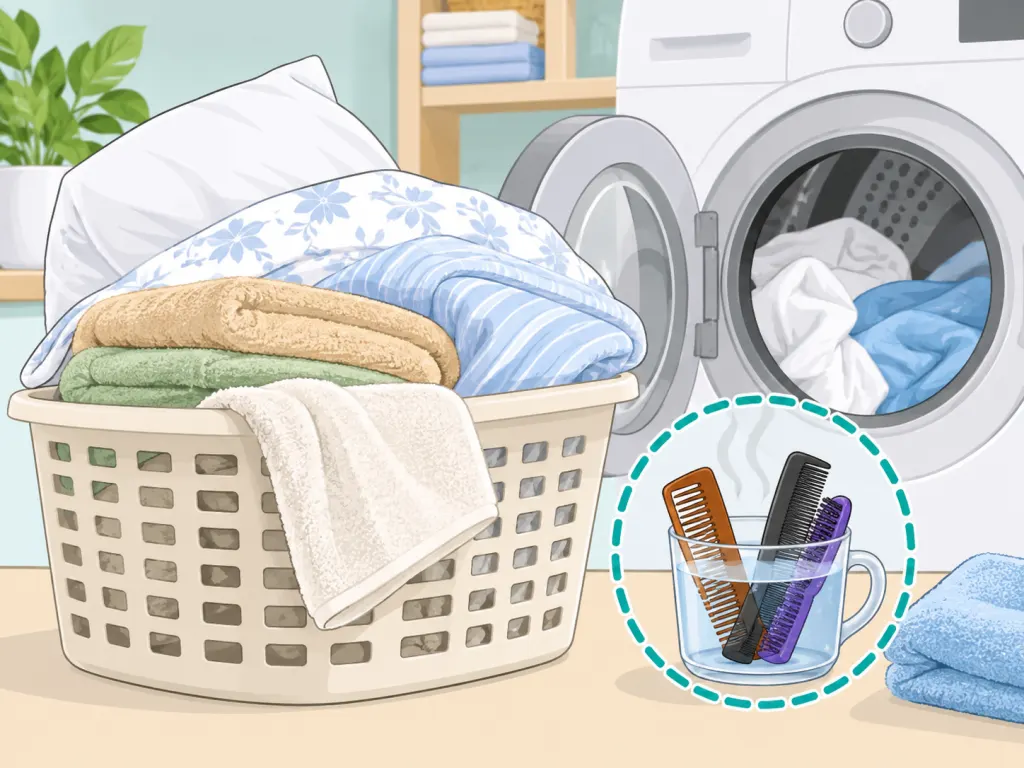
If lice are confirmed, check household members and close contacts, and care for people who are infested at the same time. Wash clothing, towels, bedding, and similar items used in the previous two days with hot water and high heat drying when possible, and soak combs or brushes in hot water as described in the CDC's prevention guidance. Avoid fumigant sprays or fogs, which the CDC says are unnecessary and can be toxic.
Step 8: Watch for symptoms and call a doctor when needed
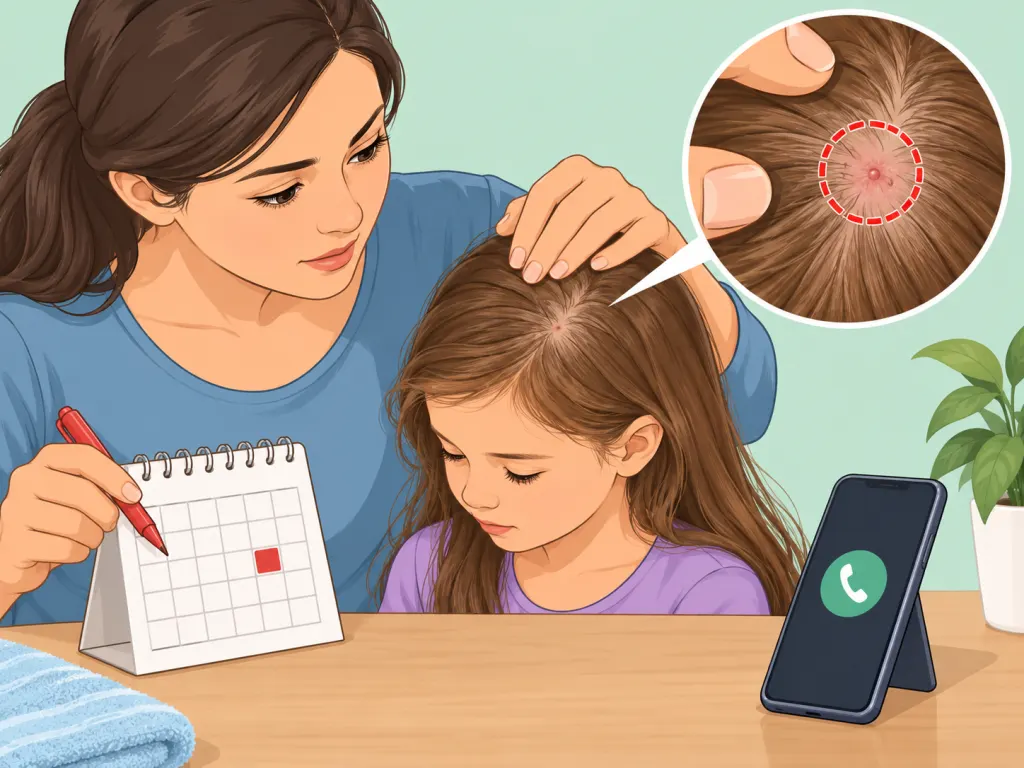
After a tick bite, watch over the next several weeks for rash, fever, headache, aches, joint pain, redness, or swollen lymph nodes. MedlinePlus recommends contacting a healthcare provider if these symptoms appear, if the tick cannot be fully removed, or if you have concerns about the bite. For lice, call a clinician if you are unsure what you found, your child's scalp looks infected, or live lice remain after correctly following product directions.
Wrap-Up
The bottom line: pause, look closely, remove only what is actually there, and avoid using lice products unless you confirm lice or a clinician advises it. If you find an attached tick, remove it promptly and watch for symptoms over the next several weeks.
Frequently Asked Questions
- → Does one bug in the hair always mean head lice?
No. Children can pick up lint, outdoor insects, or other debris in their hair. Head lice are best confirmed by finding a live crawling louse or nits firmly attached close to the scalp, according to the CDC's head lice guidance.
- → Can head lice jump or fly?
No. Head lice move by crawling and usually spread through direct head-to-head contact, not by jumping or flying, according to the CDC.
- → Should I use lice shampoo right away?
Use a lice product only when you have an active infestation or a health professional tells you to use one. The CDC advises following the product label carefully and checking with a healthcare provider before using lice medicine on young children.
- → What if the bug is attached to the scalp?
If it looks like an attached tick, remove it as soon as possible with clean tweezers close to the skin and pull with steady, even pressure. The CDC says not to use heat, petroleum jelly, nail polish, or similar substances to make a tick detach.
- → Do I need to clean the whole house after finding lice?
No major deep-cleaning is usually needed. The CDC recommends washing items used by the affected person during the two days before care, soaking combs and brushes in hot water, and vacuuming where the person sat or lay.
- → When should I call a doctor after a tick bite?
Call a doctor if your child develops a rash, fever, headache, joint pain, redness, or swollen lymph nodes after a tick bite, or if you cannot remove the tick completely. MedlinePlus also advises getting medical help if tick parts remain in the skin.