 Save
The short answer: for thyroid health, the foods most worth limiting or timing carefully are kelp and other very high-iodine seaweeds, large amounts of soy, very large servings of raw cruciferous vegetables, gluten-containing foods if celiac disease is present, coffee taken too close to prescribed thyroid tablets, and high-fiber or calcium- and iron-fortified foods taken at the wrong time. That does not mean these foods are harmful for everyone. The thyroid uses iodine to make hormones, and both too little and too much iodine can matter. The National Institute of Diabetes and Digestive and Kidney Diseases notes that people with Hashimoto’s disease or other autoimmune thyroid disorders may be sensitive to large amounts of iodine from kelp, dulse, other seaweeds, or iodine supplements NIDDK. The practical goal is not a rigid diet. It is a steady, varied eating pattern with a few smart boundaries.
Start With Context, Not a Forbidden List
Thyroid nutrition advice often sounds more certain than the evidence allows. A food can matter in one situation and be perfectly reasonable in another. For example, iodine is essential because thyroid hormones contain iodine, but the Office of Dietary Supplements explains that excessive iodine can also disturb thyroid function in susceptible people NIH Office of Dietary Supplements. Soy foods can be part of a balanced eating pattern, yet they may need careful timing for someone who takes levothyroxine. Cruciferous vegetables such as broccoli and cabbage contain compounds discussed as goitrogens, but ordinary servings are generally not the same as extreme intake.
This guide uses the phrase "avoid or limit" in a careful way. Some items are best limited because they can deliver very high iodine. Others are not foods to fear; they are foods to separate from a prescription routine if your clinician has given you one. If you have thyroid blood tests that are changing, new neck swelling, unexplained symptoms, pregnancy-related questions, or a known thyroid diagnosis, individual advice matters more than any general food list.
1. Kelp, Dulse, and Other High-Iodine Seaweeds
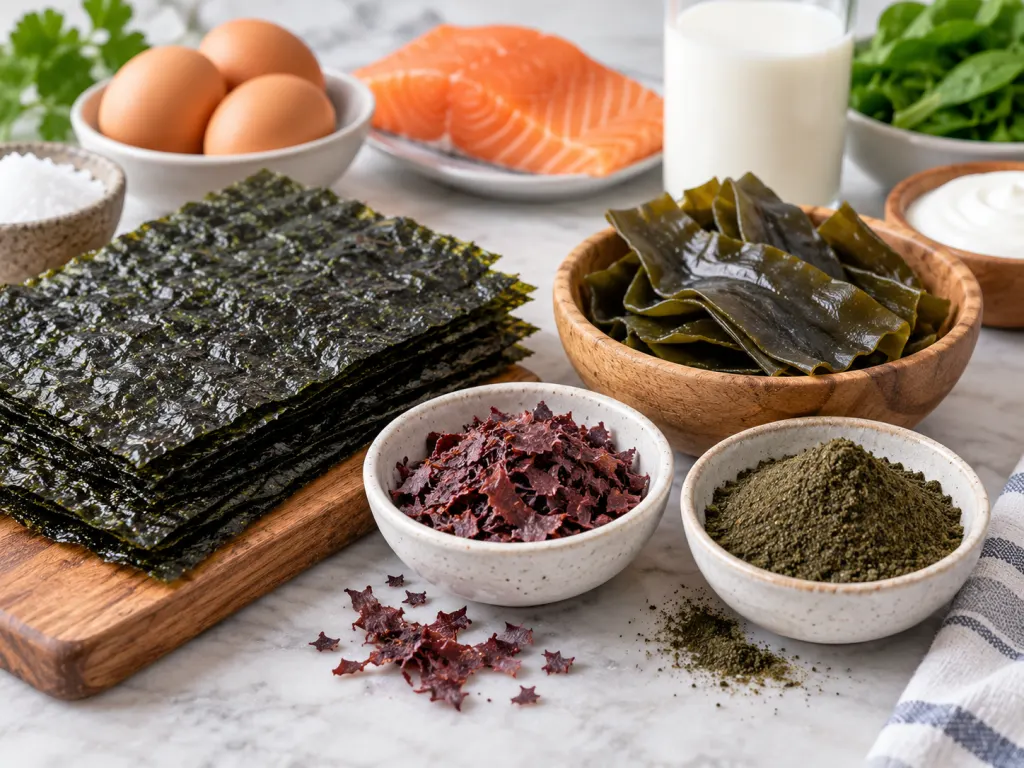
Seaweed deserves the first place because iodine content can be high and variable. Kelp tablets, kelp powders, dulse flakes, sea moss blends, and seaweed-heavy snacks are not all nutritionally equivalent. The NIDDK specifically names kelp, dulse, and other seaweeds as high-iodine foods that may worsen hypothyroidism in people with Hashimoto’s disease or other autoimmune thyroid disorders NIDDK Hashimoto’s disease guide. The concern is not a single sheet of nori in sushi for most people. The concern is frequent, concentrated, or supplement-like use when iodine intake is already adequate or when the thyroid is sensitive.
Practical limit: treat seaweed as a concentrated ingredient, not an everyday wellness shortcut. If you enjoy seaweed, use small culinary amounts and avoid stacking several iodine sources in the same routine unless your health professional has reviewed it. Be especially cautious with products that do not clearly state iodine content, because sea vegetables can vary widely by species, growing water, and processing method.
2. Soy Foods in Large Amounts or at the Wrong Time
Soy foods include tofu, tempeh, edamame, soy milk, soy yogurt, soy protein powders, and meat substitutes made with soy isolate. The most balanced takeaway is that soy is not automatically off-limits. Mayo Clinic states that there is no evidence that people with hypothyroidism need to avoid soy completely, while also noting that soy can affect absorption of synthetic thyroid hormone if taken too close to thyroid medicine Mayo Clinic News Network. NIDDK’s Hashimoto’s page also lists soy among examples of foods or supplements that can affect how the body absorbs levothyroxine NIDDK.
Practical limit: avoid turning soy into every meal’s main protein unless it suits your wider nutrition needs and your clinician is comfortable with your thyroid plan. If you take a prescribed thyroid tablet, ask your pharmacist or clinician what timing they recommend for soy milk, soy protein shakes, or tofu-heavy breakfasts. For many people, the answer is timing and consistency, not elimination.
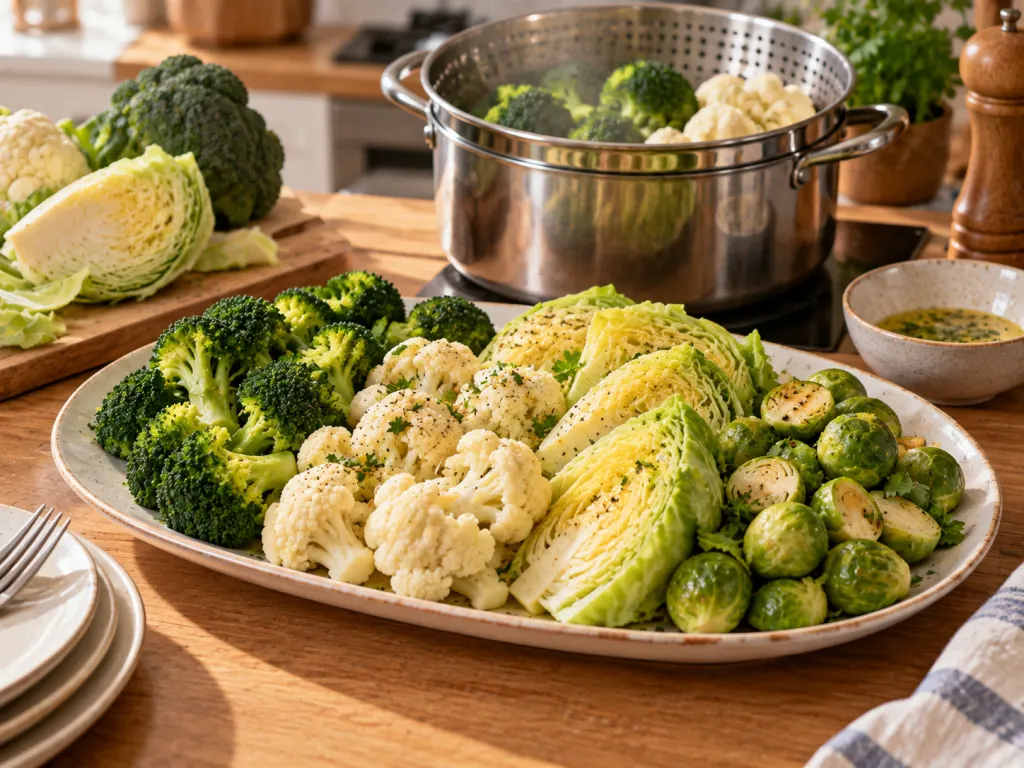
3. Very Large Amounts of Raw Cruciferous Vegetables
Broccoli, cabbage, cauliflower, kale, Brussels sprouts, bok choy, turnips, and collard greens are cruciferous vegetables. They are often named in thyroid food lists because they contain glucosinolates, which can break down into compounds that interact with iodine handling. The NIH Office of Dietary Supplements notes that foods containing goitrogens, including soy, cassava, and cruciferous vegetables, are mainly a concern for people with marginal iodine status; for most people with adequate iodine intake who eat varied diets, reasonable amounts are not a concern NIH Office of Dietary Supplements. Oregon State University’s Linus Pauling Institute similarly notes that thyroid concerns are most relevant with very high intake or iodine deficiency, and cites a human study in which cooked Brussels sprouts did not adversely affect thyroid function Linus Pauling Institute.
Practical limit: do not make raw kale smoothies, cabbage slaws, and broccoli sprouts the backbone of every day if you are already worried about iodine status or thyroid results. Cooking helps change some of the plant compounds and also makes very large portions less likely. A normal serving of cooked broccoli or cauliflower at dinner is a very different pattern from large raw servings multiple times a day.
4. Gluten-Containing Foods When Celiac Disease Is Present
Gluten is found in wheat, barley, and rye, including many breads, pastas, crackers, baked goods, and breaded foods. Gluten is not a universal thyroid problem. The more precise point is that celiac disease is more common in people with autoimmune thyroid diseases than in the general population, and celiac disease itself is triggered by gluten. NIDDK explains that celiac disease is a chronic digestive and immune disorder triggered by foods containing gluten, and its overview notes that people with celiac disease can have other immune-related conditions, including thyroid diseases such as Hashimoto’s disease and Graves’ disease NIDDK celiac disease guide.
Practical limit: do not start a gluten-free diet simply because a thyroid article said so. If symptoms, family history, or lab patterns raise the question of celiac disease, testing is usually best discussed before removing gluten, because diet changes can affect the usefulness of evaluation. If celiac disease is confirmed, gluten avoidance becomes a specific medical nutrition need, not a thyroid trend.
5. Coffee or Caffeinated Drinks Too Close to Thyroid Tablets
Coffee, espresso, tea, and some energy drinks can matter because of timing. The NHS advises taking levothyroxine on an empty stomach before the first meal of the day or any drink with caffeine, such as tea or coffee NHS. This does not mean coffee harms the thyroid. It means the morning routine can get crowded: tablet, water, breakfast, supplements, and coffee may all compete for the same few minutes.
Practical limit: if you take thyroid medicine, keep the routine boring and consistent. Water first, then follow the timing your prescriber or pharmacist gave you before coffee or breakfast. If your schedule makes that impossible, ask about an alternate routine rather than improvising. Consistency helps your clinician interpret follow-up blood work because the pattern around food and drink is less likely to change from week to week.
6. High-Fiber Meals and Calcium- or Iron-Fortified Foods at the Wrong Time
Fiber-rich foods are not bad for thyroid health. Beans, lentils, oats, berries, vegetables, seeds, and whole grains can belong in a nutritious pattern. The timing issue appears when a very high-fiber meal sits right next to prescribed thyroid tablets. Mayo Clinic notes that walnuts and an excess of dietary fiber can impair absorption of thyroid hormone replacement medication, and it also names calcium and iron supplements as products that may need separation from thyroid medication Mayo Clinic News Network. NIDDK also lists multivitamins containing iron or calcium among items that can affect levothyroxine absorption NIDDK.
Practical limit: watch fortified breakfast cereals, calcium-fortified juices, fortified plant milks, iron-fortified bars, and supplement-like nutrition shakes if they sit in the same window as your thyroid tablet. These foods can still be useful in a diet, but they may belong later in the day depending on your care plan. A simple written routine can help: tablet and water, then breakfast later, then mineral-containing foods or supplements at the time your clinician recommends.
A Simple Thyroid-Friendly Kitchen Checklist
Instead of memorizing a long list of forbidden foods, build a kitchen pattern that lowers the chance of extremes. These steps are deliberately ordinary, because thyroid eating habits usually work best when they can be repeated.
- Use seaweed as an occasional ingredient, not a daily concentrated add-in.
- Keep soy servings moderate and time them consistently if you take thyroid medicine.
- Cook cruciferous vegetables often, especially if you eat them frequently.
- Do not remove gluten unless celiac disease, allergy, intolerance, or clinician guidance gives you a clear reason.
- Keep coffee and caffeinated drinks out of the immediate thyroid-tablet window if you use levothyroxine.
- Notice fortified foods, calcium, and iron near your morning routine, not just pills or supplements.

What This Means for Real Meals
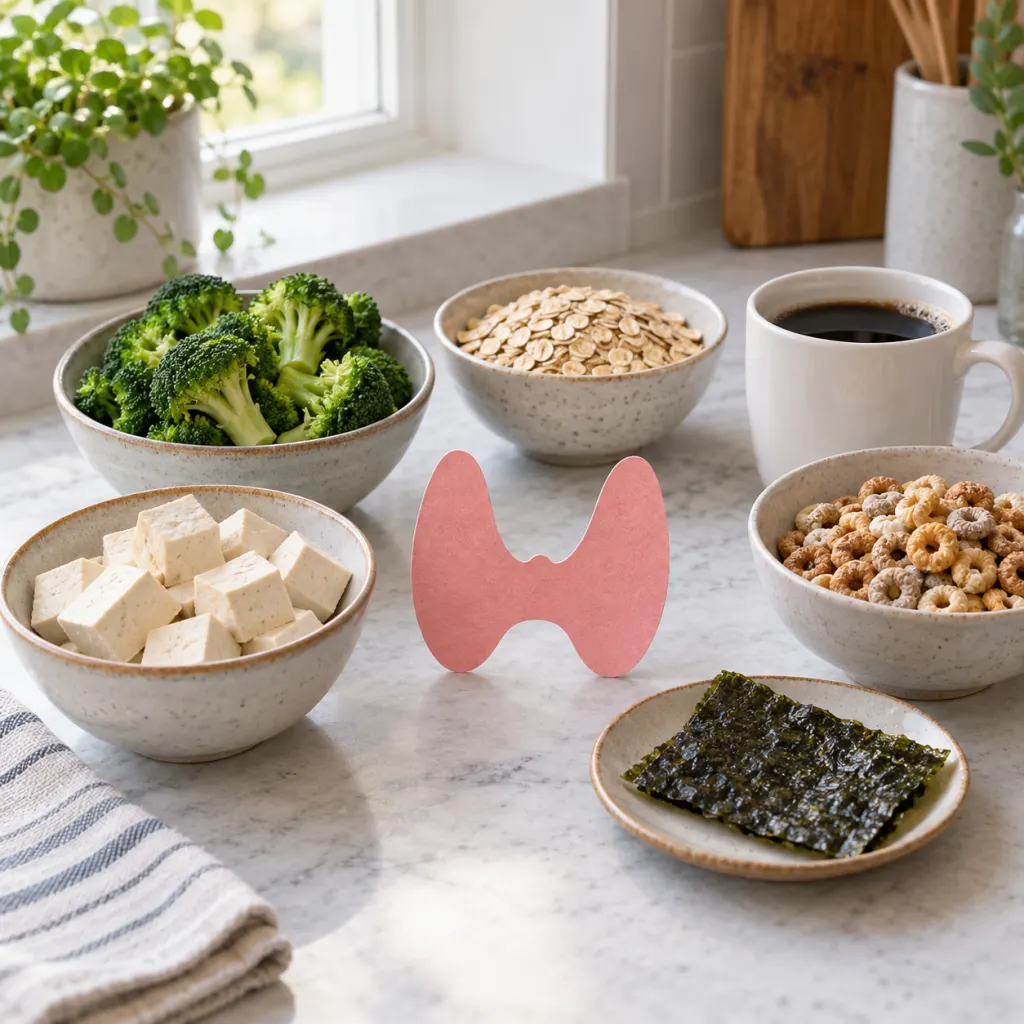
A thyroid-aware breakfast might be oatmeal with berries later in the morning rather than immediately after a thyroid tablet. A lunch could include tofu and vegetables if soy timing is handled consistently. Dinner might include cooked broccoli, rice, fish, beans, or poultry without needing to count every cruciferous bite. The point is to reduce extremes: less concentrated kelp, less supplement-style iodine, fewer giant raw cruciferous servings, and less crowding around prescribed tablets.
For people without a diagnosed thyroid condition, the same advice becomes even simpler: eat a varied diet, avoid excessive iodine supplements unless recommended, and do not treat online food lists as a diagnosis. For people with Hashimoto’s disease, Graves’ disease, thyroid surgery history, or changing thyroid labs, the right food boundaries can be more personal. That is where a clinician or registered dietitian can connect your meals with your test results and prescriptions.
When to Ask for Individual Guidance
Ask for personalized guidance if you are taking thyroid medicine and your routine includes soy protein shakes, high-fiber supplements, calcium-fortified drinks, iron-fortified products, or concentrated seaweed. Also ask if you are considering a gluten-free diet, because testing for celiac disease is easier to interpret before gluten is removed. If you have thyroid symptoms, do not try to solve them with food rules alone; thyroid conditions are assessed with history, exam, and blood tests, not a shopping list.
The Bottom Line
The most evidence-based thyroid food advice is measured, not dramatic. Limit concentrated iodine from kelp and seaweed products if you are at risk or have been advised to do so. Time soy, coffee, high-fiber meals, and calcium- or iron-fortified foods carefully if you take prescribed thyroid tablets. Treat cruciferous vegetables as normal foods unless intake is unusually high or iodine intake is low. Treat gluten as a specific issue when celiac disease or another clear reason is present. Most of all, avoid dietary extremes and keep your care team in the loop when you make major changes.
Wrap-Up
For thyroid health, the strongest food cautions involve excess iodine from kelp or other seaweeds, crowded timing around prescribed thyroid tablets, and gluten only when celiac disease or another clear reason applies. Soy, cruciferous vegetables, coffee, fiber, calcium, and iron are not automatically harmful. They simply need context, moderation, and consistent timing for people managing a thyroid condition.
Frequently Asked Questions
- → Do I need to avoid soy completely for thyroid health?
Usually no. Mayo Clinic notes that people with hypothyroidism do not need to avoid soy completely, but soy may need careful timing for people who take prescribed thyroid tablets. Ask your clinician or pharmacist what timing fits your routine.
- → Are broccoli, kale, and cabbage bad for the thyroid?
Ordinary servings are generally not the concern. The bigger issue is very high intake, especially raw, in someone with low iodine intake or a thyroid condition. Cooking cruciferous vegetables and eating a varied diet is a practical middle ground.
- → Why is seaweed treated differently from other vegetables?
Seaweed can contain large and variable amounts of iodine. Because the thyroid uses iodine, both too little and too much can matter in susceptible people. Kelp, dulse, sea moss products, and seaweed powders are best treated as concentrated iodine sources.
- → Should everyone with thyroid concerns go gluten-free?
No. Gluten matters clearly when celiac disease is present or another individual reason has been identified. If celiac disease is a possibility, discuss testing before removing gluten, because diet changes can affect evaluation.
- → Can coffee affect thyroid medicine?
Coffee does not harm the thyroid by itself, but caffeine-containing drinks can interfere with a morning thyroid-tablet routine. The NHS advises taking levothyroxine before the first meal or caffeinated drink of the day. Follow the schedule your prescriber gives you.
References
This content was developed and refined using reliable sources.
- https://www.niddk.nih.gov/health-information/endocrine-diseases/hypothyroidism
- https://www.niddk.nih.gov/health-information/endocrine-diseases/hashimotos-disease
- https://ods.od.nih.gov/factsheets/Iodine-HealthProfessional
- https://newsnetwork.mayoclinic.org/discussion/mayo-clinic-q-and-a-hypothyroidism-and-dietary-challenges
- https://www.nhs.uk/medicines/levothyroxine
- https://www.niddk.nih.gov/health-information/digestive-diseases/celiac-disease
- https://lpi.oregonstate.edu/mic/food-beverages/cruciferous-vegetables