 Save
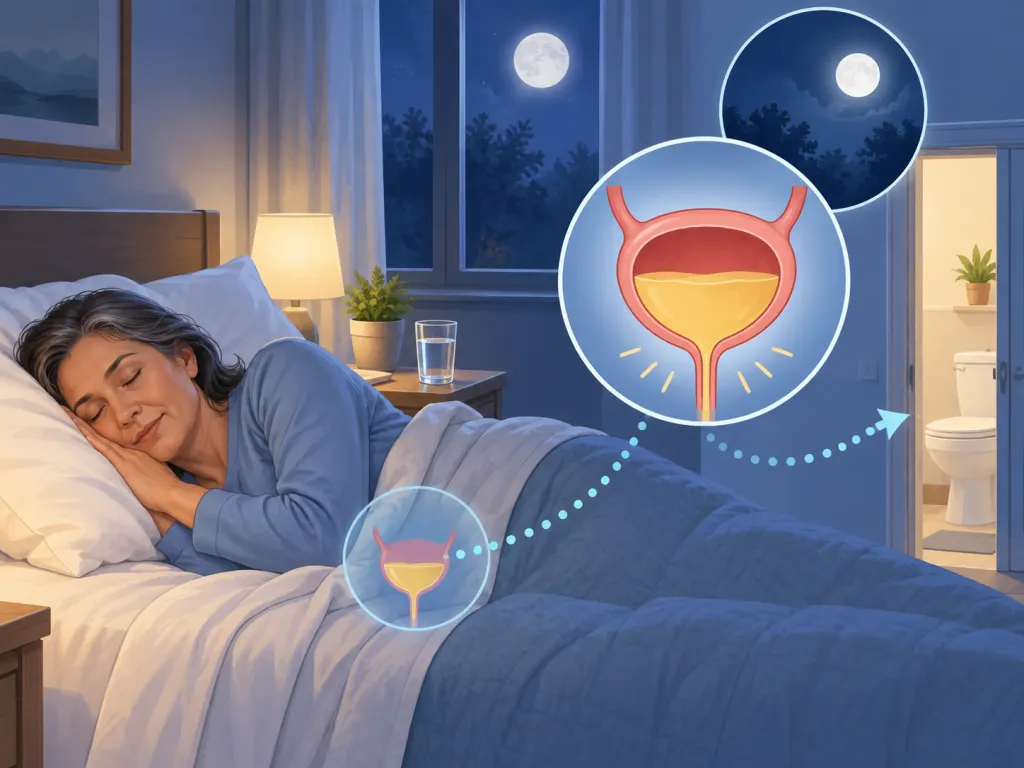
If you are urinating a lot at night, the most useful first step is to separate a one-off bad night from a pattern. Nocturia means waking from sleep to urinate, and many clinicians pay closer attention when it happens two or more times a night or starts to disturb sleep. The reason is not always the bladder itself. Evening drinks, caffeine, alcohol, sleep apnea, bladder storage changes, prostate or pelvic floor issues, diabetes, swelling in the legs, and some prescriptions can all be involved. The goal is not to guess the cause from one symptom, but to track the pattern and bring clear details to a qualified health professional.
What Counts as Too Much Nighttime Urination?
Nighttime urination varies by age, sleep schedule, fluid intake, and individual health. Cleveland Clinic describes nocturia as waking to urinate more than usual, with two or more nighttime bathroom trips often used as a practical threshold when the pattern is persistent or bothersome: https://my.clevelandclinic.org/health/diseases/14510-nocturia. One trip after a late glass of water is usually less concerning than a new pattern of multiple trips, poor sleep, daytime tiredness, or urgency that feels hard to control. It also matters whether you pass a large amount each time or only a small amount. Large volumes can point toward nighttime urine production, while small frequent trips may point toward bladder storage, irritation, or waking for another reason and deciding to urinate while already awake.

The Most Common Buckets of Causes
Nocturia is easier to understand when you group the possibilities instead of trying to memorize every diagnosis. A clinician may think in several broad buckets:
- Timing and habits: larger evening drinks, caffeine, alcohol, carbonated drinks, late salty meals, or a habit of going whenever you wake.
- Nighttime urine production: the body may make more urine during the night, especially with fluid shifts from swollen legs or certain health conditions.
- Bladder storage: the bladder may signal urgency before it is comfortably full, or it may not empty completely.
- Sleep disruption: a person may wake because of snoring, breathing pauses, insomnia, discomfort, or restless sleep, then notice the need to urinate.
- Body changes: aging, prostate enlargement, pelvic floor changes, menopause, childbirth history, constipation, or mobility limitations can all shape the pattern.
NIDDK notes that bladder control problems can include waking to use the bathroom, difficulty urinating, leakage, pain, and trouble emptying the bladder, and that causes can include lifestyle factors and health changes: https://www.niddk.nih.gov/health-information/urologic-diseases/bladder-control-problems/symptoms-causes.
Why Sleep Apnea Belongs in the Conversation
Many people assume nighttime bathroom trips are always a urinary tract problem, but sleep quality can be central. NHLBI lists waking often during the night to urinate among symptoms that can occur with sleep apnea, along with loud snoring, breathing that starts and stops, gasping, morning headache, and daytime sleepiness: https://www.nhlbi.nih.gov/health/sleep-apnea/symptoms. This does not mean every person with nocturia has sleep apnea. It does mean that snoring, witnessed breathing pauses, waking unrefreshed, and daytime drowsiness are worth mentioning. If the main issue is repeated awakenings, the bladder may be only part of the story.
When the Amount of Urine Matters
Two people can both wake three times and have very different patterns. One may pass a full bladder each time, while another may pass only a small amount after waking for another reason. Cleveland Clinic notes that clinicians may ask about timing, caffeine, alcohol, sleep disruption, and whether the amount of urine is large or small, and may also suggest a bladder diary: https://my.clevelandclinic.org/health/diseases/14510-nocturia. A diary can be surprisingly useful because memory gets blurry at 3 a.m. Track bedtime, wake time, drinks, bathroom trips, urgency, leakage if present, and any leg swelling or snoring clues. If you can safely measure urine volume with a clean container, that information can help a clinician distinguish volume from frequency, but do not do anything that creates a fall risk at night.
Health Clues That Should Not Be Ignored
Frequent urination can appear with several health issues, so context matters. CDC lists frequent urination, increased thirst, fatigue, blurry vision, and unintended weight loss among symptoms that can occur with diabetes: https://www.cdc.gov/diabetes/signs-symptoms/index.html. NIDDK also notes that bladder problems can relate to diabetes, prostate enlargement, urinary tract infections, kidney stones, chronic kidney disease, obstructive sleep apnea, and other conditions: https://www.niddk.nih.gov/health-information/urologic-diseases/bladder-control-problems/definition-facts. Do not use nocturia alone to label yourself with any condition. Use it as a signal to look at the whole picture, especially if the pattern is new, worsening, or paired with thirst, fatigue, pain, blood in urine, fever, or trouble emptying the bladder.
Practical Changes That May Reduce Night Trips
Some changes are simple enough to discuss and try, especially when symptoms are mild and there are no warning signs. Move most fluids earlier in the day rather than drinking heavily in the last two hours before bed. Notice whether evening caffeine, alcohol, or carbonated drinks make the night worse, since Cleveland Clinic includes these among common contributors to nocturia: https://my.clevelandclinic.org/health/diseases/14510-nocturia. If your legs swell during the day, ask whether afternoon leg elevation or compression stockings are appropriate for you. Make the route to the bathroom safer with clear floors, good lighting, and stable footwear. If constipation is present, mention it, because bowel pressure and pelvic floor strain can worsen urinary symptoms for some people. For a broader view of nighttime body symptoms, you may also find Why Feet Cramp at Night helpful.

When to Seek Care Promptly
Some symptoms deserve faster attention. NIDDK advises seeing a health care professional for bladder problem symptoms such as trouble urinating, loss of bladder control, waking to use the bathroom, pelvic pain, or leaking urine, and it highlights urgent concerns such as inability to pass urine, urinating very often, blood in urine, and bladder infection symptoms including painful urination: https://www.niddk.nih.gov/health-information/urologic-diseases/bladder-control-problems/symptoms-causes. Sudden nighttime urination with severe weakness, confusion, chest discomfort, shortness of breath, or one-sided swelling also deserves urgent medical guidance. The safest framing is simple: if the symptom is new, severe, paired with pain or blood, or keeping you from normal sleep, get evaluated.
What a Clinician May Ask
A visit for nocturia is usually a pattern-finding conversation. Expect questions about how long it has been happening, how many times you wake, whether you wake because you need to urinate or urinate because you are awake, how much you pass, what you drink and when, and whether you have urgency, leakage, burning, blood, pelvic discomfort, snoring, or daytime sleepiness. Cleveland Clinic notes that evaluation may include a health history, physical exam, bladder diary, urinalysis, blood tests, or imaging to see whether the bladder empties: https://my.clevelandclinic.org/health/diseases/14510-nocturia. That process is not about embarrassment. It is about matching the next step to the most likely cause rather than guessing.
How to Make Nights Safer While You Sort It Out
Repeated bathroom trips can make falls more likely, especially in the dark or when you are half asleep. Keep a clear path from bed to bathroom, use a night light, secure loose rugs, and place glasses or mobility aids within reach before bed. If you feel dizzy when standing, sit at the edge of the bed before walking and tell a clinician. Avoid rushing. It is also reasonable to think about sleep habits: keep bedtime consistent, limit screens close to bed if they wake you up, and note whether stress, noise, or discomfort is the first thing that wakes you. Sometimes the best clue is not the bathroom trip itself, but what happened in the hour before it.
The Bottom Line
Urinating a lot at night is common, but it is not something you have to dismiss as normal aging or willpower. A pattern of repeated nighttime bathroom trips can reflect fluid timing, sleep disruption, bladder storage changes, prostate or pelvic factors, diabetes, leg swelling, or other health issues. The most helpful next move is practical: track the pattern for a few days, make safe low-risk adjustments around evening fluids and nighttime lighting, and bring the details to a qualified health professional if it persists, worsens, or comes with warning signs. For related context, see What Urine Color Can Tell You About Your Health.
Wrap-Up
Nocturia is not a diagnosis by itself. It is a pattern: waking from sleep to urinate, especially when it happens repeatedly or disrupts rest. The cause may be as simple as late fluids or evening caffeine, but it can also involve sleep apnea, bladder control changes, prostate or pelvic floor issues, diabetes, swelling that shifts fluid at night, or other health concerns. A three-day diary gives you and your clinician better information than guesswork. Seek care promptly for blood in urine, painful urination, inability to pass urine, sudden major changes, or symptoms that affect safety or sleep.
Frequently Asked Questions
- → Is it normal to wake up once to urinate?
For many adults, waking once can happen, especially after evening fluids. A pattern of two or more trips, poor sleep, urgency, pain, blood in urine, or a sudden change is more worth discussing with a qualified health professional.
- → Can drinking less water solve nocturia?
Changing fluid timing may help some people, but avoiding fluids all day is not a good plan. A better approach is to drink normally earlier, reduce large drinks close to bedtime, and ask for care if the pattern continues or comes with other symptoms.
- → Why do I urinate at night but not much during the day?
Possible explanations include evening fluid timing, sleep disruption, nighttime fluid shifts from swollen legs, or the body making more urine overnight. A diary of drinks, sleep, and bathroom trips can help clarify the pattern.
- → Can sleep problems make nighttime urination worse?
Yes. Sleep apnea and other sleep disruptions can cause repeated awakenings, and a person may then notice the need to urinate. Loud snoring, gasping, morning headaches, and daytime sleepiness are useful details to report.
- → When should I get checked for frequent nighttime urination?
Get checked if it is new, worsening, disrupting sleep, or paired with thirst, fatigue, pain, fever, blood in urine, leakage, trouble starting, or trouble emptying. Seek urgent guidance if you cannot pass urine.
References
This content was developed and refined using reliable sources.
- https://my.clevelandclinic.org/health/diseases/14510-nocturia
- https://www.niddk.nih.gov/health-information/urologic-diseases/bladder-control-problems/symptoms-causes
- https://www.niddk.nih.gov/health-information/urologic-diseases/bladder-control-problems/definition-facts
- https://www.nhlbi.nih.gov/health/sleep-apnea/symptoms
- https://www.cdc.gov/diabetes/signs-symptoms/index.html