 Save
The safest answer is simple: do not wait for a pattern or a one-month countdown. Stroke warning signs usually appear suddenly, and brief symptoms can still signal a transient ischemic attack, or TIA, that needs urgent medical evaluation. The CDC lists sudden numbness or weakness, confusion, speech trouble, vision trouble, dizziness or balance loss, walking trouble, and sudden severe headache as stroke symptoms that call for immediate help (CDC). This article explains eight signs to act on, why symptoms that disappear still matter, and nine practical ways to lower stroke risk without turning a health concern into panic.
First: Do Not Wait a Month
The phrase “warning signs a month earlier” can be misleading. Some people do have temporary stroke-like symptoms before a later stroke, but no reliable public-health authority says people can safely watch symptoms for weeks at home. MedlinePlus explains that a TIA causes stroke-like symptoms for a short time and can be a warning sign of a future stroke, often in the near future (MedlinePlus). Cleveland Clinic similarly describes TIA as a medical emergency, not a minor event to sleep off (Cleveland Clinic).
The 8 Signs to Treat as Urgent
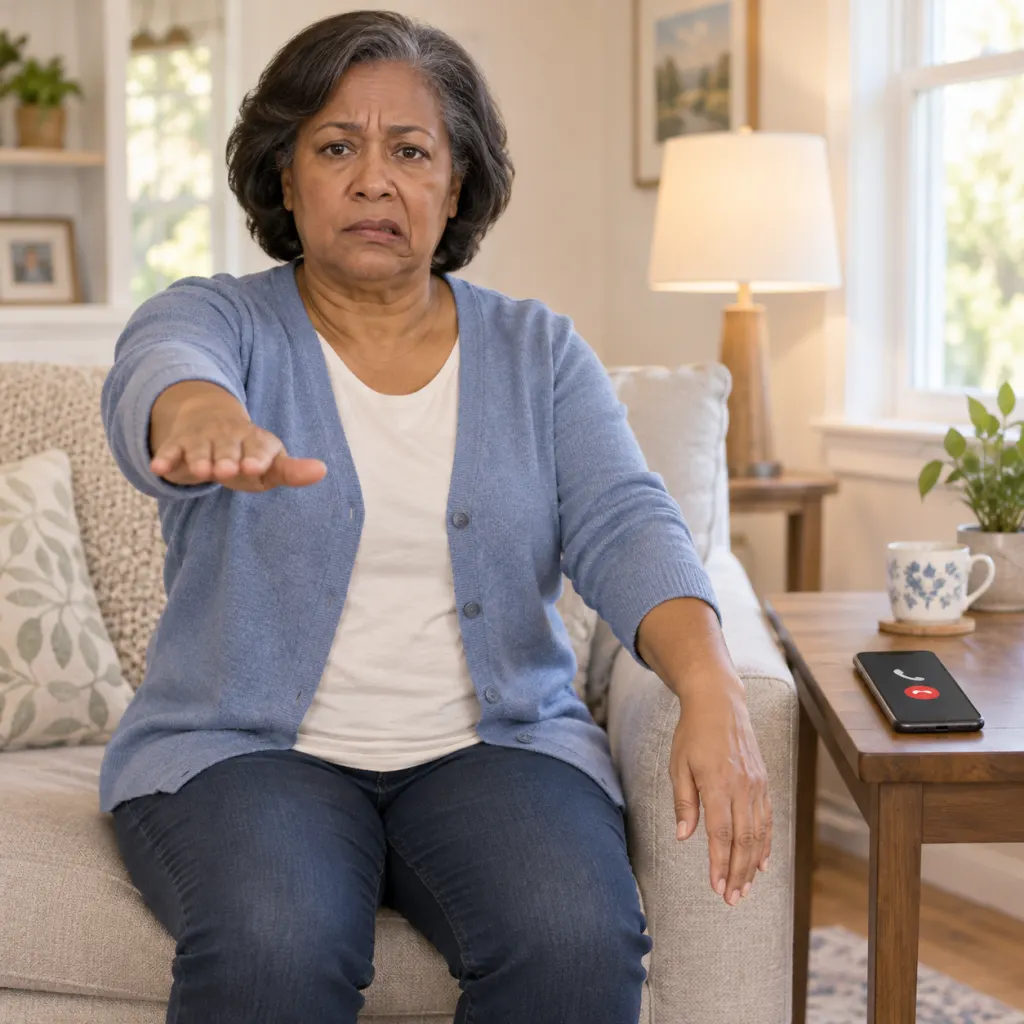
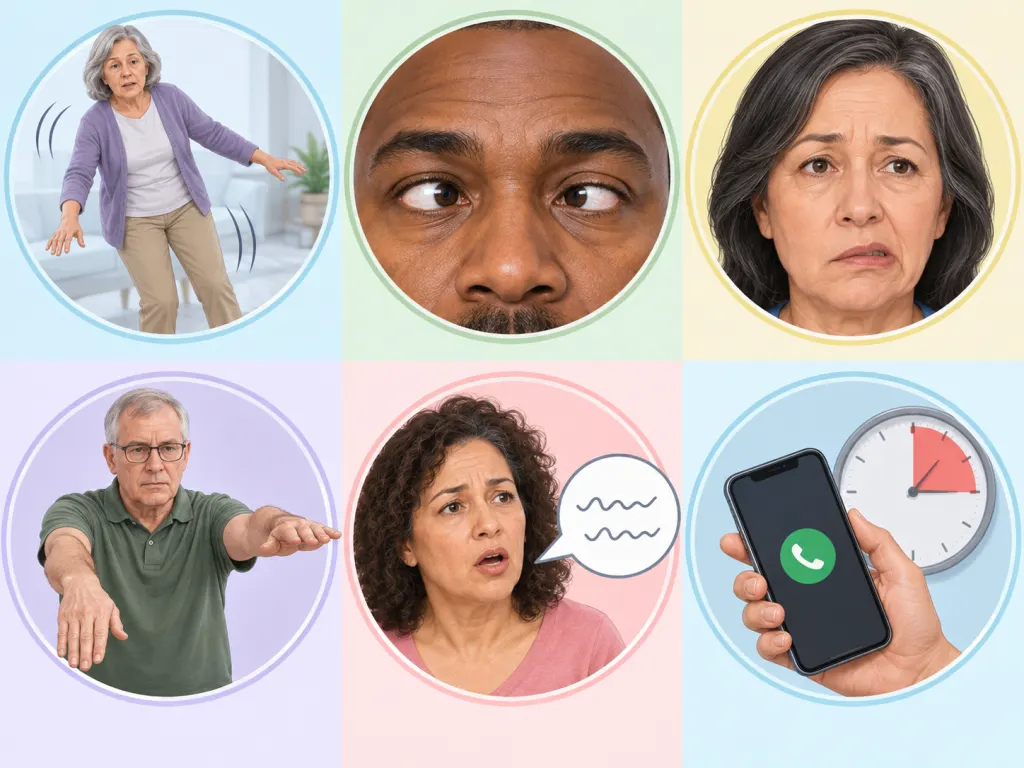
Stroke symptoms can look different from person to person, but the common feature is sudden change. The American Heart Association uses B.E. F.A.S.T. to highlight balance, eye, face, arm, speech, and time-to-call-911 signs (American Heart Association). Watch for these eight warning signs:
- Face drooping or facial numbness: one side of the smile looks uneven or the face feels suddenly weak.
- Arm or leg weakness: one arm drifts down, one leg feels unreliable, or one side of the body becomes weak.
- Sudden numbness or tingling on one side: especially when it affects the face, arm, or leg together.
- Speech difficulty: slurred speech, unusual words, or trouble forming a simple sentence.
- Trouble understanding speech: the person seems confused by ordinary questions or cannot follow conversation.
- Vision changes: sudden blurred, darkened, double, or lost vision in one or both eyes.
- Dizziness, balance loss, or poor coordination: especially when it appears without an obvious cause.
- A sudden severe headache: particularly a headache that is unusual for the person or comes with vomiting, dizziness, or altered alertness.
Why Brief Symptoms Still Matter
One of the easiest mistakes is to relax when symptoms fade. A TIA can last only minutes, and MedlinePlus notes that symptoms may go away and occur again later (MedlinePlus). Mayo Clinic also emphasizes seeking emergency care even if symptoms come and go or disappear completely, because symptoms alone cannot confirm whether the event was a TIA or a stroke (Mayo Clinic).
If you are with someone who may be having a stroke, note the time symptoms began, keep the person safe while waiting, and call emergency services. The CDC advises calling 9-1-1 rather than driving the person to the hospital, because emergency personnel can begin care on the way and route the person appropriately (CDC). For related reading, see 10 Early Warning Signs of a Stroke and Stroke Warning Signs: What to Notice Fast.

How Stroke Risk Builds Over Time
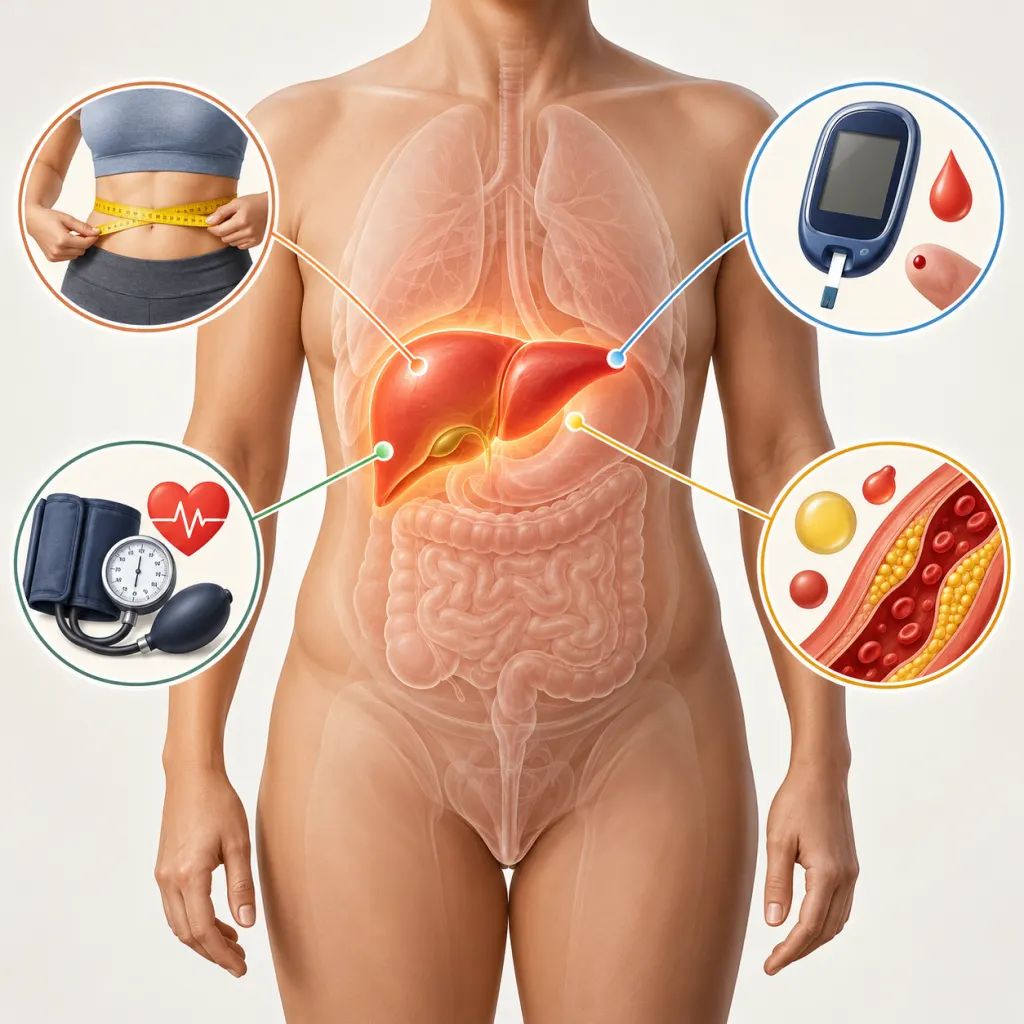
Stroke happens when blood flow to part of the brain is blocked or when a blood vessel in the brain bleeds. WHO describes stroke as a medical emergency and lists high blood pressure, tobacco use, high LDL cholesterol, high sodium intake, high blood glucose, excess body weight, physical inactivity, harmful alcohol use, kidney dysfunction, and air pollution among major modifiable risk factors (WHO). Some factors, such as age or family history, cannot be changed. Others can be measured, managed, and revisited with a clinician.
9 Ways to Lower Stroke Risk Over Time
These steps are not emergency care and they are not guarantees. They are practical risk-lowering habits and medical follow-up points supported by public-health guidance. Use them as a conversation starter with a qualified professional:
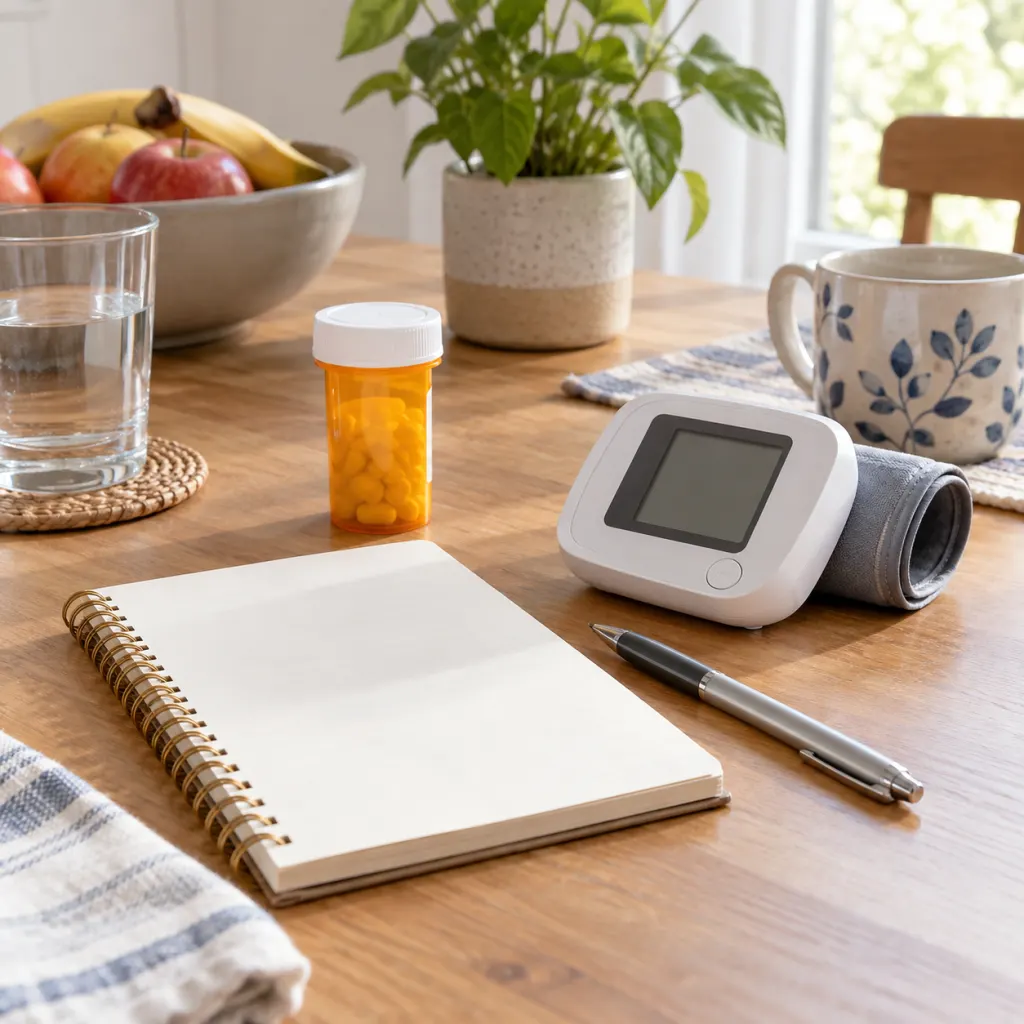
- Know your blood pressure: high blood pressure often has no symptoms, and the CDC calls it a leading cause of stroke (CDC).
- Keep cholesterol checks on schedule: cholesterol can contribute to artery narrowing, and testing helps guide personal decisions.
- Manage diabetes if you have it: blood sugar, blood pressure, and cholesterol often need to be considered together.
- Ask about heart rhythm concerns: atrial fibrillation and other heart conditions can raise stroke risk.
- Do not use tobacco: smoking and secondhand smoke exposure are linked with higher stroke risk.
- Move regularly: the CDC describes regular physical activity as helpful for weight, cholesterol, and blood pressure; WHO names 150 minutes of moderate-intensity activity per week as a useful target for many adults (CDC, WHO).
- Build meals around plants and less salt: fruits, vegetables, whole grains, and lower sodium choices support blood pressure and overall cardiovascular health.
- Limit alcohol: heavy alcohol use can raise blood pressure and stroke risk.
- Take prescribed medicines as directed: if you use medicine for blood pressure, cholesterol, diabetes, or heart disease, do not stop or change it without professional guidance.
Make the Plan Personal
A good stroke-risk plan is specific, not perfectionist. Ask your clinician which numbers matter most for you, how often to check blood pressure, whether cholesterol or diabetes testing is due, and whether symptoms such as loud snoring, irregular heartbeat sensations, or unusual exertional limits need evaluation. The CDC recommends working with a health care team to control conditions that raise stroke risk, including high blood pressure, high cholesterol, diabetes, and heart disease (CDC). For more context, see Warning Signs of Stroke and Ways to Lower Your Risk.

What to Do in the Moment
When symptoms are happening, the priority is speed and clarity. Do not ask the person to walk around to prove they are fine. Do not give food, drink, or pills unless emergency responders or a clinician instructs you. Note the last time the person seemed well, gather medication and allergy information if it is immediately available, unlock the door, and stay nearby. Mayo Clinic and CDC guidance both stress that every minute matters and that emergency evaluation is needed even when symptoms improve (Mayo Clinic, CDC).
A Note on Uncertainty
Not every dizzy spell, headache, or vision change is a stroke. Inner-ear problems, migraine, low blood sugar, dehydration, medication effects, and other conditions can cause overlapping symptoms. The problem is that a person at home cannot reliably sort those possibilities during a sudden neurological change. That is why the action threshold is intentionally low: sudden one-sided weakness, speech trouble, face drooping, vision loss, severe unusual headache, or balance loss belongs in emergency care, not in a wait-and-see experiment.
The Bottom Line
The practical takeaway is not to fear every sensation. It is to recognize a sudden neurological change and act quickly. Stroke signs can be brief, they can come and go, and they can be missed by the person experiencing them. Over the longer term, the strongest plan is steady: measure and manage blood pressure, keep routine health checks, avoid tobacco, move often, choose lower-salt balanced meals, moderate alcohol, and work with a clinician on conditions such as diabetes, cholesterol, and atrial fibrillation.
Wrap-Up
Stroke warning signs are urgent because the brain depends on steady blood flow. A symptom that lasts minutes can still matter, especially if it involves one-sided weakness or numbness, face drooping, speech trouble, confusion, vision changes, dizziness, walking trouble, or a severe unusual headache. Call emergency services right away for sudden symptoms. For long-term risk reduction, focus on measurable health factors and sustainable habits with a qualified clinician.
Frequently Asked Questions
- → Can stroke warning signs really appear a month before?
Some people have temporary stroke-like symptoms before a later stroke, often described as a TIA. However, there is no safe one-month waiting period. Sudden symptoms should be treated as urgent even if they fade.
- → What is the fastest way to remember stroke signs?
B.E. F.A.S.T. is a useful memory aid: Balance, Eyes, Face, Arms, Speech, and Time to call emergency services. It does not cover every possible symptom, but it captures several common ones.
- → Should I call emergency services if symptoms go away?
Yes. Brief symptoms can still be important. Authorities such as the CDC, MedlinePlus, and Mayo Clinic advise urgent evaluation when stroke-like symptoms appear, even if they improve or disappear.
- → Are headache and dizziness always stroke symptoms?
No. Many conditions can cause headache or dizziness. The concern rises when symptoms are sudden, severe, unusual, or paired with one-sided weakness, speech trouble, confusion, vision changes, or poor coordination.
- → What long-term step matters most for many adults?
Blood pressure awareness is one of the most important starting points because high blood pressure often has no symptoms and is a major stroke risk factor. A clinician can help set an appropriate monitoring plan.
References
This content was developed and refined using reliable sources.
- https://www.cdc.gov/stroke/signs-symptoms/index.html
- https://www.cdc.gov/stroke/risk-factors/index.html
- https://www.cdc.gov/stroke/prevention/index.html
- https://medlineplus.gov/ency/article/000730.htm
- https://www.who.int/news-room/fact-sheets/detail/stroke
- https://www.mayoclinic.org/diseases-conditions/stroke/symptoms-causes/syc-20350113
- https://my.clevelandclinic.org/health/diseases/14173-transient-ischemic-attack-tia-or-mini-stroke
- https://newsroom.heart.org/facts/stroke