 Save
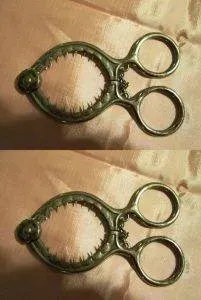
An egg topper cutter is a small kitchen tool that scores or cracks a neat circle around the top of a cooked egg. It is especially useful for serving eggs in egg cups, but it also works when you want a tidy opening for spooning. This guide shows you how to place, cut, and clean the tool while keeping basic egg safety in mind.
Step 1: Start with a clean cutter and work surface
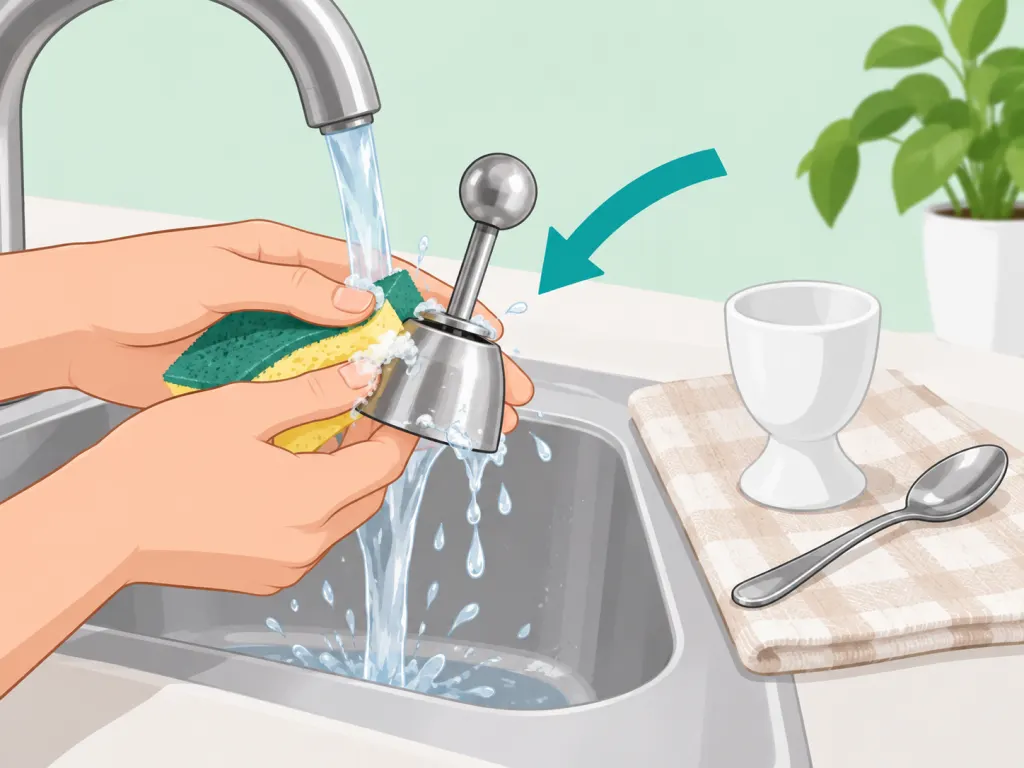
Wash your hands, the egg cup, and any utensils that will touch the egg before you begin. FoodSafety.gov recommends washing utensils and surfaces with hot, soapy water after they contact eggs, and the FDA advises not washing eggs because splashing can spread bacteria around the sink area: FoodSafety.gov cleaning guidance and FDA food safety at home guidance.
Step 2: Cook the egg to your intended doneness
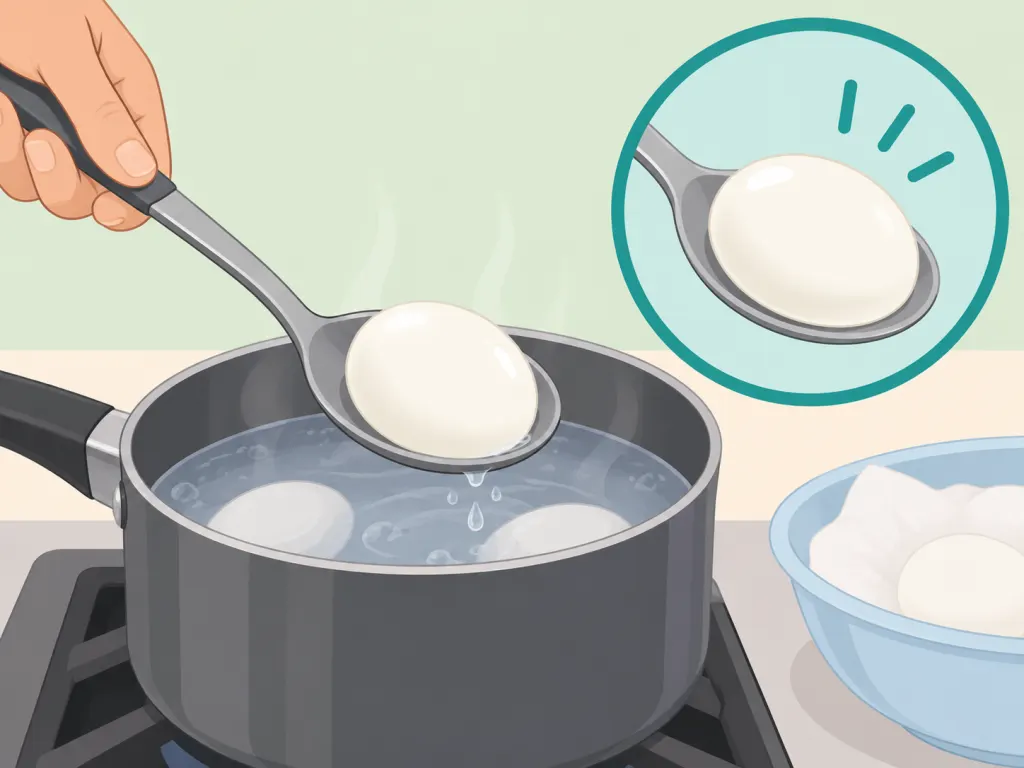
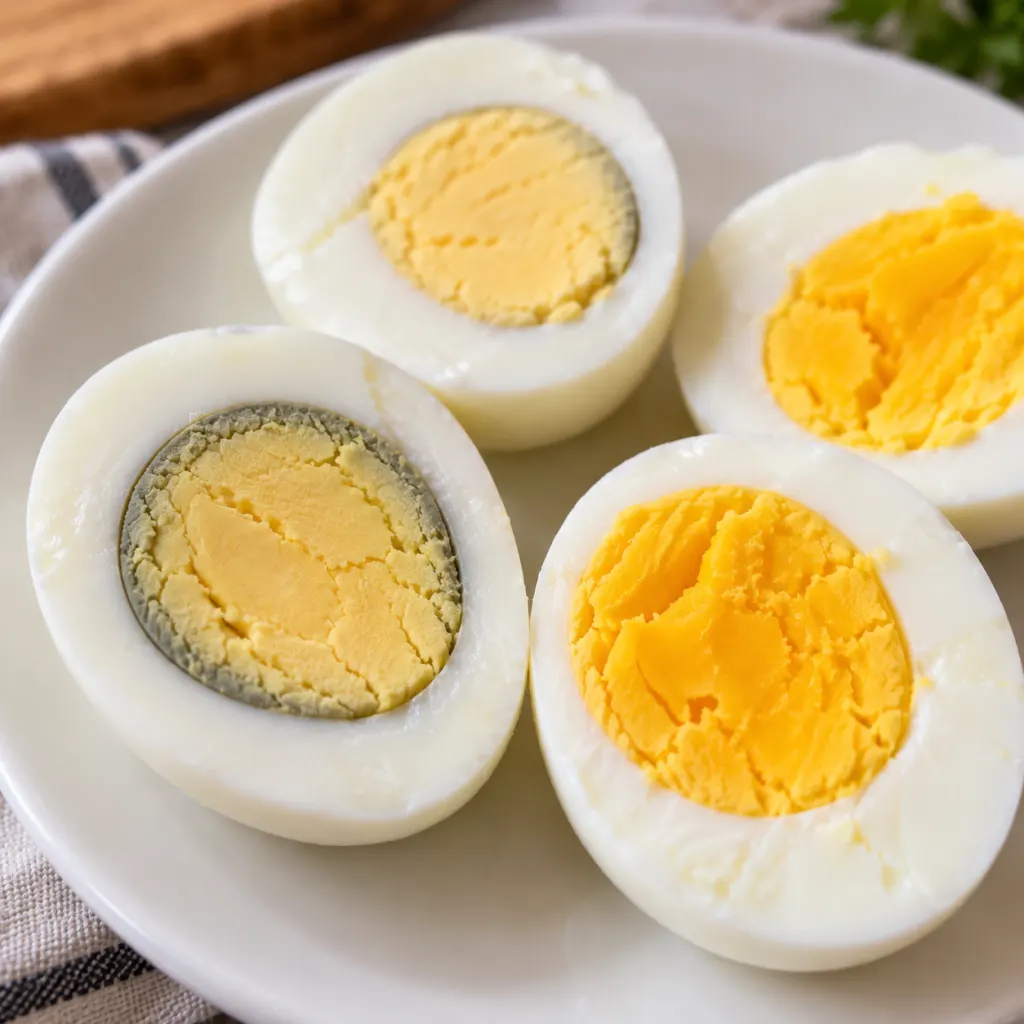
An egg topper is used after the egg is cooked, not while it is raw. For the lowest food-safety risk, cook eggs until the white and yolk are firm, as advised by the FDA and FoodSafety.gov: FDA egg safety guidance and safe minimum temperature guidance.
Step 3: Set the egg upright in a stable cup
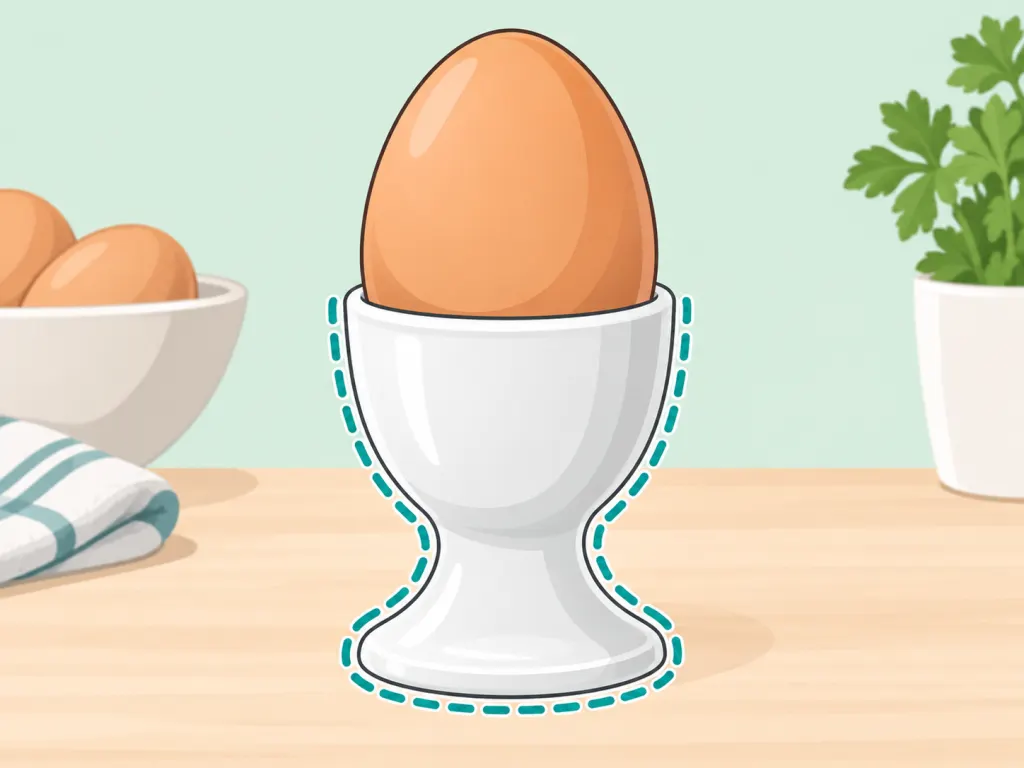
Place the cooked egg in an egg cup with the narrow end facing up. The cup should hold the egg firmly enough that it does not wobble when you press the cutter onto it. If the egg leans, reposition it before cutting so the opening comes out even.
Step 4: Center the topper over the narrow end
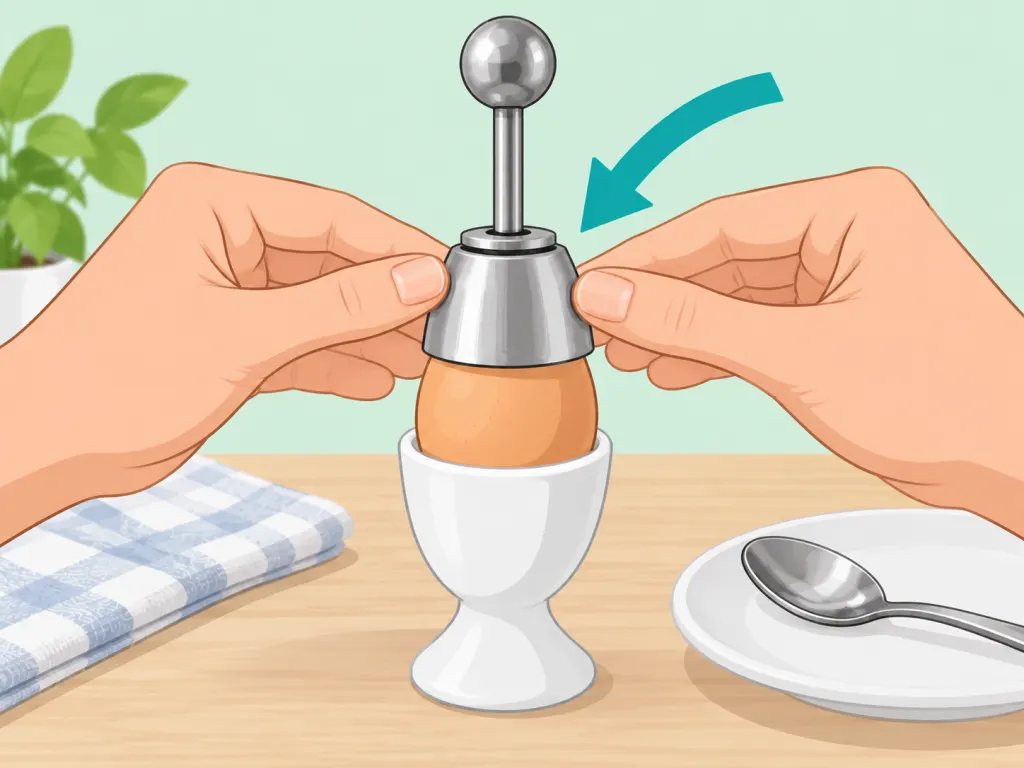
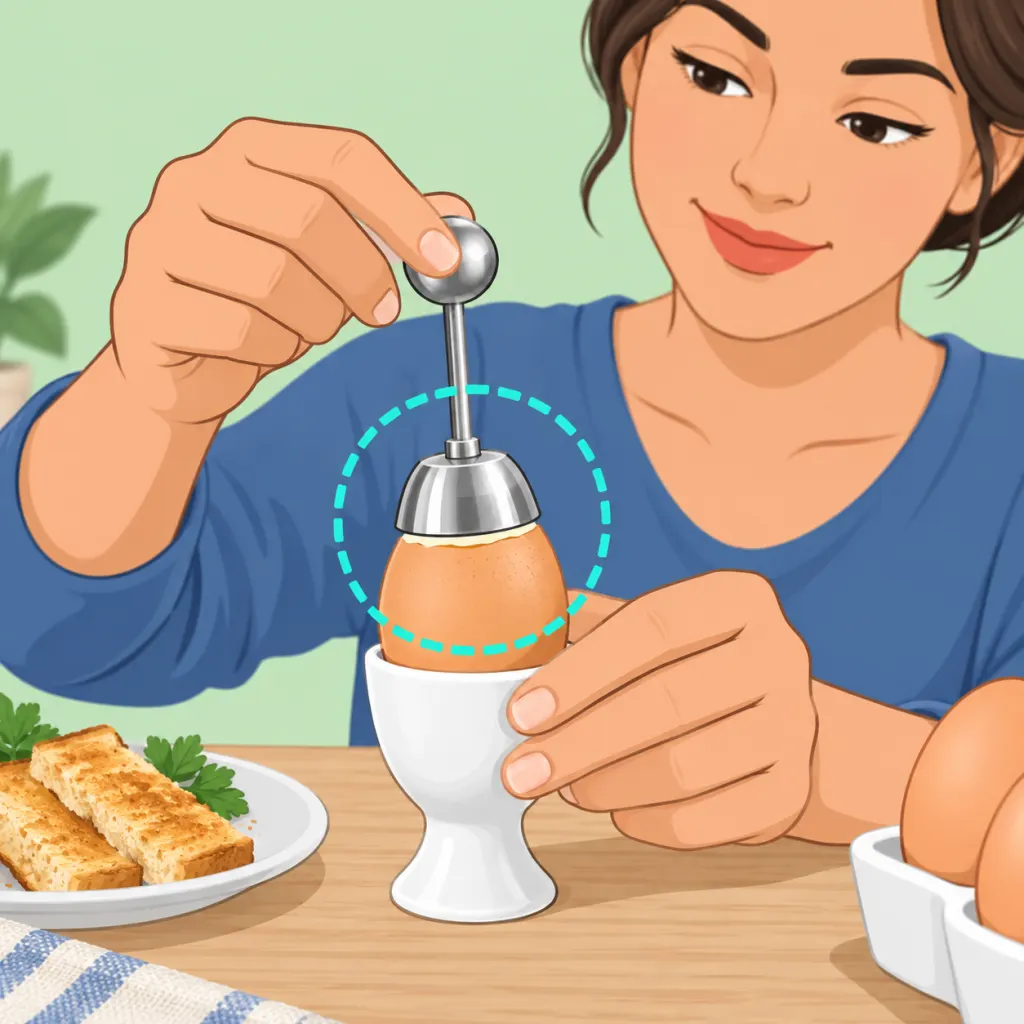
Lower the ring, cup, or blade of the egg topper over the top of the egg. Aim for a level circle about a fingertip below the tip, where the cap will be easy to lift off. Keep one hand on the egg cup rather than gripping the hot shell directly.
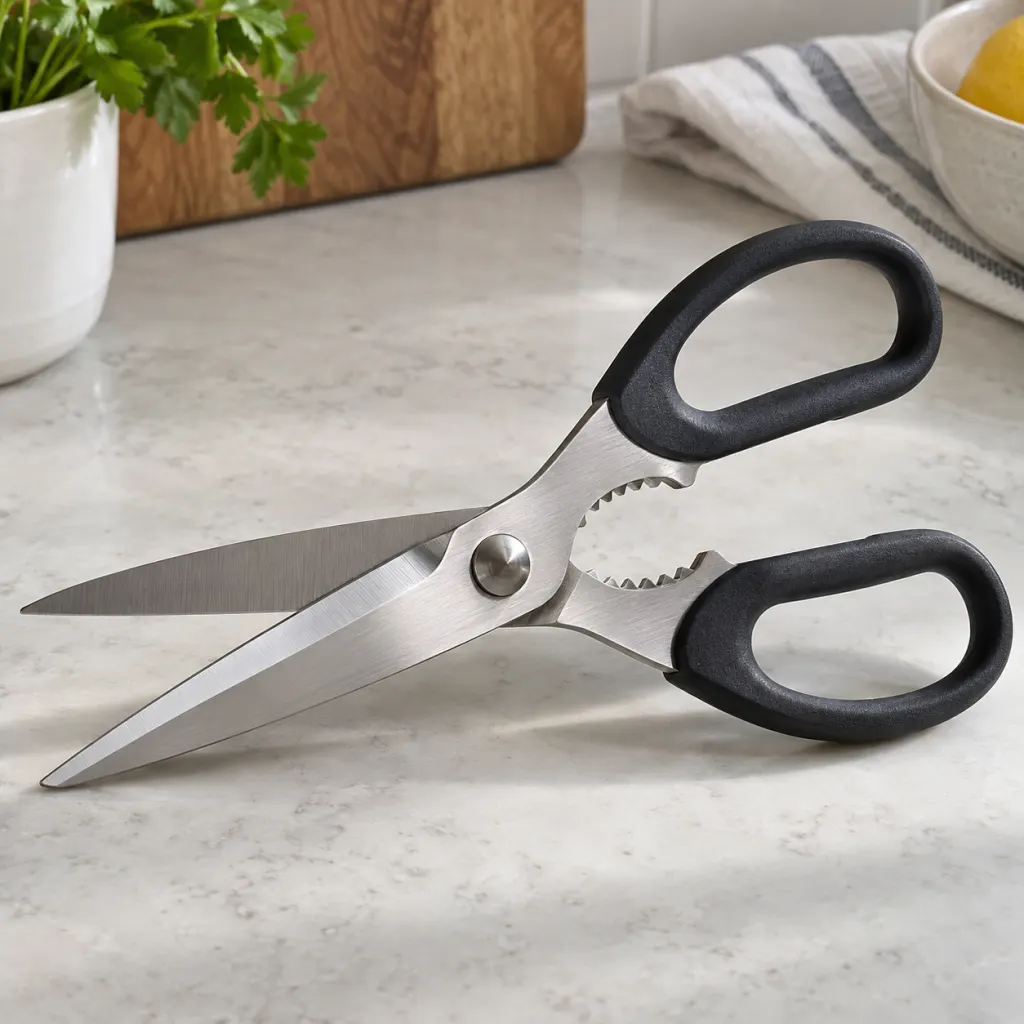
Use the motion your tool is built for: squeeze the scissor handles, pull and release the spring-loaded knob, or twist a serrated ring gently around the shell. Work steadily instead of forcing the tool. Too much pressure can crush the shell instead of making a clean score.
Step 6: Lift off the cap gently
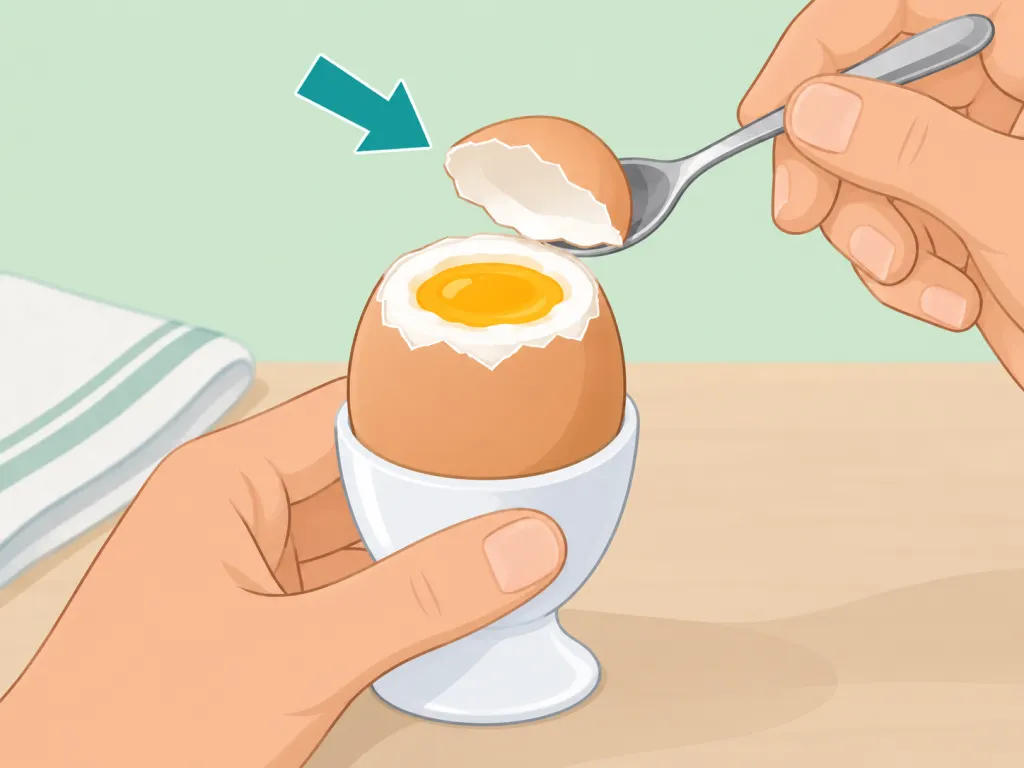
Use your fingers, a teaspoon, or the edge of the cutter to lift the loosened cap away from the egg. If it sticks, slide a small spoon just under the scored edge and lift upward. Try not to push shell pieces into the egg as you remove the top.
Step 7: Check for shell fragments before serving
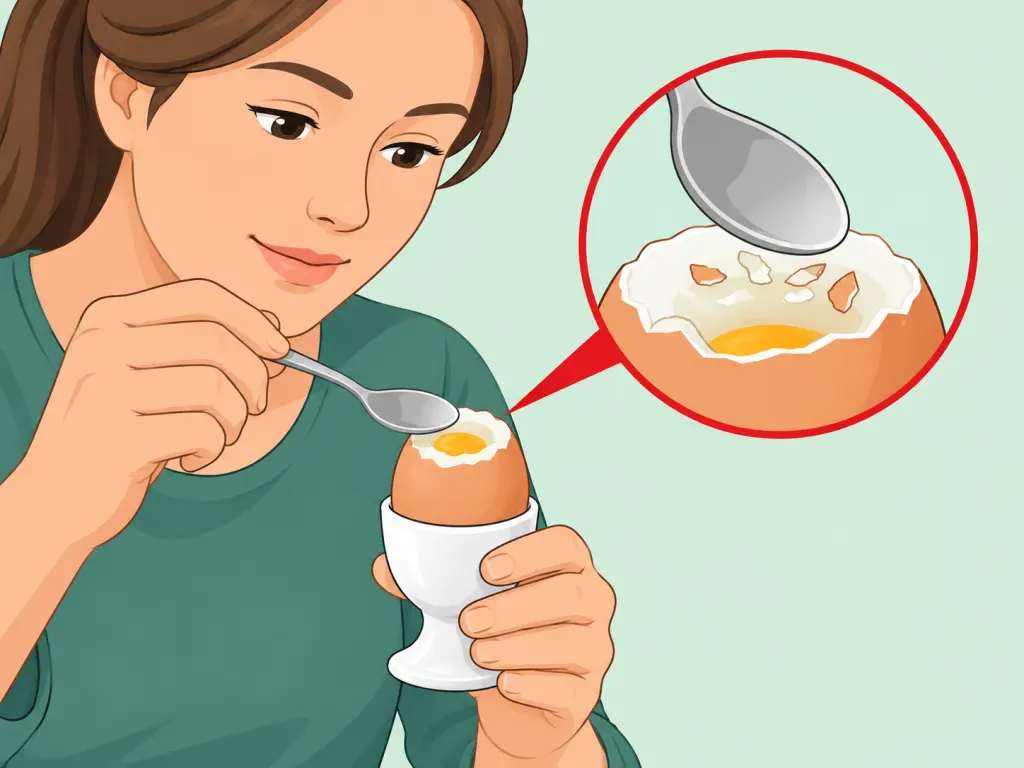
Look closely at the opening and remove any loose shell with a clean spoon. Serve the egg promptly, and refrigerate cooked eggs or egg dishes within 2 hours, or within 1 hour when the temperature is above 90°F, as FoodSafety.gov recommends for perishable foods: chill guidance.
Step 8: Wash and dry the cutter after use
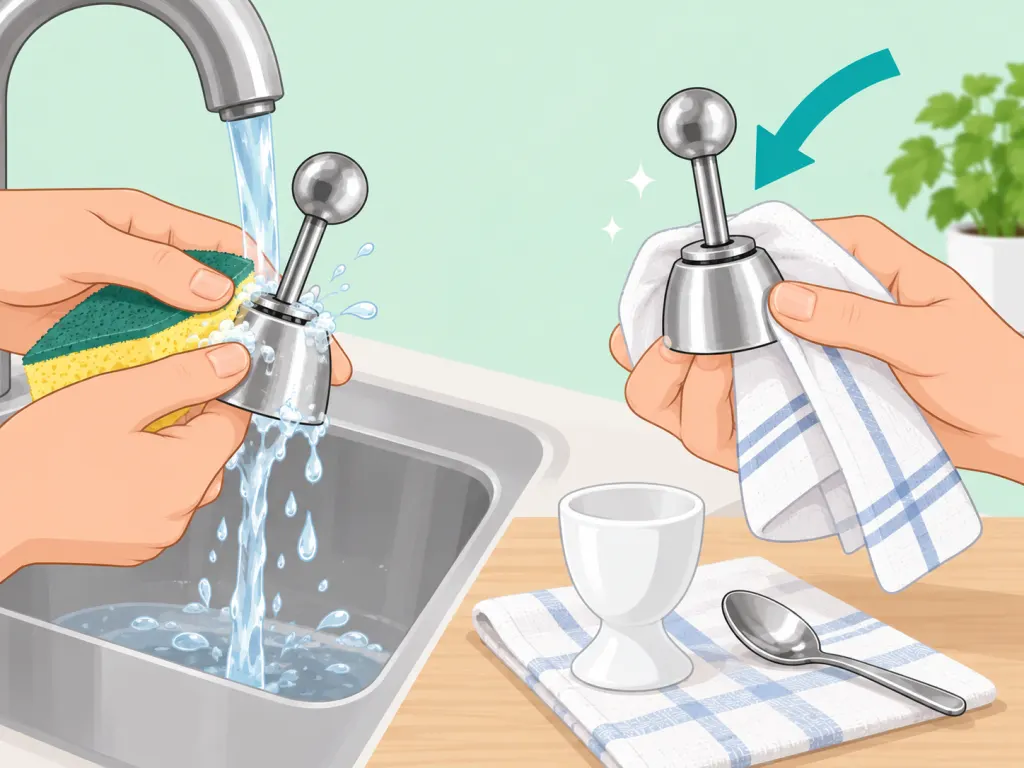
Rinse away any egg residue, then wash the cutter with hot, soapy water and dry it well before storing it. The University of Illinois Extension recommends washing hands, surfaces, utensils, and equipment that have touched eggs: Illinois Extension egg safety tips. Drying the cutter helps keep metal parts and springs working smoothly.
Step 9: Contact a health care provider if illness follows an egg meal
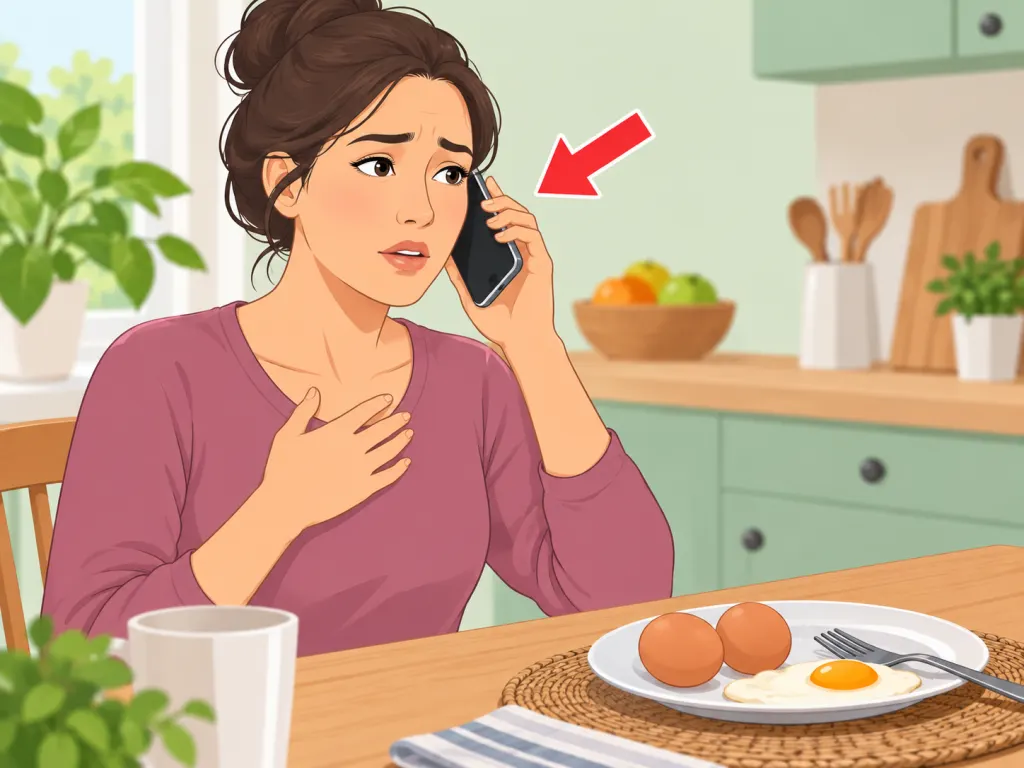
If someone becomes seriously unwell after eating eggs, contact a health care provider for personal guidance. The FDA advises getting medical care right away if you think you or a family member has a foodborne illness: FDA egg safety guidance.
Wrap-Up
The bottom line: use an egg topper cutter on a clean, cooked egg held upright in a stable cup. Center the cutter, press or pull it as designed, lift off the cap gently, and clean the tool before putting it away.
Frequently Asked Questions
- → What kind of egg topper cutter do I have?
- Most egg toppers are either scissor-style cutters, spring-loaded clackers, or ring cutters with a serrated edge. The exact motion differs, but the goal is the same: make a circular break near the narrow end of the cooked egg.
- → Can I use an egg topper cutter on a hard-boiled egg?
- Yes. A topper can open a hard-cooked egg neatly, although the cap may need a small spoon to loosen it after cutting. For food safety, the FDA advises using or eating hard-cooked eggs within 1 week after cooking: FDA egg storage guidance.
- → Can I use it on a raw egg?
- Do not use a table egg topper as a shortcut for cracking raw eggs unless the tool maker specifically says it is designed for that. Raw egg can spread onto the cutter and work surface, so wash hands, utensils, and counters after contact with uncooked eggs.
- → Why did the shell crush instead of cutting cleanly?
- The egg may have been tilted, the cutter may not have been centered, or the shell may have cracked before you started. Set the egg upright in a cup, use a steady motion, and avoid squeezing so hard that the whole shell caves in.
- → Do I need to wash the egg before topping it?
- No. The FDA advises not washing eggs because splashing water can spread bacteria around the sink area: FDA food safety at home guidance.
- → What should I do if shell pieces fall into the egg?
- Use a clean spoon or the tip of a clean knife to remove the fragments before eating. If the shell has shattered badly or the egg looks contaminated, it is better to discard it and start again.
References
This content was developed and refined using reliable sources.
- https://www.fda.gov/food/buy-store-serve-safe-food/what-you-need-know-about-egg-safety
- https://www.foodsafety.gov/food-safety-charts/safe-minimum-internal-temperatures
- https://www.foodsafety.gov/keep-food-safe/4-steps-to-food-safety
- https://www.fda.gov/consumers/womens-health-topics/food-safety-home
- https://extension.illinois.edu/news-releases/eggcellent-food-safety-tips-keep-us-healthy