 Save
Homemade weed sprays are popular because they sound simple, but the safest approach is careful and limited. Vinegar can burn small weed leaves on contact, especially in cracks and gravel, but it will not solve every weed problem and can injure plants you want to keep. This guide explains when a simple vinegar spray makes sense, what to avoid, and how to use it with basic safety precautions.
Step 1: Choose a spot where vinegar makes sense
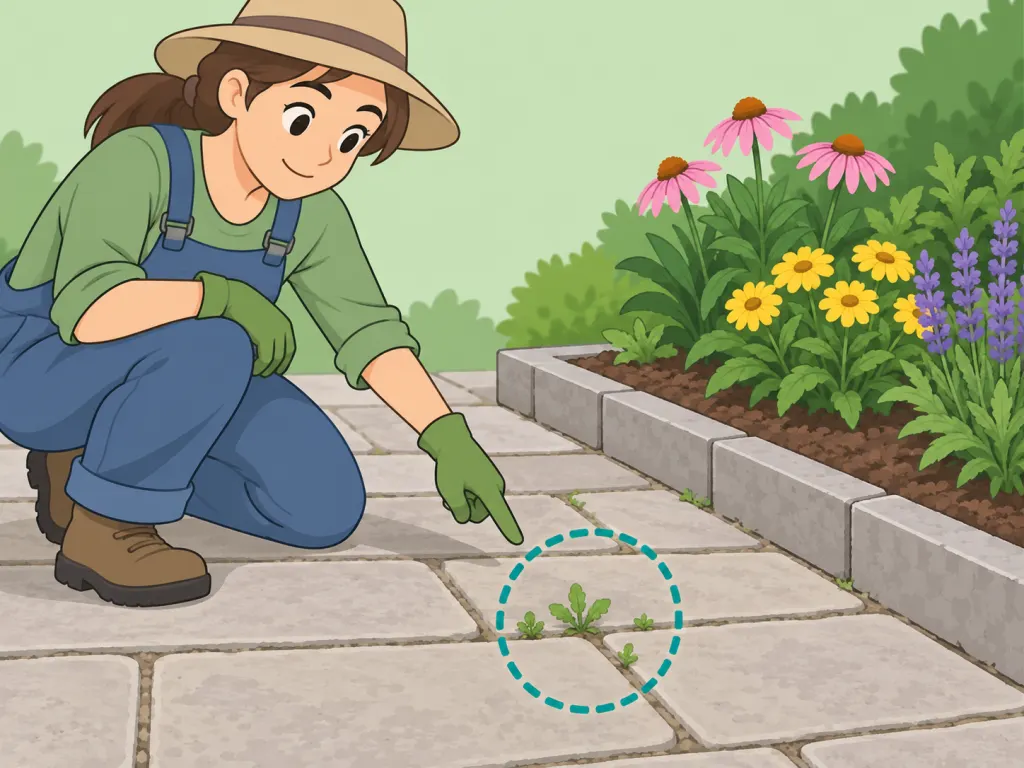
Use a homemade vinegar spray only for small weeds in sidewalk cracks, gravel, or driveway seams where nearby plants are not at risk. University of Maryland Extension describes vinegar and other acetic acid products as contact herbicides, meaning they burn the plant tissue they touch instead of killing roots deep underground.
Step 2: Pull or mulch weeds in planted beds first
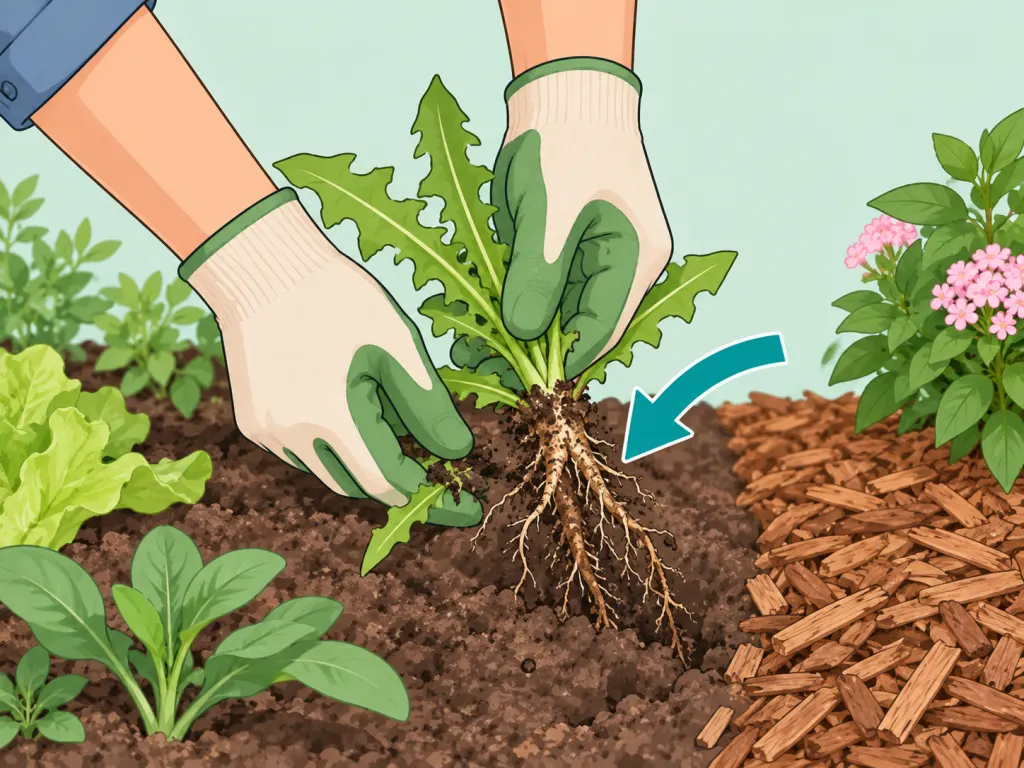
In flower beds, vegetable beds, and lawns, start with hand-pulling, hoeing, mowing, or mulch instead of spraying. Utah State University Extension says the best nonmanufactured weed control is often to pull, remove, or block weed growth, especially where wanted plants are close by.
Step 3: Mix only plain household vinegar for a small spot test
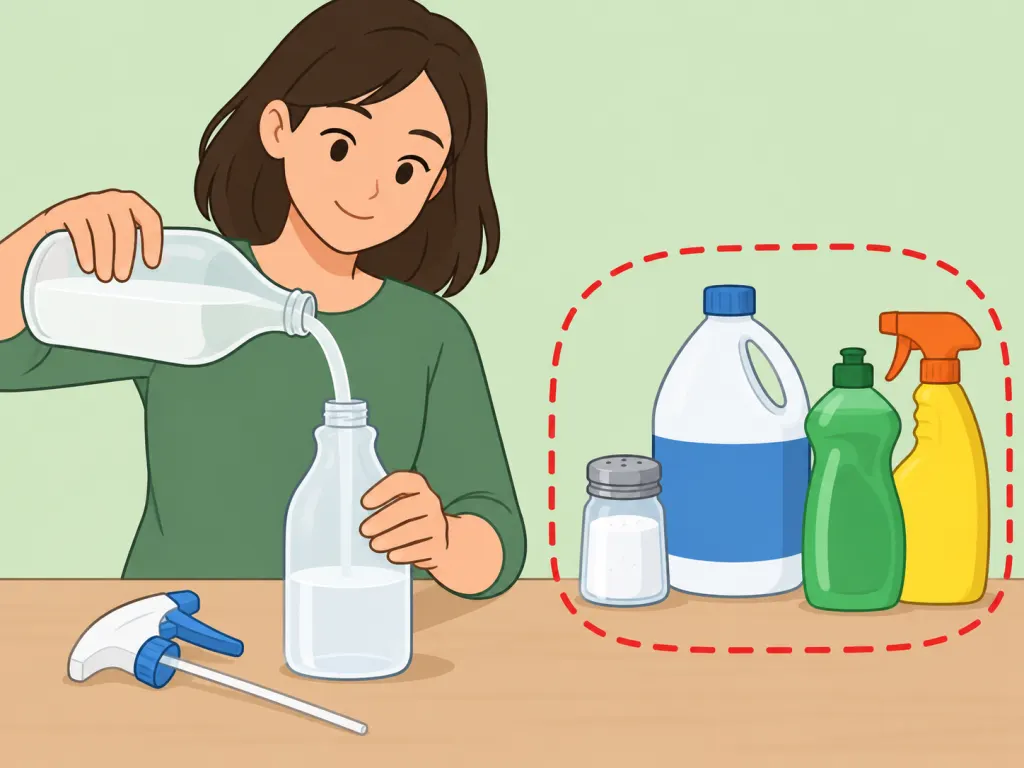
Pour plain 5% white household vinegar into a clearly labeled spray bottle and do not add salt, bleach, borax, alcohol, or cleaning products. Illinois Extension cautions that many homemade weed-killer recipes lack tested rates and safety directions, and that common ingredients can still be hazardous to people, pets, plants, or soil.
Step 4: Spray tiny weeds on a dry, calm day
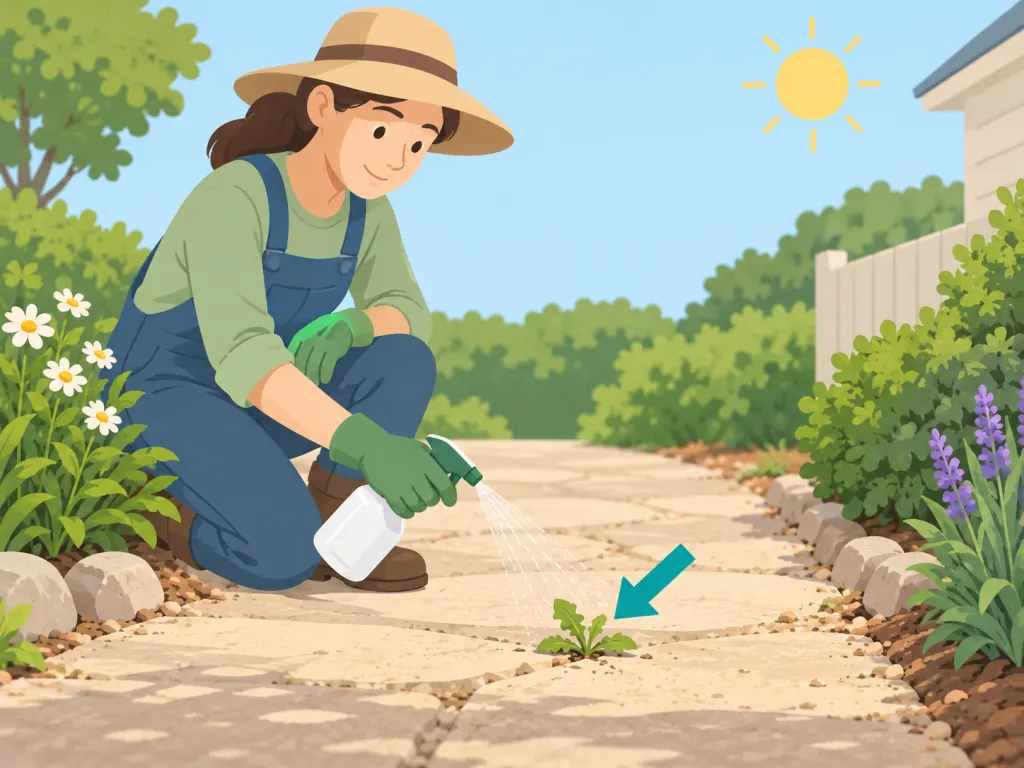
Spray the weed leaves until they are evenly wet, then stop before liquid runs across the pavement or soil. Choose a dry, calm day because EPA pesticide safety guidance says not to spray outdoors on windy or rainy days, when drift and runoff are more likely.
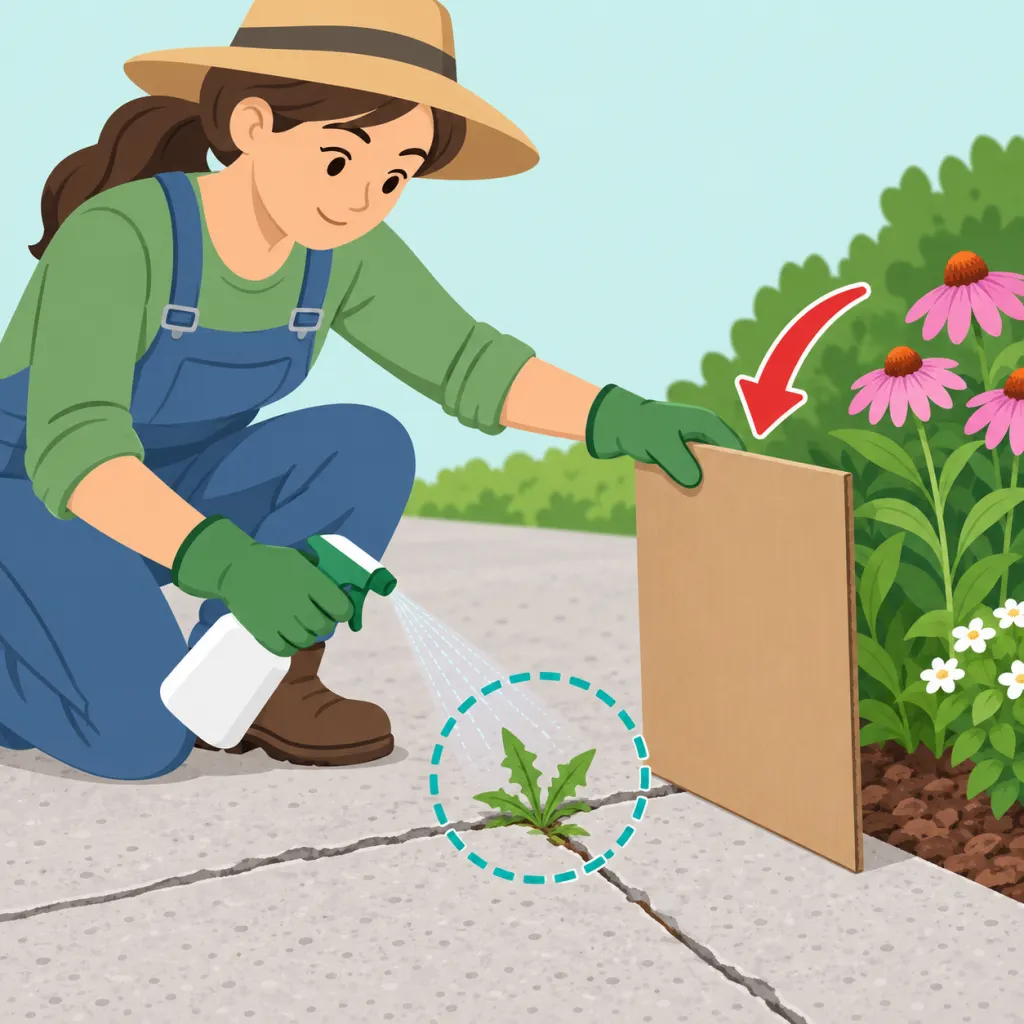
Shield nearby flowers, grass, herbs, and vegetables with cardboard while you spray, then remove the shield when the droplets settle. Acetic acid sprays are nonselective, and Maryland Extension notes that spray drift may damage desirable plants and some surfaces.
Step 6: Expect regrowth and remove the roots when needed
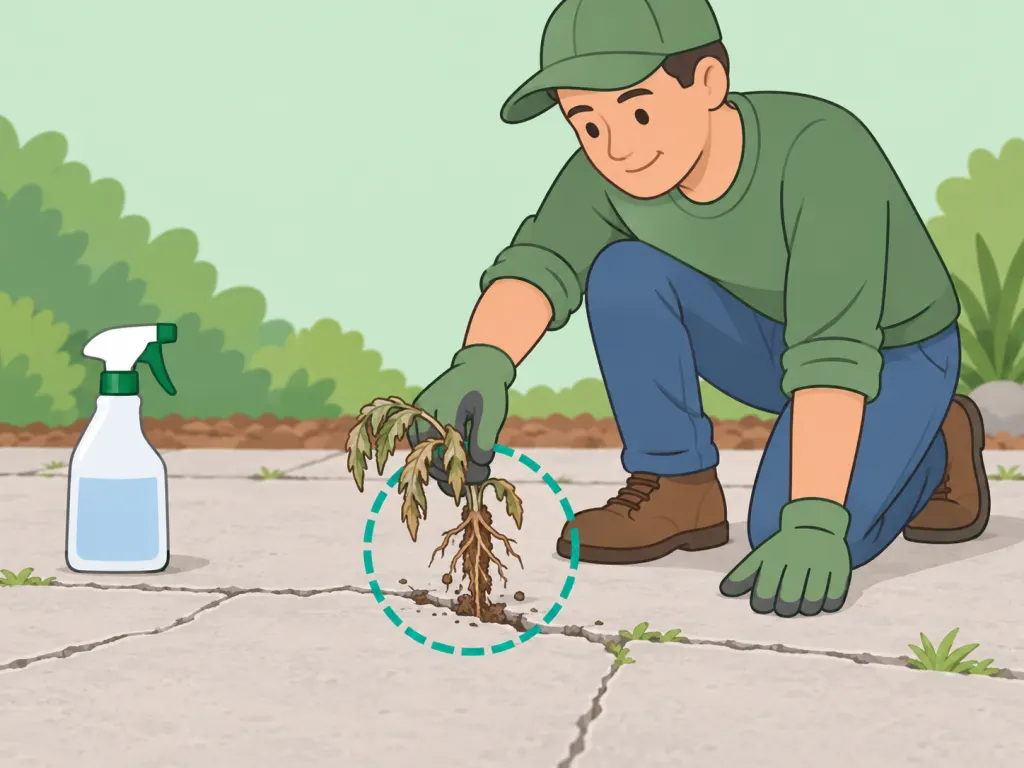
Check the spot again after several days and pull weeds that are wilted but still rooted. Illinois Extension explains that vinegar herbicides affect top growth and that perennial weeds or weeds with established roots can regrow after contact injury.
Step 7: Clean up and store supplies safely
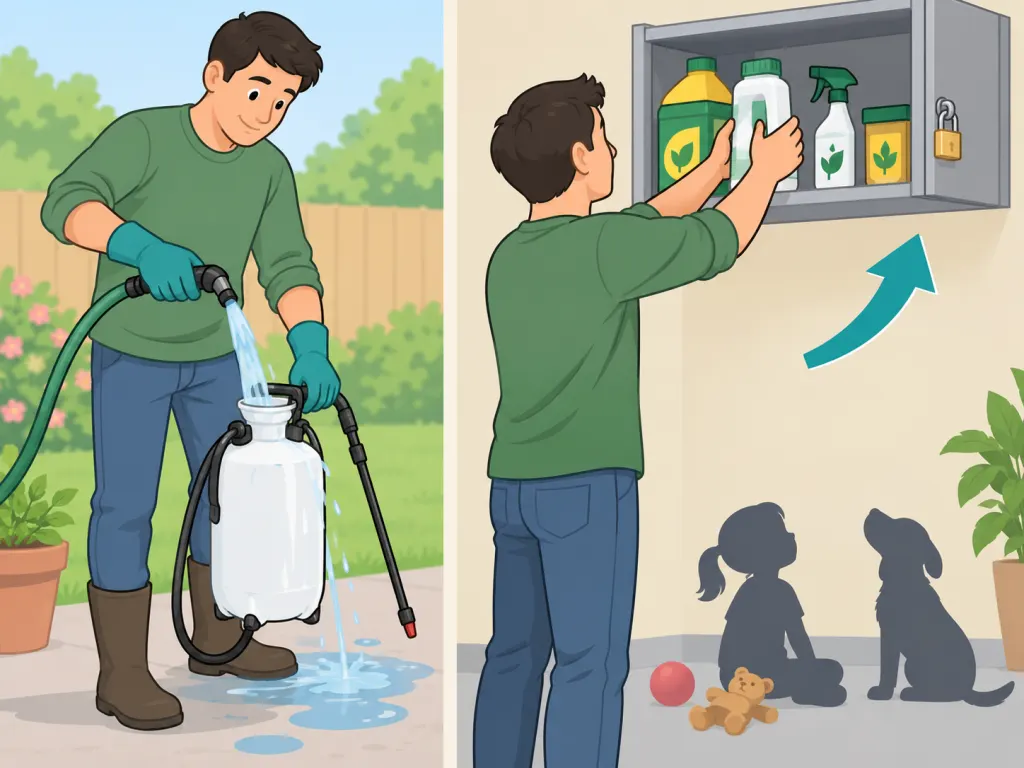
Rinse the sprayer, wash your hands, and store vinegar or any labeled garden product away from children, pets, food, and animal feed. EPA storage guidance says pesticides should stay in their original containers when applicable and be kept out of reach of children and pets.
Step 8: Seek help promptly if exposure happens
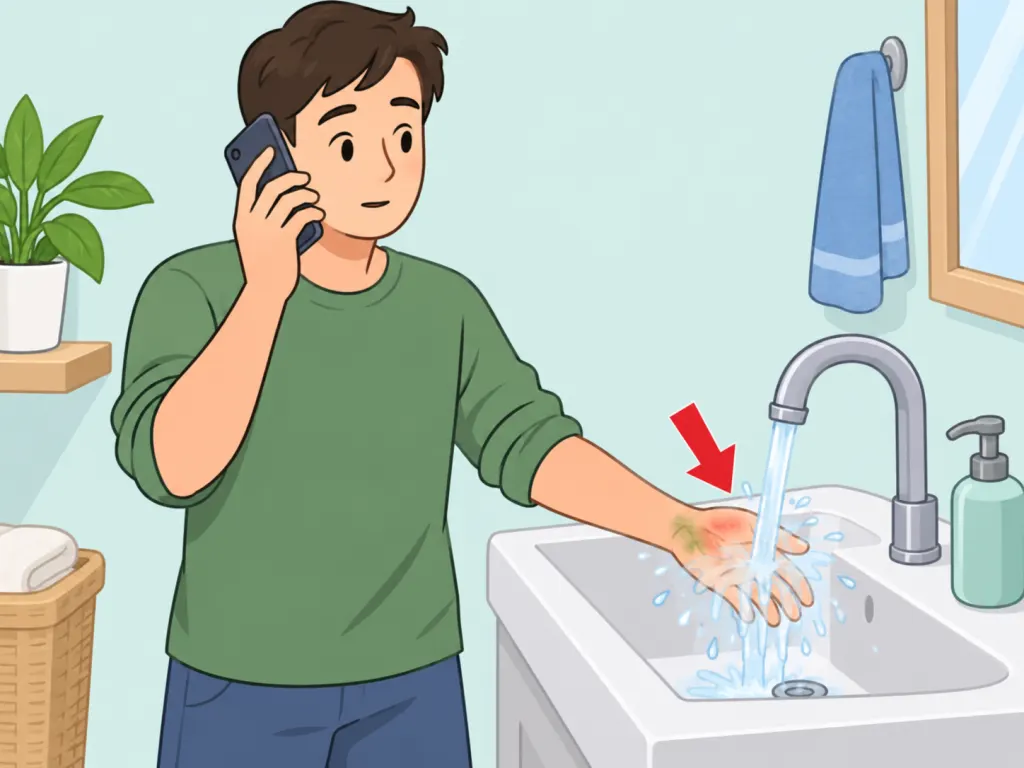
If vinegar spray gets in someone’s eyes, on irritated skin, or is swallowed, follow the product label if there is one and contact Poison Control or a doctor for personal guidance. EPA notes that pesticide labels include first aid instructions and phone numbers for help, and its safety tips list Poison Control at 1-800-222-1222; call a veterinarian if a pet is exposed or acting unwell.
Wrap-Up
The bottom line: plain vinegar can help with very small weeds in pavement cracks, but it is a short-term contact spray, not a cure-all. For garden beds and lawns, pulling, mulching, mowing, and labeled products are usually more reliable and easier to control.
Frequently Asked Questions
- → Is vinegar a good homemade herbicide?
Vinegar is best for very small, newly emerged weeds because it burns contacted foliage rather than moving through the plant. University of Maryland Extension notes that larger and perennial weeds often regrow.
- → Should I add salt to a vinegar weed spray?
No. Salt can move through soil and damage nearby garden plants, and Illinois Extension warns that salt in homemade weed killers can harm soil and nearby vegetation.
- → Should I add bleach or cleaning products?
Skip them. Utah State University Extension lists bleach, solvents, and caustic cleaners among home remedies that can kill plants but may create extra safety and environmental risks, and recommends working safely with products that have clear instructions and safety recommendations.
- → Can I use vinegar spray in vegetable beds?
Use great caution. Vinegar sprays are nonselective contact sprays, so they can damage vegetable leaves, flowers, turf, and ornamentals if the mist drifts onto them. Hand-pulling, hoeing, and mulch are usually better choices inside planted beds.
- → Is stronger horticultural vinegar better than kitchen vinegar?
Stronger acetic acid products may work better on some young weeds, but they are also more hazardous. Colorado State University Extension warns that acetic acid concentrations above 11% can cause skin burns and serious eye injury, so use only labeled products with the protective gear they require.
- → How often should I reapply vinegar to weeds?
Do not keep spraying automatically. University of Maryland Extension says acetic acid products have no residual activity and repeated applications may be needed for some weeds, but the same source advises spacing applications according to product directions and avoiding overly frequent use.
References
This content was developed and refined using reliable sources.
- https://extension.umd.edu/resource/vinegar-alternative-glyphosate
- https://extension.illinois.edu/blogs/ilriverhort/2018-04-08-homemade-herbicide-considerations-michelle-wiesbrook
- https://extension.illinois.edu/blogs/good-growing/2020-05-22-home-horticultural-remedies
- https://extension.usu.edu/archive/are-there-home-remedies-for-weed-control
- https://boulder.extension.colostate.edu/natural-resources-wildlife-rural-properties-pasture/weeds
- https://www.epa.gov/pesticide-incidents/pesticide-safety-tips
- https://www.epa.gov/safepestcontrol/storing-pesticides-safely
- https://www.epa.gov/pesticide-labels/keep-safe-read-label-first