 Save
If you eat a spoiled egg, you may feel nothing at all, or you may develop a foodborne illness with diarrhea, stomach cramps, fever, nausea, or vomiting. The risk depends on whether harmful germs were present, how much you ate, your overall health, and how the egg was stored or cooked. Fresh-looking eggs can still carry Salmonella, which is why the FDA advises refrigeration, thorough cooking, clean handling, and careful storage for eggs and egg dishes FDA egg safety guidance.
Spoiled Does Not Always Mean Contaminated, But It Is Still a Stop Sign
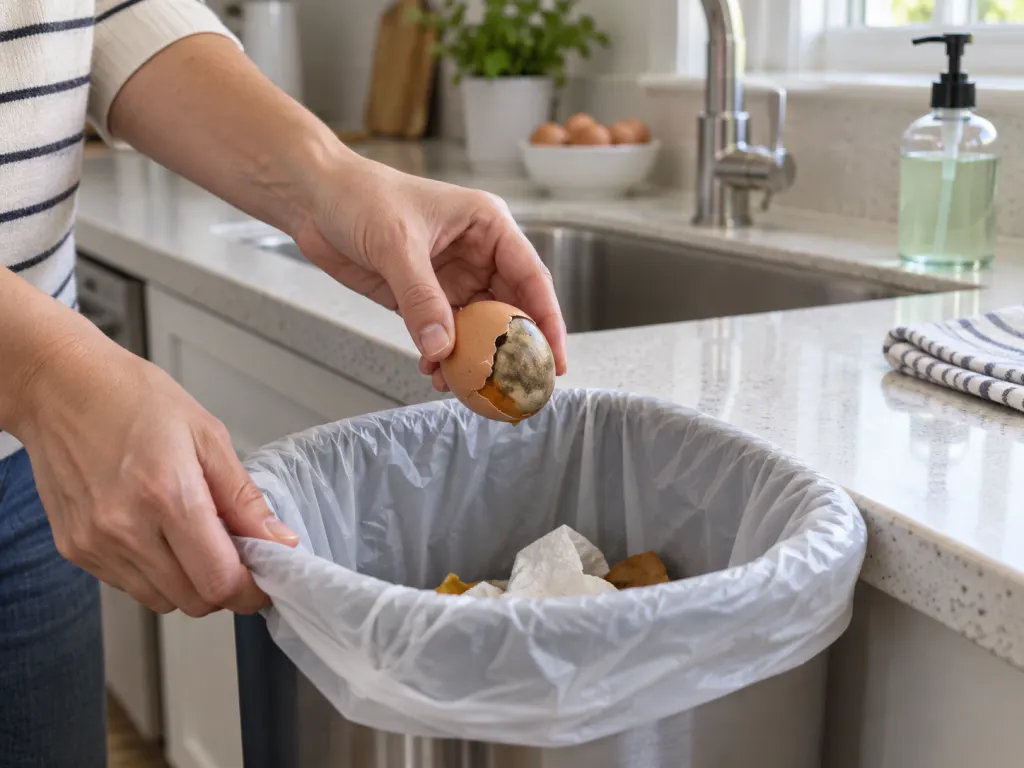
A spoiled egg usually announces itself through an unpleasant odor, odd appearance, or texture that seems wrong after cracking. That sensory warning is useful, but it does not tell the whole safety story. Some spoilage organisms mainly affect quality, while disease-causing germs may not change the smell, color, or taste of food. For that reason, the safest response to a questionable egg is simple: discard it before eating and clean anything it touched. The CDC describes food safety as a set of habits that lower the chance of foodborne illness, including clean hands and surfaces, separating raw foods, cooking properly, and chilling promptly CDC food safety prevention guidance.
The word “spoiled” also gets used loosely. An egg can be old, low in quality, cracked, unrefrigerated too long, undercooked, or truly decomposed. Those situations carry different levels of risk. A hard-boiled egg forgotten at room temperature is a time-and-temperature problem. A raw egg with a cracked shell is a contamination problem. A cooked egg dish left on a buffet too long is a storage problem. The practical choice is the same when doubt is real: do not keep tasting, do not cook it into something else, and do not serve it to anyone.
What Your Body May Do After Eating One
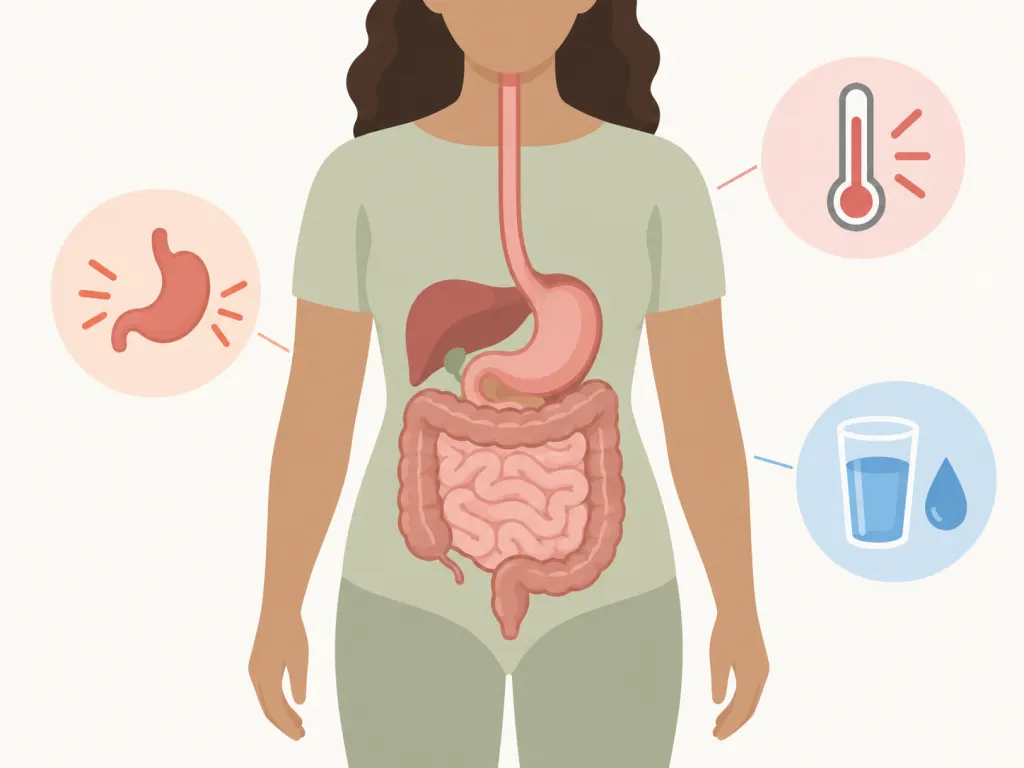
If the egg carried enough harmful bacteria to make you sick, symptoms most often come from irritation and infection in the digestive tract. The CDC says Salmonella illness commonly includes diarrhea, fever, and stomach cramps; nausea, vomiting, headache, and appetite loss can also occur. Symptoms may start from 6 hours to 6 days after infection and often last 4 to 7 days CDC Salmonella symptoms guidance. That wide timing window is one reason it can be hard to connect symptoms to a single egg, especially if you ate several foods that day.
Not every upset stomach after an egg means the egg was the cause. Rich foods, stress, other ingredients, viral illness, or a different meal can produce similar symptoms. Still, if a rotten-smelling or poorly stored egg was eaten and digestive symptoms follow, it is reasonable to treat the situation seriously. Keep track of when the egg was eaten, when symptoms started, how often vomiting or diarrhea occurs, whether a fever is present, and whether anyone else who ate the same food feels ill. Those details can help a clinician or local health department decide what matters.
Why Eggs Are a Special Food Safety Case
Eggs are nutritious and useful, but they are perishable. The FDA notes that even clean, uncracked eggs may contain Salmonella, and that consumers have an important role in reducing illness linked to eggs through buying, storing, preparing, and serving practices FDA egg safety guidance. Salmonella can be associated with raw or undercooked eggs, and it is one reason raw cookie dough, lightly cooked sauces, and runny egg dishes deserve extra care. The issue is not that eggs are unsafe by nature; it is that they need consistent temperature control and enough heat when cooked.
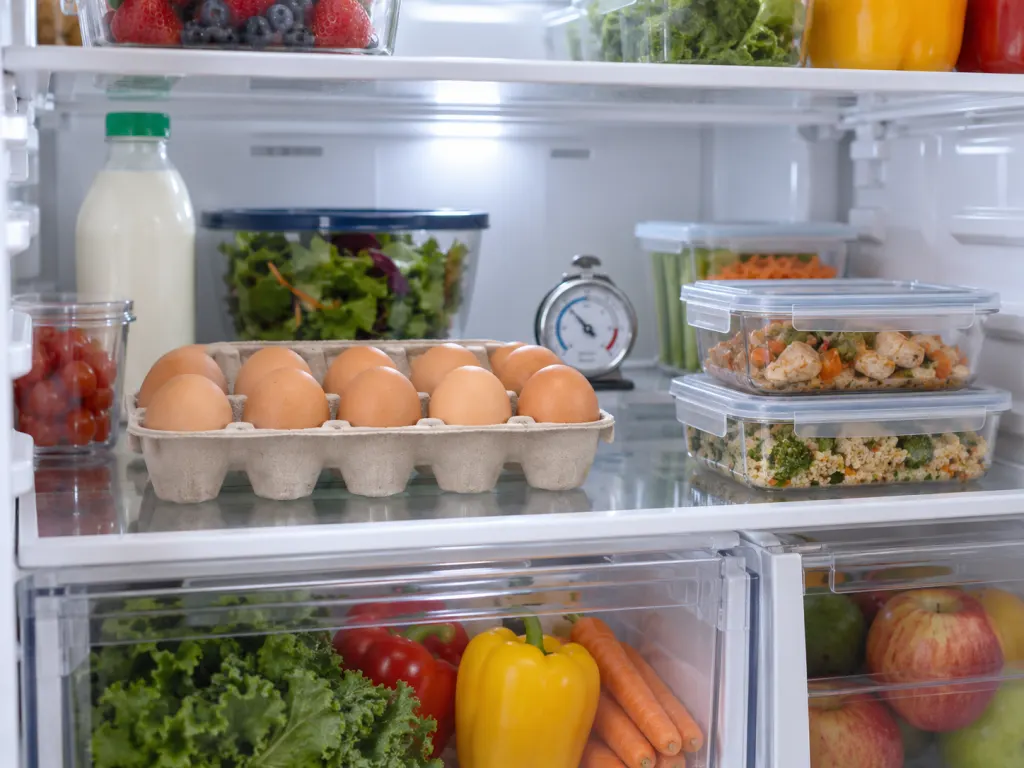
Storage time matters too. FoodSafety.gov lists raw eggs in the shell at 3 to 5 weeks in a refrigerator kept at 40°F or below, hard-cooked eggs at 1 week, and casseroles with eggs at 3 to 4 days after baking FoodSafety.gov cold storage chart. These are home-storage guidelines, not permission to ignore smell, cracks, or poor handling. A carton date can help you rotate food, and the site already has a practical guide to how to read egg carton codes, but safe handling still matters after the eggs come home.
What To Do Right Away If You Already Ate It
If you took one bite, noticed a bad smell or taste, and stopped, do not force yourself to vomit. Rinse your mouth, discard the egg and any food it touched, wash your hands, and clean plates, utensils, and surfaces with hot, soapy water. If you feel well, watch for symptoms over the next several days. If symptoms start, focus on fluids and rest, and avoid preparing food for others while you have vomiting or diarrhea. The CDC advises people with diarrhea to drink extra fluids because dehydration can happen when the body loses too much water CDC Salmonella symptoms guidance.
A small bite may not make you ill, but there is no reliable way to calculate the risk at home. The amount eaten matters, but so do the number of germs present, whether the egg was cooked, and whether the person eating it is more vulnerable to severe foodborne illness. The CDC lists raw or undercooked eggs among foods more likely to contain germs, and it identifies adults 65 or older, children under 5, people with weakened immune systems, and people who are pregnant as groups more likely to have serious illness from foodborne germs CDC safer food choices guidance.
Symptoms That Deserve Prompt Professional Help
Most short-lived stomach upsets pass with careful hydration, but some symptoms should not be waited out. Contact a doctor or qualified health professional promptly if diarrhea or vomiting lasts more than 2 days, there is blood in stool or urine, fever is higher than 102°F, or signs of dehydration appear, such as very dark urine, little or no urination, strong thirst, dry mouth or throat, dizziness, lightheadedness, or crying without tears in a child. These boundaries come from CDC guidance for Salmonella symptoms and dehydration warning signs CDC Salmonella symptoms guidance.
Also seek help sooner for an infant, an older adult, a person with a weakened immune system, or anyone who appears very weak, confused, faint, or unable to keep fluids down. Severe abdominal pain, repeated vomiting, or symptoms after a shared meal where several people became ill are also reasons to get advice. When speaking with a professional, mention that a spoiled or questionable egg was eaten, whether it was raw, runny, hard-cooked, or part of a dish, and how long it had been out of refrigeration.
How To Lower The Risk Next Time
Egg safety is mostly about small habits done consistently. The FDA recommends buying eggs only from refrigerated cases, checking that shells are clean and not cracked, storing eggs promptly in a refrigerator at 40°F or below, keeping eggs in their original carton, cooking eggs until yolks and whites are firm, and cooking egg dishes to 160°F FDA egg safety guidance. FDA’s general safe food handling advice also emphasizes washing hands and surfaces, keeping eggs separate from ready-to-eat foods, cooking to safe temperatures, and chilling perishables promptly FDA safe food handling guidance.
For daily cooking, it helps to turn those rules into a short routine:
- Buy eggs only from a refrigerated case and avoid cartons with cracked or dirty shells.
- Go straight home after shopping when possible and refrigerate eggs promptly.
- Keep eggs in the carton on an interior refrigerator shelf rather than the door.
- Crack each egg into a small bowl before adding it to batter, casseroles, or a skillet.
- Discard any egg with an off odor, unusual color, cracked shell, or uncertain storage history.
- Cook egg dishes thoroughly and refrigerate leftovers within 2 hours, or within 1 hour in very hot conditions.
Raw, Runny, Hard-Boiled, And Leftover Eggs
The type of egg changes the practical concern. Raw or undercooked eggs can carry germs into sauces, batters, drinks, dressings, or desserts if the recipe is not heated enough. FoodSafety.gov advises using pasteurized eggs for foods that contain raw or lightly cooked eggs and cooking egg dishes to safe internal temperatures FoodSafety.gov Salmonella and eggs guidance. For dishes you plan to cook thoroughly, use a food thermometer when temperature matters, especially for casseroles, brunch bakes, and make-ahead meals such as an easy breakfast casserole.
Hard-boiled eggs have their own timeline. They should be refrigerated after cooking and used within a week, according to FDA and FoodSafety.gov storage guidance. Peeled eggs may dry out or pick up odors more easily, so store them in a covered container. Egg salad, deviled egg filling, and similar mixtures should follow the shorter leftover window for egg-containing salads. For a deeper storage-focused companion, see how long hard-boiled eggs last in the fridge.
What About Power Outages Or Eggs Left Out Overnight?
Time without refrigeration can turn an ordinary egg question into a safety decision. FoodSafety.gov’s power outage chart says refrigerated perishable foods such as fresh shell eggs, hard-cooked eggs in the shell, egg dishes, and egg products should be discarded after a refrigerator has been without power for 4 hours, assuming the door has been kept closed as much as possible FoodSafety.gov power outage chart. The same chart warns never to taste food to decide whether it is safe. That advice matters because a food can be unsafe before it smells dramatic.
If eggs or egg dishes sat out overnight, discard them. Reheating does not reliably fix every risk created by long warm storage, and it does not erase uncertainty about what grew while the food was left out. This is especially important for brunch spreads, lunch boxes, holiday platters, and leftovers forgotten on the counter. A practical kitchen rule is to label cooked egg dishes with the date, chill them in shallow containers, and throw them away when the safe storage window has passed.
The Bottom Line
Eating a spoiled egg can lead to no symptoms, mild stomach upset, or a foodborne illness that needs professional attention. The safest path is prevention: buy refrigerated eggs, keep them cold, avoid cracked shells, cook eggs and egg dishes thoroughly, chill leftovers quickly, and discard anything that smells wrong or has been stored unsafely. If symptoms develop, hydration and careful monitoring matter, and warning signs such as blood, high fever, prolonged vomiting or diarrhea, dehydration, severe pain, or vulnerability to severe illness should prompt professional help.
Wrap-Up
A spoiled egg is not worth gambling on. Some eggs spoil in obvious ways, while contaminated eggs can look normal, so safety depends on storage, handling, cooking, and symptoms rather than appearance alone. If you accidentally ate one, stop eating it, clean up carefully, watch for digestive symptoms, and seek help for red flags such as blood, high fever, dehydration signs, severe pain, or symptoms that do not improve. For future meals, keep eggs refrigerated at 40°F or below, cook them thoroughly, and discard eggs or egg dishes with uncertain storage history.
Frequently Asked Questions
- → Can one bite of a spoiled egg make you sick?
One bite does not guarantee illness, but it can be enough if harmful germs are present. Stop eating it, discard the egg and any food it touched, wash your hands, clean surfaces, and watch for symptoms over the next several days.
- → How soon would symptoms appear after eating a bad egg?
Timing varies by cause. For Salmonella, the CDC says symptoms usually start 6 hours to 6 days after infection and often last 4 to 7 days. Other causes of stomach upset can have different timing, so note when symptoms begin and what else was eaten.
- → Should I make myself vomit after eating a spoiled egg?
No. Do not try to force vomiting. Rinse your mouth, stop eating the food, drink fluids as tolerated, and monitor how you feel. Seek professional guidance quickly if there is blood, high fever, dehydration signs, severe pain, repeated vomiting, or symptoms that persist.
- → Can cooking save an egg that smells bad?
No. If an egg smells bad or looks unusual after cracking, throw it away. Cooking should be used for eggs that have been stored and handled properly, not as a way to rescue food that already seems spoiled or unsafe.
- → Are hard-boiled eggs safer than raw eggs?
Hard-boiling gives eggs a thorough cook, but cooked eggs still need refrigeration and time limits. FoodSafety.gov lists hard-cooked eggs at 1 week in a refrigerator kept at 40°F or below. Discard hard-boiled eggs left out too long or involved in a power-outage safety concern.
References
This content was developed and refined using reliable sources.
- https://www.fda.gov/food/buy-store-serve-safe-food/what-you-need-know-about-egg-safety
- https://www.cdc.gov/salmonella/signs-symptoms/index.html
- https://www.cdc.gov/food-safety/prevention
- https://akaprod-www.foodsafety.gov/food-safety-charts/cold-food-storage-charts
- https://www.cdc.gov/food-safety/foods/safer-food-choices.html
- https://www.fda.gov/food/buy-store-serve-safe-food/safe-food-handling
- https://www.foodsafety.gov/blog/salmonella-and-eggs
- https://www.foodsafety.gov/food-safety-charts/food-safety-during-power-outage