 Save
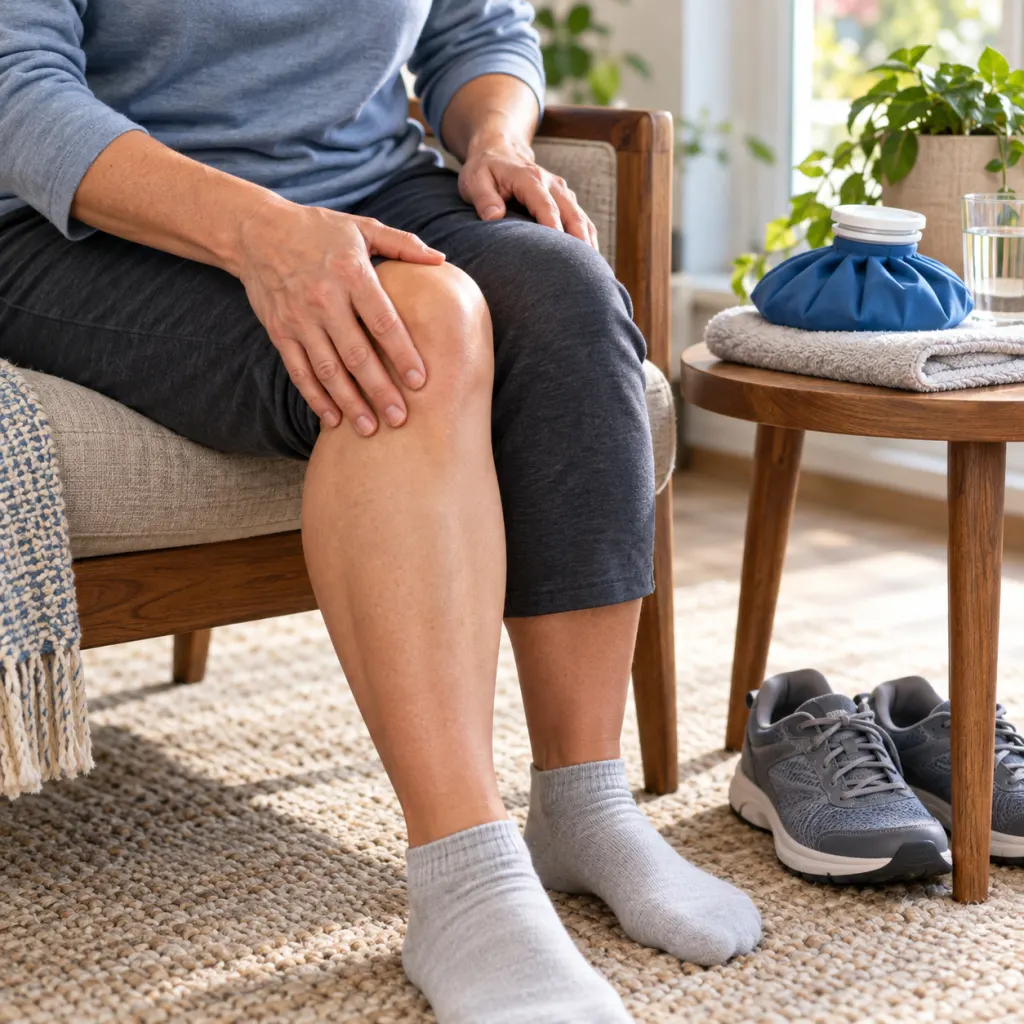
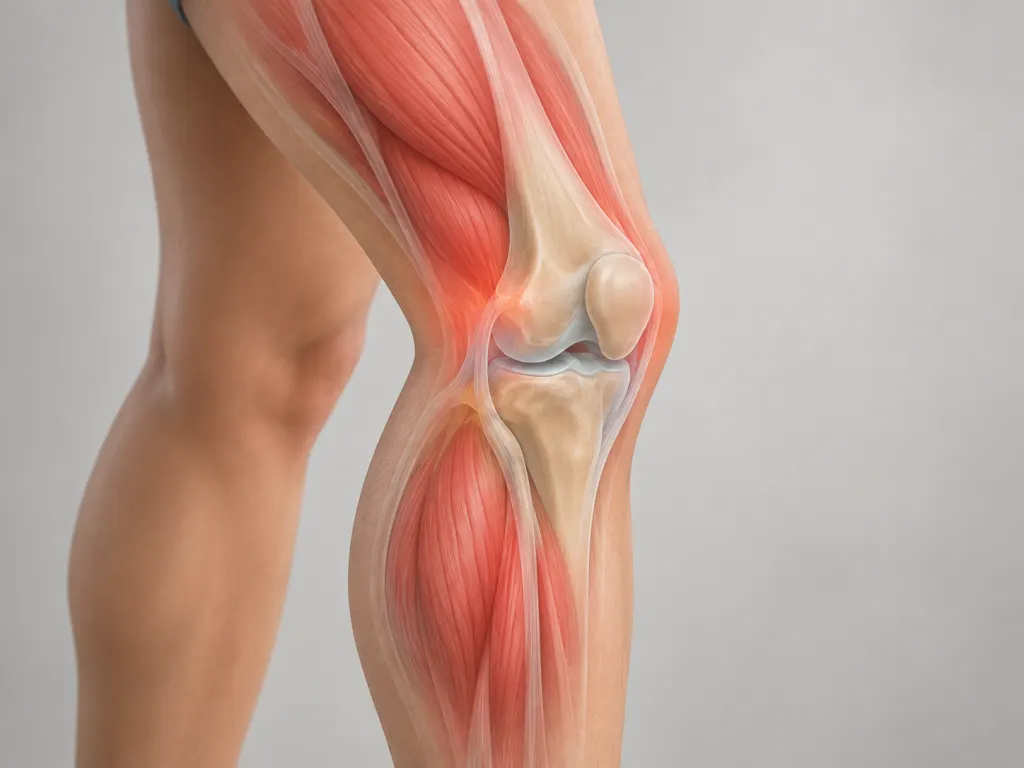
For mild, recent knee pain, the most sensible at-home plan is usually simple: reduce the activity that set it off, use cold or heat thoughtfully, keep gentle movement in the day, and avoid anything that makes pain sharp or worse. Knee pain can come from overuse, a twist, arthritis, tendon irritation, bursitis, cartilage injury, or other causes, so home care works best when symptoms are mild and improving. MedlinePlus notes that knee pain may start suddenly after injury or exercise, or build slowly over time, and that an accident-related knee injury should be discussed with a health care provider https://www.medlineplus.gov/ency/article/003187.htm.
First, Know What Home Care Can And Cannot Do
At-home steps can support comfort and movement, but they are not a diagnosis. Osteoarthritis, for example, can affect the knees and may involve joint pain, brief stiffness after rest, swelling after activity, reduced motion, and a loose or unstable feeling in the joint, according to NIAMS https://www.niams.nih.gov/health-topics/osteoarthritis. A sore knee after a long walk is different from a knee that buckles, locks, swells rapidly, or follows a hard fall. If the pain has a clear cause, is mild, and is already improving, careful self-care may be reasonable. If the story is unclear, the pain keeps returning, or daily activities are shrinking around the symptom, getting an individualized assessment is the more useful step.
1. Use Relative Rest Instead Of Total Rest
Relative rest means you pause or reduce the specific activity that aggravates the knee while keeping safe, comfortable movement in your day. MedlinePlus advises avoiding activities that cause pain when knee pain has just started and is not severe https://www.medlineplus.gov/ency/article/003187.htm. That might mean skipping hills, deep squats, running, kneeling, or long stairs for a few days while still walking short distances around the house. Long periods of total inactivity can leave the thigh and hip muscles less ready to support the knee, so the goal is not bed rest; it is a temporary shift toward movements your knee tolerates.
2. Try Cold For New Soreness Or Swelling
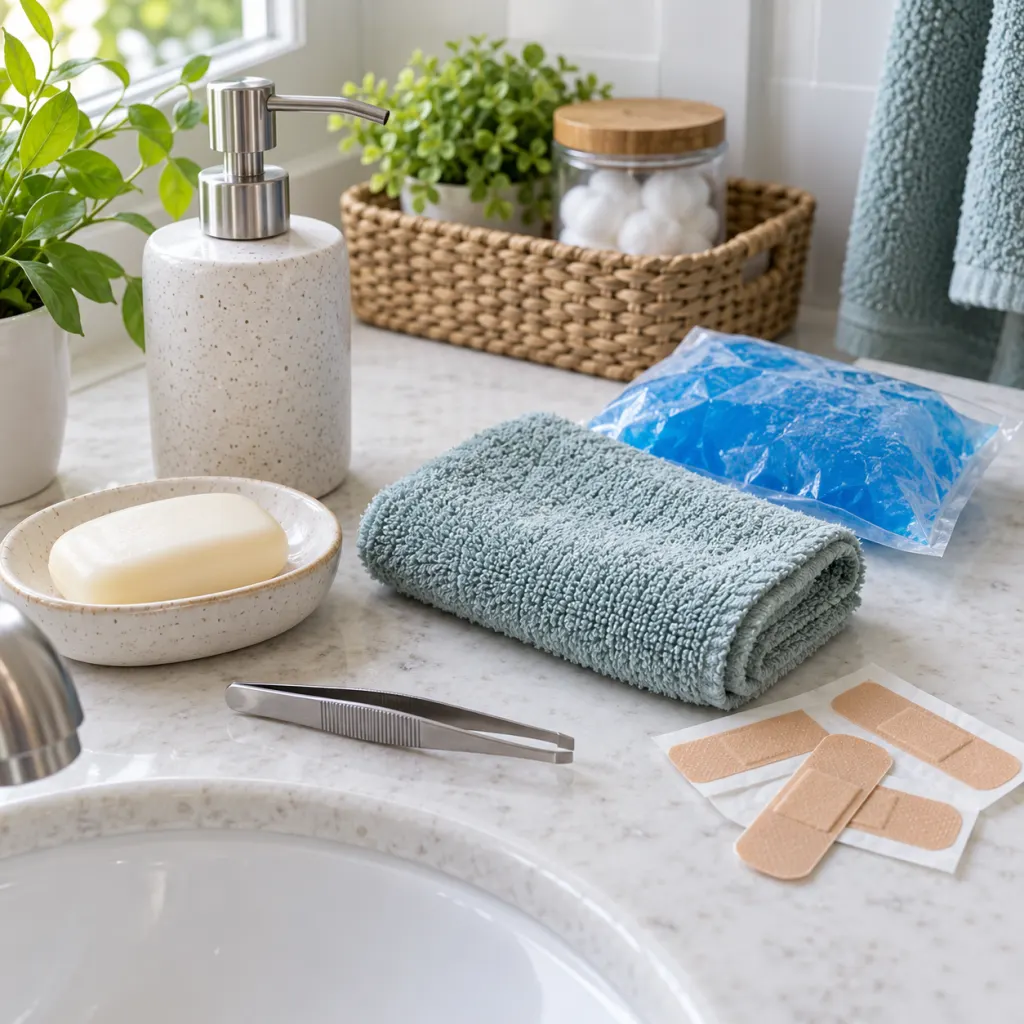
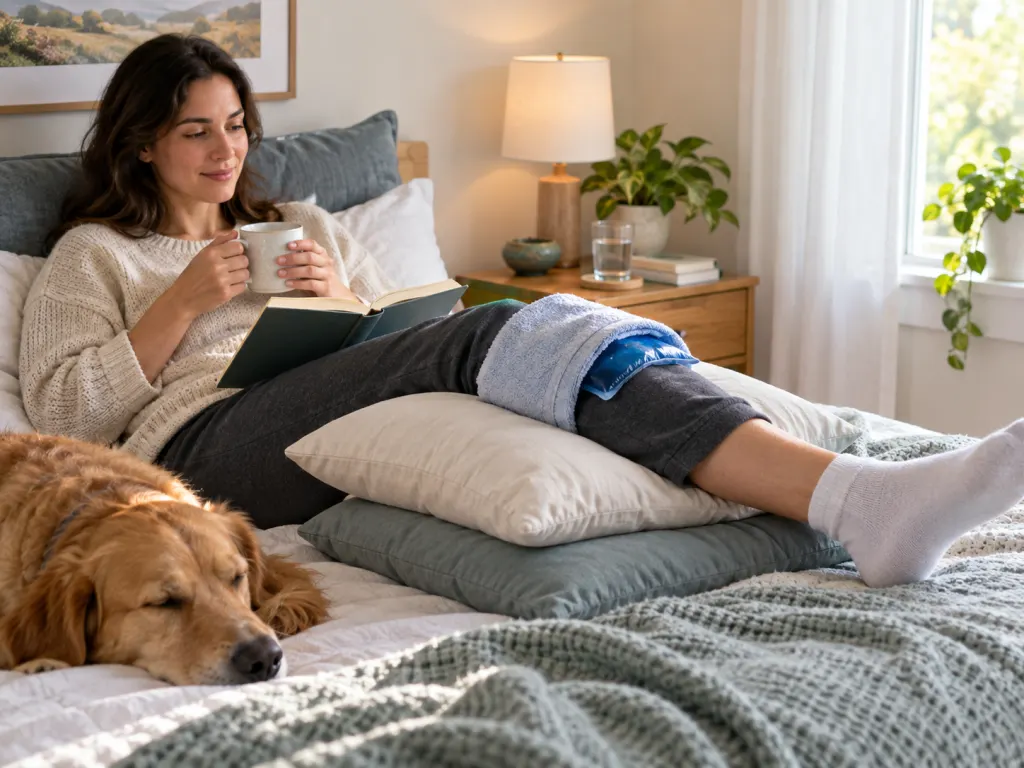
Cold is often the first choice when soreness is recent or swelling is present. Use a cold pack wrapped in a thin towel rather than placing ice directly on skin, and stop if the area becomes painfully cold, numb, or irritated. MedlinePlus describes ice, elevation, and an elastic sleeve or bandage among self-care measures for new, non-severe knee pain https://www.medlineplus.gov/ency/article/003187.htm. The key is moderation. Cold should feel protective and calming, not harsh. Avoid falling asleep with a cold pack on the knee.
3. Use Heat For Stiffness, Not Fresh Swelling
Heat can feel better when the knee is stiff rather than newly swollen. A warm towel, warm shower, or heating pad on a low comfortable setting may help the muscles around the joint relax before easy movement. The American College of Rheumatology and Arthritis Foundation guideline lists heat and therapeutic cooling among conditionally recommended physical approaches for knee osteoarthritis, with shared decision-making because needs vary from person to person https://acrjournals.onlinelibrary.wiley.com/doi/epdf/10.1002/art.41142. If warmth increases throbbing, swelling, or redness, stop and choose a gentler option.
4. Keep Movement Joint-Friendly
Gentle activity often supports knee comfort better than a cycle of overdoing it and then stopping completely. The CDC says joint-friendly activities put little stress on joints and include options such as walking, cycling, light gardening, dancing, tai chi, swimming, and water exercise https://www.cdc.gov/arthritis/prevention/index.html. Start smaller than your ambition. A few easy minutes may be enough at first, especially after a flare. Useful choices often share a few traits:
- They feel manageable during the activity and later the same day.
- They avoid twisting, jumping, and sudden direction changes.
- They can be increased gradually when symptoms stay calm.
- They are realistic enough to repeat several days a week.
5. Build Strength Around The Knee
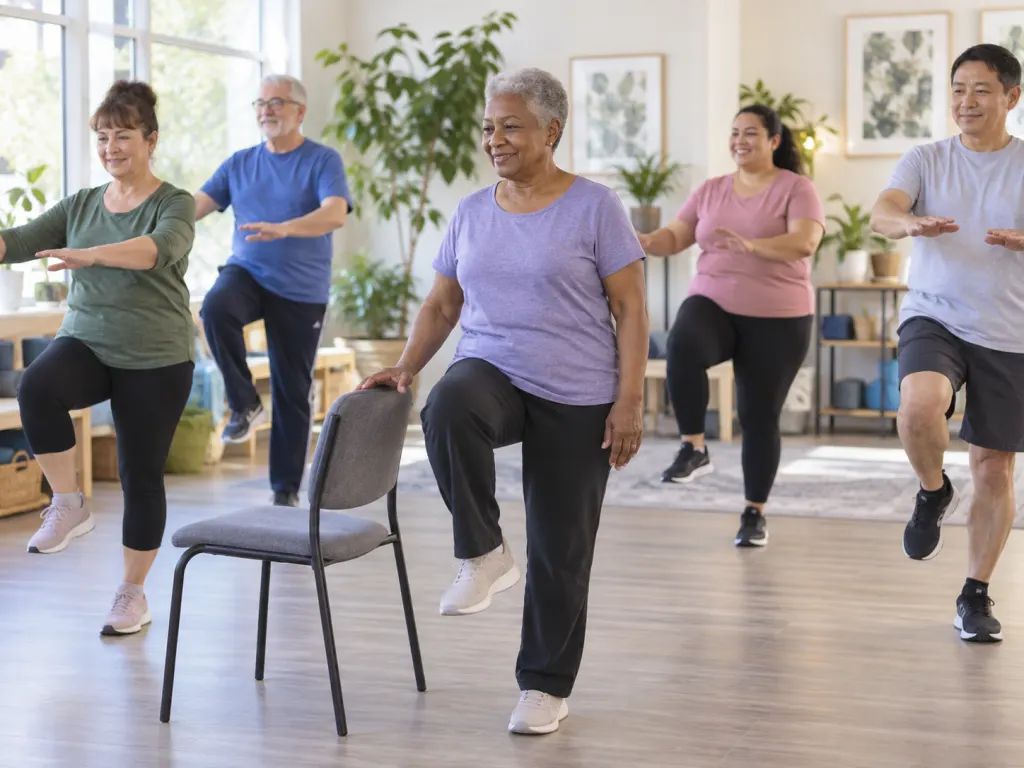
Stronger hip, thigh, and calf muscles can help the knee handle everyday loads more evenly. The CDC recommends that adults, including people with arthritis, include muscle-strengthening activity at least 2 days a week, and notes that weights or resistance bands should be chosen so they do not cause joint pain https://www.cdc.gov/arthritis/prevention/index.html. At home, this may mean controlled sit-to-stands from a sturdy chair, gentle straight-leg raises, low step-ups, or glute bridges if they feel comfortable. Sharp pain, swelling that worsens afterward, or a sense that the knee may give way is a sign to stop and get guidance.
6. Check Shoes And Walking Surfaces
Footwear cannot solve every knee problem, but it can change how walking feels. MedlinePlus advises making sure running shoes are well made, fit well, and have good cushioning, and mentions shoe inserts or arch supports for some people with flat feet https://www.medlineplus.gov/ency/article/003187.htm. Around the home, notice whether pain changes on hard floors, stairs, uneven ground, or old shoes with worn soles. A supportive shoe, smoother route, shorter errand, or temporary use of a handrail may reduce unnecessary strain while the knee settles.
7. Use Compression Carefully
An elastic sleeve or wrap may feel supportive for mild swelling or a sense of heaviness. It should never cause numbness, tingling, new pain, skin color change, or swelling below the wrap. Compression is most useful when it is comfortable and easy to remove. If you find yourself tightening a bandage to get through normal walking, that is a clue the knee deserves professional assessment rather than more pressure. MedlinePlus includes elastic bandages or sleeves among short-term home care measures for new, non-severe knee pain https://www.medlineplus.gov/ency/article/003187.htm.
8. Consider Body Weight As One Factor, Not A Blame Story
Weight is only one part of knee health, and it should be discussed without shame. For people with overweight or obesity and arthritis, the CDC says even a small amount of weight loss can help reduce arthritis-related pain and disability https://www.cdc.gov/arthritis/caring/index.html. The practical home version is not a crash plan. It is a steady pattern that supports energy, strength, and consistency: regular meals, enough protein, fruits and vegetables when available, low-impact activity, and sleep habits that make movement easier the next day. A registered dietitian or clinician can help personalize this if weight is a sensitive or medically complex topic.
9. Ask Whether A Brace Or Cane Makes Sense
Some people feel steadier with a knee brace, sleeve, cane, or other support, but the best choice depends on the pattern of symptoms. The ACR and Arthritis Foundation guideline strongly recommends cane use for knee or hip osteoarthritis when appropriate and includes specific knee brace recommendations for certain knee osteoarthritis patterns https://acrjournals.onlinelibrary.wiley.com/doi/epdf/10.1002/art.41142. A poorly chosen brace can be uncomfortable, slide around, or create a false sense of security. If you are limping, avoiding stairs, or afraid the knee will buckle, a physical therapist or qualified clinician can match support to the actual problem.
10. Consider Tai Chi Or Gentle Massage With Realistic Expectations
Tai chi is slow, balance-oriented movement that may suit some people with knee osteoarthritis. NCCIH reports that the 2019 ACR and Arthritis Foundation guideline strongly recommends tai chi for knee osteoarthritis, while also noting that more high-quality research is needed to clarify the best style, intensity, frequency, and duration https://www.nccih.nih.gov/health/tai-chi-what-you-need-to-know. Massage is more limited. NCCIH says the small amount of research on massage therapy for knee osteoarthritis suggests short-term benefits for some people, but rare serious harms have been reported, especially with vigorous massage or higher-risk situations https://www.nccih.nih.gov/health/massage-therapy-what-you-need-to-know. Keep massage gentle, focus on surrounding muscles rather than forcing pressure into a painful joint, and avoid delaying needed medical help.
Be Careful With Supplements, Oils, And Viral Claims
Many products marketed for knee comfort are sold with confident language that goes beyond the evidence. NCCIH says that for osteoarthritis, it remains uncertain whether glucosamine and chondroitin have a meaningful impact on symptoms or joint structure, and that evidence on other dietary supplements is too limited for conclusions https://www.nccih.nih.gov/health/osteoarthritis-in-depth. Essential oils and herbal rubs can also irritate skin, especially if used undiluted or applied under tight wraps. A cautious rule is simple: do not apply products to broken or irritated skin, stop if burning or rash appears, and bring recurring knee pain to a qualified professional instead of chasing stronger home mixtures.
When Knee Pain Should Be Checked
Home care is not the right setting for every knee problem. MedlinePlus advises contacting a provider if you cannot bear weight, have severe pain even without bearing weight, have buckling, clicking, locking, deformity, trouble bending or straightening the knee, fever, redness, warmth, major swelling, calf pain or color change below the sore knee, or pain that remains after several days of home care https://www.medlineplus.gov/ency/article/003187.htm. You should also be checked after a significant fall, twist, sports injury, or car accident. Pain that wakes you repeatedly, keeps returning, or steadily narrows your normal life deserves more than a list of home steps.
Wrap-Up
Knee pain self-care is safest when it is modest, specific, and responsive to how your knee behaves. Relative rest, cold, heat, gentle activity, strengthening, supportive shoes, careful compression, weight-conscious habits, appropriate supports, tai chi, and gentle massage may help some people move more comfortably. The most important skill is knowing when to stop self-care and get help: severe pain, major swelling, fever, redness, warmth, deformity, locking, instability, calf symptoms, inability to bear weight, or symptoms that do not improve should be evaluated by a qualified health professional.
Frequently Asked Questions
- → Can I walk if my knee hurts?
Often, yes, if walking is mild, steady, and does not make pain sharper or worse later. Choose level ground, shorten the distance, and stop if the knee buckles, locks, swells more, or changes your gait significantly. Severe pain or trouble bearing weight should be checked.
- → Is heat or cold better for knee pain?
Cold is often more useful for new soreness or swelling, while heat may feel better for stiffness. Use either gently, protect the skin, and stop if symptoms worsen. Redness, warmth, fever, or major swelling should be discussed with a health professional.
- → Do I need a knee brace?
Some people benefit from a brace, sleeve, cane, or other support, but the right choice depends on the cause and location of symptoms. A brace that slips, pinches, or lets you push through worsening pain is not a good solution. A physical therapist or clinician can help fit the support to your needs.
- → Are home exercises safe for knee pain?
Gentle strengthening and low-impact movement can be useful for many people, especially when started slowly. Exercises should not cause sharp pain, new instability, or swelling that worsens afterward. If they do, stop and get individualized guidance.
- → When should I stop home care and get medical help?
Seek medical help if you cannot bear weight, have severe pain, major swelling, fever, redness, warmth, deformity, locking, buckling, calf pain or color change, or trouble bending or straightening the knee. Also get checked after a significant injury or when pain persists despite several days of careful home care.
References
This content was developed and refined using reliable sources.
- https://www.medlineplus.gov/ency/article/003187.htm
- https://www.cdc.gov/arthritis/prevention/index.html
- https://www.cdc.gov/arthritis/caring/index.html
- https://www.niams.nih.gov/health-topics/osteoarthritis
- https://acrjournals.onlinelibrary.wiley.com/doi/epdf/10.1002/art.41142
- https://www.nccih.nih.gov/health/tai-chi-what-you-need-to-know
- https://www.nccih.nih.gov/health/massage-therapy-what-you-need-to-know
- https://www.nccih.nih.gov/health/osteoarthritis-in-depth